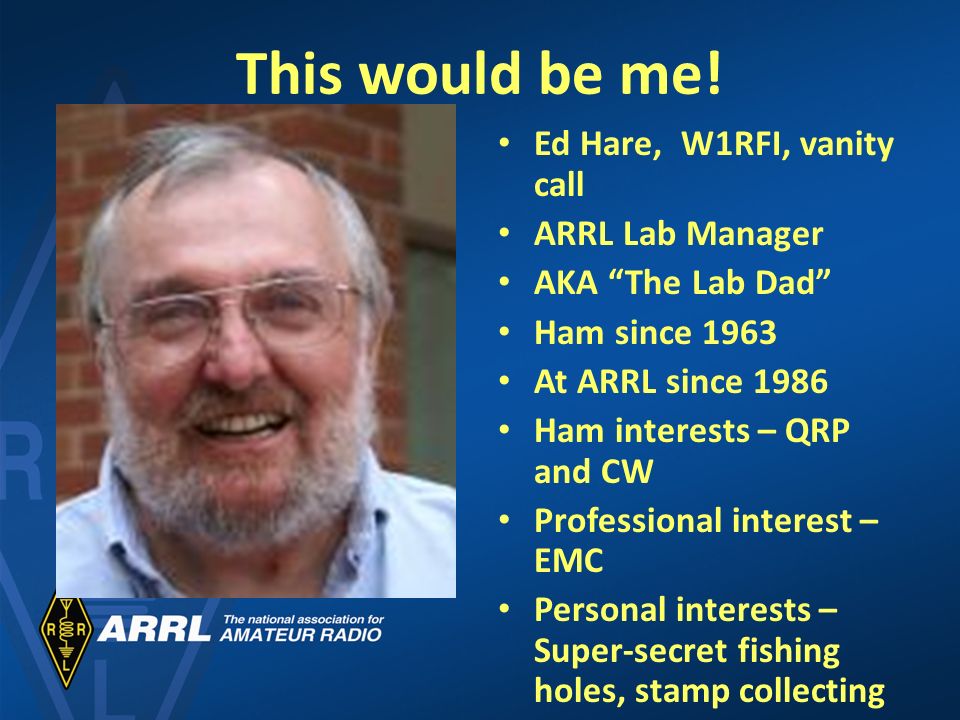
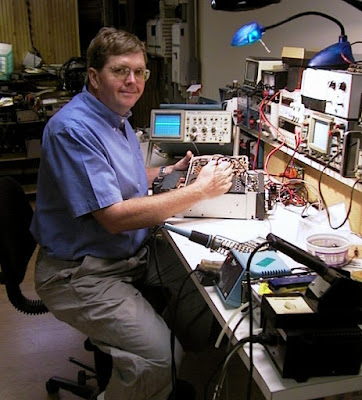
FDIM: Bob Crane Interviews Ed Hare W1RFI
Stay Thirsty My Friends — A Very Inspirational Article
There is no real connection to radio here, other than the fact that some of us are in this guy’s age group, and that we have had a few Dos Equis Guy memes on the blog. But do yourself a favor and spend a few minutes with this article. You will be glad you did.
Thanks to Larry K8MU for alerting us to this.
Stay thirsty my friends.
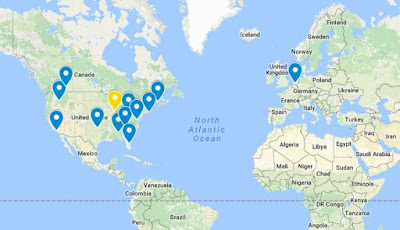
Put Yourself on the BITX Map
On Jun 9, 2017, at 4:53 PM, Doug W wrote:
Seeing the topics for regional operator lists got me thinking. If words are good, pictures are better. I set up a google map that you can add yourself too to help visualize where everyone is located. I was going to add people that responded to the other topics but out of respect for privacy (and my laziness) this should be entirely opt in only. The map is only accessible with the link below. The interface is reasonably intuitive but I will do my best to explain how to add yourself.
go to
https://drive.google.com/open?id=1Oa_egVdStSJBF5C7mpS6MXrkces&usp=sharing
type your address in the search bar on the top of the map (the box with the magnifying glass to the right)
hit enter or click the magnifying glass
verify the location displayed
click add to map at the bottom of the box that pops up
now click the pencil/edit icon at the bottom right of the box
change the highlighted address to your call sign and click save at the bottom left of the box
you can also add more information to your spot if you choose to
bookmark the link and check back as more people add themselves
I am making this sound much more complicated than it is. If anyone can describe the process better please do.
FDIM: Bob Crane Interview with Preston Douglas WJ2V
![]() |
|
WJ2V with Chuck Adams and Zack Lau
|
Our ace journalist in Dayton Ohio caught up with QRPARCI President Preston Douglas, WJ2V.
Congratulations to Preston and QRPARCI for a successful FDIM event.
Pete and I will heed his warning!
Listen to the interview here:
http://soldersmoke.com/FDIM17WJ2V.mp3
Old Timer Needs Soldering Help
I believe Harold is in Elk Grove California. Is there anyone out there who could help him? If so, please send me an e-mail at soldersmoke@yahoo.com
Bill
I’m a very elderly ex-ham living in Elk Grove and my current project is putting together a World War II military surplus IFF. This requires that I solder cable to small circular connectors and I no longer possesss the eye-hand coordination to do this. Do you jnow of any ham who can help me with this-he or she would be reimburses, of course Thanks for you your help
73s Harold S Meltzer ex W2OZX.
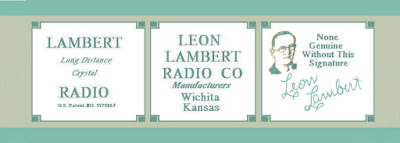
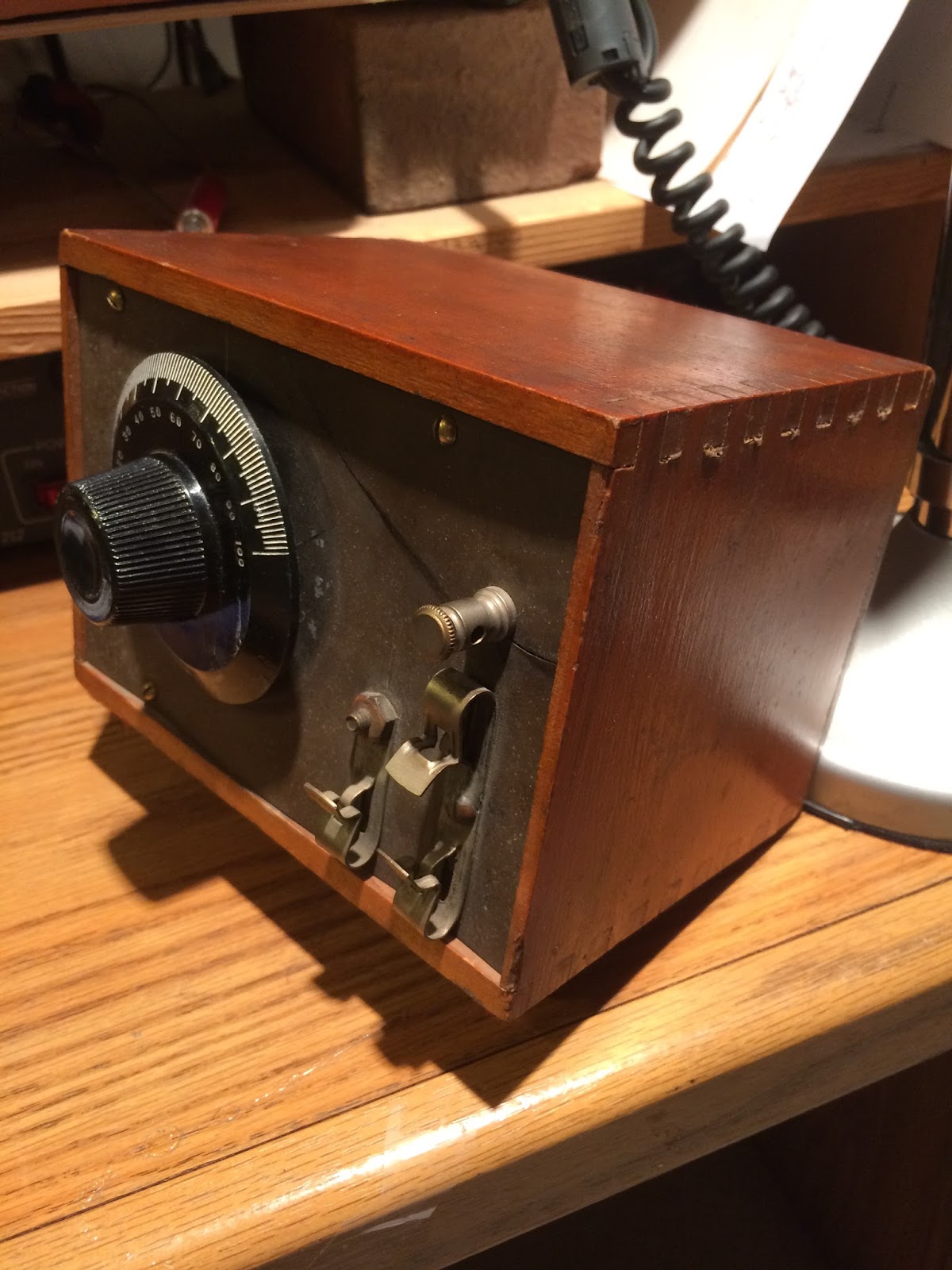
The Leon Lambert Crystal Radio
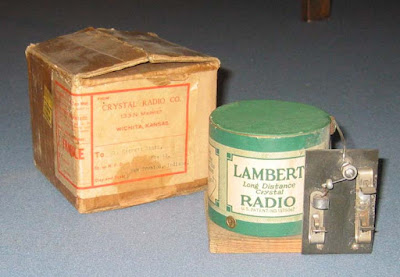
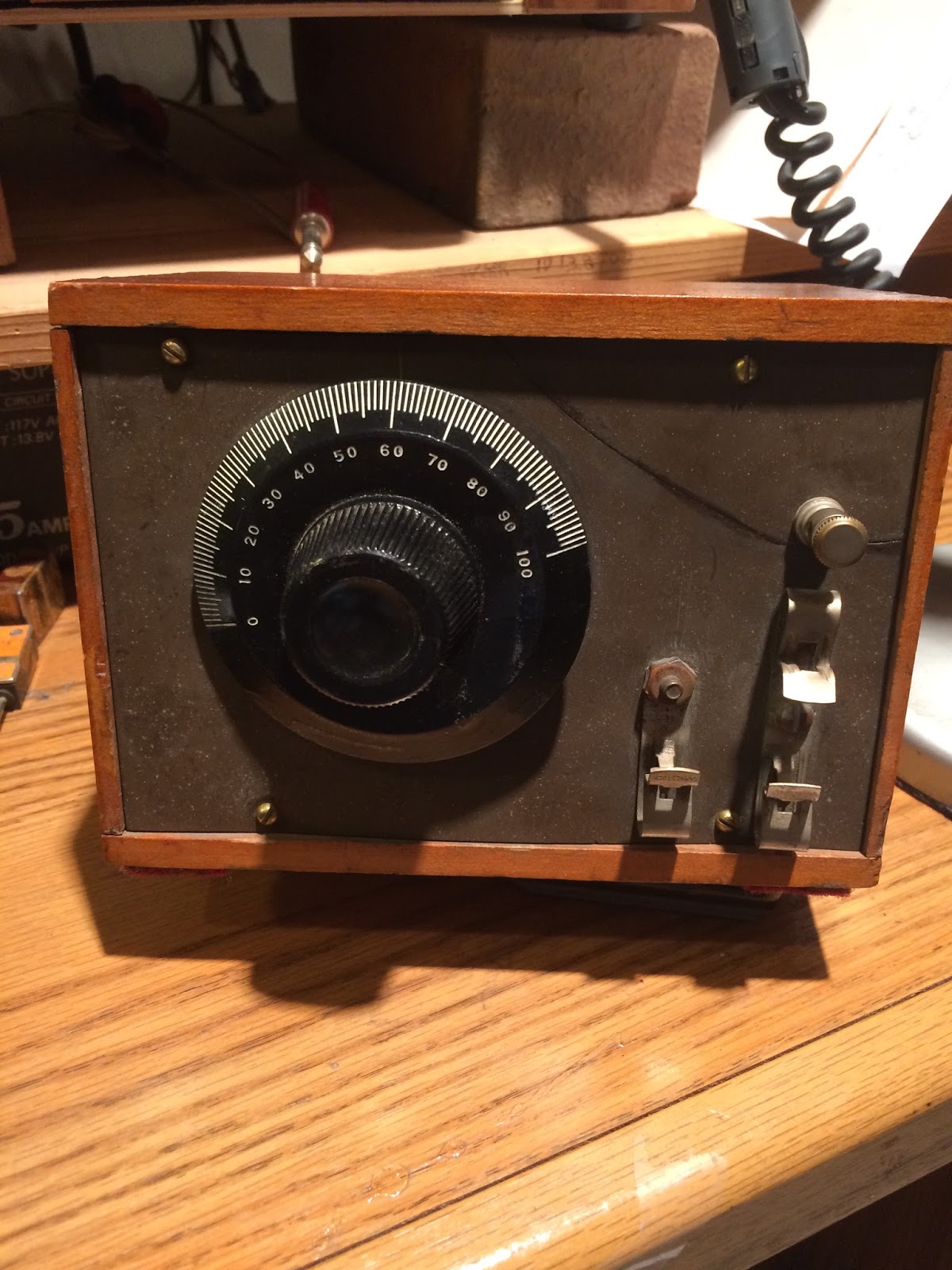
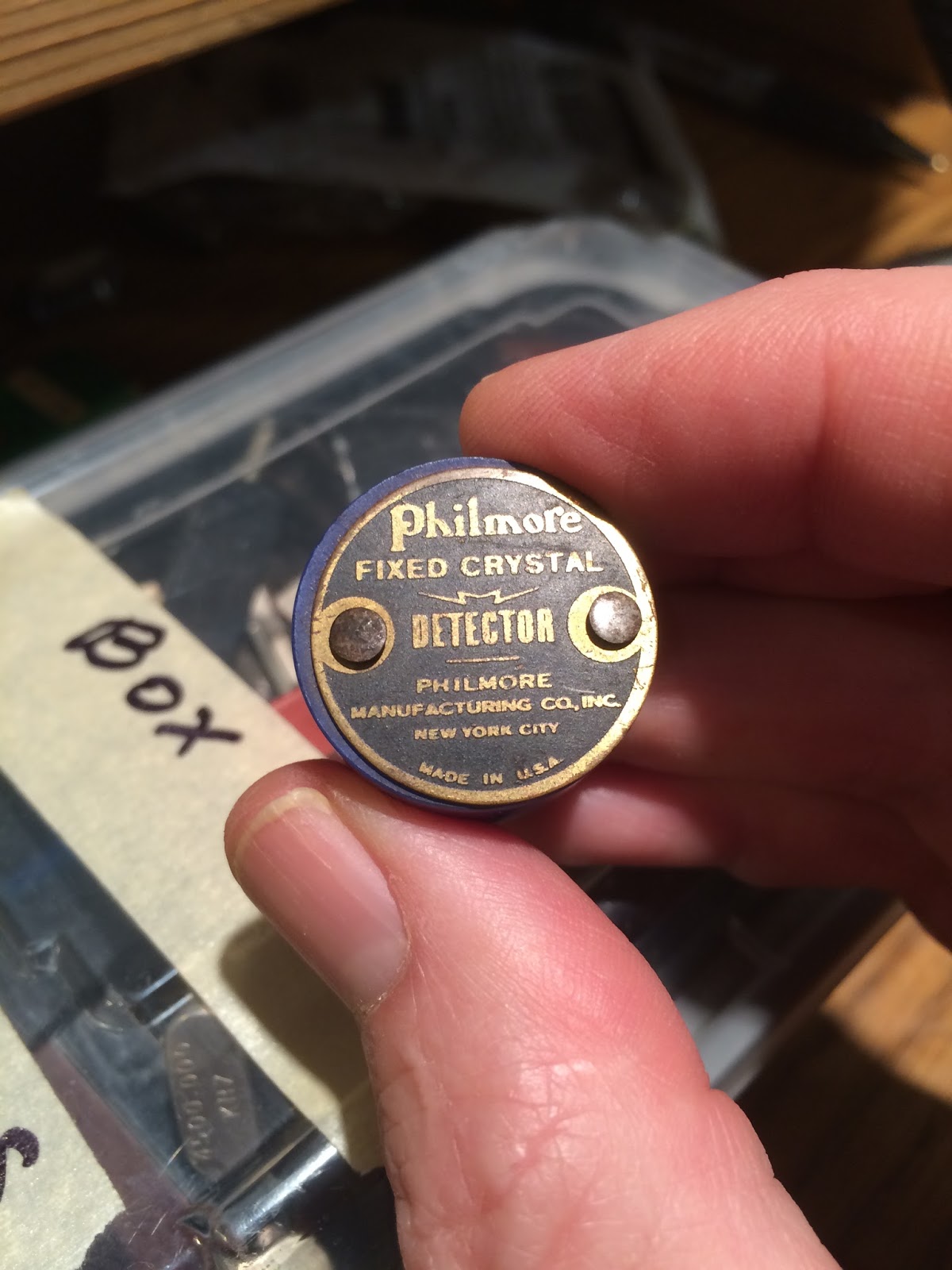
Above you see another gem from the Manassas hamfest. I didn’t know what this was. And I don’t think the seller knew what it was either. I think I gave him 5 bucks for it (as it turns out that is close to the original 1925 price). It was only in the course of looking up yesterday’s Philmore Fixed Crystal Detector that I happened to spot a picture of this thing.
There is not much to it. That nice dial is mechanically connected to a sweeper arm that runs along a big coil. The galena and cats whisker were apparently held in place by the Fahenstock clips on the front. Leon Lambert made these things in Witchita Kansas around 1924. He started making them without the fancy wooden box, but one report says he found a good source for the enclosures:
In 2004 Dale Davenport wrote:
Leon Lambert’s crystal sets show up maybe as or more often than most other brands from that time period apparently, particularly in the Midwest, There are quite a few variations though: some have a little metal tag tacked on, usually on top front center, some do not have a tag at all. Detectors vary some as well and I’ve seen them with Erla fixed detectors. One thing is more or less constant it seems, and that is the little wooden boxes they are mounted in. I cannot verify the story other than from observations, but was told quite a number of years ago that the boxes the Lambert sets are mounted in were used to ship sticks of chalk, packed in saw dust, to schools. Lambert supposedly had a deal with someone with the local school system to acquire these as they were emptied. I have owned one example, and have seen other examples of these sets that show some pressure marks on the flat sides, near the corners, where they apparently were packed in bundles, and the strapping tape used to secure the bundles left an impression. This seems to indicate that the story might be true and they might be leftover marks from the box’s days as a chalk shipping box.Has anyone else heard the story or can anyone else offer more details on this theory? From: http://www.antiqueradios.com/forums/viewtopic.php?t=36735
Here’s a picture of the unboxed version — you can see here where the galena went:
And here we see Leon himself:
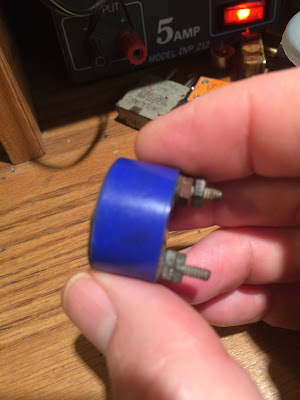
The Philmore Fixed Crystal Detector
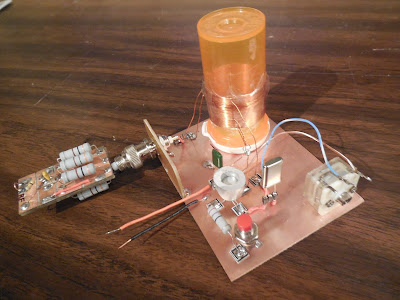
KM4FNQ’s FB Michigan Might Mite
Bill:
transistor: 2n2219a metal can with homemade aluminum heat sink
resistors: 27 ohm 2w 5% metal oxide; 10k ohm 1/4w 5% carbon film
polyvaricon capacitor: from an old am radio 9pf to 149pf
capacitor: 0.047uf polyester film (473)
coil: 1.25in. pill bottle with electric motor magnet wire: 0.017in.
primary: 45t, tap: 15t, secondary: 6t
crystal: hc49/u 3.57 mhz
board: fr4 1oz copper, 3inx4in
dummy load: six 300 ohm 3w metal film resistors
LTSpice .asc file for the Organic Chip NE602 Rig
A link to the .asc LTSpice file for the NE602 rig appears below. Perhaps some brave soul more skilled in LTSpice than I am might want to turn this drawing into a real simulation. Some of the parts (like the NE602s) have actual simulated components behind the drawings. Others (like the relays and the LM741 and LM386) are just drawings. But go ahead and flesh this thing out. Who knows, it might come to life in the PC and start making QSOs on 40!
Here is the .asc file: http://soldersmoke.com/NE602 Rig.asc
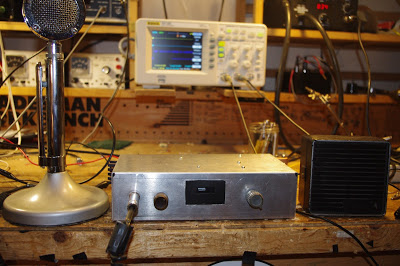
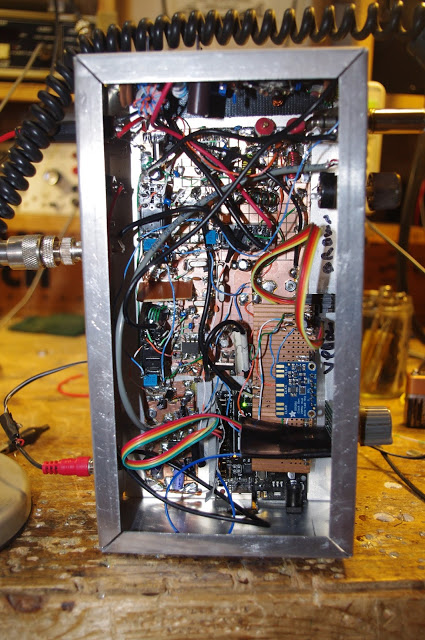
My Organic Chip Rig with an LTSpice Schematic
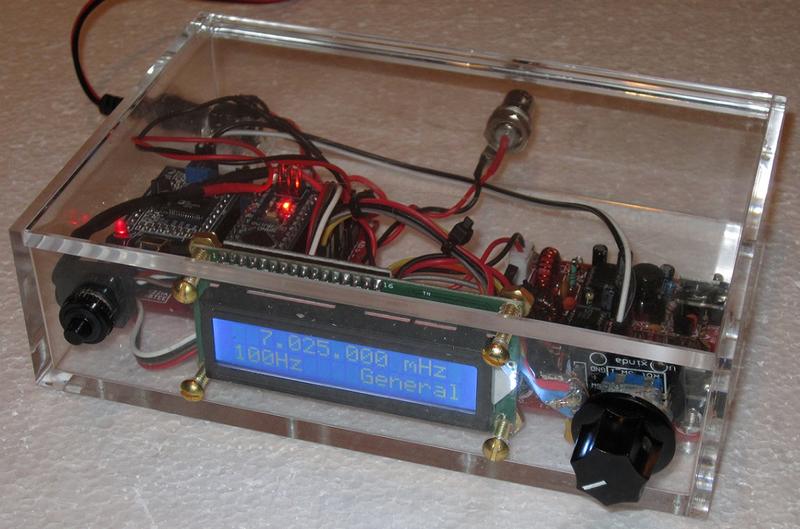
This is a rig that came together through a process of Spontaneous Construction. It started out with an innocent effort to get an Organic Light Emitting Diode display to work with an Si5351/Arduino combination. Then I figured I’d make a superhet receiver with it. Then Pete said I should make it a transceiver.
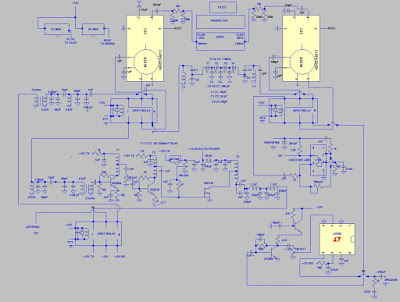
Most of my earlier transceivers so closely followed the schematics of Farhan or others that it didn’t really make sense for me to prepare a new schematic. This one was different. So I decided to prepare a proper schematic. I tried a few of the free-ware CAD or drawing programs, but each of them had a learning curve at the entrance. So I turned to LTSPICE. I have already climbed that learning curve.
The results appear above. Click on the image to make it bigger. I’m sure there are errors in there. And I think some of my parts choices might be less than optimal. But it works well.
The filter was deigned with the help of AADE software.
The idea of using two NE602s with a filter between them came (I think) from the Epiphyte.
The band pass filters were designed with ELSIE software.
The RF power chain is mostly from Farhan’s BITX40 module, with the pre-driver and driver modified for a bit more gain. Farhan’s amp is the most stable power amplifier I have ever used. It hasn’t given me any trouble, even at 20 Watts. Strongly recommended.
The microphone amp is derived from the 741 op amp circuit used in the (in)famous Wee-Willy DSB rig.
The receiver AF amp also comes from Farhan’s BITX40Module.
Please let me know if you spot errors or have suggestions for circuit improvement.
A link to the .asc LTSpice file appears below. Perhaps some brave soul more skilled in LTSpice than I am might want to turn this drawing into an actual simulation. Some of the parts (like the NE602s) have actual simulated components behind the drawings. Others (like the relays and the LM741 and LM386) are just drawings. But go ahead and flesh this thing out. Who knows, it might come to life in the PC and start making QSOs on 40!
Here is the .asc file: http://soldersmoke.com/NE602 Rig.asc
Juno Spacecraft Looks At Jupiter
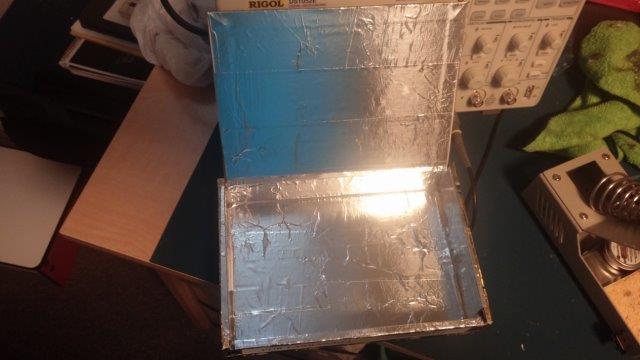
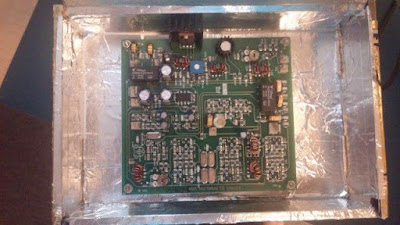
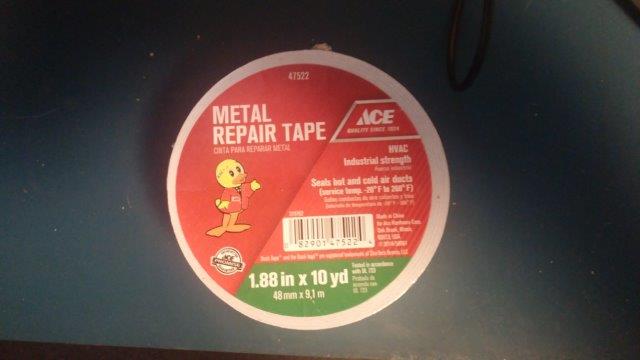
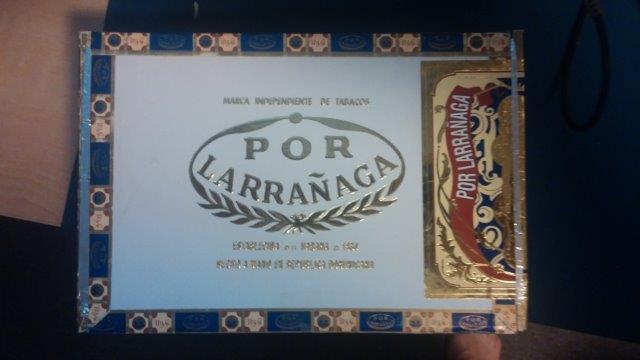
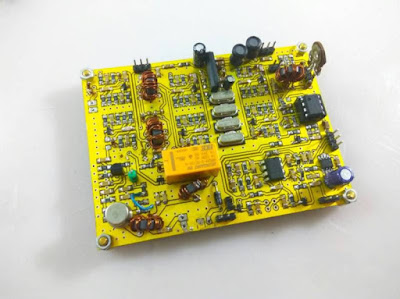
KY3R’s Metalized Cigar Box Rig Enclosures
Bill,
The Transistor! 1953 Bell System Film — Great Stuff!
Thermatron fans beware! There is some trash talking of tubes in this 1953 Bell film. But there is also a lot of recognition of the contribution made by our beloved valves. I especially liked the report on the historic 1915 phone transmissions from Arlington, Virginia. ( I drive past the transmitter site every work day). FIVE HUNDRED TUBES combined to send the human voice from Arlington to both the Eiffel Tower and to Pearl Harbor, Hawaii. FB OM! 59!
I was disappointed, however, that this film failed to recognize another momentous 1953 achievement in sold state electronics: In that year, 11 year-old Pete Juliano built his first solid state amplifier — an audio amp using a CK722 transistor. Read about it here: http://soldersmoke.blogspot.com/2015/03/pete-juliano-homebrwing-with.html
The fact that Pete was homebrewing solid state circuits at the time that this film was made is a reminder of the vast experience that he has, and of how much technological progress we have made in such a short period of time.
Farhan gives me a Spectrum Analyzer and W2AEW Provides the Tutorial (Video)
At Dayton, Farhan very kindly bought me a Tektronix Spectrum Analyzer. (I joked during his visit that this device might help me stay in the good graces of the FCC.) This morning I decided to learn more about this device. I Googled “Tek 1401A” and was immediately directed to a YouTube tutorial. I was pleased to see that it was from our old friend Alan Wolke W2AEW. I knew that the Tek analyzer and I were in good hands. TRGHS. Alan expertly laid out the functions of the device. I am confident that I will soon be analyzing the spectrum of my homebrew rigs, and that they will all be found COMPLETELY FREE of spurious emissions.
Alan’s tutorial is instructive for all those getting started with spectrum analyzers.
I need to find a manual and schematic for the 1410A.
Thanks Farhan. Thanks Alan. And three cheers for Beaverton, Oregon!
Indonesian BITX: Check out the BRITX
FDIM: W8SX Interviews Mike Bryce WB8VGE
KEEP THAT GREEN FLAME BURNING MIKE!
FDIM: W8SX Interviews W8TEE on Facelifts for SSB Rigs
Our intrepid correspondent Bob Crane interviewed FDIM speaker Jack Purdum W8TEE. Jack made some very intriguing comments on his efforts to enhance the beloved BITX transceiver. CW! AGC! Speech processing! Woo hoo! We await more details on how to acquire the board that Jack describes.
Jack is a very accomplished guy who has made many contributions to the radio art, most recently on Arduino microcontroller projects: https://www.qrz.com/db/W8TEE
Listen to Bob’s interview with Jack here:
http://soldersmoke.com/FDIM17W8TEE.mp3
Thanks Jack! Thanks Bob!
Here are is the manual, bill of materials, and schematic for Jack’s board:
http://soldersmoke.com/W8TEEschematic.pdf
http://soldersmoke.com/W8TEEmanual.doc
http://soldersmoke.com/W8TEEbom.doc
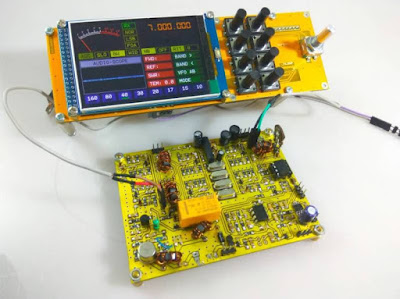
Homebrew Peppermint BITX: KC1FSZ Goes Scratch-built and Sweeps a Filter
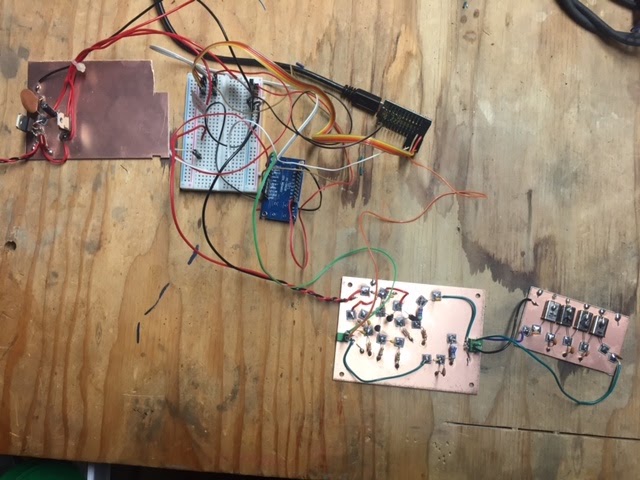
Hi Bill/Pete:
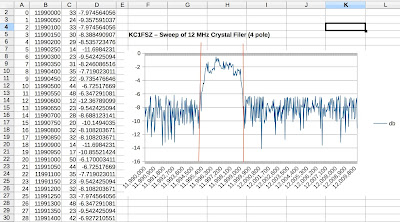
With low expectations (and wires that are too long), I ran a few seeps and then downloaded the data onto my computer for analysis. No fancy software here, I’m just using Excel. When I put the data into a line chart in Excel, what emerged from the jumble of seemingly random numbers was a thing of beauty: a 3.5 KC passband right below 12 MHz. It’s the next stage beyond the Joy of Oscillation: The Joy Of Selectivity!