http://soldersmoke.com/soldersmoke202.mp3
13 Jan 2018
Opening music from Shel Silverstein and Dr. Hook and the Medicine Show.
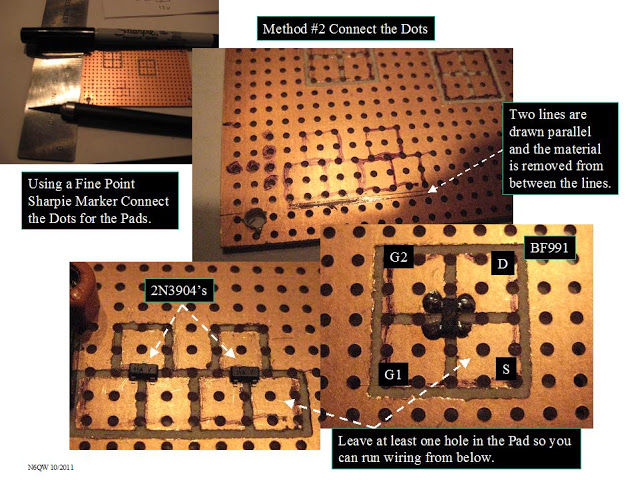
The Vector Board building technique. See http://n6qw.blogspot.com/
Serving the worldwide community of radio-electronic homebrewers. Providing blog support to the SolderSmoke podcast: http://soldersmoke.com
The Vector Board building technique. See http://n6qw.blogspot.com/

It was really nice to sit back and listen to Eric’s talk with Steve Murphy.
Don’t miss this one. Listen here:
https://www.qsotoday.com/podcasts/N8NM
My notes:
— On a Stingray bicycle patrol on garbage night, looking for radio parts. FB Steve!
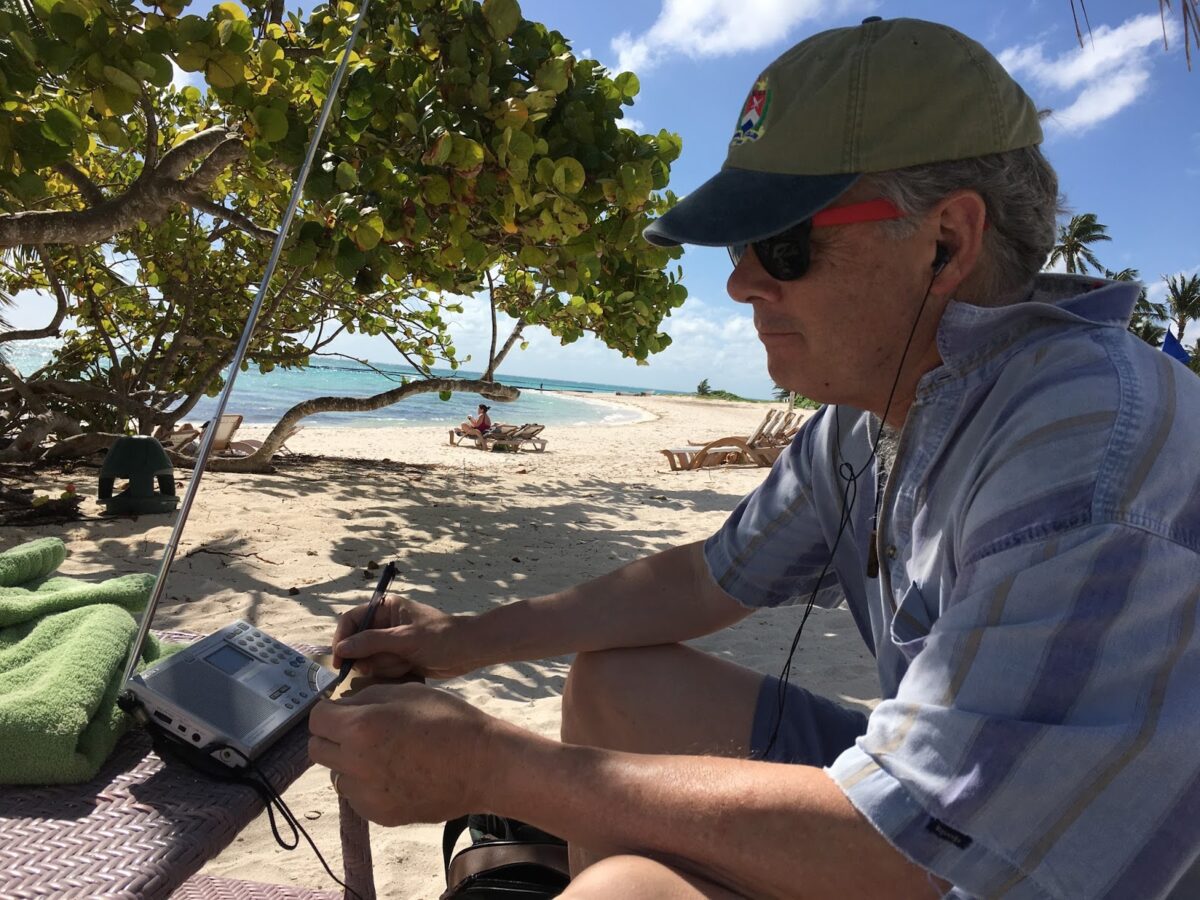
— Started with SWL. A fine radio pedigree.
— Had an R-390A at age 16.
— Uses an LC meter to check on toroid windings.
— Steve: Thanks for the kind words about inspiration.
— Manhattan And Ugly. Mugly!
— Planker! Better on a Board!
— Form Factor First, but then it never fits! Al Fresco!
— Packages arrive from China faster than they go across Israel.
– – E-bay as a really good source for parts.
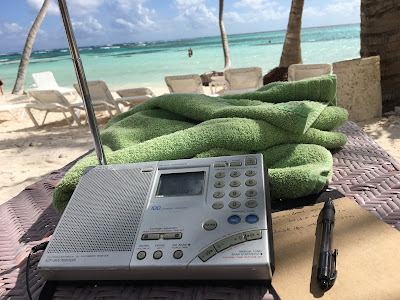
— Oh god, not an S-38E. Stop torturing yourself Steve.
— N8NM: Radio Renaissance Man: Runs a 2 meter repeater network. Thinking of 900 MHz.
— Papa Legba — I got it from a W9SCH via SPRAT. He got it from Voodoo.
N8NM is chickenkiller.com FB.
— Moderation? Ha! Good luck with that!
— An Electromagnetic Playground where Failure has No Consequences. Well put.
-Happy New Year Eric and Steve! Thanks to both of you.

Happy New Year!
There was so much wisdom and tribal knowledge in Eric Guth’s interview with Jeff Damm WA7MLH. It was almost overwhelming.
You should all listen to it. Twice. At least twice:
https://www.qsotoday.com/podcasts/WA7MLH
My notes:
— I sympathize with Jeff’s decision to go solid state and give up on high voltage after an encounter with an undischarged 600 volt capacitor.
— I really like the 1700 kHz IF with a 5 MHz VFO for an 80 and 40 meter receiver.
— Interesting that EE degree didn’t help much in his efforts to understand ham gear. Better to read Wes’s books and Doug’s.
— Tek Spectrum Analyzers were specially made to fit down a submarine hatch.
— Building and measuring just as important as studying the theory. Inked-up text books.
— Learned ugly from Wes as a teenager.
–Searched for old commercial gear to gut and use as homes for homebrew solid state gear. The enclosures, panels and controls are very useful. Great way to avoid metal work. These rigs are no longer boatanchors! Again, I sympathize. I’ve sacrificed many Heath Lunchboxes and QF-1s.
— Jeff Builds the VFO first. My preference too. But he understands Pete’s AF-first approach.
— Finger on the input of the AF amp! Buzz! Yea! Step your way back to the front end.
— ALWAYS one stage at a time.
— Osh Park Boards for standard circuit modules. Like Legos.
— Cubic Feet of air variables. Jeff has a lifetime stash.
–Thinking about what was and should have been his section of EMRFD. Go for it Jeff. PLEASE!
— Hesistant about chips. Analog guy. Would have been a huge time sink. Analog guy.
— Buying parts on e-bay. Fewer and fewer RF parts at hamfests.
— People reading QST Tech Articles for entertainment. Editor apprach: “Nobody will build it anyway.” Handbooks giving priority to entertainment and less to information and education.
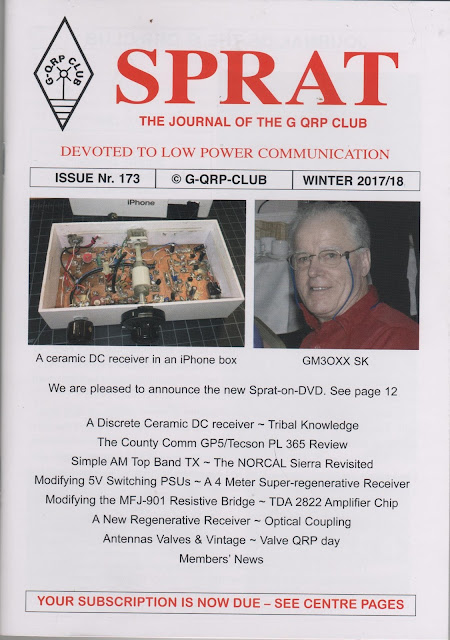
G-QRP very kindly put my little DC Receiver on the cover of issue Nr. 173. (Very sorry to see that GM3OXX has become a Silent Key. )
As we often say on the podcast, if you are not subscribing to this wonderful magazine, you are missing out on a lot of great ideas and circuits. Information on how to join the club and start receiving SPRAT can be found here: http://www.gqrp.com/join.htm It is only 22 bucks!
Reminder: Straight Key Night is upon us. It begins at midnight UTC 1 January. It is a great way to begin the new year. My HT-37 and my Drake 2-B are warming up now (and are helping to keep the shack warm on a very frigid day). HNY to all! 73 Bill
Strongly recommend this sci fi book. Lots of physics
Some e!ectronics. And even a bit of Morse. Ask Santa.
![]() |
| DC RX VFO and Buffer |
![]() |
| The Big Picture |
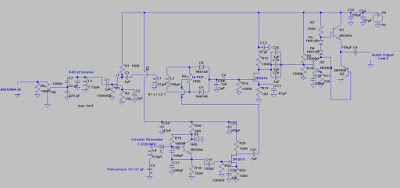
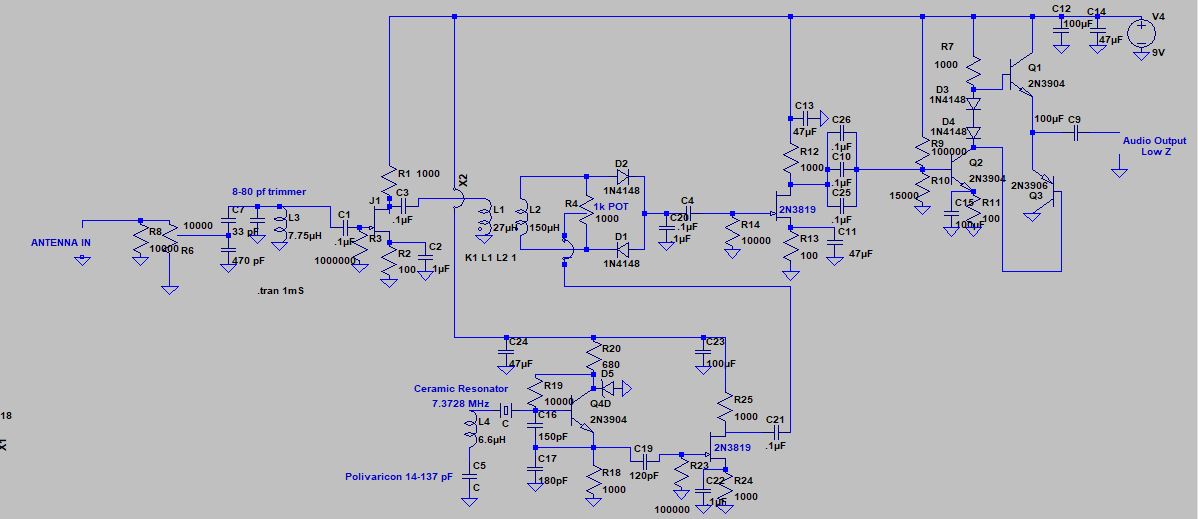
I hope many of you decide to build this little receiver. With it, you can break into the ranks of those intrepid ham homebrewers who have actually built a receiver. Today I’ll begin a series of blog posts on how you might do this. Of course, there are many ways of proceeding. I will describe my method.
FIRST: ALWAYS look at this receiver as a collection of stages. Understand what each stage does and how they all work together. Build it stage-by-stage. Proceed to the next stage only after you confirm that the stage you just built actually works.
I see this receiver as having four stages:
1. Front end (RF gain control, input filter, first RF amplifier).
2. Mixer
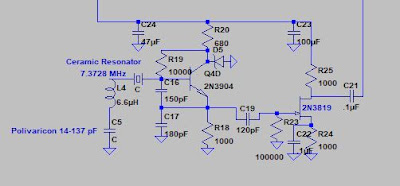
3. Ceramic resonator variable frequency oscillator (and buffer)
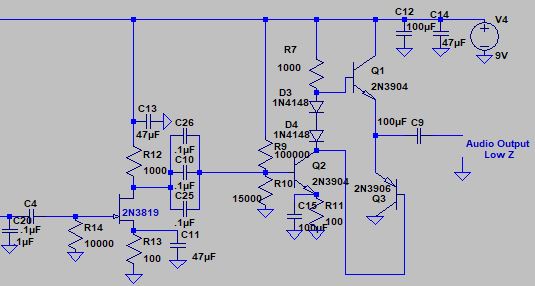
4. Audio amplifier (consisting of four transistors and associated parts).
I think you should build the oscillator stage first.
What you will need: In most cases, you shouldn’t buy individual parts for this receiver. I won’t be providing a BOM. Here is what I think you should do. If you do not already have a good stock of electronic parts, start developing one. Buy assortments of parts, or at least several of each part that you will need. I use e-bay, amazon, mouser, digikey. The parts are out there.
— Get an assortment of resistors. 1/4 watt resistors will do.
— Get a bunch of .1uF capacitors. You will use a lot of these as bypass caps.
— Get a bunch of 2N3904 and 2N3906 transistors.
— Get a bunch of 2N2222 transistors
— Get a bunch of MPF102 and/or 2n2819 FET transistors.
— Get an assortment of small electrolytic capacitors.
— Get some Zener diodes in the 6-8 volt range.
You will need some trimmer caps (8-80pf work fine). Some 1K trimmer pots. and some other stuff.
Get some copper clad board. Pete suggest this, or something like it.
https://www.ebay.com/itm/18-pcs-4-x-6-CEM-1-060-2-oz-Single-Sided-Copper-Clad-Laminate-Board-PCB/311756276147?ssPageName=STRK%3AMEBIDX%3AIT&_trksid=p2057872.m2749.l2649
Try to avoid the cheap fiber glass boards. I prefer single-sided, but double sided is OK too.
You will need to cut the board. Get some tin shears. Mine look like big strong scissors. Use them to cut your boards to size AND to cut the little isolation pads for Manhattan construction.
Crazy glue. I kind of like Gorilla Glue liquid (not gel).
Small wattage soldering iron. 35 W or so. Get a small fan to keep the smoke and glue fumes out of your respiratory system.
9 December 2017
Santa Juliano
Forest fires, snow storms, and an earthquake.
Santa arrives from Hyderabad — uBITX in the house.
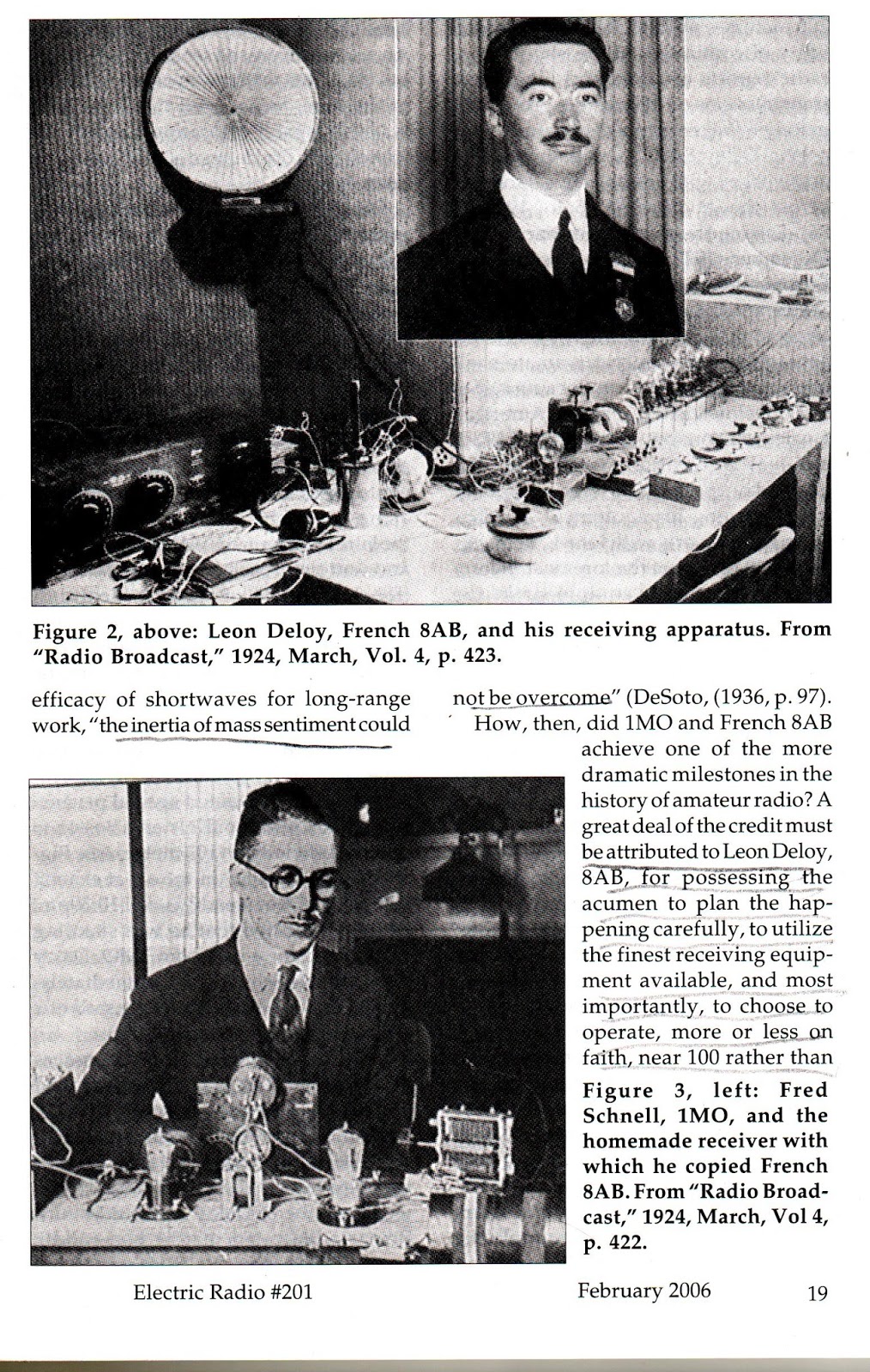
Radio history. First transtalantic amateur contacts.
Bill’s International Brotherhood Ceramic Discrete Direct Conversion Receiver Project.
— Goals — Build your own receiver. Really. From scratch. No cheating.
— How to get started. Get parts and tools.
— Stage by stage.
— VFO first — maybe build two.
Bill built two already
— Nephew is testing the first one.
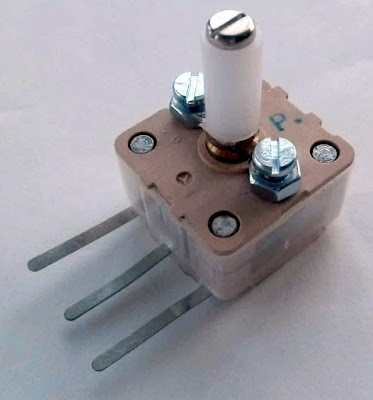
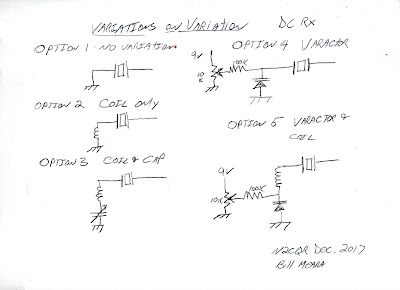
— Polyvaricon limitations.
— Varactor limitations
— Variable cap limitation.
MEETING THE JULIANO STABILITY CRITERIA
Understanding the F5LVG mixer
Pete goes to the dark side with an SDR receiver.
Pete’s 800 Watt Amplifier gives him trouble. TRGHS.
People in the News
Cliff Stoll — Still Passionate about Electronics
Peter Parker — VHF/UHF By the Bay
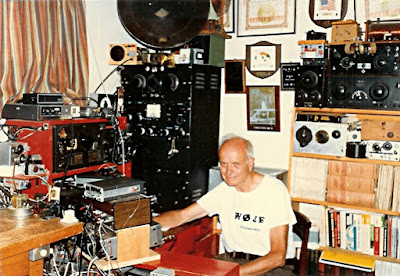
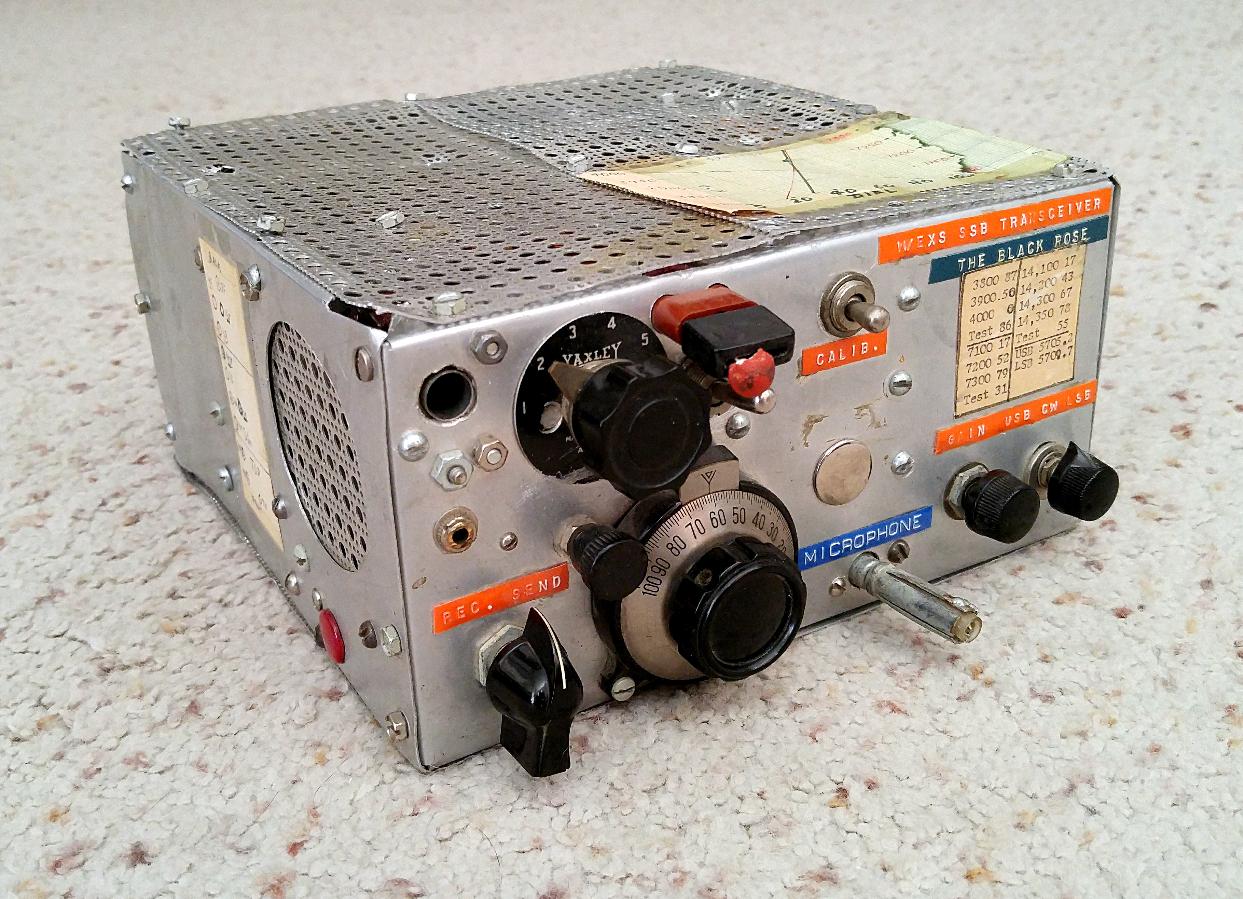
Yardley Beers — Early SSB with “The Black Rose”
John Kraus — Moonbounce without the Moon.
MAILBAG
I’ve been holding off on making this video until I improved the stability. N6QW is vigilent! I only did this video after certifying that it meets the Juliano Stability Criteria. I had to dispense with the polyvaricon and go with an air variable.
We will be talking about this on the SolderSmoke podcast next weekend. I hope to put on the blog a stage-by-stage discussion of how to build this receiver.
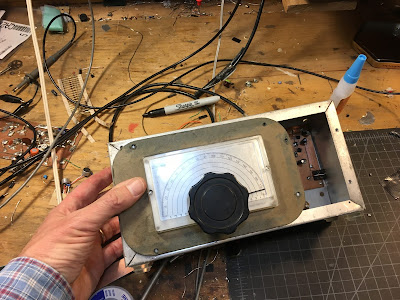
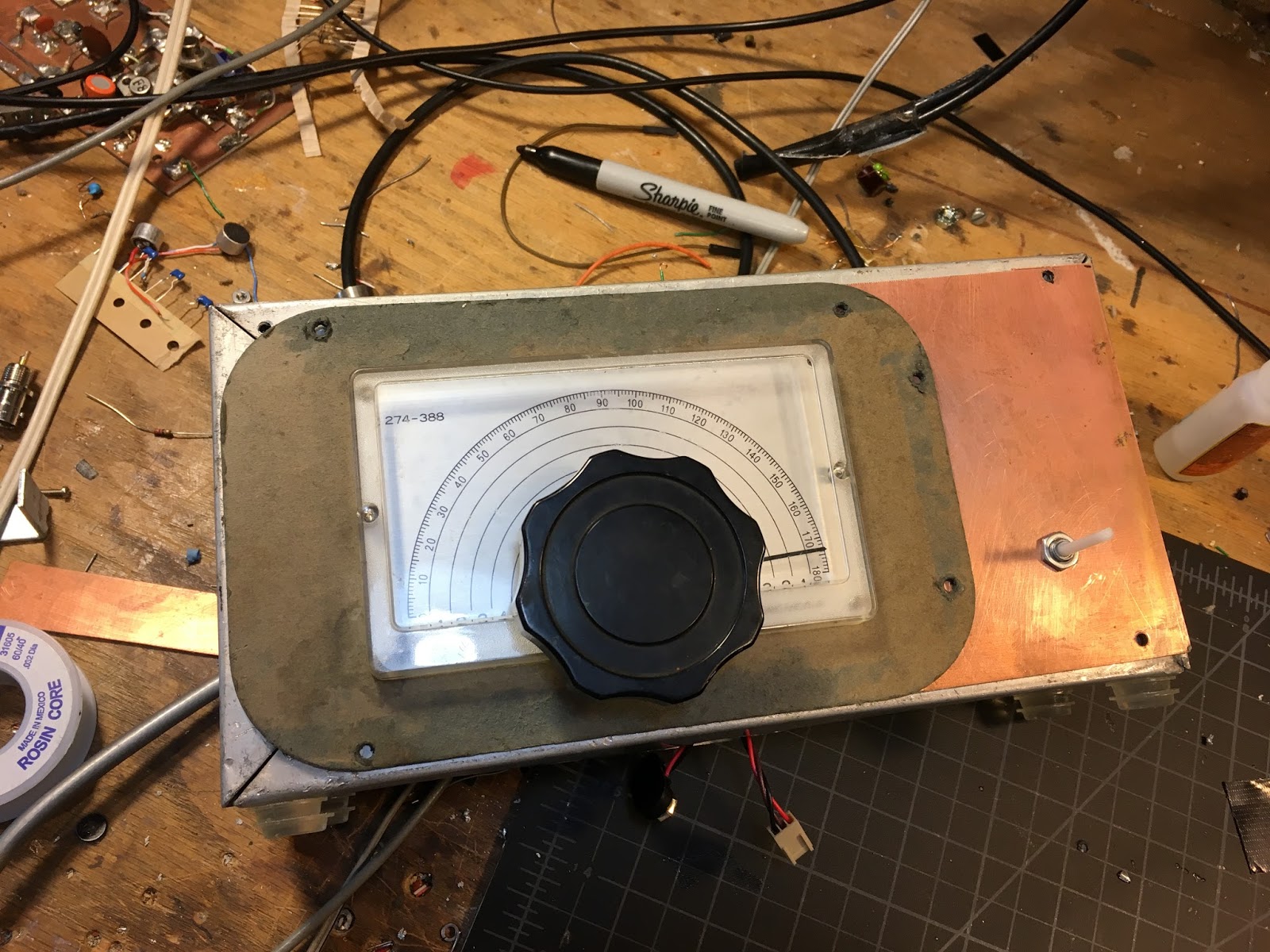
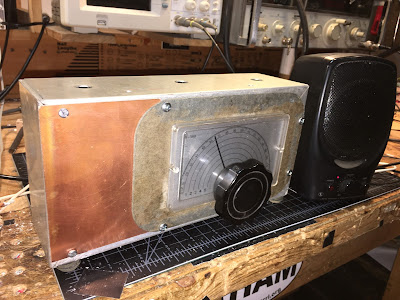
The dial from HI8P and the knob from a SW receiver that Elisa gave me definitely add soul to this new machine.
JOIN THE RANKS OF THE TRUE HOMEBREW RADO MAKERS! BUILD A RECEIVER! BUILD ONE OF THESE!
I open Chapter 3 of my book “SolderSmoke — Global Adventures in Wireless Electronics” with some quotes from Cliff Stoll: “Where’s the joy of mechanics and electricity, the creation of real things? Who are the tinkerers with a lust for electronics?” Well Cliff, that would be us!
I’m glad to see in the (obviously) recent video that OM Still has not lost his passion for electronics. You guys will like this one. Keep ’em comin’ Cliff!
Peter Parker again hosted the VK3 radio amateurs. This time the event fell on VHF/UHF Field Day weekend. So Peter and his friends went up in frequency and up into SPACE!
VK3HN has a nice blog post here:
https://vk3hn.wordpress.com/2017/11/25/qrp-by-the-bay-chelsea-beach-melbourne-25-11-2017/
Be sure to read about Peter’s ankle manacles — he apparently uses them to get a good ground (sea) plane while running pedestrian mobile on the sea shore. Peter is DEDICATED!
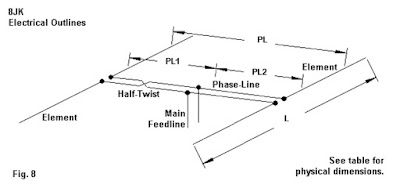
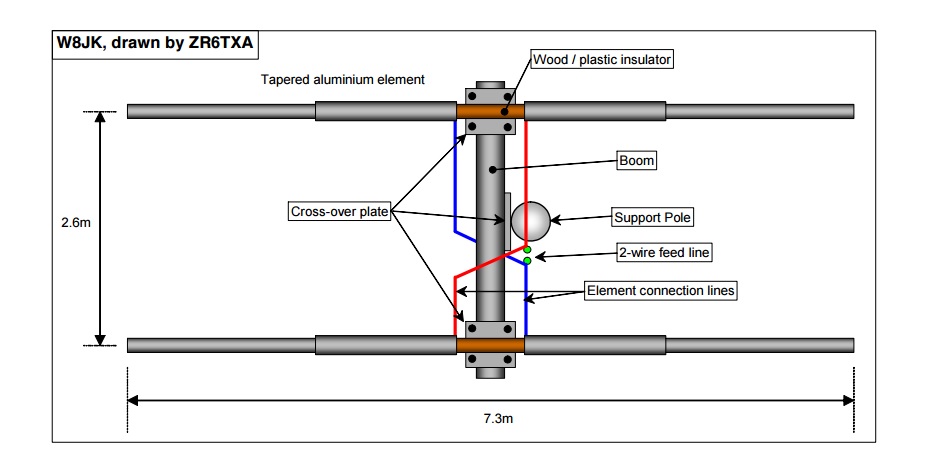
I heard some guys talking about this on 40 SSB last night. A very cool use of the bidirectional pattern of the W8JK beam.
From: http://qrznow.com/the-w8jk-is-a-famous-and-effective-dx-antenna/
Round-the-world paths The bi-directional nature of this antenna makes it possible to discover open round-the-world paths, something not possible with a normal beam antenna. The technique used by Kraus is to rotate the beam slowly, sending short Morse code dots, with a full-break-in or QSK transceiver. The delay time for the signal to return is about one seventh of a second, so there is plenty of time for your transceiver to switch to receive mode. When you have found and peaked an open round-the-world path, call CQ, and you may be rewarded with DX anywhere along the path. Also, the question of Long-path and Short-path does not arise – you are transmitting on both paths at once, giving you a greater chance of catching the other station’s beam direction….
These are just a couple of short videos that I made for my nephew before sending him this receiver.
As you can hear, deafness is not a problem with this design! I did make some frequency stability improvements after this video was made — I think you can hear a bit of drift. Still, not bad for a very simple circuit using a polyvaricon superglued to the back of a cardboard box.
I’ll post more videos of the second version of this receiver. There are further improvements in frequency stability. My goal: “Juliano Si5351” levels of stable-ness.
When I built the first prototype of the iPhone DC receiver, I just reached into my junk box and used a polyvaricon capacitor for the main tuning control. It was marked PL 051. I was really pleasantly suprised at the stability of the Variable Ceramic Oscillator circuit. I could tune the entire 40 meter band with complete stability — Juliano levels of stability.
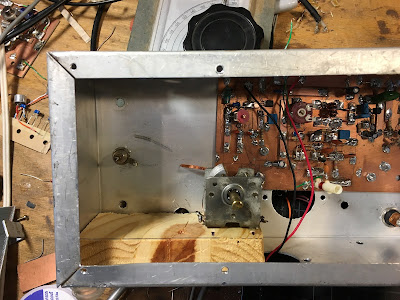
By the time I put the second version into its box (see above), I used a different polyvaricon (the one pictured below). It worked, but with this part the receiver drifted noticeably. So this morning I pulled it out and put in a second PL 051 Polyvaricon. Viola! Eccolo! Success. Drift eliminated. Rock stable.
Has anyone else noticed variations like this in the stabilty of polyvaricons?
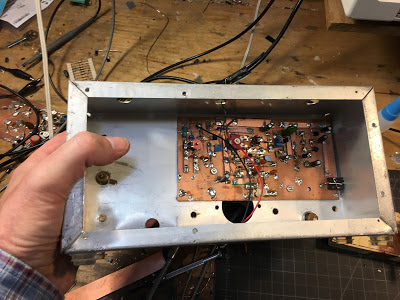
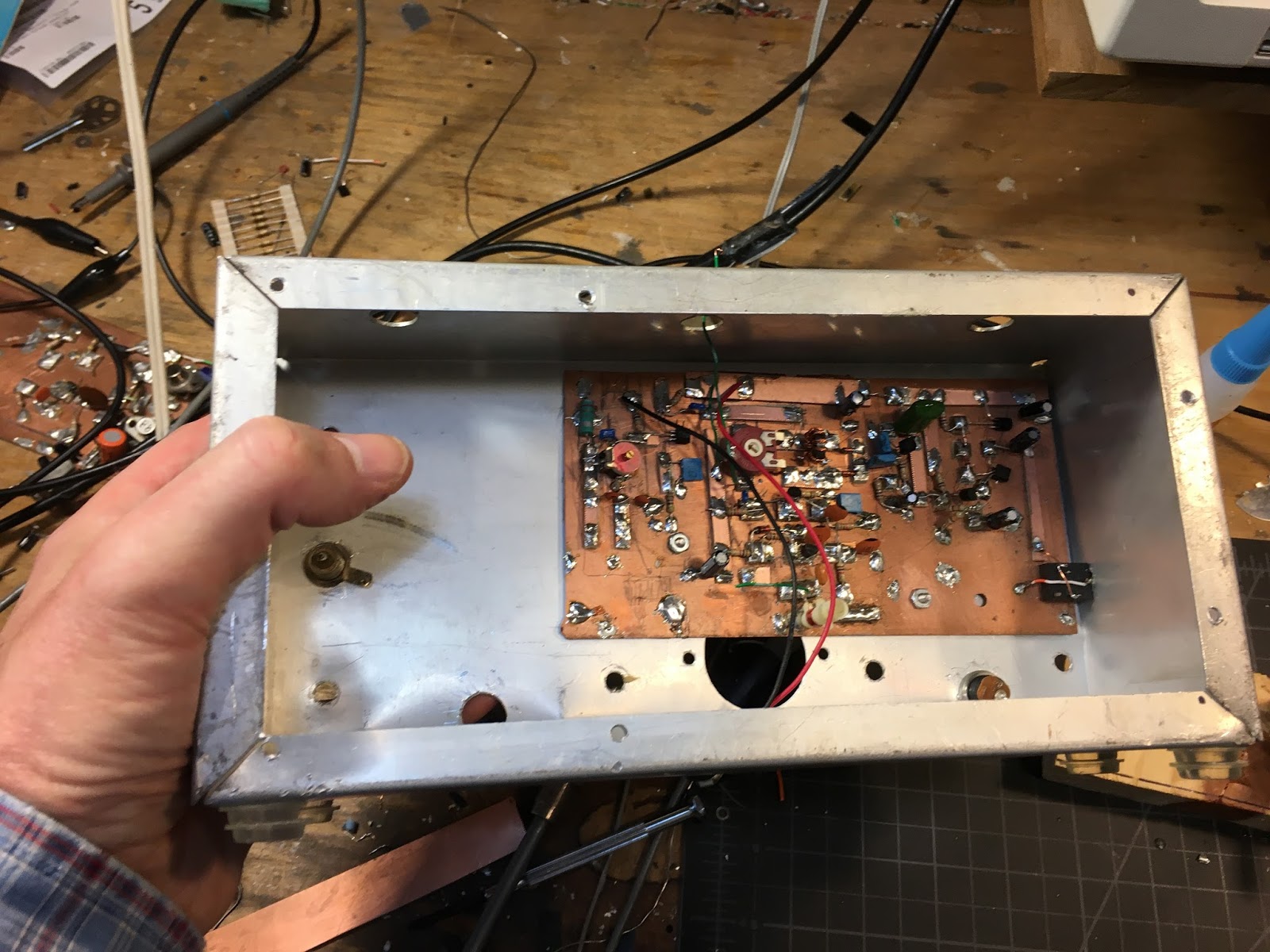
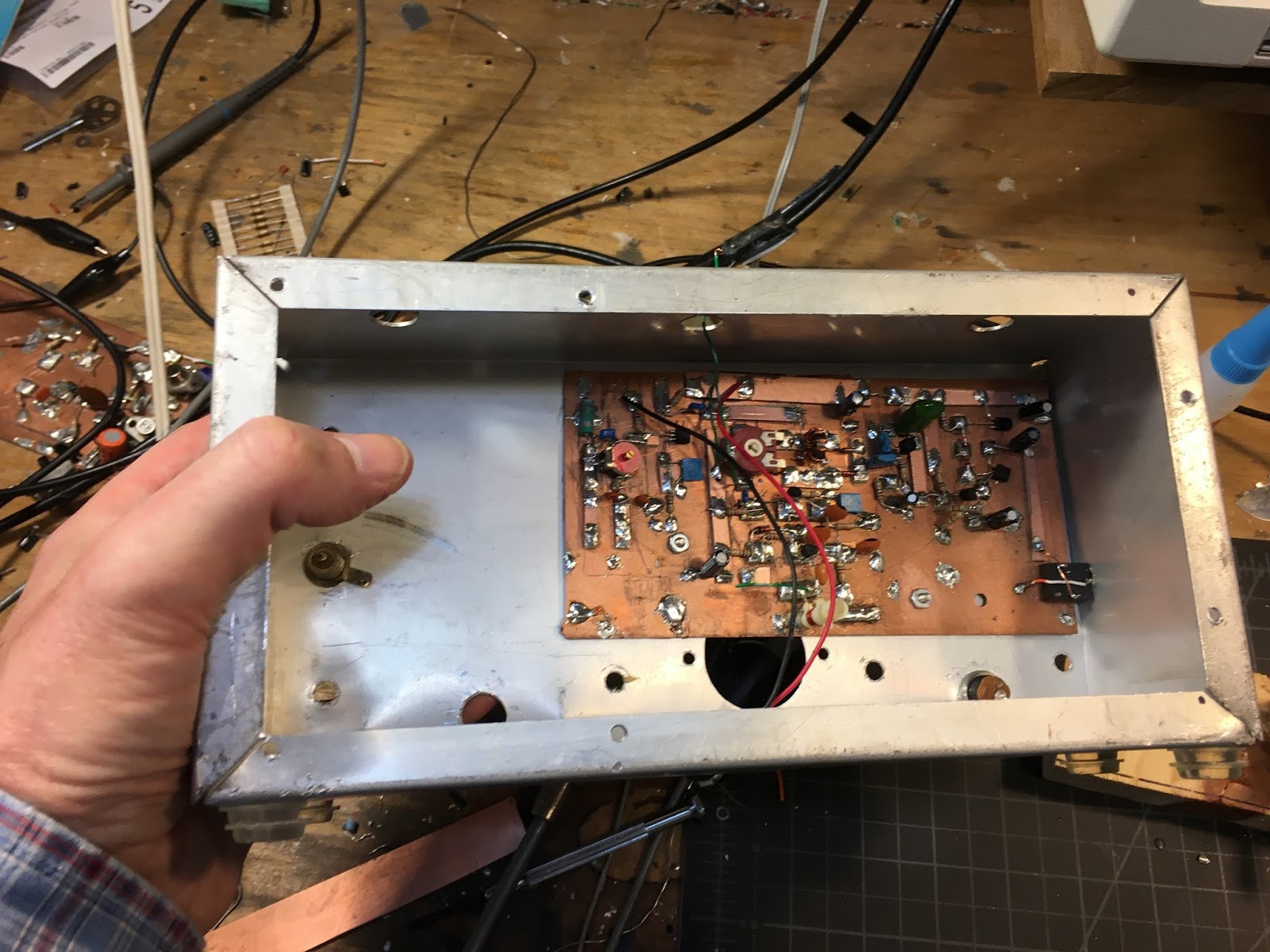
The dial in this version is an Archer device that has been kicking around in my junkbox for more than 20 years. I think it was given to me by my old friend Pericles HI8P — this adds a tremendous amount of soul to this new machine). The box is an old Bud aluminum chassis. Man, this thing sounds great. I will try to post a video soon.