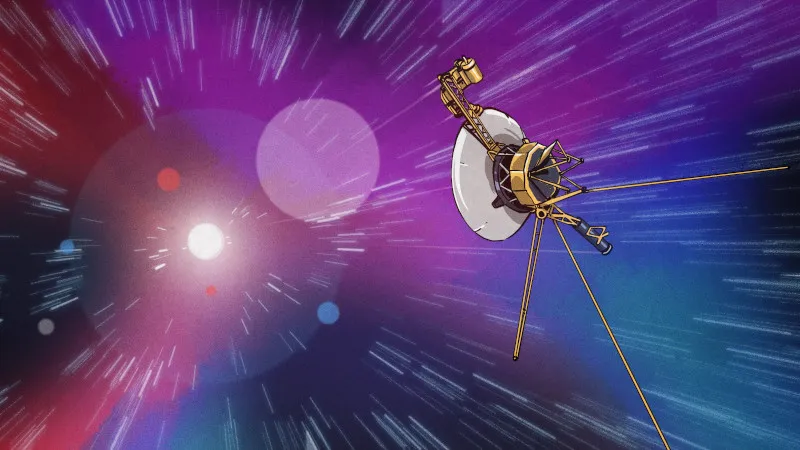
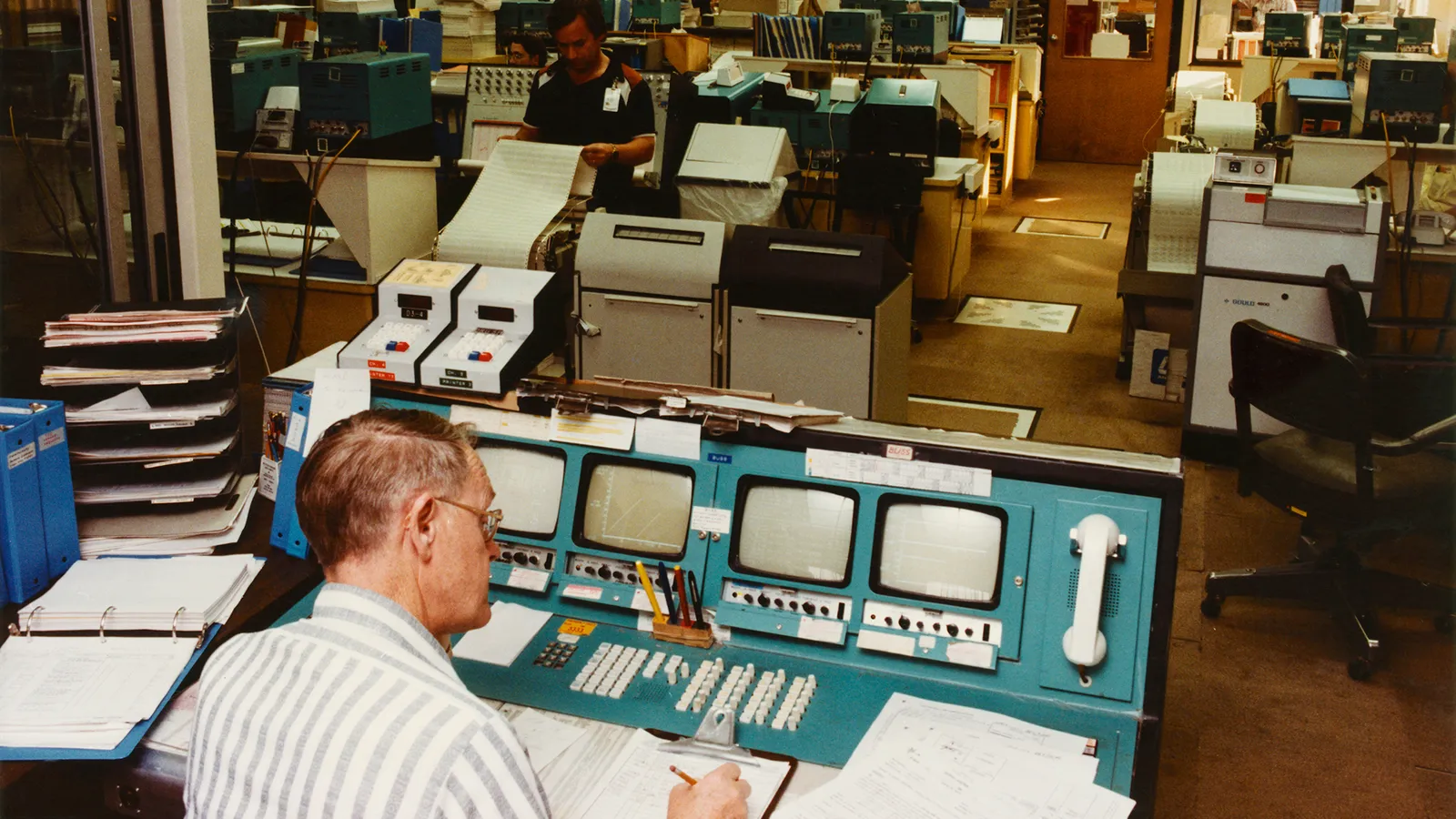
Voyager, Canopus, JPL, and 74xx Logic Chips from the early 1970s

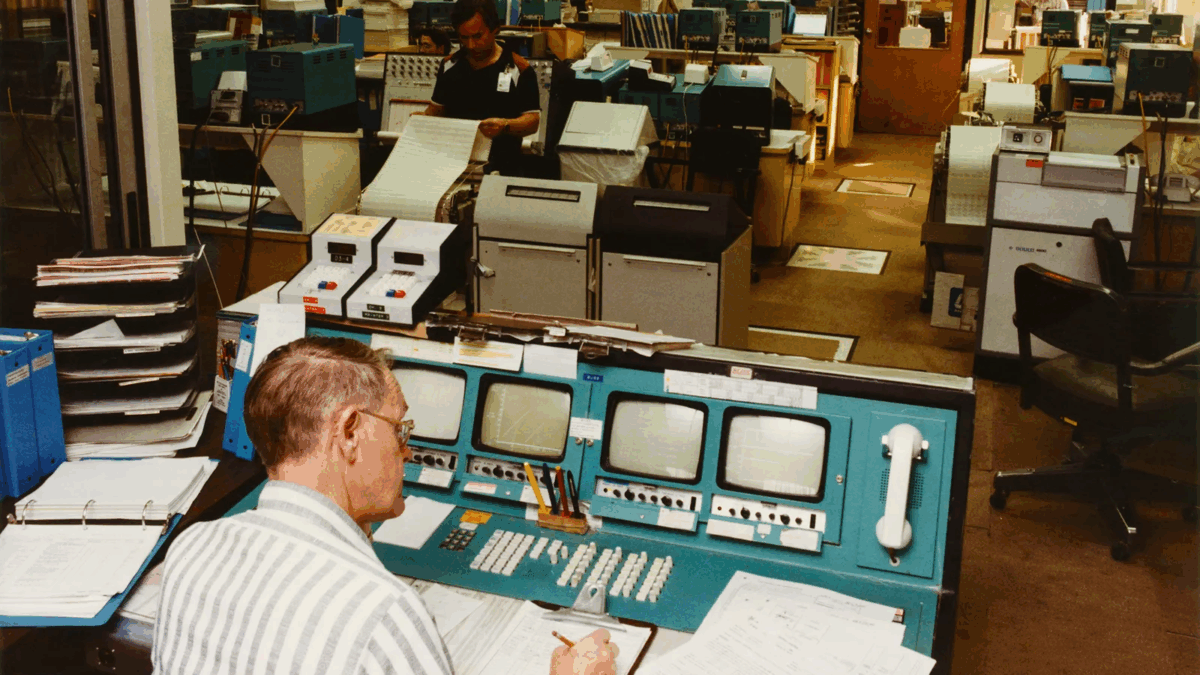
“So somewhere out there in interstellar space beyond the boundary of the Solar System is a card frame full of 74 logic that’s been quietly keeping an eye on a star since the early 1970s, and the engineers from those far-off days at JPL are about to save the bacon of the current generation at NASA with their work. We hope that there are some old guys in Pasadena right now with a spring in their step.”

https://hackaday.com/2023/07/31/just-how-is-voyager-2-going-to-sort-out-its-dish-then/

Australia and Apollo 11 — Honeysuckle Creek

Trevor reminded me that Parkes (“The Dish”) was not the only Australian antenna at work during Apollo 11. This very nice video gives a more complete description of what happened.

I saw one piece of Collins gear. And some of Curious Marc’s HP frequency counters.

More on the Honeysuckle Creek Tracking Station here: https://honeysucklecreek.net/

Jam on Radar Antenna of Jupiter-bound Spacecraft FIXED! Antenna deployed!

Great news. This stuck antenna was getting me down. Three cheers for the ESA folks who fixed it from afar.

https://phys.org/news/2023-05-stuck-antenna-freed-jupiter-bound-spacecraft.html

Here is how they did it:

https://www.esa.int/Science_Exploration/Space_Science/Juice/Juice_s_RIME_antenna_breaks_free
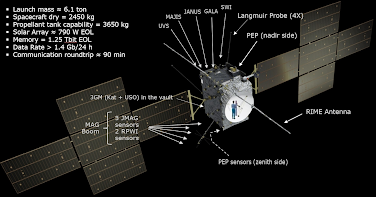
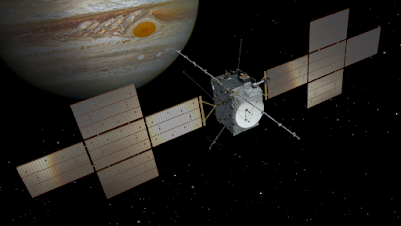
The RIME antenna looks a bit like one of my dipoles! But it can look 9 km into the ice.

And what a great name: Jupiter Icy Moon Explorer. Juice.

Godspeed JUICE!

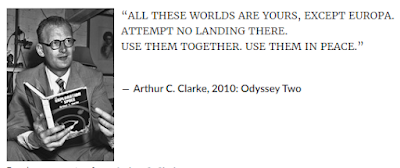
Europa — “Attempt No Landing There.”

As we get ready to send two probes to the Galilean moons of Jupiter, this sci fi movie made its way into my feed. It is pretty good, and the ending will appeal to all true radio amateurs.


Curious Marc’s Lab and Workshop

This is the guy who has done all the amazing videos on the Apollo communications systems. And a lot more. This look at his lab is inspirational.

There is so much to see here. But a couple of things really caught my attention:

All of the RF electronics in the Apollo spacecraft was made with discrete components — the only chips in the spacecraft were in the computer. And in the Apollo systems, they welded the discrete components in. No soldering. Welding. That’s hardcore. That is how they got to the Moon.

Curious Marc’s YouTube channel: https://www.youtube.com/@CuriousMarc

SolderSmoke Podcast #85 With Mike Herr WA6ARA June 8, 2008 WIZARD ISLAND!

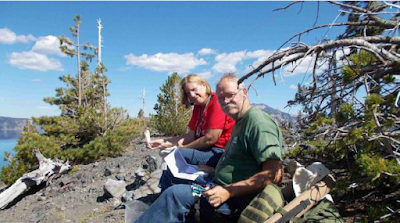
When I was putting this podcast up on YouTube, I needed a picture of Mike Herr WA6ARA who was my guest on this episode. I found a picture of Mike activating a summit… THE SUMMIT OF WIZARD ISLAND! That is Wizard Island (above). Mike and his wife are shown at the summit (below).
I really liked talking to Mike, and to listening again to our conversation. But I realize now I should have asked him about parachutes! I’d been talking about the great picture of the Phoenix lander under canopy as it descended to Mars. Mike made and tested parachutes for NASA!


You can fire up a YouTube playlist that will bring you a steady stream of SolderSmoke podcasts here:
Here is a report from Mike on the Wizard Island activation:

IGY! Science and the Vanguard Satellite in 1959 (video)

The International Geophysical Year (1958-1959) was a very scientifically productive period. It is really amazing how much we learned from tiny satellites like Vanguard. Like the shape of the Earth! Great stuff in this video.

Very cool telescopes and cameras set up around the world to monitor the early satellites. And there is a quick mention of ham radio efforts to monitor the new spacecraft.

Thanks to Josh G3MOT for sending this to us.

Go IGY!

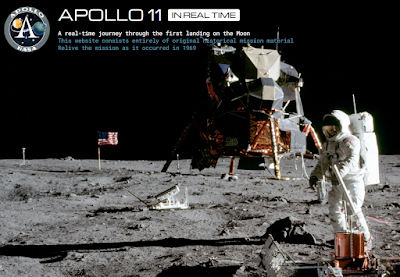
Apollo 11 in Real Time


This web site presents all the data received from Apollo 11. They are presenting it in the sequence it happened, exactly as it was 53 years ago today. Today’s clock is synched with clock from 53 years ago. I just tuned in today — they are at the 6 day point in the mission. Armstrong and Aldrin are on the Lunar surface, resting. Collins is in orbit, sleeping.

This is exactly the kind of thing we need to have playing in the background as we build things in our shacks. Thanks to Peter O’Connell VK2EMU for sending us this wonderful link. https://apolloinrealtime.org/11/


Troubleshooting Apollo: 23 MHz Crystals in a NASA Ground Receiver

More amazing Apollo stuff from CuriousMarc.

Here we see them struggling to find the proper frequency for one of the oscillators in a dual conversion UHF receiver from the Apollo program. For the VCO, they needed a crystal in the 23 MHz range. They faced the same questions we face: Series or parallel? Load capacitance? Fundamental or overtone?

It just so happens that at this moment I have on my bench the 17 meter SSB transmitter that I built some 20 years ago. And the VXO in it uses crystals in the 23 MHz range. TRGHS. (More on the spur problem with this rig soon. The solution does involve the 23 MHz VXO.)

Very cool that CuriousMarc found a manufacturer still willing to produce custom-made crystals. JAN flashbacks! LapTech Precision in Canada: https://www.laptech.com/index.php
The video above is Episode 8 in the Apollo Comms series. If you go back one episode, you can watch Marc and his assistant troubleshoot the NASA Apollo UHF receiver. They use very familiar troubleshooting techniques. This reminded me a lot of what we do with older, potentially modified gear. They were able to figure out what was wrong and how a mod had changed things. This set the stage for the crystal replacement selection we see in Episode 8. Here is Episode 7: https://www.youtube.com/watch?v=87qA41A_Ies
Note: The frequencies in this Apollo receiver were listed in Megacycles, not Mega Hertz.

Thanks to Bob Scott KD4EBM for alerting us to this.

A Nice Christmas Gift Out of French Guiana — The Launch of the James Webb Space Telescope

A nice Christmas present from NASA and ESA on the screen early on Christmas morning.
Track Webb Telescope’s progress here:

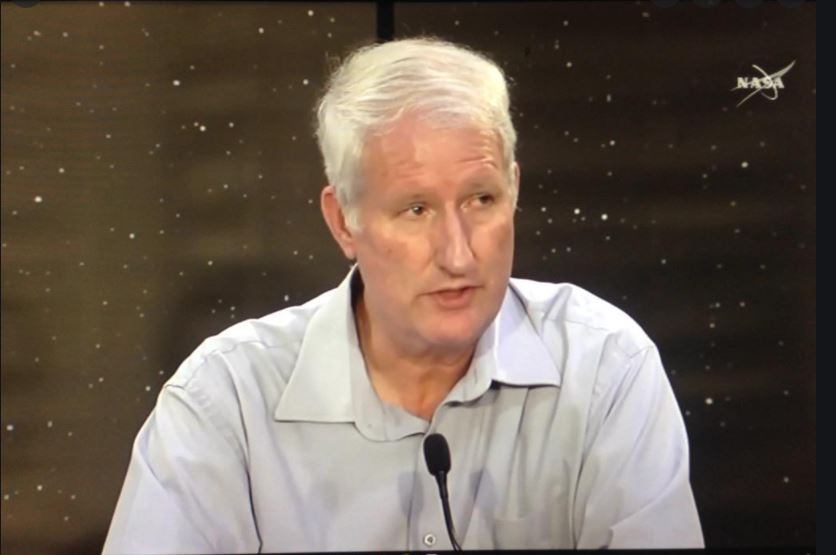
JPL, Mars Helicopter, Cube Sats, Ham Radio and more: N5BF talks to Eric Guth 4Z1UG


This morning Eric Guth has a really interesting interview on his QSO Today podcast.

Courtney Duncan N5BF had a full career at JPL and is the current president of the San Bernardino Microwave Society. There is a lot of interesting stuff in this interview, much of it about space exploration. Courtney tells us about how experience with re-purposing radio gear came in handy at JPL. For example, the helicopter that they have been flying on Mars has a very cheap and light off-the-shelf Zigbee transceiver. He also talks about the origins of the Cube Sats.

Here is Eric’s page on this interview, with useful show notes:

https://www.qsotoday.com/podcasts/n5bf

I like to listen to Eric’s shows on YouTube — here is the YouTube recording of the N5BF interview:

https://www.youtube.com/watch?v=Fbr4jE11vfg

Here is N5BF’s ham radio web site:

http://cbduncan.duncanheights.com/HamRadio/HamRadio.html

Here is the club page of the San Bernardino Microwave Society:

http://www.ham-radio.com/sbms/

Thanks to Eric and Courtney!
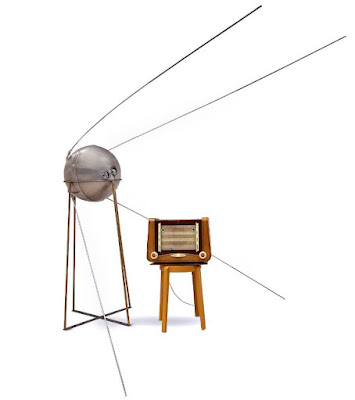
Buy a Real Sputnik Satellite! Let’s Put Sputnik Back in Orbit!

Only 85,000 Euros (that’s the opening bid). But hey, it comes with the receiver pictured on the right. I guess that’s so you can listen to the beeps.

Here’s the description:

—————

Laboratory Test Model of “Sputnik 1 EMC/EMI”, 1957
1:1 scale test model of the satellite “Sputnik-1”, serial no. “0K6-1/004/1957”, with built-in transmitter (including modern 12-volt power supply), polished stainless-steel sphere, consisting of two threaded hemispheres of approx. 23 in. diameter with two pairs of antennae of 95 in. and 105 in. at an angle of 35 degrees to the axis, on stand with O-ring, stand approx. 59 in. high, stand and model together approx. 79 in. high, accompanied by a Tesla Maj 620A radio receiver, manufactured in Prague c. 1956, restored working condition, including replacement of the silver-zinc battery with a modern alternative and a new metal casing for the electronic transmitter. Note: Built at the Experimental Design Bureau-1 (OK?-1/OKB-1) factory, also known as S.P. Korolev Rocket and Space Corporation Energia, Koroljow, Soviet Union, in 1957, shortly before the launch of Sputnik-1. – An impressive artefact from the dawn of the space age, of which few models are known. – Provenance: From the collection of Dr. Frank Malina, USA/CSSR.

Start Price: EUR 85.000

—————————

I’m a bit suspicious of the “modern 12-volt power supply,” the “modern alternative” battery and the “new metal casing for the electronic transmitter.”

Here’s the link to the auction:

https://www.the-saleroom.com/en-gb/auction-catalogues/auction-team-breker/catalogue-id-breker10030/lot-9c87007d-f0ff-4414-9663-adc200690819

Here’s my suggestion: Musk or Bezos or Branson should buy this thing, fix it up a bit, and put it back in orbit. So we can listen to it again. I know a version of this was done back in 1997. But I think we should do it again, this time with the actual test model.

Here are the earlier SolderSmoke blog posts about Sputnik and Sputnik-related projects:

https://soldersmoke.blogspot.com/search?q=Sputnik

Steve Silverman sent the auction posting to me. Thanks Steve.

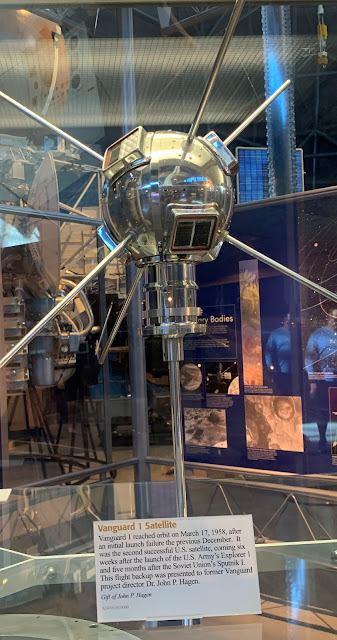
It just so happens that earlier in the week I was out at the Air and Space Museum facility near Dulles Airport, where I saw this flight backup of the Vanguard satellite:
Bill’s 52 year-old Apollo 11 Time Capsule — What Should I Do?

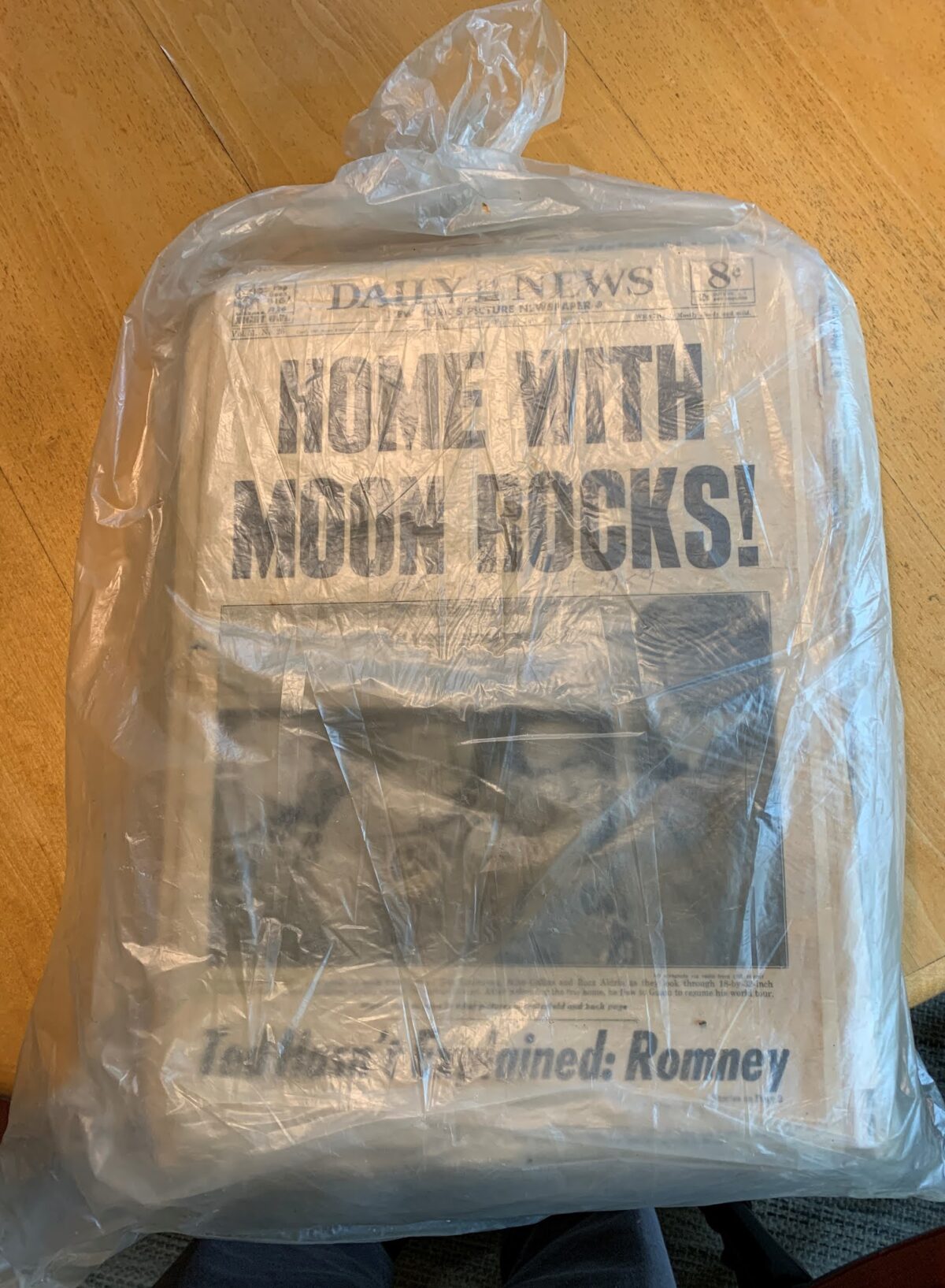
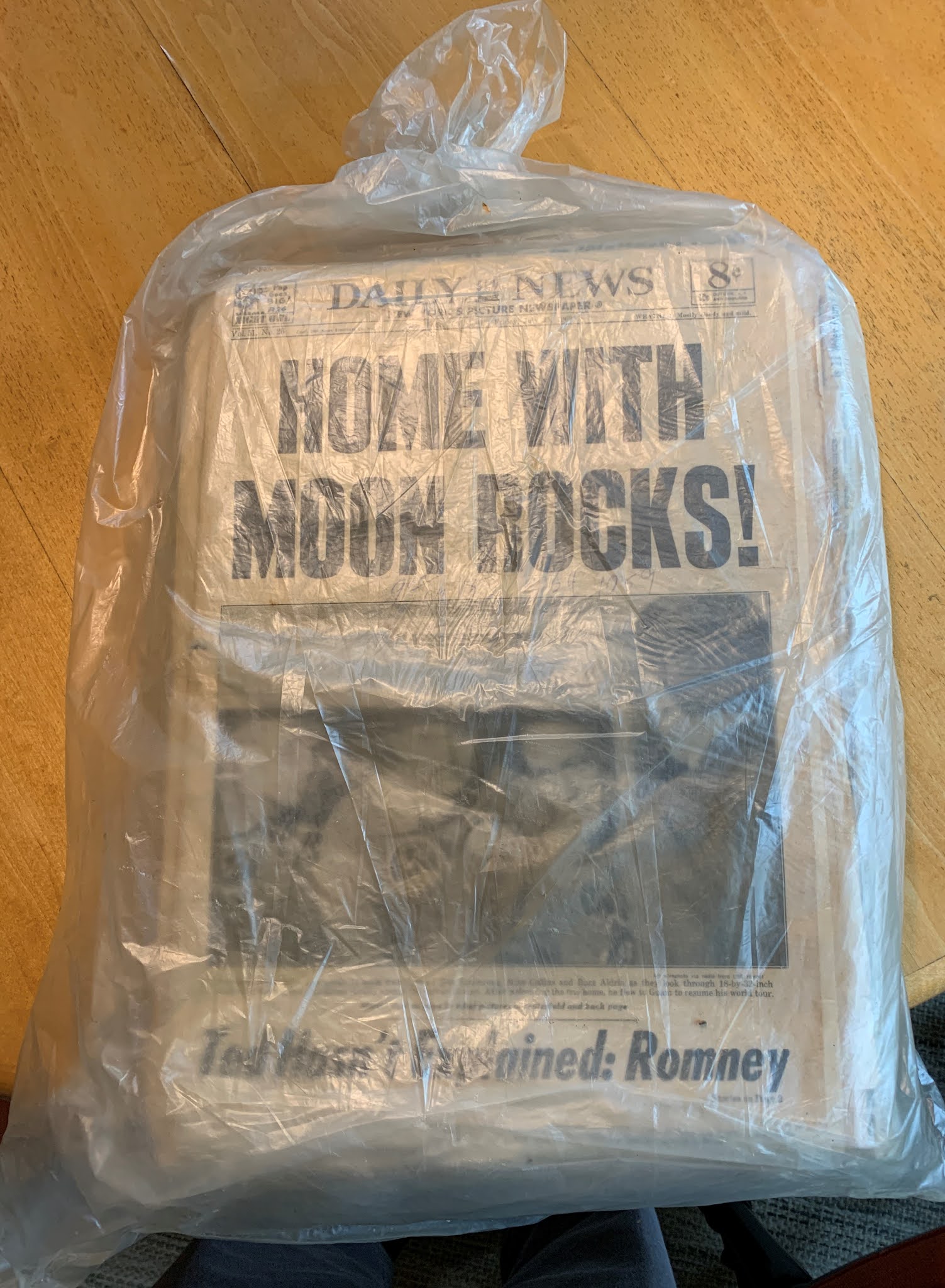
When I was a kid, I was an Apollo 11 fanatic. I was ten years old when they landed on the moon. I was convinced that the newspapers and magazines from that event would someday be worth A FORTUNE! So, as a ten year-old, I double or triple wrapped a bunch of them in plastic and put the package up in the attic of my parents’ house. Where they sat undisturbed for more than half a century.

We were recently getting ready to sell the house, and I asked if my Apollo 11 newspapers were still up in the attic. They were! So the time capsule has come back to me after all these years (see above). It remains unopened.

Obviously this is not worth the fortune that my ten year-old self thought it would be worth. (Hey, I was 10!) But it is worth something to me. I know we have a lot of fellow space geeks reading the blog, so let me ask for advice: What should I do with this?

Opening up an Apollo Command Module Microwave Radio System

So much radio goodness in this video. The enthusiasm of the narrator is unmistakable, and entirely justified.

A number of things struck me:

— Nice shout out to our beloved Parkes Radio Telescope, of “The Dish” fame.

— I like how the French narrator takes some friendly jabs at out use of “archaic British measuring units,” and his skillful use of American slang” “Let’s open up these bad boys!”

— Wow, they filled the radio cases with Nitrogen! That will definitely save you money on De-Oxit!

— When they opened up the boxes, the construction looked very similar to what I found inside my HP-8640B frequency generator.

— Collins built some of this stuff.

— 11.6 watts to transmit the TV signal from the moon.

— PLL.

— A tube type amplifier.

— Lots of SMA connectors, but many BNCs also, right?

— Finally, and this is really amazing: THEY HAD A MORSE KEY WITH THEM, JUST IN CASE.

Thanks a lot to Bob, KD4EBM for sending this to us. There will be more episodes. These guys intend to fire up the equipment.

Opening up an Apollo Command Module Microwave Radio System

So much radio goodness in this video. The enthusiasm of the narrator is unmistakable, and entirely justified.

A number of things struck me:

— Nice shout out to our beloved Parkes Radio Telescope, of “The Dish” fame.

— I like how the French narrator takes some friendly jabs at out use of “archaic British measuring units,” and his skillful use of American slang” “Let’s open up these bad boys!”

— Wow, they filled the radio cases with Nitrogen! That will definitely save you money on De-Oxit!

— When they opened up the boxes, the construction looked very similar to what I found inside my HP-8640B frequency generator.

— Collins built some of this stuff.

— 11.6 watts to transmit the TV signal from the moon.

— PLL.

— A tube type amplifier.

— Lots of SMA connectors, but many BNCs also, right?

— Finally, and this is really amazing: THEY HAD A MORSE KEY WITH THEM, JUST IN CASE.

Thanks a lot to Bob, KD4EBM for sending this to us. There will be more episodes. These guys intend to fire up the equipment.

To Mars in 1964 — Building the Camera and Radio Systems

This is a really excellent video showing how JPL engineers and technicians designed, built and tested the first video camera system sent to Mars.

— It was essentially a Slow Scan TV system built around a Vidicon tube.
— Data was sent back in digital form.
— The first Digital-Analog conversion was done using COLORED CHALK!
— The method used to protect the Vidicon tube from vibration was derived from the packing material used to mail the tube to JPL from Texas.
— During testing, JPL had all the circuitry spread out in what we would call “Al Fresco” style.

Thanks to Dan Maloney at Hack-A-Day for alerting us to this. Dan has an excellent article about the mission here: