Big News! BITX 40 Module Gets Digi Side Car! Raduino!

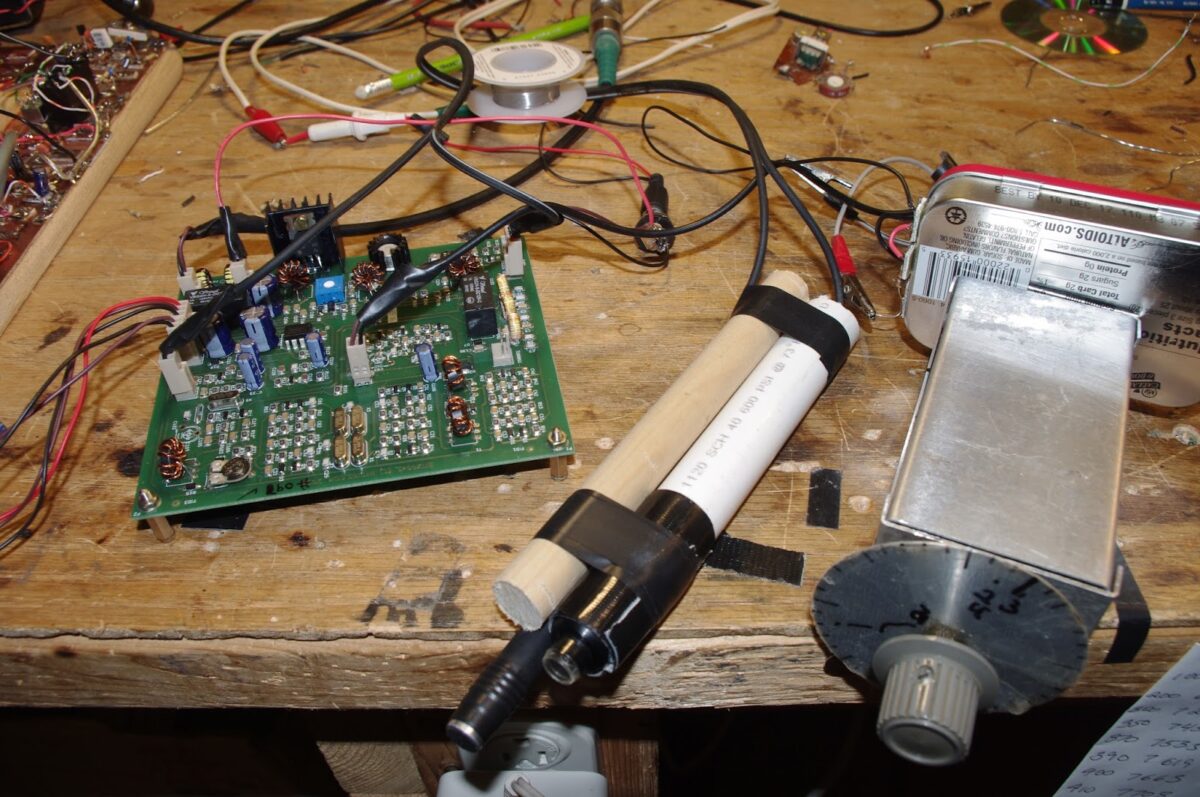
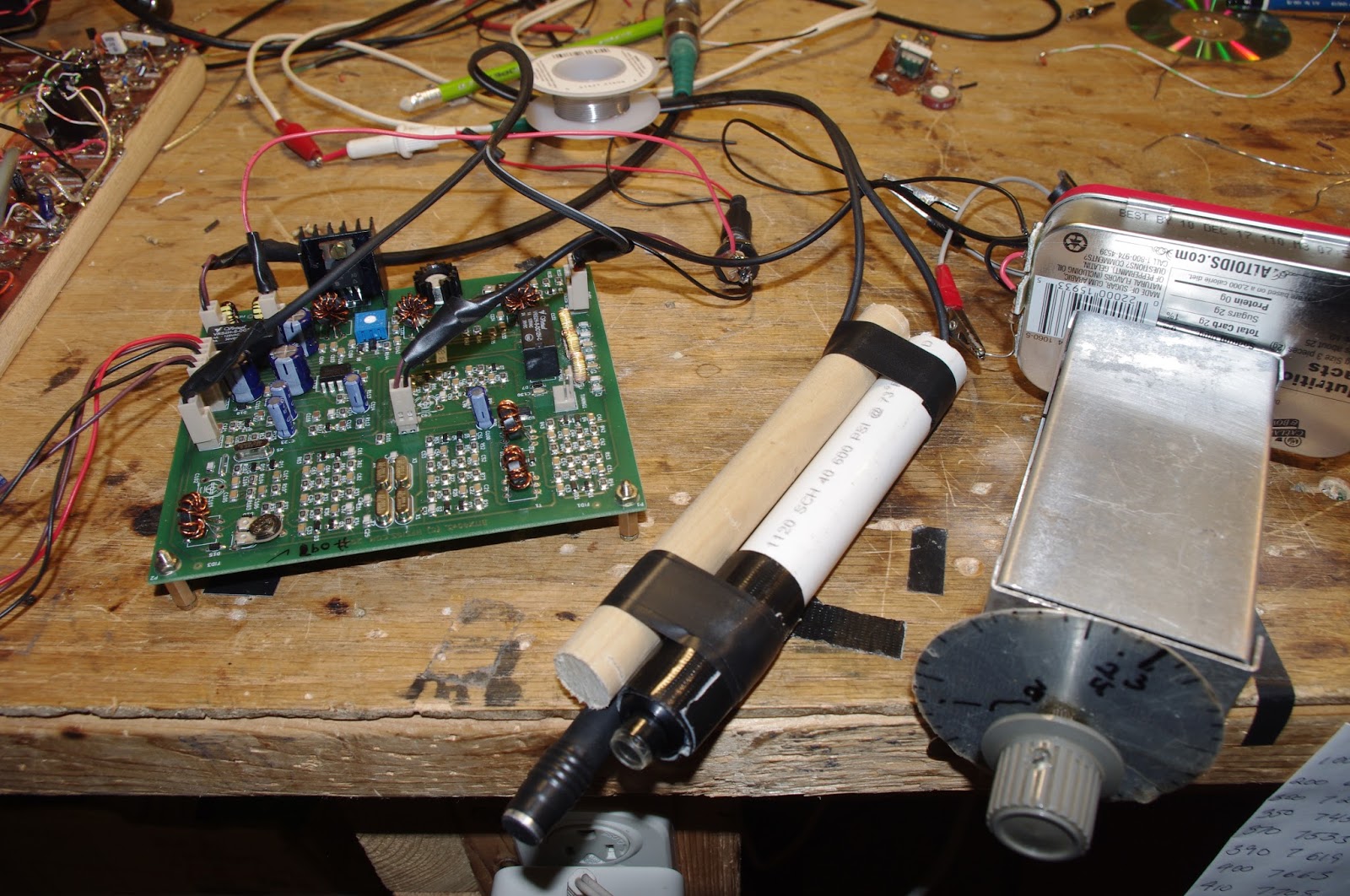
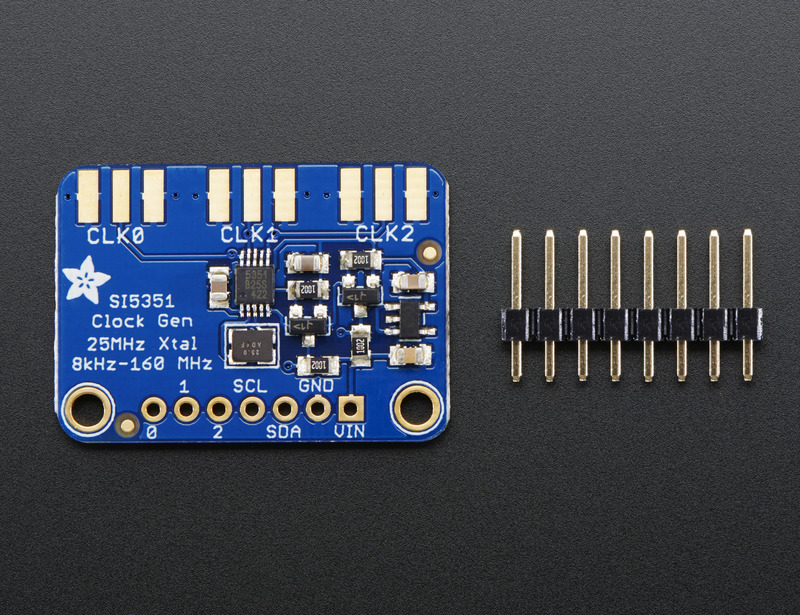
A very nice Christmas present from Farhan in Hyderabad! An Si5351/Arduino Nano VFO for the ALREADY AWESOME BITX 40 Module. I’m really glad Farhan kept the digital stuff on a separate board — it just seems like the right way to do it.

Details on http://hfsigs.com

SolderSmoke Podcast #191 RIGS! REAL RIGS!, BITX40 Module, EMRFD, MAILBAG


SolderSmoke Podcast #191 is available:

http://soldersmoke.com/soldersmoke191.mp3

TRAVELOGUE AND FAMILY DOINGS: Pete son’s wedding, Billy’s Birthday, Gonzalo safely home in the Dominican Republic, MORE BEARS IN THE SHENANDOAH WOODS

BIG NEWS: EMRFD LIVES ON! Three cheers for Wes and for Tom Gallagher of the ARRL.

BENCH REPORTS:

PETE: FPM Rig. Some Halli history. A TRUE RIG! Working Japan.
WITH 600 WATT LINEAR AMPLIFIER!!!!!!!!!!!!!!!!!!!!!!
New FEELTECH Sig Gen.

BILL: Farhan’s BITX Module
Built to Mod, built to get you started in homebrew
Very impressive. BITX in miniature. But completely recognizable.
REMARKABLY stable.
Farhan personally checking each one.
Ladies collective doing toroids. DONATION money bought them some Diwali candies!
VFO Drift: Will NP0 SMD caps and lower current help enough?
My Analog VFO — BANDSWEEP

QRPppppppppppp with REX’s Hamfest Buddy. Thanks Rex and Bob Crane.

HB2HB with KW4KD

MAILBAG
Jan’s Netherland Mate Mighty Midget
Charlie’s Kiwi DSB
Steve, Donald Fagan, and Jean Shepherd
Rob VK5RC repairs Tek Tube ‘scopes
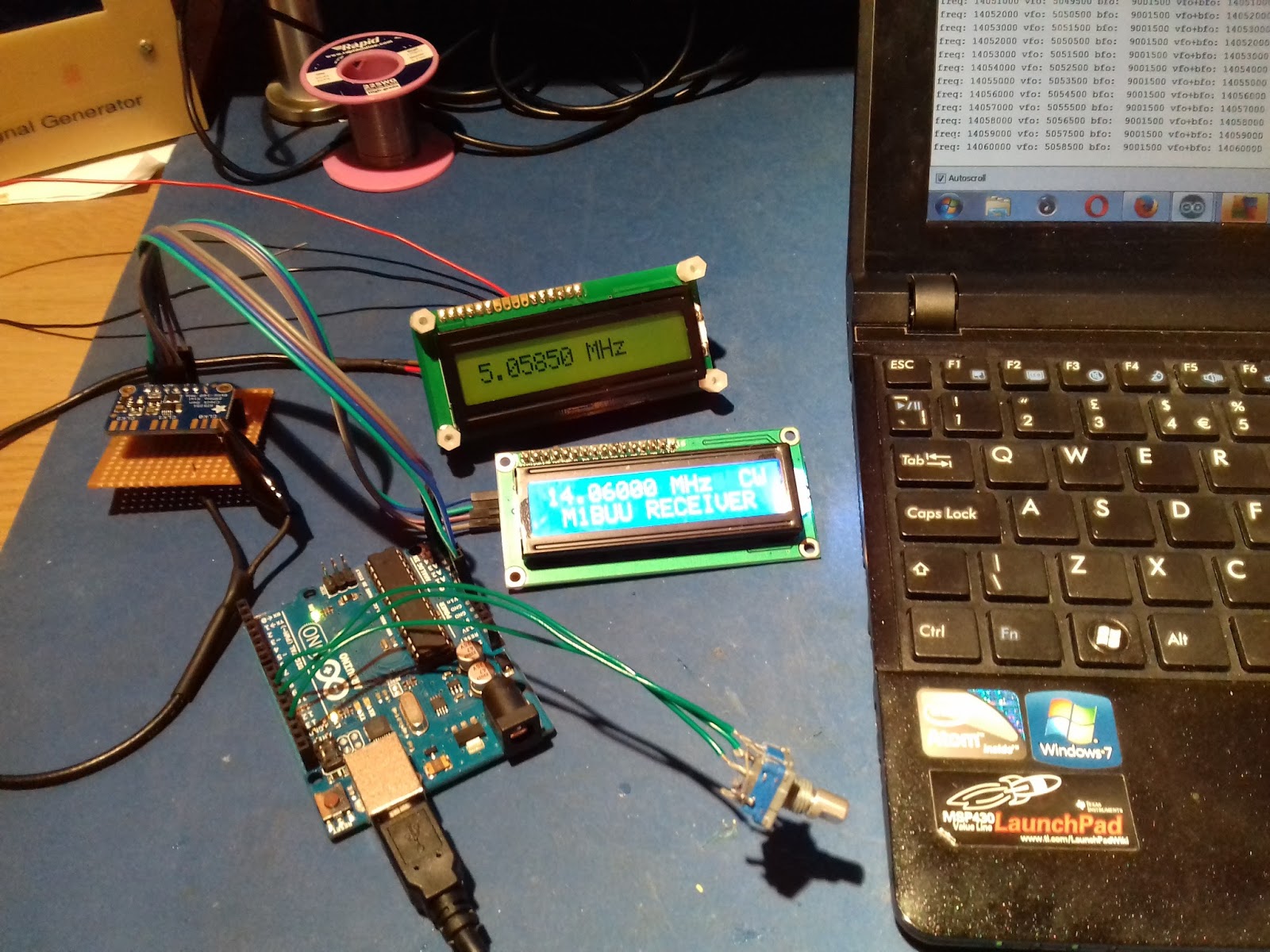
Colin M1BUU Si5351 superhet
Denis Klipa and NRL 3538
Jonathan M0JGH Wizard of Wimbledon Matchbox rig
JH8SST Simpleceiver
Peter Parker Vk3YE Reviews Book
Peter GW4ZUA Welsh LBS
Michael Rainey helping hobbyist in Germany with tuning forks.
It’s Ugly, But It Gets You There: Pete’s Latest Rig

That, my friends is an extreme example of what we mean when we use the word “rig.” This magnificent machine sent Pete’s melodious voice across the mighty Pacific several times during the recent CQ WW contest.

Pete wrote to Jun:

Hi Jun,
This weekend is the CQ World Wide SSB contest and I just worked three JA stations on 40 Meters. The time 1400 UTC. I must confess that I was using 600 watts to my droopy dipole but they came back on the first call. So there are paths open and perhaps 600 watts was overkill but the timing seems like it works for a good path to the west coast. Along the way I also worked a station in Hawaii (KH6).
See if you can find some 813 tubes as they make a great grounded grid linear amplifier tube and a pair will give you 600 watts. see http://www.ohio.edu/people/postr/bapix/813amp.htm
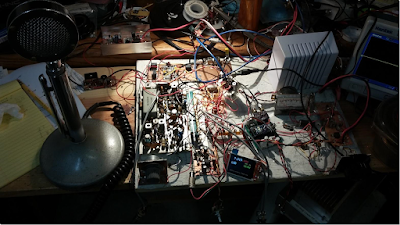
The rig I was using is shown below. The mainboard came from a Hallicrafters FPM 300 (late 1960) to which I added the Rx Tx Mixer (SBL-1), my stock 2N3904 bi-directional amp board, the 2N2222 + BD139 driver stage using the EMRFD circuit and a 2SC2075 final which gives about 3 watts. This in turn drives an intermediate SS amp to 100 watts and then the SB200 to 600 watts. The FPM 300 used a 9.0 MHz IF frequency.
Of course no rig today from N6QW would be complete without a Si5351 and the color TFT display. Rounding this out is an LM386 audio amp stage. Cosmetically the rig doesn’t look pretty but sure works well.
73’s
Pete N6QW
(The comments about the 813s are kind of SHOCKING, coming from a member of the QRP Hall of Fame!)

Another Great DSB rig from New Zealand

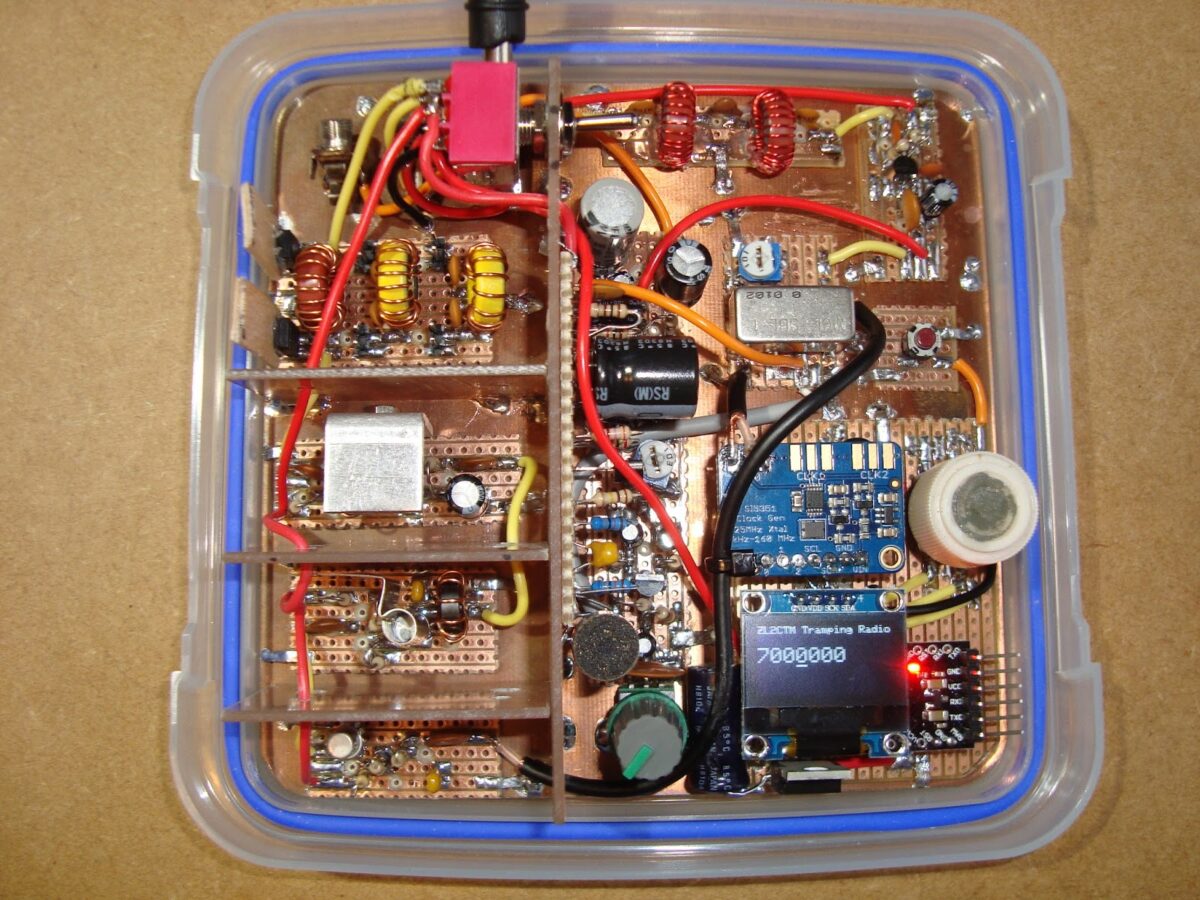
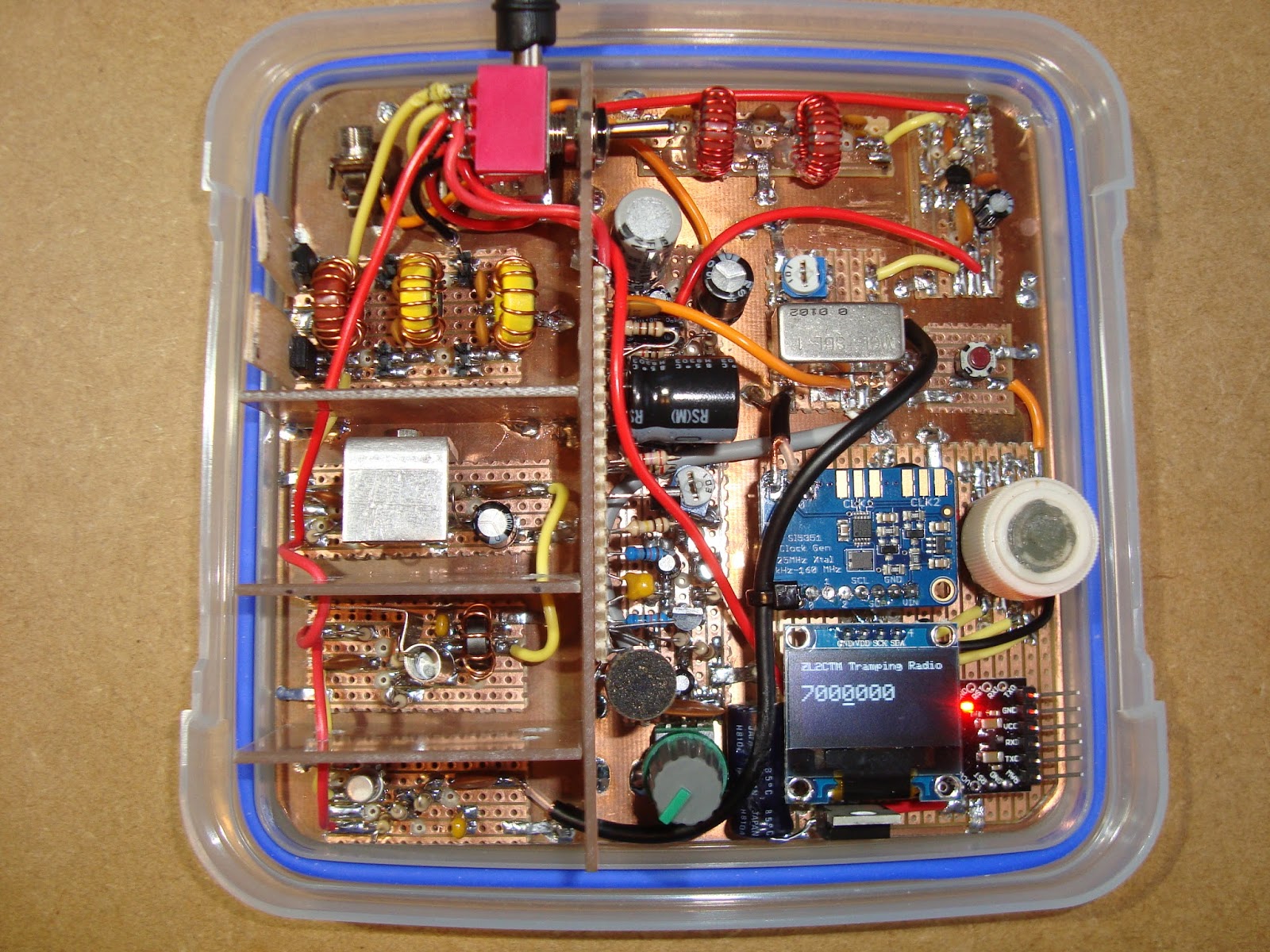
So many great Double Sideband projects come from Down Under. There are the various versions of the famed ZL2BMI rig. And Peter Parker VK3YE has long been the acknowledged guru of DSB. In fact, Peter sent me an enthusiastic e-mail about the new ZL DSB rig pictured above — his e-mail arrived before the message (below) from the intrepid builder. I detect a bit of the “Tucker Tin” influence in this rig. (But perhaps this one is more Tupper than Tucker!) Charlie’s work has graced out blog posts before: http://soldersmoke.blogspot.com/search?q=zl2ctm
Be sure to check out his video: https://youtu.be/JsAuWGkyvmE (and below).
Hi Bill.
You asked recently on the podcast for listeners to let you know what they had on their work bench. Well I’ve been working on a tramping (hiking) radio, which is now complete. It’s a DSB 5W rig designed for 80, 40 and 20m, as well as our New Zealand mountain safety radio system. I designed everything in LTSpice as was suggested by Pete, N6QW. That was great, as I could ‘desolder’ components with the mouse and instantly see what impact it had on the output. An amazing tool that’s free! I highly recommend it.
Once again I’ve used upside down strip board for each stage, which are tacked down onto an un-etched copper board (earth plane). That seems to work really well for me.
The rig uses an Arduino mini driving a small OLED screen and a Si5351 DDS. The Si5351 is going straight into a SBL-1, which seems to work fine too. The AF strip is a 2N3904 before a LM386, which has enough drive to run a speaker. The TX amplifier is a three stage one with shielding between each stage. It’s made up of two 2N2222A stages followed by a BD139. That in turn is followed by three simple filters, one each for 80, 40 and 20m.
All-in-all it works really well. I’ve uploaded a quick video at https://youtu.be/JsAuWGkyvmE
The next project will be a proper SSB rig using a crystal filter salvaged from an old Codan 7727. Like this one, it will use an Arduino and a Si5351.
Finally, I am certainly no expert in homebrew, but I hope my ‘dabbling’ will help inspire others to pick up the soldering iron and give it a go. If I can do it, then anybody can! There is certainly a great sense of achievement to operate a rig you built yourself.
Regards, and thanks to you and Pete for all your inspiration.
73’s
Charlie
ZL2CTM


The Last Hallicrafters Transceiver…REBORN! TWICE!

Pete Juliano and his colleague Giovanni Manzoni led me this morning to the happy land of Hallicrafters hybrid nostalgia.

It all started with Pete’s latest blog post:
http://n6qw.blogspot.com/2016/10/more-junk-box-rigs.html

I admit that I had never even heard of the Hallicrafters FPM rigs. Pete’s (uh, I mean Giovanni’s) video show’s Pete’s junk-box rebuild of the old rig. Very nice. Note the presence of the Si5351…

I needed more background info, so I turned to YouTube. This led me to more old friends: Dale Parfitt W4OP has a really nice video of his rebuild of the Halli FPM rig (see above). From his video we learn why Dr. Juliano prescribed a dose of Si5351 for the patient: Dale tells us that VFO instability was a major problem with this rig. Dale fixed his with the addition of an X-Lock board from yet another friend of SolderSmoke: Ron G4GXO of Cumbria Designs.

Dale really out-did himself by building an add-on accessory box for the FPM. Very nice. I especially liked the addition of the W3NQN passive audio filter for CW. I always have misgivings about adding audio filters to Direct Conversion receivers — this will reduce QRM, but you are still listening to both sides of zero beat. But when you add a sharp CW audio filter to an SSB superhet you will end up with true “single signal reception.” FB Dale.


Please send Pete Juliano and Giovanni Manzoni some positive feedback and words of encouragement. Please urge them to keep up the good work on the blog and the videos. Theirs is sometimes a lonely task — without feedback it can sometimes seem like putting messages in a bottle and throwing them into the digital sea. Please let them know that their work is being seen! Leave some positive comments on Pete’s blog. (No snark please — The Radio Gods will retaliate if you harsh N6QW’s mellow.)

Colin M1BUU’s New Receiver Project


Hi Pete,
Just checking in 🙂
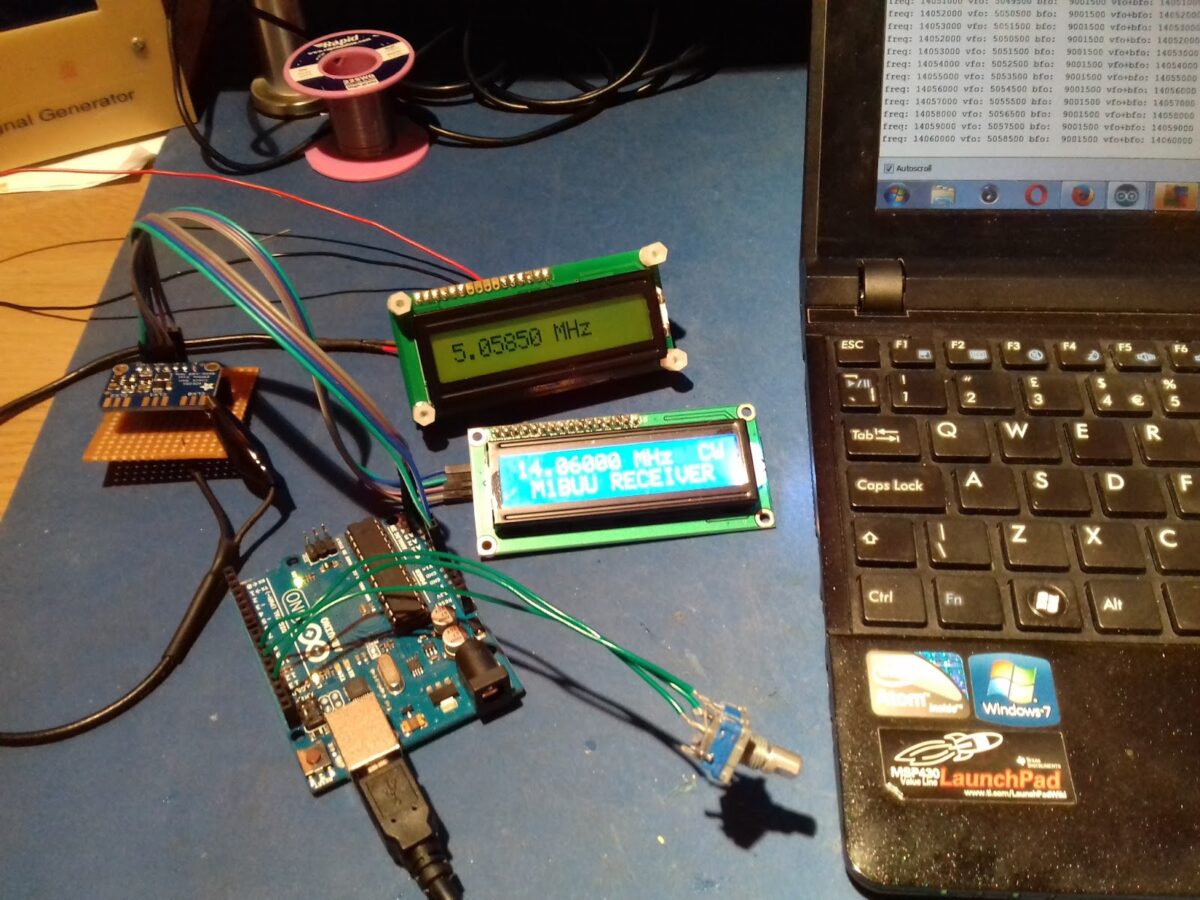
I have actually been melting solder recently. I decided to build a little CW receiver. I love my regenerative RX that I built as a teenager, but after all these years, I’m tired of constantly tweaking the controls!
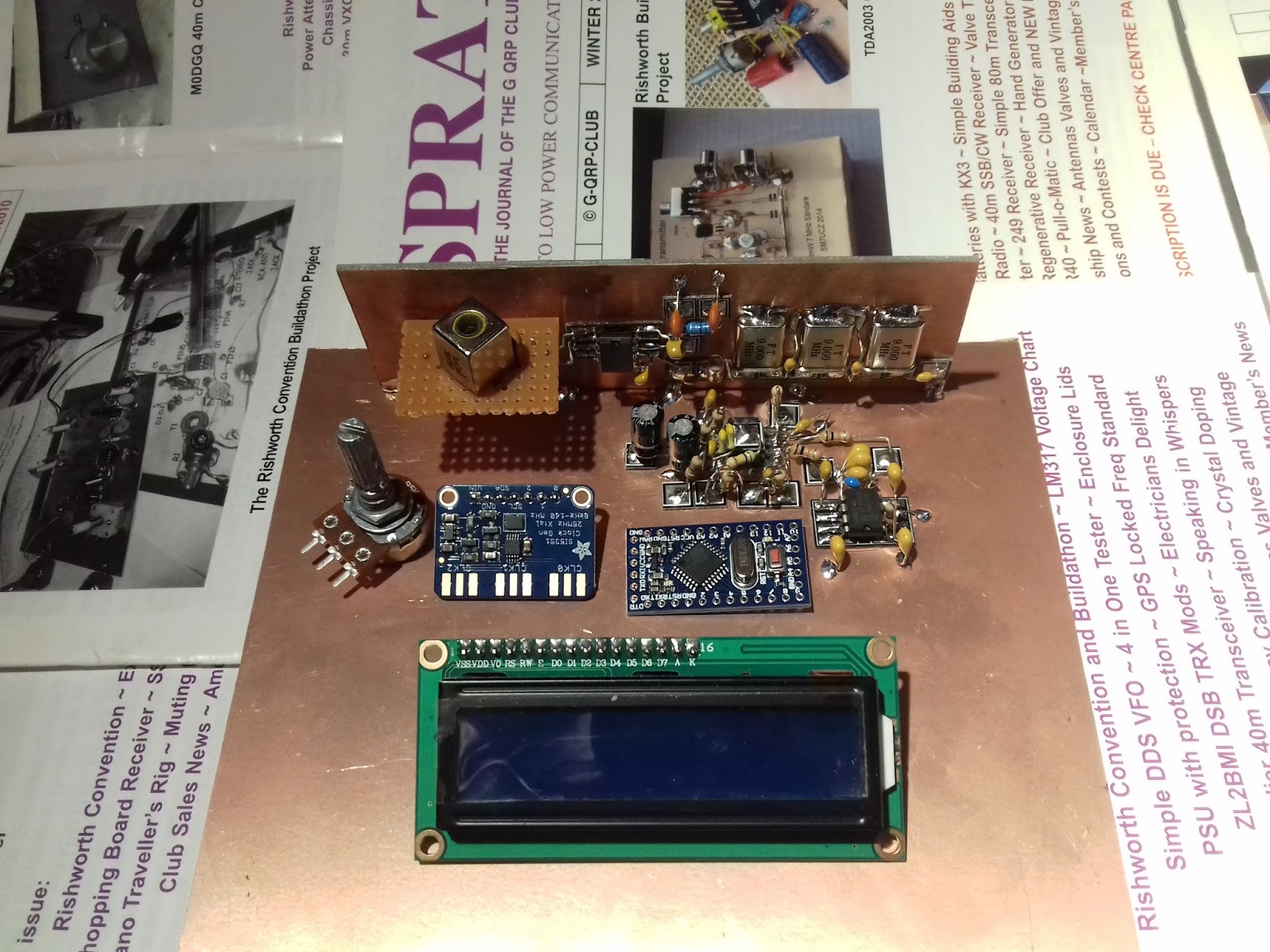
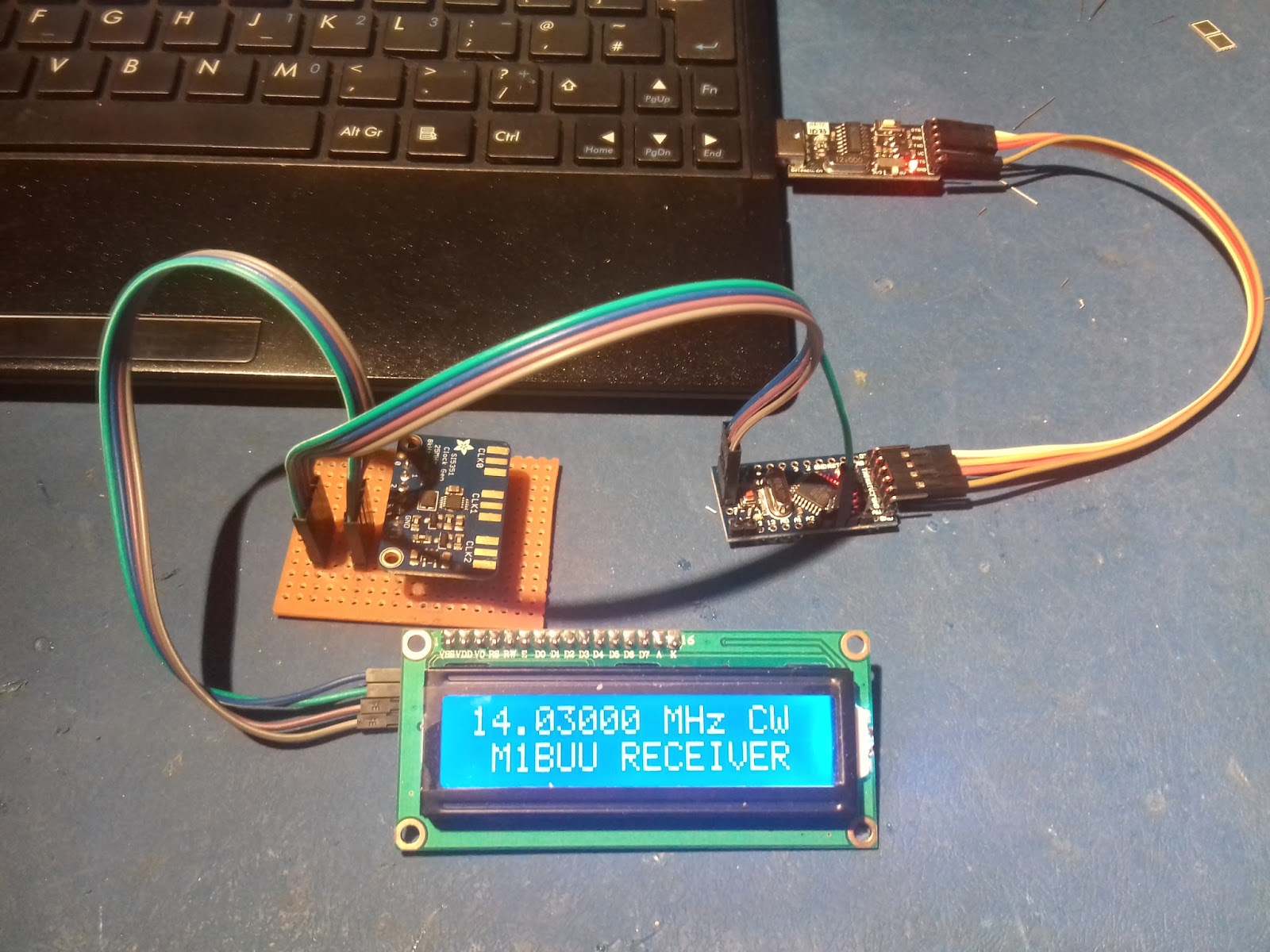
My project is a 20m CW only superhet receiver with a 9MHz home brew filter. I’m using the SI5351 for the oscillators. I originally thought I would cover multiple bands, but for now I have the parts for 20m coverage. I might tinker with other bands at a later point.
I’m using your LBS code on the Arduino, the one for 20m with 9MHz IF. I haven’t applied power to the rig yet but it’s not far off fully built. I tweaked the Arduino sketch using my Uno and tonight I have successfully transferred the code to a Pro Mini. (Code went into Pro Mini on first attempt – amazing!).
73 for now,
Colin M1BUU


GW4ZUA’s “Let’s Build Something” Receiver

The LBS project of Pete and Ben continues to inspire homebrewers all around the world. Check out the video of GW4ZUA’s version. Peter GW4ZUA writes:

Hi Pete,

Thank you for your kind words,

I suppose it started with a knob and a pointer to know (guess) where you were on the band, probably most radio builders did the same, and some still do, but as long as it worked you were very satisfied, what a marvelous feeling when you switch on and those electronic components do their job and deliver the goods……amazing.

So time moves on you get better at building and technology gives you a hand, LCD displays, homebrew frequency counters,cheap components, wow now you Know where you are on the band.

Then I saw your rig with a colour display and DDS “I gotta get me one of these.”

I watched most of your videos, Your “easy going, down to earth manner” made it look easy to do.
I love the internet, without it I’d probably still be using knobs and pointers, there are is a wealth of knowledge available to those lucky enough to have access. I also love email, as you can now contact people who are willing to share their projects and give advice.

So the LBS well it certainly works, so few parts but they are all eager to please, with the display (did I mention the display) it is a project you can be proud of.

A big thank you to you and Ben for the project,

I don’t know if it will ever go in a box as I just love to look at it and I’m amazed at what comes out of the speaker.

Regards to you all……….
73’s for now. ………..Peter (GW4ZUA)
————————

As is well known, I’m more of a knob and pointer guy myself, but I understand the attractions and advantages of the glowing numerals. And I definitely sympathize with Peter’s comment about the beauty of an in-boxed rig.

Bob Crane Interviews Eric Schwartz of Elecraft About the New KX2 (with Si5351!)

Our ace correspondent Bob Crane W8SX caught up with Eric Schwartz WA6HHQ of Elecraft at the FDIM event n Dayton last month. Here is Bob’s interview with Eric:

http://soldersmoke.com/WA6HHQFDIM.mp3

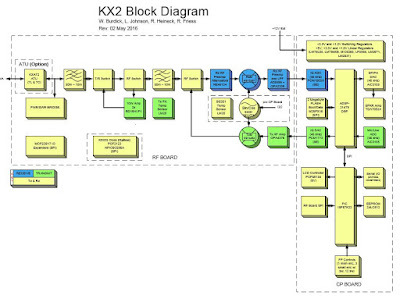
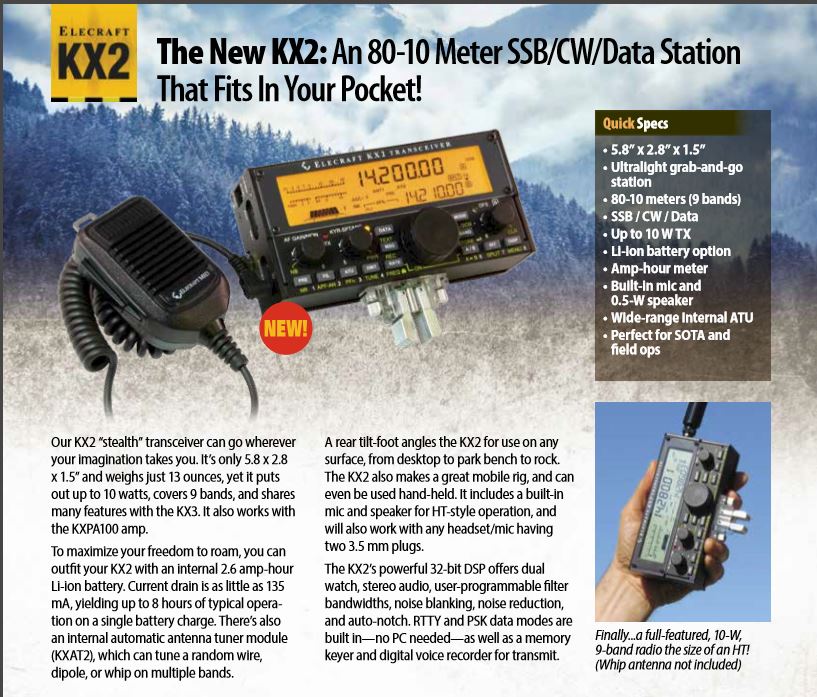
Pete and I were very pleased to see that Elecraft made use of our beloved Si5351 chip in their amazing new KX2 rig. Check it out:

You can click on the diagram or see it directly on page 62 of the manual at this site:

Here’s the KX2:


Three cheers for Elecraft! Three cheers for Bob Crane!


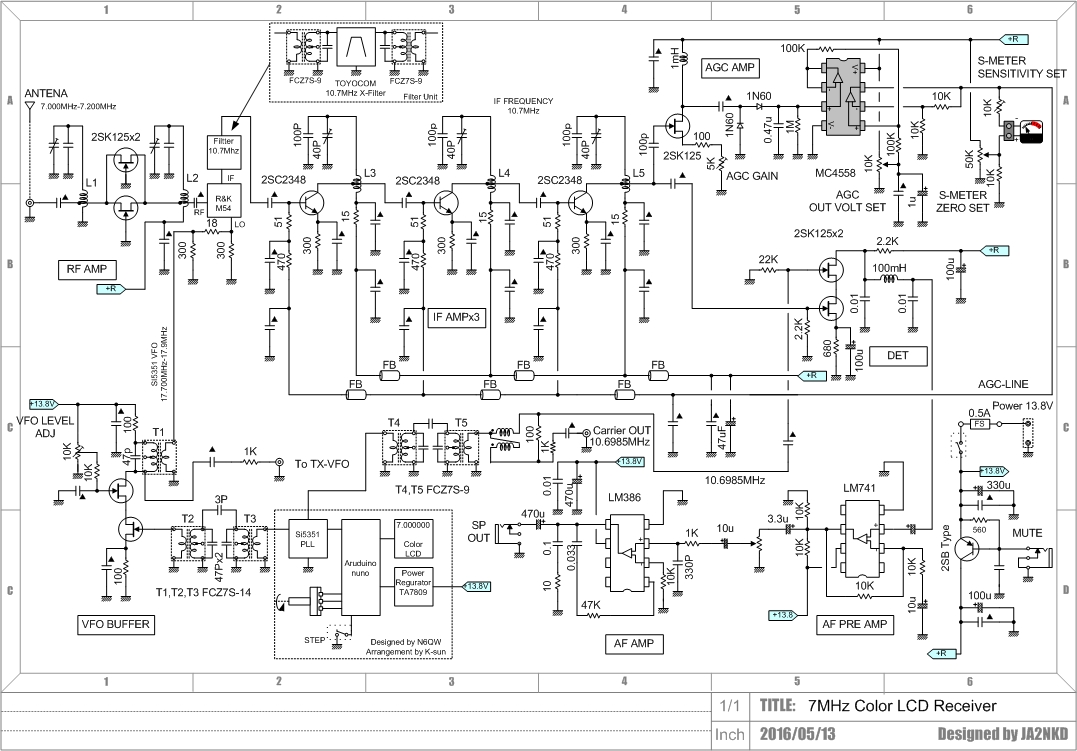
Ryuu’s Receiver (Superhet using Si5351 and Color Display with IF at 10.7 MHz from JA2NKD)

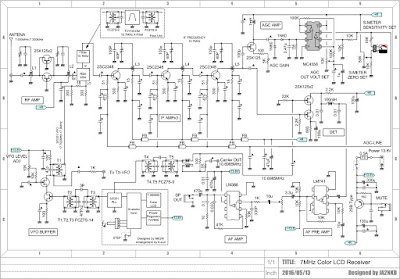
The influence of Pete Juliano is spreading far and wide. Those little color screens attached to Si5351s seem especially popular in Japan. Above is the receiver of Ryuu JA2NKD. Below is the schematic. Click on it for a better look, or use this link:
http://ja2nkd.c.blog.so-net.ne.jp/_images/blog/_206/JA2NKD/7MHzcolorLCDSchematics.jpg?c=a1

Ryuu’s blogs are here : http://ja2nkd.blog.so-net.ne.jp/
and here: http://ja2nkd.blogspot.jp/
They are in Japanese. Google Chrome does a poor job at translating them, but you can get the gist. In any case the pictures are great and the schematics are understandable by all of us. Thanks Ryuu!

1625 Tubes and Si5351 Chips: JH8SST’s FB Rig

Peter has been helping Jun JH8SST and other Japanese hams get their Si5351 synthesizers working with various displays. Jun has had some great success as you can see in the above video. I really like the combination of old (1625) and new (Si5351) technology.

Jun is a long-time homebrewer who as built some amazing stuff. Check out the pictures on his QRZ.com page:

And look at his cool 128×128 TFT display:

Other videos here:

DD4WH’s Fantastic Teensy SDR Receiver (Videos)

This is almost enough to make me abandon my analog, discrete component, HDR fundamentalism. Check out that display. And that StereoAM mode in which the upper and lower sidebands go to the left and right headphones “useful for CW”… Wow, that’s seems like a step beyond binaural.

Don’t miss Parts 2-4 –They are all on YouTube and will appear in the right hand column when you are watching Frank’s videos. But I couldn’t resist embedding the video that shows the hardware. Note: the oscillator is an Si5351! Yea! And the LP filter board comes from Hans Summers.

Beautiful work Franz! Thanks for making the videos. 73 Bill

Life in the Fast Lane: Potato Semiconductor Chips

Even I, with my luddite tendencies and analog preferences, have recently bumped up against the speed limit of 74 series logic chips. The Si5351 chip in the I and Q VFO for my phasing receiver will run up to 160 MHz. But the 74 series inverters and flip flops that I have attached to the output don’t seem to want to go beyond about 120 MHz. Our old friend Thomas LA3PNA tells us how to break this speed limit:

http://www.potatosemi.com/

Be sure to go their “Milestones of 74 Series Logic” Page.

I like their explanation of the brand name:

Back to Divide by 4 — Big Improvement in Receiver Performance

Thanks for all the comments and advice. I have come to understand the wisdom of divide by 4 IQ circuits.

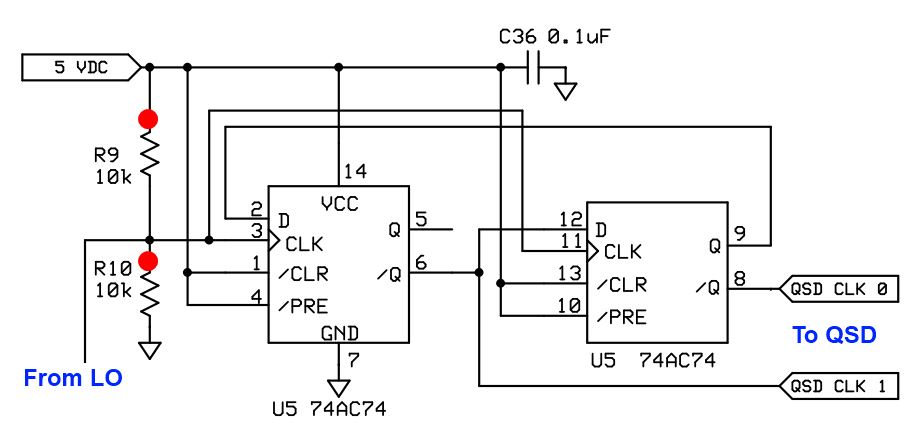
Fortunately it was very easy to convert the divide by two 74AC74 circuit described earlier to a version of the divide by 4 scheme seen above. (From the SDR Ensemble II Receiver: http://www.wb5rvz.com/sdr/ensemble_rx_ii_vhf/04_div.htm)

This change provided a great way to observe 1) the improvement in the output signals from the VFO and 2) the resulting improvement in receiver performance, especially opposite sideband rejection.

Here are some numbers. I was very pleased to discover that my Rigol scope will measure duty cycle and phase difference. Thanks Rigol!

AD9850 Divide by 4 : 7.212 MHz Duty cycle: 48.3 Phase Difference: 87-90 degrees

Si5351 Divide by 2: 7.212 MHz Duty Cycle 49.6 Phase Difference: 83 degrees

Si5351 Divide by 4 7.212 MHz Duty cycle 49 Phase Difference: 85-90 degrees

Additional improvement came when I switched the power supply to the IQ inverters and Flip Flops. I switched from 3.3 to 5 volts:

Si5351 Divide by 4 7.105 MHz Duty Cycle 49.7 Phase Difference: 90 degrees

When I took the VFO box and put it back in the receiver with the divide by 4 scheme and the 5 volt supply I immediately noticed a big difference in performance. It was obvious that opposite sideband rejection was back to what I had had with the AD9850, perhaps better.

I have a quick and dirty method of measuring opposite sideband rejection: I put an RF signal into the antenna connector. I put the ‘scope on the audio output. I tune (on the desired sideband) for 1kHz audio and I measure the output voltage. Then, with the audio gain and RF sig gen output in the same positions, I tune to the opposite sideband, again tuning for 1 kHz, again measuring audio output. With the divide by 4 scheme and the 5 volt supply, the opposite sideband was so weak I had trouble measuring it. I estimate the rejection to be at least 32 db — this is back in the range of what I had with the AD9850, and significantly better than I had with the divide by 2 scheme.

Now I just need to figure out how to get the Si5351 VFO sketch to tune above 42.94 MHz. For some reason it quits at this point, switching down to 2 kHz output, and keeping me on 30 meters and below.

Thanks again to Todd VE7BPO for a lot of help with the hardware and to Tom AK2B for help with the Arduino code.

Ambition, Greed, and Experiments with a Divide by 2 IQ VFO

Fresh from a great success with the use of the M0XPD divide by 4 I and Q VFO in my Frankenstein Phasing Receiver, I got ambitious. And greedy. I wanted more. More frequency coverage. More bands. Divide by 4 can really limit your frequency range. The AD9850 only goes up to 40 MHz. Divide by 4 and you can’t even get the 30 meter band.

So I started looking at other options. Si570 looked nice, but here the lower limit was the problem: 10 MHz. Even with divide by 4, that knocks out 160 meters, a band I am very interested in lately, and that seems to sound especially good in a direct conversion receiver.

Once again, the controversial Si5351 was calling my name. It would go down to 8 kHz and up to 160 Mhz. Woo Hoo! If I could build a divide by 2 IQ VFO, I could cover 160-6 meters.

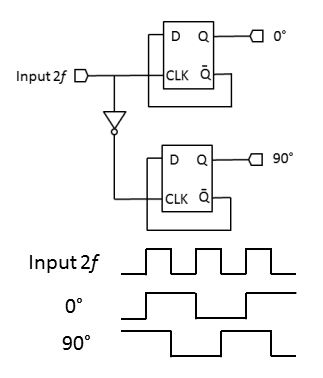
Here is the basic idea. From:
http://www.markimicrowave.com/blog/2015/04/top-7-ways-to-create-a-quadrature-90-phase-shift/

The Flip Flops are set up to change state when the input signal is going up. By putting an inverter at the input of the bottom FF input, in effect you have that one changing state when the input signal is going down. Look at this for a minute or so. Look at the square waves at the bottom. See it? See how it takes an ordinary signal and spits out two signals, one 90 degrees off the other? Pretty cool, don’t you think?

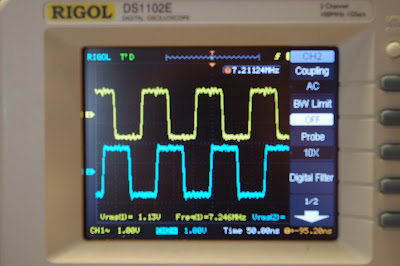
With lots of hardware help from Todd VE7BPO, and software help from Tom AK2B (wizards both), I got my Si5351 divide by 2 circuit working today. You can see the resulting I and Q in the picture at the top. But I am discovering that there may have been wisdom behind those divide by 4 circuits. My opposite sideband suppression isn’t as good with this /2 scheme as it was with the AD9850 divide by 4. I’m still trying to figure out why. I may have to go back to divide by 4. Stay tuned.


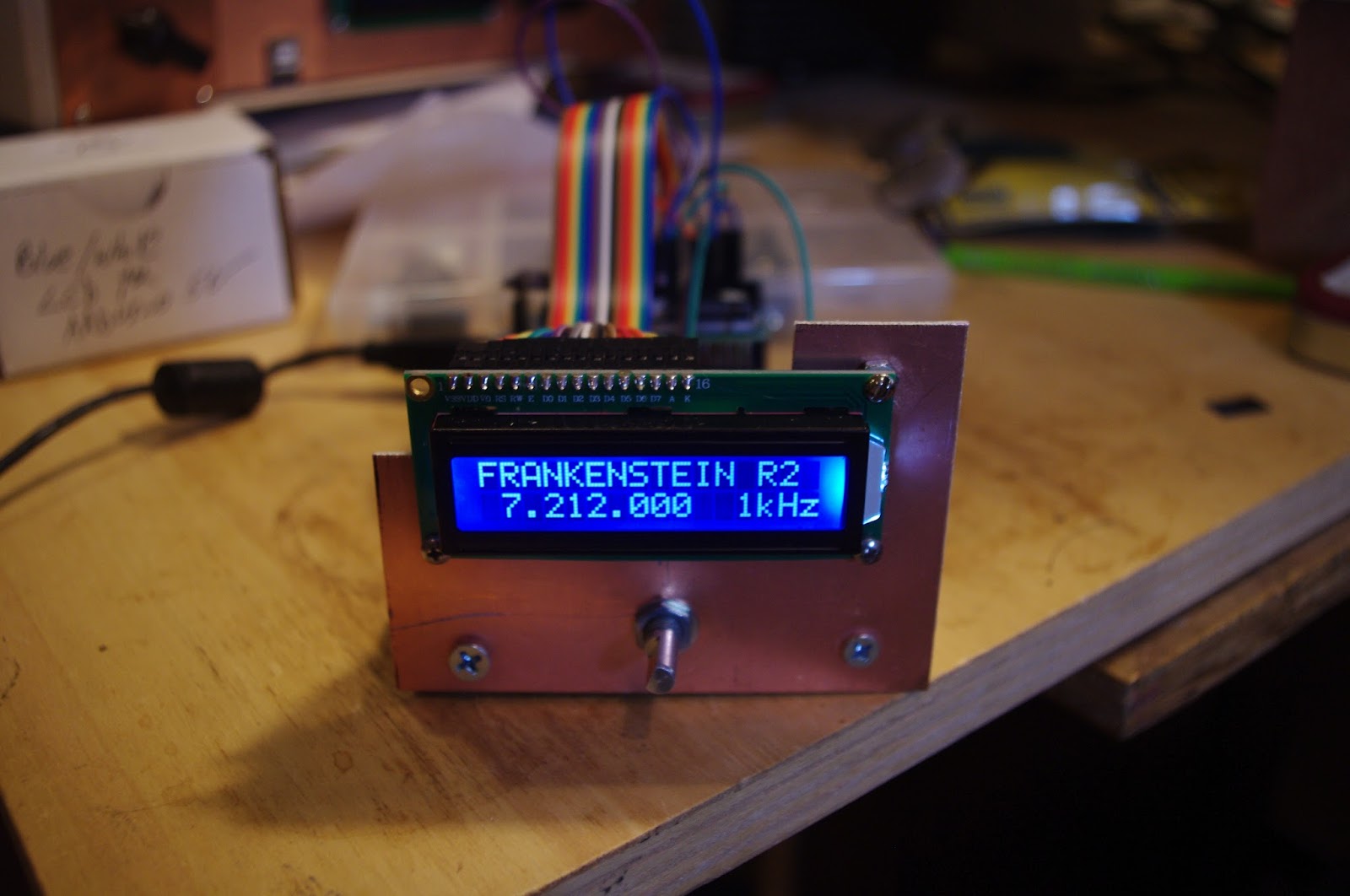
New VFO for the Frankenstein R2 Phasing Receiver

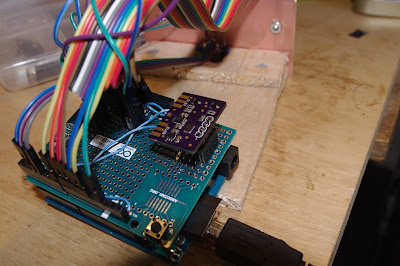
I’ve wanted to change the VFO in my R2 phasing receiver. The AD9850 DDS VFO with a divide by 4 I-Q generator limited me to 160, 80 and 40 meters. But an Si5351 chip will go up to 160 MHz. With a divide by 2 I-Q generator, this should allow me to cover 160 through 6 meters. I got the Arduino, LCD and rotary encoder all working tonight. Thanks to Thomas LA3PNA for the code, and to Tom AK2B for help with the Arduino. The Si5351 board that you see sitting atop the Arduino is the work of Dean AC9JQ. Thanks Dean.

The flip-flop and inverter IC’s should arrive this week. That will allow me to finish up this VFO conversion project.

N8NM: Thermatron Meets Silicon (Part II or III)

Steve N8NM has been pushing the limits of radio hybridization. In this receiver he has 12AX7 thermatrons running alongside an Arduino and a Si5351. Somehow I find this both very appealing and deeply disturbing. Many of you will know what I mean. But FB Steve — keep them coming. Put these unique rigs on the air and strike a blow against the Yaesu-Icom-Kenwood monotony!

Bill:

Here’s a pic of a Thermatron-Meets-Silicon receiver that I’ve been working on. Tubes are 12AT7 mixer, 2x6BA6 IF amps, 2x12AX7 (product detector, AGC amp and 1st AF) and 6AQ5 audio out. An Arduino controlled Si5351 provides the LO and BFO as well as handling all of the switching, and the mixer and product detector use variations on Dr. Pullen’s dual-triode circuit. I’ve had this one on the air, but the hardware and software still need some, um, refinement. And painting the panel has to wait until spring as my XYL doesn’t share my affinity for paint fumes.

73 – Steve

Si5351 — G4GXO says “Give it a go!”

Hi All,
Many of you will know of the low cost Si5351A programmable clock generator which can serve as a VFO with a remarkable range of 2.5kHz to 200MHz. This device is available from the larger industrial component suppliers such as RS for as little as £0.68 +VAT and is offered as a small PCB module with regulator and level converters from many amateur component suppliers for around £7.00. I bought a couple of the Adafruit modules to evaluate as the second conversion oscillator in a DSP IF system I’m developing and once I’d overcome the hurdle of writing the dsPIC33 software to drive the device I decided to test the unit as an HF VFO. My reason for doing this was to assess the phase noise of the si5351A; a quick Google will turn up many blogs and forum listings on this subject with mixed opinions of the suitability of this device for VFO service. With no direct method of measuring phase noise I decided to examine instead the impact of phase noise on receiver performance, after all it is this effect that will determine the suitability of the Si5351A as a VFO. My strategy was simple, I used the receiver section of my 60m SSB transceiver which is based upon the Eden IF (SPRAT 144) and uses one of the club 9MHz SSB filters. The front end mixer is a discrete diode ring made from two trifilar wound FT37-43 toroids and four 1N4148 silicon diodes. Unlike a schottky diode mixer this silicon switching diode version requires more drive to keep conversion loss down. The VFO is a low phase noise 7ppm Si570 running on the high side of the IF at 14MHz, a MMIC output stage delivers +10dBm of drive to the mixer. The Si5351A was compared directly to the Si570 – which is a known “very good” performer.
The test strategy was to measure the receiver Minimum Discernable Signal (MDS) at 5MHz with the Si570 and the Si5351A as the VFO. With no buffer stage to raise the 5dBm output of the Si5351A to match the +10dBm output of the Si570 VFO module, I accepted that this compromise would have some bearing on the results through increased mixer loss.
Results (14MHz oscillator drive, 2.2kHz IF bandwidth)
Si570 +10dBm output, MDS –122dBm (Well below noise from the antenna, perfectly acceptable for 60m!)
Si5351A +5dBm output, MDS –118dBm (Note, mixer drive 5dBm down!)
Some if not most of the 4dB difference in MDS is without doubt attributable to the lower drive power of the Si5351A in my test configuration, this is borne out by the AGC threshold which moved up by 4dB suggesting increased mixer loss. I’m confident that had I been able to match the +10dBm output of the Si570 then it would have been a close match. My conclusion is that for HF at least the Si5351A is a very useful oscillator which is easily applied and can deliver good performance. If you had doubts about using this device at HF I hope that these results encourage you to give it a go!
73 Ron G4GXO

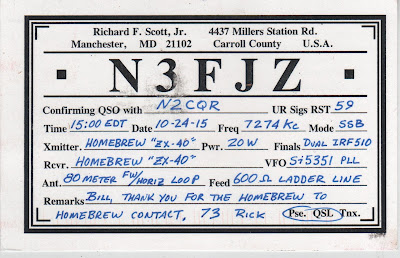
HB2HB! AC9JQ and N2CQR Make Contact on 40 with Homebrew Rigs on Both Sides (with help from N3FJZ/HB)

This weekend brought another HB2HB (Homebrew to Homebrew) contact. We have been following with interest the 40 meter transceiver project of Dean, AC9JQ. Above you can watch a video of Dean’s rig in action before it went into the box. Earlier this month Dean achieved a remarkable “Double First” when he made his very first amateur radio contact. He was using his homebrew rig to do it. So his first contact was also his first homebrew contact. FB. More info on Dean’s rig and homebrew exploits can be seen here:
http://soldersmoke.blogspot.com/search?q=ac9jq

This week Dean got a decent 40 meter dipole up in the air. We arranged (via e-mail) to meet on 40 on Friday evening. We made contact, but conditions weren’t great. We tried again several times on Saturday, looking for open spots amidst the madness of the CQ WW DX contest. Rick N3FJZ joined us and also tried to make contact with Dean, but had no luck either. Daytime conditions didn’t allow for a good contact between Indiana and the Washington/Baltimore area where Rick and I are located.

Finally, last night after family obligations at both ends settled down, Dean and I found a relatively open frequency on 40 and made a good contact. A short snippet of it can be heard by clicking on the link below. Keep in mind that Dean was running about 2 watts to a dipole on 40 at night.

http://soldersmoke.com/HB2HBAC9JQ.mp3

Thanks Dean! Thanks Rick!