Attentive listeners have probably noticed that for some time now the podcast has been drifting in a new direction. Some have been concerned by this change. I myself, as you know, have shared in many of these misgivings. But I have become convinced that it is time for a major change in direction. We’ve been doing this for more than ten years — we are one of the oldest ham radio podcasts. It is time for a change.
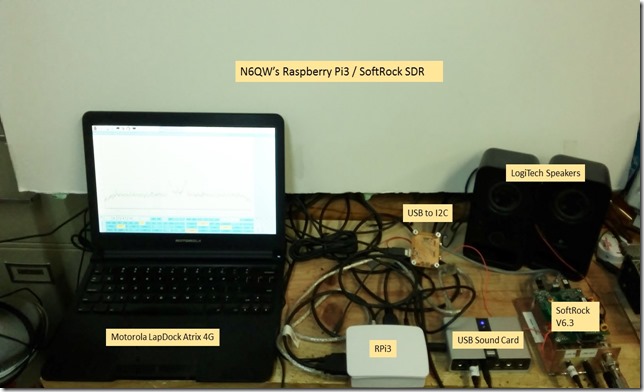
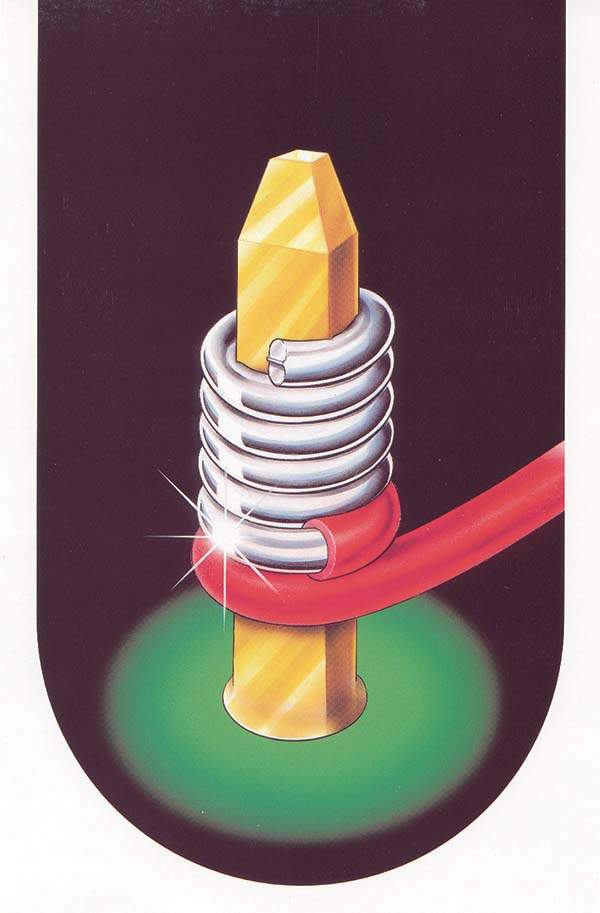
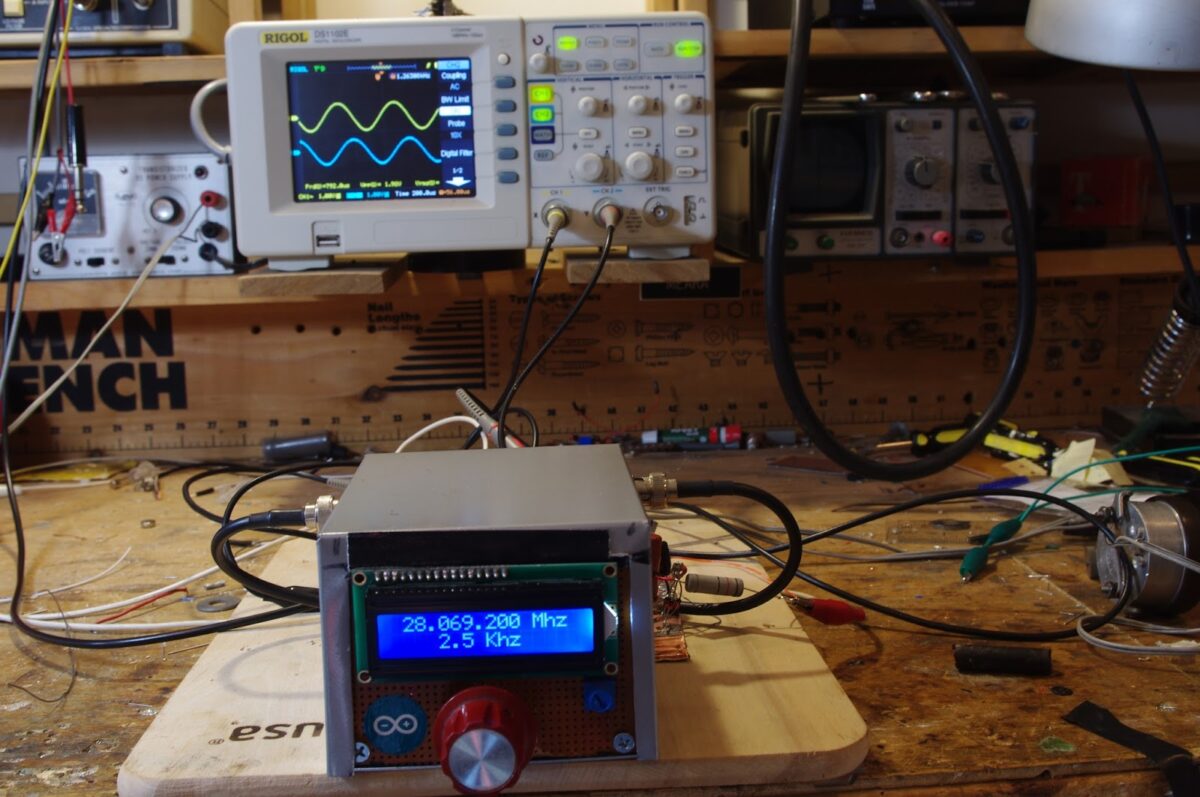
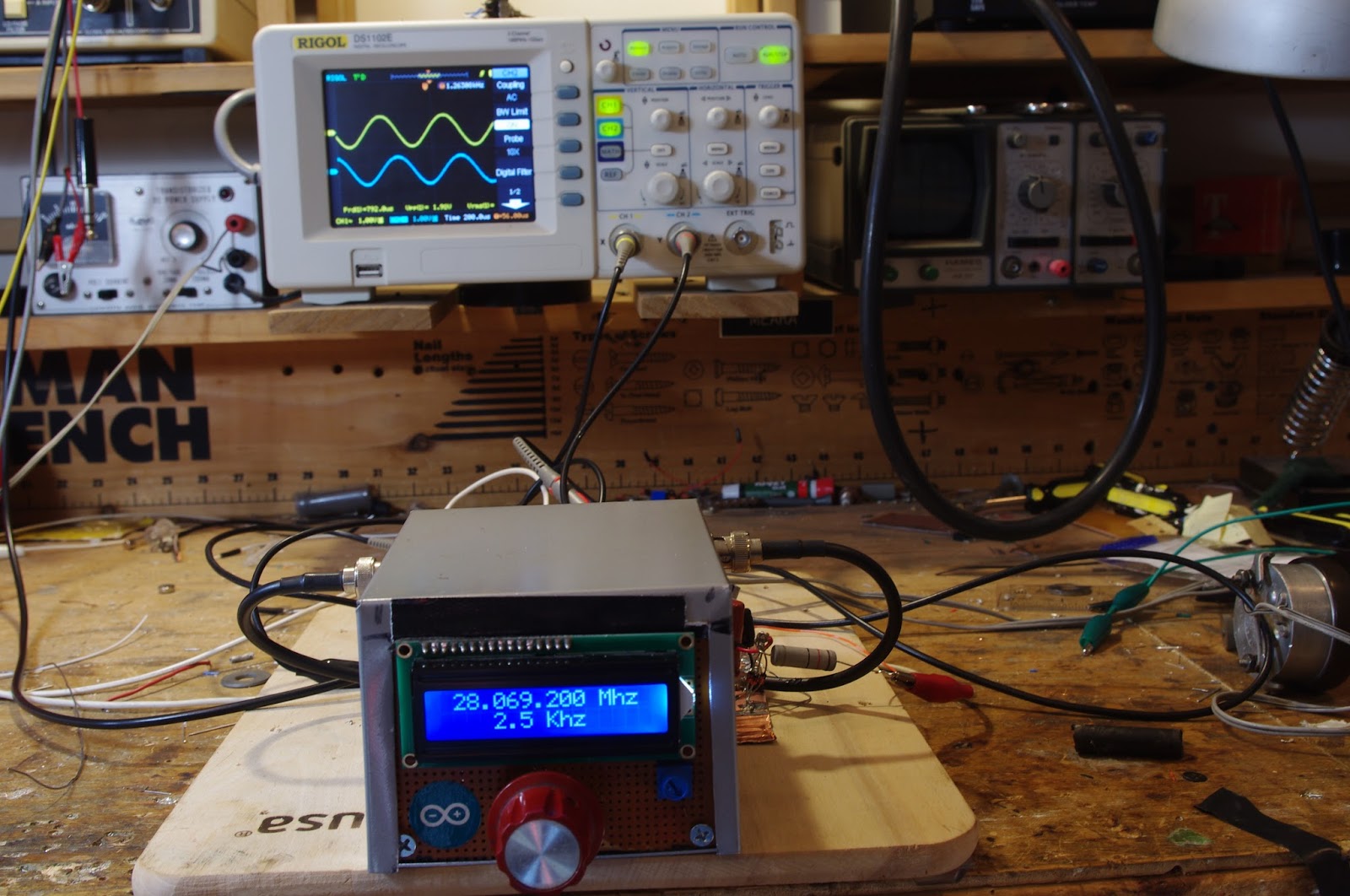
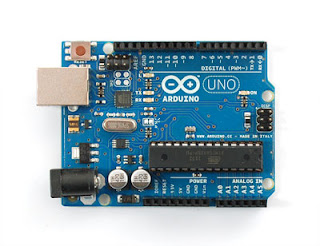
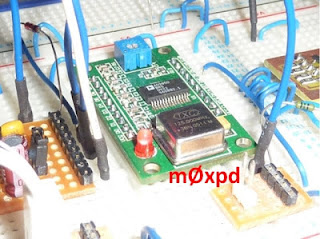
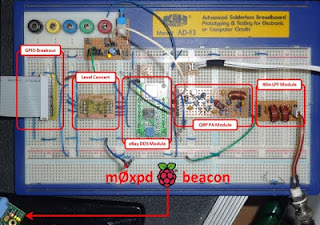
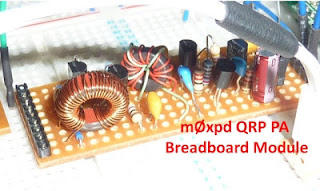
A number of people have encouraged me to make to this change. My co-host Pete Juliano N6QW is clearly the main influence. Pete has made me see the errors of my Ludite ways. He taught me that it is time to put away the Dymo tape and get with it with glowing numerals. Whenever I started getting enthused about VXOs or about Permeability Tuned Oscillators using brass screws moving through hand-wound coils, Pete was there to remind me of the beauty, simplicity, and efficiency of Arduino Microcontrollers and Si5351 chips. Paul Darlington M0XPD contributed an element of old world legitimacy to this push for modernity. Tom Hall AK2B was another influence — whenever I was on the verge of quitting, he’d Skype in from the Big Apple and get me back on the digital track. And we can’t forget Farhan over in India – as soon as he started putting Arduinos and Si570s in his Minima, I knew this was really, as the kids say, “a thing.”
So anyway, it is time for a change. I know many of you may find this shocking, so it is probably best for me to just go ahead and say it: We are changing the name of the podcast and we are changing its focus.
n Instead of SolderSmoke, the new name will be “WireWrapRap.” Wire wrap is the solder-less wiring technique often used in computer circuitry. We hope that the “Rap” thing will be especially helpful in attracting young people – especially those Maker Millennials — to the show. And, you know, soldering just seems so 20th century.
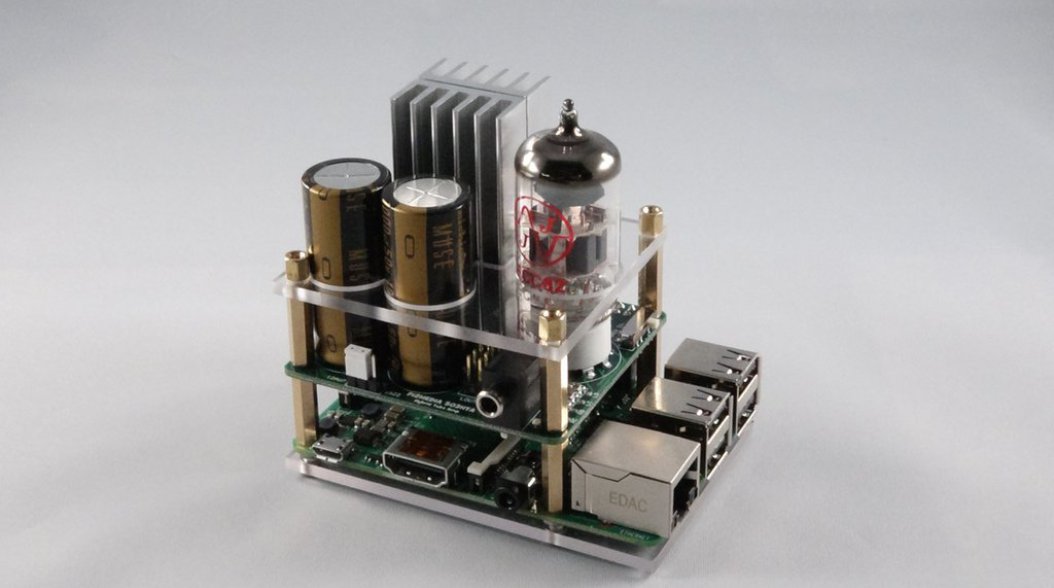
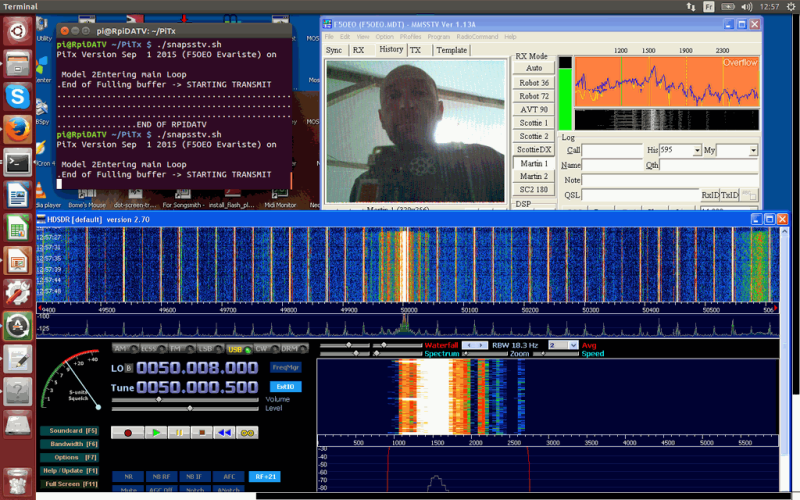
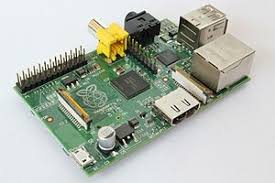
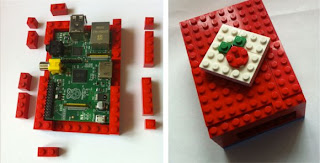
n Instead of traditional homebrew radio, the show will be focused on Mini Computers (especially the Raspberry Pi), Software Defined Radio, Digital Signal Processing, Microcontrollers (especially the Arduino), and the use of smart phones in ham radio
n Obviously this implies a move away from minimalist radio and QRP. So yes, we are going maximalist and we are going QRO. And we are getting more involved in contesting (see below).
Now I know what some of you are thinking – that this must be part of our long-standing quest for sponsorship and that this is all about money. But that’s only part of it. Yes, we have secured a lucrative sponsorship arrangement with a company involved in microcontrollers, small computers and smart phones that is focused on the millennial market. But we’re really doing this for the good of our listeners.
Don’t worry, you will find many of your favorite parts of SolderSmoke in the new show. They will be the same, only different. For example, instead of the “Bandsweep” segments that we used to do, now we are going to have “Codesweep” (and it’s not about Morse). Where we used to have SolderSmoke Mailbag, well, don’t worry — we are going to continue to have a segment that will allow for listener input. We going to call it “Pi Hole.” We’ll only be accepting listener input via TEXT messages or Tweets – we are, after all, trying to be modern. Along the same lines, we will be distributing the podcast exclusively via Soundcloud. So get with it gentlemen! Get into the cloud!
In the new and improved podcast we want to explore the new and exciting digital modes. We plan segments on all the new ones: PSK-99, Opera, WSPR, SNICKR, Throb, Thor, Piccolo, Oreo, Oregano, you know, all those weird sounds you’ve been hearing near what used to be considered the CW portion of the band. It will be such fun! I can’t wait to decode some Oregano!
Smart phones, are, of course, the future of ham radio, and we intend to be fully into those little magic boxes. I don’t know if you guys realize it, but all of that ugly dusty junk in your shack can be replaced by a few lines of code from the App Store. That room you used to call “the shack” can be converted into the Yoga studio or knitting room that your wife has been longing for! Now you can carry your station with you wherever you go and autonomously participate in contests from stations around the world. Imagine the thrill of learning that while you were playing golf or bowling, you were also WINNING a major DX contest from a “station” in Ulan Bator. And that ALL of your reports were 59! It’s like owning your own ham radio drone! Congrats old man. YOU WON! Welcome to the 21st century! That’s the kind of operation we are going to explore on WireWrapRap!
For those of you who are worrying that we might be abandoning our microphones, have no fear my friends, Pete and I remain committed phone operators. Only now, it will be DIGITAL VOICE. We’ll be squeezing our dulcet tones into a mere 800 Hz of bandwidth. This way we both sound exactly the same. Heck with this new technology everybody will sounds the same. How cool is that! We’ll all sound like a mix of Stephen Hawking’s synthesizer, Apple’s Siri, and MTV’s Max Headroom. The AM guys and the Enhanced SSB crew may need some time to get used to this, but c’mon fellas, it is time to get with it! There will be no more need to tweak all those menus for “presence” and “brightness” and “mid-range.” Heck no, we’ll all sound the same! Progress my friends, PROGRESS!
As I said, I had my doubts about this. But over the weekend I walked into the TV room and Elisa happened to be watching one of those “inspirational self-help” speakers on Direct TV, and you know what? He made a lot of sense. Change IS good! We have to EMBRACE the future! Impossible = “I’m possible!” Yea! So thank you Deepak Chopra! Thank you Pete Juliano! And welcome — all of you — to the WireWrapRap!