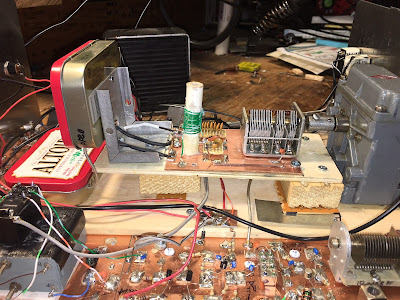
Pete is such a great guy, and such a great ham. Earlier this week I came home to find a box in the living room. In it was the SBE-34 that you see in the video. Pete had been talking about this rig about 18 months ago.
So many cool features: The main tuning dial is dual-speed. There is the “Geneva” band switching method. Hybrid, with sweep tubes in the final. All analog. A power supply that will take 110V AC or 12V DC (internal inverter). Collins mechanical filter at 455 kc. Bilateral amplifier stages. PNP Germanium transistors.
Pete suggested that I might want to use this rig for parts. No way! There is real radio history and amazing innovation in this rig. Plus, it has been worked on by Pete Juliano, N6QW.
Here is the write up from Pete’s YouTube page. Note the part about how they get the BFO signal.
Here is an example of what an IC7300 might look like some 50 years ago. It is a hybrid rig using Germanium (mostly PNP) transistors in the low level stages. So OK a couple of NPN (2N706) in several key locations such as the VFO. The driver uses a tube similar to a 12BY7 and the finals are a pair of sweep tubes, the 6GB5’s. The rig operated on four bands (mostly the then phone portions) 80, 40, 20 and 15 Meters. The power out on 80-20 was 60 Watts PEP and dropped down to 50 Watts on 15 Meters. That was a real stretch. The AGC sucked as you will see in the movie and the receiver gain was a compromise –too much on the low bands and weak on the higher. This was a bilateral design — which predates the Bitx series by some 40 years–but not the 1st.The first bilateral design was the Cosmophone – Google that one. The major selling point –a Collins mechanical filter. Also an innovation was how LSB / USB was achieved using a single crystal. It was pure magic and innovation. The basic BFO frequency of 456.38 was doubled and then doubled and tripled again. The first 2X gave you 912.76 KHz and the 2nd 2X gave you1825.52 KHz and a tripling gave you 2738.28 KHz. Mixing that back with 456.38KHz gave you 2281.9 KHz USB or LSB. The VFO operated in the 5.5 MHz range and there were heterodyne crystals to put you on the proper bands. Now that was some clever math! You can download the maintenance manual at BAMA manuals. There were some smart guys leading our ham radio efforts back in the day.
Category: Old radio
Book Review: “Man of High Fidelity: Edwin Howard Armstrong” (Free Download)
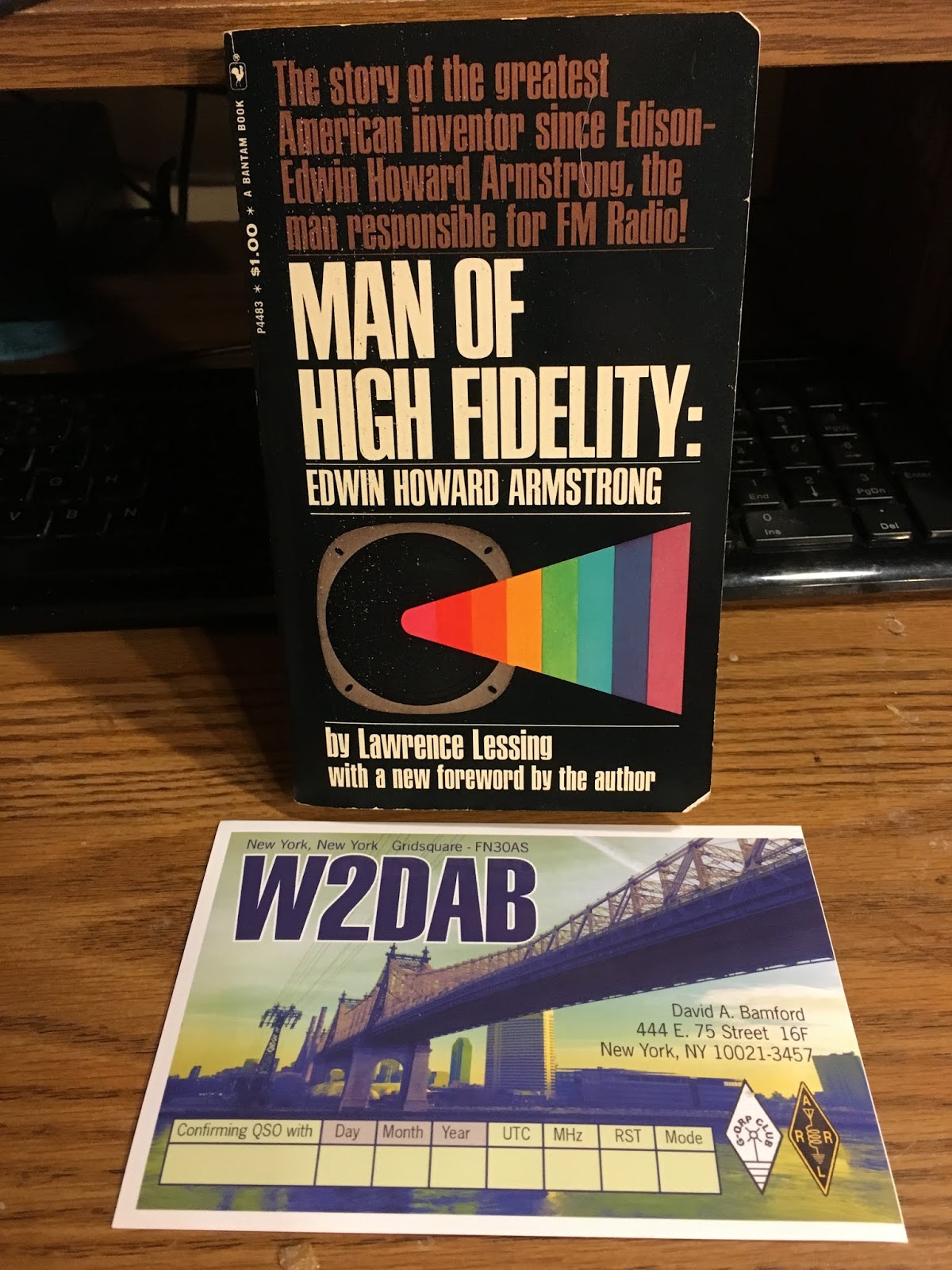
Dave W2DAB sent me this wonderful book. He picked up a copy at a recent Columbia University lecture on E. Howard Armstrong. Written by the notable science writer Lawrence Lessing, the book was first published in 1956. The paperback copy that Dave sent me came out in 1969; while 50 years old, my copy is in remarkably good shape.
I really liked the book. The author captures the technical achievements of Armstrong, while also describing vividly the world in which Armstrong lived. Being from the area, I especially liked Lessing’s description of New York City and the Hudson Valley in the early years of the 20th century. This was the world of my grandparents; Lessing’s book helped me understand it better.
For the radio amateur, I think the most gripping part of the book is the way Lessing describes the excitement of early radio. Armstrong was a true enthusiast for the new technology, and he was — even as a teenager — at the cutting edge. He was constantly striving to improve the technology, especially the receivers. Like us, he often became obsessed with his radio work, often forgoing sleep and missing family meals as he toiled away in his workshop. Lessing tells us of Armstrong’s astonishment and joy, when, upon inventing the regenerative receiver, he was suddenly able to clearly receive signals from distant stations that previously had been barely discernible. Realize that when he was doing that, he was the only person on the planet who was doing it. He was the inventor. He was the first.
Lessing gives us a lot of great information about Armstrong’s work as an officer in the U.S. Army Signal Corps in Paris during World War I. We learn more about how his desire to be able to detect noise from the electrical systems of enemy airplanes led him to the invention of our beloved superhet receivers. But my favorite Armstrong in WWI story involves his visit to the radio shack of the ship that was carrying him to the war. In the radio shack he found a conventional station. But he asked the operator if he happened to have one of the then new audion tubes. On the spot, Armstrong took the tube and rigged up a regenerative receiver. He and the ship’s radioman then delighted in hearing stations that had never before been audible. Amazing.
I was less interested in the sad tale of Armstrong’s legal patent battles, so I kind of skimmed through that. I’m also not much of an FM guy, so I’ll save those portions of the book for a later date.
I think this is an important book about a significant part of radio history. It is well written. It gets almost all of the technical details right (but sorry Mr. Lessing, radio waves are not composed of electrons). The book deserves a place on the shelf of all radio history libraries. If you can’t get a print copy, an online version can be downloaded here:
https://archive.org/details/in.ernet.dli.2015.189098
Thanks again to Dave W2DAB.
The Echophone EC-1 — Chicks Dig it! In the Middle East! With a Hookah!

We’ve covered the success of this fellow before:
https://soldersmoke.blogspot.com/2017/09/hallicrafters-and-romantic-life-of.html
But never before with a hookah!
SolderSmoke Podcast #211 — Malicious Code! Spaace! Vintage Sideband! MAILBAG
27 April 2019
SolderSmoke Podcast #211 is available
http://soldersmoke.com/soldersmoke211.mp3
Pete NOT quitting podcast! Malicious code case RESOLVED!
Ambiguity and the Digi-Analog Divide
Edwin Howard Armstrong biography
SPAACE!
Apollo 11 50th Anniversary
Oscar 100 in Geostationary Orbit. Why can’t we have one too?
Farhan puts AISAT in orbit. FB!
Space is difficult
SSTV from the Space Station
Pete’s bench report.
Vintage Sidebanders
Recording of Midwest Vintage SSB “tune up session”
Vintage rigs that sound bad
Distorted views on “distortion”
Bill fixing old Bose Wave Radio
NOT GOING TO DAYTON. AGAIN! But SolderSmoke rep will be there
75 meter secrets of success (timing is everything!)
MAILBAG
Steve N8NM sends me FB National Dial
Steve N8NM aspires to complexity — enough of this simple stuff!
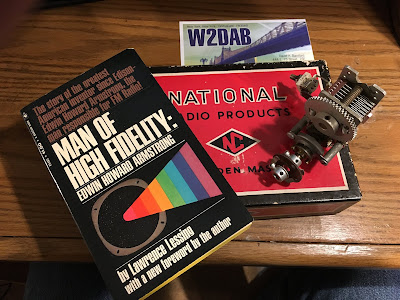
Dave W2DAB goes to Columbia U session on Armstrong, sends FB book.
Jim W4JED — reports of QCX sideband a bit exaggerated. Where is Allison?
Rob Powell wins beret challenge. VK2TPM and VK2BLQ also win. CONGRATS!
Colin G3VMU sends nice 1930s radio picture
Alan WA9IRS sends diagram of digi radio signal flow. CLEAR AS MUD!
Chris KD4PBJ Grandmother worked at Hammarlund.
Steve NU0P sends info on Art Collins and the Apollo moonshots.
Viking Rigs Save the Day!
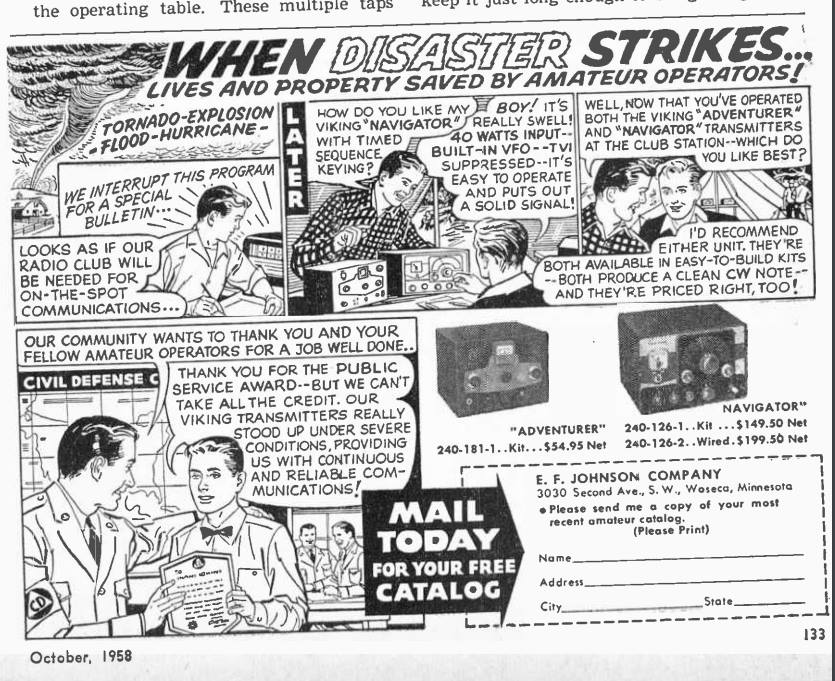
I attribute the success to the Times Sequence Keying. And, of course, to the analog VFO.
Thanks again to Jeff Murray.
SolderSmoke Podcast #210 Boatanchors, Magnetostriction, VFOs, AM, CW, SSB, Mailbag
2 March 2019
SolderSmoke Podcast #210 is available:
http://soldersmoke.com/soldersmoke210.mp3
Alexa, Marie Kondo, berets, and ham radio
Bi-Coastal Boatanchors
BATTLE CRY: The Vintage SSB Preamble! “We are NOT ashamed!”
Bill’s HT37 and Drake 2B
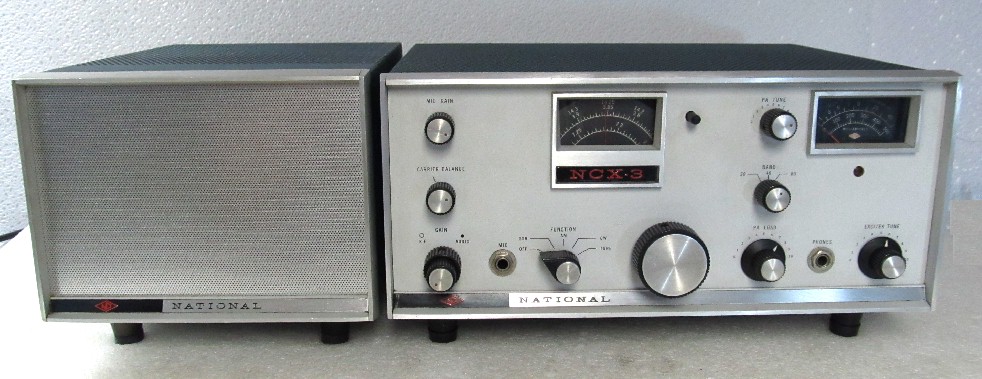
Pete’s National National NCX-3 TRGHS
Mechanical Filters
Magnetostriction
Why did Collins go with mechanical vice crystal filters?
The foam deterioration syndrome in mechanical filters. Sad.
Please send any unwanted Mechanical Filters to Bill.
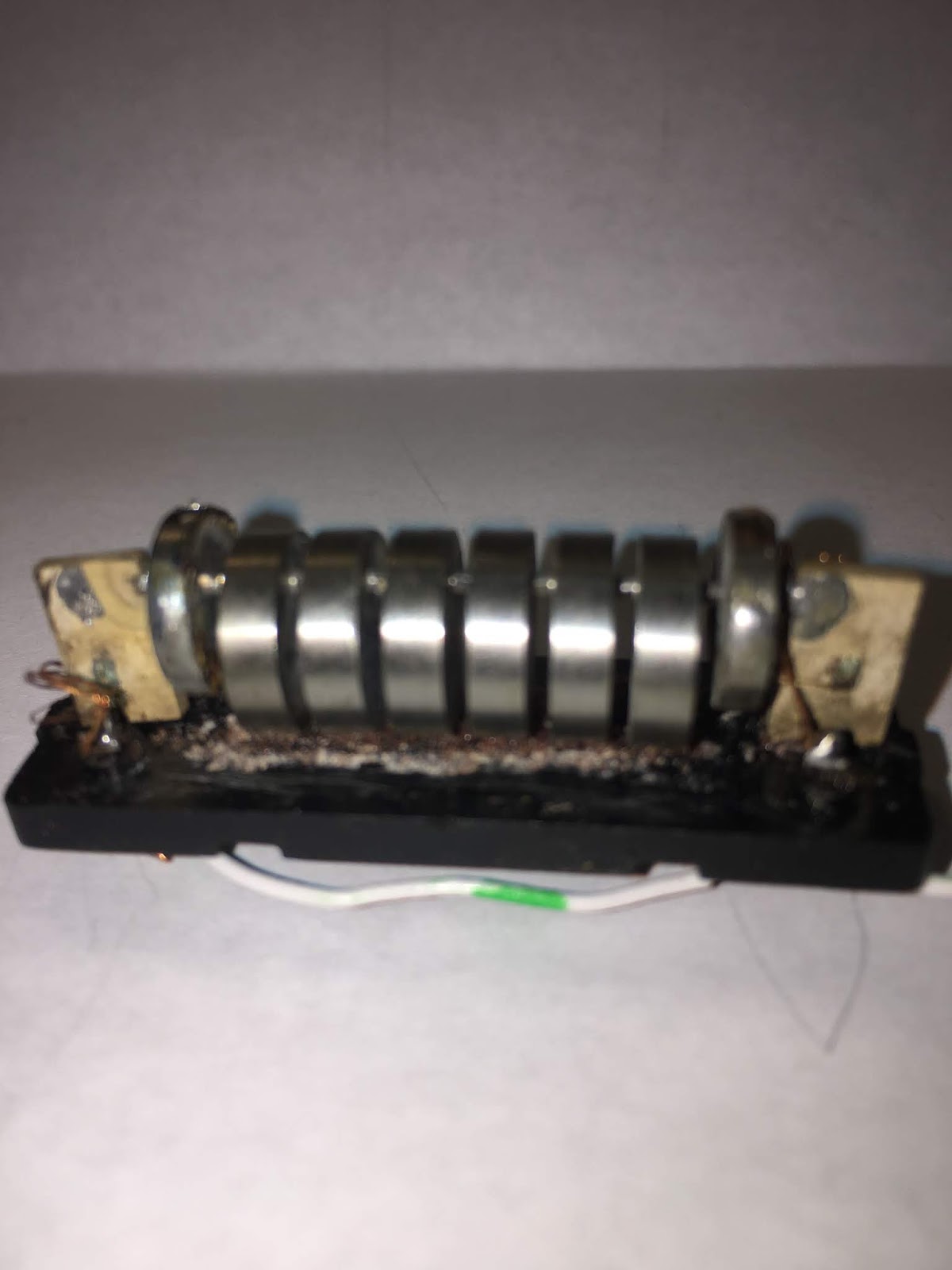
BONUS QUESTION: Look at the filter below. What is different/special about this one?
Pete’s antenna trouble
Pete’s FB amplifier troubleshooting
Recent improvements in the uBITX finals
Pete’s design for a VFO for Bill (and an indoor antenna tuner!)
Bill’s VFO for Pete: HRO dial and gearbox driving a rotary encoder
Guido PE1NNZ puts the QCX on SSB
“The Secret Life of Machines — Radio”
HB HRO dial from DL6WD
WA1QIX’s USB D-104
“The High Frequency Oracle”
DeMaw’s LC filter receiver
Godzilla and Ham Radio
Bill’s poor quality SSTV images from space (what happened?)
Listening to AM on an SSB receiver
Mixed feelings about CW
MAILBAG
M0KOV’s mom took him to the doctor due to THE KNACK.
M0JGH getting married (ALWAYS LISTEN TO PETE!)
Jac’s FB Receiver
What is different/special about this one?
An Awesome Radio Painting from Germany

Awesome radio art. Thanks to Jeff Murray and K9YA Telegraph for the alert. Info on the artist here:
RE-RUNS OF VINTAGE SIDEBAND NET — To fill those lonely hours between SolderSmoke podcasts…
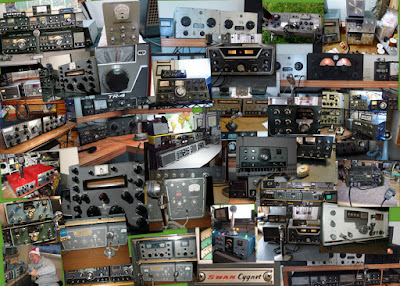
I really enjoy listening to these guys, and I suspect SolderSmoke listeners will too. Like the SolderSmoke podcast, it is the perfect thing to have playing in the shack while you are working on something.
Mike N9MS has recorded and placed online many of the net’s sessions, some going back to 2015. FB OM. We thank you. Please keep doing this.
Back issues are available at the site below. Just put the letter V in the search box and click. The back issues will then appear.
My message to the group:
Vintagers:
I have now listened to the mp3 recordings of three of your Saturday morning sessions. They are really great. I tried to listen via the airwaves, but I am too far east. To whoever is recording and posting these sessions: please keep up the good work! These recordings allow the FB ham spirit of the net to reach a GLOBAL audience. Please make the older sessions available — many of us only recently learned of the net and would like to listen to earlier episodes. If server space is a problem, maybe I could help. Let me know. I don’t know if you realize it, but you guys are producing a very cool podcast every Saturday morning.
I have now listened to the mp3 recordings of three of your Saturday morning sessions. They are really great. I tried to listen via the airwaves, but I am too far east. To whoever is recording and posting these sessions: please keep up the good work! These recordings allow the FB ham spirit of the net to reach a GLOBAL audience. Please make the older sessions available — many of us only recently learned of the net and would like to listen to earlier episodes. If server space is a problem, maybe I could help. Let me know. I don’t know if you realize it, but you guys are producing a very cool podcast every Saturday morning.
My buddy Steve N8NM tried to check in with his S line last weekend but you guys couldn’t hear him. I’m sure he will try to somehow get more fire in the wire. Please be listening for Steve.
As for myself, I find myself plotting the use of one of those WEB-SDR sites to check-in. But I fear the wrath of the brotherhood.
DEATH TO THE VIOLATORS!
73 Bill N2CQR
http://soldersmoke.blogspot.com
This Weekend: The AM Rally (with trailer video!)
I liked the groundhogs.
More info:
http://www.amrally.com/
UK Wartime Radio — The Secret Listeners
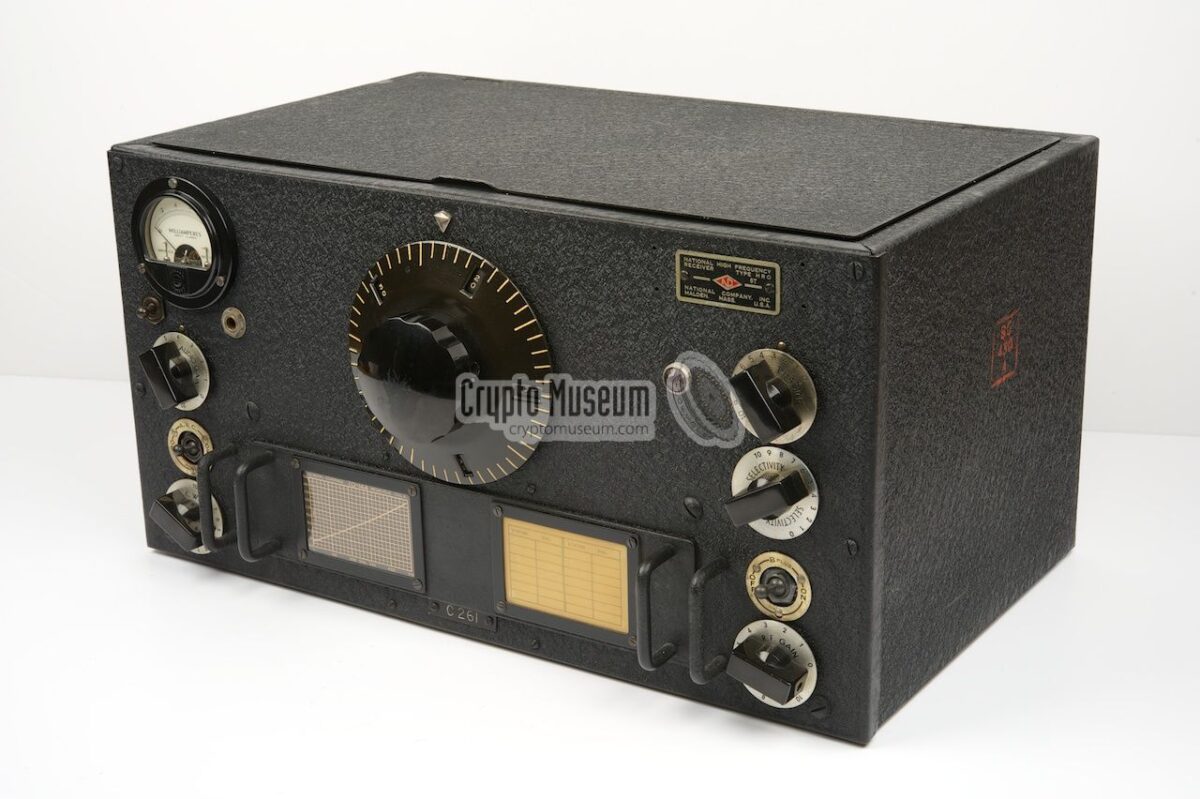
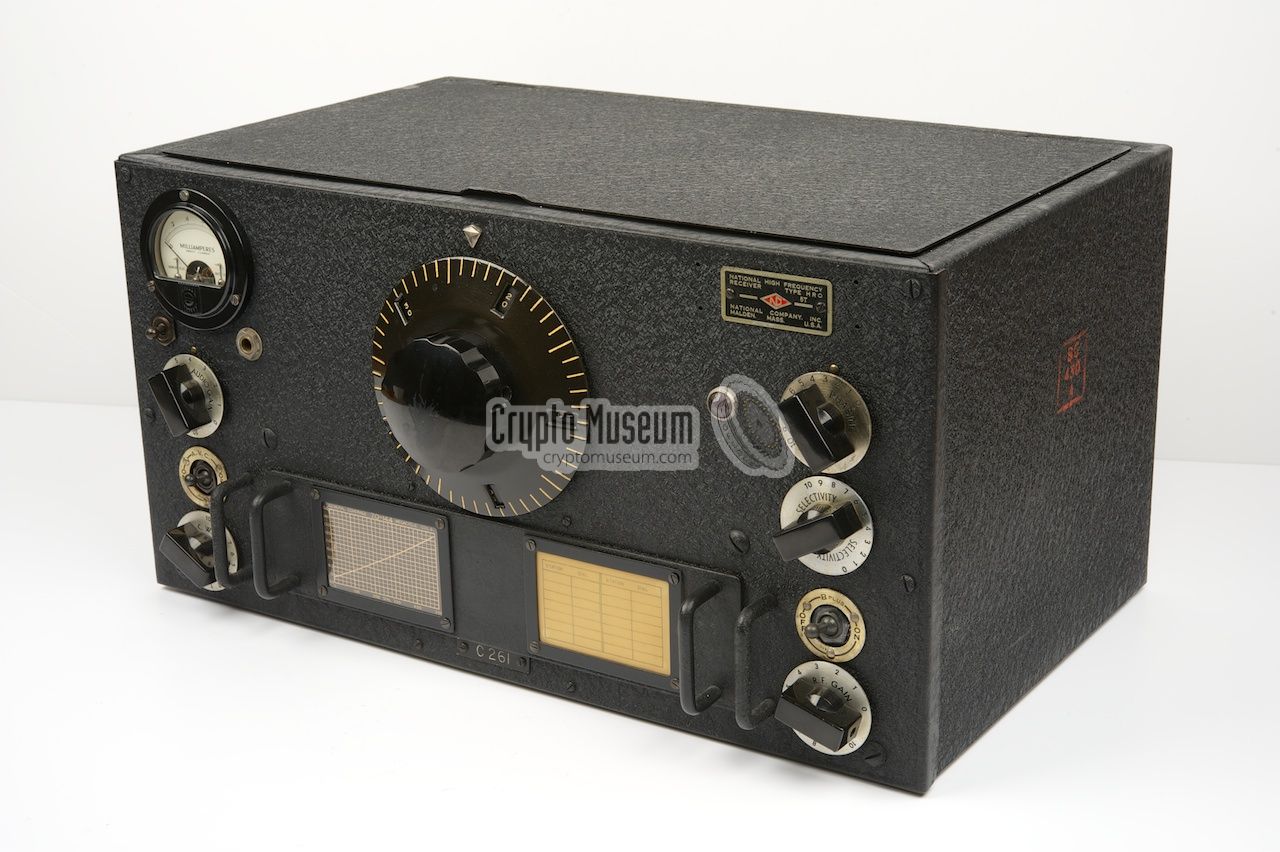
We had this video on the blog before, but it was seven years ago, so it it time for a re-run.
http://www.eafa.org.uk/catalogue/5108
Thanks to Graham GW8RAK for reminding us of this.
Listening to it again, I was struck by the claim that the nationality of the operator could be discerned purely by his or her CW sending style. Is there really an Italian accent in Morse Code?
UK Wartime Radio — The Secret Listeners
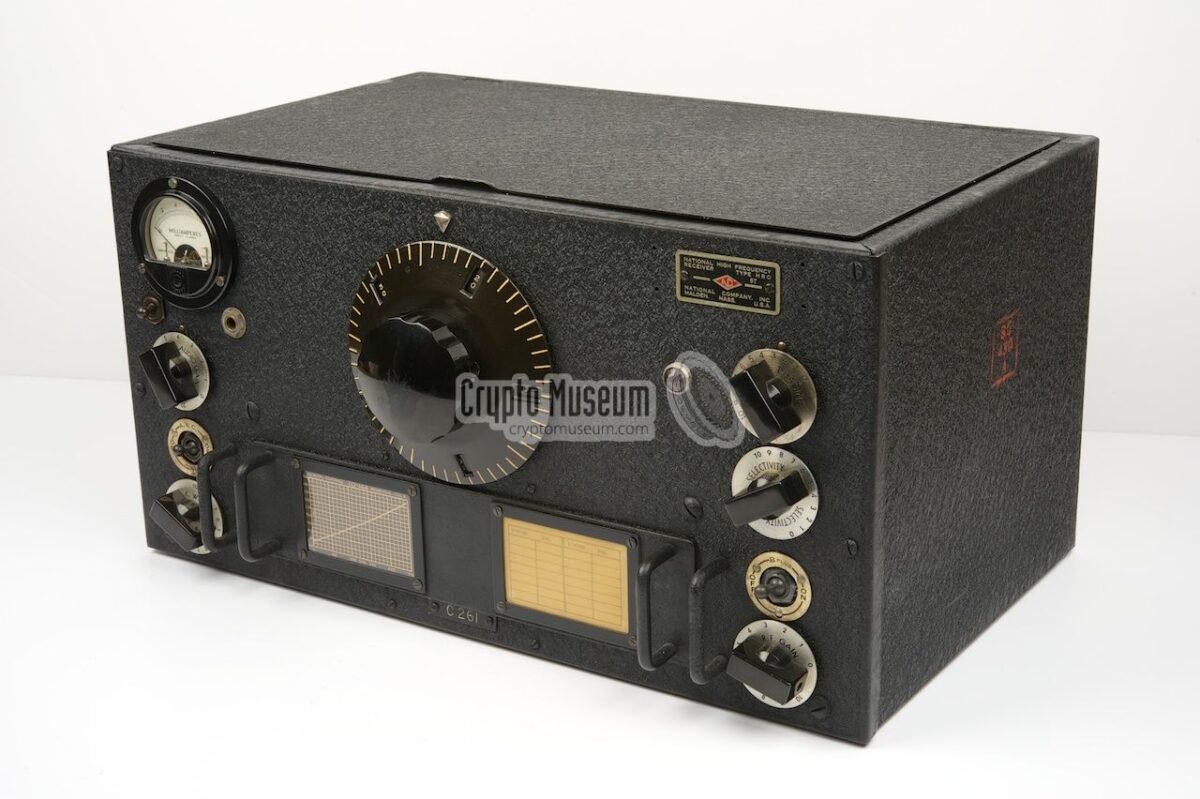
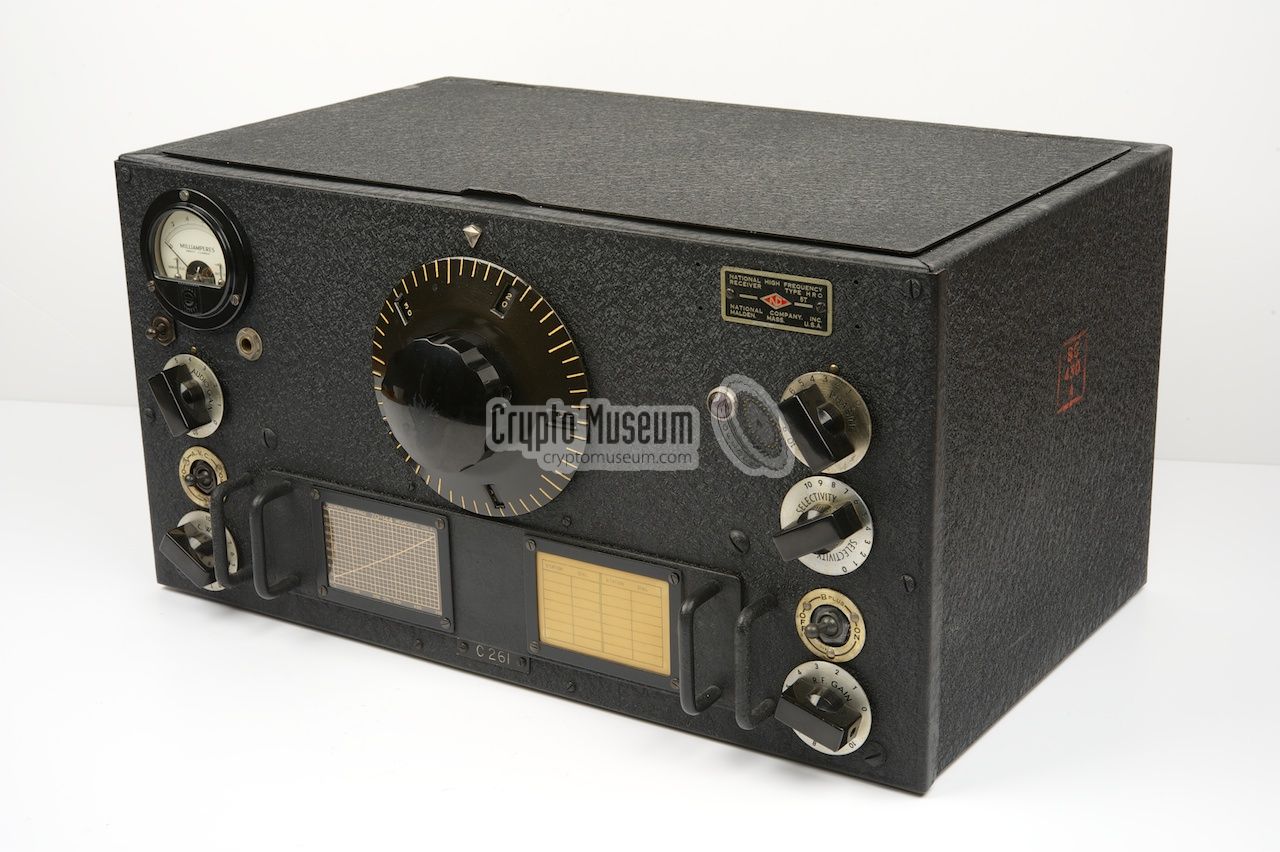
We had this video on the blog before, but it was seven years ago, so it it time for a re-run.
http://www.eafa.org.uk/catalogue/5108
Thanks to Graham GW8RAK for reminding us of this.
Listening to it again, I was struck by the claim that the nationality of the operator could be discerned purely by his or her CW sending style. Is there really an Italian accent in Morse Code?
A SolderSmoke Message to the Vintage SSB Net
Inspired by what I heard on the Vintage SSB Net web site, I wrote to the group:
Esteemed Vintage OTs:
As the proud owner of an HT-37/Drake 2B station, I immediately identified with the values embraced by your inspiring preamble. It is almost as good as that other preamble that we all hear about from time-to-time.
On our SolderSmoke podcast, we often discuss the cluelessness of many of the operators of modern appliance “radios” :
— How often have we called CQ on a clear frequency on 40 meters, only to be answered by a chorus of “YOU ARE ON THE WRONG FREQUENCY!”? (How could that be? What was WRONG with my frequency? It took me a while to realize that they think 40 has been channelized and that emissions must be on whole kilohertz frequencies.)
— How many times has someone whose “rig” is really a computer complained that your “60 over S9” signal is “too wide” on his waterfall?
— How many times have we had to deal with the apparent psychological trauma caused to some hams by an ancient VFO that drifts a little bit?
“You are drifting ALL OVER THE BAND!”
“How far have I moved?”
“More than 40 hertz!”
Oh the humanity!
Anyway, we really liked your preamble, especially the bit about how “smoke and flames may occur at any time.” Words to live by my friends.
Could we please have a written version of the preamble? We want to recommend that all SolderSmoke listeners post it on the walls of their radio shacks. Some of them may want to have it tattooed on their backs (we leave that to them).
73 and keep warm out there (the boatanchor rigs really help with this).
Bill N2CQR

Schlitz Beer and Ham Radio

Another necktie in the hamshack. Can anyone identify any of the gear?
The Vintage SSB Net

This group looks like a lot of fun. I like how they record the entire session and put it on the web.
You should listen to their “preamble.” It describes the purpose of the net and the group’s belief system. Very well done. These are our people! I will request a full transcript of this important and inspirational document.
Here is a link to a reading of the net preamble:
“Smoke and flame may occur at any time!”
DON’T BE A VIOLATOR! NO MODERN RIGS!
HT-37/2B QSO with K6ZA (three short videos)
On January 23, 2019 on 20 meters I talked to Barry K6ZA. He is near San Francisco. I was running my Hallicrafters HT-37 with my Drake 2B. I was really pleased to discover that the guy I was talking to loves these two pieces of gear as much as I do.
Barry said he wished I could record his voice coming out of the HT-37. My iPhone came to the rescue.
The Secret Life of Machines — Radio
We had this on fhe blog three years ago, but it is so good that it deserves a second posting.
Thanks to our old friend Stephen Walters for reminding us of this gem. There is so much soul in these old machines. Thanks Stephen.
Rescued at Sea! Saved by an S-38!
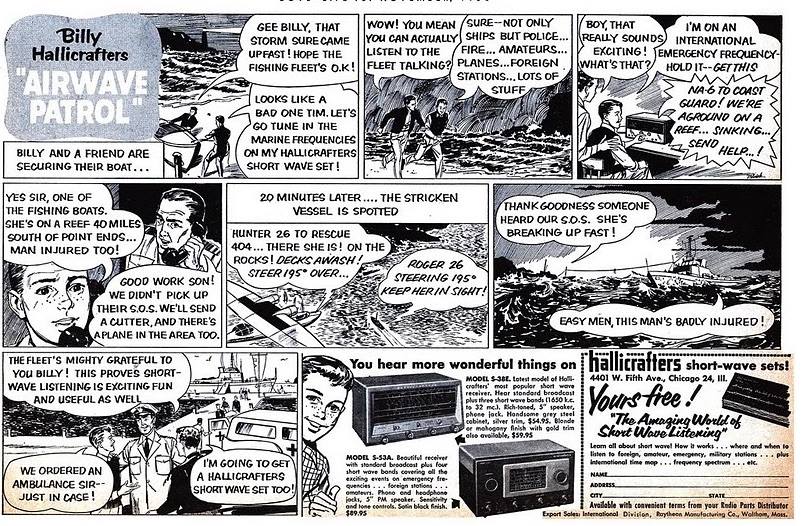
Just click on the ad to enlarge it.
Another cartoon relayed via the Facebook page of Jeff Murray K1NSS.
Sure, there was a rescue at sea, but what about all the casualties caused by the AC/DC “widow-maker” S-38 power supply?
When Hams Wore Neckties, and AM Transmitters Were in the Living Room
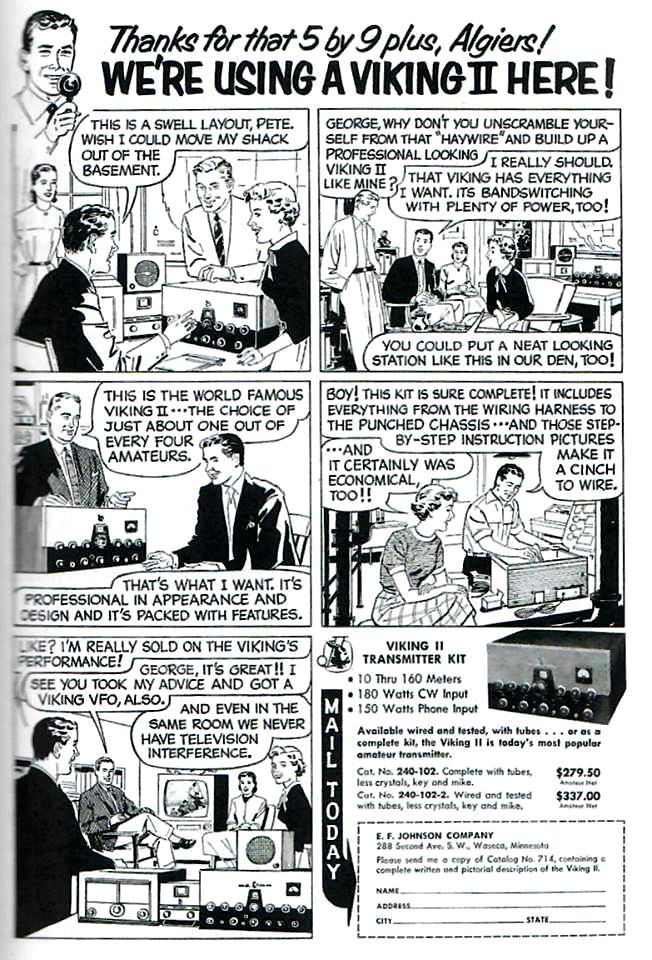
Jeff Murray K1NSS had this on his Facebook page. Great stuff. But I felt like yelling out, “Stay in the basement OM! Stick with your haywire rig!”
A Homebrew HRO Dial by DL6WD, Homebrew Hero
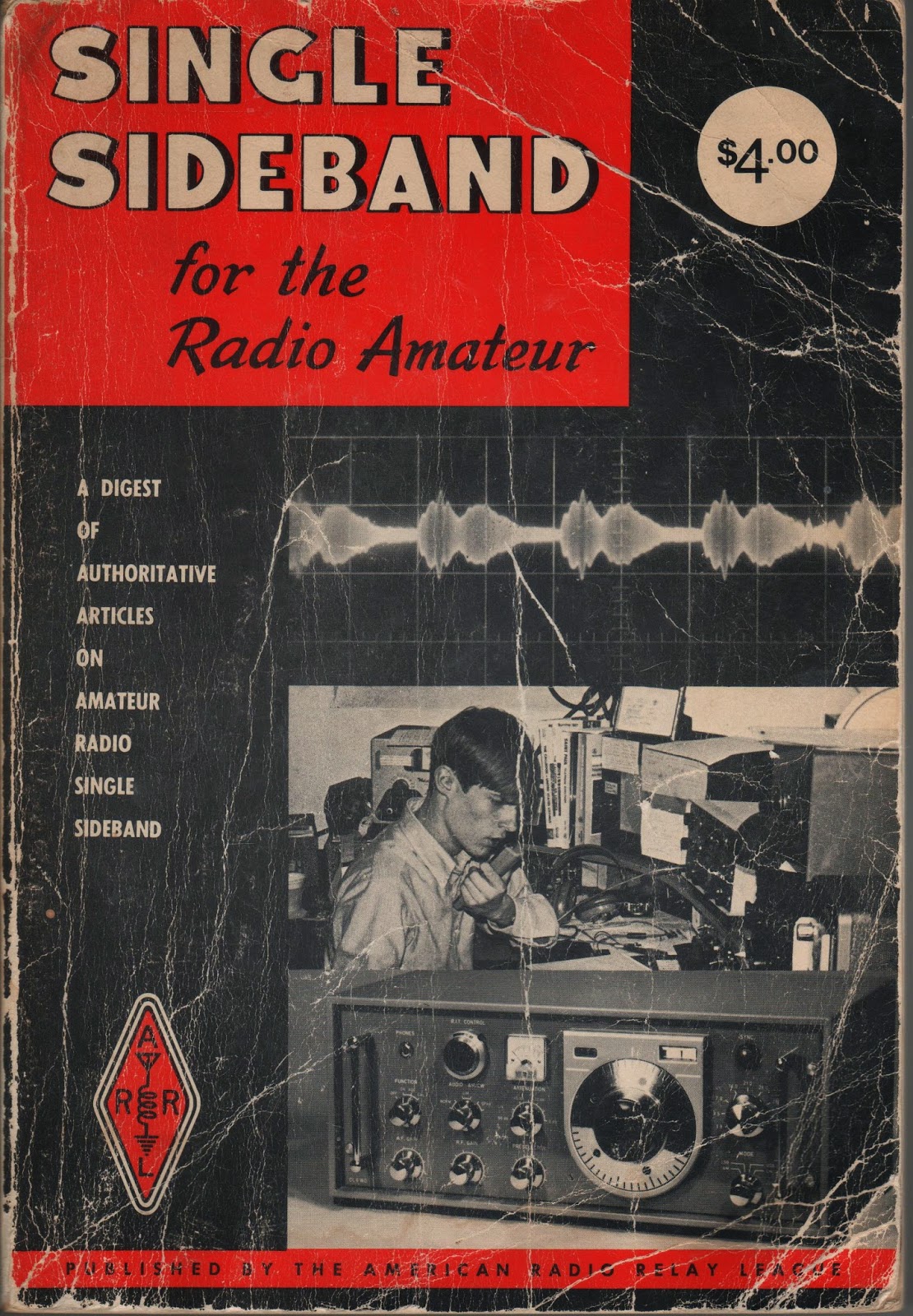
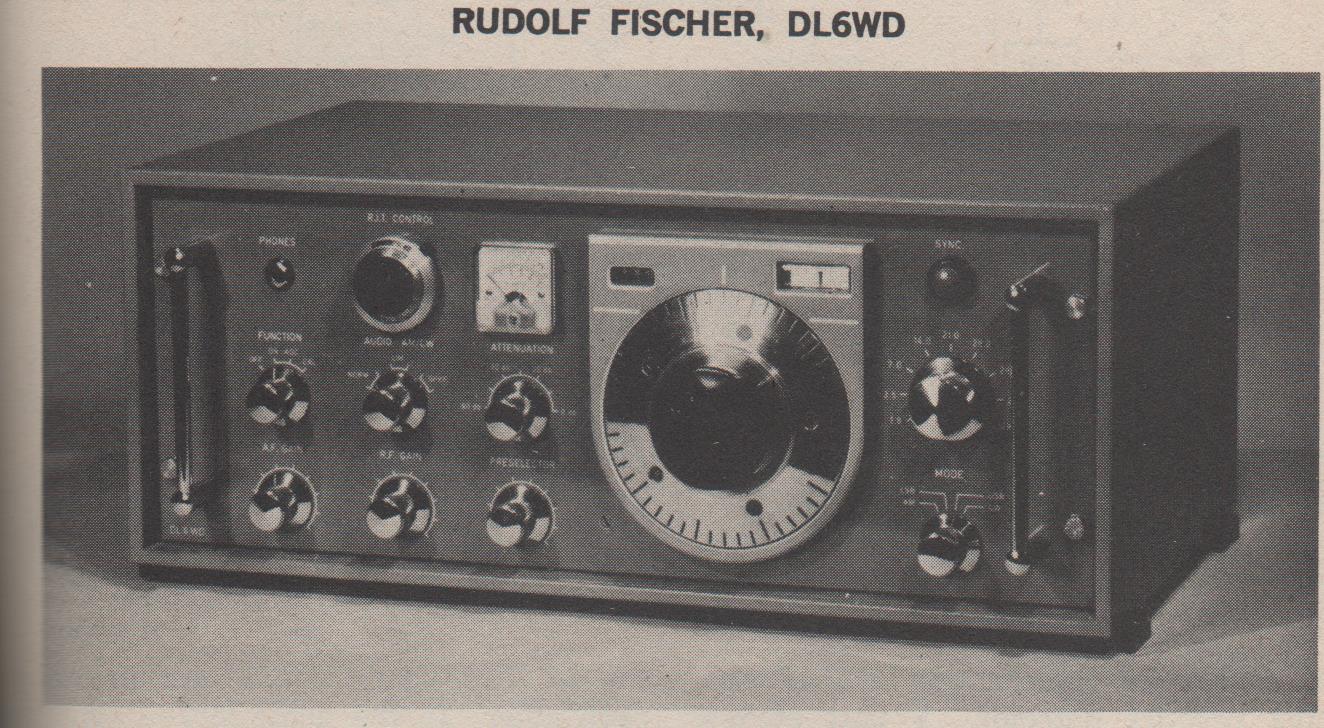
Take a look at that beautiful rig in the bottom of the cover pictures. (A closer shot appears below.) That is an HRO dial, right? Or is it?
No, it is not. In the picture we see the homebrew receiver designed and built during the 1960s by Rudolf Fishcer, DL6WD. It is magnificent in every respect. Because I have been working with the HRO dial and gearbox given to me by Armand WA1UQO, the tuning dial on this receiver caught my attention.
Here is what DL6WD says about this part of his project: “The main tuning gear was built around a BC-221 tuning capacitor and reduction gear. The counter dial and tuning knob are the result of four weeks of labor, The counter dial reads in tens of kHz, where the main tuning knob has a calibration of 200 Hz per division, from an HRO inspiration.” The counter is in the little window to the upper left of the tuning knob. The window to the upper right is a phase-lock indicator. (See below.)
By the way, by the time DL6WD got finished with this all solid state receiver it weighed in at 52 pounds. Rudolf noted that “excessive shielding pays in electrical performance, but not in weight!”
DL6WD earns the title “Homebrew Hero.”
National Dial and Gearbox Problem Resolved
Thanks to all who offered advice and assistance. With help from you guys — and especially from Pete Juliano N6QW — I think I have this fixed.
Pete was right — the problem was really with the variable capacitor. The one I was using was kind of stiff and irregular in its motion. I found another one in the junk box that was easier to turn (it has one set of ball bearings). This fixed most of the problem.
I also spent more time making sure the shaft of the cap lined up perfectly with the shaft of the gear box. This also helped a lot.
I realize now that some of the “stickiness” that I occasionally feel while tuning may be coming from the dial — not from the gear box. It looks like my dial took a hit that slightly bent one portion of it. It seems that the numbers have a bit of trouble clicking over on that portion of the dial. Some lubricant may help there. But I can live with it.
The receiver now tunes very smoothly and I can go right back to a frequency and find the signal exactly where I left it. There does seem to be a very slight difference depending on whether I “approach from above” or “approach from below” — but this is not a big deal.
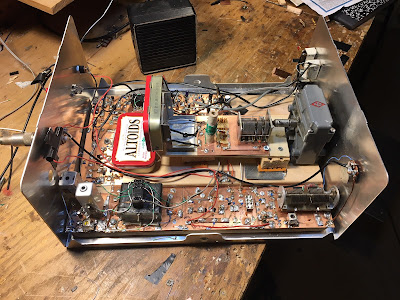
Check out the pictures of the receiver and the VFO. Note the “cardboard from a coat hanger” coil form. The winding is held in place with nail polish varnish. I had planned on having the variable cap, the coil , and the associated fixed caps all in a box for better thermal stability, but the VFO is very stable even without the box. I have the VFO running 455 kc ABOVE the signal frequency. It runs from about 7455 kc to about 7800 kc. I could have set it up to run 455 kc BELOW the signal freq. That would have made it a bit more stable (it is easier to attain VFO stability at lower frequencies) but VFO is so stable that I probably won’t mess with it. I followed DeMaw’s rules: Physical stability, NP0 caps. For the NP0 caps, put several of them in parallel to get the desired capacitance value. Keep heat-producing active components away from the coils and caps.
Thanks again to Armand WA1UQO for giving me this amazing piece of radio history. And thanks to Tim Sutton for the big box that holds this receiver.
James Millen knew what he was doing. See: http://www.isquare.com/millen/millen-page.htm