Our book: “SolderSmoke — Global Adventures in Wireless Electronics” http://soldersmoke.com/book.htm Our coffee mugs, T-Shirts, bumper stickers: http://www.cafepress.com/SolderSmoke Our Book Store: http://astore.amazon.com/contracross-20
Category: Old radio
Jean Shepherd’s Shack Gets Hit by Lightning
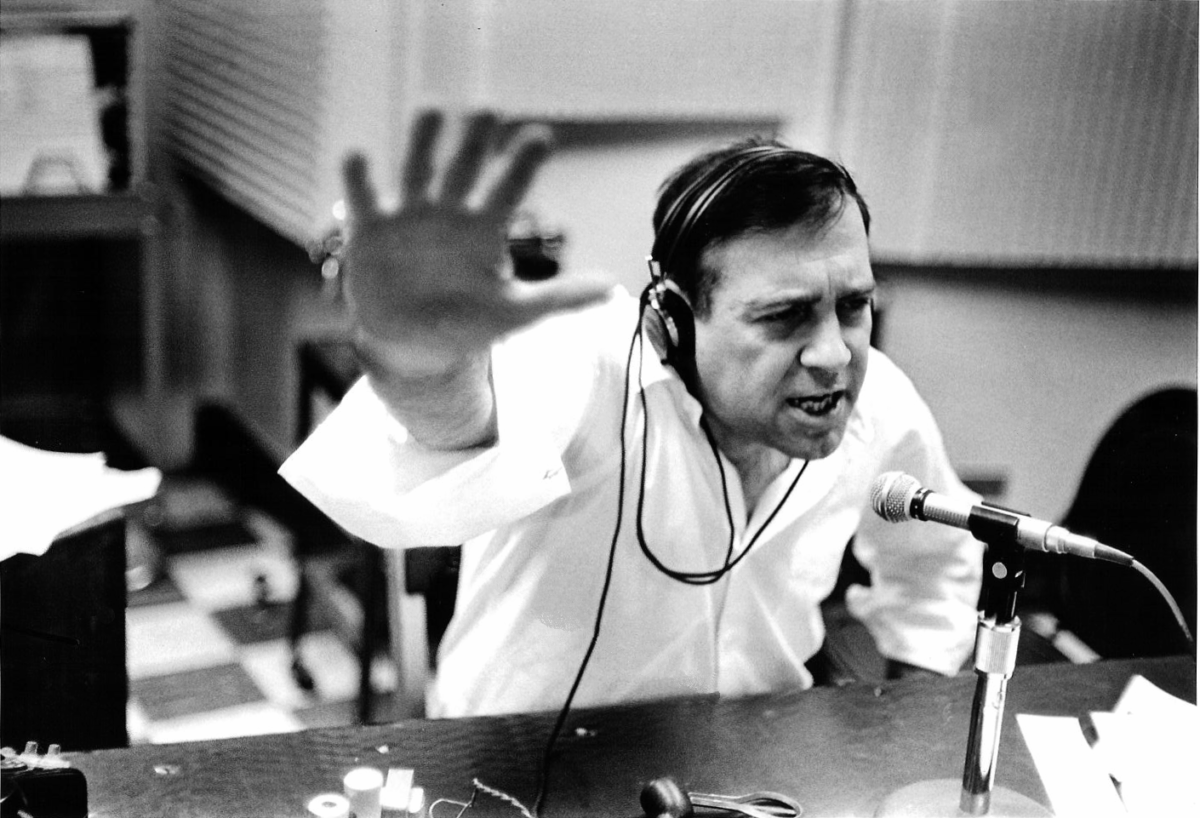
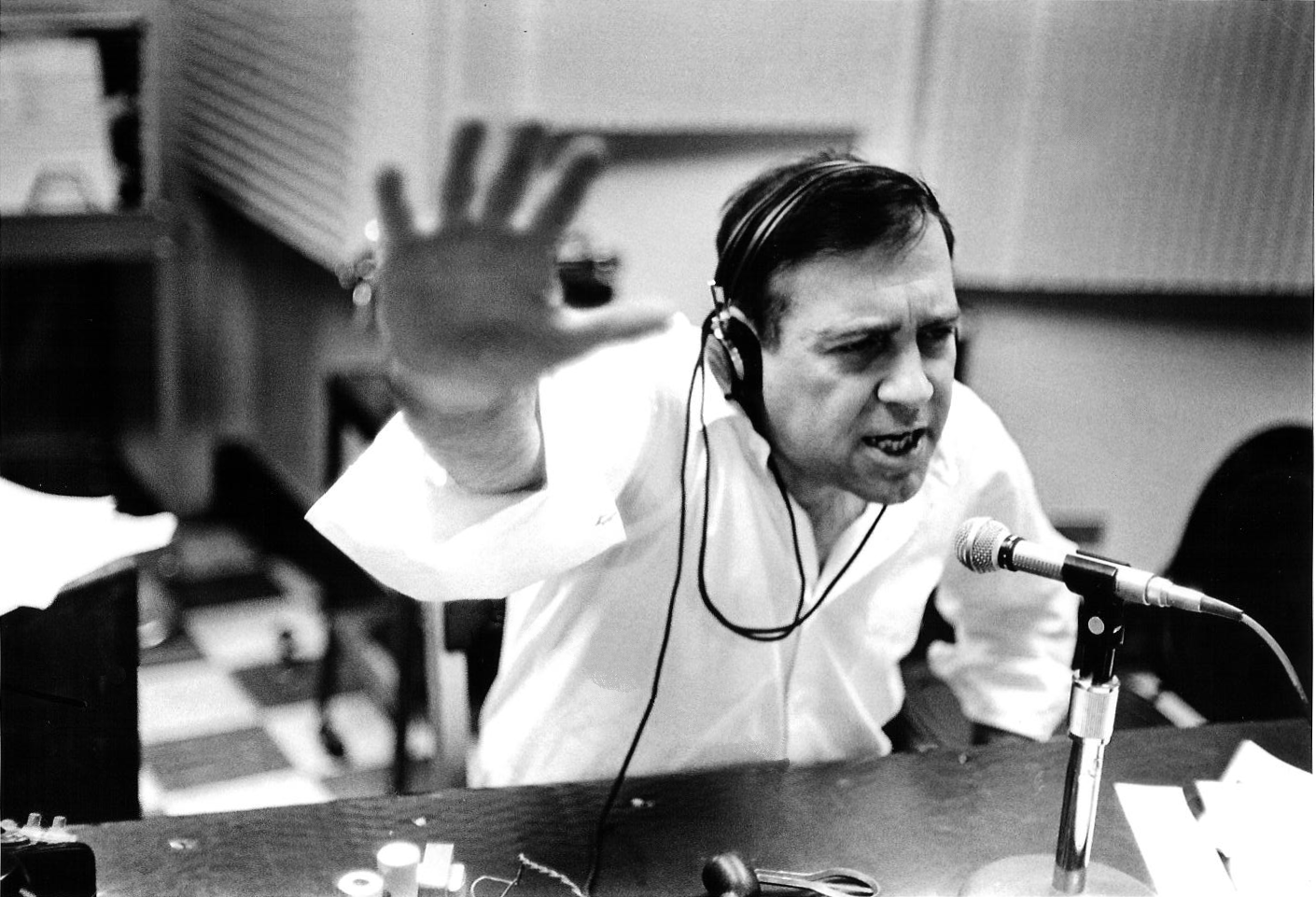
Yikes! This is really good! Thanks to Harv for sending us this link: Poor Shep!
https://www.youtube.com/watch?v=akyTVNorXQ8&feature=player_detailpage
Greetings Bill,
Have been loving each Soldersmoke Podcast and Blog Segment recently.
You and Pete have made the program a superb treat while I’ve been busy with the Radio Room construction.
Building the Radio Room is like constructing an ARK in your Basement. Everything is being done in pairs
and the water keeps rising. (No kidding)…
I encountered two water breaks in the Radio Room while construction was under way but, that is a whole different story.
Fortunately none of my prized boat anchors were damaged.
The project; (The Radio Room), includes operating positions for 14 complete stations.
That wouldn’t be too bad except I’m constructing walls, benches and over-head lighting from complete scratch.
While this is going on, I wanted to finish my 3.579 MHz CBLA transmitter and return to the Minima build that I started in April 2014.
However, in September, I retired and moved to another state. The reality of the latter took awhile to sink in. Most Ham Projects took a back seat to higher priorities. I will soon have the Radio Room I always dreamed of. The Drake 2B fills the space with the sound of 20 Mtr CW and the anticipation of having the HT-37 brewing away is just around the bend.
I’m taking a short sabbatical from the Ham Shack construction to get caught up on some other household projects.
In this notion of taking a needed break, I rediscovered Jean Shepherd’s programs on Youtube.
I started to dissect Sheps monologue when I found that familiar path in my own life as a 15 yr. old Ham in the mid-1960s.
I’m sure you too can relate to Jeans’ life as a kid.
I really liked his broadcast https://www.youtube.com/watch?v=akyTVNorXQ8&feature=player_detailpage
“Lightning Hits the Ham Radio.” Near the end of the program, he mentions that his life was over because his
Dad hammered him over the damage to the house by the lightning strike. I’d love to hear the rest of that story!!!
Please keep up the great efforts with Soldersmoke and bringing us all that good Tribal Knowledge. I think we should all go build something.
Looking forward to what’s next. Thanks to You and Pete.
73’s
De -=WA3EIB=- Harv
Eastern Idaho
Our book: “SolderSmoke — Global Adventures in Wireless Electronics” http://soldersmoke.com/book.htm Our coffee mugs, T-Shirts, bumper stickers: http://www.cafepress.com/SolderSmoke Our Book Store: http://astore.amazon.com/contracross-20
Spark Forever! Pete’s First Transmitter
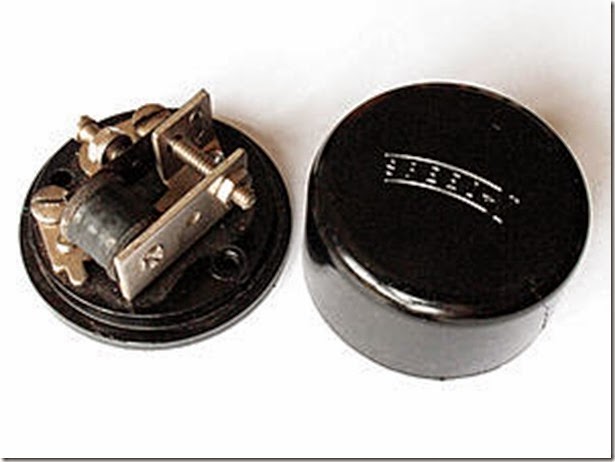
The SolderSmoke legal team (we too use Dewey, Cheetham & Howe!) has advised us to be very careful about divulging the details on this rig. They are not sure about the statute of limitations. Beyond what he said on the podcast, all Pete will say is that TOOBs were involved: 1S4, 3S4, 3Q4, 3Q5, 3V4s. He says power out was ALWAYS less than 100 mw ERP. That’s his story and he’s stinking to it.
Our book: “SolderSmoke — Global Adventures in Wireless Electronics” http://soldersmoke.com/book.htm Our coffee mugs, T-Shirts, bumper stickers: http://www.cafepress.com/SolderSmoke Our Book Store: http://astore.amazon.com/contracross-20
SSB with Just Two Tubes
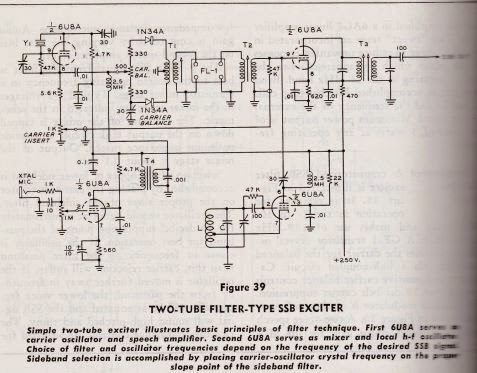
Here is the two tube SSB transmitter that Pete was telling me about. This would be a nice companion to the “Mate for the Mighty Midget” receiver that I built a long time ago. Another Benton Harbor Lunchbox may have to be sacrificed…
Our book: “SolderSmoke — Global Adventures in Wireless Electronics” http://soldersmoke.com/book.htm Our coffee mugs, T-Shirts, bumper stickers: http://www.cafepress.com/SolderSmoke Our Book Store: http://astore.amazon.com/contracross-20
SolderSmoke Podcast #165 Arduinos!
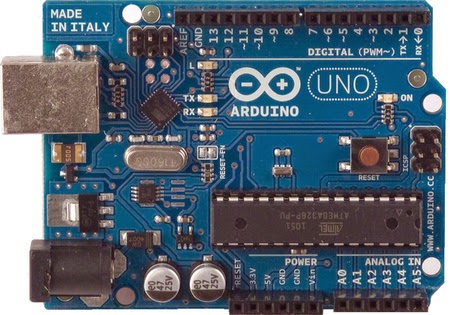
SolderSmoke Podcast #165 is available:
http://soldersmoke.com/soldersmoke165.mp3
September 13, 2014
Workbench Update: Bill’s “Off the Shelf” Regen, Pete’s Boatanchors
Mysterious Echos on Shortwave Signals. Solve the Mystery. Please.
Microcontrollers — What they can do for you.
Small world: As a kid, Pete was neighbor of “Digital Dial” N3ZI
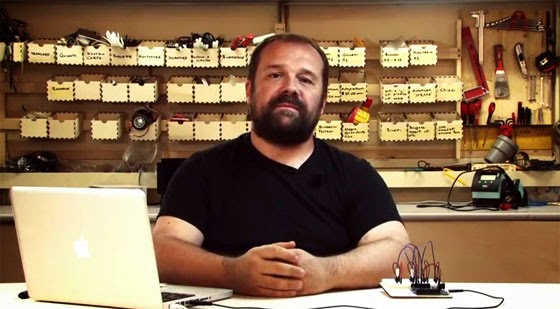
NEWS FLASH: Arduino creator Massimo Banzi was a ham!
Born in a bar, cheaper than pizza: The Italian origins of Arduino
Arduino CW generators
No coding skills needed
Arduino + AD9850 = Signal Generator or VFO
Arduinos in the Minma
What the heck is a Shield?
SolderSmoke Mailbag
Our book: “SolderSmoke — Global Adventures in Wireless Electronics” http://soldersmoke.com/book.htm Our coffee mugs, T-Shirts, bumper stickers: http://www.cafepress.com/SolderSmoke Our Book Store: http://astore.amazon.com/contracross-20
Sometimes the Receivers Seem to Almost Self-Assemble
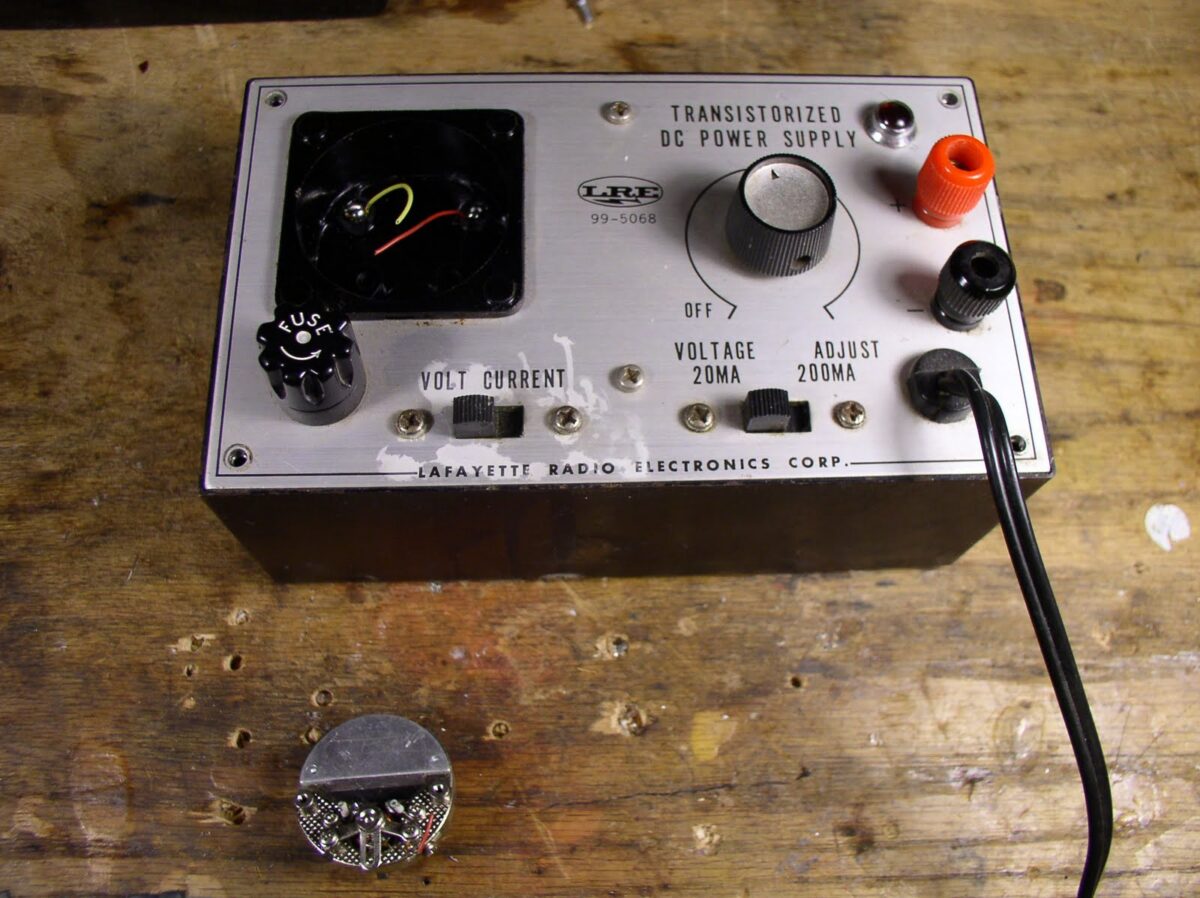
I’ve been building shelves for my wife. So I end up with all these nice pieces of pine, just the right size for the base of a breadboard receiver and a very sturdy cabinet to surround it. Then I find in the junk box two nice variable caps and this old pill bottle coil (with tickler!) that I wound in 1998; I figure they will resonate from around 5 – 15 MHz. Then Jeff Murray, K1NSS does that poster about Dave Richards, AA7EE (scroll down) in which he mentions the virtues of a National Velvet Vernier reduction drive — I have one of those too. And then there is the copper-clad board (from AL7RV/W8NSA) that would be perfect for the front panel. You see where this is going, right? My friends, I am once again on the road to shortwave regeneration. It will have an Armstrong detector with throttle cap.
Our book: “SolderSmoke — Global Adventures in Wireless Electronics” http://soldersmoke.com/book.htm Our coffee mugs, T-Shirts, bumper stickers: http://www.cafepress.com/SolderSmoke Our Book Store: http://astore.amazon.com/contracross-20
Seized up Variable Capacitor — Any ideas?
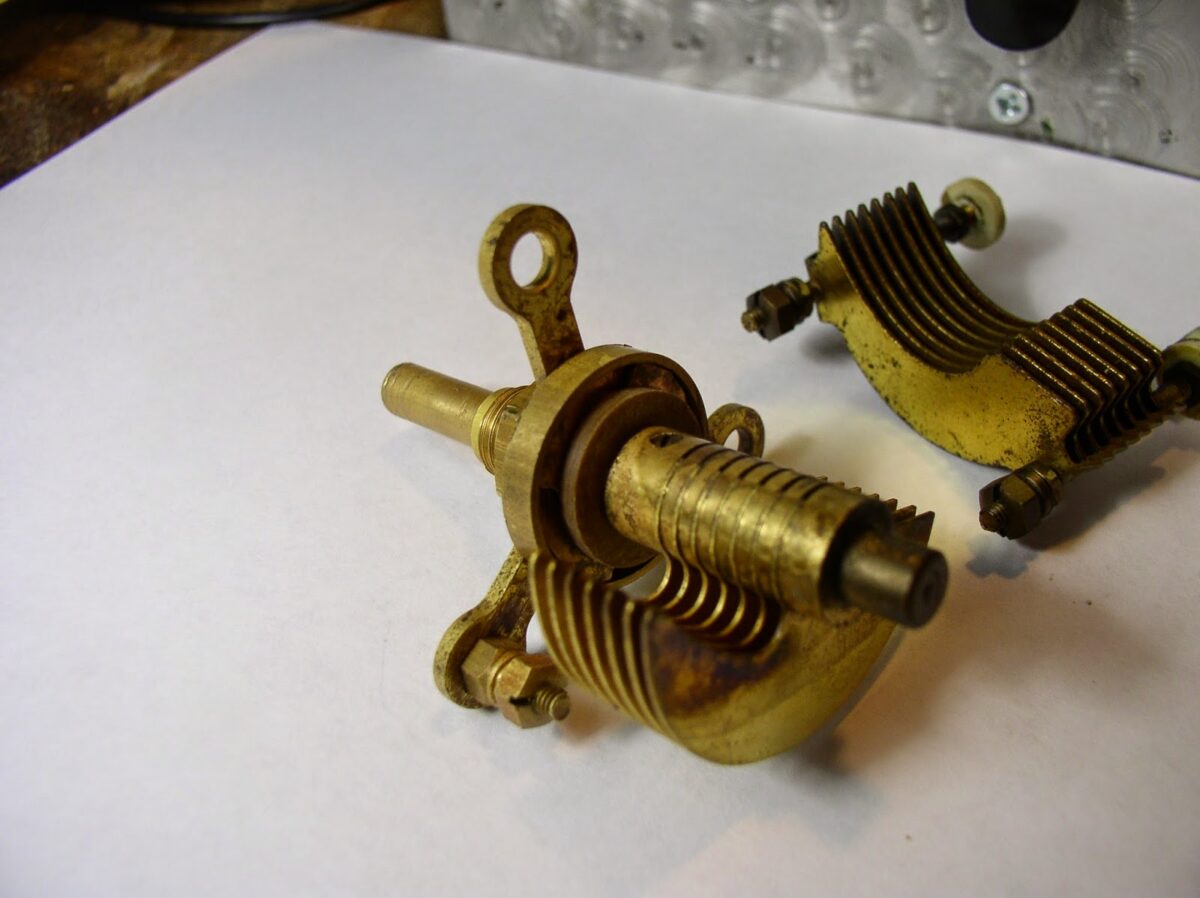
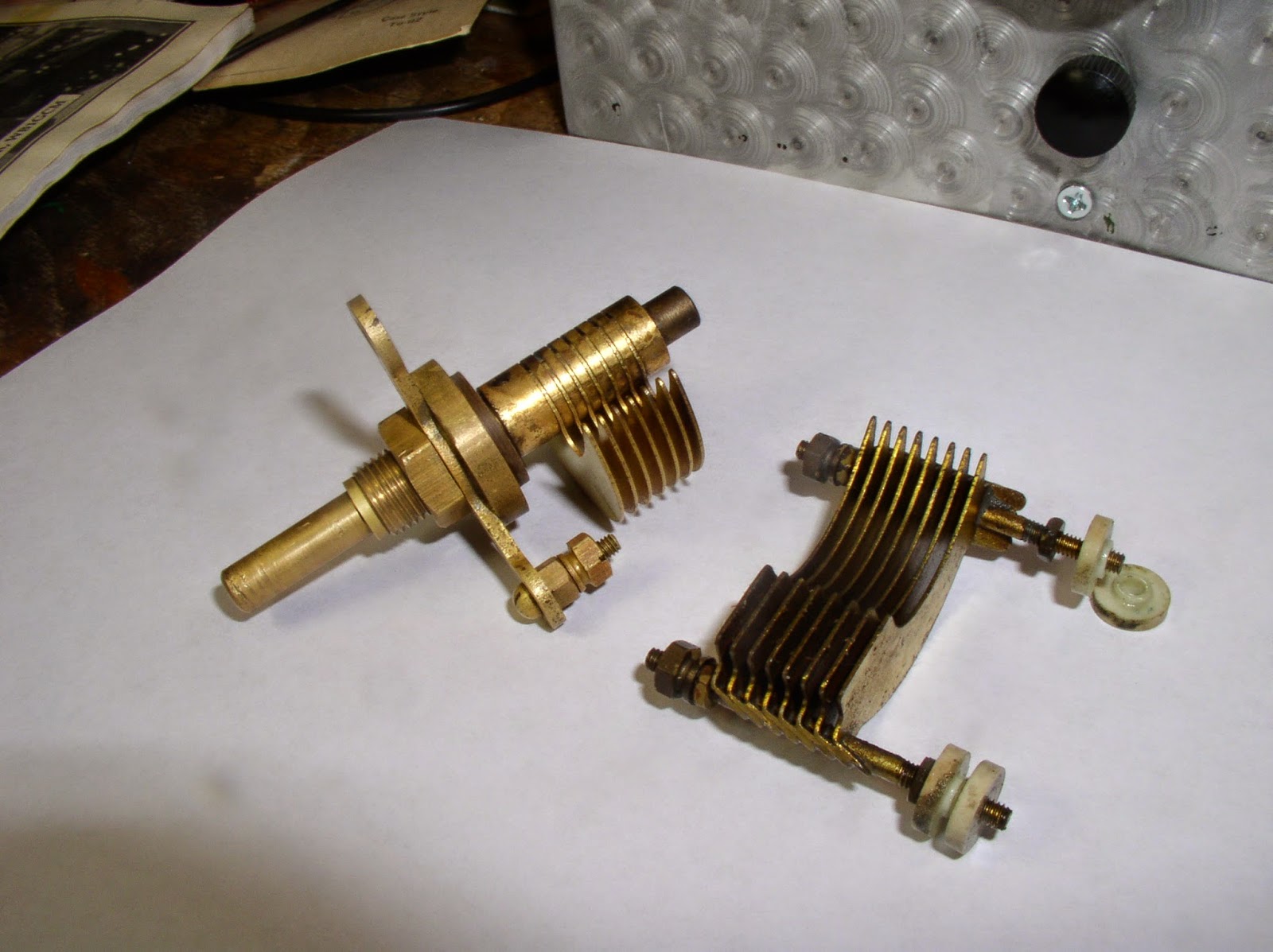
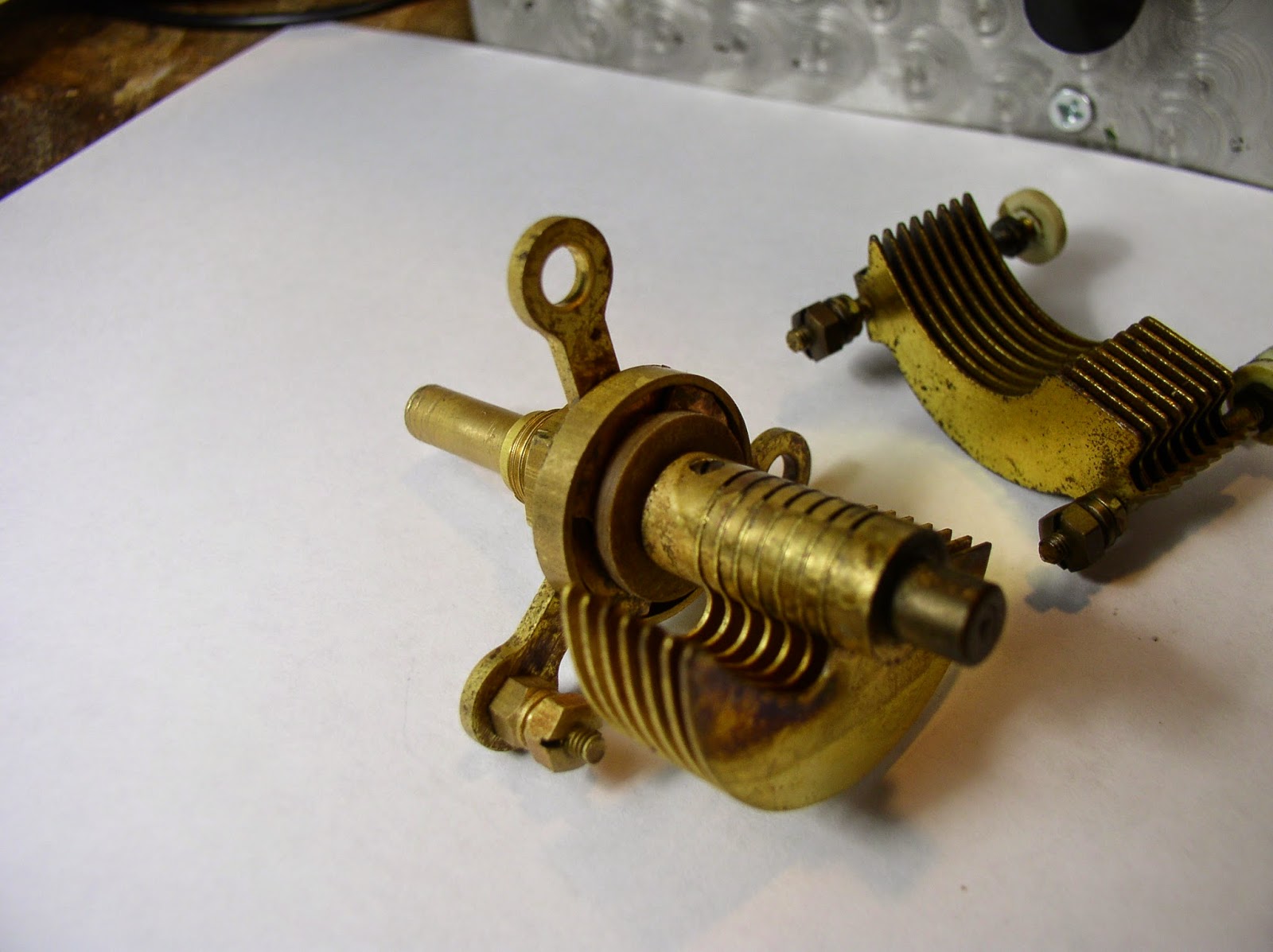
Perhaps in retaliation for all the bad things I’ve said about regens over the years, the main tuning cap in the old regen I’ve been working on suddenly went from completely loose to totally stiff. I can turn it, but it is too tight for the old vernier drive in the regen. I have replaced it with another cap, but this part was kind of the star of the show, situated as it was several inches above the chassis, connected to the tuning control by a long shaft. I’ve tried squirting WD-40 in there — no joy. I can’t even figure out how to open up the part of the cap where the ball bearings should be. It is an OLD Eddystone from England. Any ideas?
Our book: “SolderSmoke — Global Adventures in Wireless Electronics” http://soldersmoke.com/book.htm Our coffee mugs, T-Shirts, bumper stickers: http://www.cafepress.com/SolderSmoke Our Book Store: http://astore.amazon.com/contracross-20
Overheard at Dayton: Drake 2B Market Manipulation! (& Help needed with 455 kc IF can)
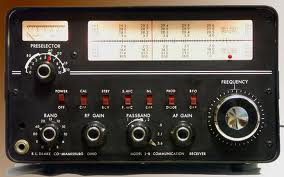
I received a very nice message from Preston Douglas. Conveniently, he is an attorney, and I have asked him to stand ready to defend me in court should I ever be accused of manipulating the markets for Drake 2-Bs (and perhaps the market for SSDRAs).
Can any out there help Preston with his SX-110 455 kc IF can?
May 20 at 3:38 PM
Hi Bill,
I enjoyed #160, even though I heard those talks, live at FDIM.
I thought you’d be amused by what I overheard in the flea market on Saturday in Dayton. I was looking at a Drake 2B and Q multiplier being offered by a lady who said they were her father’s. They looked to be in pretty clean shape, though of course there was no way to know what was going on under the hood. She was asking $200 for both, and said she was open to reasonable offers. Now, I already have a 2B and haven’t found any need for the Q multiplier. And I had flown out to Dayton from NY, so would have had to ship the pair of boxes home–probably should have bought them anyway and sent them home by UPS for that kind of money.
Anyway, there were two other guys looking at the 2B. One said to the other that these were among the best receivers of the tube era, but that the prices had become inflated by this guy who does the Soldersmoke podcasts talking up the virtues of the 2B. Couldn’t help smiling at that.
As to the Hallicrafters SX-110 on the repair bench. Well, I worked out a deal with a professional tech guy to trade him my non-working HP 8640b sig gen for some bench time on the 110. He found that the first IF transformer that I was having so much trouble aligning was non-working. He had no replacement, so he bypassed the whole transformer with a cap to get signal to the next stage. This is, of course, not a satisfactory solution. And nobody has that IF can to sell. I did read on another radio repair guy’s web site that he, too, usually stops working on a set with a bad IF can because repair is so labor intensive.
Frankly, I don’t accept that. I mean what’s inside there? A couple of coils and some open silvered mica leafs. So, I plan to remove the can, open it, and fix it. According to the Internet, the built-in caps on these cans become defective and need replacement by modern capacitors. Or, maybe a wire is broken off. Before I do anything, I am going to see if that transformer is really unable to peak at 455. Anyway, maybe I’ll get some time to mess with this radio over the holiday weekend.
One of the guys (or was it you?) recently said he builds ’em, makes a few contacts to prove they work, and then puts them on a shelf. Then he builds another one. It’s like that sometimes.
PRESTON DOUGLAS
Our book: “SolderSmoke — Global Adventures in Wireless Electronics” http://soldersmoke.com/book.htm Our coffee mugs, T-Shirts, bumper stickers: http://www.cafepress.com/SolderSmoke Our Book Store: http://astore.amazon.com/contracross-20
First Light

Preston: Your use of the term “First Light” is especially appropriate. I got the concept from a wonderful book of that title by the author Richard PRESTON. I pulled it off the shelf this morning, and, as my coffee was brewing, read this on the dust cover:
“First Light won the American Institute of Physics award in science writing. An asteroid has been named “Preston” in honor of First Light. It is likely someday to collide with Mars or the earth.”
The book’s glossary defines first light as: “A technical term from astronomy signifying the moment when starlight is allowed to fall on a new mirror for the first time.” The first light experience must, I think, be similar to the feelings we get when we first allow RF to fall on the front end of a new homebrew receiver.
Congrats on the S-107 OM.
73 Bill N2CQR
——————————————
From Preston Douglas WJ2V:
I am happy to report that my little novice rig (well it’s not so little if you weigh it) consisting of my restored circa 1960 Hallicrafters S-107 and circa 1959 KnightKit T-50 (with V-44) made our first QSO with a guy 20 miles away on Staten Island. This was Saturday afternoon, in full daylight, on 40 meters. He was also running vintage equipment (Heath) but running an SB-200 Heath linear. I have no idea why he needed a linear on 40 meter CW, but he seemed happy with it. I could easily hear his signal via leakage through my Daiwa cavity switch, so it was a pretty powerful signal. The T-50 puts out maybe 20-25 watts full bore, but it certainly works fine, and got a 569 signal report. The 9 part was obviously the important one.
I had just turned on the equipment, so the S-107 needed to be adjusted a bit during the QSO to allow for a bit of warm up drift. It stabilizes ten or fifteen minutes after warmup. I had to use a straight key as I have not yet built the little kit that interfaces solid state keyers with old rigs. I’ll get to it on a slow afternoon this winter perhaps. But for now, a straight key is about the right speed for this setup. T/R requires switching the antenna, the VFO to transmit, and the receiver to standby for transmitting. Not exactly QSK. Since there are so many switches, it may not pay to add an antenna relay switch to this setup. Besides, switching is part of the fun.
I did not get set up in time for New Years, so missed the chance to operate SKN.
I learned about first light from Bill Meara’s podcasts. It refers to the first time a telescope is used, but, as he says, it applies just as well to a new (old) rig.
All of this was caused by a local ham offering a Hallicrafters S-107 for ten bucks. Even with the few bucks needed to put it right, I sure got my money’s worth.
Regards guys and Happy New Year,
Preston WJ2V
—————————————-
Earlier from Preston:
I am pleased to report my S-107 is restored to full function. Based on the build up of filth on it before cleaning, it is also cleaner than it has been for many years. The greasy dirt (I shudder to think what it was made of) in between the flutes of the control knobs has succumbed to a toothbrush and detergent. Who’d have thought what a difference clean controls would make in the overall appeal of a radio?
The S-107 was purchased without negotiation from a local and fellow member of the Long Island Mobile Radio Club for ten bucks. I cheerfully handed over a ten spot and drove home with this rig.
On the bench, the tubes lit, and I could hear a couple of AM stations, but it made an awful racket with 60/120 cycle hum. New electrolytic caps cured that. The chassis felt “hot” to the touch. Resistance checks on the HV-to-AC sides of the transformer confirmed that, thankfully, there were no shorts. On advice of some pros on this list and elsewhere, I removed a cap and resistor from the AC line to the chassis that Hallicrafters thought was a good idea. With a new three wire grounded plug, the chassis was now cold.
Alignment was done with an old Conar signal generator (my $1 victory from an old hamfest) and trusty Tek 465 with frequency counter connected to its rear connector. The double IF transformers peaked up, and so did the front end compression caps on all bands. And now, the radio really receives CW and SSB! With a simple dipole (my beam seems to have gotten sick from Irene and Sandy) I get good signals on 80, 40, and 20. Maybe next weekend I will have time to try the upper bands during daylight hours. But, the signal generator suggests they should be fine.
The ten buck receiver needed ten bucks worth of electrolytics. And I needed to buy a little 20 buck kit of Bristol Splined wrenches. (Nobody I thought to ask had a set to lend.) They were needed because: Another Hallicrafters bit of wonderment is that the setscrews in the control knobs need to be turned with these unusual wrenches that look like, but aren’t, hex keys. Well, I suppose I can say I have the wrenches if I decide to restore another Hallicrafters. I hear Collins has them too.
I think I mentioned that I had to restring both the band spread and main tuning with real dial cord. Another three bucks, perhaps. So, my ten buck receiver is still a bargain at around 40 bucks in all. And, I had a lot more than 40 bucks worth of fun. I spent part of the afternoon just listening to the receiver, it sounded so good. You know how it is when you first listen to a new receiver.
Now, next thing will be to see how it does making contacts with a Knight T-50. I know the T-50 is not quite QRP. I probably puts out about 25 or 30 watts.
This will be about as close to my novice station as I am willing to fall. The original station had the T-50, but no VFO (which came with the T-50 I have now); but the receiver was an S-38E, which was, (collectors notwithstanding) a piece of crap. And it’s dangerous since it is really one of those transformerless AM radios in shortwave clothing. No wonder I only made a handful of contacts with it as a novice. I have no nostalgia for my old Hallicrafters S-38E. I hear folks recommend operating it with an isolation transformer. I have a better idea. Don’t plug it in.
I had so much fun with the S-107, though, I am starting to think about restoring an S-108 or an SX-110.
Preston Douglas WJ2V
Our book: “SolderSmoke — Global Adventures in Wireless Electronics” http://soldersmoke.com/book.htm Our coffee mugs, T-Shirts, bumper stickers: http://www.cafepress.com/SolderSmoke Our Book Store: http://astore.amazon.com/contracross-20
Christmas Eve Fessenden Memorial Broadcast on 486 KHz
Imagine it is Christmas Eve, 1906 and you are on the air, listening to the harsh buzz of Ol’ Spark Morse Code. Suddenly, in the headphones you hear a human voice and music.
Brian Justin has set up an experimental station that recaptures that magical “birth of radio telephony” moment. He will be on the air this Christmas Eve, Christmas Day and New Year’s day. Here is what W4DEX heard during last year’s event:
http://www.w4dex.com/500khz/wf9xih/wf9xih_24dec11.mp3
Experimenter to Honor Early Wireless Pioneers with Longwave Transmissions
 Fessenden Fessenden |
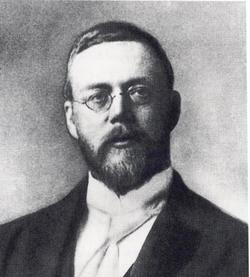
As he has over the past several years, Brian Justin, WA1ZMS/4 — as experimental station WG2XFQ — will transmit voice and music on 486 kHz on Christmas Eve and Christmas Day and again on New Year’s Eve and New Year’s Day. Transmissions will begin at 0001 UTC and end at 2359 UTC. Justin, who may be better known for his microwave exploits on ham radio, will use an AM audio loop modulating his vintage-style, homebrew transmitter to honor Reginald Fessenden’s Christmas Eve 1906 AM voice transmission.
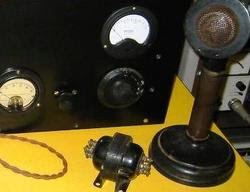 WA1ZMS constructed his MOPA transmitter from 1920s-vintage components. [Brian Justin, WA1ZMS, photo] WA1ZMS constructed his MOPA transmitter from 1920s-vintage components. [Brian Justin, WA1ZMS, photo] |
“While his original transmissions used a set of carbon microphones in the antenna lead to modulate the signal,” Justin explained, “WG2XFQ will be utilizing true Heising modulation in honor of Raymond Heising, who developed this early form of amplitude modulation during World War I.Justin constructed his 5 W master oscillator power amplifier (MOPA) transmitter using 1920s-vintage components. He said a modern 500 W FET linear amplifier allows him to meet his WG2XFQ ERP limit of 20 W. An RF engineer, Justin collects pre-1920 wireless gear and has a World War I Heising-modulated aircraft transmitter he’s planning to restore. Justin was an active participant in the ARRL’s WD2XSH 600 meter experimental project.
(From the ARRL Newsletter)
Our book: “SolderSmoke — Global Adventures in Wireless Electronics” http://soldersmoke.com/book.htm Our coffee mugs, T-Shirts, bumper stickers: http://www.cafepress.com/SolderSmoke Our Book Store: http://astore.amazon.com/contracross-20
Soul in the Old Machine: HW-101 Saved From Workshop Cannabilism
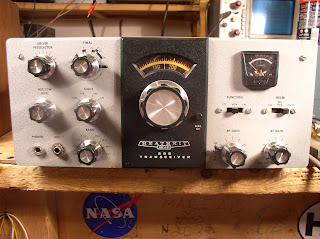
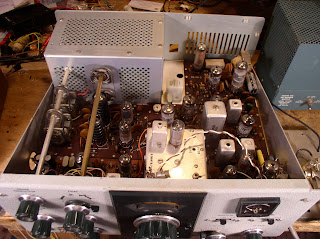
Most of our correspondents did not like the idea of me trying to convert my Heath HW-101 into a BITX-101. But, thinking that I still might to this, I decided to take the old rig off the shelf and see what it looked like. I liked the looks of it — lots of space, simple circuitry, nice belts and gears for turning the many variable capacitors, no black box ICs. I could see traces of my earlier repair adventures — electrolytic caps that had been replaced, the plastic dial clutch that I’d “fabricated” myself. Then I decided to try to fire it up. Hey, the receiver sounded very good. Next thing you know, I was getting the transmitter going. Then I was working DX on 20. By the end of the afternoon, I knew there was no way I would be tearing this old rig apart. There is simply too much soul in this old machine.
More on this in SolderSmoke 154….
Our book: “SolderSmoke — Global Adventures in Wireless Electronics” http://soldersmoke.com/book.htm Our coffee mugs, T-Shirts, bumper stickers: http://www.cafepress.com/SolderSmoke Our Book Store: http://astore.amazon.com/contracross-20
Tour of WLW 500,000 Watt Transmitter (video)
Well, you know that you are really in the high power big leagues when your transmitter requires a cooling pond, and you have to put on welding goggles before you examine your tubes! I especially liked the bit about how they built the transmitter BUILDING from the packing materials used to ship the transmitter (my operating desk is made from a box used to ship my HT-37!).
This is all really amazing. They built this thing less than ten years after the initial launch of commercial broadcast radio in the U.S.
Thanks a lot to Randy for doing this video and to the guys who gave the really excellent tour.
My apologies to the QRP purists who I know will have been deeply disturbed by this presentation.
Our book: “SolderSmoke — Global Adventures in Wireless Electronics” http://soldersmoke.com/book.htm Our coffee mugs, T-Shirts, bumper stickers: http://www.cafepress.com/SolderSmoke Our Book Store: http://astore.amazon.com/contracross-20
Oldest Drake 2B? (now with pictures)
Bill and Soldersmoke readers,
One of the earliest and still surviving Drake 2Bs is owned by Paul Brock (K4MSG) of Hamilton, Virginia.
Paul is very much into Boat Anchor Ownership and Restoration.
If you are interested, look at his write-up titled “The Magic of Boatanchors” http://www.k4lrg.org/Projects/Magic_of_Boatanchors/index.html
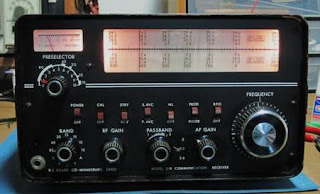
K4MSG’s Drake 2B Receiver s/n 2052
In my perspective, this receiver is still an absolute “Keeper.”
If anyone has a Drake 2B older than Paul’s, we’d love to see it.
We have all surmised that the first 2B was serial number 2000, from the first production run back in April 1961.
Paul’s radio could have easily been one of the first receivers to hit the market.
Interesting sidebar; The early 2B and 2As do not have the red scale log scale adjustor button.
I remember these when they first hit the market. They seemed so small compared to the Hammarlund, Hallicrafters and National triple conversion receivers from the same era.
Most Old Timers felt they were not going to get their monies worth with a tiny receiver sitting next to their big 60 to 100 Lb. transmitter.
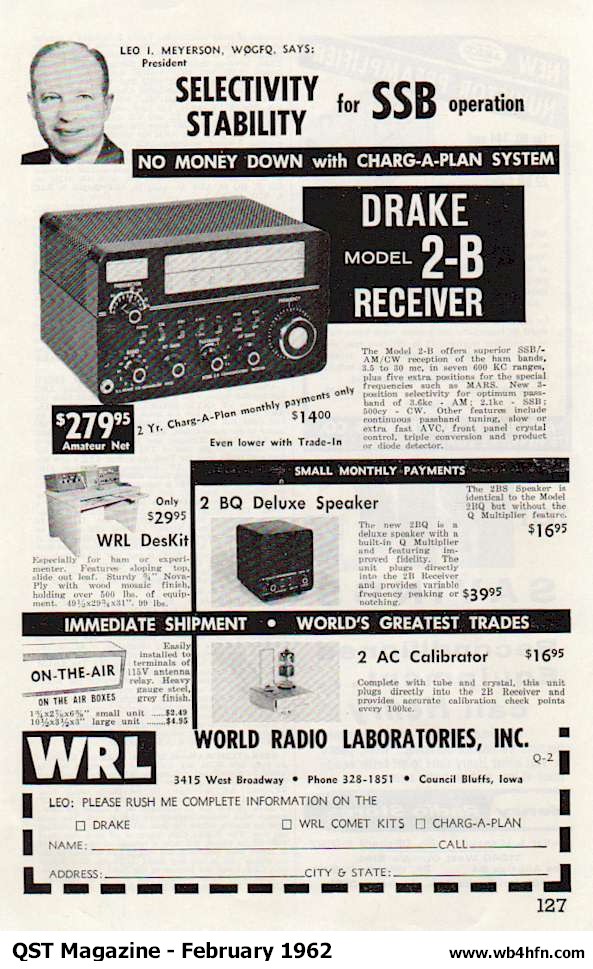
In 1962, this was a very modern radio both in style and performance. Coupled with the Q-Multiplier/Speaker you had a superb receiver which worked extremely well on C.W., A.M. and S.S.B.
My first experience with the Drake 2 B came at Skyview Radio Club near the Pittsburgh, Pa area back in 1965.
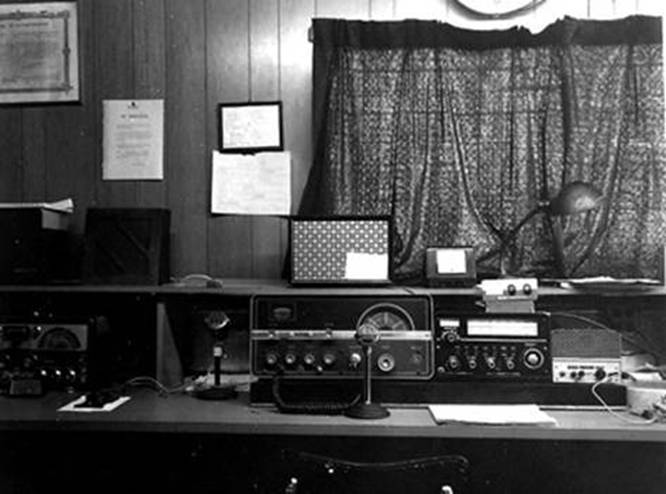
Here is one of those early ads that show the Drake 2B without the Red Scale Slider Button.
Happy building and melting solder everyone.
73’s De -=WA3EIB=- Harv. Albq., NM
Our book: “SolderSmoke — Global Adventures in Wireless Electronics” http://soldersmoke.com/book.htm Our coffee mugs, T-Shirts, bumper stickers: http://www.cafepress.com/SolderSmoke Our Book Store: http://astore.amazon.com/contracross-20
Grayson’s Thermatron Timeline
Our friend Grayson put a lot of effort into this very interesting timeline of tubes (aka valves, or thermatrons). Thanks Grayson!
http://hollowstatedesign.tumblr.com/
Our book: “SolderSmoke — Global Adventures in Wireless Electronics” http://soldersmoke.com/book.htm Our coffee mugs, T-Shirts, bumper stickers: http://www.cafepress.com/SolderSmoke Our Book Store: http://astore.amazon.com/contracross-20
The Manassas Hamfest
Elisa heroically accompanied me to the Manassas Hamfest on Sunday. We had fun. I thought they had a good turnout of vendors and tailgaters, and it seemed like the sellers of real ham stuff were winning the battle against the encroaching computer people. I saw many interesting old boatanchor radios, including two R-390A receivers, one HT-37, an HW-101 and several other Heathkits.
As for NEW technology, the fellows from the NOVA LABS maker space had a very interesting table, and their web site has a very kind acknowledgement that hams were “the original hackers, who organized build groups and hack labs similar to modern day makerspaces—back before people called themselves “Makers” and long before it was “cool.” They had a 3-D printer that was doing its thing in a very impressive manner. They also had some quadro- and octo-copters built by a group called DC Area Drone User Group. Very cool. Want one.
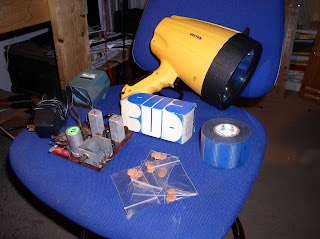
Inspired by Nick Kennedy, I have included in this post a picture of my purchases from the hamfest. As you can see, I controlled myself. But I couldn’t resist the humungous flashlight! I got a bunch of .1 caps (should have bought more!). Got a Bud-box (maybe for an Arduino DDS project?) The little circuit board with the IF cans is interesting. I bought it (1 dollar!) for the 365 pf variable cap, but I later realized that it is probably a complete All-American Five receiver on a single board. I’m not crazy about tubes on PC boards, but this one may have some possibilities. The roll of tape is supposedly coax sealer. I also got a little 35 mm slide viewer, and a 12 volt wall wart.
I wore the “Real Radios Glow in the Dark” T-shirt that Elisa got me (on the recommendation of Rogier). I got more positive comments on that shirt than on any other piece of clothing I’ve ever owned!
And we saw our first Cicadas of this 17 year cycle.
Our book: “SolderSmoke — Global Adventures in Wireless Electronics” http://soldersmoke.com/book.htm Our coffee mugs, T-Shirts, bumper stickers: http://www.cafepress.com/SolderSmoke Our Book Store: http://astore.amazon.com/contracross-20
R-390A and Homebrew TX put in Transceive Mode (VIDEO)
N8ZRY has a very nice video on his recent adventures with the legendary R-390A receiver (want one!) and his homebrew 20 meter SSB transmitter. He manages to essentially put the receiver and transmitter into “transceiver” mode. Very nice. I wonder if he had previously used the old standard “spot” or “net” “zero beat by ear” method? This video has me thinking about ways to bring my many separate receivers and transmitters closer together. The problem is that they all use different IF frequencies (the crystal filters are at different frequencies). But using my Arduino-based DDS VFO, I guess it wouldn’t be too difficult to program the thing to generate one VFO freq for transmit, and a different VFO freq on receive, in effect putting the transmitter and receiver on the same frequency.
Both the R-390A and the homebrew transmitter look great. Thanks Greg!
Our book: “SolderSmoke — Global Adventures in Wireless Electronics” http://soldersmoke.com/book.htm Our coffee mugs, T-Shirts, bumper stickers: http://www.cafepress.com/SolderSmoke Our Book Store: http://astore.amazon.com/contracross-20
French Knack: F8ATA, F8KE, F8CKH, and K3DY
Hello Bill, It has been a while! I don’t know if you remember but I emailed you back in September 2010, introducing myself as a fellow amateur listening to your podcasts. I had just moved from France and received back then my FCC vanity callsign K3DY.
It took me a while to get my ham shack back together but finally I was on the bands again! Recently, I started re reading your book, very inspirational. Since my very first license (as F8CKH) at 16, my interests have always been into the design / homebrew as well as QRP & CW. Why on earth would a teenager do that? I think I have the knack. My motto is: “Don’t turn it on, take it apart!!!”.
Anyway, it has been a lot of fun to work on some various projects (the one in progress now is a LC meter using a LCD display and a PIC 16F627). It took longer than expected to get to that point as I had to work on a PIC programmer interface as well as refresh my C language programming skills! I recently discovered that mouser is offering some nice project enclosures. In the past, my finished products were kind of “ugly” (to the average Joe not us of course!) so I am trying to work on that.
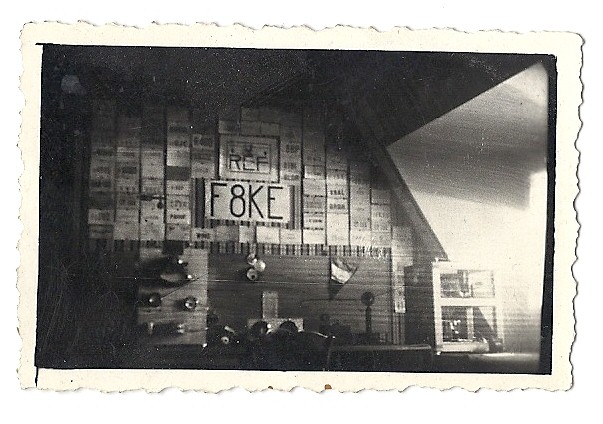
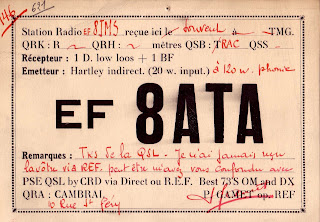
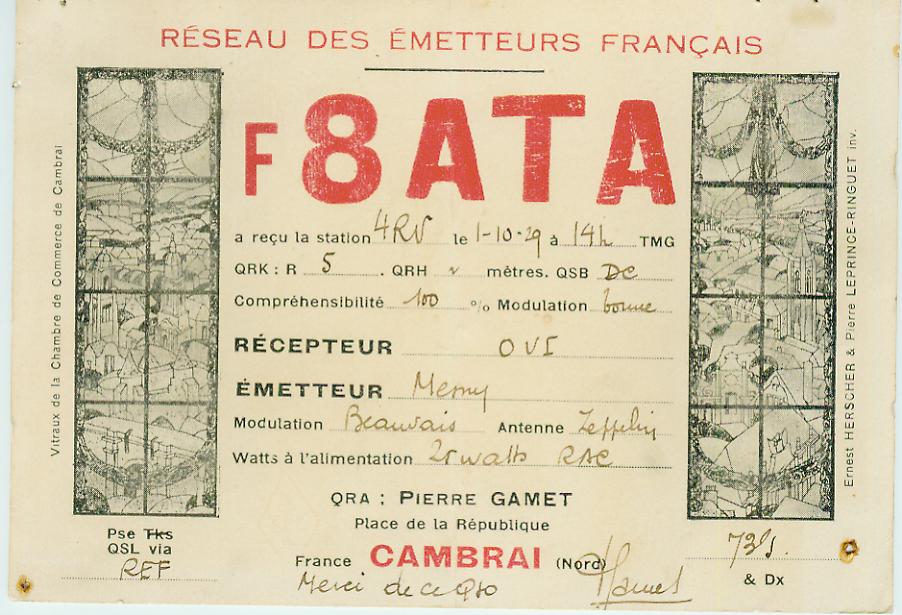
Oh also, last time I emailed you, I talked about my grand father EF8ETA, F8ATA then F8KE in the late 20s and how seeing his electronic lab and radios when I was 7 or 8 inevitably changed my life! After all this, I – had – to get my license and get involved! My father, also a ham, emailed me a picture of F8KE’s shack in 1929/1930. My grand father was at the time 19 years old. Also attached to the email are two scans of his QSL cards dated as well 1929 or so. He was using a classic design for the era, based on a Hartley Oscillator. I am trying to imagine how it was to get the knowledge back then on how to build a station (TX, RX, antenna) but also how to get the parts! When people now complain that they can’t finish up a homebrew project because they can’t find a FT50-3 core, well they should think of how it must have been almost 100 years ago.
Have a great weekend! 73, K3DY Antoine
Our book: “SolderSmoke — Global Adventures in Wireless Electronics” http://soldersmoke.com/book.htm Our coffee mugs, T-Shirts, bumper stickers: http://www.cafepress.com/SolderSmoke Our Book Store: http://astore.amazon.com/contracross-20
The Southern Appalachian Radio Museum
Chris, KD4PBJ, of SMT Solutions, sent us a thumb drive with pictures and videos of his visit to the Southern Appalachian Radio Museum. What a great collection of radios! I saw many old friends on those shelves.
There is a lot of radio history in that museum, and much of it is conveyed by the photos and videos that Chris took. Here they are, all 111 files:
https://picasaweb.google.com/116927941005026017464/SARM#
The museum is in Asheville, N.C. http://www.saradiomuseum.org
Thanks Chris. And thanks to the curators of this fine museum.
Our book: “SolderSmoke — Global Adventures in Wireless Electronics” http://soldersmoke.com/book.htm Our coffee mugs, T-Shirts, bumper stickers: http://www.cafepress.com/SolderSmoke Our Book Store: http://astore.amazon.com/contracross-20
On 15 with HT-37 and Drake 2B
W7FE’s Shack and Hex Beam
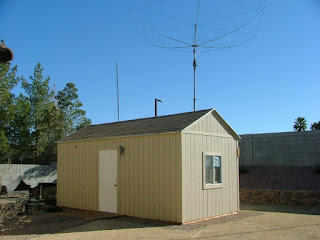
After I replaced the 6U8 first mixer tube on the trusty Drake 2-B I tuned around a bit on 15 meters. IZ4NIC was loud, all the way from Bologna. I gave him a call and we had a nice QSO in Italian. then I talked to F4GBU. I was using my 40 meter dipole, but I thought I might do better with my 17 meter dipole (it is higher up in the trees). I called CQ 15 and got into a very nice QSO with Jim, W0JLG in Wichita. Jim has a very impressive collection of Boatanchors. We were soon joined by Stu, W7FE. Stu was using a Central Electronics 100v from the early 1960s. Wow, the three of us had a nice long contact.
The QSO was a real trip down memory lane for me: My sister Trish is visiting us. We had been talking about how when we were kids she would come into the shack to watch me try to talk to people… with the very same HT-37 and Drake 2B. I was 15 and she was 10. That was 39 years ago! Here we were again, sitting in front of the same old rig. It was a lot of fun.
Stu has some great info on his very impressive radio shack. You guys will really enjoy a visit to his QRZ.com site: http://www.qrz.com/db/W7FE
And check out his switching system for all those rigs: http://www.qsl.net/w7fe/
Wow, his site makes me want o move out to the shed and put up a hex beam!
Our book: “SolderSmoke — Global Adventures in Wireless Electronics” http://soldersmoke.com/book.htm Our coffee mugs, T-Shirts, bumper stickers: http://www.cafepress.com/SolderSmoke Our Book Store: http://astore.amazon.com/contracross-20
Rich Arland’s “Commo Bunker”
Well known QRP author Rich Arland has launched a new blog called “The Commo Bunker.” I’m pleased that one of his first articles deals with Boatanchor radios in general and the Drake 2B in particular.
Check out his blog: http://commobunker.blogspot.com/
Rich’s article came at a good time for me, because today’s task in the SolderSmoke HQ shack is fixing my suddenly deaf Drake 2B. Without even taking it out of the case, I think I have most of the troubleshooting done: signals make it through, but very weak. And the S-meter is now resting far below zero. The S meter is a bridge circuit that looks at current through the RF amp stage (V1) and the IF amp (V5). So my guess is one of these tubes has gone soft. This should be an easy fix.
I have a nostalgic reason for fixing this rig. My sister is visiting us. When I was 15 and she was 10 she would sometimes sit with me in the shack as I used the HT-37 and the 2B. Those same rigs are still with me and we hope to make a few contacts with them this weekend.
UPDATE: I fixed the 2B. V2, the 6U8 used as first mixer and crystal oscillator had gone soft. This may also explain difficulties I had in getting the rig to work with a crystal in the E band socket.
Our book: “SolderSmoke — Global Adventures in Wireless Electronics” http://soldersmoke.com/book.htm Our coffee mugs, T-Shirts, bumper stickers: http://www.cafepress.com/SolderSmoke Our Book Store: http://astore.amazon.com/contracross-20