Category: Moxon
HB2HB — A Contact with Denny VU2DGR (video)
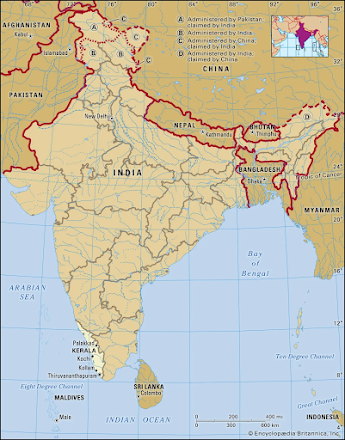
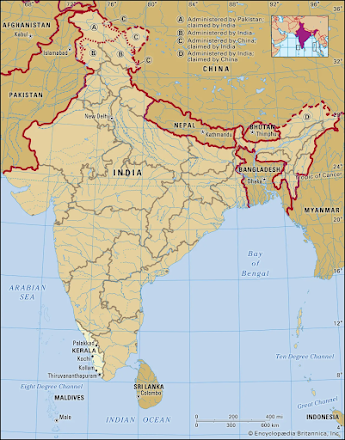
At first I didn’t realize it was Denny. On September 11, 2023 at about 2330Z I had walked back into the shack after dinner. I think DX spots showed an Indian station on 20 meter SSB. Without realizing who it was, I tuned him in on my Mythbuster rig, heard the other station sign off, and quickly threw in my call. Denny came back to me right away, and I think both of us then realized that we recognized the call of the other station. Wow, it was Denny, VU2DGR, the Wizard of Kerala! At the time of the QSO, I didn’t have my phone with me; after we spoke, I went to get it, so the video above captures part of Denny’s subsequent contact. (You can also at one point hear Guapo barking.)
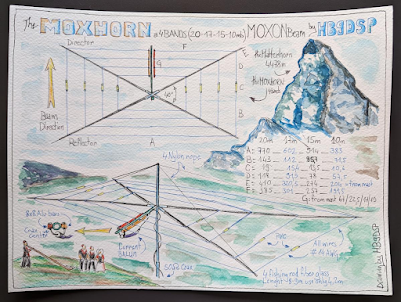
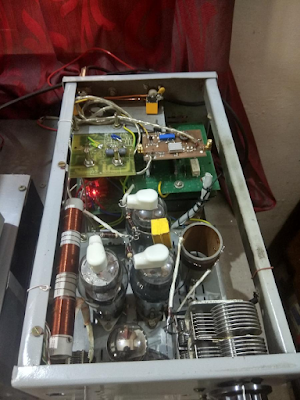
Denny has been running a wonderful station that combines SDR gear with and HDR tube type amplifier and a homebrew Moxon.
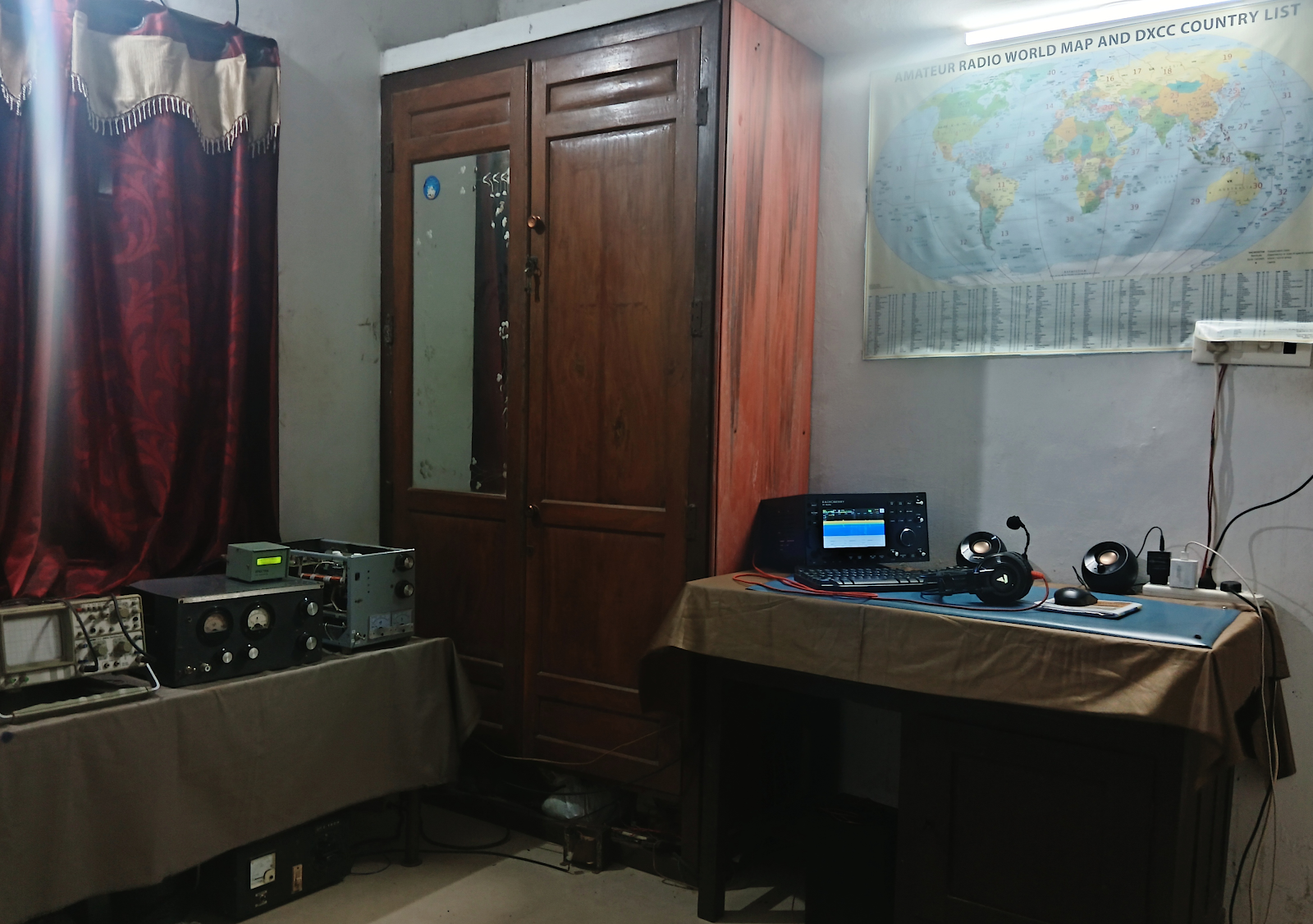
Here is Denny’s station. The transceiver is a RadioBerry. the amplifier and power supply are on the other table.
The Wizard of Kerala (India) — Denny VU2DGR — SDR and HDR
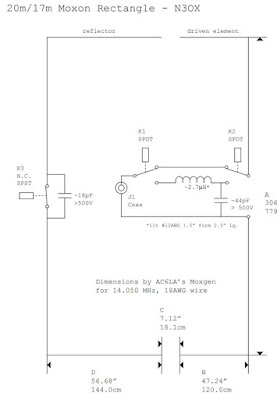
A Very Clever Way to Build a Moxon for 17 and 20 meters
Jim AB9CN sent us Dan Zimmerman N3OX’s page in response to my plea for help in SolderSmoke #227. I think this is a very clever and attractive way to cover both bands with a single Moxon.
http://www.n3ox.net/projects/2017moxon/
Of course there are other ways to do this — other listeners wrote in with confirmation that it is indeed possible to nest a 17 meter element inside a 20 meter Moxon (as is done routinely with Hex beams), but this requires a lot of cut-and-try tuning of both antennas. More in this in future posts. Thanks Jim, and thanks to all who wrote in.
I kind of like the N3OX approach. I think his design makes it more of a workbench electronic project, as opposed to a mere wire and coax antenna project. But hey, that’s just me.
Adding 10 kHz of Coverage to My BITX 17
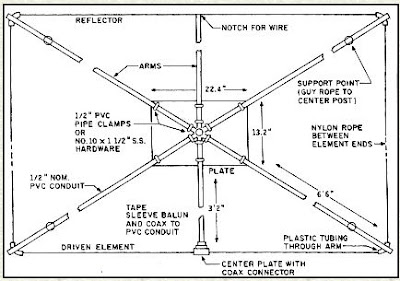
The Moxon Files from L.B. Cebik W4RNL
I had thought that the Cebik files were lost to us in some sort of legal copyright struggle. But in my effort to better understand the Moxon antenna, I found a real treasure trove of Cebik’s writing. These should all be saved somewhere safe.
I especially liked his description of the evolution of the Moxon antenna. Les Moxon was apparently very unAmerican in his emphasis on reception (not transmit gain) as the main benefit of the beam antenna. He also sought to avoid superfluous luxuries like rotators, but Cebik hints that rotators have become an important part of our American way of life. Indeed.
Before I found these files I had been on the verge of giving up on efforts to replace my storm-damaged Moxon. After all, solar minimum is still ahead of us. But after reading OM Cebik’s articles I have decided to build a 20 meter version and place it above the center point of a 130 foot doublet. I will have the best of both worlds.
http://www.antentop.org/w4rnl.001/mu0.html
http://www.antentop.org/w4rnl.001/mu2a.html
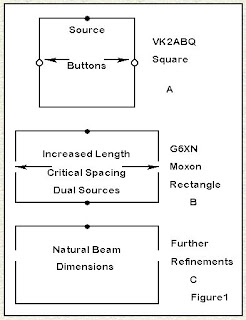
L. A. Moxon, in his HF Antennas for All Locations, provides the essential clue: “the main benefit [of a beam] accrues from the reduction of interference during reception, though the 4 to 6 dB gain provided by typical amateur beams is an important bonus and probably the reason which carries the most weight with the majority of amateurs.”(2)Here is a theory of beam operation quite unAmerican is style: instead of gain, Moxon strives for front-to-back ratio as the most crucial aid to ham operation. His statement is an affirmation of the “good ears” theory of operation. Even more, it forms the basis for his rectangular improvement upon the VK2ABQ square.
…
Moxon prefers matched elements, tuning each of them to optimum performance remotely. That way, he can reverse the beam and do away with expensive and maintenance-intensive rotators. However, rotators are a way of life in the U.S. (a TV rotator will likely handle a 3-band Moxon beam), and there are many uses for portable beams that are hand-rotated or fixed in the field. Thus, I decided to continue the exercise in unequal element lengths.
http://www.antentop.org/w4rnl.001/mox20.html
Finally, a treasure trove of Cebik’s writing:
http://www.antentop.org/w4rnl.001/radio.html
Understanding Antenna Directivity — Help from Canada
I am in the process of repairing my beloved 17 meter fishing-pole Moxon. It was taken out of service by the last Nor’easter of the winter. This repair has caused me to review the theory behind antenna directivity. I find there is a lot of “hand waving” in the explanations of how directivity happens: “You put a reflector element next to the antenna. And it REFLECTS!” You are left wondering how that reflection happens.
The Royal Canadian Air Force made a video that does a pretty good job of explaining how the reflector reflects. See above. Thanks Canada!
While we are talking about antennas, I wanted to alert readers to a really nice antenna modeling program that is available for free. It is called 4nec2. You can find it here:
http://www.qsl.net/4nec2/ There is a bit of a learning curve, and I am still climbing it, but I can see how this software would be very useful. It has an optimization feature that runs the antenna through many versions and tells you how to optimize for F/B, gain, SWR, or whatever you want to prioritize.
I have discovered that my Moxon was resonant below the 17 meter band. In other words, the antenna elements were too big. About 3.6% too big according to my calculations. This may be the result of my using insulated wire for the antenna elements. Apparently the MOXGEN software assumes the use of uninsulated wire. I’m thinking that an easy way to deal with this would be to use the frequency 3.6% above my target frequency and then use the dimensions given my the MOXGEN program. Any thoughts on this plan?
What a shame that Cebik’s web sites have all disappeared.
Moxon Destroyed
The north-east region of the U.S. is experiencing a very strong winter storm. These storms are called “Nor-Easters”- that describes their track up the coast. Here, we had wind gusts at 71 mph — that was around what we had with Hurricane Sandy. But no rain or snow down here — it is a different story in New England.
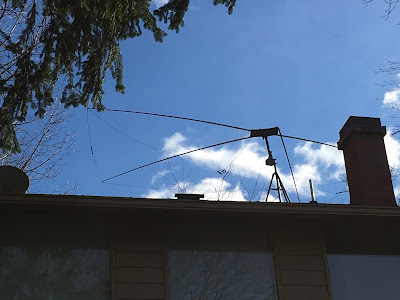
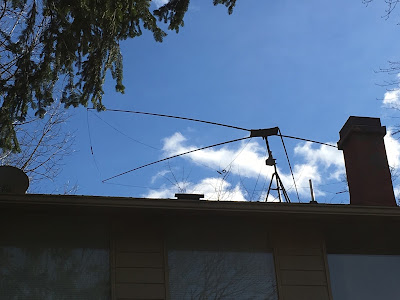
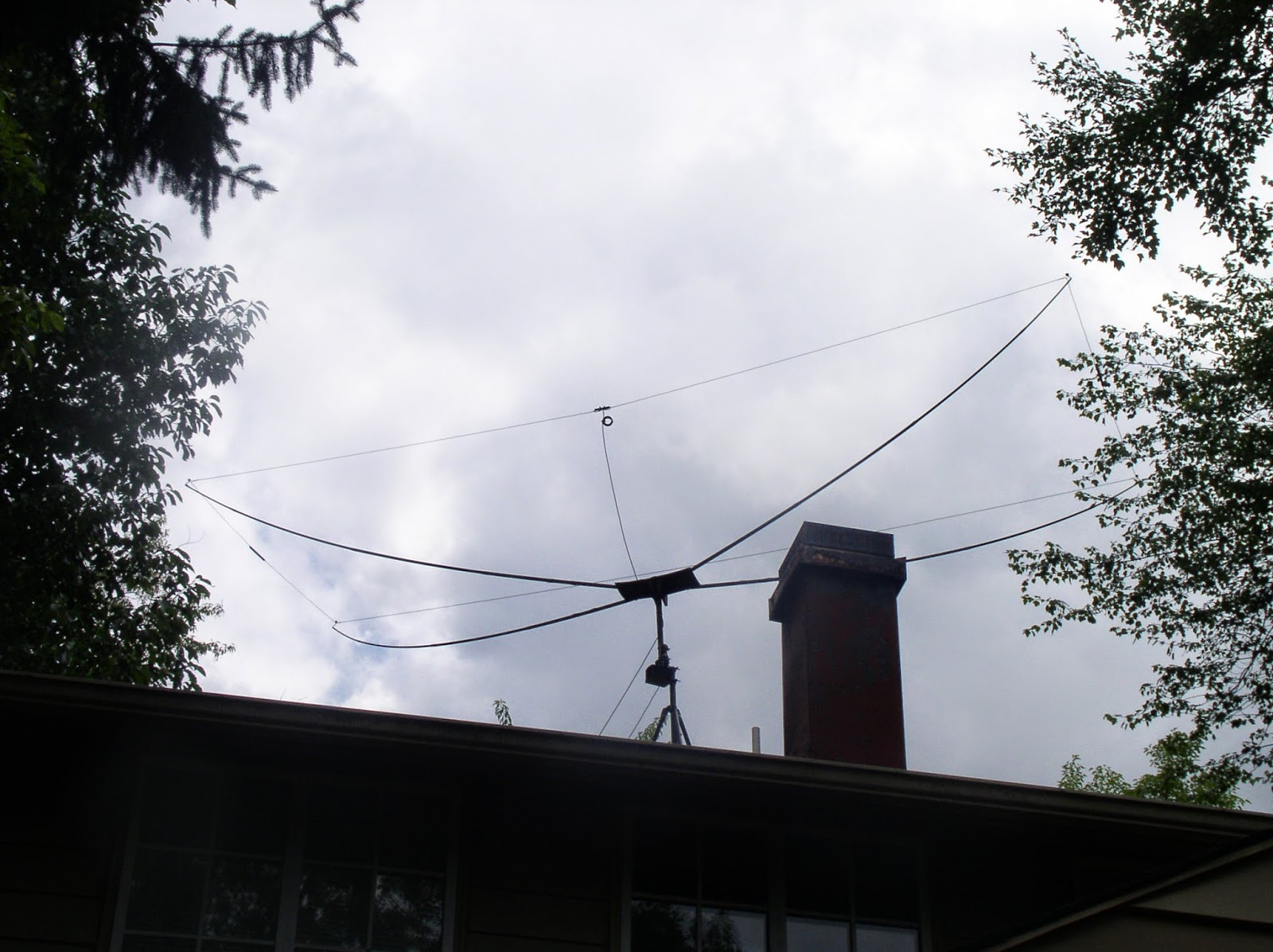
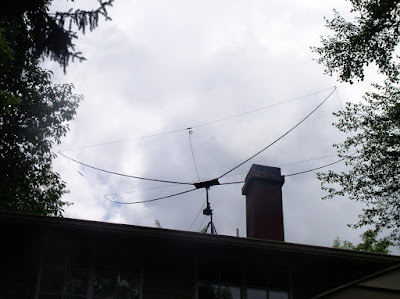
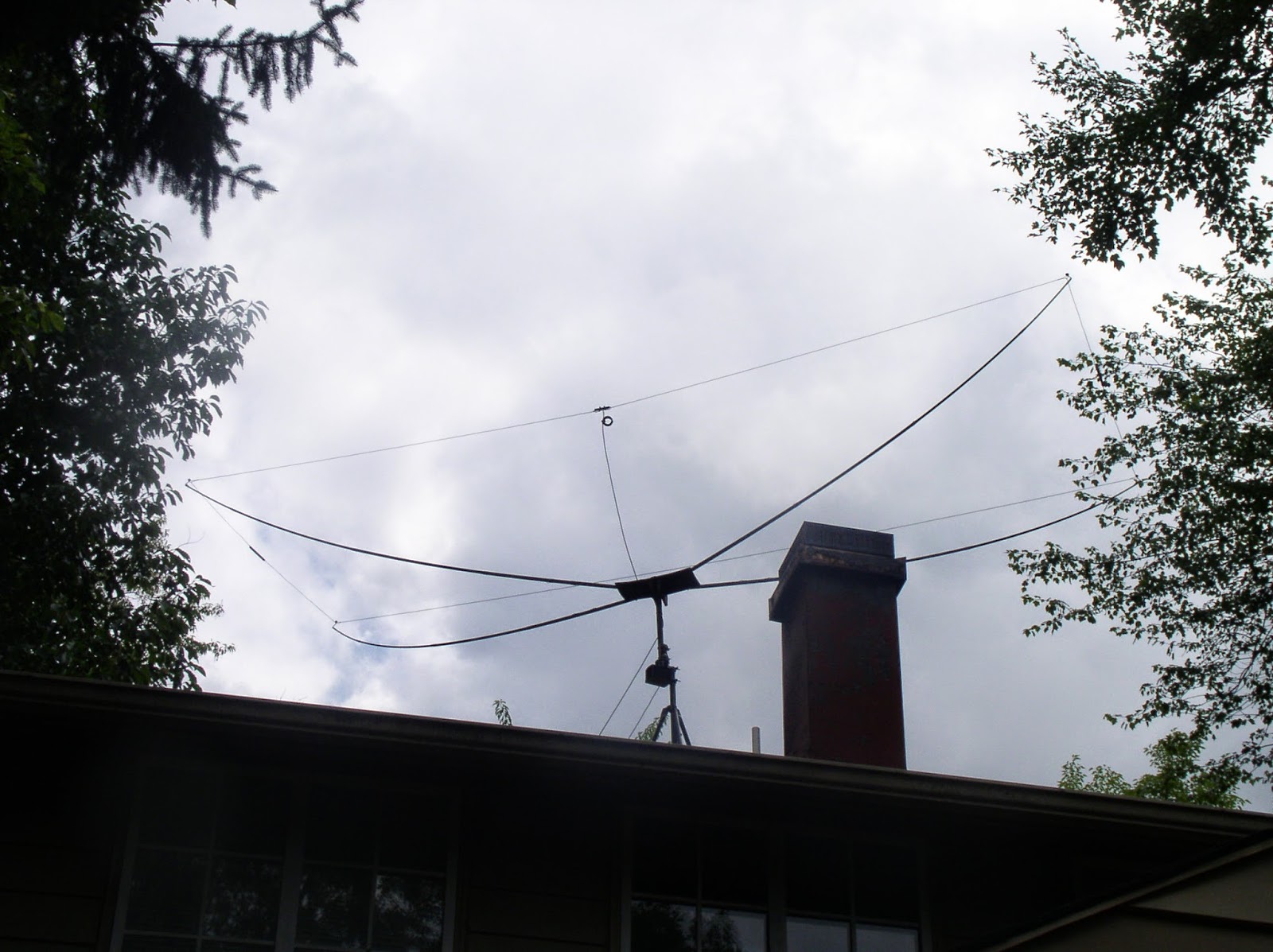
I was on the air, having a nice chat with Ivo OP2A on 17 when suddenly my SWR went way up. I knew immediately what had happened. I stepped outside and saw what you see above.
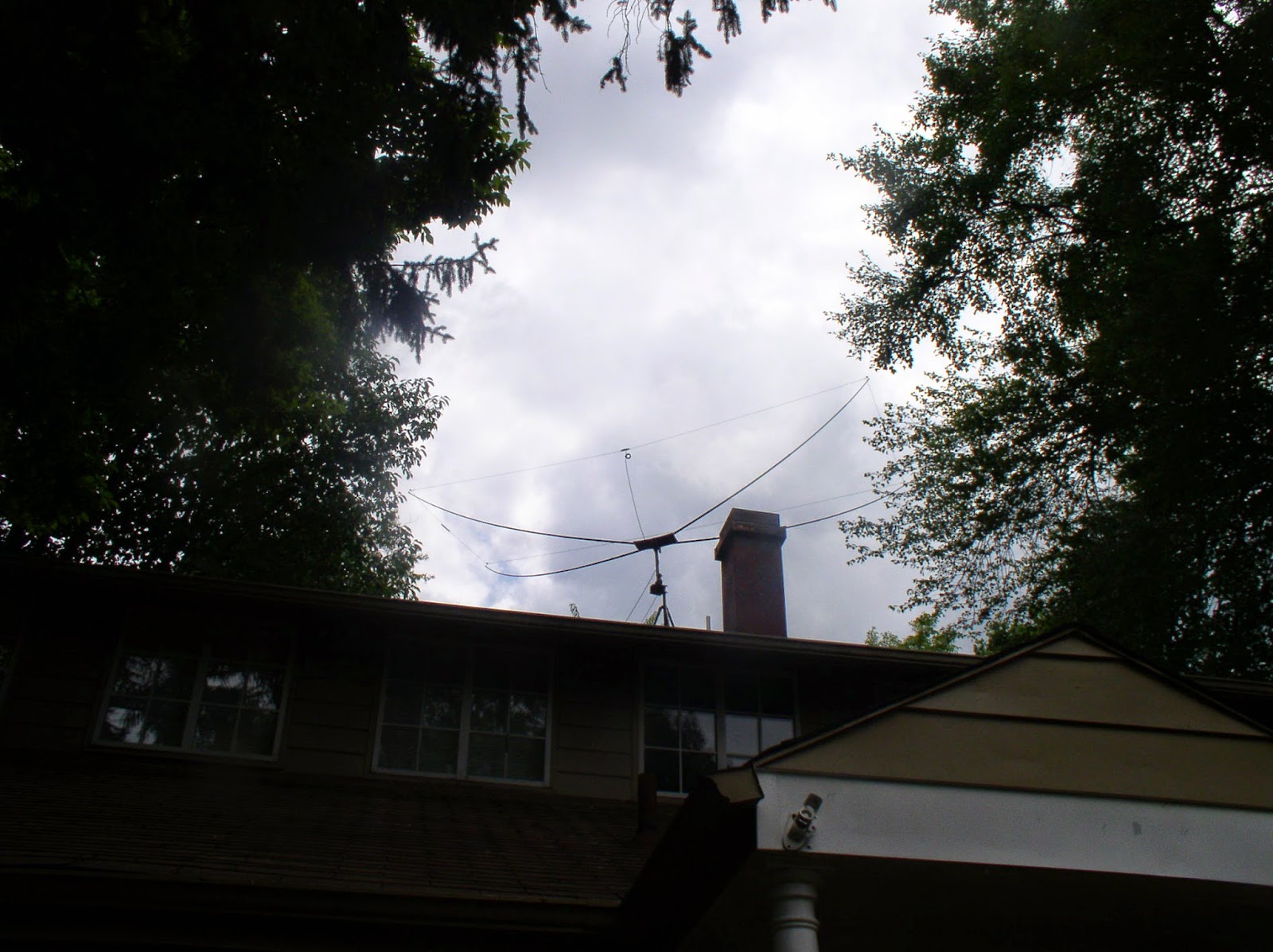
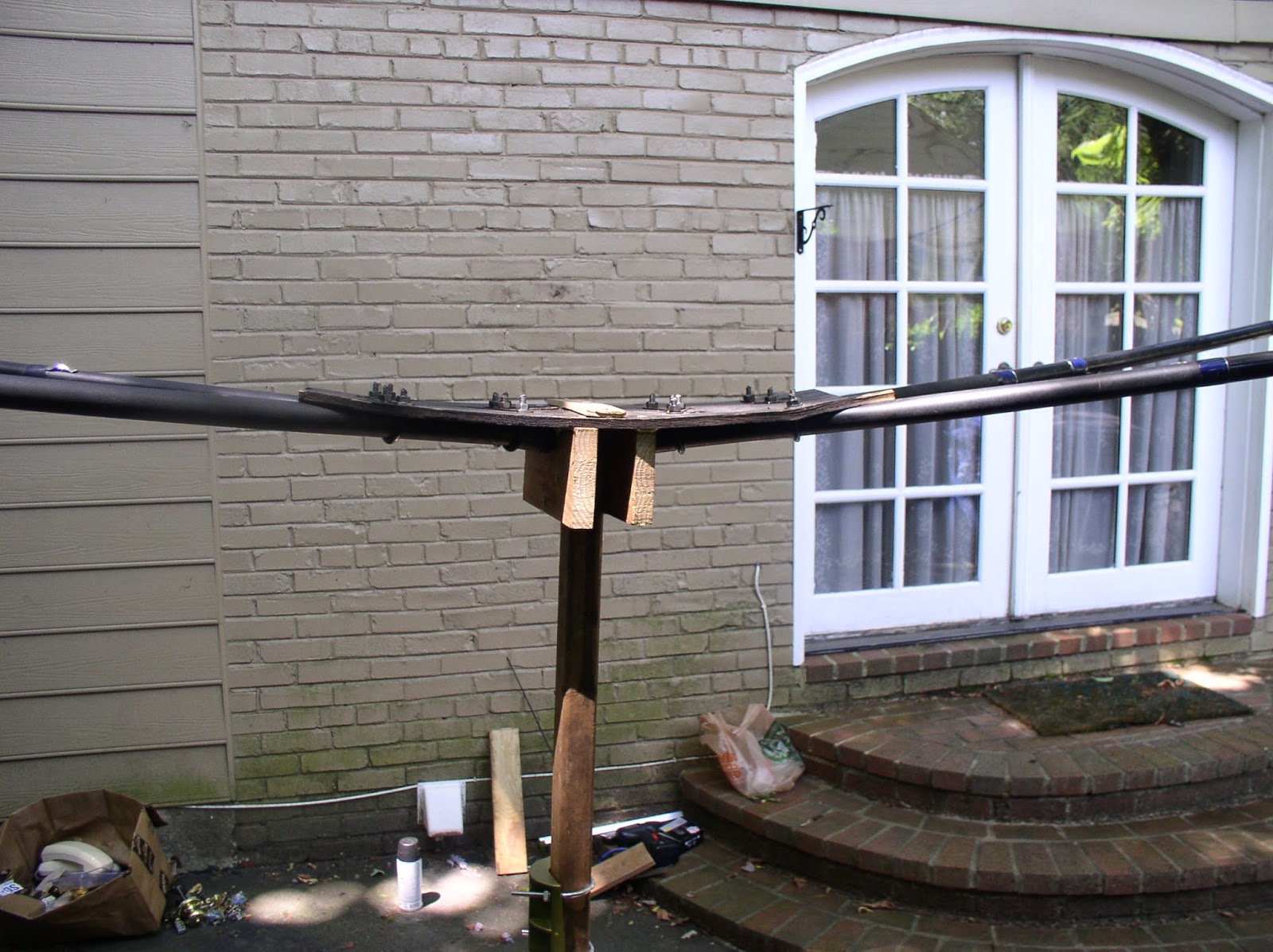
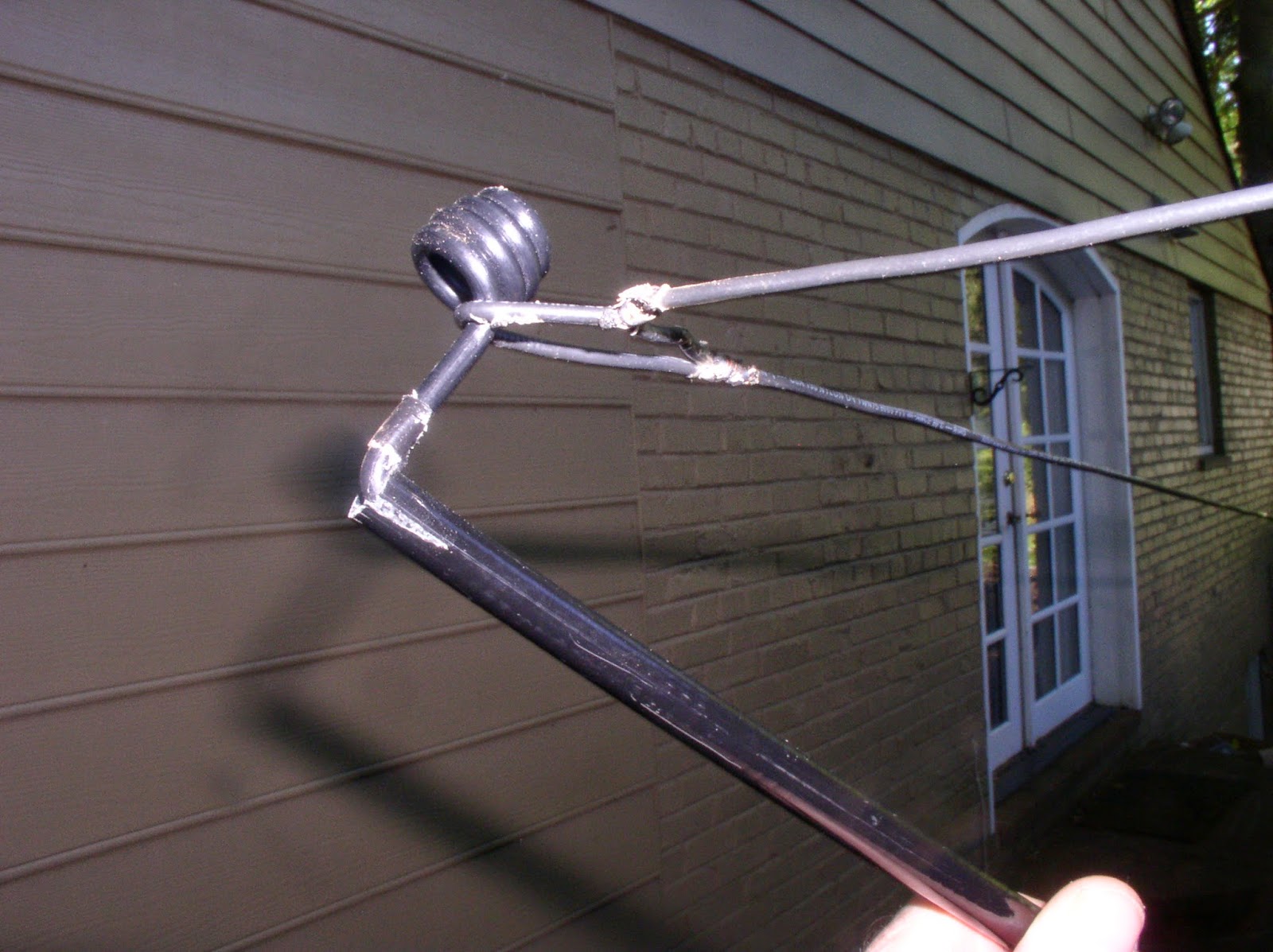
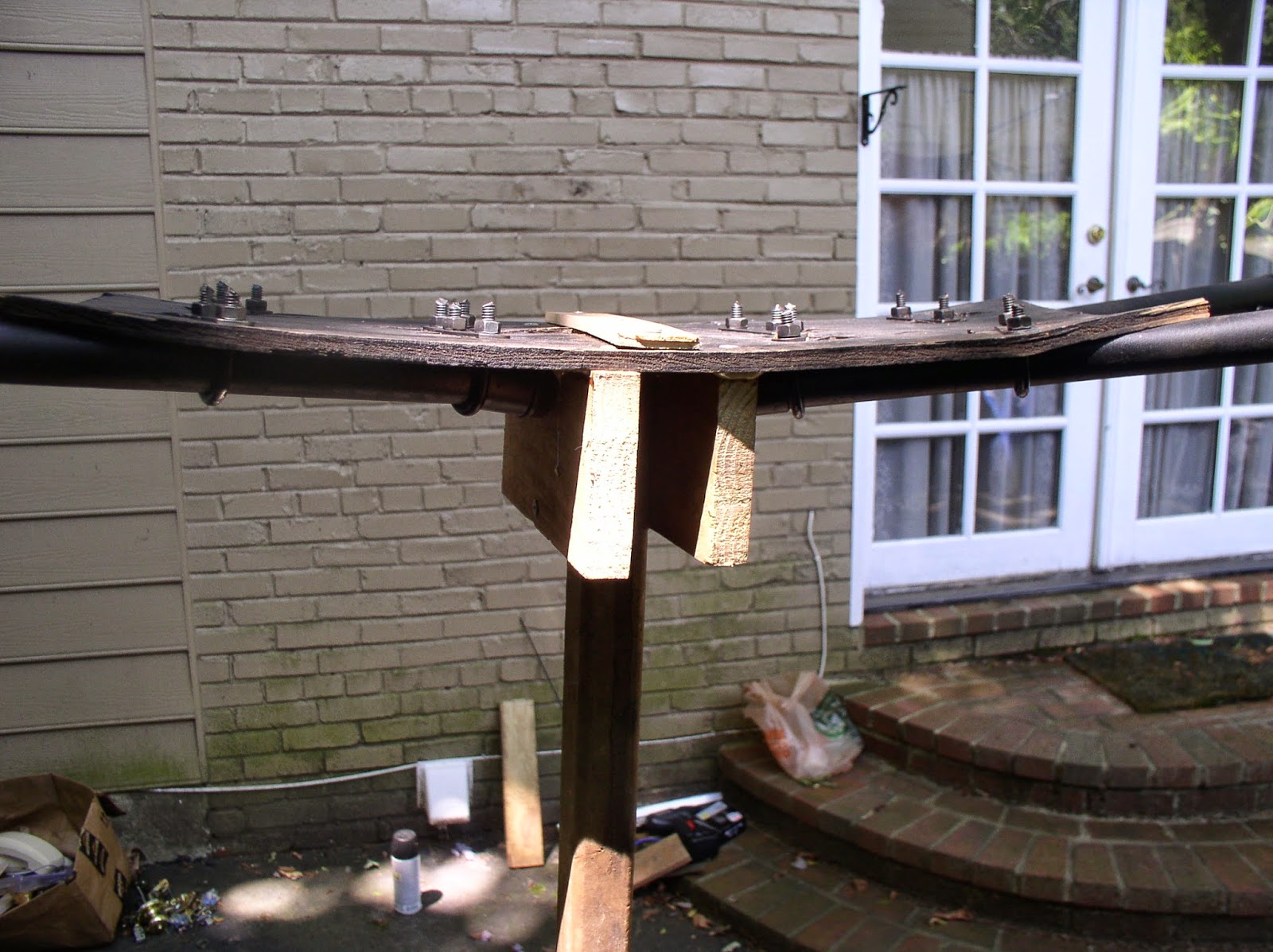
Oh well, we had a good run. It went up there on July 20, 2014. Not bad for some fiberglass poles from Amazon, some scrap lumber and some wire from Steve Silverman (thanks Steve).
To tell you the truth I was kind of hoping this would happen. I’ll replace it with a Moxon or a Hex that covers at least 20 and 17.
Moxon Destroyed
The north-east region of the U.S. is experiencing a very strong winter storm. These storms are called “Nor-Easters”- that describes their track up the coast. Here, we had wind gusts at 71 mph — that was around what we had with Hurricane Sandy. But no rain or snow down here — it is a different story in New England.
I was on the air, having a nice chat with Ivo OP2A on 17 when suddenly my SWR went way up. I knew immediately what had happened. I stepped outside and saw what you see above.
Oh well, we had a good run. It went up there on July 20, 2014. Not bad for some fiberglass poles from Amazon, some scrap lumber and some wire from Steve Silverman (thanks Steve).
To tell you the truth I was kind of hoping this would happen. I’ll replace it with a Moxon or a Hex that covers at least 20 and 17.
DL1YC’s Flat Moxon with Armstrong Rotation
![]() |
| DL1YC Moxon |
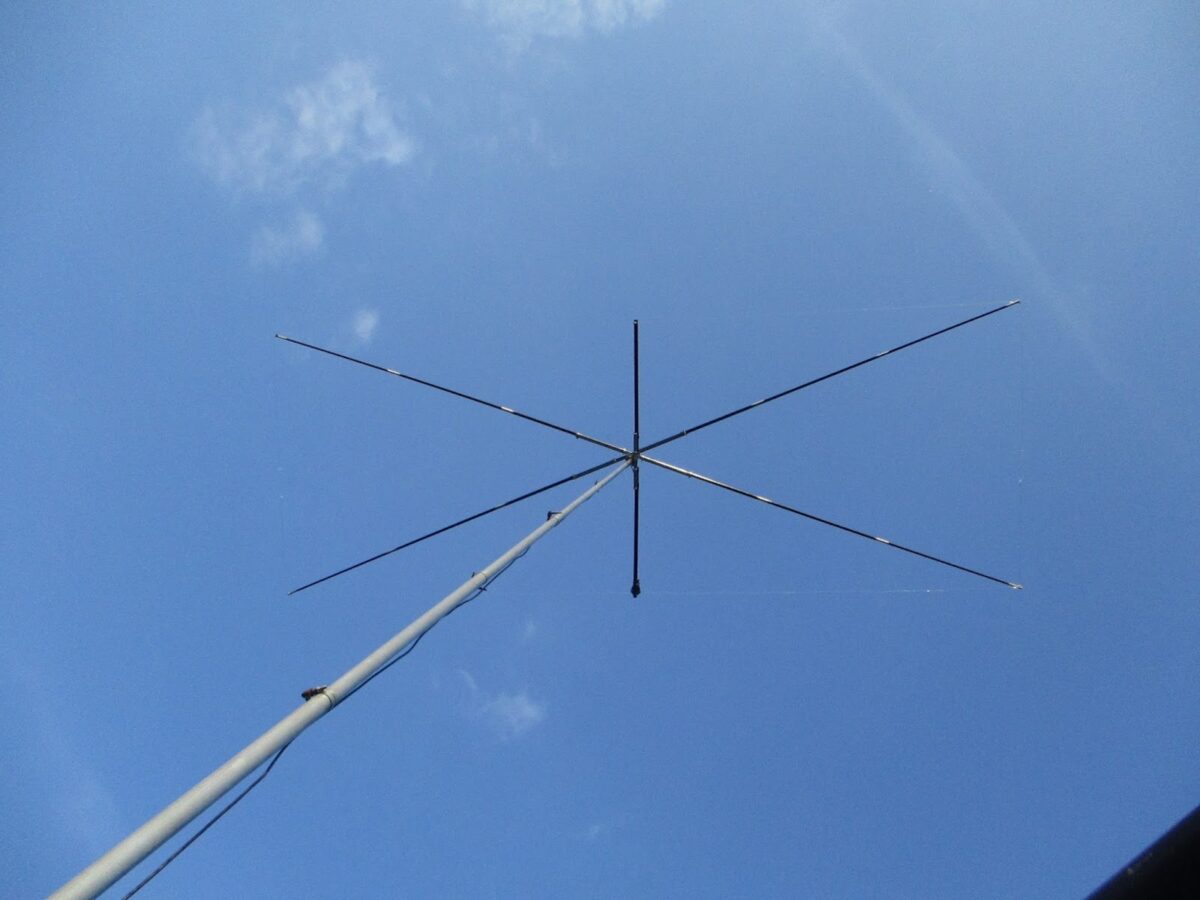
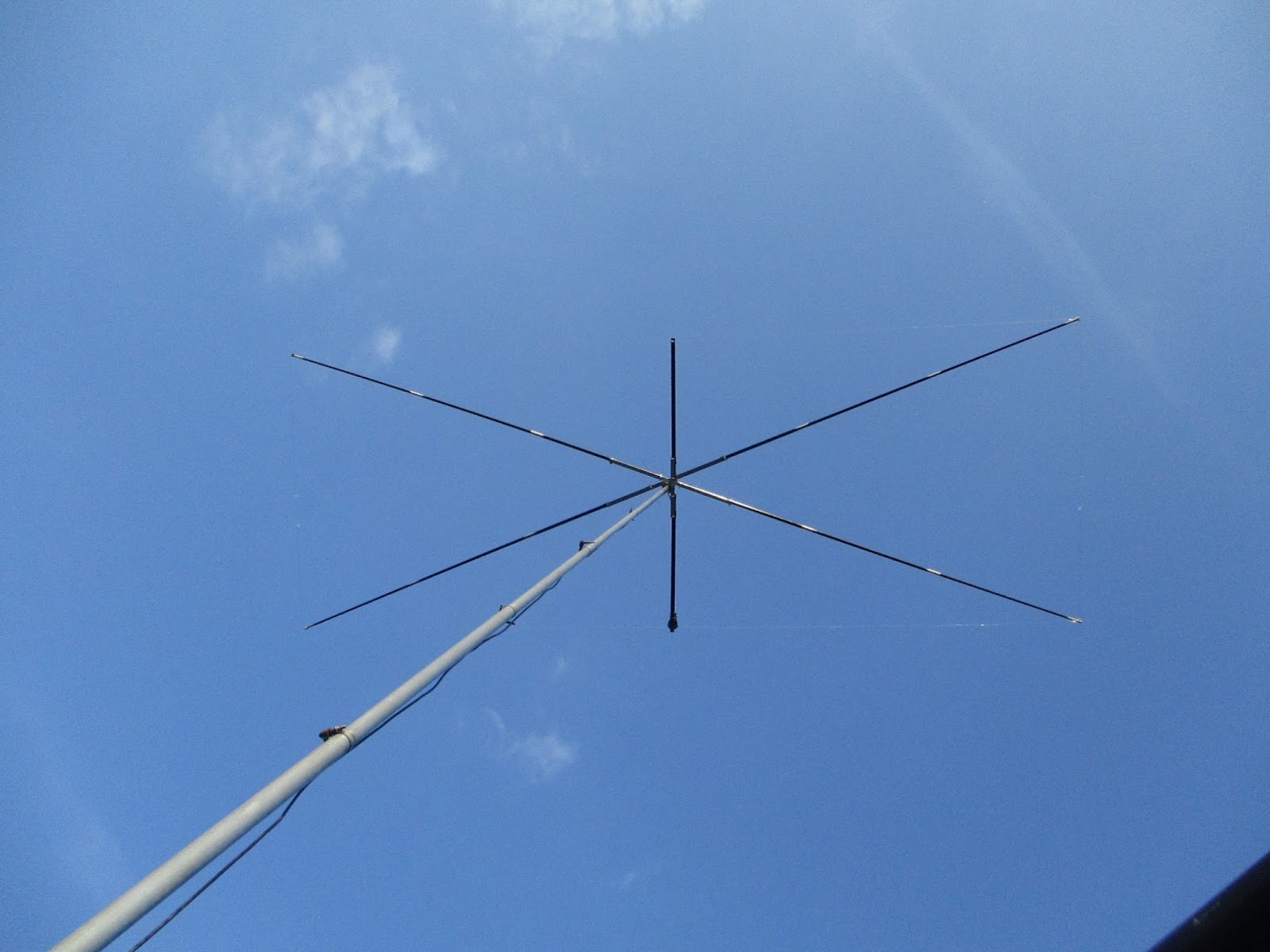
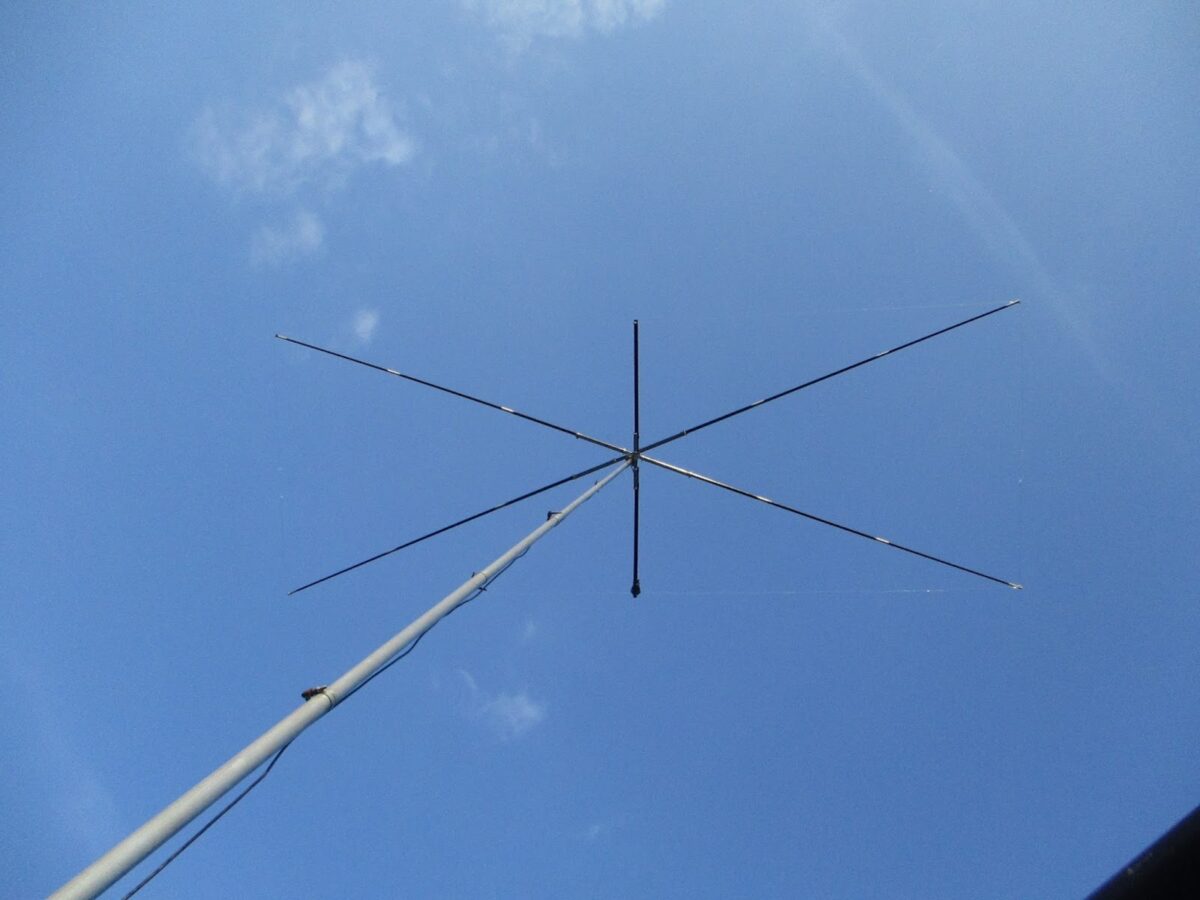
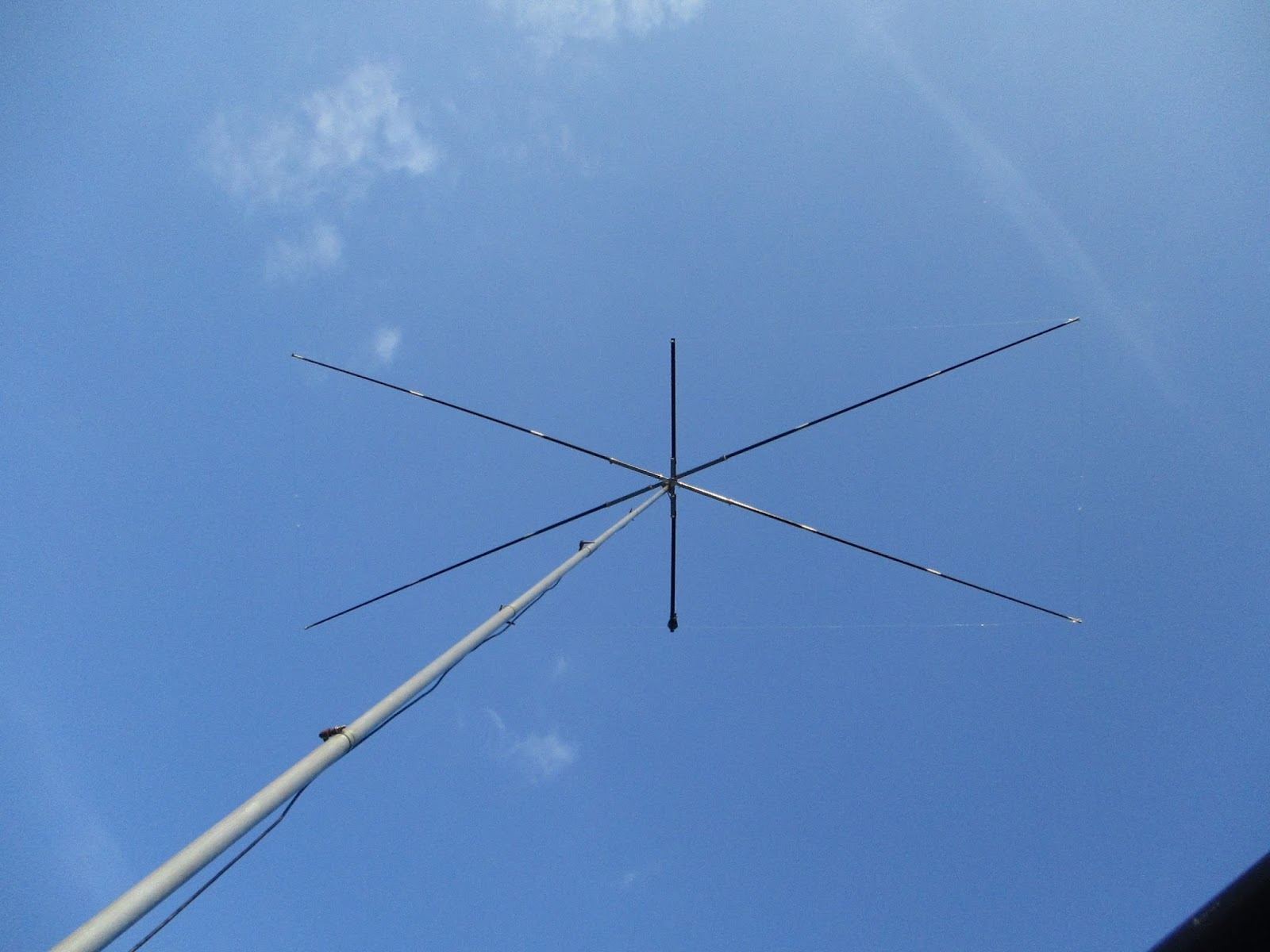
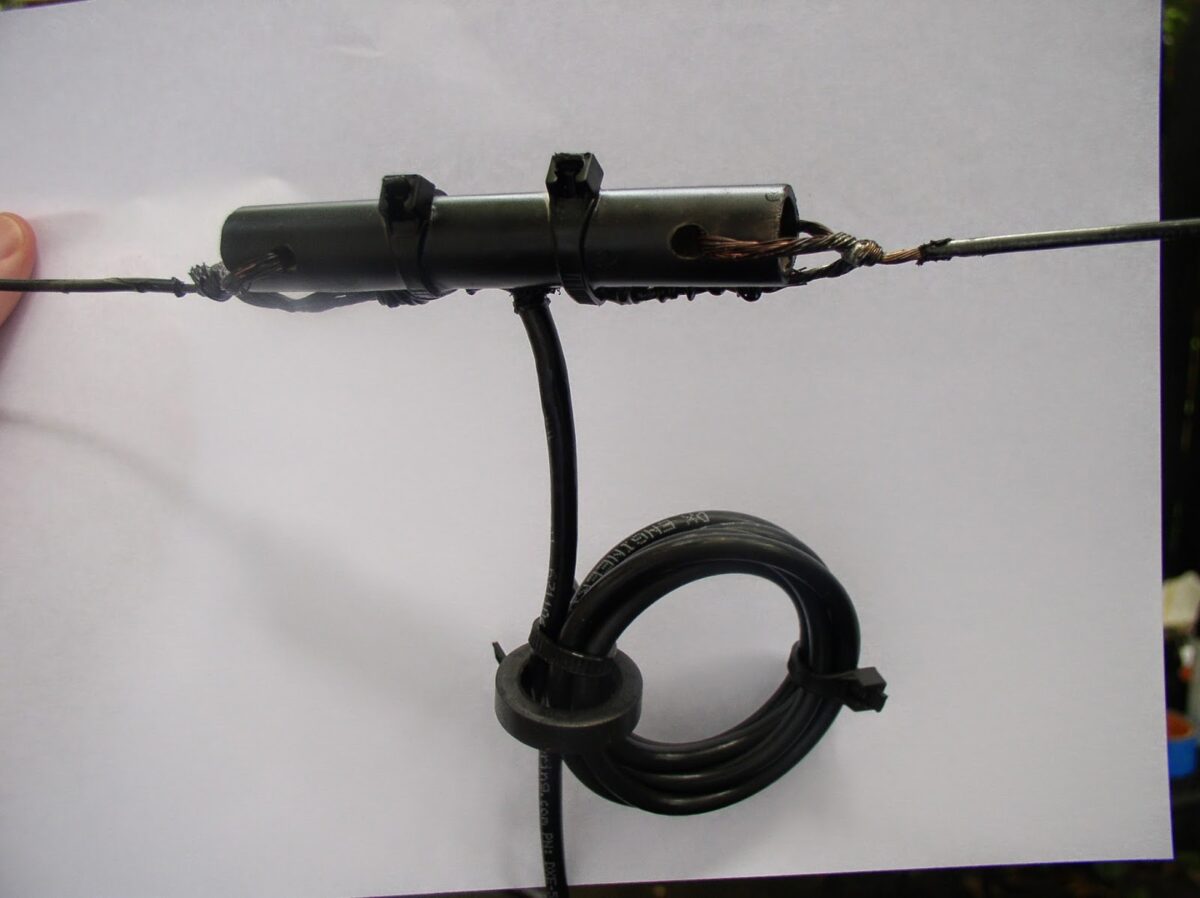
I had a very nice contact on 17 meters yesterday with Jan DL1YC. It was a rare Moxon-to-Moxon contact, with homebrew 17 meter Moxons on either end. Jan’s is a bit cooler than mine: His is flat, without the “blownout umbrella” support that we see in mine (below) and in the Hex Beams. Jans told me that he achieved this flatness by starting out with very long telescoping fishing poles — he discarded the the thin portions of the pole and used only the more rigid pieces. (I used 16 foot, 5 piece Shakespeare Wonderpoles from Amazon.) I think he also used thin wire for the elements. The crossbar that you see in the picture above is there to support a balun at the feed point — without the cross bar the balun and the feedline would cause the balun to droop.
I couldn’t resist a little front to back testing. Jan’s antenna does not have a rotator — he used the “Armstrong” method of antenna pointing. I didn’t want to make him go outside to spin the thing around by hand, so I just turned mine and asked him to take note of the difference front to back. He saw 3 S units. 18 db. Not bad.
Jan said his antenna weighs about 8 pounds — mine is very similar at 9 pounds. Jan expressed some concern about UV deterioration of the fishing pole fiberglass. Mine has been up there three years without any problems.
Like me, Jan had considered “nesting” an element for another ban (perhaps 20 or 12) but — like me– had concluded that this would be too difficult.
![]() |
| N2CQR Moxon |
DL1YC’s Flat Moxon with Armstrong Rotation
![]() |
| DL1YC Moxon |
I had a very nice contact on 17 meters yesterday with Jan DL1YC. It was a rare Moxon-to-Moxon contact, with homebrew 17 meter Moxons on either end. Jan’s is a bit cooler than mine: His is flat, without the “blownout umbrella” support that we see in mine (below) and in the Hex Beams. Jans told me that he achieved this flatness by starting out with very long telescoping fishing poles — he discarded the the thin portions of the pole and used only the more rigid pieces. (I used 16 foot, 5 piece Shakespeare Wonderpoles from Amazon.) I think he also used thin wire for the elements. The crossbar that you see in the picture above is there to support a balun at the feed point — without the cross bar the balun and the feedline would cause the balun to droop.
I couldn’t resist a little front to back testing. Jan’s antenna does not have a rotator — he used the “Armstrong” method of antenna pointing. I didn’t want to make him go outside to spin the thing around by hand, so I just turned mine and asked him to take note of the difference front to back. He saw 3 S units. 18 db. Not bad.
Jan said his antenna weighs about 8 pounds — mine is very similar at 9 pounds. Jan expressed some concern about UV deterioration of the fishing pole fiberglass. Mine has been up there three years without any problems.
Like me, Jan had considered “nesting” an element for another ban (perhaps 20 or 12) but — like me– had concluded that this would be too difficult.
![]() |
| N2CQR Moxon |
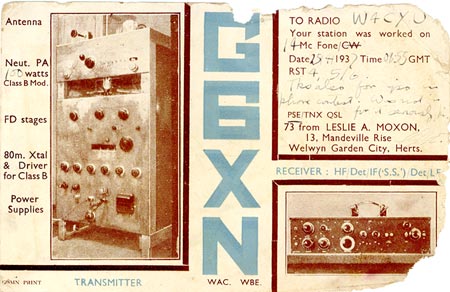
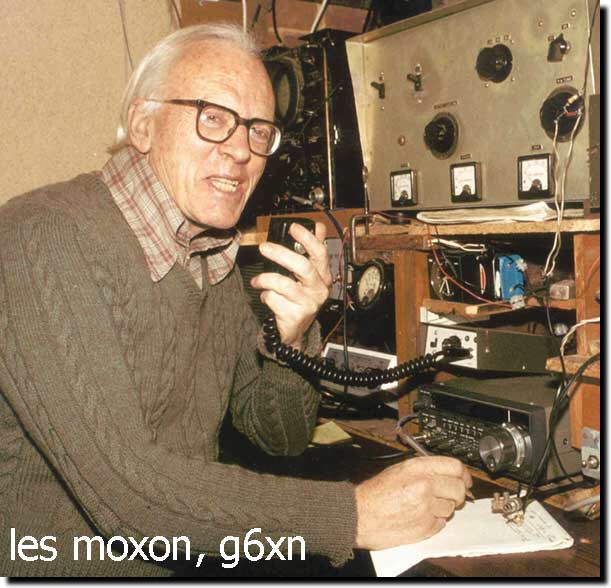
Les Moxon, G6XN
Antennas and National Monuments
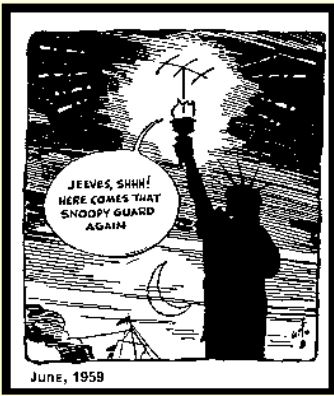
http://www.qsl.net/k9gdt/radio/radio.htm and in the humor section came across the above Gil cartoon from 1959. That is the general idea.
Pete then sent me this:
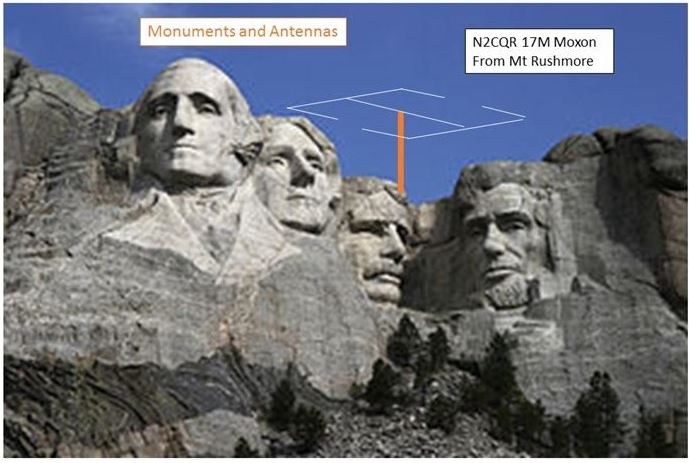
Pete originally had a three element Yagi coming out of Teddy Roosevelt’s head, but that just wasn’t right. I asked that it be changed to a 17 meter Moxon. Thanks Pete.
I would like to note for the record that I have no intention of using the Washington Monument, the Statue of Liberty, Mount Rushmore or any other national monuments as supports for any Yagis, Moxons, Cubical Quads, Ray Guns, Lazy H’s, Inverted L’s or any other type of electromagnetic wave launcher.
Old Spark (But Thankfully Not Forever)
For the last couple of weeks I have been plagued by noise on the HF bands. In spite of being in a very built-up area of Northern Virginia, I usually have low noise levels. But for the last couple of weeks I’ve had intermittent but frequent arcing noise. It sounded like classic power line arcing.
My 17 meter Moxon antenna provided a clue as to where it was coming from: As I spun the antenna around, the noise was always a lot stronger to the North-North West.
On Wednesday morning on the way to work I noticed that the fire department and the power utility were working frantically on a pole about a mile from our house. It had obviously been on fire — it was still smoking when we went past.
When I got home I was pleasantly surprised to find the arcing noise gone. It took me a few minutes to make the connection — yes, the smoking power pole was to my North-North West.
OBVIOUSLY THE RADIO GODS CAME TO MY ASSISTANCE!
This was a good demonstration of the fine front-to-back characteristic of the Moxon antenna. And a reminder of what radio signals sounded like in the days of spark.
Cutting Edge Regens! No, really.
Best of luck building your regen Steve. With Bill Meara now a regen fan, the radio Gods are on your side!
73,
Dave
AA7EE
73
Our book: “SolderSmoke — Global Adventures in Wireless Electronics” http://soldersmoke.com/book.htm Our coffee mugs, T-Shirts, bumper stickers: http://www.cafepress.com/SolderSmoke Our Book Store: http://astore.amazon.com/contracross-20
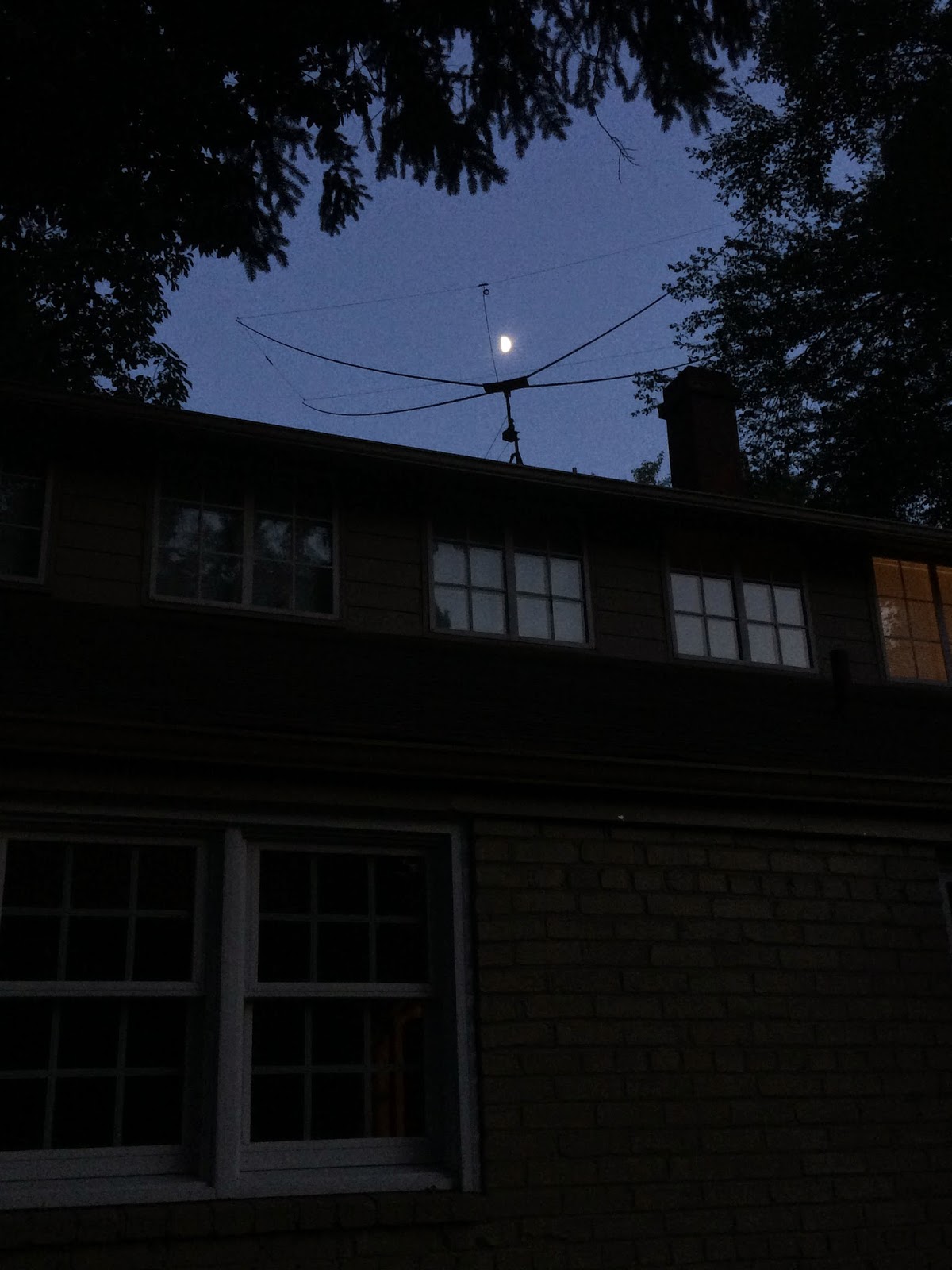
Moonlight Moxon
Our book: “SolderSmoke — Global Adventures in Wireless Electronics” http://soldersmoke.com/book.htm Our coffee mugs, T-Shirts, bumper stickers: http://www.cafepress.com/SolderSmoke Our Book Store: http://astore.amazon.com/contracross-20
My Moxon on Hackaday!
I was really pleased to see my Moxon on Hackaday. Their write-up was a lot of fun.
http://hackaday.com/2014/07/23/fishing-for-radio-signals-with-the-moxon-antenna/
Our book: “SolderSmoke — Global Adventures in Wireless Electronics” http://soldersmoke.com/book.htm Our coffee mugs, T-Shirts, bumper stickers: http://www.cafepress.com/SolderSmoke Our Book Store: http://astore.amazon.com/contracross-20
Moxon Aloft!
Our book: “SolderSmoke — Global Adventures in Wireless Electronics” http://soldersmoke.com/book.htm Our coffee mugs, T-Shirts, bumper stickers: http://www.cafepress.com/SolderSmoke Our Book Store: http://astore.amazon.com/contracross-20
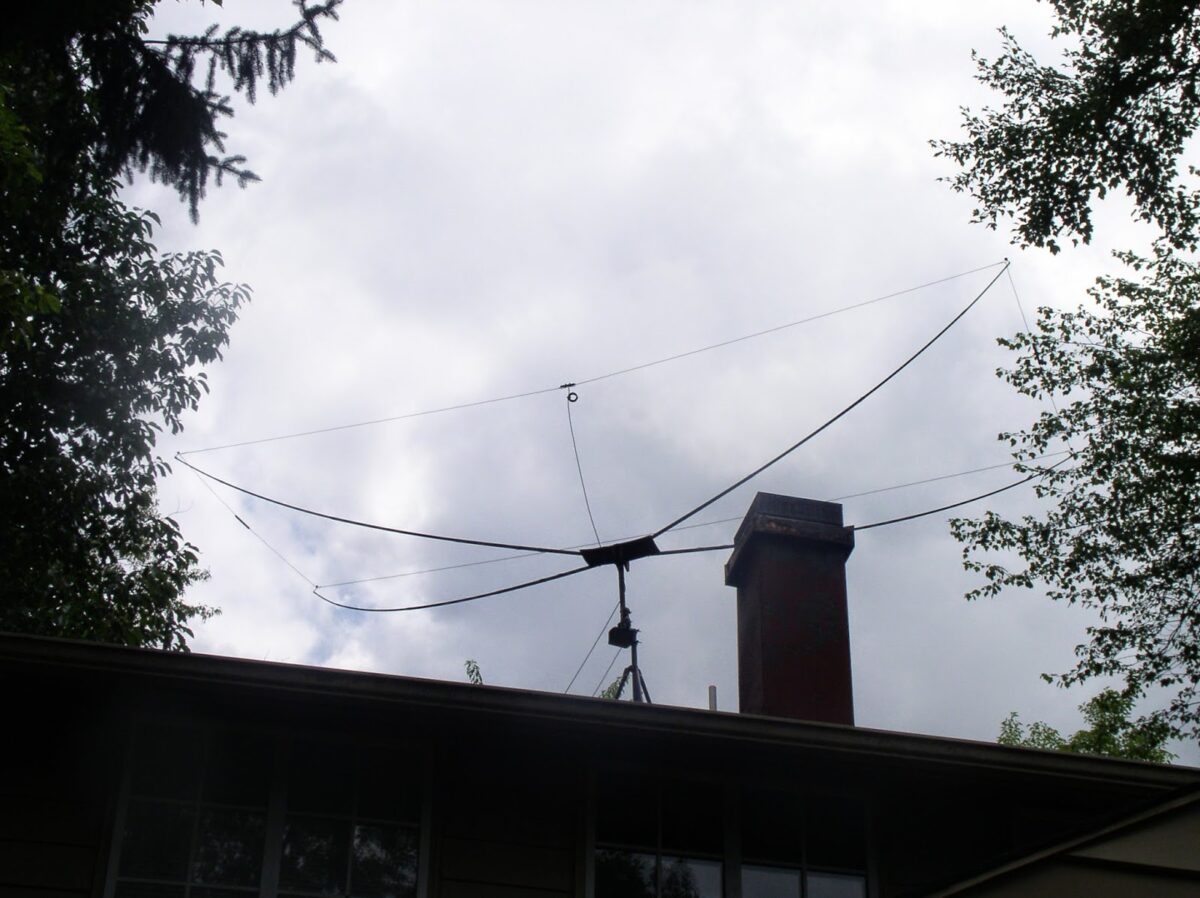
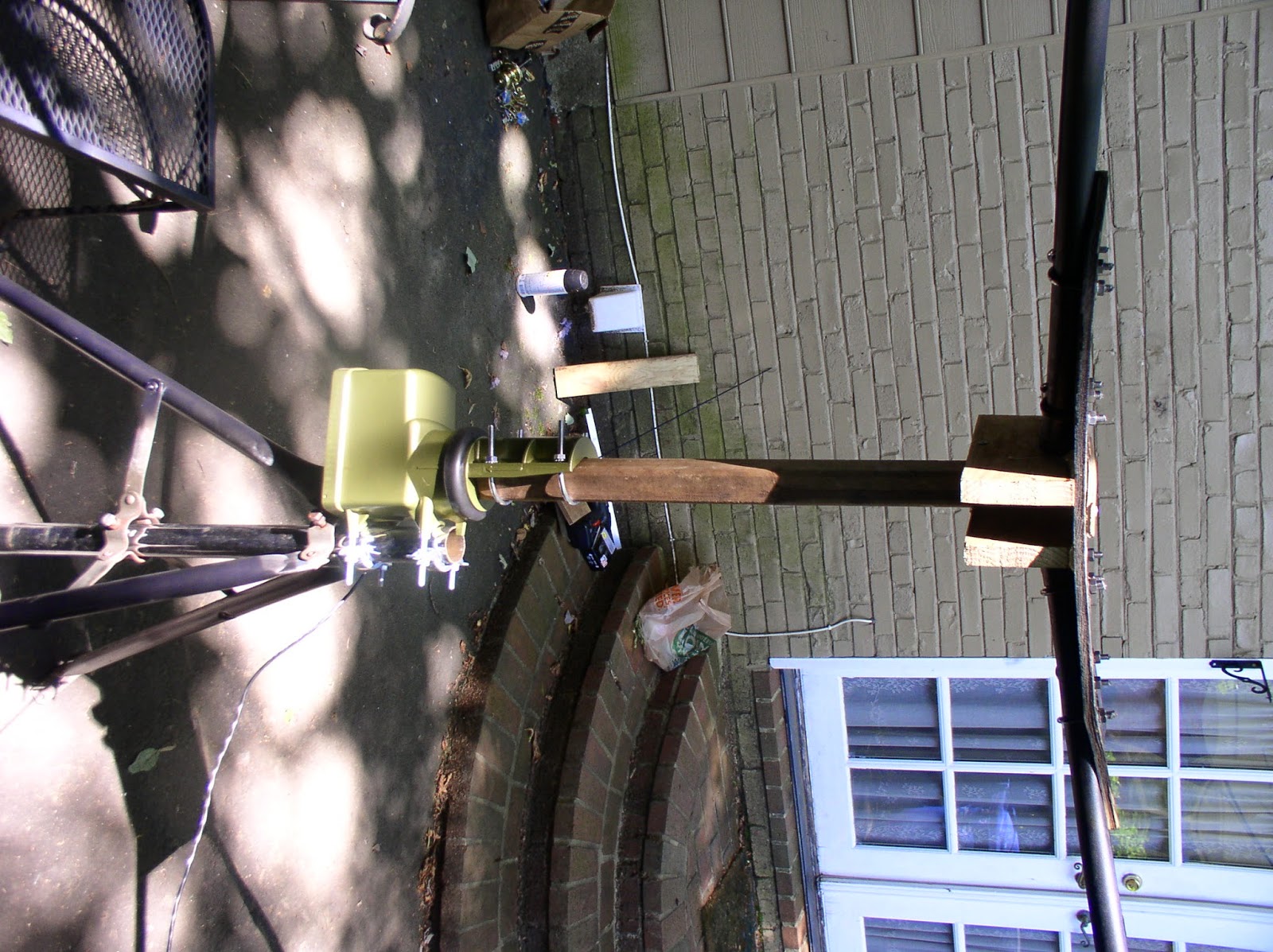
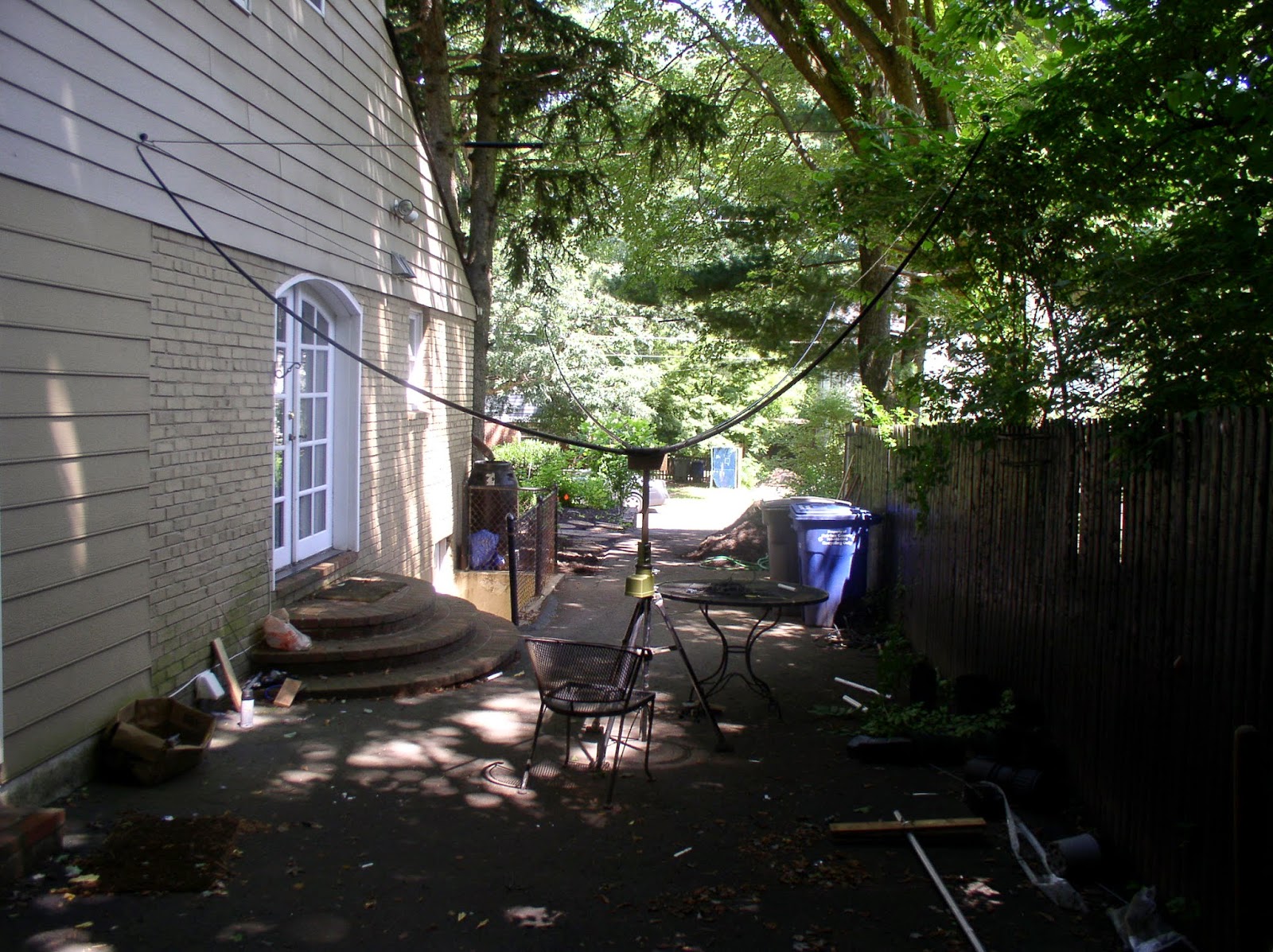
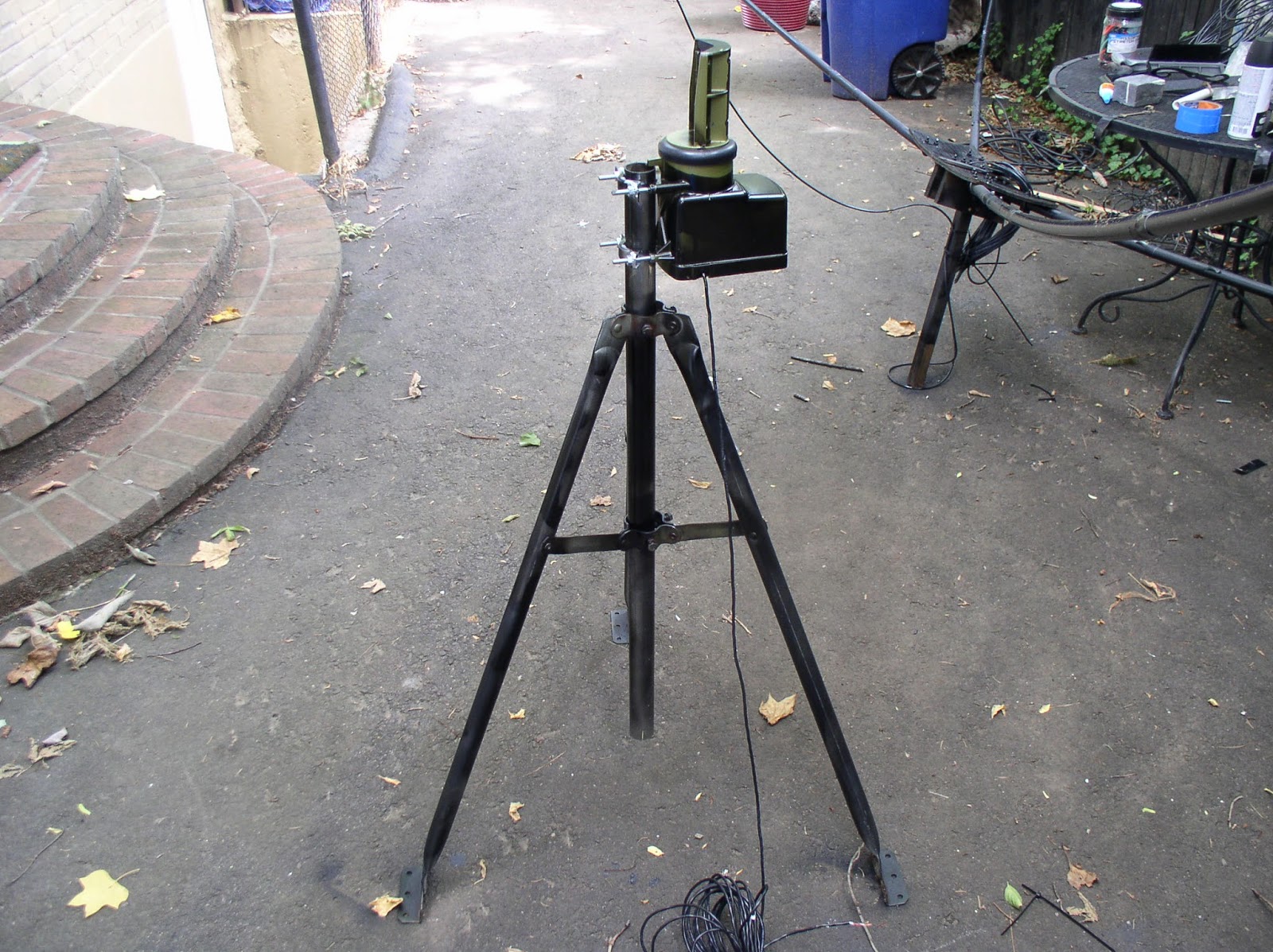
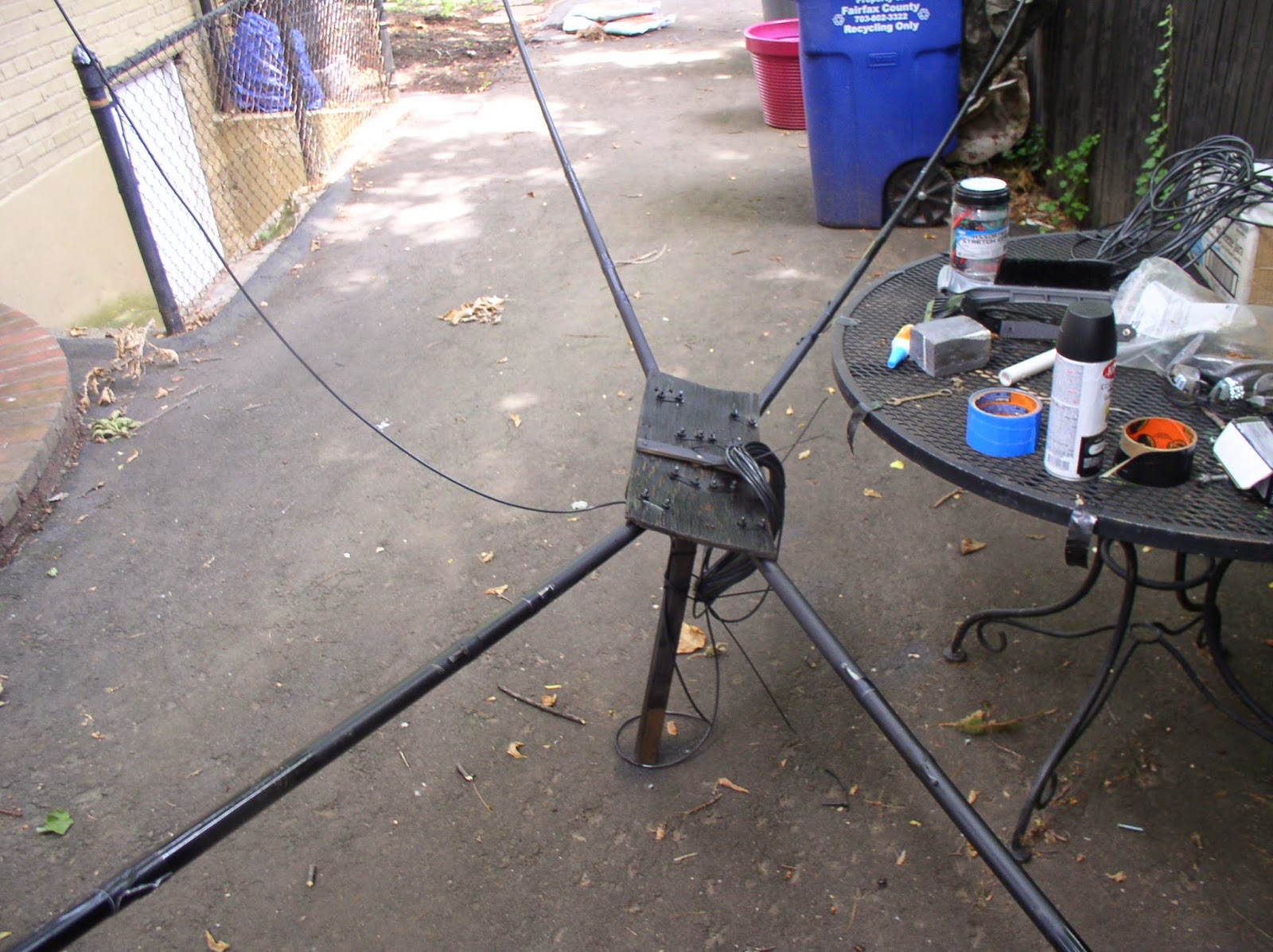
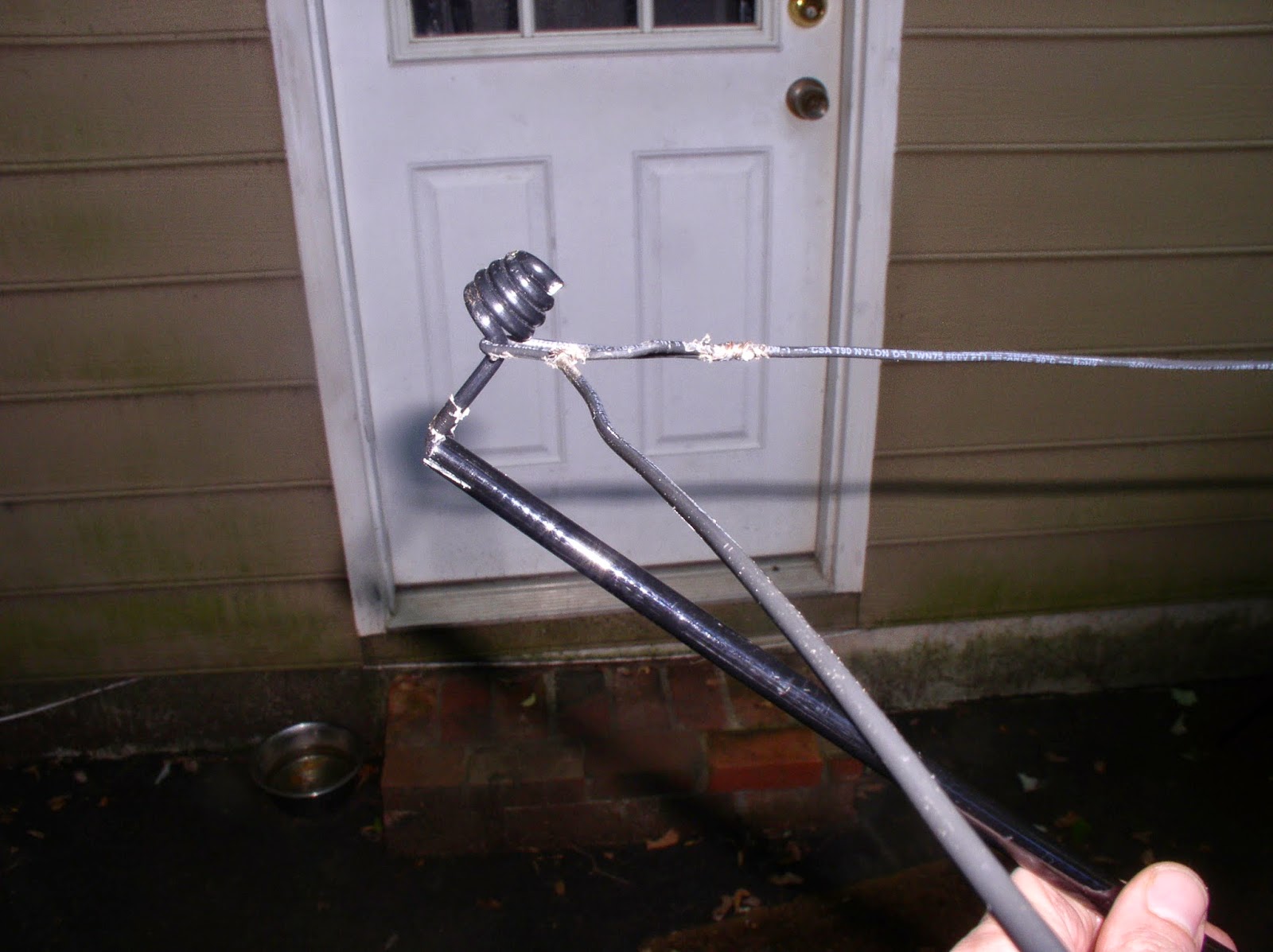
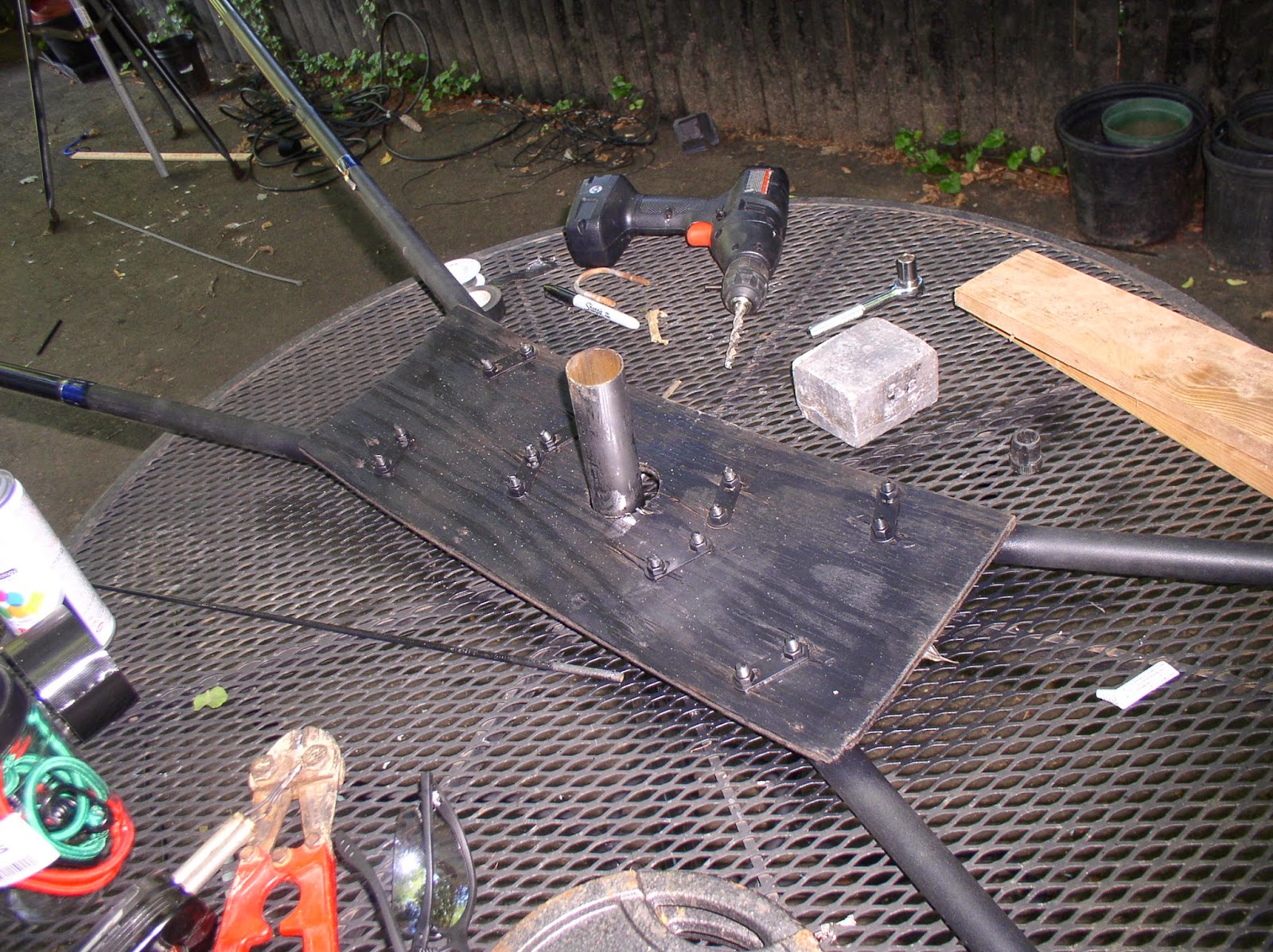
Scrap wood, some wire, four fishing poles and an old tripod: Moxon Update
Our book: “SolderSmoke — Global Adventures in Wireless Electronics” http://soldersmoke.com/book.htm Our coffee mugs, T-Shirts, bumper stickers: http://www.cafepress.com/SolderSmoke Our Book Store: http://astore.amazon.com/contracross-20