Skip to content
SolderSmoke Daily News — Ham Radio Blog

SolderSmoke Daily News — Ham Radio Blog

Serving the worldwide community of radio-electronic homebrewers. Providing blog support to the SolderSmoke podcast: http://soldersmoke.com

Category: Knack Stories

This Kid has THE KNACK TO THE MAX! And is in the International Brotherhood of Electronic Wizards! (VIDEO)

Oh man, we’ve all been there in one form or another. The struggle, the frustration, then, THE TRIUMPH! I love when his mother drops the plate.
Thanks to John KC0BMF

Our book: “SolderSmoke — Global Adventures in Wireless Electronics” http://soldersmoke.com/book.htm Our coffee mugs, T-Shirts, bumper stickers: http://www.cafepress.com/SolderSmoke Our Book Store: http://astore.amazon.com/contracross-20
Author Peter MarksPosted on 14 February 2015Categories Africa, Knack Stories, satellites, space program, video3 Comments on This Kid has THE KNACK TO THE MAX! And is in the International Brotherhood of Electronic Wizards! (VIDEO)

Lucien’s German Mighty Mite (Video)

Lucien’s German Mighty Mite (Video)

Excellent Lucien! Thanks for sending this. I know what you mean about a project that doesn’t work. It is rewarding and educational to figure out where you went wrong. I knew a guy who would ask, at a hamfest, “Does this rig work?” If the the seller admitted that it didn’t, he’d reply, “Good, I pay extra for that!” He liked the challenge of fixing it. Of course, there are limits to this, and sometimes these challenges will make you wish you had taken up stamp collecting.

Hi Bill and Pete,


For me too, it’s a happy day – I got the Mighty Mite working! Thank you so much for the inspiration to get into homebrewing…

I’m just licensed for a year now and this was my very first project (except for 2 basic kits that I build) and it really was a great learning experience. The best part: Since it didn’t work out “plug’n play”, I had to debug the thing and actually start thinking – so I put 2 caps in parallel instead of the wrong one I had used (I found them in a little box some guys at a hamfest gave me for free – never thought I would ever use something from it…). And I had to use the voltmeter to look for a short circuit. Basic stuff, but for me, this was a breakthrough!

Here are some more things I learned during this first project (don’t laugh):
  • Where the heck do I plug stuff that’s supposed to go to “ground” in? Now I know: usually to the negative pole!
  • When 2 lines cross in a schematic, that doesn’t mean there’s a connection!
  • How do these ready-made breadboards actually work? Had to try out…
  • It’s important to think about the actual layout beforehand!
  • When debugging, trial and error doesn’t help.
  • There’s yet another crazy foreign unit called “gauge”! (I used smaller magnet wire than recommended, it still seems to work…)
  • 9V-blocks get VERY hot when shorted for a minute or so!
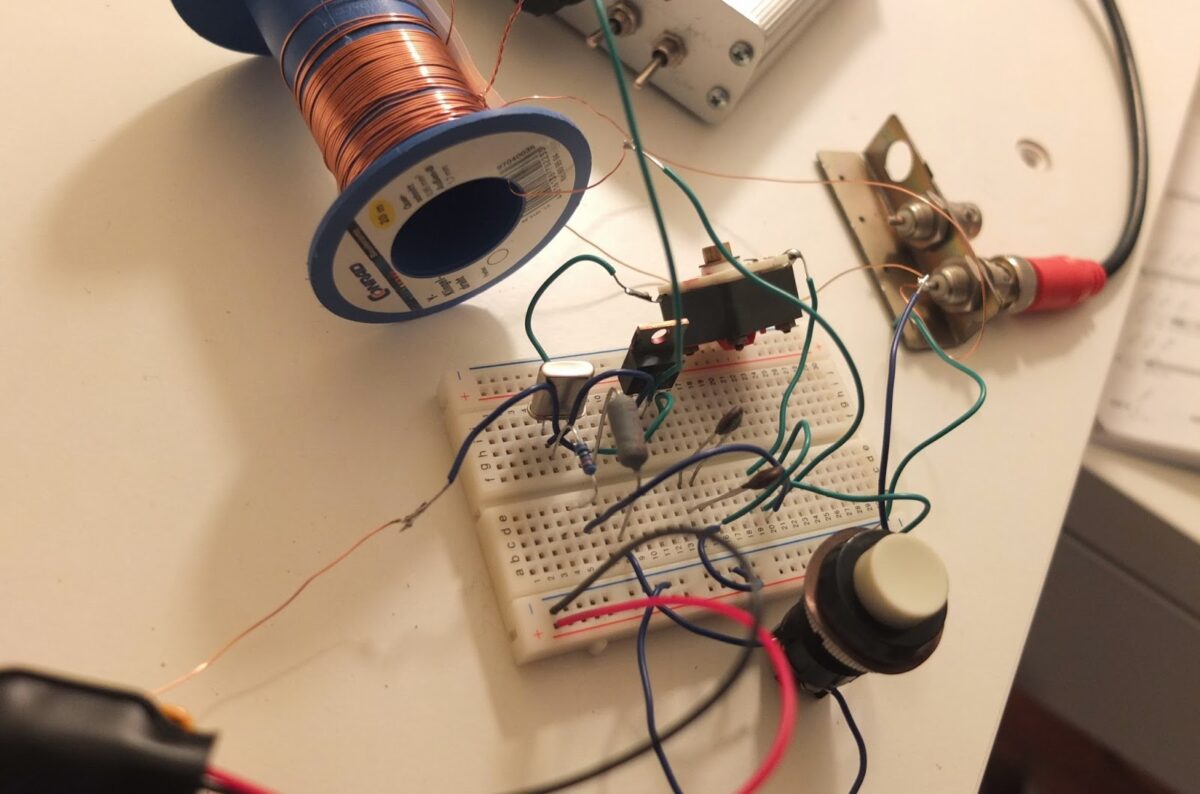
Attached is an image of my ugly prototype, now I want to give it a better “home”… And here is a little video, demonstrating that it works, inspired by IZ1KSW:


https://www.youtube.com/watch?v=lxXyAb_np8I&feature=youtu.be

BTW, frequency is about 3,5793 Mhz.

Thanks again for all the great inspiration and vy 73 from Germany,
Lucien / DH7LM

Our book: “SolderSmoke — Global Adventures in Wireless Electronics” http://soldersmoke.com/book.htm Our coffee mugs, T-Shirts, bumper stickers: http://www.cafepress.com/SolderSmoke Our Book Store: http://astore.amazon.com/contracross-20

Author Peter MarksPosted on 10 February 201522 July 2025Categories Germany, Knack Stories, Michigan Mighty Mite, videoLeave a comment on Lucien’s German Mighty Mite (Video)

Video of Colin’s First Contact with his Homebrew Scratch-built BITX20

I love this video. Colin finished his BITX a week or so ago and has been waiting for an opportunity to test it. Over the weekend he braved the winter of Northern England and, with his son, set up his new rig out in his snow-covered garden. Appropriately for a first contact with scratch-built rig, the circuitry was unencumbered by any kind of case or box. That’s the way it should be done! Well done Colin! You are well and truly a member of the International Brotherhood of Electronic Wizards, and the diagnosis of “The Knack” has been confirmed (a severe case, it appears).

Hi Pete and Bill,

It’s been a lovely fine day here in West Yorkshire, so I took a table out into the garden and set up my BITX circuit on it. I set up my SOTA dipole on a 9m fishing pole.

I heard a strong German station calling CQ, so I gave him a call and hoped for the best!

How amazing to contact someone in another country using a rig and mic you’ve made yourself! Do I qualify as a REAL radio ham now? Do I have a confirmed case of the knack? 🙂

Although I may appear underwhelmed in the video, (besides the air punches!), I did really get a kick out of the QSO.
73 and huge thanks to both of you for the encouragement and support.

Colin, M1BUU

Our book: “SolderSmoke — Global Adventures in Wireless Electronics” http://soldersmoke.com/book.htm Our coffee mugs, T-Shirts, bumper stickers: http://www.cafepress.com/SolderSmoke Our Book Store: http://astore.amazon.com/contracross-20
Author Peter MarksPosted on 3 February 2015Categories BITX20, DDS, Germany, Juliano -- Pete, Knack Stories, UK, video6 Comments on Video of Colin’s First Contact with his Homebrew Scratch-built BITX20

Jailed for The Knack: Gerry Wells, Homebrew Hero

Jailed for The Knack: Gerry Wells, Homebrew Hero

Thanks to Thomas of the “SWLing Post” for alerting us to the story of UK radio legend Gerry Wells. As Thomas said in his post, you really need to drop what you are doing and listen to this great BBC program about Gerry:

http://swling.com/blog/2011/02/radio-documentary-the-wireless-world-of-gerry-wells/

The poor fellow was actually JAILED for his “radio obsession.” Wow. That was kind of harsh. But Gerry overcame adversity and had a very happy life in radio.

Thomas has more on Gerry here:

http://swling.com/blog/2014/12/jonathans-interviews-with-gerry-wells/

Thanks Thomas! And thanks to the BBC.

Our book: “SolderSmoke — Global Adventures in Wireless Electronics” http://soldersmoke.com/book.htm Our coffee mugs, T-Shirts, bumper stickers: http://www.cafepress.com/SolderSmoke Our Book Store: http://astore.amazon.com/contracross-20
Author Peter MarksPosted on 25 January 201521 July 2025Categories Knack Stories, Old radio, radio history, UK2 Comments on Jailed for The Knack: Gerry Wells, Homebrew Hero

Some Colorburst QRP Encouragement from ND6T

Some Colorburst QRP Encouragement from ND6T


Don ND6T has been helping us come up with a good simple low pass filter for the MMM (Steve Smith and the FCC insist). At the end of one of his e-mails, he shared this QRP Colorburst gem:

Be prepared to be occasionally amazed. Back in the late 70’s I worked all over the western U.S. with under 1/2 watt. Regularly. Even a QSO with a UA0 (Siberia) with under 1 milliwatt, he having answered my CQ! I was seeing if I could “get out” using a single “D” cell flashlight battery that was too weak for the flashlight. All using a colorburst crystal. Oh, and a dipole 100′ high stretched over a creek.
73/72,
Don ND6T

Our book: “SolderSmoke — Global Adventures in Wireless Electronics” http://soldersmoke.com/book.htm Our coffee mugs, T-Shirts, bumper stickers: http://www.cafepress.com/SolderSmoke Our Book Store: http://astore.amazon.com/contracross-20

Author Peter MarksPosted on 26 December 201421 July 2025Categories Knack Stories, QRPLeave a comment on Some Colorburst QRP Encouragement from ND6T

Graham G4UEK has THE KNACK

Thanks to Stephen for alerting me to the homebrew page of Graham G4UEK:

http://www.sandrock.org.uk/radiostuff/Rigs.htm

I really liked the description of his progress as a homebrewer, and the way he was helped by G-QRP, SPRAT and Ian G3ROO. FB.

Graham has a nice personal ham radio story:

http://www.sandrock.org.uk/radiostuff/Radio.htm

Thanks Stephen! Thanks Graham!

Our book: “SolderSmoke — Global Adventures in Wireless Electronics” http://soldersmoke.com/book.htm Our coffee mugs, T-Shirts, bumper stickers: http://www.cafepress.com/SolderSmoke Our Book Store: http://astore.amazon.com/contracross-20
Author Peter MarksPosted on 30 November 2014Categories Knack Stories, SPRAT, UKLeave a comment on Graham G4UEK has THE KNACK

Bill’s Dominican Mighty Mite (1993)

Bill’s Dominican Mighty Mite (1993)

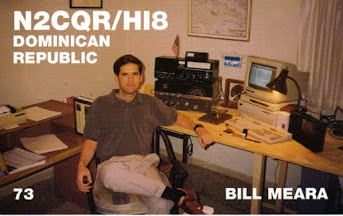
If you look closely, just in front of my keyboard you can see the Michigan Mighty Mite that I rebuilt this morning (scroll down to see the previous post). Looks like I was using a polivaricon as the capacitor. Other than the cap, all the parts used in this 2014 version were from the 1993 effort. Here is how it is described in “SolderSmoke — Global Adventures in Wirless Electronics”:

I decided to start off slow, with small projects that seemed likely to succeed. The secretary in our office in the Embassy, Mady Bullen, had an interest in ham radio that had been sparked by service in far-off places where short-wave was the only way to talk to home. She would pass me old issues of CQ magazine. It was in the March 1992 issue that I found the Michigan Mighty Mite.
It was originated by Ed Knoll, W3FQJ and developed by Tom Jurgens, KY8I. It is about as simple as you can get in a radio transmitter: just one stage, a crystal controlled oscillator.
An oscillator is basically an amplifier in which some of the output signal is fed back into the input. If you provide enough feedback in the right way, the amplifier will “take off” and begin generating a signal. The howl you hear when the microphone of public address system gets too close to the speaker is this kind of signal. The speaker (the output) is sending energy back to the input (the microphone) and what was an amplifier turns (annoyingly) into an oscillator. In this case it is an audio frequency oscillator because all the filters and tuned circuits in the PA system are built for the audible frequencies. But the same thing will happen at radio frequencies. That’s what the Michigan Mighty Mite is all about.
I put the thing together using parts obtained from the Santo Domingo Radio Shack store. The resonant circuit used a coil that was just some wire wound around a discarded plastic 35mm film container. Homebrew radio projects rarely work the first time you power them up. I had to fidget with this thing quite a bit—obviously there wasn’t enough feedback. I had my Drake 2-B on and tuned to the crystal’s frequency. As I poked around on the little circuit board, I suddenly heard a little chirp from the 2-B. There it was! The little device that I had put together was producing radio frequency energy on the 40 meter band. Hooray! The joy of oscillation! Now I felt like I was truly in league with Faraday and Marconi, with Shep, Stan and Bollis, and with Serge! Hilmar would have been proud of me (but he still would have been horrified by my sloppy wiring).

I never was able to talk to anyone with that little device—the power output was very low, and my antenna for the 40 meter band was very poor. But it didn’t really matter. I had had my first real success at homebrewing a piece of ham radio gear.

Our book: “SolderSmoke — Global Adventures in Wireless Electronics” http://soldersmoke.com/book.htm Our coffee mugs, T-Shirts, bumper stickers: http://www.cafepress.com/SolderSmoke Our Book Store: http://astore.amazon.com/contracross-20
Author Peter MarksPosted on 28 November 201421 July 2025Categories Dominican Republic, Knack Stories, Michigan Mighty Mite, minimalist radioLeave a comment on Bill’s Dominican Mighty Mite (1993)

FINALLY! A Computer Made with Discrete Transistors!

FINALLY!  A Computer Made with Discrete Transistors!

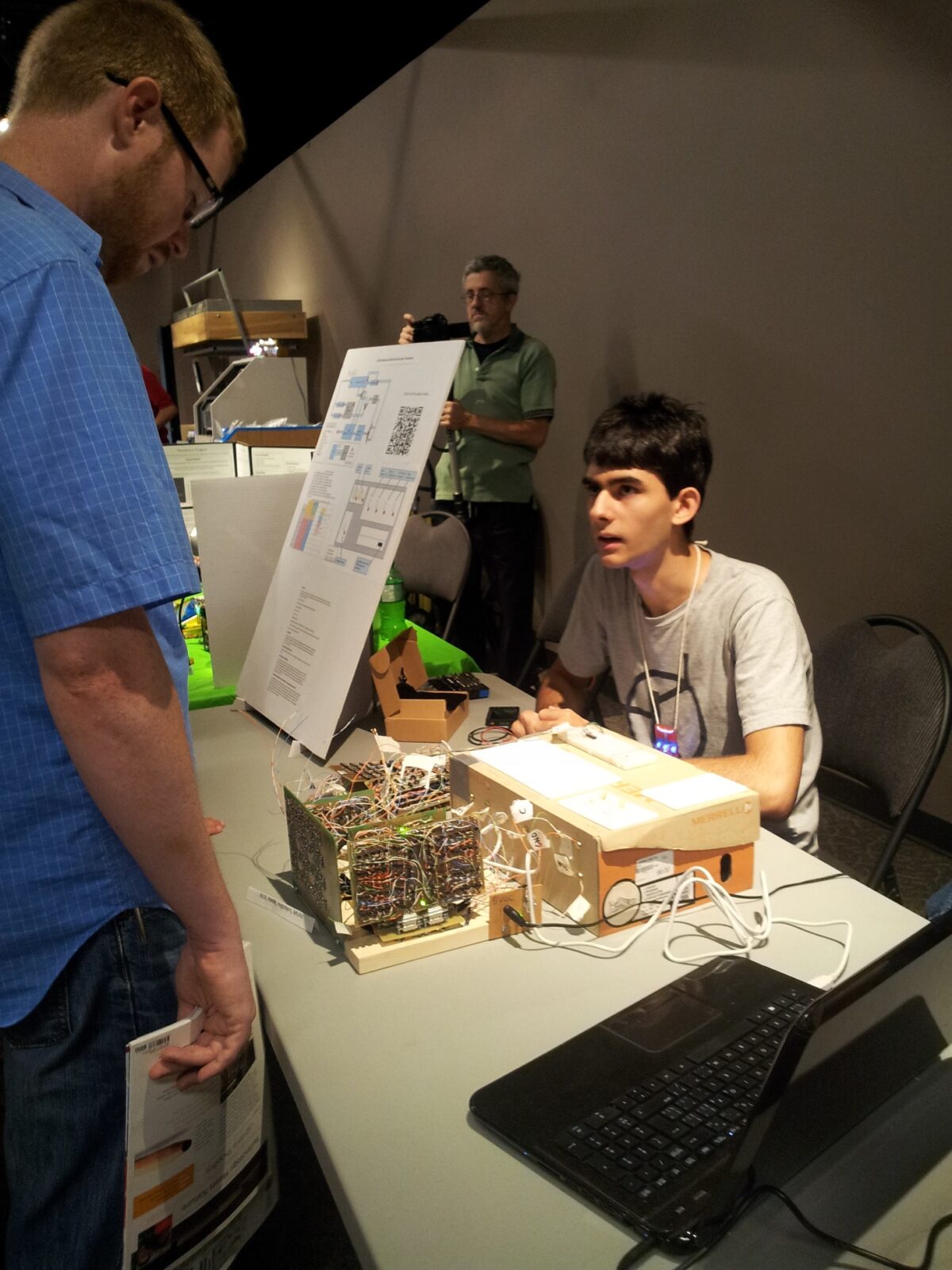
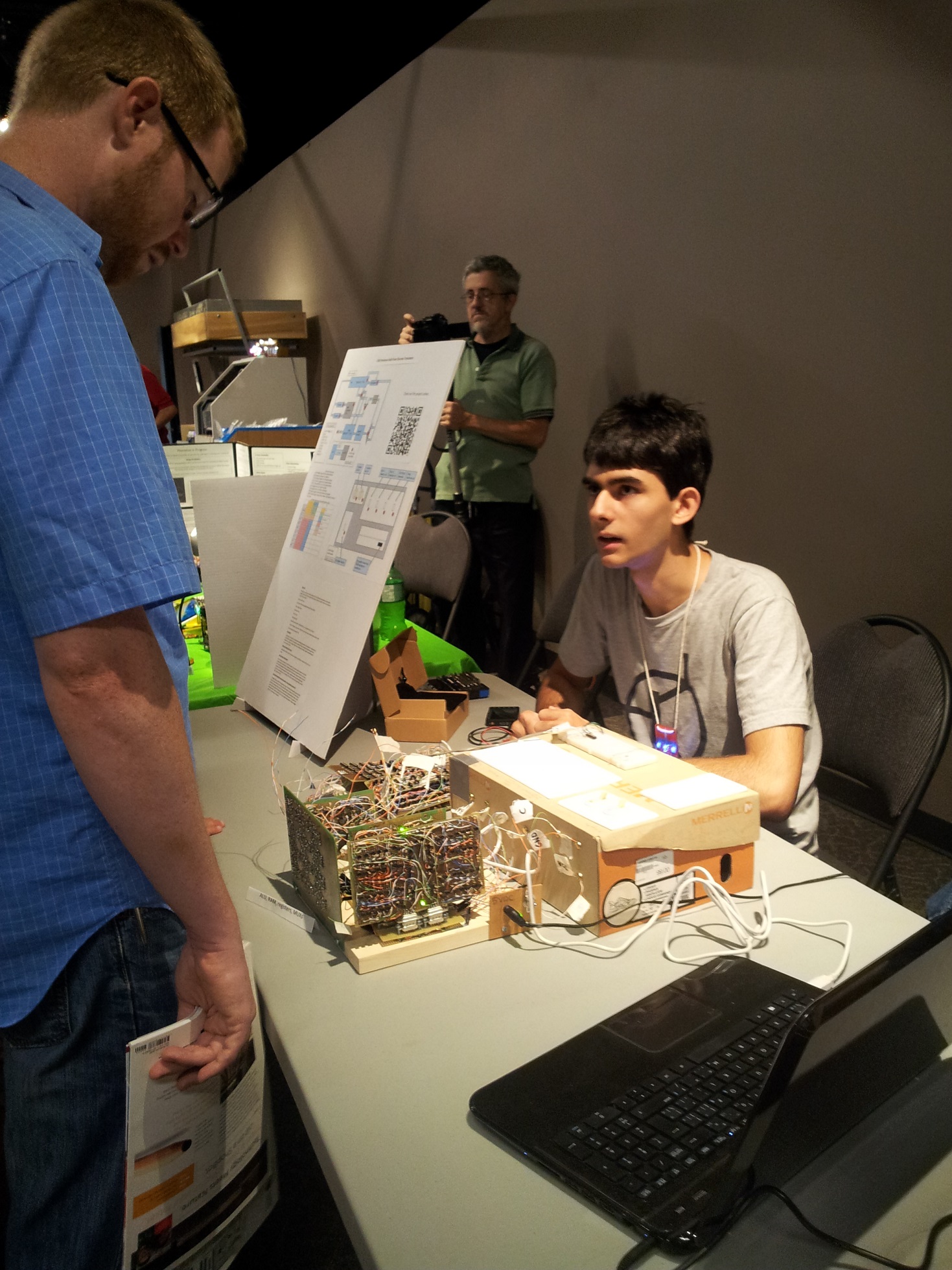
Note the discrete BJT transistor T-shirt. Note the haunted, obsessed look in his eyes. This fellow is building a computer out of discrete transistors. He clearly has The Knack.
http://hackaday.com/2014/11/22/a-4-bit-computer-from-discrete-transistors/

Our book: “SolderSmoke — Global Adventures in Wireless Electronics” http://soldersmoke.com/book.htm Our coffee mugs, T-Shirts, bumper stickers: http://www.cafepress.com/SolderSmoke Our Book Store: http://astore.amazon.com/contracross-20
Author Peter MarksPosted on 25 November 201422 July 2025Categories computer history, Knack Stories, minimalist computingLeave a comment on FINALLY! A Computer Made with Discrete Transistors!

SolderSmoke Podcast #167: Arduinos, Amplifiers, Books, and Tribal Knowledge

SolderSmoke Podcast #167: Arduinos, Amplifiers, Books, and Tribal Knowledge

SolderSmoke Podcast #167 is available:

http://soldersmoke.com/soldersmoke167.mp3

3 November 2014
Who the heck is Giovanni Manzoni?
Pete’s Bench Report:
“Let’s Build Something” Project
Arduinos and Si5351s
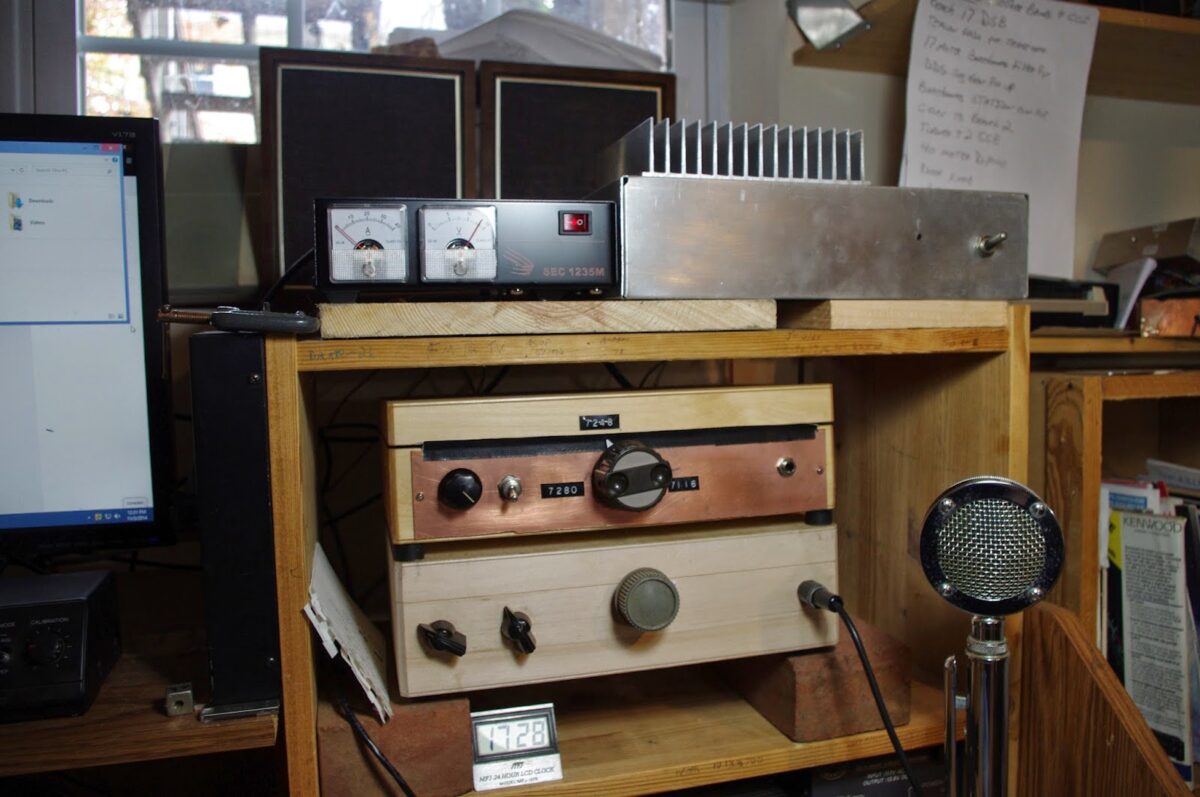
Bill’s Bench Report: 140 watt Amplifier Completed!
Low Pass Filter Design with the ELSIE Program
Samlex Power Supply
How I almost blew it up!
The new amp and the lids in the FT4TA pileup
Tribal Knowledge!
“Nature abhors a vacuum (tube)!” “The Innovators” by Walter Isaacson.
Carter, WA9DNF, REALLY knows which end of the soldering iron to grab!
Meeting with Thomas, KK6AHT. The two electronic cultures.
Interviews by Chris, KD4PBJ, at Two Days in Huntsville:
Glen Popiel, KW5GP, Author of “Arduino for Ham Radio”
John Henry of TenTec
Steve, WG0AT


Giovanni Manzoni
Giovanni Manzoni b. circa 1950 Civatavecchia, Lazio, Italy is a noted videographer specializing in the avante garde use of YouTube in ham radio homebrew settings. Long noted for his insistence on the use of completely home-made video equipment, Manzoni went so far as to demand that his cameras and recorders only use discrete components — he claimed that integrated circuits “freaked him out.” Manzoni’s collaborators have long been puzzled by his claim that all his videos are filmed “on location.” What he means by this remains unclear, however, in a 1997 interview in QST-Italia, he was quoted as saying “No matter where you go, there you are!”

Our book: “SolderSmoke — Global Adventures in Wireless Electronics” http://soldersmoke.com/book.htm Our coffee mugs, T-Shirts, bumper stickers: http://www.cafepress.com/SolderSmoke Our Book Store: http://astore.amazon.com/contracross-20
Author Peter MarksPosted on 3 November 201421 July 2025Categories Arduino, hamfest, Knack Stories, SolderSmoke Podcast3 Comments on SolderSmoke Podcast #167: Arduinos, Amplifiers, Books, and Tribal Knowledge

Mailbag: Coils Wound Backwards, Last QSO 1981, Visions of Transistors Keeping Him Awake. Paul has THE KNACK


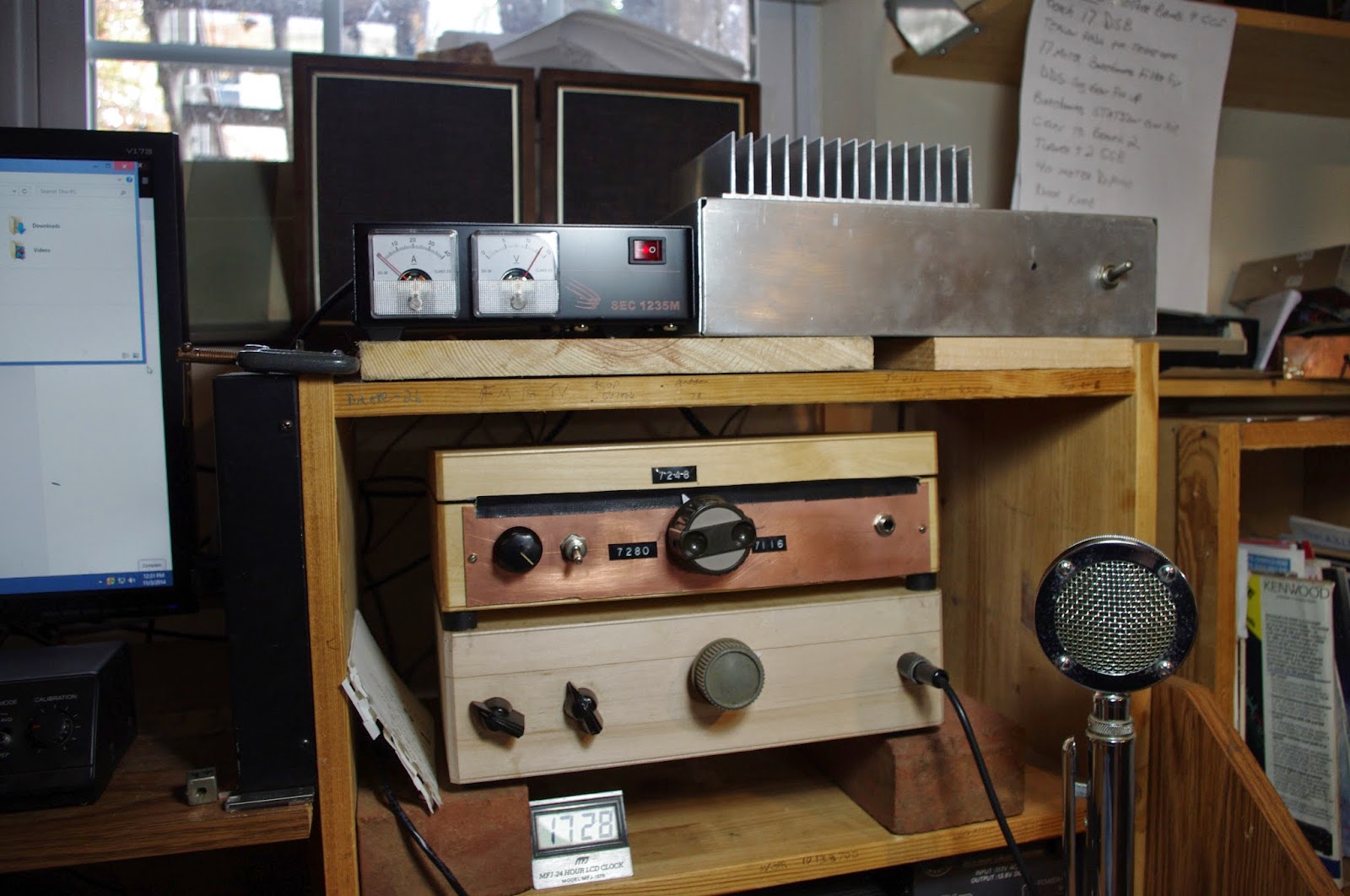
http://www.pan-tex.net/usr/r/receivers/ra01000a.htm

Hi Bill

I’m just getting back into ham radio after 33 years (last QSO: 1981),
want to do it all through homebrew, seem to have the same mindset as
guys like you and Frank K0IYE, bought your book [love it and Frank’s],
and just “discovered” the Soldersmoke podcasts. I’ve been listening to
them with one ear as I bike to and from work (about 40 minutes each way, so it’s almost perfect). I’m employed as a digital geek, but yearn for the days of DeMaw’s prime (worked him once when he was W1CER), when the 40673 ruled. I’m very glad that, 40 years later, people like Farhan can weave discrete analog wonders, even if they later choose to use digital *control* (NOT DSP! No!).

I had to start somewhere with your podcasts archive, so I started with
2014 and really enjoyed your struggles with the Herring-Aid 5. My 1st
receiver was the “DC 80-10” by DeMaw from somewhere around 1970 in QST or the Handbook — used a CA3028 as the product detector — and I had similar struggles. While listening to it, I immediately thought “you wound the feedback coil backwards, you idiot!”

I got my license back in March 2014 and want very badly to get back on
the air with a homebrewed, or at least minimally-kitted, station. I’ve
built the receiver: David White’s (WN5Y) Beginner’s and Experimenters
receiver[1] heavily modified, have a long wire antenna up, a decent RF
ground, and all the parts I need for QRP z-match tuner, swr meter, T/R
switch, sidetone, and IRF510-based transmitter. Target: 40m CW by the middle of December, 30m in the couple of months after that with a
fully-Manhattan-style Barebones Superhet and another IRF510
transmitter. Then one of these BitX things. It’s been a couple of
decades since I felt that there weren’t enough hours in the day. Some
nights I can’t sleep, what with all these transistors and simple analog
ICs whirling around…

Anyway, keep it up, I’ll be listening.

— Paul Lender, AD0HQ

[1] I built an Arduino/AD9850 DDS — a la AD7C — and used it to tune a
4-crystal filter (10-cent crystals from Tayda!) for the receiver with
the same Rigol scope that you use. I tried, really tried, to do it with
an analog RF signal generator. Change is good. Change is good.

Our book: “SolderSmoke — Global Adventures in Wireless Electronics” http://soldersmoke.com/book.htm Our coffee mugs, T-Shirts, bumper stickers: http://www.cafepress.com/SolderSmoke Our Book Store: http://astore.amazon.com/contracross-20
Author Peter MarksPosted on 28 October 2014Categories DeMaw--Doug, Farhan, Knack Stories1 Comment on Mailbag: Coils Wound Backwards, Last QSO 1981, Visions of Transistors Keeping Him Awake. Paul has THE KNACK

Spark Forever! Pete’s First Transmitter

Spark Forever!  Pete’s First Transmitter

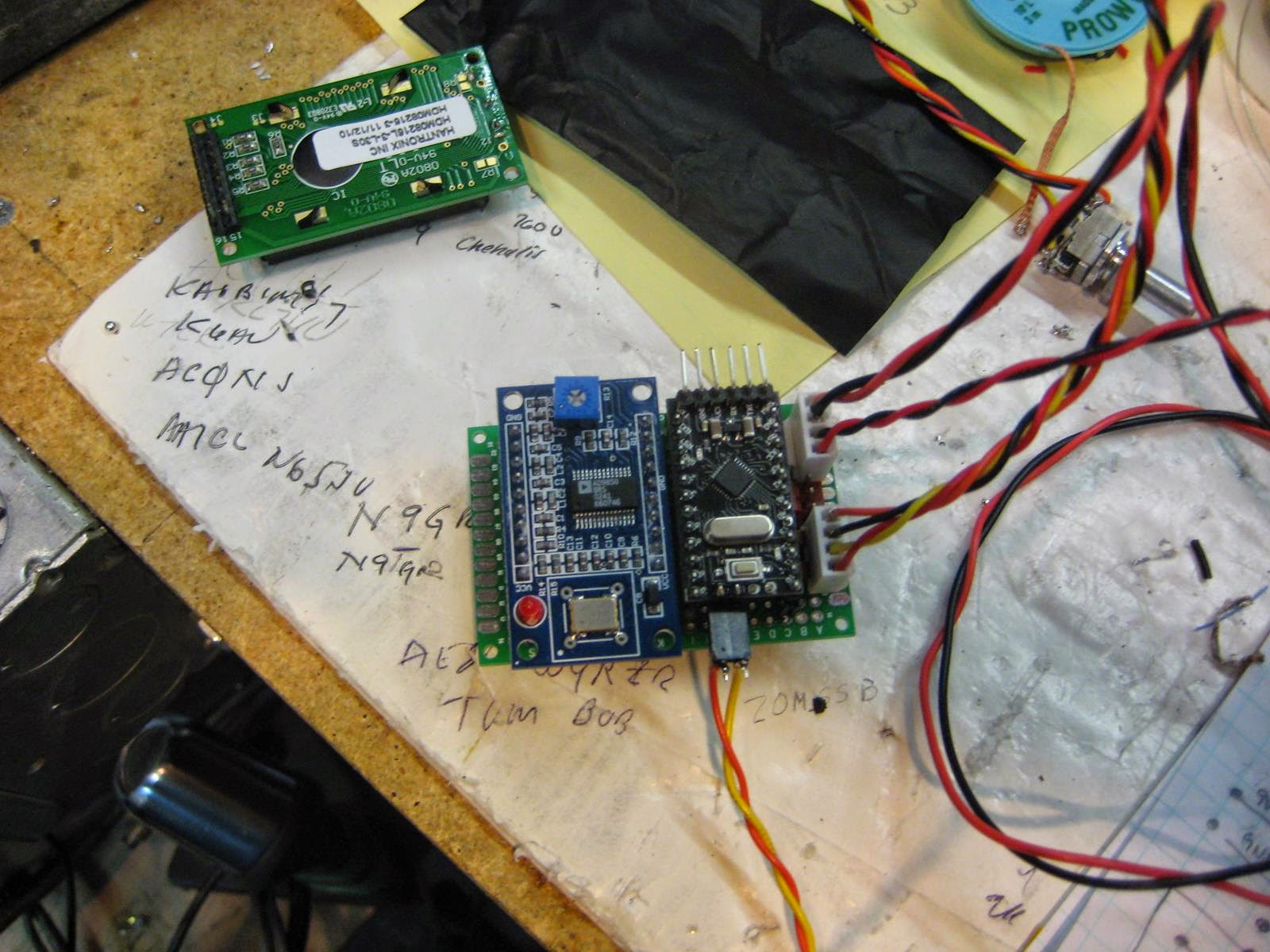
The SolderSmoke legal team (we too use Dewey, Cheetham & Howe!) has advised us to be very careful about divulging the details on this rig. They are not sure about the statute of limitations. Beyond what he said on the podcast, all Pete will say is that TOOBs were involved: 1S4, 3S4, 3Q4, 3Q5, 3V4s. He says power out was ALWAYS less than 100 mw ERP. That’s his story and he’s stinking to it.

Our book: “SolderSmoke — Global Adventures in Wireless Electronics” http://soldersmoke.com/book.htm Our coffee mugs, T-Shirts, bumper stickers: http://www.cafepress.com/SolderSmoke Our Book Store: http://astore.amazon.com/contracross-20
Author Peter MarksPosted on 25 October 201422 July 2025Categories Juliano -- Pete, Knack Stories, Old radio2 Comments on Spark Forever! Pete’s First Transmitter

Author Walter Isaacson was a Radio Amateur

Author Walter Isaacson was a Radio Amateur

This is the guy who wrote the biographies of Einstein, Steve Jobs, and Ben Franklin that I’ve been talking about on the podcast. President of the Aspen Institutes, former Chairman of CNN and editor of Time Magazine. And, as I learned today, a former ham radio operator. In his new book, “The Innovators,” he writes:

“My father and uncles were electrical engineers, and like many of the characters in this book, I grew up with a basement workshop that had circuit boards to be soldered, radios to be opened, tubes to be tested, and boxes of transistors and resistors to be sorted and deployed. As an electronics geek who loved Heathkits and ham radios (WA5JTP) I can remember when vacuum tubes gave way to transistors.”

When I told Billy about this, he said, “No wonder you like his books so much!” Indeed. Walter has THE KNACK. I’m enjoying his book, “The Innovators.”

Our book: “SolderSmoke — Global Adventures in Wireless Electronics” http://soldersmoke.com/book.htm Our coffee mugs, T-Shirts, bumper stickers: http://www.cafepress.com/SolderSmoke Our Book Store: http://astore.amazon.com/contracross-20

Author Peter MarksPosted on 17 October 201421 July 2025Categories books, Knack StoriesLeave a comment on Author Walter Isaacson was a Radio Amateur

Hacker with The Knack Does Well, Working for JPL

Wow. This guy has a really inspirational Knack story. He welded (with coat hangers!) a sidecar onto his bike when he was a kid. He majored in Physics and Theater. He did all kinds of hardware and software hacks. He plays a Theravin in a band. He now flies spacecraft for the Jet Propulsion Laboratory.

And Congratulations to Peter Parker, VK3YE, for having one of his ingenious hacks picked up by Hackaday:
http://hackaday.com/2014/10/06/dusty-junk-bin-downconverter-receives-fm-on-an-am-radio/

Thanks Hackaday! And Happy Tenth Birthday to You!

Our book: “SolderSmoke — Global Adventures in Wireless Electronics” http://soldersmoke.com/book.htm Our coffee mugs, T-Shirts, bumper stickers: http://www.cafepress.com/SolderSmoke Our Book Store: http://astore.amazon.com/contracross-20
Author Peter MarksPosted on 10 October 2014Categories Knack Stories, Parker--Peter, space programLeave a comment on Hacker with The Knack Does Well, Working for JPL

Jim, WB5UDE’s Knack Story

Jim, WB5UDE’s Knack Story
Hi Bill! …
Of all the Amateur Radio related podcasts I’ve sampled, SolderSmoke has
been my favorite. The reason is because of the passion you (and Mike,
too, in the beginning) bring to us each and every episode. I’ve been
passionate about radio since I was 10 years old, and electronics in
general since I was about 8. Many of the other podcasts seem to lack
this quality, or worse, try to have a “how to do things in Amateur Radio
the right way” focus. I suppose their thinking is that hams listen to
podcasts to learn, so they assume their job is to tell someone how to
get started doing this or that. However, the result often comes off
being preachy– that there is a Right Way to do things, and that it’s
important to do things that way, so they’ll work out best. That’s not
what Amateur Radio is about! Amateur Radio is about doing something
because you’re passionate about it. Even where your own passions are
concerned (e.g. individual analog components, no chips!) you acknowledge
that the other approaches are equally valid, and that we should all
do what we enjoy. You’re not shy about branching off into your other
technological passions, about space, RC aircraft, etc., which as you
rightly observe, so many of us have in common.
We share a passion for learning and understanding about radio/electronics.
Where we differ is in the depth of understanding we crave. Actually,
I have experienced enough of that desire for total understanding to know
exactly what you’re talking about, but I’m usually content without it.
I realized back when I was a teenager that some things would click for me
right away, and some others, I’d always struggle with. I made peace with
that very early. Still, I have wondered more than I could find ultimately
adequate explanations for about things like, OK…exactly what ARE these
radio waves? More often, though, I am content to gain a sufficient depth
of understanding that I feel comfortable knowing how I might achieve a
particular thing. I have great sympathy for your struggle with “holes” in
transistor theory. That actually clicked for me, but not immediately–I
had to chew on it just a bit, but then it did gel. If that “?” floating
over my head had refused to disappear, I might have found that a little
frustrating. But to me, the really frustrating thing is that books so
often begin by talking about electrons and holes and depletion zones and
so forth. I have found that a much simpler explanation is sufficient
for my tastes–I’m content to understand that there are N-doped and
P-doped sections, and that this allows the silicon to control current
in a certain way. Knowing how we arrange the electronics around a
transistor to get it to behave in its own useful way in a circuit is
really all I’ve ever cared to know. And furthermore!… I’d rather
have the whole presentation be top-down…I’d rather start with what a
transmitter and receiver are, and what their stages are, and what kind of
circuits go into those stages, then eventually, down to what components
make up those circuits. It’s all a natural progression, for me, of, “OK,
I understand that–now, how exactly does that part work? Give me more
details, please.” The whole thing of just learn all these fundamentals,
and we promise we’ll eventually tie them together into something useful
doesn’t work well for me as a way to learn. Worse than that, it doesn’t
thrill me to the core the way gaining a gradually deeper and deeper
understanding does, as I drill down into more and more detail about
things I’ve caught an interest in, and remain content with a shallower,
surface knowledge of things I just want to know well enough to use,
when I need them. So, I don’t have the same burning desire to get down
to the bottom foundation in first principles all around that you do,
but I do love to learn, and understand.
I got my start in electronics when I was eight years old, and read a
book my parents had bought me about electricity. I suddenly realized
that things like flashlights and motors didn’t have to be a strange
mystery, but were things I could understand, and even try for myself.
I began reading everything I could find at school about electricity.
Meanwhile, over the next couple of years, I began appreciating music.
Reproducing music was something very special that electronics could do.
Even more special, radio electronics could bring you this music from
far away. That whole combination, bringing communication from far away,
including things I found enjoyable, and doing it with this wonderful
magic of electricity, which it was possible to actually understand, was
(and still is to this day) quite thrilling.
When I was ten years old, I realized that, lo and behold, it would
actually be feasible for the amount of money my parents would be able
to spend for a Christmas present, to buy a pair of toy walkie- talkies.
I set a new level of obnoxiousness leaving the catalog open to the
page with the walkie-talkies, and finally, just flat out telling them
that’s what I wanted. I then exceeded that level of obnoxiousness when,
I’m ashamed to say, I absolutely chewed them out when they didn’t take
the hint. Instead, I got a tape recorder. I actually enjoyed that, too,
but continued to campaign for the walkie-talkies, and when I still wanted
them a year later, my parents decided I meant it, and bought them for me.
(My dad knew a thing or two about radio himself, and my mother later
told me that my dad had been concerned that the walkie-talkies would be
fragile, would perform poorly, would chew up batteries like you couldn’t
imagine, and would have a very disappointingly limited range. He was
right about all those things, but it turned out I was right, too–in spite
of all that, I loved those walkie-talkies as much as I’d known I would.)
Meanwhile, I got a 100-in-1 electronics set for my birthday. My parents
had wanted to find one that was about individual components, but all
they could find was one that was based on projects using a pre-built
audio amplifier, radio receiver, speakers, and battery holders. Its only
component-based aspect was an apparent afterthought, an AM BCB transmitter
built on a cardboard circuit board. This was really a bit too “appliancy”
for me–I would rather have been learning how to make components work–but
I still learned a lot from that. I also bought an AM clock radio for
less than a dollar at a garage sale. It didn’t work very well, but this
was really good, because I learned that I could make it work much better
by wrapping a few turns of wire around its built-in loop antenna, and
attach that to various antennas I got to experiment with. Months later,
I found a very nice tube-type AM/FM Zenith table radio at another garage
sale, and bought it for $5. That radio went home with me strapped to
the back of my bicycle, then went on the bookshelf on the headboard of
my bed. I learned to work its knobs backwards, reaching behind my head.
I listened to AM radio stations from all over the US until all hours of
the night, and my addiction to radio grew even deeper roots.
Then, when I was 13, I found a Zenith Transoceanic portable at a
garage sale, for $15. I raced my bicycle home as fast as I could.
(This radio was a little too big for the bicycle.) I got my mother to
drive me back there (urging her to hurry! before someone else bought it),
and brought that one home…. then spent that whole evening driving my
parents nuts by running into the room where they were every few minutes,
excitedly exclaiming something like, “and NOW I’m getting a station from
GERMANY!” and then running back to see what I could get next. Of course,
I had even more fun with it after I put a decent outdoor antenna up.
When I was 16, I finally met an Amateur Radio operator. I’d read an
ARRL book about becoming a ham, and building one’s own station, but the
books were a little expensive, and I wasn’t sure how to go about it all.
Pat Barge, WB5OEB, about one year older than me, had earned his license
about a year before, and was eager to pass along the favor of showing
the ropes. I got to listen as he operated his station, and he told
me which books would give me the specific knowledge I’d need to pass
the tests. I was 17 when I got my first license.
While I was learning what I’d need to get my first license, I got my
next great receiver–this time, an RAL-7 regenerative receiver. You and
I very much see regenerative receivers differently, but then, I had
the pleasure of learning on the best regenerative receiver ever made.
Back in those early days, I’d sometimes hear the opinion that the RAL-7
was not merely the best regenerative receiver ever, but the best receiver
ever, period. I think all those old-timers have died off, though.
I’ve enjoyed building a bit over the years, too. I haven’t found nearly
as much time for it in my adult years, so I think to this day, about
half of my building was done as a teenager. I haven’t done anything
impressive, but I have made contacts using things I’ve built myself, and
what a thrill that is! I’ve built more than a dozen projects (but fewer
than two dozen). The most fun I’ve had was several years ago, following
the advice of a post to the Glowbugs list, I began experimenting with
crystal radios, then slowly began to ramp the circuits up, adding tube
amplifiers, tuned circuits, etc. My favorite successful project was
a SWL converter to feed a car radio. I built a doubly balanced diode
ring mixer and a crystal oscillator. I used a 3-gang air variable
as the foundation for a 3-stage front end filter. I had an 8.x MHz
crystal that put signals from (depending on where I tuned that 3-gang
air variable) either the 49 m or 31 m shortwave broadcast bands in the
tunable IF provided by the AM car radio, which fed a nice 3-way speaker
from a stereo, for the most beautiful sounding SWL listening of my life.
Like all my projects at that phase, it never left the breadboard stage,
but it stayed on the breadboard for a long time, while I paused in my
building to enjoy listening for a while.
I serve as one of the net control stations for a local two meter FM net
that meets weekly to discuss technical topics. We got our start back
before most folks had Internet access, and served a very useful role as
the place where hams who had a problem to solve or wanted to ask how to
get started in a new phase of Amateur Radio could come and get answers to
their questions and ideas about how to do things. In these days where
it’s easier to Google for answers, we’ve morphed into more of a general
discussion session among a small, dedicated group, but it’s still a lot
of fun. It gives me a chance to do what I enjoy the most consistently
in Amateur Radio, which is to understand, talk about and explain things.
In fact, that’s often all I find time for. Other than the weekly net,
I sometimes go a long time without actually getting on the air.
When I do get on the air on HF, it’s almost always CW. I’ve always
struggled with Morse, which has never come easy to me, but I enjoy it.
Every time I return to HF after having been away for a while, I think,
“This time, I’m going to do some SSB” but every time I actually sit down,
I think, “But tonight, I’m going to do CW.” I can’t explain why I like
it better, but it just seems to me to be a particularly special part of
the magic of radio.
Before closing, I’d like to finish by responding to something you
mentioned in episode 162. You told about a member of the audience at a
talk you gave, who was asking about how much time it had taken you to
build a particular radio, seeming to suggest there was a price to pay
by investing all that time. I love to explain to people that there is
a whole different economics to Amateur Radio. In my professional life
in IT, I’m always promoting the idea that we should deploy and install
systems so that we will expect them to work trouble free throughout
their anticipated lifespan. People balk at the expense of doing it
that way, but it’s my job to remind them that the cost of having it
fail, in lost productivity, is far greater than the expense of doing
it right in the first place, not to mention the fact that coming along
later and remediating an inadequate deployment usually costs more than
it cost to do it wrong the first time, let alone the incremental cost of
doing it right. Similar ideas prevail with radio. We see professional
radio installations where many thousands of dollars are spent doing
things that we hams rarely even consider. For many of us [raises hand]
we must do Amateur Radio out of a meager budget for entertainment,
or not at all. But even more importantly, if we enjoy doing these
things, then the time spent laboring at our projects–transmitters,
receivers, antennas, etc.–is not a liability at all; it is an asset!
If assembling a kit, or planning and building some unique project, or
putting up a different antenna every six months, is something we truly
enjoy–even LOVE doing–then that time spent is no hardship at all.
Thanks, Bill, for the time and effort you put into providing us with
an episode of SolderSmoke from time to time. All my life, I’d wished
for TV and radio shows about Amateur Radio, and now, they’re finally at
my fingertips. Your gift to the hobby is deeply appreciated.
73,
Jim WB5UDE

Author Peter MarksPosted on 9 August 201421 July 2025Categories Knack Stories2 Comments on Jim, WB5UDE’s Knack Story

Crazy Joe May Have THE KNACK

Crazy Joe May Have THE KNACK

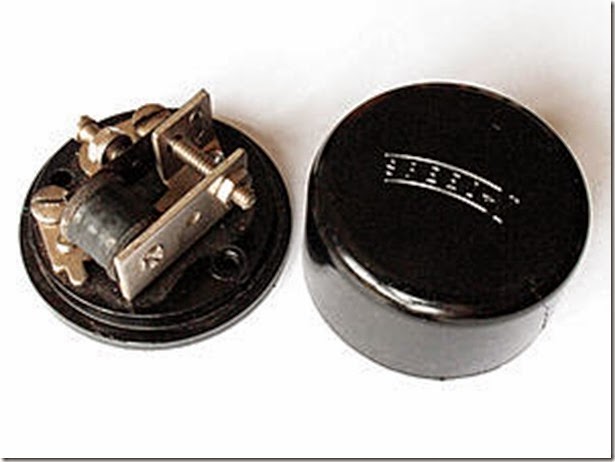
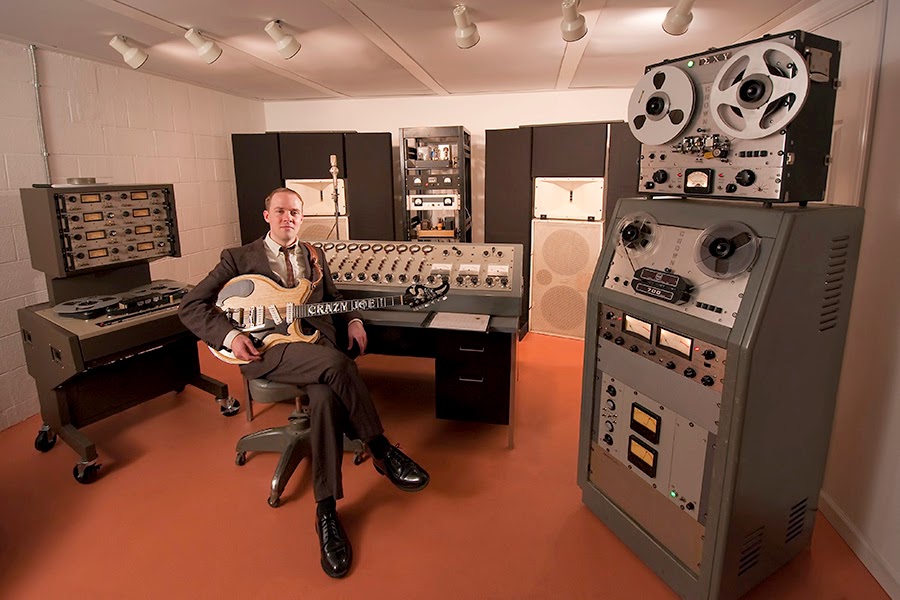
http://www.crazyjoe.org/studio.html

Check out Joe’s VERY long-running audio studio project. It appears to be mostly appliance/commercial gear, but look closer and you will discover that most of it is homebrew.

Our book: “SolderSmoke — Global Adventures in Wireless Electronics” http://soldersmoke.com/book.htm Our coffee mugs, T-Shirts, bumper stickers: http://www.cafepress.com/SolderSmoke Our Book Store: http://astore.amazon.com/contracross-20
Author Peter MarksPosted on 13 July 201421 July 2025Categories Knack Stories, musicLeave a comment on Crazy Joe May Have THE KNACK

Clocks, CRTs, HV supplies: Eric has The Knack!

Nice interview by Jeri Ellsworth. This fellow definitely seems to have the Knack. At the end of the video he shows a high voltage supply that he is WEARING AROUND HIS NECK!

Here’s Eric’s site: http://tubetime.us/

Our book: “SolderSmoke — Global Adventures in Wireless Electronics” http://soldersmoke.com/book.htm Our coffee mugs, T-Shirts, bumper stickers: http://www.cafepress.com/SolderSmoke Our Book Store: http://astore.amazon.com/contracross-20

Author Peter MarksPosted on 21 April 2014Categories Ellsworth -- Jeri, Knack Stories, oscilloscope, Tubes, video1 Comment on Clocks, CRTs, HV supplies: Eric has The Knack!

38 Year HB Mystery Solved? Was it the phasing dots?

38 Year HB Mystery Solved?  Was it the phasing dots?

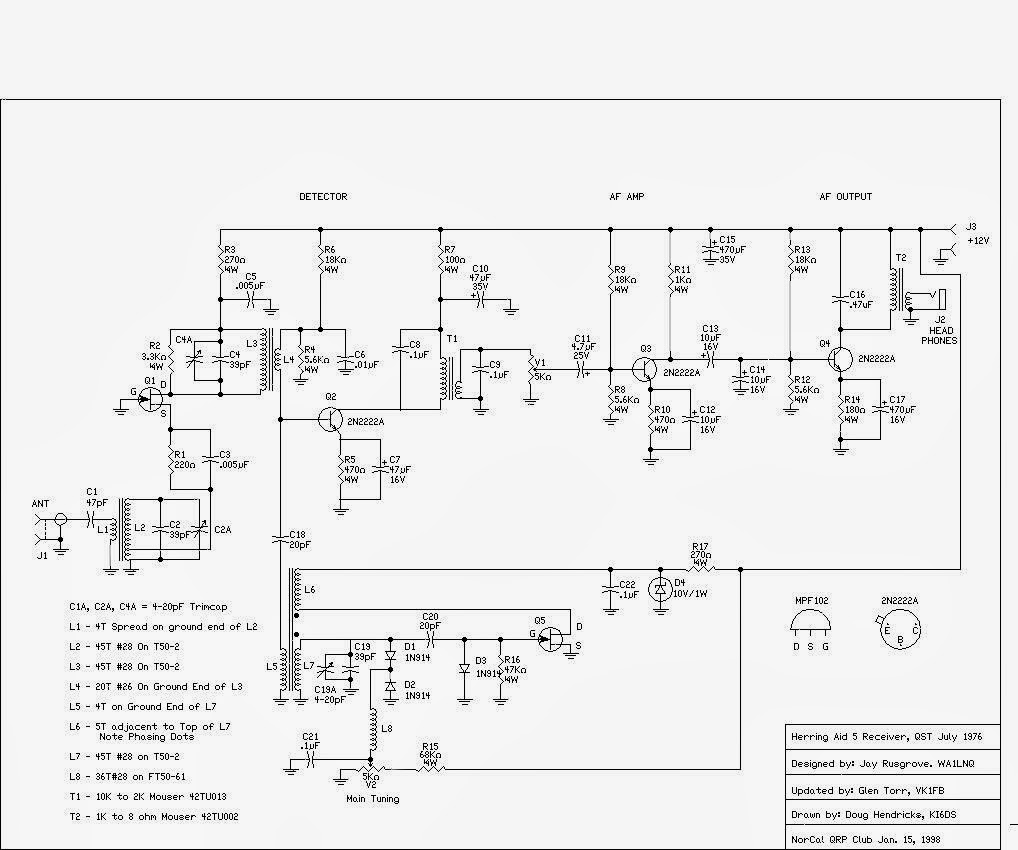
During the summer of 1976, at the age of 18, I made an audacious attempt to join the ranks of the true homebrewers. I tried to build a receiver. It was the Herring Aid 5 from the July 1976 issue of QST, a 40 meter Direct Conversion receiver intended for use with the famed Tuna Tin 2. As I have recounted (perhaps ad nauseum), I never got it to work. My recent encounter with the ORIGINAL Tuna Tin 2 (Mojo was transferred to my BITX17, and it definitely works better now) got me thinking about this painful experience. I decided to try again.

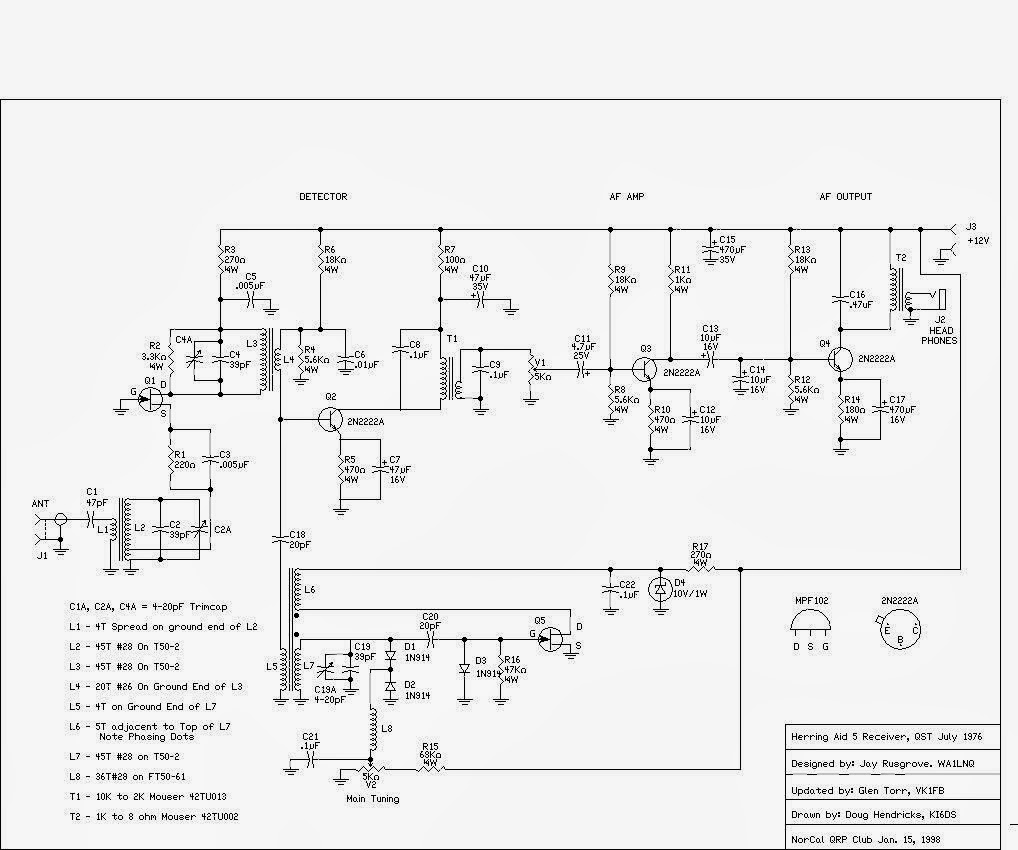
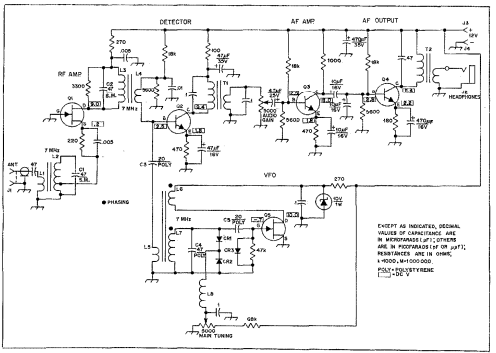
There is an updated NORCAL schematic for this rig. I found it (and some good articles) on the NJQRP club page. In the original, designer Jay Rusgrove, WA1LNQ, used only parts that could be found at Radio Shack stores. In the days before the internet and Mouser, this was a good idea. Instead of toroidal ferrite and iron powder coils, Jay built his coils around Radio Shack solonoidal 10 uH chokes.

The NORCAL version dispensed with the Radio Shack chokes, and used toroids. But I wanted to try to find out what went wrong 38 years ago. So I dug up some 10uH chokes.

I know that my problem was that I never got the oscillator working. I remember being able to hear signals with my “almost” receiver when I put my HT-37 in “CAL” mode and tuned through 40. I was so close! The Herring Aid was picking up RF from the HT-37 and using that in lieu of the LO energy that obviously wasn’t coming from my Herring Aid VFO. But WHY didn’t that oscillator work?

Today I started with the VFO. Again, it didn’t work! But now I have decades of troubleshooting experience under my belt. So I poked around a bit. Then I decided to look closely at the phasing.

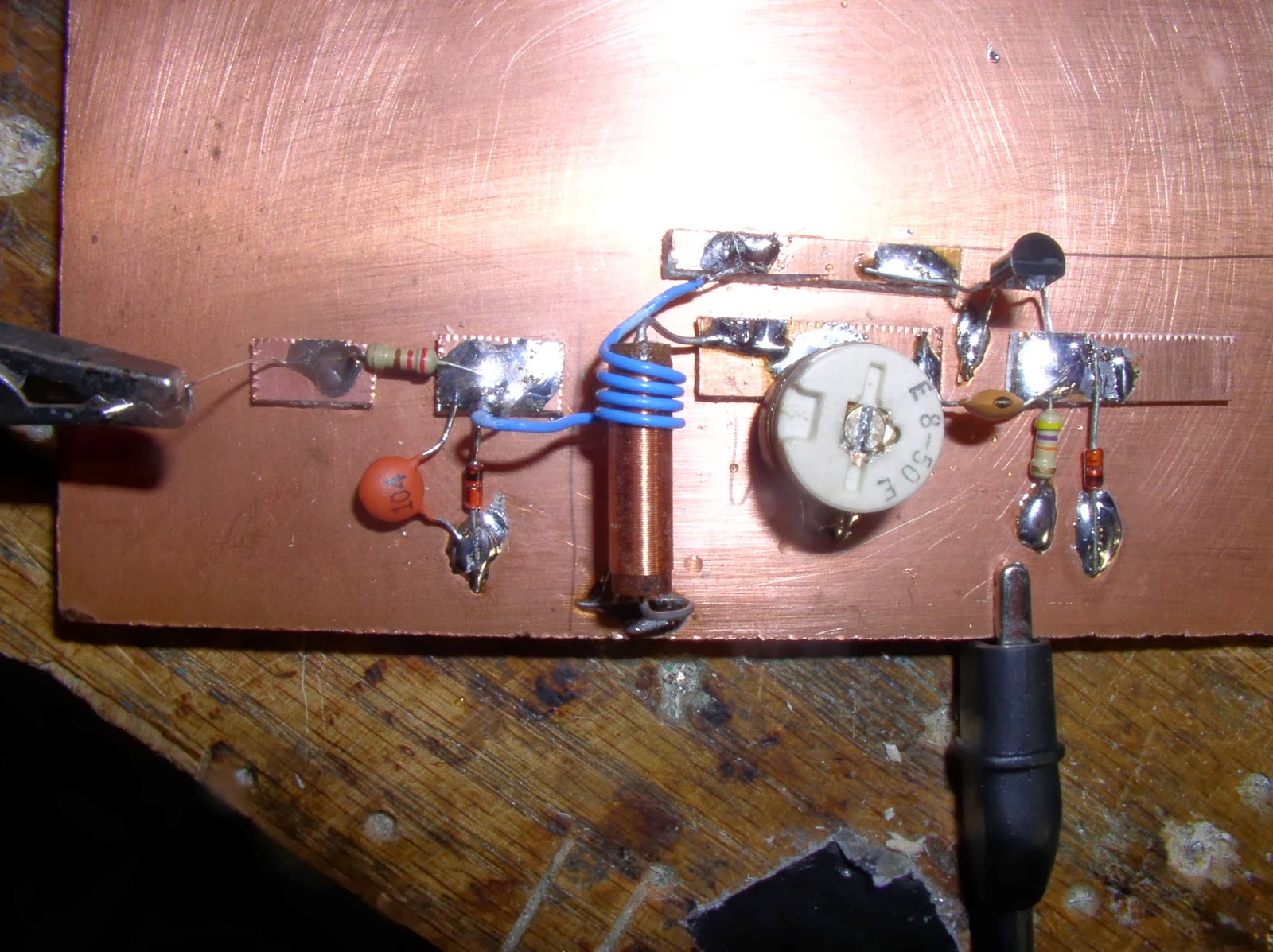
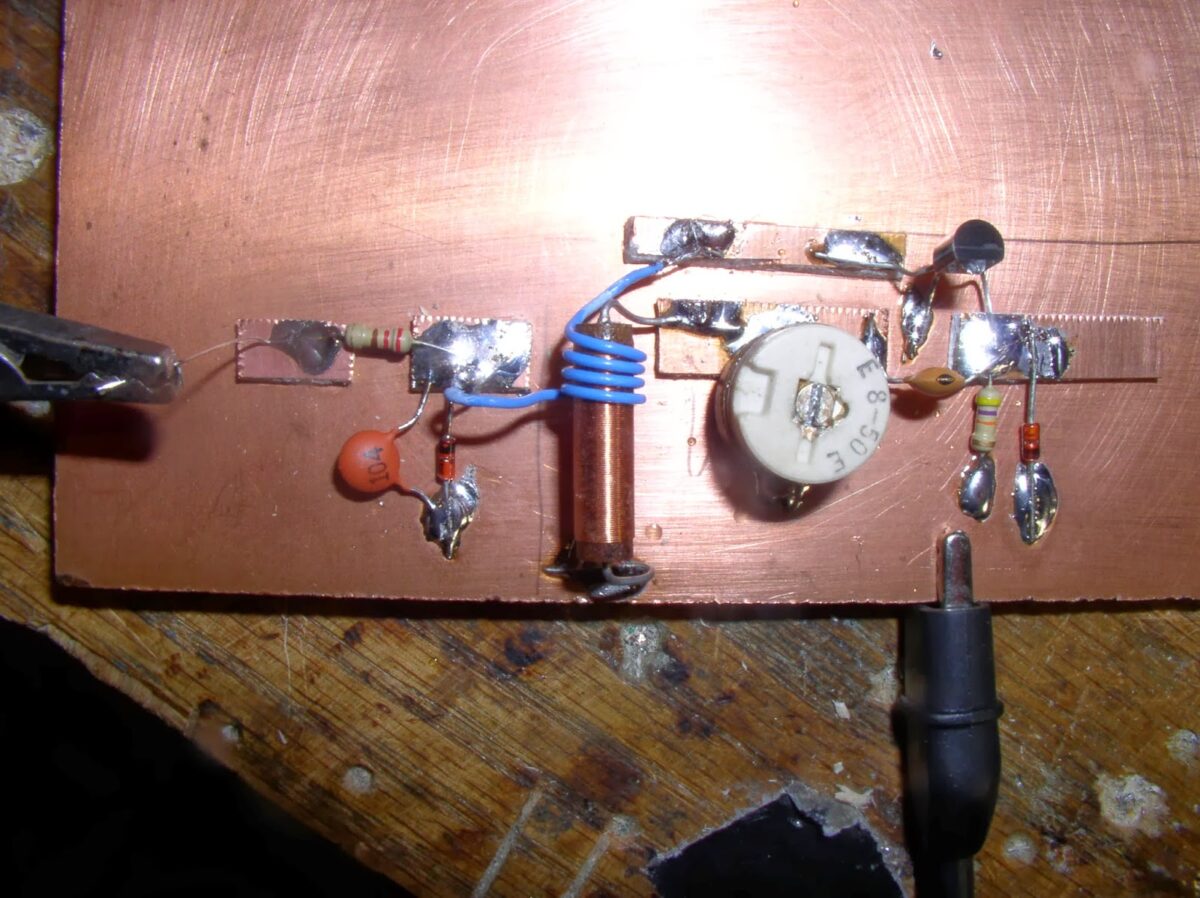
Take a look at the schematic(above) and the picture (below). L7 is the 10uH choke. L6 is 4 turns wound over it (or adjacent to it). Now, here is the key question: Look at the phasing dots. How would you guys connect those coils? For me, the schematic indicates that the TOP of L6 should go to the Zener and the BOTTOM of L6 should go to the drain of the JFET. The TOP of the choke should go over to C5, and BOTTOM of L6 should go to ground. Right? Or am I reading the phasing dots wrong?

Well, the oscillator was not oscillating in this configuration. Then I did something that I might not have known to try back in 1976: I reversed the phase of L6: I put the top of the coil to the Drain of the JFET and the bottom of the coil to the Zener. Bingo. The joy of oscillation. Now it works. (The picture below shows it as it is when the oscillator is working well.)

So, is there an error in that diagram? Was this not all my fault?

Aha! I just looked at the schematic of the NORCAL version. Check out the dots! I think that was the problem!

Our book: “SolderSmoke — Global Adventures in Wireless Electronics” http://soldersmoke.com/book.htm Our coffee mugs, T-Shirts, bumper stickers: http://www.cafepress.com/SolderSmoke Our Book Store: http://astore.amazon.com/contracross-20
Author Peter MarksPosted on 1 March 201421 July 2025Categories direct conversion, Hallicrafters, Herring Aid 5, Knack Stories, troubleshooting, Tuna Tin 21 Comment on 38 Year HB Mystery Solved? Was it the phasing dots?

Hamfest Presentation on SolderSmoke and BITX (Video)

Hamfest Presentation on SolderSmoke and BITX (Video)

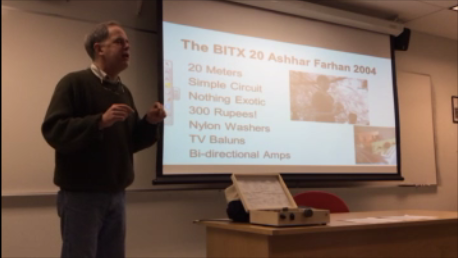
The Vienna Wireless Society of Northern Virginia asked me to give a talk at their 23 Feb 2014 hamfest. I spoke about homebrewing and the BITX transceivers. Click on the link below to watch the video. (Special thanks to Elisa for doing the video.)

https://vimeo.com/87725154

The Powerpoint slides are here:

http://soldersmoke.com/winterfest.pptx

For those who just want to listen podcast style, I will try to turn the audio into a podcast and will post it via the normal channels.

Our book: “SolderSmoke — Global Adventures in Wireless Electronics” http://soldersmoke.com/book.htm Our coffee mugs, T-Shirts, bumper stickers: http://www.cafepress.com/SolderSmoke Our Book Store: http://astore.amazon.com/contracross-20
Author Peter MarksPosted on 26 February 201422 July 2025Categories BITX20, Clubs, Hamfests and Flea Markets, Jean Shepherd, Knack Stories, video4 Comments on Hamfest Presentation on SolderSmoke and BITX (Video)

Renaissance Man Illustrator for Scientific American

Renaissance Man Illustrator for Scientific American

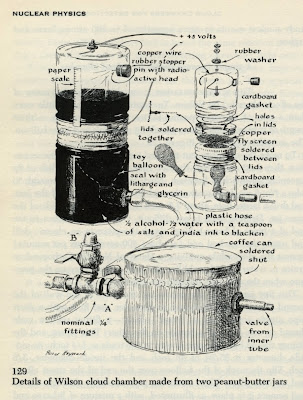
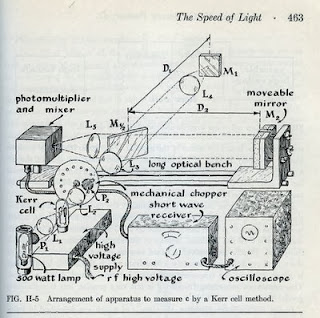
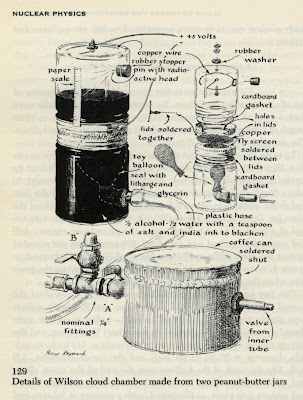
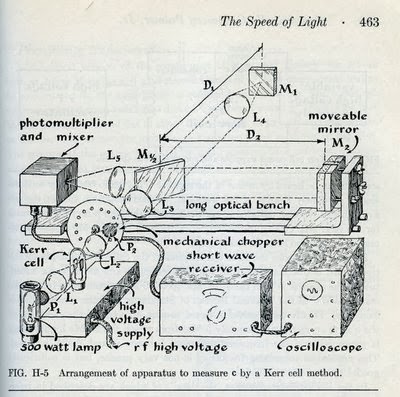
C.L. Stong wrote the “Amateur Scientist” column for Scientific American for many years. When I was a boy, my mom saved up to buy me the anthology of Strong’s columns. It had a big impression on me — I still have a copy on my shelf. I never gave much thought to the illustrations, but I now realize that they were responsible for much of the impact that that book had on me. The cloud chamber drawing was one of my favorites. Note the use of peanut-butter jars. Yea!

This morning an article on the Maker blog focused on the genius who did all those wonderful drawings: Roger Hayward (I wonder if there is any relation to Wes and Roger — all three are from Oregon and all three are technical geniuses.)

I found this very nice web site about Roger Hayward: http://scarc.library.oregonstate.edu/omeka/exhibits/show/hayward/introduction/introduction/
There are great illustrations in many places. For the Scientific American drawings go to the 1960s section.

And check out this one:

From: http://scarc.library.oregonstate.edu/omeka/items/show/4456

Our book: “SolderSmoke — Global Adventures in Wireless Electronics” http://soldersmoke.com/book.htm Our coffee mugs, T-Shirts, bumper stickers: http://www.cafepress.com/SolderSmoke Our Book Store: http://astore.amazon.com/contracross-20
Author Peter MarksPosted on 6 December 201321 July 2025Categories books, Knack Stories3 Comments on Renaissance Man Illustrator for Scientific American

Renaissance Man Illustrator for Scientific American

Renaissance Man Illustrator for Scientific American

C.L. Stong wrote the “Amateur Scientist” column for Scientific American for many years. When I was a boy, my mom saved up to buy me the anthology of Strong’s columns. It had a big impression on me — I still have a copy on my shelf. I never gave much thought to the illustrations, but I now realize that they were responsible for much of the impact that that book had on me. The cloud chamber drawing was one of my favorites. Note the use of peanut-butter jars. Yea!

This morning an article on the Maker blog focused on the genius who did all those wonderful drawings: Roger Hayward (I wonder if there is any relation to Wes and Roger — all three are from Oregon and all three are technical geniuses.)

I found this very nice web site about Roger Hayward: http://scarc.library.oregonstate.edu/omeka/exhibits/show/hayward/introduction/introduction/
There are great illustrations in many places. For the Scientific American drawings go to the 1960s section.

And check out this one:

From: http://scarc.library.oregonstate.edu/omeka/items/show/4456

Our book: “SolderSmoke — Global Adventures in Wireless Electronics” http://soldersmoke.com/book.htm Our coffee mugs, T-Shirts, bumper stickers: http://www.cafepress.com/SolderSmoke Our Book Store: http://astore.amazon.com/contracross-20
Author Peter MarksPosted on 6 December 201321 July 2025Categories books, Knack Stories3 Comments on Renaissance Man Illustrator for Scientific American

Posts pagination

Previous page Page 1 … Page 6 Page 7 Page 8 … Page 10 Next page

Recent Posts

  • One (of several) SolderSmoke Blog Backups: This one in .pdf form
  • Britain’s EF-50 Valve (Tube, Thermatron) in WWII
  • A USB-powered Homebrew X-ray machine. And who is Project 326?
  • How many of you guys have changed the clutch on a Heathkit HW-101 (or similar rig)?
  • Oscillation! Negative Resistance! Barkhausen Explained Very Well!

Recent Comments

  1. Peter Marks on Britain’s EF-50 Valve (Tube, Thermatron) in WWII
  2. WN2A on Oscillation! Negative Resistance! Barkhausen Explained Very Well!
  3. Anonymous on Oscillation! Negative Resistance! Barkhausen Explained Very Well!
  4. WN2A on Oscillation! Negative Resistance! Barkhausen Explained Very Well!
  5. Anonymous on Homebrew Hero: Sir Douglas Hall
  • "The Art of Electronics"
  • 10 meters
  • 12 meters
  • 15 Meters
  • 15-10 Transceiver
  • 160 meters
  • 17 meters
  • 1712 Rig
  • 2 meters
  • 20 meters
  • 20meters
  • 2200 and 630 meters
  • 30 meters
  • 40 meters
  • 6 meters
  • 60 meters
  • 75 meters
  • AA1TJ
  • AA7EE
  • Adams — Chuck
  • aeronautical mobile
  • Africa
  • AGC
  • AI
  • aircraft
  • Alaska
  • All American Five
  • AM
  • Amateur Television
  • amplifier theory
  • analog
  • Anguilla
  • Antarctica
  • antennas
  • Antuino
  • April 1
  • Arduino
  • arduinos
  • Argentina
  • Armstrong — Neil
  • Armstrong -E. Howard
  • ARRL
  • astronomy
  • audio amplifiers
  • Aurora
  • Australia
  • Austria
  • Azores
  • balloon
  • Bamford –Dave
  • Bangladesh
  • Barbados
  • beacon
  • Belgium
  • Beverage–Harold
  • bicycle
  • Billy
  • biology
  • bitx
  • BITX DIGI-TIA
  • BITX20
  • BITX40Module
  • BITX60
  • boatanchors
  • boats
  • book
  • books
  • Bose-JC
  • Botswana
  • Brazil
  • Brazil. Australia
  • Brazil. Belgium
  • broadcast radio
  • Budlong — Merrill
  • Burdick — Wayne
  • California
  • Campbell-Rick
  • Canada
  • Canary Islands
  • Carlson — Mr.
  • Carney-Todd
  • Carr — Joseph
  • cartoons
  • CB
  • CBLA
  • Cebik-L.B.
  • Central America
  • ceramic resonators
  • Chile
  • China
  • Cicadas
  • climate change
  • clocks
  • Cloud Chamber
  • Clubs
  • Collins — A. Frederick
  • Collins — Art
  • Colombia
  • computer history
  • construction techniques
  • Costa Rica
  • COVID
  • Crane-Bob
  • Croatia
  • crystal radio
  • Cuba
  • CW
  • CW.
  • Cyprus
  • Czech Republic
  • Darlington–Paul
  • DC Receiver Build
  • DC RX Hall of Fame
  • DDS
  • DeMaw–Doug
  • Denmark
  • DiFX
  • digital
  • digital logic
  • digital modes
  • Dilbert
  • direct conversion
  • Direct Conversion Challenge
  • Disaster Relief
  • Dobbs-George
  • Dominican Republic
  • Drake 2B
  • Drake TR-3
  • Drones
  • DSB
  • Dubai
  • DX-100
  • DX-390
  • DX-40
  • earthquake
  • Echolink
  • Ecuador
  • Edison — Thomas
  • Einstein — Albert
  • El Salvador
  • Elecraft
  • election
  • Electric Radio magazine
  • electrolytic capacitors
  • Ellsworth — Jeri
  • Elser-Mathes Cup
  • EM Waves
  • EME
  • Emergency Power
  • EMRFD
  • enclosures
  • ET-2
  • Europa
  • Evans– Grayson
  • Faraday — Michael
  • Farhan
  • Farnsworth–Philo
  • Faroe islands
  • FCC
  • FDIM
  • feedback
  • Fessenden — Reginald
  • Feynman — Richard
  • Field Day
  • Filters
  • Finland
  • Finnland
  • Fish Soup 10
  • Fishpool — Tony
  • Florida
  • FM
  • France
  • Franklin Oscillator
  • frequency counter
  • Fried–Limor
  • Friedrichs — HP
  • FT-8
  • Fusion
  • Gale — Todd
  • Germany
  • Gilbert Cell
  • Glue Sticks
  • Google
  • GQRP
  • greece
  • Green — Wayne
  • Guapo
  • Guatemala
  • Guth — Eric
  • h
  • Haiti
  • Hall-Douglas
  • Hallicrafters
  • Ham Radio Workbench
  • Hamel–Armand
  • hamfest
  • Hamfests and Flea Markets
  • Hammarlund
  • Harden-Paul
  • Harper — Rex
  • Harris — Frank
  • Hawaii
  • Hayward–Wes
  • HB2HB
  • Heathkit
  • heathkits
  • heatsinks
  • Heaviside — Oliver
  • Heil — Bob
  • Herring Aid 5
  • Hex Beam
  • Hodgepodge rig
  • homebrew
  • homebrew hero
  • homebrew transistors
  • Honduras
  • Hong Kong
  • HP8640B
  • HQ-100
  • Hungary
  • Hunkin — Tim
  • HW-101
  • HW-7
  • HW-8
  • IBEW
  • Iceland
  • ICs
  • Idaho
  • IGY
  • impedance matching
  • India
  • Indonesia
  • integrated circuits
  • Interference
  • Iraq
  • Ireland
  • IRF510
  • Israel
  • Italy
  • Jaguey
  • Jamaica
  • Japan
  • JBOT
  • Jean Shepherd
  • Jim Williams
  • Job Opportunities
  • John Edwards
  • Jones — Frank
  • Jordan
  • JT65
  • Judica Cordiglia
  • Juliano — Pete
  • Jupiter
  • K1JT
  • K5WDW
  • Kang- KPS
  • Karl and Jerry
  • keyers
  • Keyser — Ian
  • Kits
  • KL7R
  • kludge
  • Knack Stories
  • Kraus — John
  • Lady Ada
  • Lafayette HA-600A
  • Large Hadron Collider
  • Laser
  • Lebanon
  • LED
  • LEDs
  • Lewallan — Roy
  • Lewallen — Rick
  • lexicon
  • Light Beam Telephony
  • Light Bulbs
  • Lightning
  • Linux
  • Lithuania
  • LM373
  • Long Delayed Echo
  • LtSpice
  • M0NTV
  • Macdonald — Copthorne
  • Madagascar
  • Mafalda
  • magazines
  • MAKE
  • Malaysia
  • Marconi
  • Marconi-Guglielmo
  • Mars
  • Mate for the Mighty Midget
  • math
  • mathematics
  • Maxwell — James Clerk
  • McCoy — Lew
  • Mercury
  • metal work
  • meteors
  • Mexico
  • MFJ Cub
  • Michigan Mighty Mite
  • microcontrollers
  • Microphone
  • military radios
  • Mims — Forrest
  • Minima
  • minimalist computing
  • minimalist radio
  • mixer theory
  • Mixers
  • mongolia
  • Montana
  • Montenegro
  • moonbounce
  • Morris — Charlie
  • movie review
  • Moxon
  • Muppet Boards
  • Murphy — Mike WU2D
  • Murphy — Steve
  • museum
  • music
  • Mythbuster
  • Namibia
  • nano UK. New Zealand
  • NanoVNA
  • NE602
  • Nepal
  • Netherlands
  • Netherlands.
  • New York City
  • New Zealand
  • noise
  • Norway
  • Novice Station
  • nuclear power
  • Numbers stations
  • Old radio
  • Old Smoke
  • OLED
  • oscilloscope
  • Other homebrews
  • Pakistan
  • Panama
  • parachute
  • Paraguay
  • Parasets
  • Parent — Allison
  • Parfitt– Dale
  • Parker–Peter
  • Parts suppliers
  • Penson-Chuck
  • Pete
  • Phase Locked Loop
  • Phase Noise
  • phasing
  • Phasing Rigs
  • Philippines
  • photography
  • Physics
  • poetry
  • Poland
  • Polyakov–Vladimir
  • Portugal
  • Project Gutenberg
  • propagation
  • PTO
  • Puerto Rico
  • PY2OHH
  • Qatar
  • QCX
  • QRP
  • QRP. Germany
  • QRSS
  • QST
  • Quarantine
  • R-390
  • R/C plane
  • radio astronomy
  • radio history
  • Rainey — Michael
  • Raspberry Pi
  • Reber–Grote
  • regen
  • Regens
  • reggie
  • repair
  • resonance calculations
  • Reunion Island
  • Reverse Beacon Network
  • Rider — John
  • ro
  • Roberts–Steven
  • robot
  • rockets
  • Rockey — C.F.
  • Romania
  • RTTY
  • Rudy Severns
  • Russia
  • S-38E
  • San Francisco
  • Sardinia
  • satellites
  • Saturn
  • sBITX
  • Schwartz-Eric
  • science fiction
  • Scotland
  • Scott– Richard N3FJZ
  • SDR
  • SETI
  • Shannon — Claude
  • Shenandoah
  • Short Wave Listening
  • Si5351
  • Sicily
  • sideband inversion
  • Sierra Leone
  • Silver — McMurdo
  • Silverman — Steve
  • simulators
  • Singapore
  • Slovakia
  • Smith–Steve
  • software
  • solar cycle
  • Solar power
  • solder
  • SolderSmoke Podcast
  • SolderSmoke Shack South
  • SolderSmoke store
  • SolderSmoke Videos
  • SOTA
  • Souleles — Dean
  • South Africa
  • South Korea
  • Soviet Union
  • space program
  • Spain
  • Sparks — Ron
  • sponsor
  • SPRAT
  • SSB
  • SSDRA
  • SST
  • SSTV
  • static electricity
  • stickers
  • Stoll — Cliff
  • Sub-Harmonic mixer
  • Summers-Hans
  • Sun
  • Superhet receivers
  • surface mount
  • Swan 240
  • Sweden
  • Switzerland
  • SWL
  • Tape recorder
  • Tasmania
  • Taylor — Joe
  • Taylor — Paul
  • telescope
  • telescopes
  • teletype
  • Television
  • Temperature Compensation
  • Terman — Frederick
  • Tesla — Nikola
  • test gear
  • Thailand
  • The Knack
  • Tibet
  • Time
  • TinySA
  • TJ DC RX
  • tools
  • Toroids
  • Trastevere
  • TRGHS
  • Trivial Electric Motor
  • troubleshooting
  • tube
  • Tubes
  • Tubes. tube
  • Tuna Tin 2
  • Turkey
  • Twain — Mark
  • UAE
  • uBITX
  • UHF
  • UK
  • Ukraine
  • Uncategorised
  • uSDX
  • Van Vark — Tatjana
  • Vatican Radio
  • Venezuela
  • venus
  • VFO
  • VHF
  • vide
  • video
  • Vienna Wireless Society
  • Vietnam
  • Virginia
  • VK4KA
  • W1PID
  • W7ZOI
  • WA6ARA
  • WA7MLH
  • Walford Electronics
  • Washington D.C.
  • WD-40
  • weather
  • web sites
  • Weber-Steve
  • Weiss–Ade
  • Williams — Jim
  • wind power
  • WN2A
  • wolke — Alan
  • Woodpecker
  • woodworking
  • workbench
  • workshop
  • Wozniak — Steve
  • WSPR
  • Yates–Alan
SolderSmoke Daily News — Ham Radio Blog Proudly powered by WordPress