SolderSmoke Goes FT-8 (Briefly, I Think)

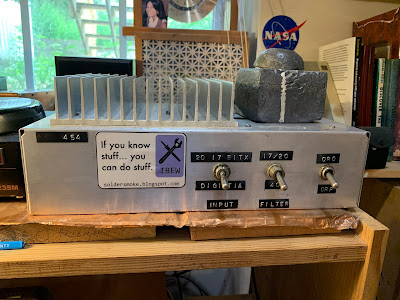
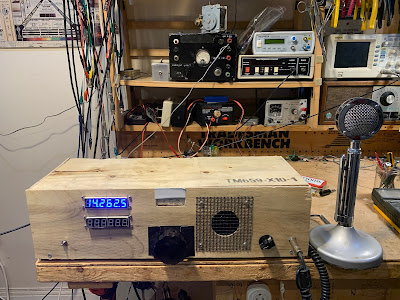
Idle hands are the devil’s workshop my friends. I was home alone this week, and kind of ran out of things to do. I started thinking about all those signals on the FT-8 frequencies that I’d hear when the rest of the band was vacant. You know how it is: One thing leads to another. I remembered that Rogier PA1ZZ had sent me some interface boards. Soon I was downloading WSJTX. Then I bought a USB-Serial converter from Bezos.

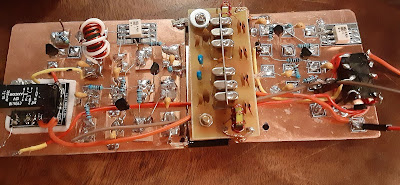
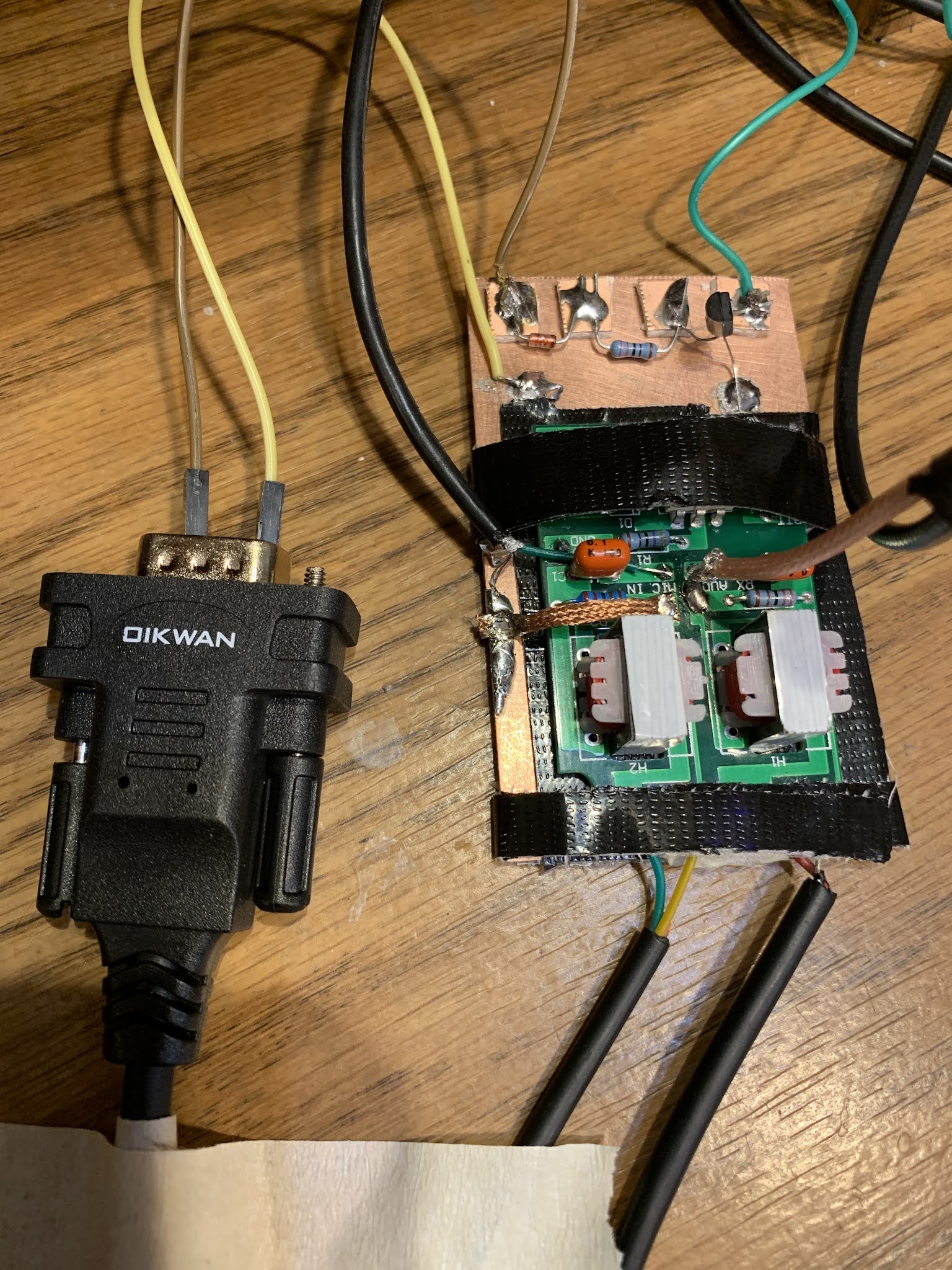
I hit a major bump in the road when I managed to destroy the little optocoupler that the interface board used for T/R switching. No big deal though — Pete has a simpler T/R circuit that worked fine:
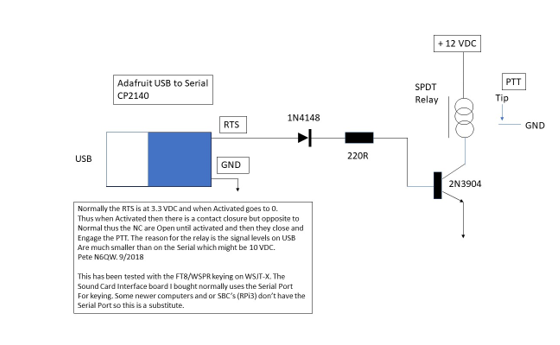
I even made it a bit simpler — instead of putting an SPDT relay on the Collector of the 2N3904, I just ran a lead to the PTT terminal on my BITX mic input connector. This terminal just takes one side of the BITX TR relay to ground on transmit. With Pete’s circuit, the RTS signal from the computer causes the 2N3904 to conduct, in effect grounding the BITX T/R relay. Bob is your uncle. Building this little circuit was fun.

I used the 600-600 Ohm AF transformers on Rogier’s interface board. I scrounged up the appropriate connectors and soon I was on 17 meter FT-8. After about an hour of casual operating (mouse clicking, really) I’d worked HC1HC, HI8CJG, DK4RL, J69DS, F5NBQ, PT2ADM, 8P6ET, KP4JRS, XE2YWH, F4DIA, EA4R, CO3DK, and HI3MRV. All this while no SSB signals were heard on the band. I was running about 50 watts to my 75 meter doublet tuned to 17.

The amount of DX you can work is impressive, but I don’t know if I’ll stick with this mode. It kind of reminds me of 2-way WSPR. I find myself wanting to TALK to the DX stations. FT-8 doesn’t let you do that. But hey, I am not alone in trying out FT-8. In fact, one of the very first calls that I saw on my screen was the very familiar KB1GMX. That is Allison, a true radio genius. That’s a good sign. So maybe I’ll have to give FT-8 more of a chance.
Simple SSB Success in Northern Virginia — “The Radio Does Not Build Itself….”

Dean KK4DAS and the Vienna Wireless Society (VWS) Builders Group have had some remarkable success with Pete Juliano’s Simple SSB design. Sixteen of the rigs have reached the point where the receivers are fully functional. Eight more have gone the final (!) stretch and have the full transceivers working. This week Dean and two other VWS builders met up on 40 meters for the world’s first multi-SSSB QSO (see Dean’s video in the link below).

https://kk4das.blogspot.com/2021/09/simplessb-three-way-qso.html

Here’s Dean’s presentation to the club describing the project and Pete’s rig:

https://docs.google.com/presentation/d/1eUFEO3mZNrwdwaZnyPzr5G6ooozxFoU7/edit?usp=sharing&ouid=100787991139259592659&rtpof=true&sd=true

As Pete says, “The radio does not build itself…” Indeed it doesn’t! The VWS builders made these rigs. FB!

SolderSmoke Podcast #232 — Mythbuster, Pete’s Tube CW Rig, Pete’s DC RX and Simple SSB Rig, NanoVNA and TinySA, Very FB Mailbag

SolderSmoke Podcast #232 is available — Crank it in Robert!

Featuring a guitar intro by Pete “Bluesman” Juliano, playing his own composition: “Juliano Blues.”

Upcoming GQRP convention and the N6QW rig
Frank Jones and the FMLA — Possible Victory?
IBEW Stickers: NASA, Johns Hopkins APL….
Cycle 25 Lookin Better Today: SFI 93 SN 47

Pete’s Bench:
Toobular! A Tube Transmitter
SR-160
Simple SSB rigs around the world!
KI7NSS’s Pacific 40

Bill’s Bench
The Mythbuster and the Struggle Against the Urban Legend
W2EWL’s Cheap and Easy SSB
W4IMP’s IMP. Articles in ER by Jim Musgrove K5BZH and Jim Hanlon W8KGI
The Spirit of Homebrew SSB. From Electric Radio K5BZH December 1991
Reduced Front End Gain on the DIGITIA
Back on 17! HP3SS sells HBR receiver to Joe Walsh
Maybe another Moxon?

SHAMELESS COMMERCE DIVISION

Test Gear
NanoVNA — Alan W2AEW helped solve mystery of why NanoVNA not providing accurate readout of circuit impedance. Over driving. Need attenuator.
TinySA — Limited Resolution Bandwidth. But you can listen with it! See video on blog.

MAILBAG
— Google Feedburner to end e-mails from the blog 🙁
— Paul VK3HN — TIA AGC? Farhan and Paul looking into options
— Ciprian’s Romanian Mighty Mite
— Dino KL0S SolderSmoke GIF and graphical presentation on sideband inversion
— Allison KB1GMX helped me on 24 volts to IRF 510 issue.
— Dave K8WPE Wabi Sabi and Martha Stewart. And thanks for parts! 40673s!
— Steve N8NM building a 17 meter rig with 22.1184 crystals in a SuperVXO and a 4 MHz filter.
— Dean KK4DAS restoring an old Zenith. One hand behind your back OM.
— Pete Eaton debating SSB or DSB for 17. Go DSB Pete!
— Richard KN7FSZ a FB HBer. Asked about my solid-stating of Galaxy V VFO.
— Walter KA4KXX on benefits of no-tune BP filters like Farhan’s FB.
— Jack 5B4APL on Time Crystals and Homebrewing in the 4th dimension. FB OM!
— Moses K8TIY listens to the podcast with his young son Robert. Crank it in Robert!
— Farhan and the SBitx on Hack-A-Day
— Also Tom’s receiver from junked satellite rig on Hack-A-Day
— Todd K7TFC sent in beautiful message about the spirit of homebrewing. On the blog.
— Grayson KJ7UM was on Ham Radio Workbench with George Zaf
— AAron K5ATG running a uBitx with a homebrew tuner and antenna. Hope I can work him
— Heard Mike WA3O last night on 40 DIGITIA. Water cooled amplifier

KI7NNS’s “Pacific 40” Simple SSB Transceiver

Here is the amazingly beautiful “Pacific 40” build of the Simple SSB transceiver. The builder is Kacy KI7NNS. This was part of the Vienna Wireless Society group build led by Dean KK4DAS. The design is from Pete N6QW.

Here is more info on Kacy’s rig, and on a recent SOTA activation.
https://drive.google.com/drive/folders/1azj3e7skUE5QFpa4kRCARoeivrawhIAZ

Congratulations to Kacy KI7NNS for a really nice rig.

SolderSmoke Podcast #231 — Travel, SST, Mythbusting, Filters, TIAS, NanoVNAs, DC RX in SPRAT, Drake A Line, Spillsbury, STICKERS! Mailbag


SolderSmoke # 231 is available:


Annual Field Day Special Edition

Travelogue: To the Dominican Republic!
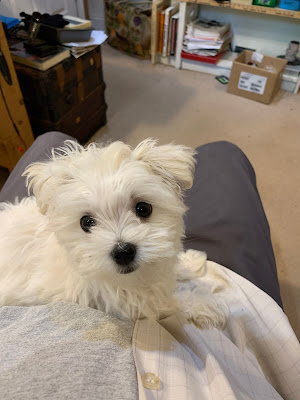
New dog — Meet Guapo (see below).

A great Father’s Day for Pete and Bill. I got a TinySA.
Pete got some cool chick magnet glasses (see below).
Watch out Newbury Park!


Bill’s Activity

SST Transceiver. Took it to Dominican Republic.
Made only one contact, but QRP-QRP.
Not a lot of CW activity, and not a lot around 14.060.
A lot more FT8 visible on the NA5B WebSDR.
That might be better for this kind of operation.
I might try SST CW out today from the backyard. Field Day!

Fired up my 20 meter DSB NE602 rigs. Made two contacts.
Still trying to fully understand the NE602 Gilbert Cell. Lots of mystery in there.

Building “The MythBuster.” 75/20 with sideband inversion.

10 pole 5.2 MHz filter. Used Dishal and AADE.
Used NanoVNA to see the passband.
G3UUR for crystal parameters.
Cohn Constant K topology.

Also used NanoVNA to check input and output impedance on the TIA amps I will use around the filter.

Pete’s activity:

Article on DC receiver in SPRAT. FB response. 50 receivers under construction.

Work on Drake A Line.

Jim Spillsbury.

——————————

The N5JHH IBEW SolderSmoke stickers (see above and below). How we will use them.

Mailbag:
N2SVD
K8ITY
Tom (Junkbox receiver)
N0ZIB (Curse you, SolderSmoke!)
DL6ID
N2NLY
VK2EMU
ZS1KE
AF7O
NG2E
VU2ESE
OK1RP
N5JHH

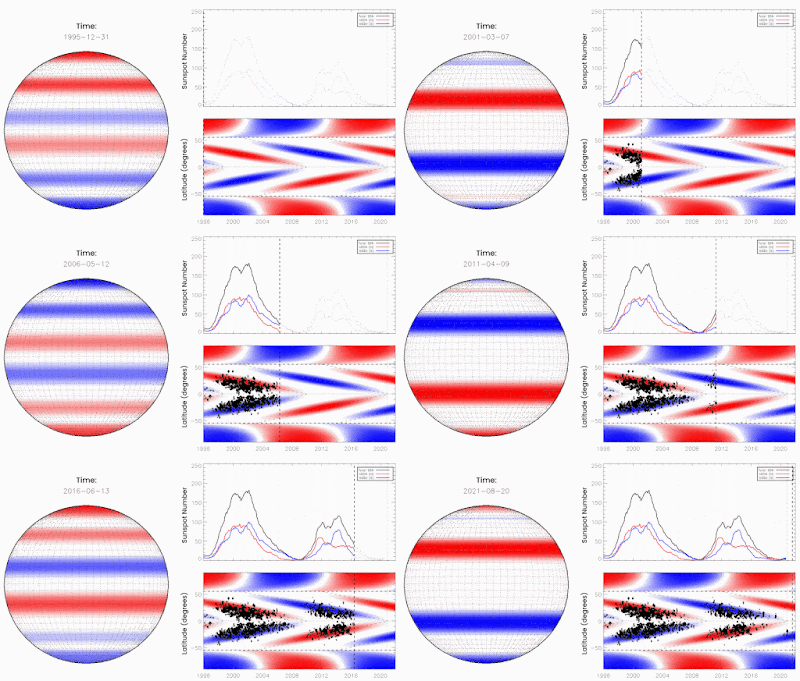
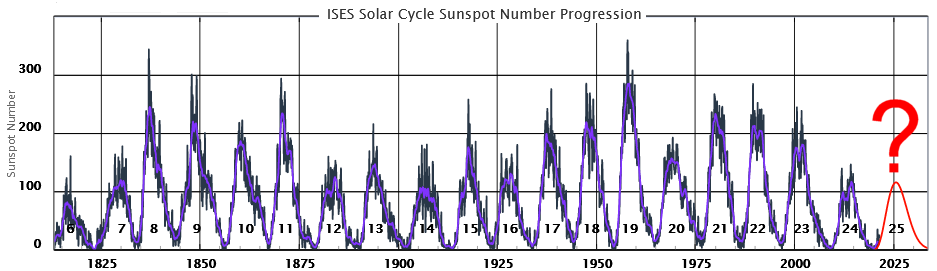
Good News! The Termination Event May Be Coming Soon! Solar Cycle 25 Could Rival Cycle 19!

Wow. Cycle 25 might be as good or better than Cycle 19. Pete cut his radio teeth on Cycle 19. I was born during that cycle. Let’s hope these scientists are right! See chart below.


Thanks to Thomas over at SWLing Post for alerting us to this important news.

Pete’s Drakes

Pete Juliano N6QW has on his blog two very nice videos about the Drake A-line.

As long-standing fanatical fan of the Drake 2-B, I was struck by the similarities between the 2-B and the R4 seen in Pete’s video:

— The S-meter is the same.
— The passband tuning control and indeed the visible internal circuitry for the passband tuning seem to be the same.
— Drake even used the same “hook” for selectivity selection.

The transceive feature with the T4 seems very nice.

Pete’s first video is above. Pete’s second video, showing his first contacts with the newly acquired A-line, can be seen here:


Thanks Pete!

Bill N2CQR Talks to Dean KK4DAS about the Simple SSB Group Build

Dean KK4DAS visited the N2CQR SolderSmoke shack. We talked about a lot things including chess, Mars, and AI. Dean is an amazing guy — he used to work at NASA’s Jet Propulsion Laboratory and a couple of times actually spoke with Richard Feynman. We also shot a video about the Vienna Wireless Society’s group build of Pete Juliano’s Simple SSB transceiver (video above).

This group build all started with Dean’s build of Pete’s rig. He built his early in the pandemic, while on furlough from work, thus the name “The Furlough 40.” That makes all of this very much a quarantine effort. As we have learned, dark clouds often do have silver linings.

For more details on the group build, check out Dean’s blog:
https://kk4das.blogspot.com/
And here is the Vienna Wireless Society’s Group Build page:
Thanks Dean! And three cheers for all the Vienna Wireless builders!

Homebrew Lives! TWENTY N6QW Simple SSB Transceivers Under Construction in Northern Virginia

IF strip by Don KM4UDX
This has to be one of the most successful of SSB group-build projects. Dean KK4DAS has been leading 20 members of the Vienna Wireless Society in the construction of N6QW’s Simple SSB Transceiver, with Dean’s “Furlough 40” additions. This is very FB, and very encouraging. Dean clearly has The Knack. Just two winters ago I was smuggling a 3.579 MHz crystal to Dean for use in a Michigan Mighty Mite. He has clearly made a lot of progress.
————————-
Dean writes:
It has been just over a year since I completed my initial build of the Furlough 40 with much coaching and assistance from Pete. Mike and Don are two out of 20 members of the Vienna Wireless Society Makers group that is working on a group build the SimpleSSB project as enhanced by me to include features like CAT control for digital modes. Beginning about six weeks ago the group is progressing module by module per SolderSmoke best practice advice. We started with the audio amplifier, followed that with the Arduino/SI-5351 based controller module and the builders are just completing the IF module. This week at our weekly meeting, Mike proudly showed off his success.

————————-

Read all about it, and see some really great videos here:

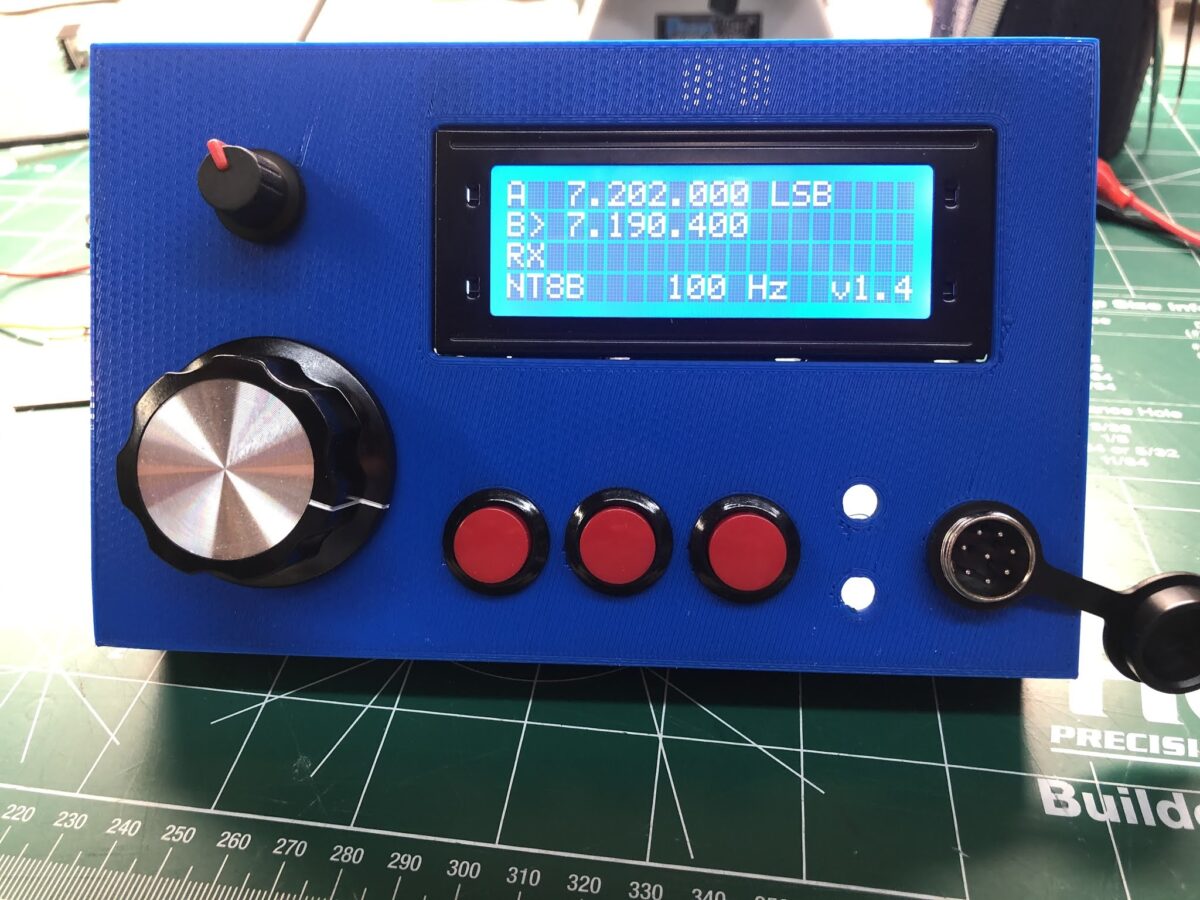
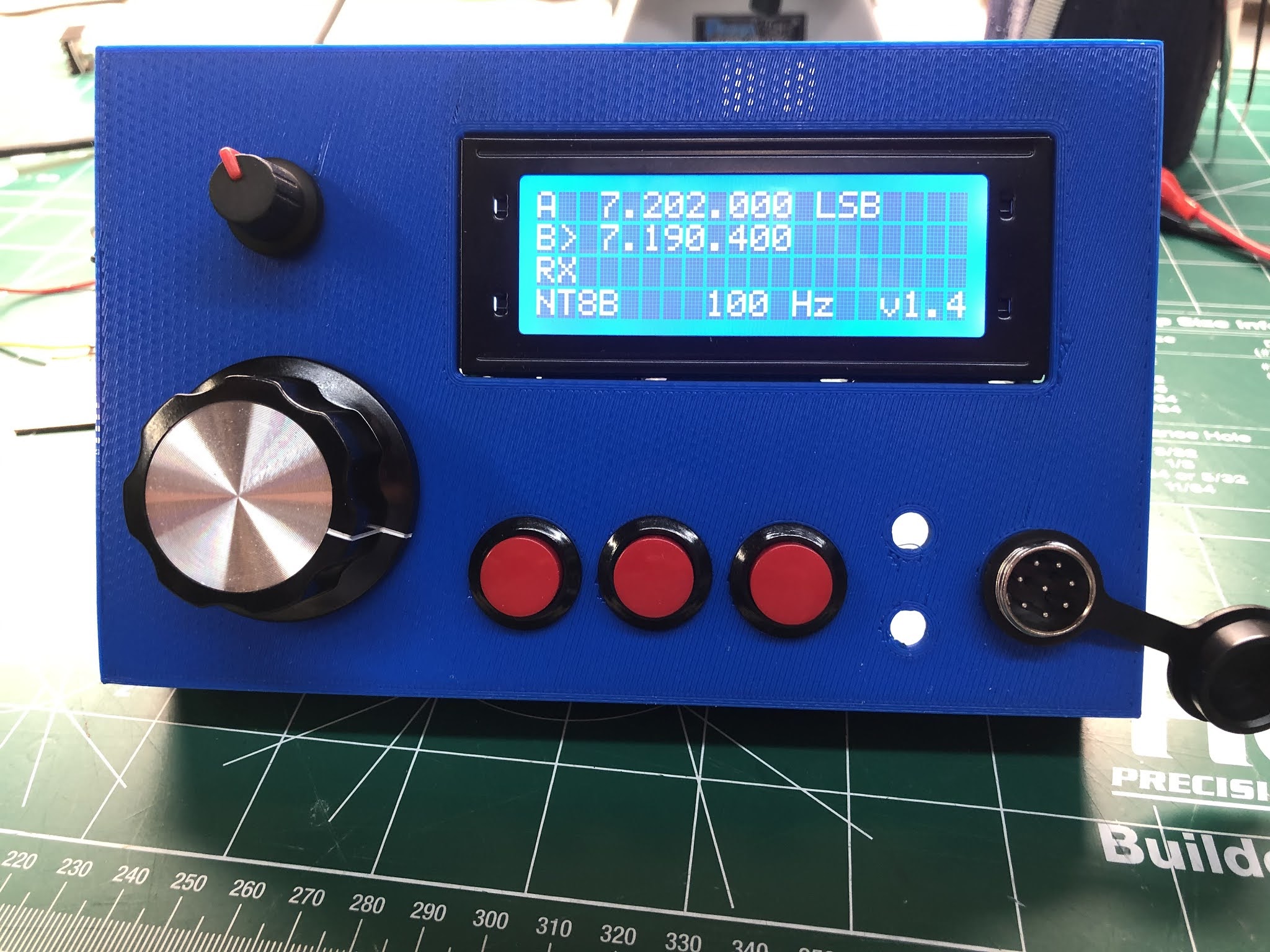
Leon NT8D’s Front Panel

SolderSmoke Podcast #229 — G2NJ Trophy, SDR, HDR, CW! Mailbag

Soldersmoke Podcast #229 is available:

http://soldersmoke.com/soldersmoke229.mp3


— G2NJ Trophy is awarded to Pete Juliano, N6QW.

Get your vaccine shot as soon as you can!

— More from “Conquering the Electron” by Derek Cheung.

— Bad fire in the chip factory. Such a shame. Sad! I had NOTHING to do with it. I was home that day. I can prove it.

— Bezos is not such a bad guy. Turns out he is a space-geek.

Perseverance was the big space news. Very cool.

Pete’s bench:

Raspberry Pi vs. Microcontrollers

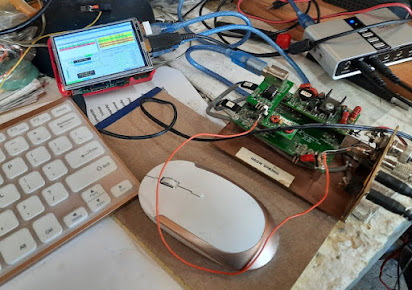
Treedix display

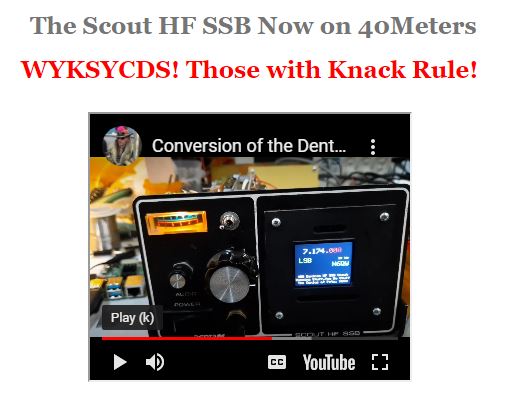
Conversion of the Dentron Scout

CW rigs?

6L6 on a wooden chassis


SHAMELESS COMMERCE DIVISION-

I NEED TO BUILD UP TIME VIEWERS VIEW MY VIDEOS: So please watch!

https://www.youtube.com/channel/UC20TcdWSSFliMhg3k2A1a5w

Our Patreon sponsors get an early look at our YouTube content. So please, consider

becoming a Patreon sponsor.

Please continue to use the Amazon search engine on the blog page (upper right).


Bill’s bench:

Hodgepodge:

— BITX40 Module.

— Ramseykit Amp.

— San Jian counter,

— CW using 750 Hz oscillator.

— RF-actuated piezo buzzer.

— SDR! SDR using PC and tablet.

— Checking the output with SDR.

— Moving the carrier osc frequency.

Also, I put the Fish Soup 10 back on the air. Nice contacts under 200 mw.

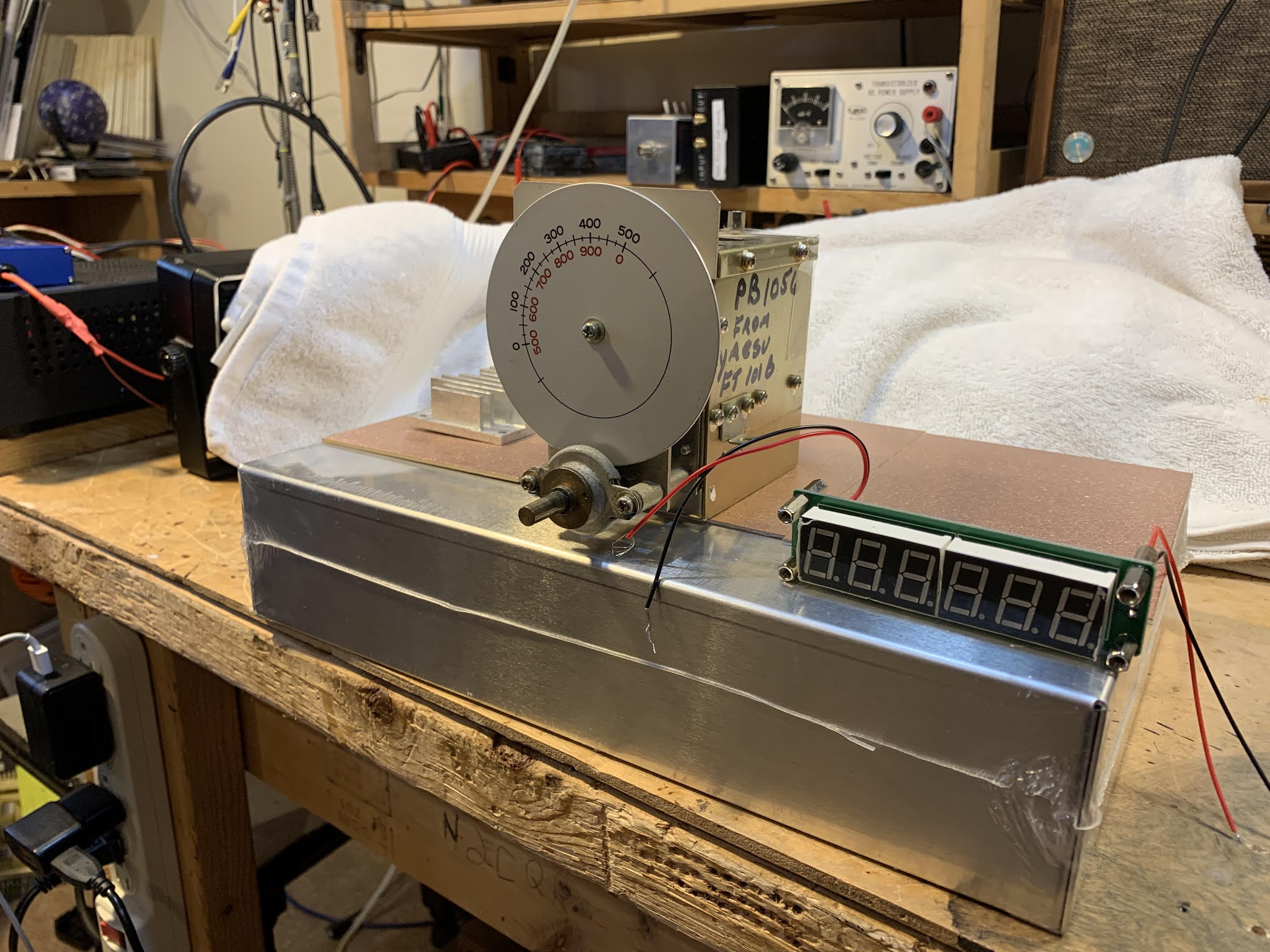
Up next: A rig for 80/75 and 20 meters. Single Conversion. Using VFO from a Yaesu FT101 that runs 8.7 – 9.2 Mhz. Quiz question: What IF should I use?

MAILBAG

Mark Zelesky sent me wood tokens with power and Ohm’s law formulae. Thanks!

Scott WA9WFA Built a really nice Mate for Mighty Midget RX – getting it going!

Tryg EI7CLB found board of his George Dobbs Ladybird RX. Rebuild it OM!

Tom WX2J – We talked about “No lids, no kids, no space cadets” nastiness.

Nick M0NTV about sideband inversion. I like the simple rule about subtraction.

Jonathan M0JGH – Always listen to Pete. Got married, has mixing product. Leo?

Mike AE0IH. Dad used a BC-348 in the service. Looking for one. FB.

Adam N0ZIB – “Silent Shep” site — with some ham radio shows I had not seen.

Walter KA4KXX in Orlando has a similar subtraction problem with San Jian counter.

Bill N5ALO sent me a really nice KLH speaker. I’m using it now.

Jason N2NLY – interested in building SSB transceiver. One step at a time OM…

Trevor in Annapolis sent xcsd cartoon that really hit home.

Farhan is doing OK in India, diligently protecting his family from the virus.

Peter VK2EMU also doing well.

Dave AA7EE Casually killed a DC receiver in Hollywood, and disposed of the remains.

Charlie ZL2CTM doing great things with simple SSB. Blogpost.

Phil VK8MC in Darwin sends article on “Mend not End” battle against planned obsolescence.

Bob KY3R re my SDR adventures, asked if I’ve had a recent medical/psychiatric evaluation.


Making Transistors in 1957

Thanks to Thomas K4SWL for alerting us to this video — he had it on his excellent SWLing Post blog.

Many things crossed my mind as I watched this video:

— Pocket protectors! Pete recently noted that this was a common fashion accessory among electronic techs and engineers back in the day.

— HP test gear.

— “Extreme cleanliness” that doesn’t seem quite so clean.

— 550 transistors per hour. Now we have upwards of 50 billion on a single chip.

— The Germanium salami that Pete mentioned in our last podcast.

— Hints of Silicon’s impending replacement of Germanium.

— A transistor factory in Spring City, Pa. that “hums with excitement” (seemed kind of sleepy).

— The 1957 assumption that Philco transistors would be in the first orbiting satellite. Then came Sputnik.

— The transistor that moves like a “Gulliver through Lilliputian lands.”

— Our voices or accents seem to have changed, at least the voice used in products like this. No one talks that way today.

— As I watched, I tried to remember if Pete’s CK722 was made by these folks. But no, that was a Raytheon product. Here is a nice short description of the early days of the CK722: https://en.wikipedia.org/wiki/CK722 We need to learn more about the hobbyist Carl Todd.

Over the Waterfall into the Dark Side: Hodgepodge SDR

This one’s for Pete. My effort to add features and modes to my Hodgepodge transceiver took a dramatic turn when I connected the rig to my computer via an RTL-SDR dongle. Woohoo! A Hodgepodge waterfall! Check it out.
The dongle was modified for direct sampling at HF. In the box with the dongle I have one amplifier stage, consisting of a 40673 dual gate MOSFET and one parallel tuned circuit, now tuned to the Hodgepodge IF of 11.998 MHz. I tap the the Hodgepodge’s BITX40Module at the output of the first mixer, just before the crystal filter. This was a lot of fun. I can even check my own signal on transmit! This is like having the best of both worlds.

The SolderSmoke Team Talks to the River City Amateur Radio Communication Society (Video)

Pete and I had a great time speaking to this really nice California ham radio club (video of the event appears above). Special thanks to club president Dr. Carol Milano, MD. Wow, what an impressive person and ham radio operator she is: https://www.qsl.net/kp4md/#New%20York
This club is doing a group build of a version of the famed Tuna Tin Two. I mentioned that I had held the original TTT in my hands, and that Rex Harper had conducted a “Mojo Transfer Ceremony” that imparted TTT Mojo to my BITX17 transceiver (which was also discussed). I promised to share the video of that momentous event. Here it is: https://youtu.be/9RZRaFUtTcc
Thanks to Carol and the members of the RCARCS. This was a lot of fun.

Update from the Wizard of Wimbledon — “Always listen to Pete”

In a recent podcast, Pete mentioned that Leo Sampson (the young Brit who is rebuilding the sailing yacht “Tally Ho”) should seal the deal with his girlfriend. Well, it seems that “life coach” should be added to Pete’s already impressive list of abilities (homebrew hero, pasta chef, guitar player, etc.) A while back Pete gave similar advice to Jonathan, M0JGH. This morning, Jonathan reported in, confirming that Pete’s advice was completely correct. A “mixing product” arrived early in the lockdown. Congratulations to Jonathan and his remarkably radio-tolerant wife. It seems Leo should be shopping for a ring.

————————–

Dear Bill and Pete

I hope that you and your families are staying very well during these extraordinary times.

I wanted to thank you both for the reminiscent shout-out during the last podcast, whilst you were suggesting that Leo Sampson of sailing yacht Tally Ho should “seal the deal” with his girlfriend. If our case study is indicative of his future prospects, he absolutely should do! Not only are we happily married but we welcomed a bubbly baby girl into our family at the start of lockdown. (I note that hams refer to children as “harmonics”, but wouldn’t mixer products be a more appropriate metaphor?)

Apologies for my radio silence of late. Circumstances have allowed me the rare and special opportunity to take more of a lead with parenting, and so my soldering iron has only been wielded for maintenance purposes rather. Your discussion about the intrigue of distant voices emerging from homebrew rigs has whetted this CW addict’s appetite to build something for SSB or even DSB, and likely for one of the higher bands…

I feel that I should briefly stick up for the art of CW, though. As a keen amateur musician the ability to communicate through rhythm will always hold a special charm, particularly when you consider that many of my regular EU chums on 40 and 80 are easily identifiable by their “distinctive fists”. I recall a true WW2 spy story in which a double agent, I forget which, was rather unwell but still had to be carried into the radio tent to send his CW whilst lying on a stretcher, otherwise the Germans might notice the absence of this distinctive fist and realize that the game is up!

73 from Wimbledon

Jonathan
M0JGH

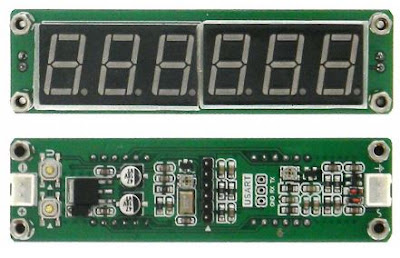
A Problem with the San Jian PLJ6-LED Counter

I had hoped to use this handy and cheap little frequency counter to add some glowing Juliano Blue to the frequency readout on my Quarantine Hodgepodge rig. I’ve used these boards with my BITX20, my HA-600A, and with my DX-100/HQ-100 rigs. But guess what — these boards do not work with the BITX40 module board that is the heart of the Quarantine Hodgepodge. And the reason why is interesting.

Here is what happens: First, you plug in the IF frequency of your rig. In my case 12 MHz. You connect your VFO output to the signal input on the PLJ6. You power up the PLJ6. You then have to select one of two IF frequency options. One of these options ADDS your IF frequency to whatever it detects at the signal input. In my case, for a 7.2 MHz signal it would detect a VFO signal at 4.8 MHz. If it were to ADD this signal to the IF freq, it would readout 16.8 MHz. And it does. But obviously that is wrong. So you go to the other option — this one SUBTRACTS the designated IF frequency FROM whatever it finds at the signal input. So here we get 4.8 – 12 = -7.2 Almost perfect right? But here is the problem: The PLJ6 can’t handle negative numbers! So it displays 000000. Not helpful.

Here is the manual:

I didn’t have this trouble with any of the other rigs because none of them required the use of negative numbers. My BITX 20 for example had an IF of 11 MHz and has the VFO running a bit above 3 MHz — so the PLJ6 just adds the IF to the VFO signal and Bob is my uncle. Similar problem-free addition takes place with the other rigs.

I found some discussion on this problem on the internet. Here is one:

Some of the respondents didn’t seem to understand the problem. Others hint that the ability to handle negative numbers was as some point in the code for the PLJ6 device, and may somehow be accessible, but no further info is provided.

I have already worked up a possible solution, but I’m interested in how you folks would approach this problem. Any thoughts or suggestions? I will reveal my solution in the days ahead.

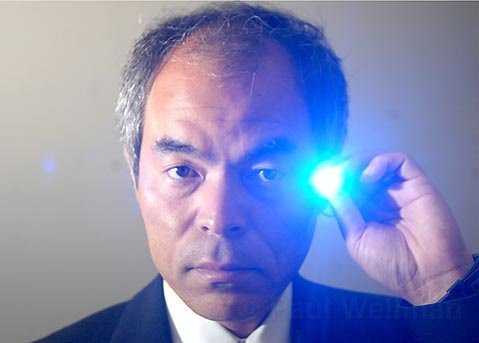
Shuji Nakamura — The Inventor of Juliano Blue LEDs

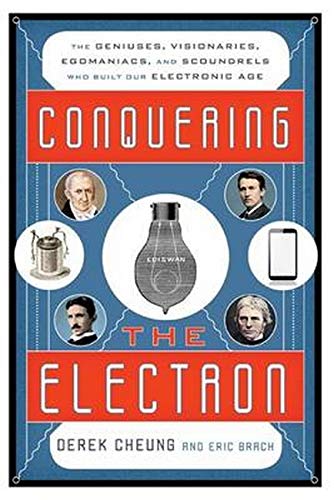
He is the 2014 winner of the Nobel Prize for Physics. He is the person who figured out how to make blue light LEDs through the use of an Indium Gallium Nitride semiconductor. I was reading about him this morning in “Conquering the Electron” by Derek Cheung and Eric Brach. Thanks to Nakamura, the numerals on all my frequency displays glow in a pleasing Juliano blue. Three cheers for Nakamura!

More on him here:

https://www.trumpf.com/en_US/presse/online-magazine/nobel-price-winner-nakamura-wants-more-light/

Pete N6QW and Steve G0FUW Talk to RSGB About Homebrew (Video)

Wow, what an unexpected treat! Here we can watch Pete N6QW and Steve G0FUW talk to the Radio Society of Great Britain about homebrew radio. Steve talks about kits and scratch-built rigs. I really liked seeing his early rigs and his description of how building these rigs helped him become a more advanced homebrewer. I also liked his mention of George Dobbs as a guiding light in the QRP and homebrew world.

Pete focuses on SDR and provides a really great description of this approach to homebrew. I was struck with how great it is that, after a lifetime of HDR building, Pete is willing to embrace this new technology. He talks about it as part of “a learning journey.” As always, he sets the example for us all.

Thanks to Pete, Steve, and RSGB.

SolderSmoke Podcast #227: Solar System, SDR, Simple SSB, HA-600A, BITX17, Nesting Moxons? Mailbag

SolderSmoke Podcast #227 is available:


Travelogue

Mars is moving away. Jupiter and Saturn close in the sky. And the Sun is back in action – Cycle 25 is underway. Also, the earliest sunset is behind us. Brighter days are ahead.


Book Review: “Conquering the Electron” With a quote from Nikola Tesla.


No real travel for us: Hunkered down. Lots of COVID cases around us. Friends, relatives, neighbors. Be careful. You don’t want to be make it through 10 months of pandemic only to get sick at the very end. SITS: Stay In The Shack.


Pete’s Bench and Tech Adventures:

Backpack SDR keithsdr@groups.io

Hermes Lite 2

Coaching SSB builders

G-QRP talk

A new source for 9 MHz crystal filters


Bill’s Bench:

Fixing the HA-600A Product Detector. Sherwood article advice. Diode Ring wins the day. Fixing a scratchy variable capacitor. Studying simple two diode singly balanced detectors. Polyakov. Getting San Jian frequency counter for it.

Fixing up the 17 meter BITX. Expanding the VXO coverage. Using it with NA5B’s KiwiSDR.


Resurrecting the 17 meter Moxon. But WHY can’t I nest the 17 meter Moxon inside a 20 meter Moxon? They do it with Hex beams. Why so hard with Moxons? DK7ZB has a design, but I’ve often heard that this combo is problematic. Any thoughts? I could just buy a 20/17 Hex-beam but this seems kind of heretical for a HB station.


Suddenly getting RFI on 40 meters. Every 50-60 Hz. Please tell me what you think this is (I played a recording).


MAILBAG:

Dean KK4DAS’s Furlough 40/20

Adam N0ZIB HB DC TCVR

Tony G4WIF G-QRP Vids. Video of George Dobbs.

Grayson KJ7UM Collecting Radioactive OA2s. Why?

Pete found W6BLZ Articles

Rogier KJ6ETL PA1ZZ lost his dog. And we lost ours.

Steve Silverman KB3SII — a nice old variable capacitor from Chelsea Radio Company.

Dave K8WPE thinks we already have a cult following.

Dan W4ERF paralleling amps to improve SNR.

Jim W8NSA — An old friend.

Pete Eaton WB9FLW The Arecibo collapse

John WB4GTW old friend… friend of:

Taylor N4TD HB2HB


And finally, we got lots of mail about our editorial. No surprise: Half supportive, half opposed. Obviously everyone is entitled to their opinion. And we are free to express ours. It’s a free country, and we want it to stay that way. That is why we spoke out.


Yesterday the Electoral College voted, finalizing the results. All Americans should be proud that the U.S. was able to carry out a free and fair national election with record turn out under difficult circumstances. And all loyal Americans should accept the results. That’s just the way it works in a democracy.


We are glad we said what we said. It would have been easier and more pleasant to just bury our heads in the sand and say nothing. But this was a critically important election and we felt obligated as Americans to speak out. We’d do it again. And in fact we reserve the right to speak out again if a similarly important issue arises.