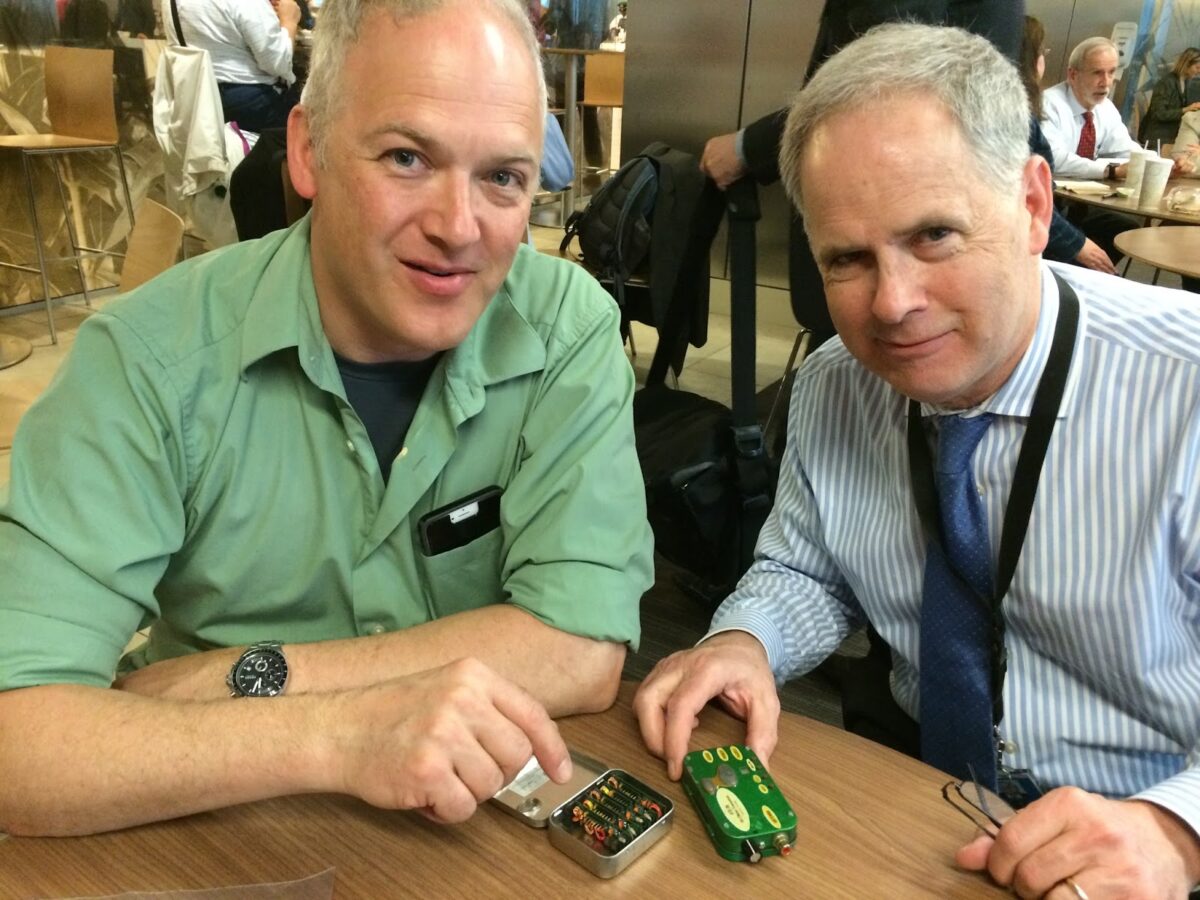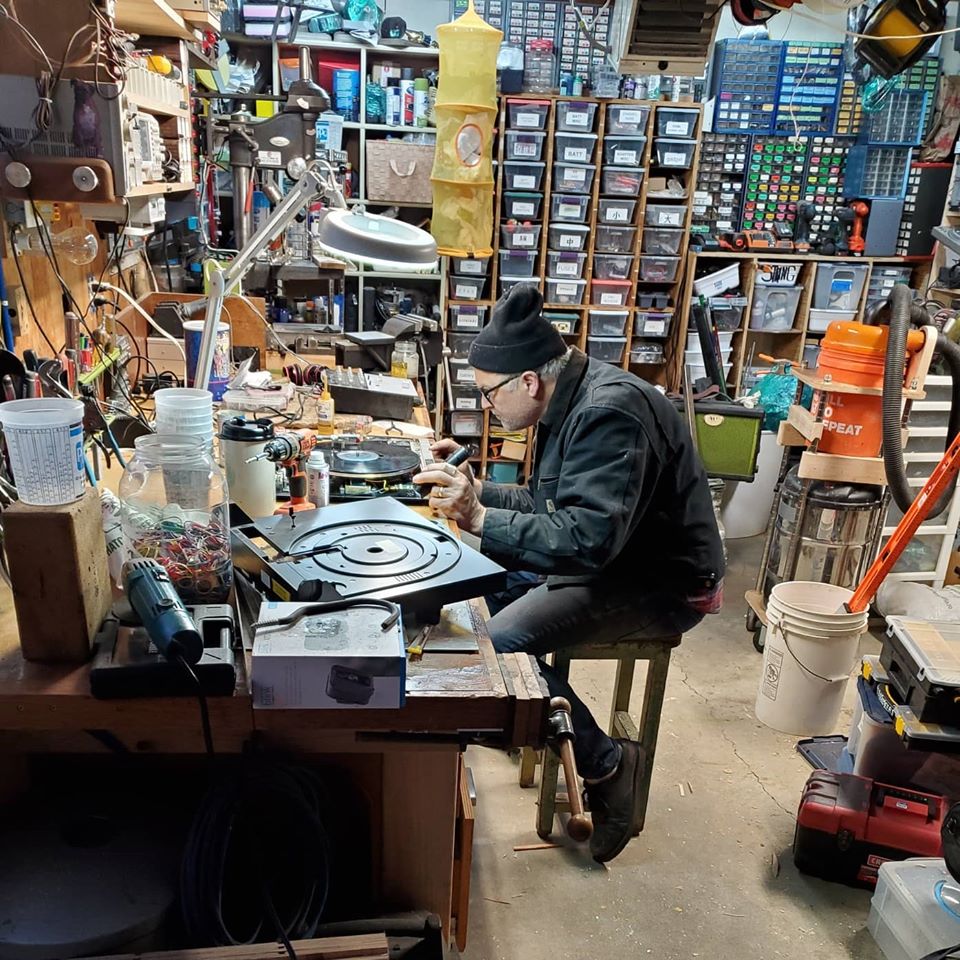
Got a nice note from Jonathan W0XO. He and the family have relocated to the Seattle area. Here we see Jonathan at work in his new shed/shack. It looks great.
Long-time SolderSmoke fans will remember Jonathan from his previous life in Asia. See:
SolderSmoke Daily News — Ham Radio Blog
Serving the worldwide community of radio-electronic homebrewers. Providing blog support to the SolderSmoke podcast: http://soldersmoke.com
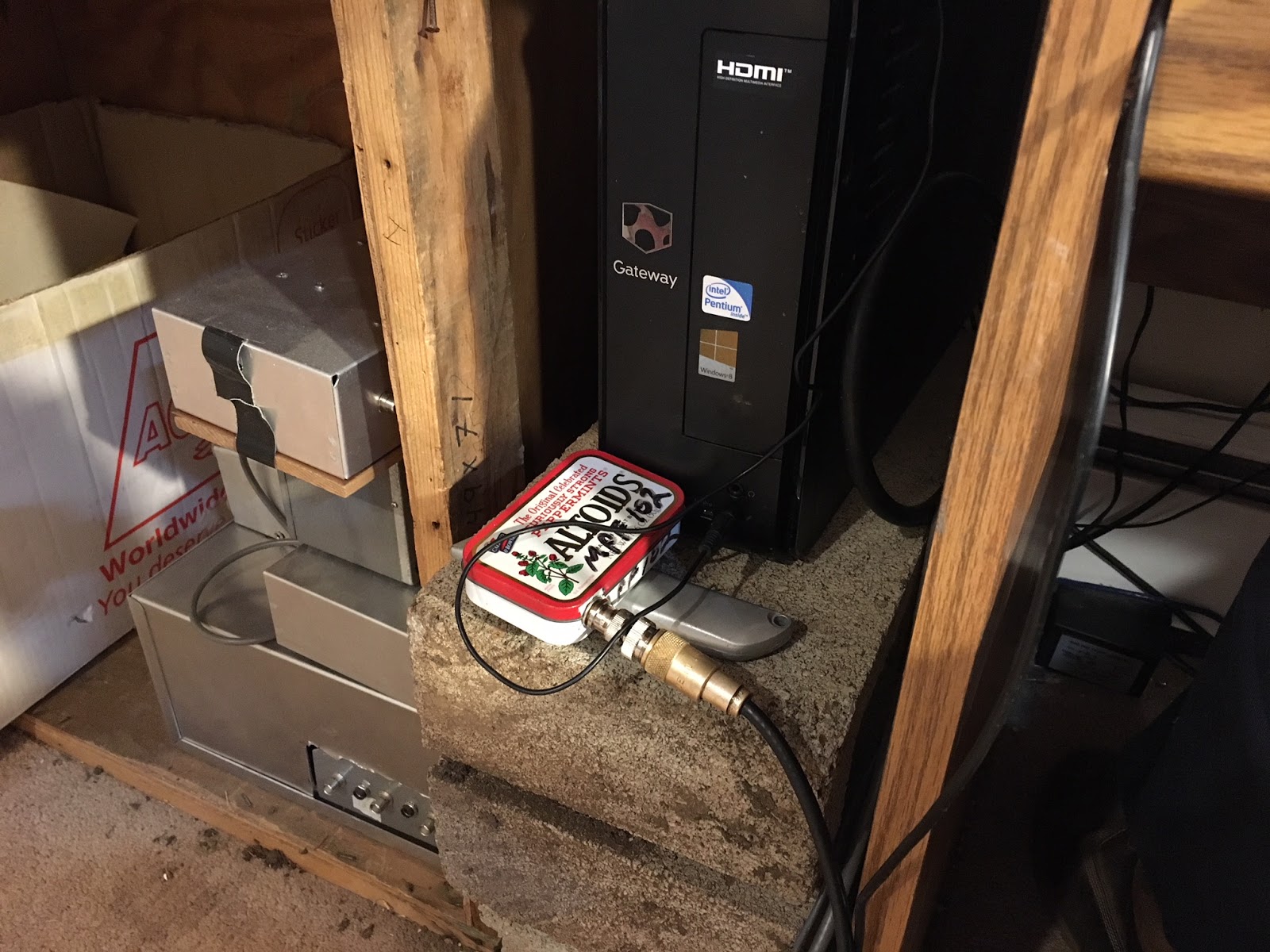
Here is the RTL-SDR Dongle Receiver in an Altoids Box:
Thanks to Armand WA1UQO for alerting me to this. I really liked the book — “Crystal Fire” — that this 1999 video is loosely based on. I’m also a fan of the narrator, Ira Flatow, whose melodious voice is heard each week on NPR’s excellent “Science Friday” radio show.
A few observations and thoughts on the video:
— I liked the irreverant Calypso song “Hell’s Bells Laboratory.” It looks like those folks had a lot of fun. And wow, Shockly’s secretary was named Betty Sparks. TRGHS.
— I have the same big Variac on my bench. And I have one of those “third hand” devices.
— I’d like to build my own replica of the point contact device with the triangular piece of lucite and the gold foil.
— While Shockley seems to be the real bad guy in this story (he seems to have all the bad characteristics of David Sarnoff, Lee DeForest, and Steve Jobs), I liked the his use of “physical intuition” to understand devices and the problems they were meant to solve.
— The image of the two Japanese founders of Sony working in the late 1940’s in a bombed out department store was very powerful.
— Although I came on the scence a bit later, I WAS one of those kids who used a transistor radio and an earphone to surreptitiously listen to rock-and-roll music.
— “More transistors are made each year than raindrops fall on California.” Hmmm….
More info here: http://www.pbs.org/transistor/
Extra interviews: http://www.pbs.org/transistor/tv/index.html
I’ve been hearing about this rig for many years. It first appeared in the September 1994 issue of QRPp, the journal of the NORCAL QRP club. A condensed version of that article appeared in SPRAT 81 (Winter 94-95). The designer is Derry Spittle VE7QK from Vancouver, British Columbia.
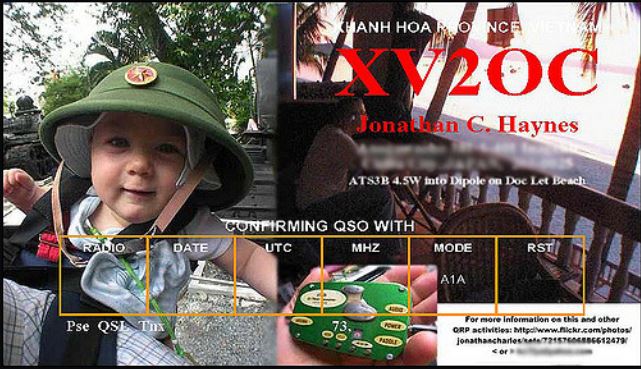
The name always puzzled me. Here is the explanation: It started with the Neophyte: A very simple direct conversion receiver that many of us built. The Neophyte was mostly an NE602 and an LM386. In the Epiphyte, a crystal filter and a second NE602 were added, turning the Neophytes into a superhet receiver and — with some additional circuitry — an SSB transceiver. The Oxford English Dictionary reportedly defines an Epiphyte as “a plant that grows on another plant”(see picture below). The Epiphyte grew out of the Neophyte.
And this plant grew in British Columbia, which seems — like Australia and New Zealand — to be fertile ground for simple phone rigs. I’m pretty sure the “Wee Willy” DSB rig also came out of BC, and it may have had a similar purpose: allowing for portable contact with the BC Public Service Net on 75 Meters.
There are many features of the Epiphyte that I like: There is a simple 455 kHz filter and a ceramic resonator BFO/Carrier oscillator. The original design featured a VXO-like circuit using a ceramic resonator at 4.19 MHz. And it ran off AA batteries (as did the NE602 DSB rig I took to the Dominican Republic).
Unlike my NE602 rig, the Epiphyte made an artful use of the fact that NE602’s can be set up to have TWO inputs and TWO outputs. Where I used DPDT relays to switch inputs and outputs from both NE602s, OM Spittle left all the inputs and outputs connected, and simply switched the VFO and BFO signals. Ingenious.
There were updates and improvements. The Epiphyte 2 and 3 featured increased power out (5 watts vs. 1 Watt). Version 3 has an IRF-510 in the final, driven by a CA3020A chip. That chip is capable of 70 db gain. Wow.
In 1996 NORCAL and G-QRP donated 50 EP-2 kits to radio amateurs in third world countries. Very nice.
In 2000 NORCAL did a kit of the EP-3 — it sold out in 24 hours. Here is a nice article on the EP-3:
http://www.norcalqrp.org/files/Epiphyte3Mnl.pdf
And above we have a video from Japan of an EP-3 in action.
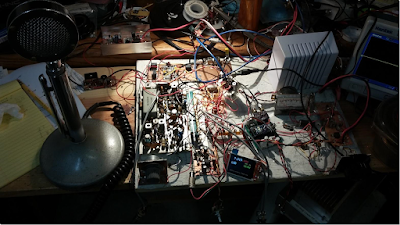
That, my friends is an extreme example of what we mean when we use the word “rig.” This magnificent machine sent Pete’s melodious voice across the mighty Pacific several times during the recent CQ WW contest.
Pete wrote to Jun:
Beautiful.
Makes me want to put S-meters in my rigs.
More on Pete’s design here:
http://n6qw.blogspot.com/2015/09/simpleceiver-40m-ssbcw-receiver-and.html
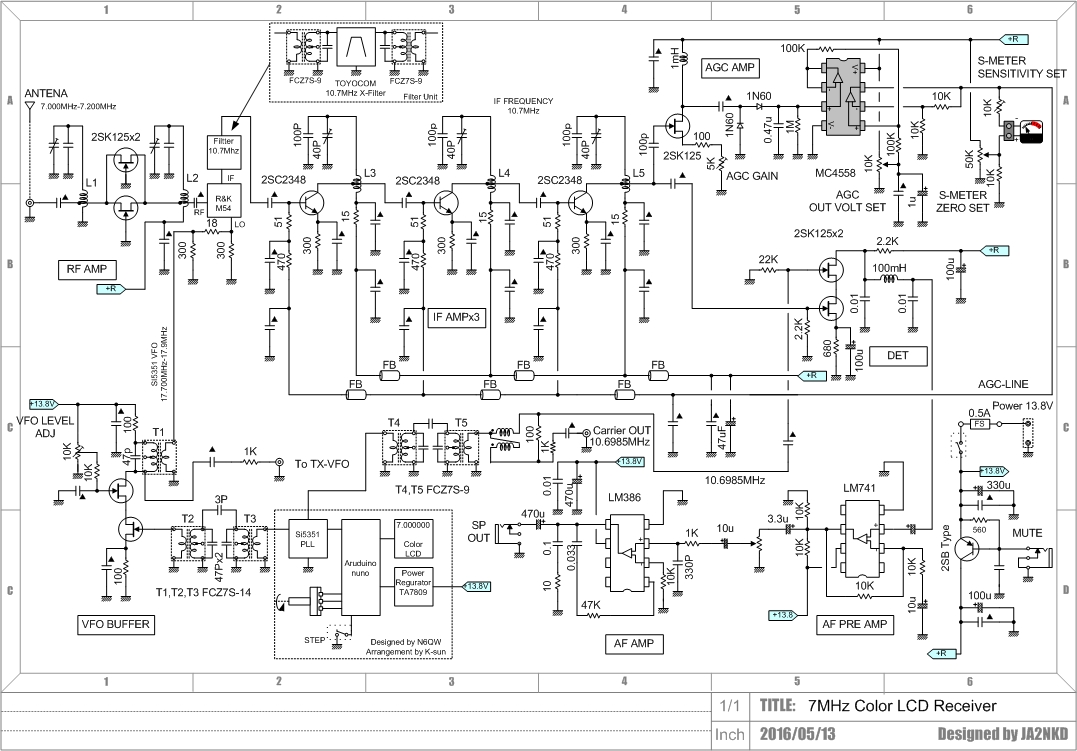
The influence of Pete Juliano is spreading far and wide. Those little color screens attached to Si5351s seem especially popular in Japan. Above is the receiver of Ryuu JA2NKD. Below is the schematic. Click on it for a better look, or use this link:
http://ja2nkd.c.blog.so-net.ne.jp/_images/blog/_206/JA2NKD/7MHzcolorLCDSchematics.jpg?c=a1
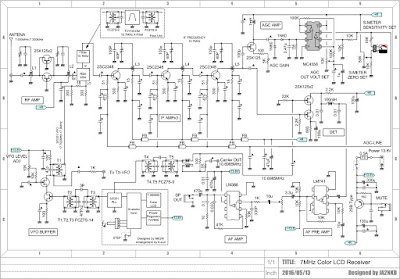
Ryuu’s blogs are here : http://ja2nkd.blog.so-net.ne.jp/
and here: http://ja2nkd.blogspot.jp/
They are in Japanese. Google Chrome does a poor job at translating them, but you can get the gist. In any case the pictures are great and the schematics are understandable by all of us. Thanks Ryuu!
Jun JH8SST made this nice video about his version of Pete Juliano’s Simpleceiver. I like the approach of putting the stages on separate boards, but perhaps Jun could have made things easier by using Manhattan-style construction on those boards. And of course I like the breadboard-style aluminum sheet. FB Jun.
Jun writes:
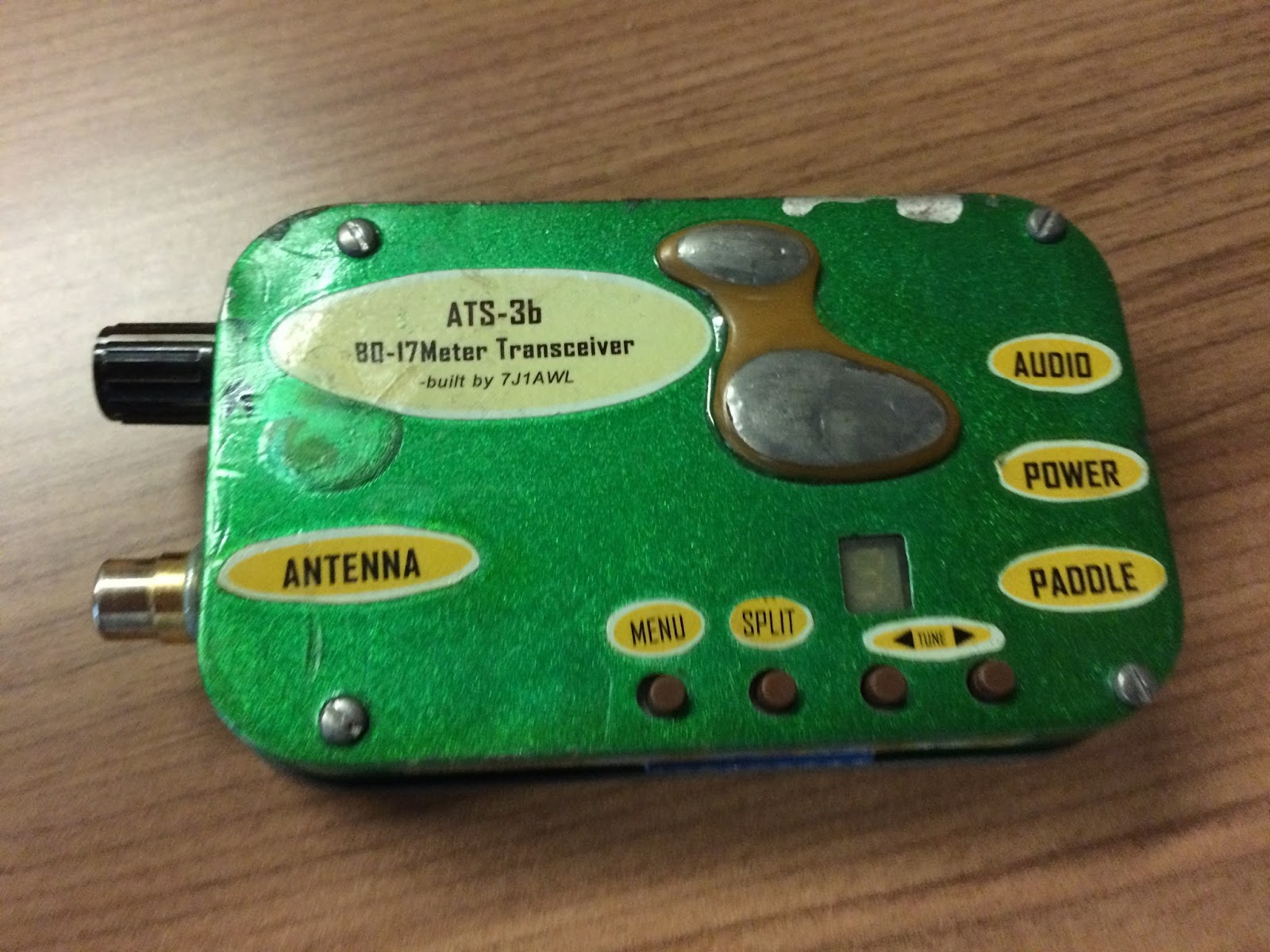
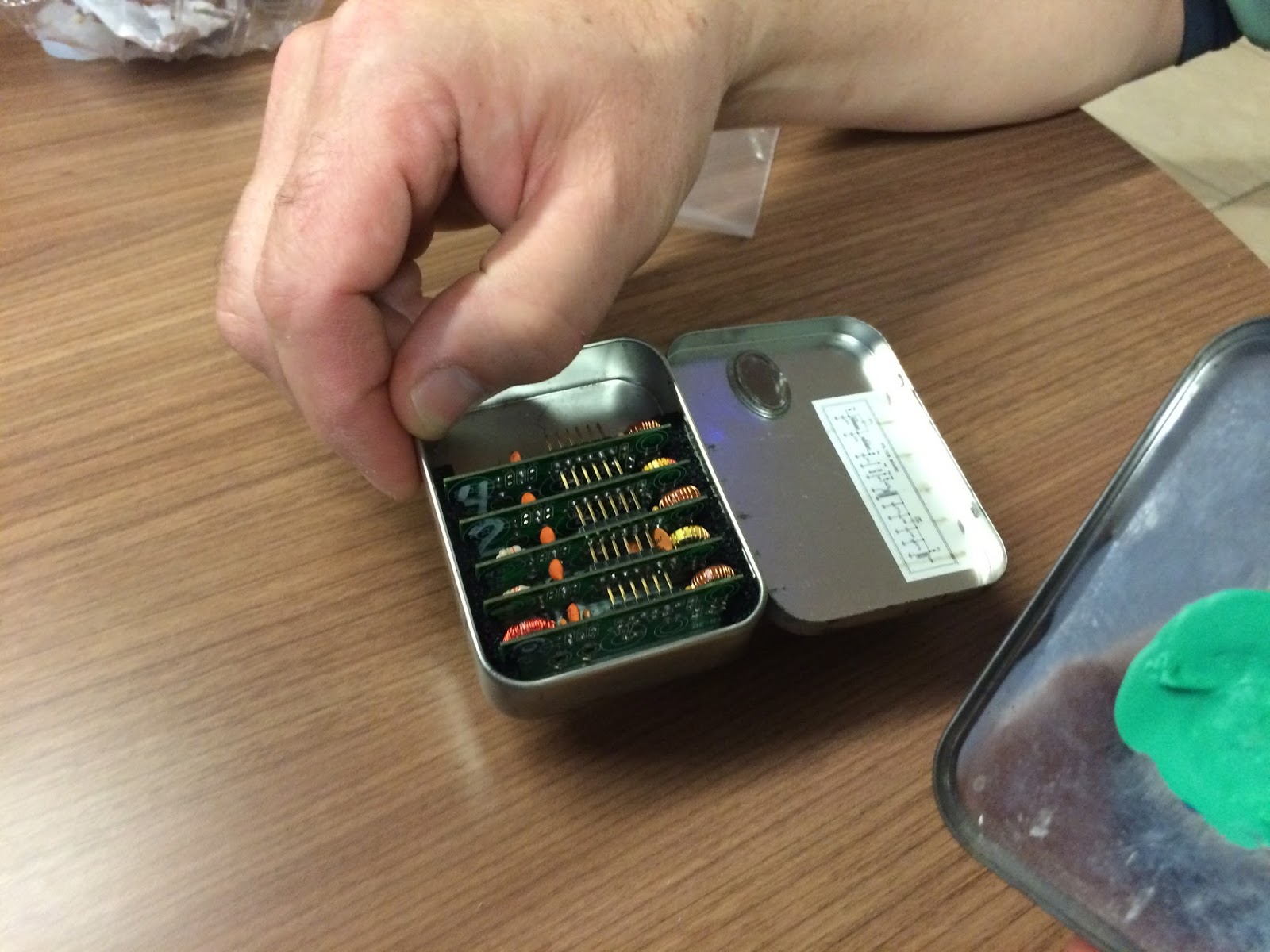
 |
| Photo by ZS1KE |
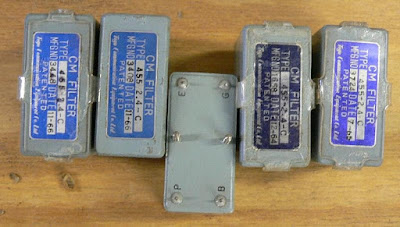
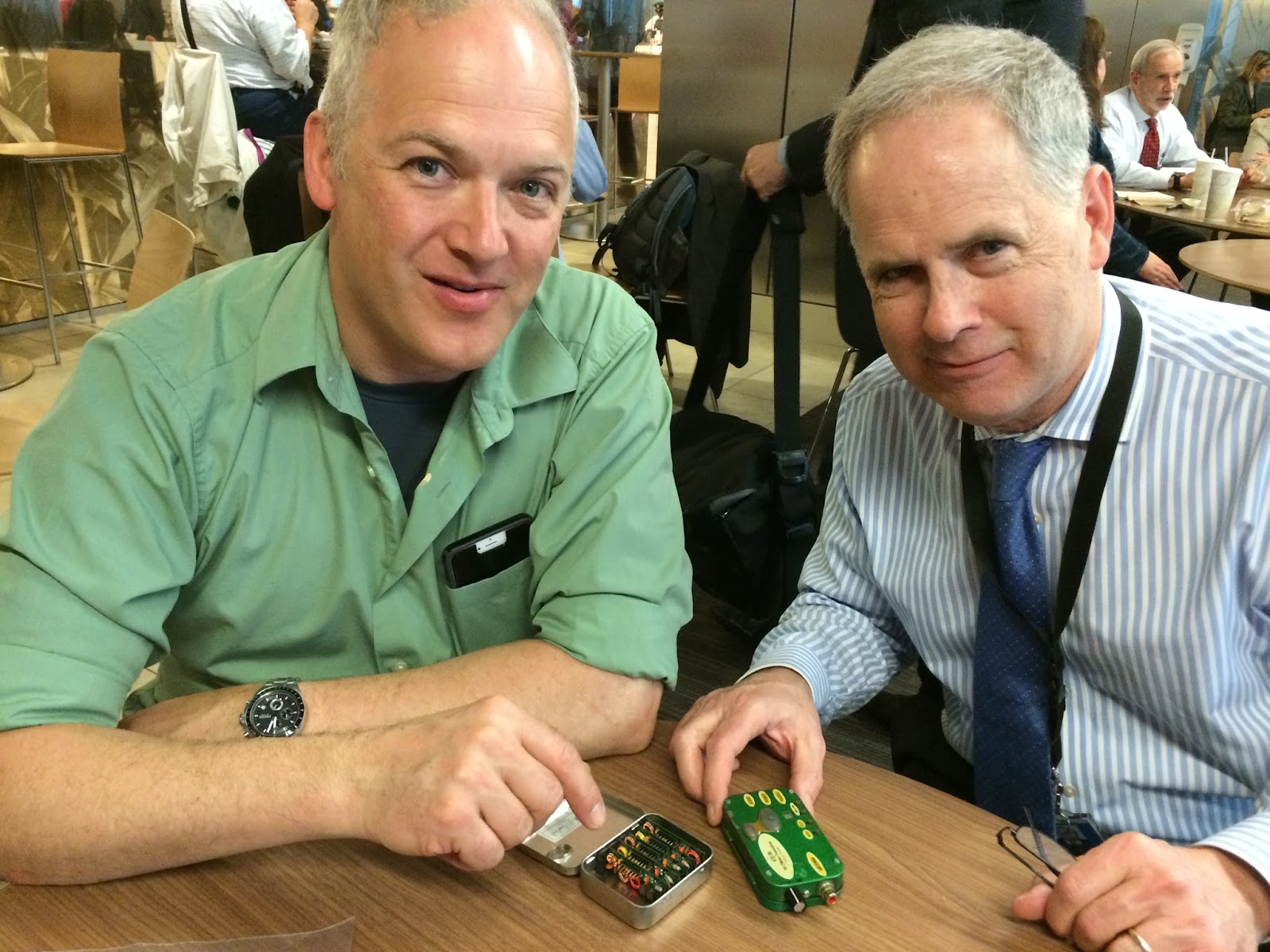
A while back I picked up (from e-bay?) a 455 kc crystal filter for use in my Lew McCoy “Mate for the Mighty Midget” receiver. I did a quick and dirty installation. It kind of worked, but I had it in the back of my mind that I had to work on the impedance matching to ensure minimum passband ripple. But when I learned what the P, B, E, and G pinout designations meant (plate, B+, earth and grid), I realized that this device had been designed with tube impedances in mind, so I probably didn’t have to mess around with input and output networks (as I’ve done with the BITX rigs). Last week I installed it as the manufacturer intended — it sounds great.

Our book: “SolderSmoke — Global Adventures in Wireless Electronics” http://soldersmoke.com/book.htm Our coffee mugs, T-Shirts, bumper stickers: http://www.cafepress.com/SolderSmoke Our Book Store: http://astore.amazon.com/contracross-20
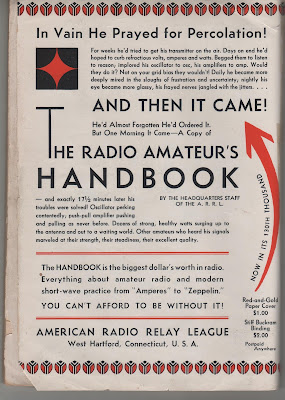
This ad is from the December 1931 issue of QST. This copy has a LOT of mileage on it. In 1993 or 1994, David Cowhig (now WA1LBP) was living in Okinawa Japan and was operating as 7J6CBQ. I was living in the Dominican Republic and operating as N2CQR/HI8. We were both contributing to a 73 magazine column (as “Hambassadors”!) and we were both in the Foreign Service. I wrote to David — he wrote back, sending me some old QSTs, including the one from which the above ad is taken.
This ad shows that many of the homebrew/troubleshooting woes that we face today are very old. And that having access to good technical books is very important when you are trying to overcome these difficulties.
Our book: “SolderSmoke — Global Adventures in Wireless Electronics” http://soldersmoke.com/book.htm Our coffee mugs, T-Shirts, bumper stickers: http://www.cafepress.com/SolderSmoke Our Book Store: http://astore.amazon.com/contracross-20
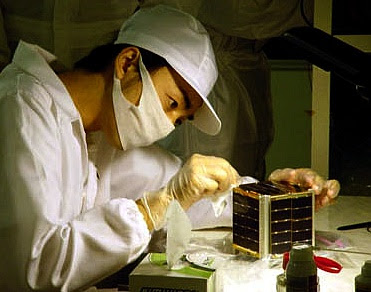
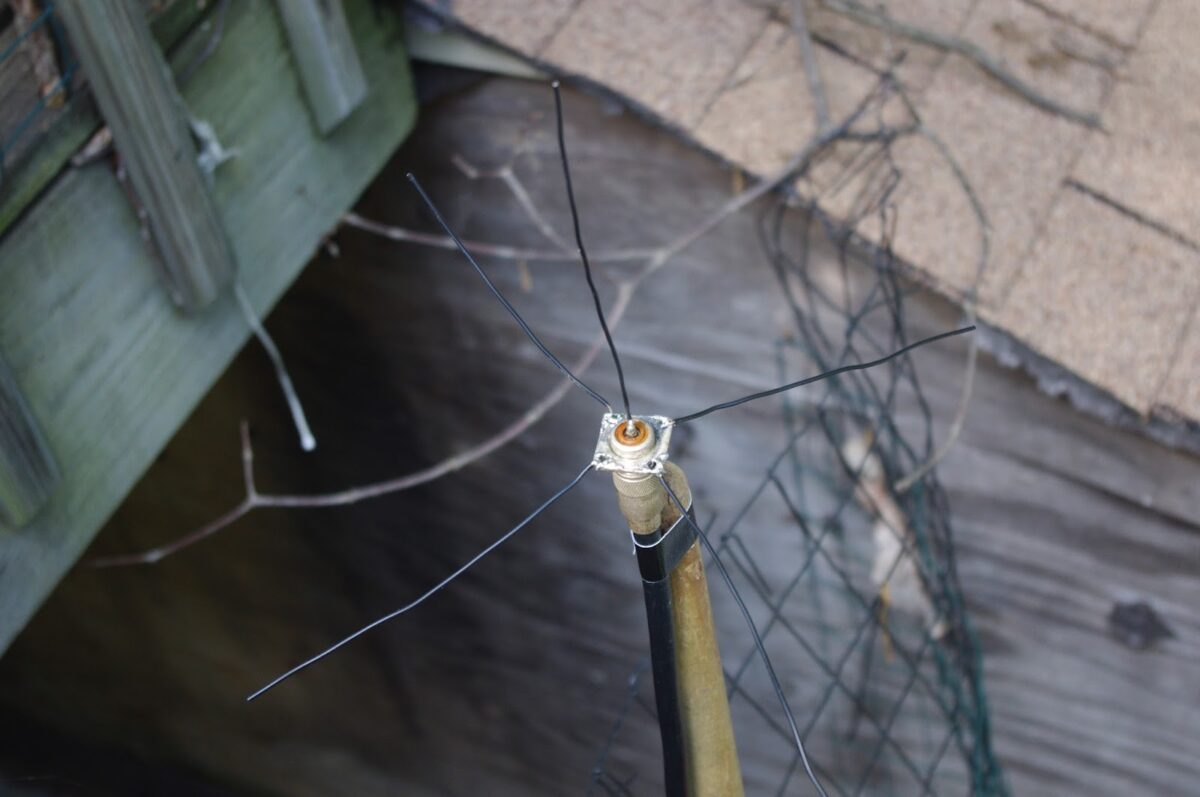
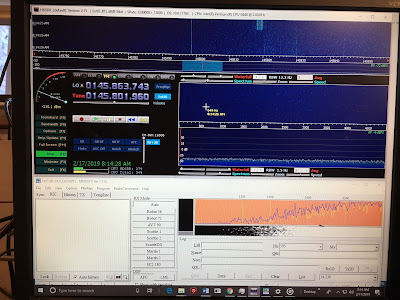
I’ve been playing around with a little $13 DVB-T SDR Dongle receiver. These devices normally tune 24 MHz to 1.7 GHz, but I modified the first one I had so that it would tune the HF bands. Pete then sent me another one, which I vowed to keep unmodified, thinking that it would be fun to use it to listen to the many small Cube-Sats that are up there. Most have downlinks (and Morse Code beacons) in the 470 MHz range. I whipped together a simple ground-plane antenna for this band (One 6 inch copper wire as the receive element with 4 five inch groundplane elements).
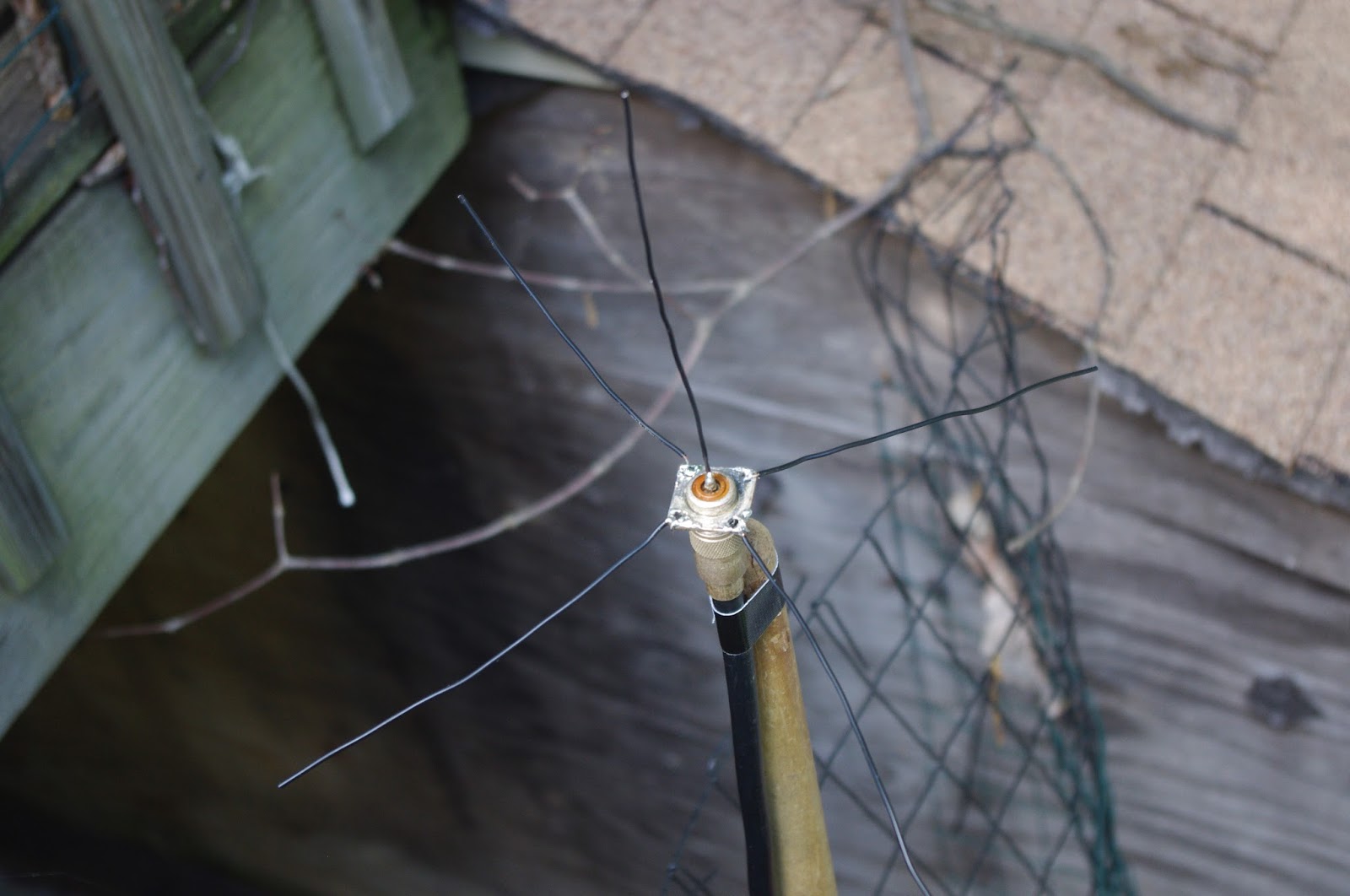
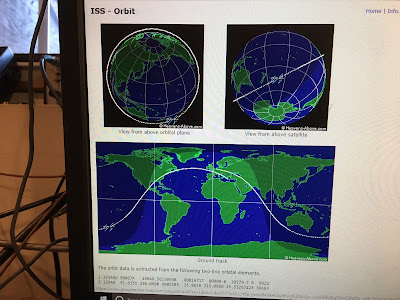
I then went to the “Heavens Above” website, plugged in my location, and clicked on “Amateur satellites.” This gave me a very accurate schedule of satellite passes. I started listening.
First I heard (and saw in the HDSDR waterfall) the CW beacon of the Prism satellite at 7:05 am EDT today. Prism is from the University of Tokyo and was launched from Japan.
Then Cubesat XI-V at 0711 EDT.
Cubesat XI-IV was heard at 0813 EDT. The Cubesats are from Japan and were launched from Russia.
ITUsPAT was heard at 1422 EDT. The I is for “Istanbul”
Finally, I monitored a pass of the Japanese FO-29 satellite aka JAS-2 at 1611. Wow, this was like old times on the RS-10 and RS-12 satellites. Lots of CW and SSB stations in the downlink passband. Lots of fun.
At 470 MHz the Doppler shift of a low-earth orbit satellite is quite noticeable, and helps confirm that you are in fact receiving sigs from an orbiting device.
I thought it was pretty cool to take a $13 DVB-T Dongle, connect it to a small, copper-wire antenna, and use it all to receive signals from some 4″x4″x4″ cubes in orbit of the Earth.
Our book: “SolderSmoke — Global Adventures in Wireless Electronics” http://soldersmoke.com/book.htm Our coffee mugs, T-Shirts, bumper stickers: http://www.cafepress.com/SolderSmoke Our Book Store: http://astore.amazon.com/contracross-20
Sometimes it is good to take a break from the electronics and look at how people are making other things. I’ve been working on the heat sink for a 140 watt solid state amplifier, so this fellow’s comments about working with metal kind of resonated with me.
Our book: “SolderSmoke — Global Adventures in Wireless Electronics” http://soldersmoke.com/book.htm Our coffee mugs, T-Shirts, bumper stickers: http://www.cafepress.com/SolderSmoke Our Book Store: http://astore.amazon.com/contracross-20
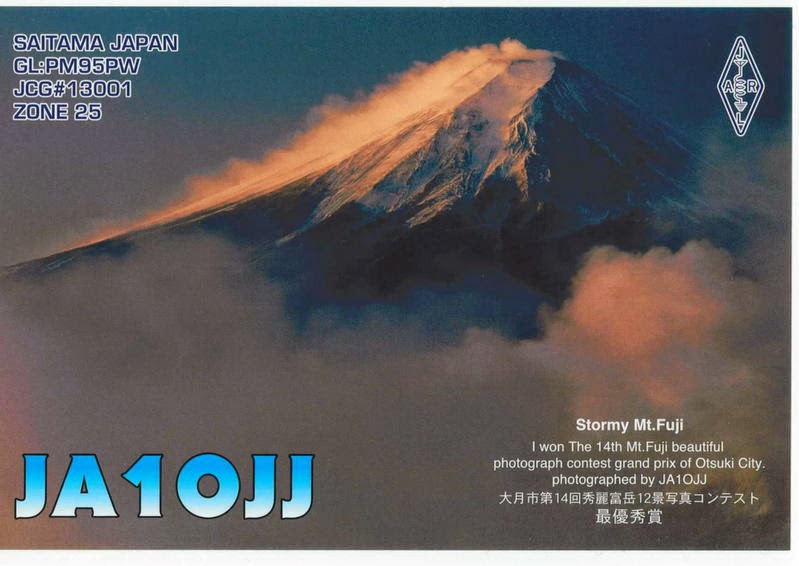
The solar flux index was only 151 this morning, but grey line conditions to Japan were very good. Yoshi, JA1OJJ, was booming in on 17 meters. We had a nice chat. He said I was 55. His 5 element quad helped a lot!
Our book: “SolderSmoke — Global Adventures in Wireless Electronics” http://soldersmoke.com/book.htm Our coffee mugs, T-Shirts, bumper stickers: http://www.cafepress.com/SolderSmoke Our Book Store: http://astore.amazon.com/contracross-20
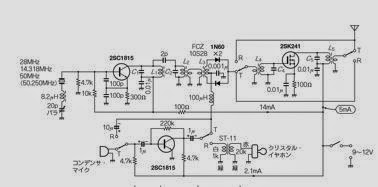
Wow. Looks like something Peter Parker would really like. This one was sent to me by Stephen, G7VFY. It comes from Japan:
http://www.cqpub.co.jp/hanbai/
Our book: “SolderSmoke — Global Adventures in Wireless Electronics” http://soldersmoke.com/book.htm Our coffee mugs, T-Shirts, bumper stickers: http://www.cafepress.com/SolderSmoke Our Book Store: http://astore.amazon.com/contracross-20
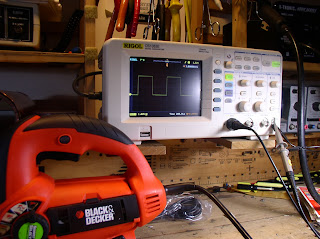
Santa Claus obviously heard my distress call when the TEK 465 gave up the ghost. This morning it was replaced by a RIGOL digital scope. I’m going through the tutorials. Wow, lots of features. A Black&Decker jig saw also arrived — this will help in my cabinetry efforts.
Last night just before dinner I talked to Kiyo, JH1MDJ, in Tokyo on 17 meter SSB with the 5 watt BITX. I kind of broke through a small pile-up and we then had one of those “please repeat your power level… I can’t believe that is 5 watts to a dipole” conversations.
Happy Holidays to all!
Our book: “SolderSmoke — Global Adventures in Wireless Electronics” http://soldersmoke.com/book.htm Our coffee mugs, T-Shirts, bumper stickers: http://www.cafepress.com/SolderSmoke Our Book Store: http://astore.amazon.com/contracross-20
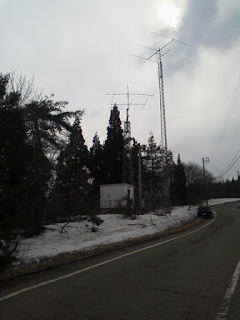
I was at the workbench this morning, working on a 30 meter DC/DSB transceiver. I had the Barebones superhet tuned to white noise on 17 meters. Then I heard a strong CQ that sounded like DX. It was Ely, JH0JDV. He was the only signal on the band. We had a very nice contact, no problems at all. I was running my normal 10 watts to a dipole. Afterwards I Googled him. Wow, he has a REAL radio shack! FB Ely!
Our book: “SolderSmoke — Global Adventures in Wireless Electronics” http://soldersmoke.com/book.htm Our coffee mugs, T-Shirts, bumper stickers: http://www.cafepress.com/SolderSmoke Our Book Store: http://astore.amazon.com/contracross-20
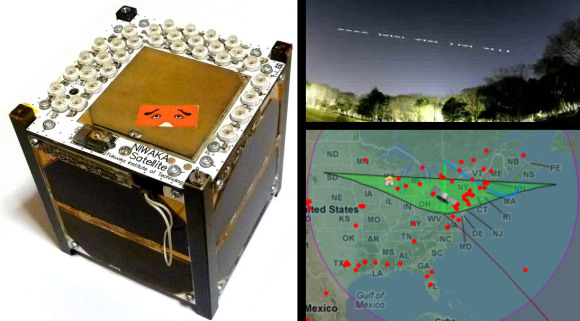
Very cool: Japanese students sent up a small satellite. One of its capabilities is to flash Morse code messages in the visible light range using LEDs. Prepare to peg your geek meter:
http://www.fit.ac.jp/~tanaka/fitsat.shtml
Our book: “SolderSmoke — Global Adventures in Wireless Electronics” http://soldersmoke.com/book.htm Our coffee mugs, T-Shirts, bumper stickers: http://www.cafepress.com/SolderSmoke Our Book Store: http://astore.amazon.com/contracross-20