A “Curiously Strong” Frequency Counter

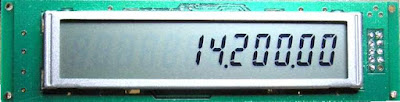
I got a six digit San Jian frequency counter for use with my BITX20. I was trying to figure out how to put it in a box and mount it on the rig when I realized that the counter fits almost perfectly in an Altoids tin. THE RADIO GODS HAVE SPOKEN.

I found the counter on Amazon. I use an eight digit version with my BITX17. But I think the six digit version is better (it fits in an Altoids tin!)

Our book: “SolderSmoke — Global Adventures in Wireless Electronics” http://soldersmoke.com/book.htm Our coffee mugs, T-Shirts, bumper stickers: http://www.cafepress.com/SolderSmoke Our Book Store: http://astore.amazon.com/contracross-20
Glowing Blue Numerals! A Frequency Counter for the BITX17 (VIDEO)

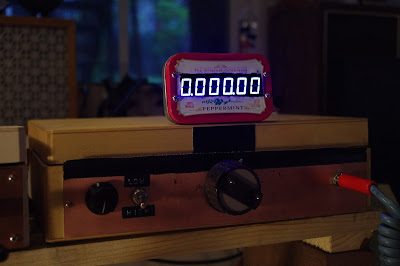
These little frequency counters from China have a lot of potential. And they add a dash of digital color to an otherwise bland analog hamshack. I got mine on e-bay.

My BITX17 has now been “accessorized” with
1) A rotatable Moxon antenna (big improvment!)
2) A 120 watt Communications Concepts Linear amplifier (another big improvement) and
3) This digital frequency readout.

What next?

Our book: “SolderSmoke — Global Adventures in Wireless Electronics” http://soldersmoke.com/book.htm Our coffee mugs, T-Shirts, bumper stickers: http://www.cafepress.com/SolderSmoke Our Book Store: http://astore.amazon.com/contracross-20
SolderSmoke #171 DC RX in QQ, Power Supplies, Small Screens, 12 Buck Counters, HW8 Error?, KX3 RX

SolderSmoke Podcast #171 is available:

http://soldersmoke.com/soldersmoke171.mp3

Bench Report:
Pete’s Small Screens (in Color!)
Si5351s
Bill’s Graph Paper Frequency Readout
Bill’s Broadened Barebones Barbados RX. DIGITIZED!
Another AD9850 DDS using M0XPD Kanga UK Shield
New 13 dollar Color Display (Prettier than Graph paper!)

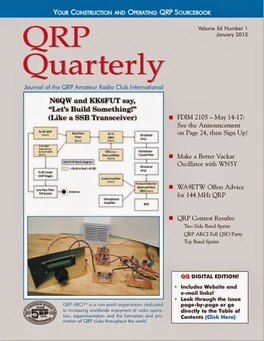
Pete and Ben’s Article in QRP Quarterly Available free here:
http://www.qrparci.org/qqsample/qqsample.pdf

The DEEP SPIRITUAL REWARDS of DC Receivers
The Importance of Good Power Supplies
SPRAT Article on HW8 Design Error
Latest Edition of Hot Iron
Elecraft KX3 — Has one of the best receivers in the world

Our book: “SolderSmoke — Global Adventures in Wireless Electronics” http://soldersmoke.com/book.htm Our coffee mugs, T-Shirts, bumper stickers: http://www.cafepress.com/SolderSmoke Our Book Store: http://astore.amazon.com/contracross-20
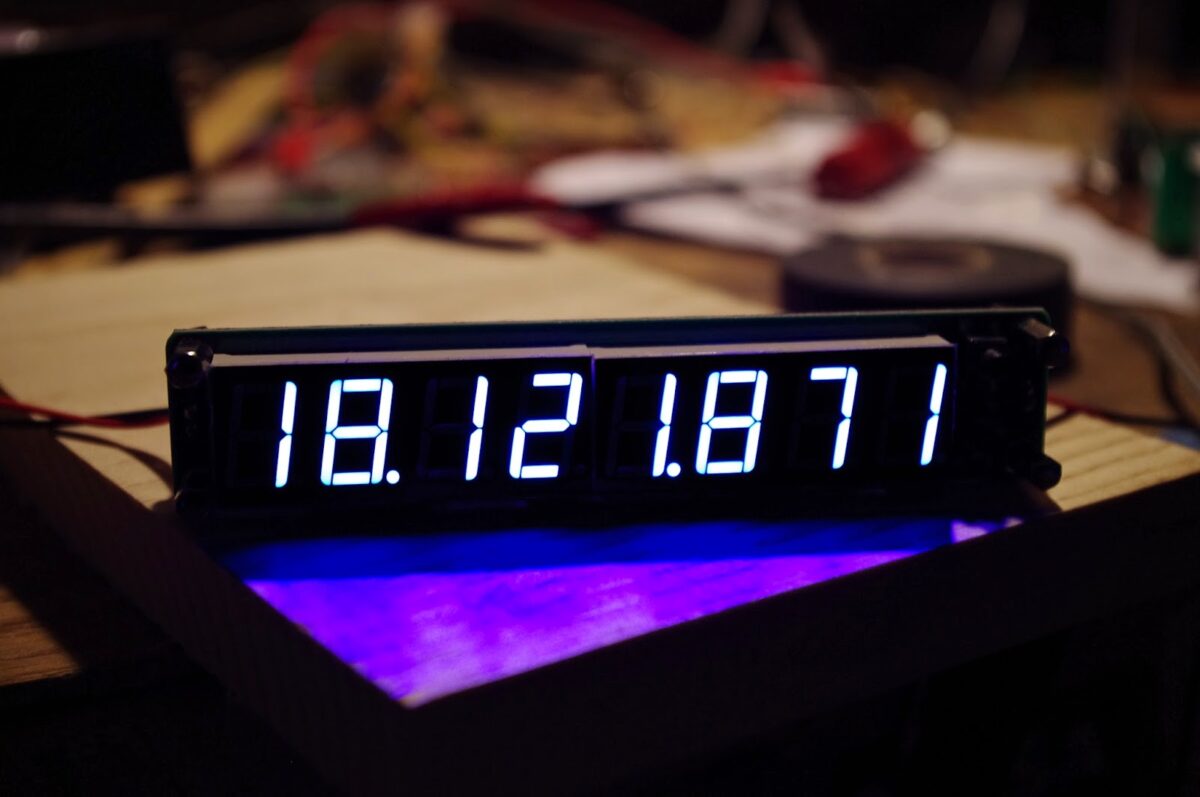
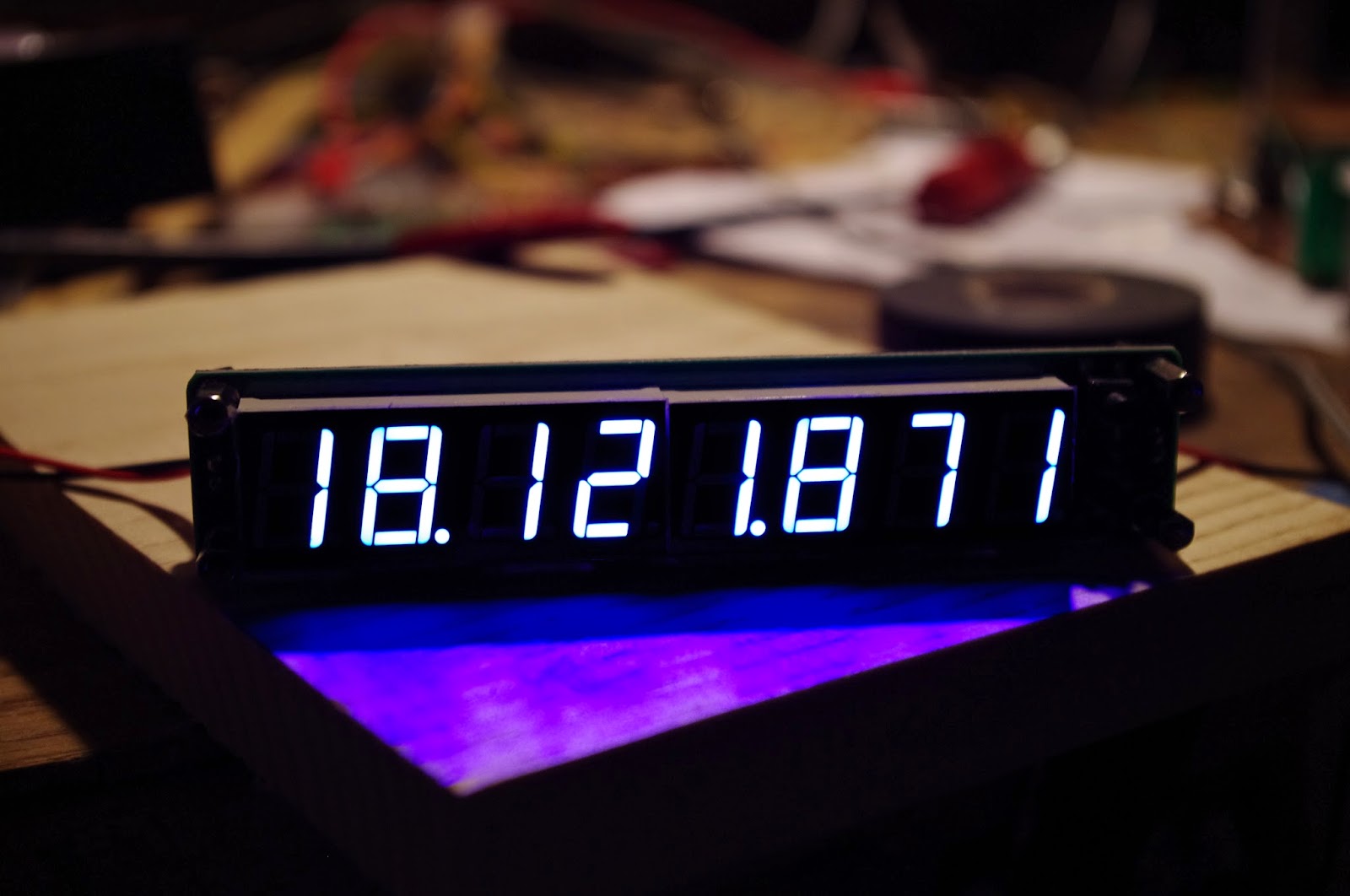
More Glowing Numerals! BIG! BLUE! $13!

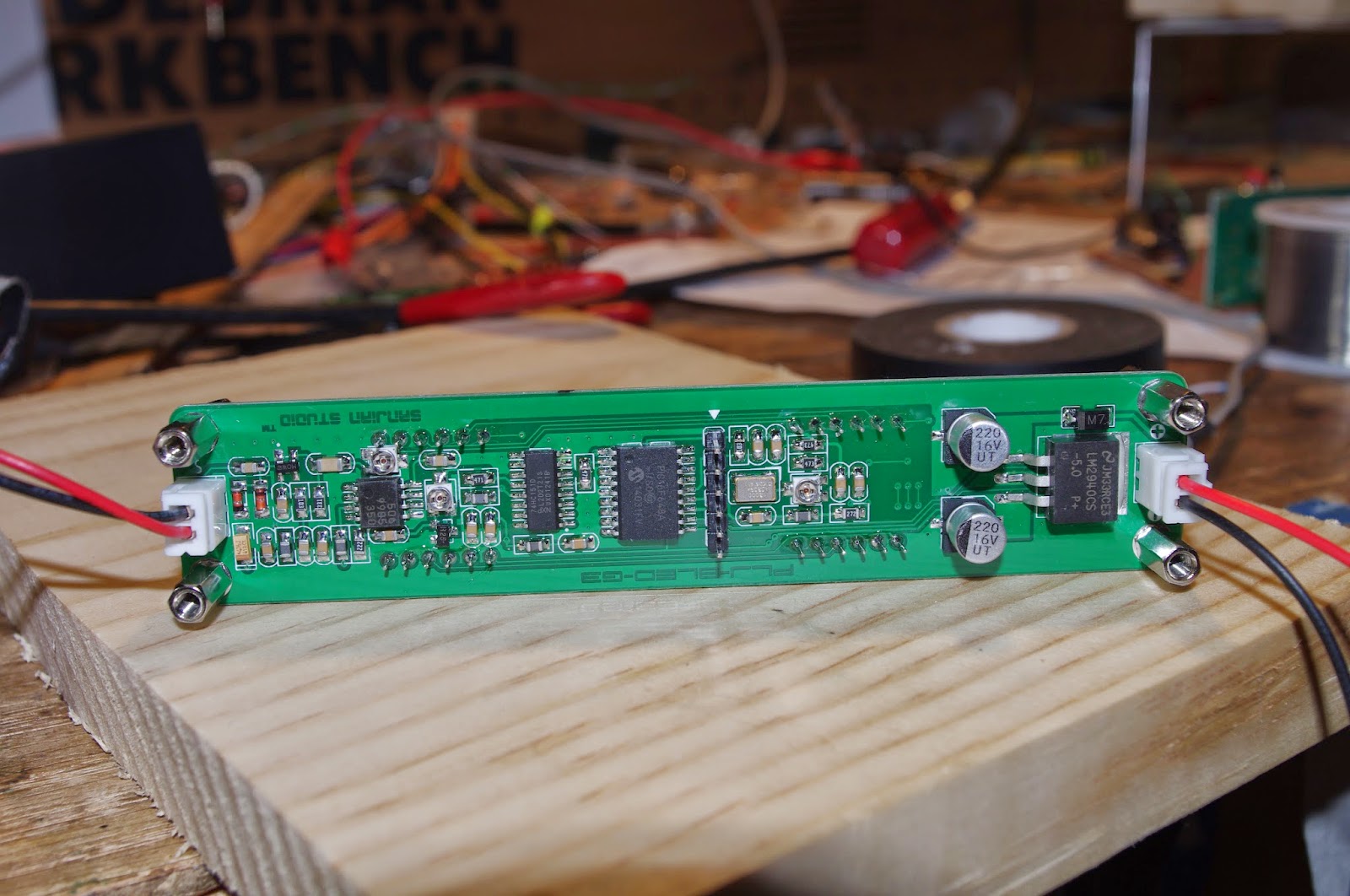
Even though my pencil and graph paper frequency readout for the BITX rigs has its own undeniable charm, this little device could get me to go digital. I heard about it from Chuck Adams and the folks on the qrp-tech mailing list. 13 dollars. It covers .1 MHz to 2.4 GHz. You just hook up a 9 volt source and the RF input. It also does IF offset. The construction looks great and it would be very easy to put into (or aside) any rig. Here is where I got mine:

Our book: “SolderSmoke — Global Adventures in Wireless Electronics” http://soldersmoke.com/book.htm Our coffee mugs, T-Shirts, bumper stickers: http://www.cafepress.com/SolderSmoke Our Book Store: http://astore.amazon.com/contracross-20
New Analog Frequency Readout for BITX17 VXO

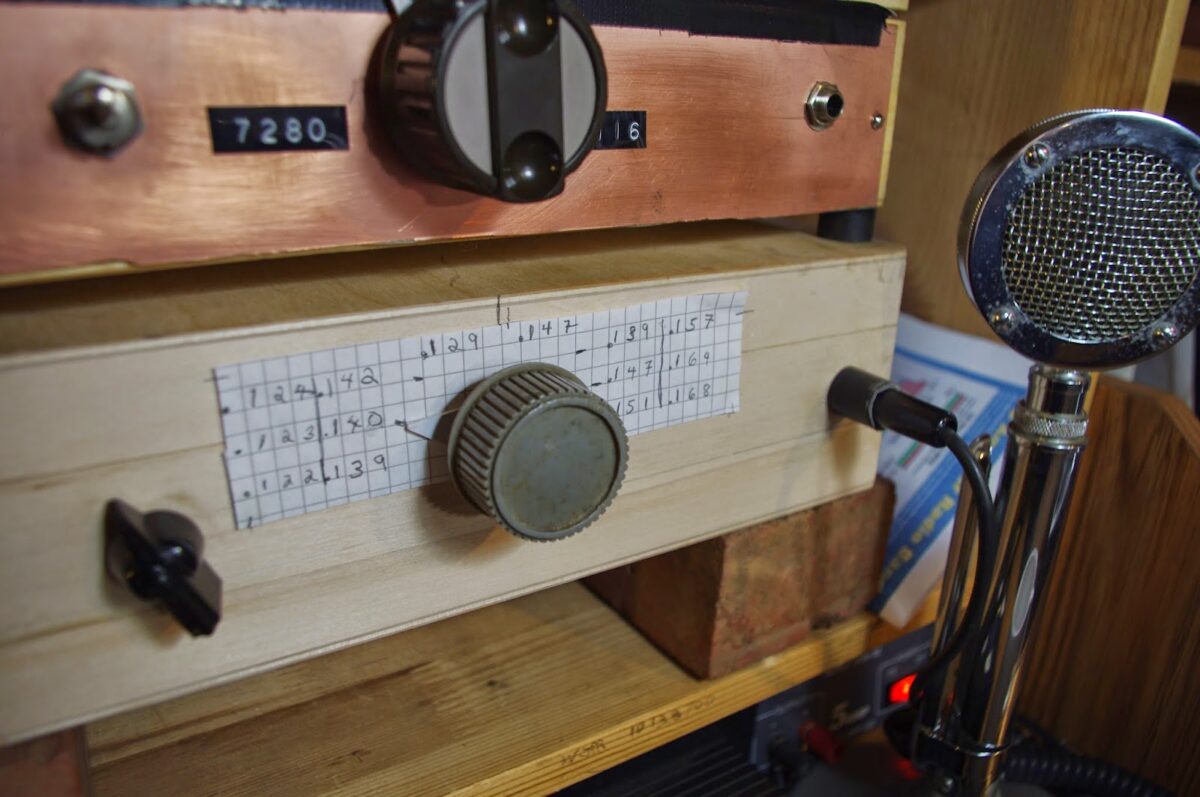
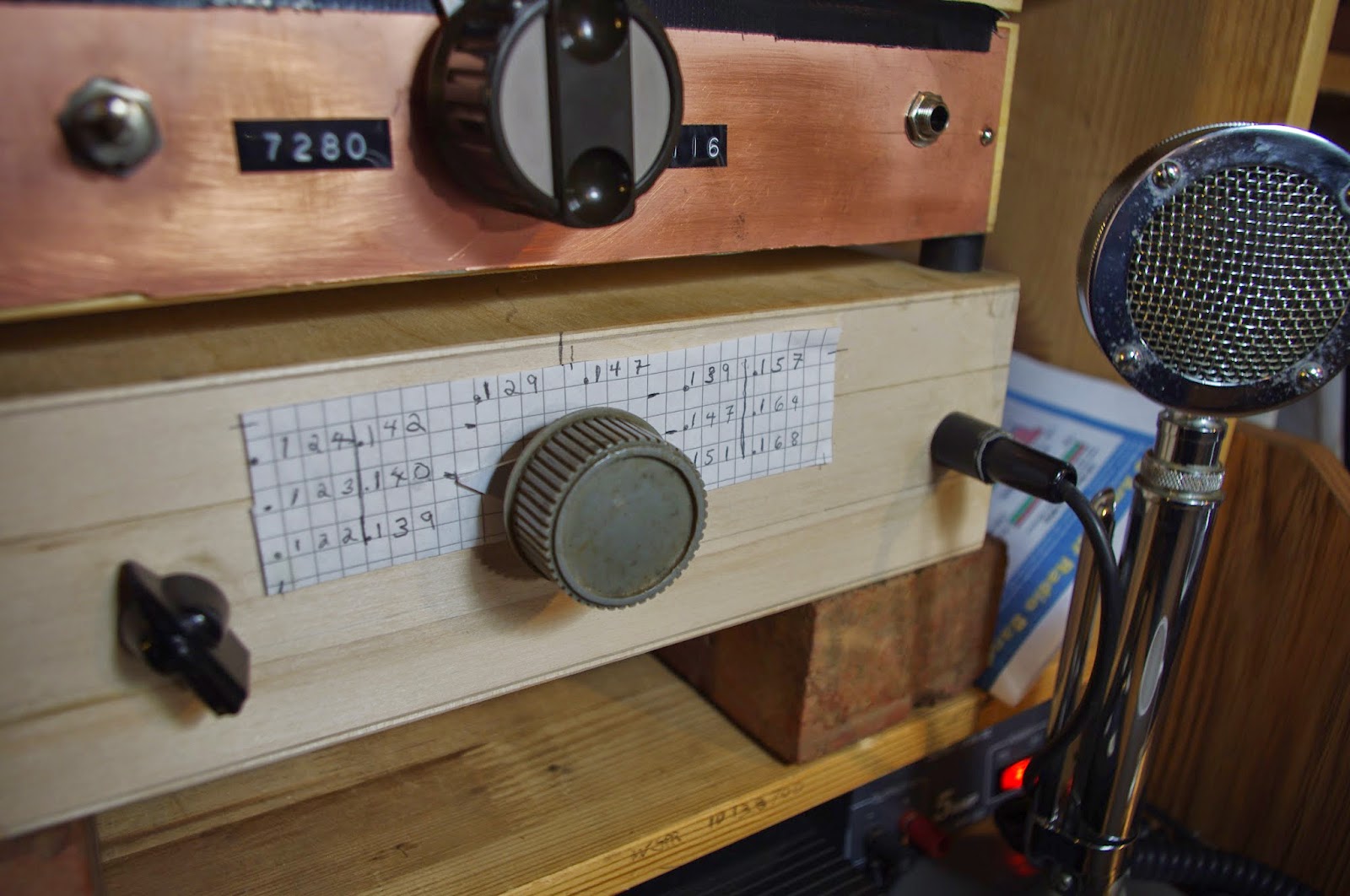
I’ve been getting tired of being in the dark about the frequency on which my BITX17 was operating. So I pulled out some graph paper, my frequency counter, and a pencil. You will see two frequencies at each point — that’s because I use two crystals, switched by the black knob on the left. I realize this paper and pencil approach is hopelessly out of date, but I see it as “appropriate technology” for a discrete component all-analog transceiver.

Pete set me straight on how to come up with the numbers: VXO frequency minus ACTUAL carrier oscillator/BFO freq. After doing this I took great delight in going on the air and asking guys with fancy “glowing numerals” rigs to compare their freq readout with my pencil and graph paper readouts: they were painfully close.

But I am not slipping completely into stubborn Luddite-ism; this weekend I worked on a DDS-based AD9850/Arduino VFO with I-Q output based on Paul M0XPD’s Kanga-UK Arduino Shield. STAY TUNED!

Our book: “SolderSmoke — Global Adventures in Wireless Electronics” http://soldersmoke.com/book.htm Our coffee mugs, T-Shirts, bumper stickers: http://www.cafepress.com/SolderSmoke Our Book Store: http://astore.amazon.com/contracross-20
BITX Build UPDATE # 5: ADRIFT!

Sometimes it is better to have LESS test gear. Watching my 5 MHz VFO on the frequency counter was driving me nuts. If I hadn’t had the counter, I might have been satisfied with the VFO. Ignorance is bliss! It did settle down a bit. But then it would wander off. I hated watching it drift around. I have been spoiled by Doug DeMaw’s VXOs. So, I went for the VXO. It will run around 23 MHz. I’ll build the filter at 5 MHz. That’s definitely the plan. For now.

I intend to go back and build a real VFO someday. There seems to be a lot of magic and lore involved. Bees Wax! Hot Glue! Nail Polish! Q-Dope! Air-wound coils!

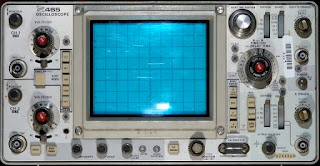
TEK 465 is still broke. I think it is the high voltage supply or (less likely) the CRT.

Our book: “SolderSmoke — Global Adventures in Wireless Electronics” http://soldersmoke.com/book.htm Our coffee mugs, T-Shirts, bumper stickers: http://www.cafepress.com/SolderSmoke Our Book Store: http://astore.amazon.com/contracross-20
An update from Yi Yao, VA3YAO

We did a short article on Yi Yao a while back, noting that he definitely has The Knack. His homebrew frequency counter (above) confirms that he does. In a recent e-mail from him I also detect an inclination toward poetry. April is Poetry Month, so I thought I should share the latest from Yi:

Hi Bill,

I haven’t gotten around to making my first rig yet. But, after
listening to SolderSmoke since the beginning, it seems like the universal rule
of homebrewing has been to avoid regens!

I’ve been focusing on mechanical design for the last while. Having
spent 2 years in a heavily electrical engineering oriented
environment, I decided to try something new.
Most of the smoke that

I inhale these days is from cutting oil vaporizing as I turn something
on the lathe. Chips mean bits of metal that are created from cutting
metal. Soldering is done with a torch. The common thread with
electronics is the knackish pursuit of elegant design and beautiful
construction.

I’ve been thinking about getting myself a copy of SSDRA, but even
looking at online used book stores, this is costing in the
neighbourhood of some of my university textbooks. There’s no shortage
of good information and ideas for homebrewing online though. I think
that’s what I will use.

Cheers,
Yi

Our book: “SolderSmoke — Global Adventures in Wireless Electronics” http://soldersmoke.com/book.htm Our coffee mugs, T-Shirts, bumper stickers: http://www.cafepress.com/SolderSmoke Our Book Store: http://astore.amazon.com/contracross-20
Club 465

I mentioned on the podcast that a generous friend sent me a Tektronix 465 scope. It now seems like every day I’m discovering new and interesting things about this magnificent piece of gear. I’ve also discovered that there a LOT of guys out there who are loyal and enthusiastic users of Tek 465s. George Heron, N2APB, and Joe Everhart, N2CX, have been putting out an excellent podcast called “Chat with the Deigners.” They recently talked about oscilloscopes with our friend Alan Wolke, W2AEW: http://www.njqrp.org/teamspeak/Apr10.html
George mentioned that he has a 465. Our friend Farhan, VU2ESE, is using one. Who else is in Club 465? Send us your names!


Preston. WJ2V, up in the Big Apple sent me a very interesting message about a feature of the ‘scope that I was unaware of. Thanks Preston!

Bill,


I am caught up and just listened to number 142. The podcasts continue to be new and interesting each issue. I too have a 465 workhorse in the shack. I have one suggestion that will turn it into an even more valuable instrument. Note that you have an amplified output in the back with the vertical signal presented at a BNC connector. This is made for connection to a frequency counter. In fact, some of the military versions of this scope came with a frequency counter. If you have a counter in the shack, just connect it to the vertical output in back of the scope. This will faithfully report the frequency of any wave you see on the screen. Since the signal is amplified, the counter will be able to read small signals in receiver stages, while you view them on the scope. Amazingly helpful in setting up and troubleshooting receivers. I leave a dedicated counter connected to the 465 all the time, as it enhances the usefulness of the scope many times. I also am lucky enough to have an early Steve Weber (“Melt Solder”) SASA II device available for connection to the scope whenever needed. This is a 100 MHz spectrum analyzer adapter, with a built-in calibrator. It gives a great view of the output of transmitters. But, of course, you can see the quality of a clean sine wave with just the scope. The SASA II will just help you to see where in the spectrum the junk is coming from. Sadly, I don’t think Steve made more than about a hundred of these terrific kits. Also, it did not have provision for a tracking generator, which would have made it an ideal instrument for designing and checking IF filters. Steve and I talked about this, and he said he might revisit this someday.

As to seeing your QRP (or even higher) signals on the scope, of course you would not connect a transmitter to the input of the scope–that would burn it out in short order. But a proper bypass/attenuator connected to a proper 50 ohm pass-through termination at the input to the scope would give the ability to see why your SWR meter is showing an abnormally high SWR with your homebrew transmitter that’s generating spurious stuff. There is a very practical article for building the two pieces you need on simple PC board “cabinets” (more like half-cabinets) in the wonderful Drew Diamond books, I think in volume II. These simple devices will give you the ability to see what you’re doing with your transmitters, using the scope–

72,

WJ2V

Our book: “SolderSmoke — Global Adventures in Wireless Electronics” http://soldersmoke.com/book.htm Our coffee mugs, T-Shirts, bumper stickers: http://www.cafepress.com/SolderSmoke Our Book Store: http://astore.amazon.com/contracross-20
My Frequency Counter. FIXED!

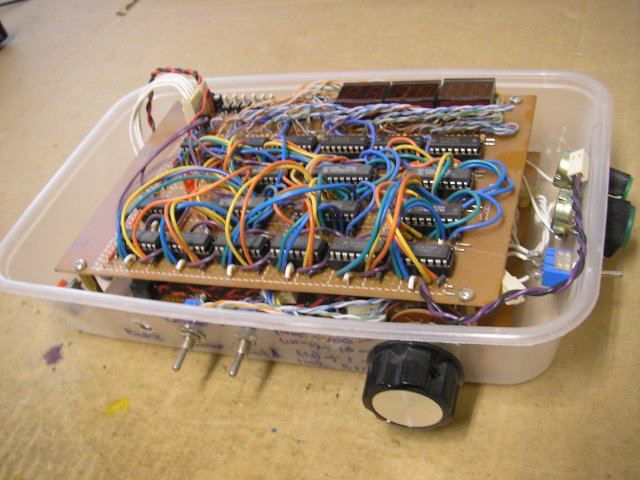
I mentioned my broken frequency counter… Tony Fishpool, G4WIF, of G-QRP sent me a replacement CMOS chip. The counter is now counting beautifully. It was a real chore to get the bad chip off the double-sided board, then I doubled my work by putting Tony’s chip in upside down. It doesn’t work very well that way. I did another chip extraction. By this time I had all kinds of lifted pads, broken traces, pins on the verge of breaking. I felt sure that all the heating and de-soldering had destroyed the CMOS. But no! It lives!

This was a very satisfying troubleshoot and repair. I feel like Dr. House. The whole thing was made even nicer by the fact that the repair part came from the junkbox of a friend. Thanks Tony!

Looks like the old counter is still well-calibrated. It has my QRSS sig at 10140070. ON5EX’s grabber puts me at 10140050. So the counter is 20 Hz high. Not bad for flea market junk.