Circuit for Farhan’s Satellite — Arduino in SPACE

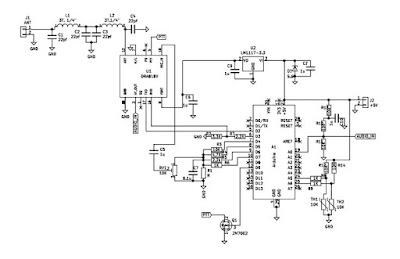
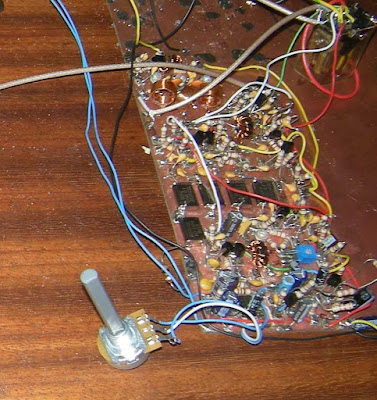
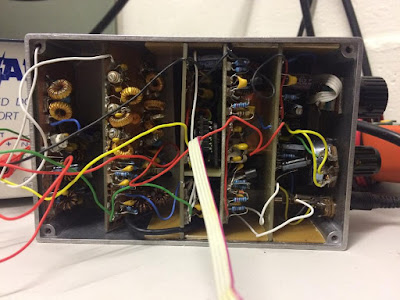
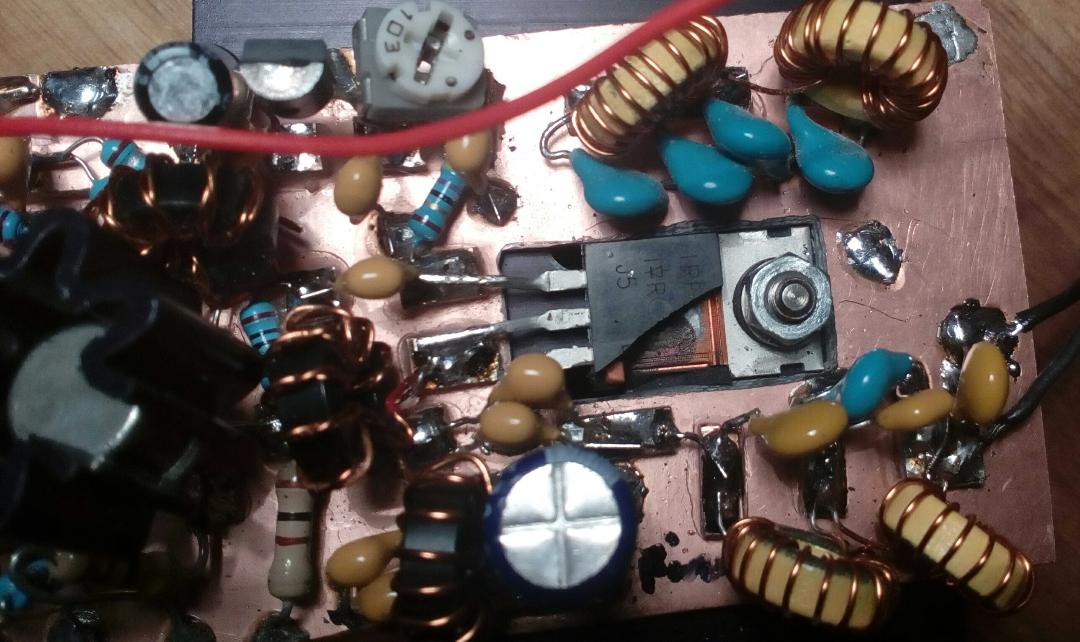
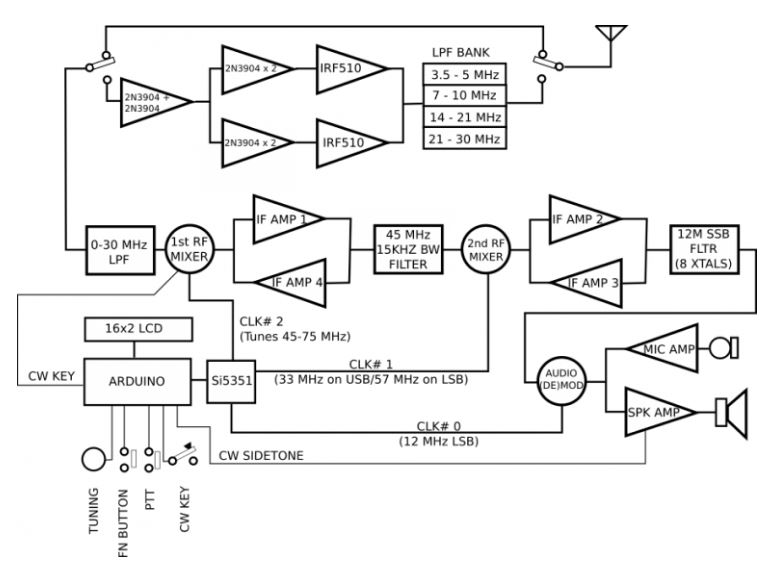
Farhan sent me the schematic of the AISAT amateur digital satellite that went into orbit on April 1, 2019 from India. He notes that the circuitry is very simple. Indeed, it reminds me of the very simple but effective circuitry we saw in satellites in the early days of the space age. Beautiful simplicity, with an Arduino on-board. And it is great to see that Farhan did not forget the low pass filter. FB OM.

Packets from Farhan’s Space Ship

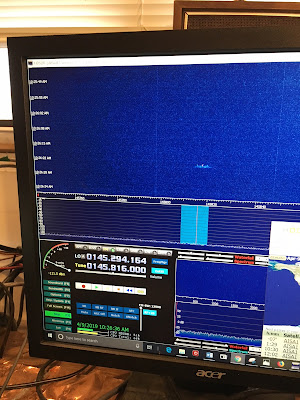
Farhan’s AISAT flew over this morning. Using HD-SDR software, an RTL-SDR Dongle, and my Dominican Republic refrig tubing quad I was able to capture some the packets. Above you can see one of them, floating like a flying saucer in the waterfall. Pretty amazing that that signal came from a machine put in space by our friend Farhan.

Congratulations to Farhan on New Amateur Satellite Launched 1 April

This is not an April 1 trick. Farhan and Exseed Sat have put another bird in orbit.
Details here:
http://amsatindia.org/

This site in Argentina gives pass information:
http://amsat.org.ar/pass?satx=aisa1

I will be listening tonight!

Congratulations Farhan!

More info:


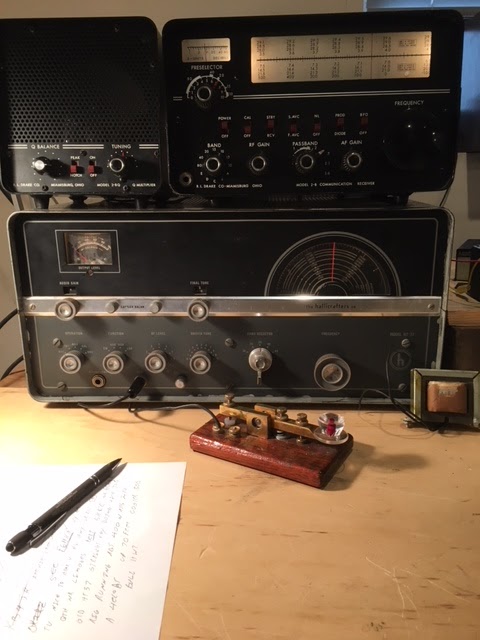
HNY (Happy New Year), SKN (Straight Key Night) 2019, and an HT-37 with “presence” — even on CW

I got the HT-37 working just a few days before the New Year’s Eve/New Year’s Day Straight Key Night event. Looking at my older blog posts, I now see that the problems first surfaced in LAST YEAR’s SKN. Wow, it took me a long time to get to that problem. But I’m glad I fixed it in time for SKN.

For SKN I used the VU3XVR straight key from India that Farhan gave to me. See the picture above.


I started out on 80 meters on New Year’s eve. I rarely operate on that band — I thought it would be a good change of pace. Here is who I contacted on 80 CW:

In the warm-up period before the official start of SKN I worked John KU4AF. John was running a homebrew tube transmitter and a REGEN receiver. Respect, my friends. RESPECT!

N9EP Ed near Chicago was on a K3.

VE9XX Don was on a KX3.

NJ8D Tom in Ohio.

K4IA, Buck, down the road in Fredricksburg Va. Buck was running a Drake TR4C with a Begali key. FB Buck. He mentioned that he had had a Drake 2B — he said he regrets selling it. Indeed.

VE9WW Bill in Moncton NB. On a straight key.

AA8MI Gene (gosh, that name really sings in CW — try it!) in Ohio. Gene was running 5 watts from a K3. This added a needed QRP element to the festivities. Thanks Gene.

AI4SV Jack in Rockville Md. OH MY GOD! NOW I REALIZE WHO THIS WAS! Jack! Jack of Antanarivo Madagsascar! And now I understand what he said to me. He said in CW that my HT-37 has “Lots of presence.” Huh? What? I couldn’t figure out what he was talking about, but now I realize that he was joking about all our discussions mocking the poor audiophiles. Well, thanks Jack. I’m glad the rig has presence, EVEN ON CW! THIS QSO GETS MY VOTE FOR BEST SKN QSO.

I also listened for a while to W3GMS. His signal had a lot of character and personality. He was telling the other fellow that he suspected this was the result of a soft voltage regulator tube in his DX-60. I think he was also using a Drake 2-B. I didn’t get a chance to talk to Howard, but I’m sure it would have been fun.

On New Year’s morning I switched bands. First to 40 where I worked Greg NM2L near Atlanta. He said he fingers and wrist were out of condition, but I told him his fist was FB.

Then I went to 20 CW where I worked a bit of DX. First David F8CRS then Bert F6HKA. The contact with Bert reminded me of the charms of DX contacts using CW. “VY GM DR OM.” It was nice.

N7AQQ Mike in Montana.

So it was a good SKN for me. Working the French stations reminded me of the allure of listening to CW coming in from far away, and from a foreign culture. And it was great to hear from AI4SV that my HT-37 has “presence” even on CW.

73 and HNY to all.

W7RLF Homebrews a Receiver — FB!


Ryan W7RLF has joined the small and elite group of radio amateurs who have homebrewed a receiver. And it is a receiver filled with soul, juju and mojo; the project was inspired by Wes Hayward and Farhan, and used components from Hans Summers. Congratulations Ryan and thanks for all the work you did in documenting your experience.

Who will be the next intrepid ham to join the homebrew receiver club?

Hello Sirs!


This month I read Wes Hayward’s post on the history and heritage of DC receivers in ham radio and it brought a lingering interest to a head. I had to build one. I run the BITX40 and uBITX group on Facebook, and I posted to the other hams there: Which DC receiver should I build? Farhan recommended his DC40. Mind you, I’ve never homebrewed a radio before, so this is all new territory for me.

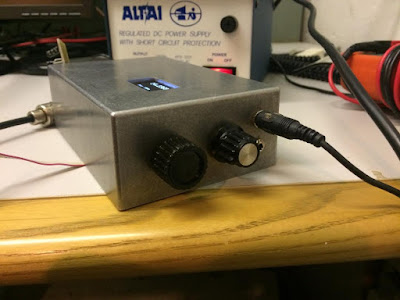
I did build it, and it does work. It also uses QRP Labs stuff from our friend Hans Summers. This thing has a lot of QRP heritage 🙂 I documented it every step of the way including all of my dumb moves and things I got wrong, and my desire is to inspire others to try homebrewing the way Wes, Farhan, Hans, and you YOU GUYS have inspired me to try it. I am hooked, of course! Here’s a link to my blog to Part 1:


It’s a four part series (unofficially 5 really) with 8000 words to it, and I hope you guys enjoy it and I’d be ticked pink if was worthy of mention on your show. Here’s a video of it too:


73 to you both and I wish you the best!

Ryan Flowers W7RLF

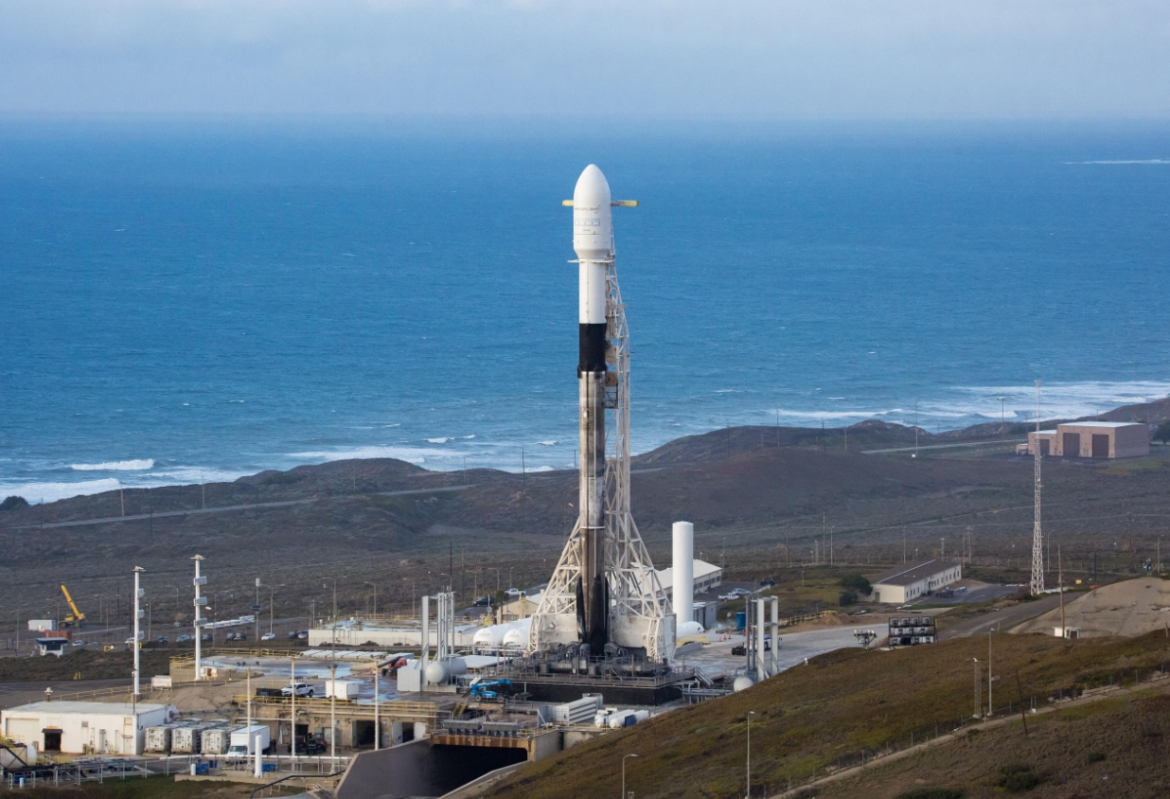
Launch Day! Godspeed Exseed! 1:31 pm Eastern time. Video links here.

Farhan posted this message and the above video to Facebook today (I have the video cued up to around the 5 minute point):

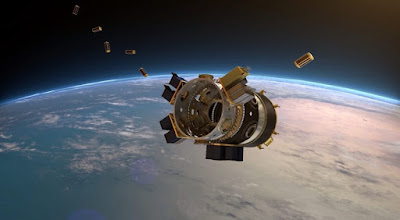
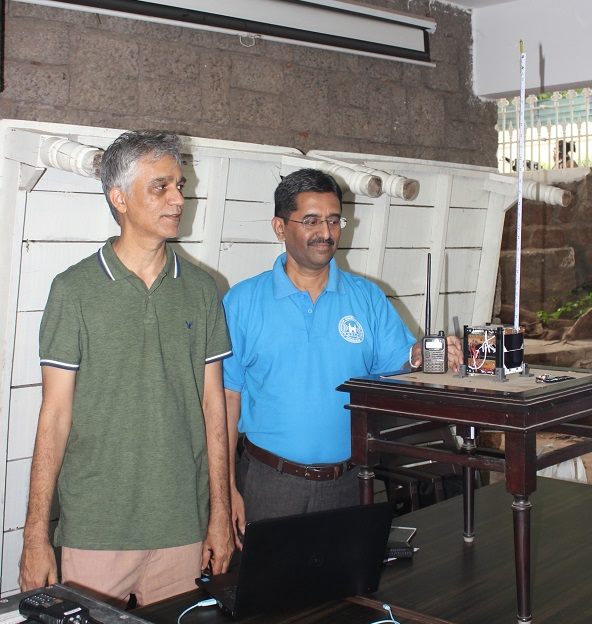
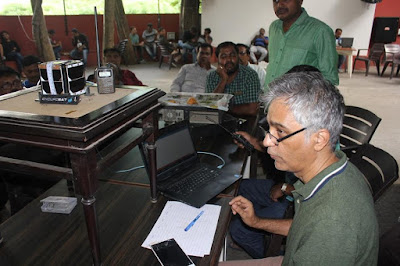
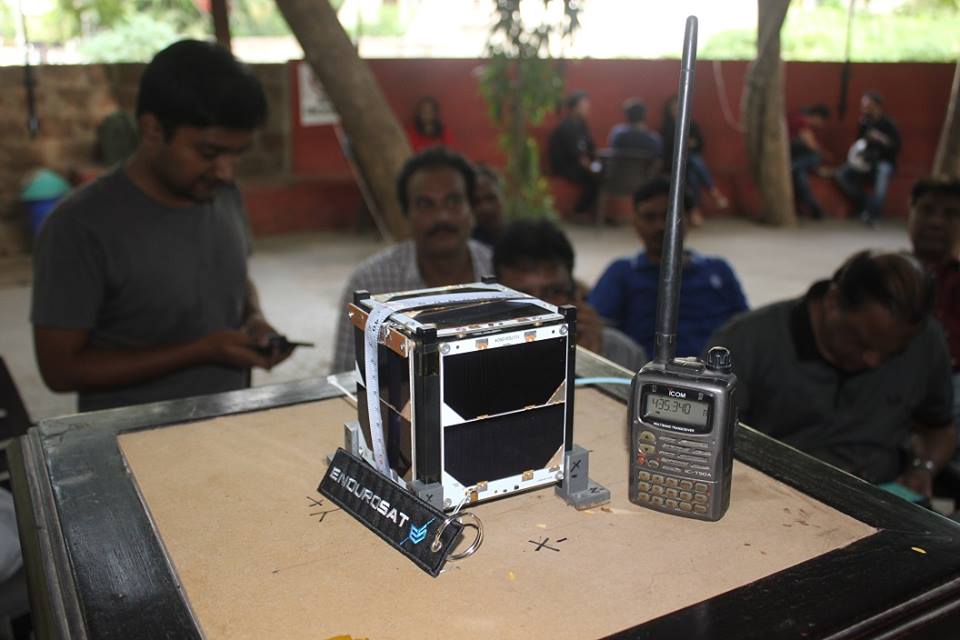
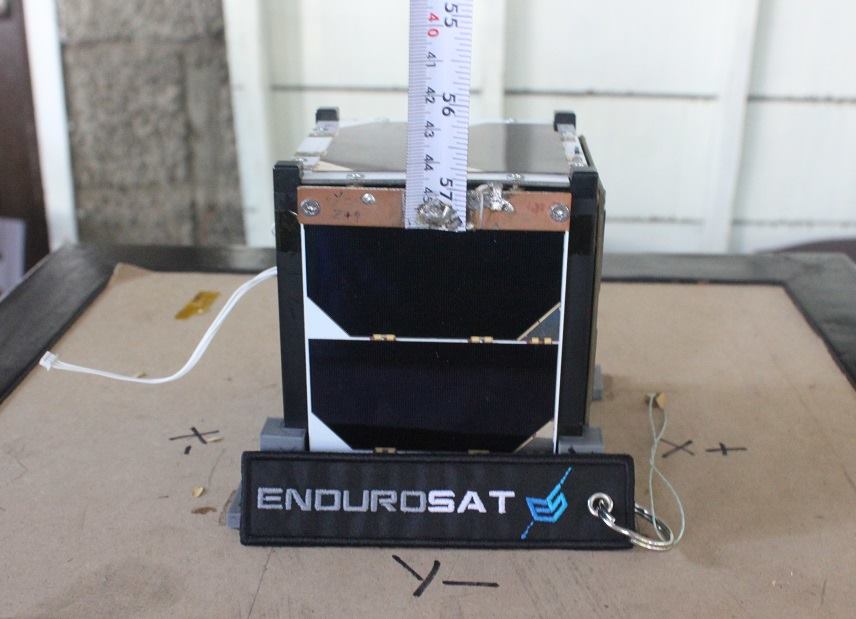
We are all set for the launch of ExseedSat… There are two tiny switches at the bottom of the satellite that keep the satellite switched off while it stays in it’s container. Once the satellite is ejected, the switches are released and the satellite wakes up.
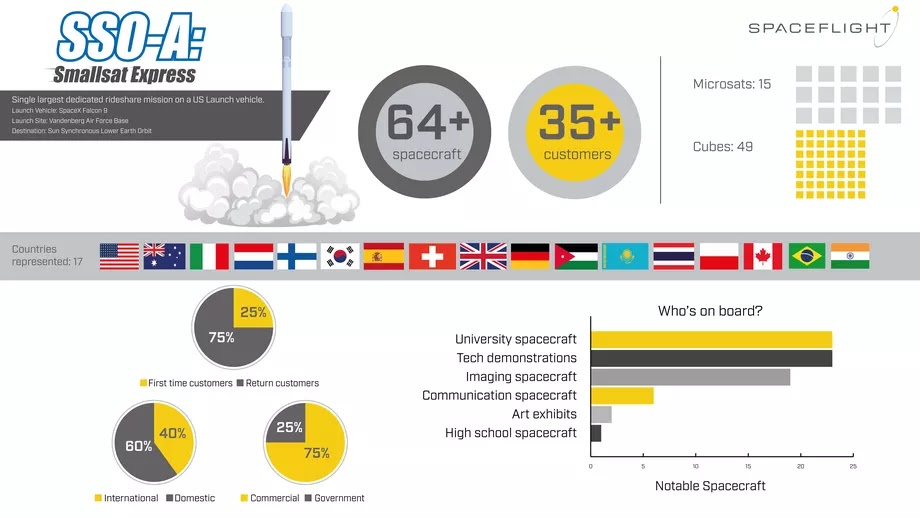
There are 36 satellites on this launch, some belong to close friends in the satellite fraternity. We wait for all the satellites to drift out and after 45 minutes, the antennas are depolyed and we will start beeping signals home.
Here is a test of that process. You can skip to the fifth minute to watch the antenna depoly .


I really like the tape measure antenna. This recalls the earliest OSCAR satellites. And let’s not forget that OSCAR 1 also launched from Vandenberg. So there a lot of good tradition flying with Farhan’s bird.

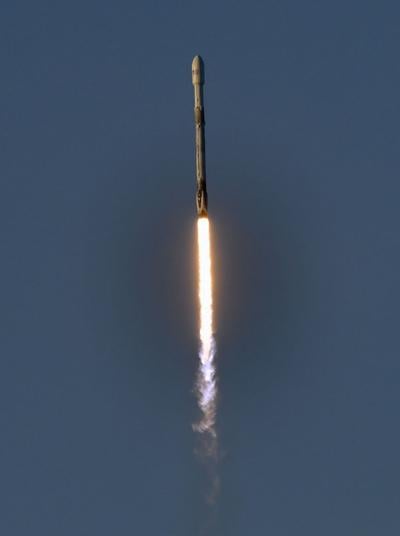
Press reports indicate a launch time of 1:31 pm Eastern time today. I think you can watch it live through the video window below. Or try this link:

https://www.youtube.com/watch?v=Wq8kS6UoOrQ

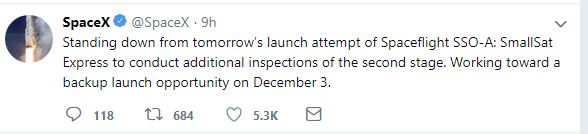
Cubesat Launch Now Scheduled for Sunday Morning (California time)


Here is an update from the San Luis Obispo News:
It kind of makes you wish you were out there…


https://spacenews.com/dedicated-rideshare-falcon-9-launch-raises-satellite-tracking-concerns/

https://www.theverge.com/2018/12/1/18114894/spacex-falcon-9-reusability-sso-a-mission-rideshare-satellites

Totally Absurd — Farhan Being Questioned in a Police Station

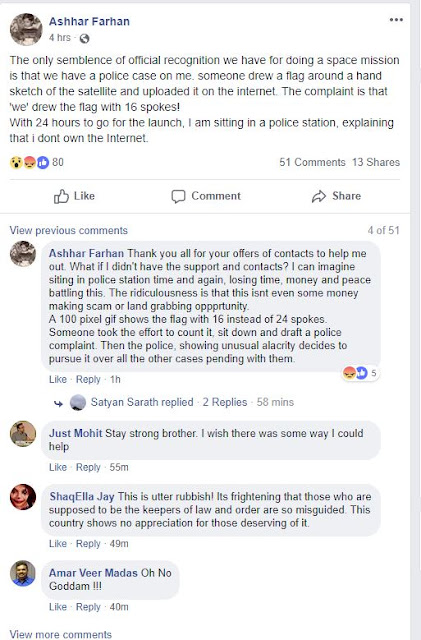
I walked into the shack this morning hoping to read good news about the InSight landing and the impending launch of Farhan’s satellite, but instead I found this message from Farhan in a police station. This is really absurd and disheartening. Someone (not Farhan!) altered the Indian flag and put it into an image of Farhan’s CubeSat. So with 24 hours to go before the launch, our friend Farhan finds himself in a police station.

Stay strong Farhan! You have a lot of support around the world.

From BITX to SpaceX: Falcon 9 To Launch Farhan’s Cubesat on Monday (video)

  1. https://www.rocketlaunch.live/launch/spaceflight-sso-a-su

    will carry a live feed of the launch


  2. SpaceX will live-stream the launch as well on their YouTube stream. Also – this will be the first SpaceX booster to fly three times, and the first to launch from all three SpaceX pads.

    https://forum.nasaspaceflight.com/index.php?topic=46756.0

Special thanks to Dave Bamford for the BITX to SpaceX line!

W7ZOI: Direct Conversion Receivers — Some Amateur Radio History

http://w7zoi.net/dcrx68.pdf

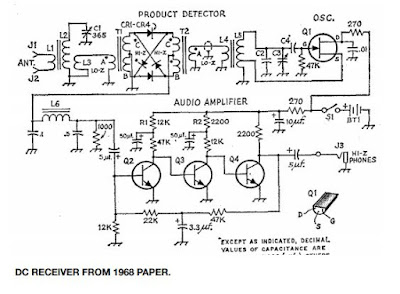
Farhan and Pete WB9FLW alerted me to this wonderful article by Wes Hayward, W7ZOI. I guess my interest in DC receivers must have been noticed by the Google algorithm because I am bombarded by ads extolling the virtues of “Zero IF.” Hey Google — I’m already a believer! I was converted by W7ZOI’s 1968 article in QST. And my belief in the technique has been greatly reinforced by his November 2018 50th anniversary article.

There is so much good stuff in Wes’s look-back piece. The travails of trying to write for QST are presented very well. And we learn that none-other-than Doug DeMaw himself is responsible for the use of the word “presence” in describing amateur radio audio.

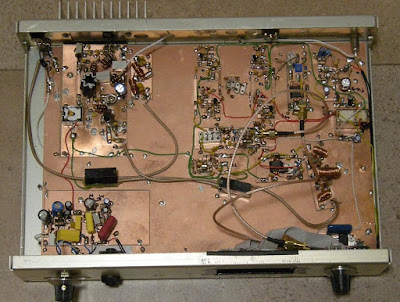
This article has inspired me to take a new look at the DC receiver I built last winter. Mine needs some work. I think it is kind of deaf. It could probably benefit from a diode ring detector. But it already has presence.

http://w7zoi.net/dcrx68.pdf

Thanks Wes. And thanks to Farhan and Pete for the heads up.

Getting Ready for Farhan’s Satellite (videos)

I’ve been getting ready for the November 24 launch of the CubeSat that Farhan and his friends in India built. I started out with my trusty Drake 2-B and a Hamtronics 2-to-10 downconverter, but I quickly switched to an RTL-SDR dongle and HD-SDR software. My 3 element quad antenna is visible in the first video. So far, I am using the Armstrong method to turn the antenna.

In that first video I keep saying that I am waiting for AO-71. In fact is was AO-73, the “FunCube” from the UK. I think it is similar in power and antenna configuration to Farhan’s satellite, so I think we are almost ready for launch.

(Any ideas on what that mysterious pulsating sig in the satellite passband signal is in the first video?)

Radio Astronomy Knack!

This video has so much of the kind of stuff that interests us: roadkill antennas. 3D printers. Arduinos. Raspberry Pi, And of course, RADIO ASTRONOMY.

And the Thought Emporium guys have a lot of other great project videos on their YouTube site:

https://www.youtube.com/channel/UCV5vCi3jPJdURZwAOO_FNfQ

I feel myself being pulled back into SPACE. First there was Farhan’s new satellite, now this. Last weekend I finished a 3 element quad for 146 MHz. In a fit of nostalgia I used the same copper tube elements that I used to communicate with the MIR space station from the Dominican Republic in 1995. They have good JuJu. And Mojo. TRGHS. More on this later. Tune UP!

The Triple Scratch-Built BITX Club — Do you qualify for membership?

OK, so how many of you guys can join Steve M0KOV and me in the Triple Scratch-Built BITX Club?

Bill

Below are my three Bitx builds.

1st build.
Closely follows Farhan’s original 20m design but I soon changed the VFO for an arduino/ad9850. It was a fast, get me on the air build, it worked, but not well.
The output amp was built on a separate board as part of its exorcism.
2nd build.
This was to be my two band Hill Topper, we don’t have mountains in Yorkshire. Built with separate stages slotting into the eddystone box to save space and to help with shielding. The receiver worked very nicely, the output kept blowing irf510’s. I later found that they were a hopeless batch. Very hard to work on.

3rd build. Big is beautiful. Arduino/si5351 straight into the modulator and into the mini-circuit mixer through a driver as discussed. Norton feedback RF preamp and a ne5532/lm386 AF amp. At the moment it’s on 80m but it did start on 40m. It’s still a work in progress and I will have to sort that soldering iron band change.
73 Steve M0KOV

Farhan’s Satellite

Latest news:

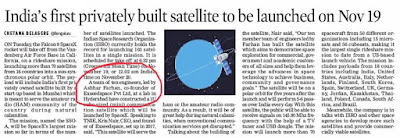
The launch is set for November 24, 2018 from California. It will be in a polar orbit. The beacon will be on 145.90 MHz. Farhan says an RTL-SDR Dongle should do the trick. I plan on building several receive systems and an appropriate antenna.

https://telanganatoday.com/a-blessing-for-the-small-guys

https://www.thehindu.com/news/national/other-states/odisha-man-team-builds-private-satellite/article24963338.ece

https://www.timesnownews.com/technology-science/article/instagram-now-lets-you-shop-directly-from-stories-explore-tab-heres-how/286276

I don’t think Farhan’s group is connected to this group, but this short video does a nice job of explaining the potential of CubeSats.

FROM Prasad VU3YFD:
Hi my friend’s information to all about a man’s ” A DREAM COME’S TRUE ” in ” VU ” LAND with his hard work & to the whole team.. we can say ……FANTASTIC ….. no other words to express from my side but i ENVY on their hard work’s.. hi hi .de vu3yfd,prasad
AMSAT-UK
IARU Amateur Satellite Frequency Coordination
List of Sats formally submitted
ExseedSat Updated: 10 Aug 2018 Responsible
Operator Ashar Farhan VU2ESE
Supporting Organisation Exseed Space Innovations Pvt Ltd
Contact Person afarhan@gmail.com.nospam
Headline Details: The ExseedSat is a 1U cubesat that will provide a multifunction UHF/VHF NBFM amateur communication satellite. It will have various configurable modes, including: • UHF to VHF, single channel, narrow band FM transponder with CTCSS, 67 Hz squelch • Power output selectable between 1 watt and 0.5 watt • Digipeat feature with APRS on UHF uplink nd VHF downlink • Melody mode : It will play a simple melody of a few notes on special occasions or events. This will interest students outreach. • We expect this satellite to have a life of two years, depending upon how long the battery lasts and when the satellite de-orbits naturally. Planning a SpaceX launch from Vandenberg in October 2018 **The request has now been updated to include only a U/V transponder/digipeater** **The following frequencies have been coordinated: 145.900 MHz for repeater and digipeater downlink and for telemetry and 435.340 MHz for repeater and digipeater uplink**
Application Date: 19 Jul 2018 Freq coordination completed on 10 Aug 2018
Read The Hindu story at https://www.thehindu.com/…/odisha-man-t…/article24963338.ece
Gurudatta Panda VU3GDP http://gurudattabam.blogspot.com/
Ashhar Farhan VU2ESE http://hfsignals.blogspot.com/
Tnx cu agn de vu3yfd,prasad

Three Cheers for the uBITX! Keeping problems in perspective…

This morning I was looking at Farhan’s uBITX page. He got philosophical at the end of the circuit description:

As a fresh radio amateur in the 80s, one looked at the complex multiband radios of the day with awe. I remember seeing the Atlas 210x, the Icom 720 and Signal One radios in various friends’ shacks. It was entirely out of one’s realm to imagine building such a general coverage transceiver in the home lab.
Devices are now available readily across the globe through online stores, manufacturers are more forthcoming with their data. Most importantly, online communities like the EMRFD’s Yahoo group, the QRP LABS and BITX20’s groups.io community etc have placed the tribal knowledge within the grasp of far flung builders like I.
One knows that it was just a matter of breaking down everything into amplifiers, filters, mixers and oscillators, but that is just theory. The practice of bringing a radio to life is a perpetual ambition. The first signal that the sputters through ether, past your mess of wires into your ears and the first signal that leaps out into the space from your hand is stuff of subliminal beauty that is the rare preserve of the homebrewer alone.
So true! Over on the BITX.io group there is a very interesting discussion of the extent to which the uBITX is in compliance with FCC and ITU specs on harmonic and spur emission. In this discussion, I think it is important to remember the reason Farhan created the BITX rigs: The goal was to get today’s radio amateurs out of their Yaesu-Kenwood-Icom appliance rut, and get them involved with the circuitry, to get them to modify and improve the rig. And that’s precisely what is going on now.
It was well known that dual conversion is riskier than our old familiar single conversion architecture — when you throw another mixer and oscillator into the rig you open the door to problematic spurious signals.. But dual conversion holds out the promise of general coverage. And the advantage of that is quite evident in the uBITX. Mine is on right now and I can switch from band-to-band with a press of the tuning control. This is nice. So a spur has been discovered — solutions are already being offered. That’s the spirit! And it looks like the low pass filters might not be as effective as hoped. This may be a simple matter of board layout and relay use. That is clearly quite fixable.
So let’s remember that this is not plug-and-play ham radio. This is more of a collaborative, homebrew, open-source hardware/software project. The uBITX may be closer to true homebrew than many hams are accustomed to. That was the whole idea.

Patience is a virtue
Possess it if you can
It is never held by techies
And seldom held by hams

INTERVIEW: Four Days in May 2018 — G0UPL Hans Summers talks to Bob Crane


Once again, our correspondent Bob Crane W8SX has gone to the Four Days in May event and has sent back some really great inteviews with those who made presentations there.

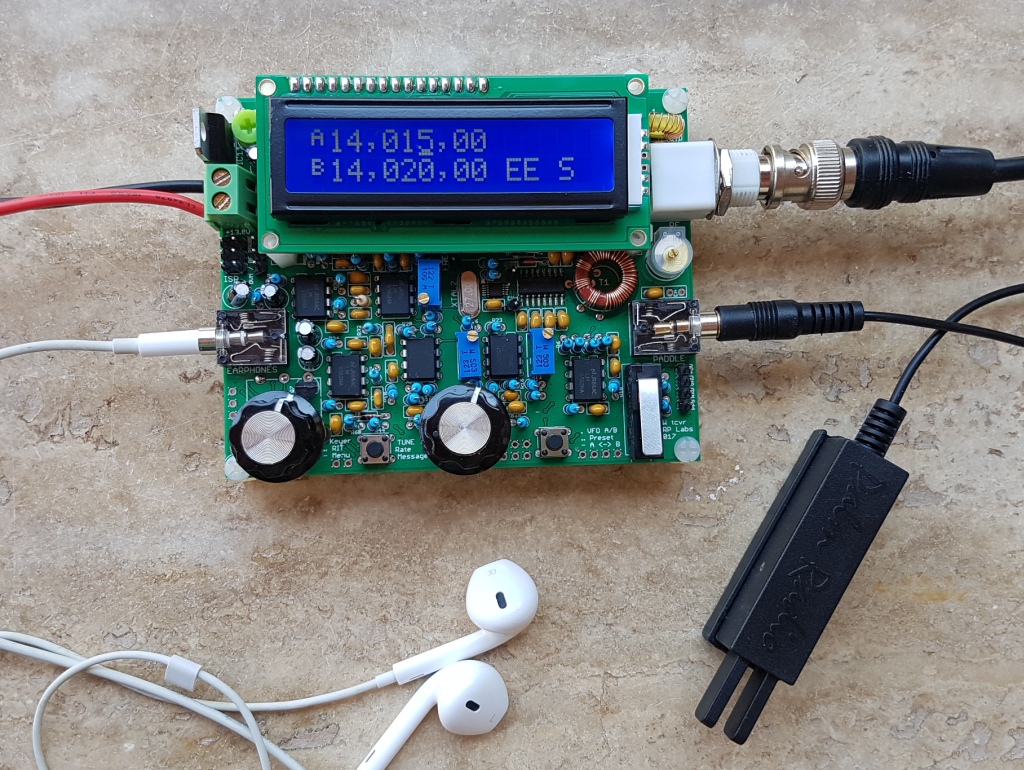
First on the list was Hans Summers G0UPL. Hans is a justifiably famous Homebrew Hero, and a member of the QRP Hall of Fame. The latest of his many contributions to the hobby is his amazing QCX transceiver. Like the BITX rigs, the QCX refutes the idea that hams need to spend kilobucks to get on the air with a decent rig. Priced at around $50, the QCX offers excellent performance. And it comes with built in test gear: the signal generator you need to align the rig COMES IN THE RIG! FB Hans.

I think it was Pete who noted that the price range for rigs like the QCX, the BITX, and the uBITX is in the $50 to $110 dollar range, meaning that “One hundred bucks is the new three thousand bucks.” We owe a lot gratitude to Hans and Farhan for this very positive paradigm shift.

Listen here for Bob Crane’s 2018 FDIM interview with Hans:

http://soldersmoke.com/G0UPL-18.mp3

We all also owe a debt of gratitude to the QRP ARCI folks who did all the hard work that goes into organizing Four Days in May. Special thanks to QRP ARCI Preston Douglas WJ2V, and to FDIM Chair Norm Schklar WA4ZXV. FDIM is one of the most important events on the Homebrew/QRP calendar.

More info on the QCX (and order yours) here: https://qrp-labs.com/qcx.html