Category: Dominican Republic
A SolderSmoke Holiday Charity Appeal — Help Elisa help little Gonzalo!
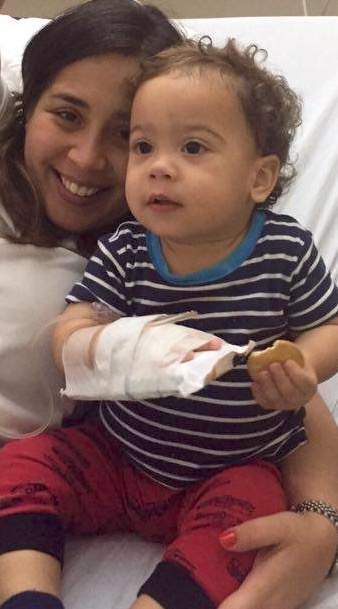
My name is Elisa Meara, and I am raising money for my dear cousin Eliana and her 18 month old baby boy Gonzalo.
The week before Christmas Eliana and her husband Pedro were happily preparing to celebrate the festivities with their only child Gonzalo. This was Gonzalo’s second Christmas and the first one he would be aware of. Gonzalo wasn’t feeling well and his pediatrician recommended that he be admitted to the hospital for a few days. “Just another childhood virus” I am sure Eliana and Pedro thought.
But the morning of the day before Christmas they learned Gonzalo was very ill. The diagnosis was leukemia. While the world around them celebrated, they were living every parent’s worst nightmare. Baby Gonzalo needed emergency medical attention to save his life.
On Christmas Eve, trying to give their son the best chance possible, they left their home and families behind in The Dominican Republic to take him to Jackson Memorial Hospital in Miami for treatment. The morning of Christmas Day he received his first round of chemotherapy. The treatments will continue for the next six to eight months.
Needless to say, this young and hard-working couple is devastated. They are trying to do everything they can to help their baby boy.
While they have health insurance, the costs and expenses -especially those associated with living in a foreign city- are growing very quickly. We are hoping to help ease this tremendous heart-ache and suffering with prayers and financial support.
No contribution is too small and every little bit will help. You can contribute here:
Been There, Done That: “…he begged his oscillator to osc and his amplifiers to amp.”
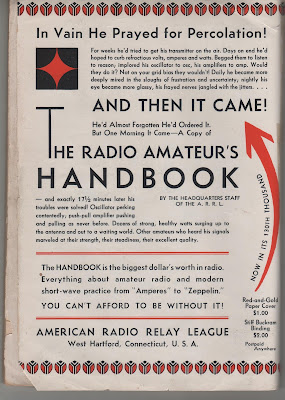
This ad is from the December 1931 issue of QST. This copy has a LOT of mileage on it. In 1993 or 1994, David Cowhig (now WA1LBP) was living in Okinawa Japan and was operating as 7J6CBQ. I was living in the Dominican Republic and operating as N2CQR/HI8. We were both contributing to a 73 magazine column (as “Hambassadors”!) and we were both in the Foreign Service. I wrote to David — he wrote back, sending me some old QSTs, including the one from which the above ad is taken.
This ad shows that many of the homebrew/troubleshooting woes that we face today are very old. And that having access to good technical books is very important when you are trying to overcome these difficulties.
Our book: “SolderSmoke — Global Adventures in Wireless Electronics” http://soldersmoke.com/book.htm Our coffee mugs, T-Shirts, bumper stickers: http://www.cafepress.com/SolderSmoke Our Book Store: http://astore.amazon.com/contracross-20
A Thatched Roof, Some Palm Trees, A Dipole, and a Homebrew Rig
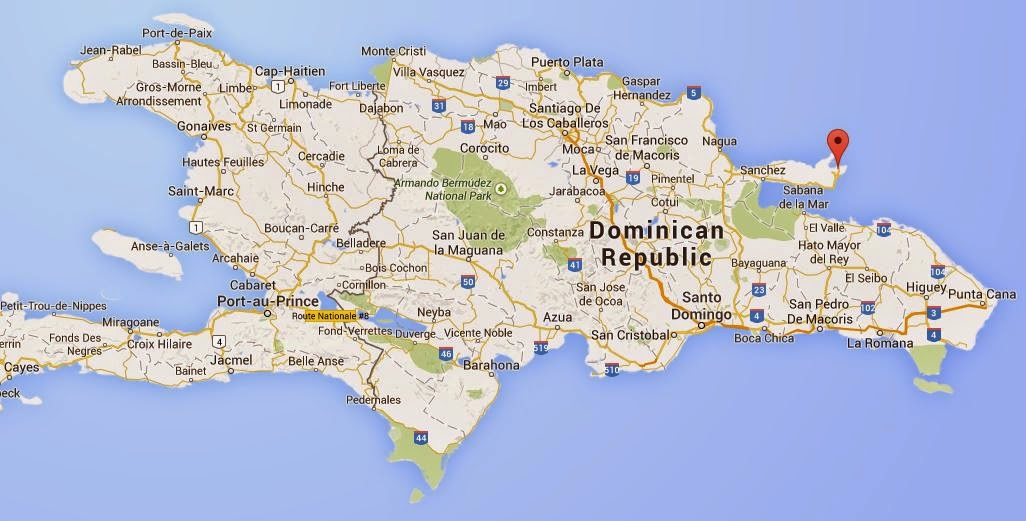
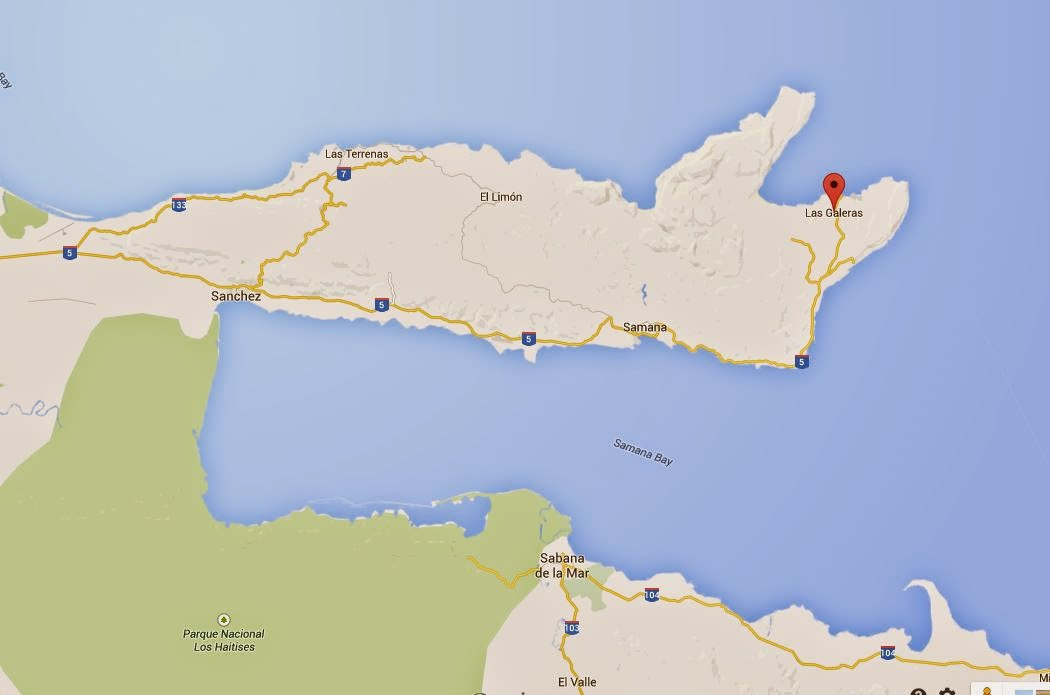
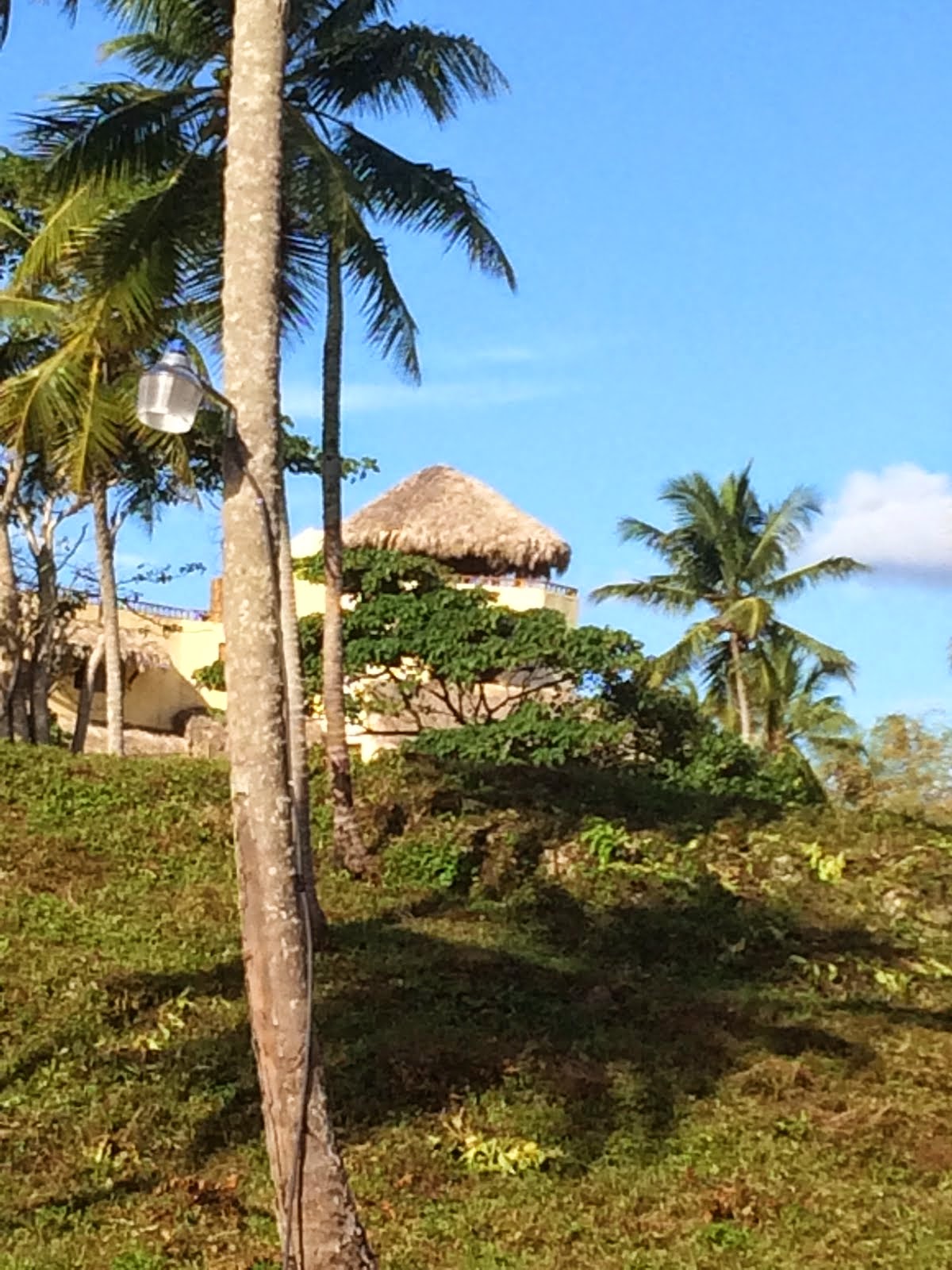
Look at the drawing above. That is the banner logo of Rod Newkirk’s column in QST magazine. For many years Rod regaled us with exciting reports on the activities of intrepid foreign radio amateurs, transmitting from exotic locations using ingeniously devised homebrew radio equipment. Look at the picture on the left side. See the palm trees? See the thatched roof shack with the dipole antenna? Well, that’s pretty close to what it was like for me out on the Samana Peninsula in the Dominican Republic last month.
The rig was my Azores-built, oft-modified, NE602-based, ceramic resonator DSB transceiver with a recently added India-designed BITX IRF510 RF amplifier chain. A little article I wrote about the ceramic resonator VXO was featured in SPRAT 127. My antenna was a half wave dipole strung up in the thatched roof. Power came from 10 AA Batteries. So this was the Double A, Double Sideband, Dipole DX-pedition.
I had given some thought to building an SSB rig for this trip, but because of the efforts of Peter Parker, VK3YE, I felt compelled to take a DOUBLE Sideband rig with me to the beach.
Here is an old (2006) video on the rig. The power amplifier has been significantly modified:
Here is some more information on the rig, including a schematic for the receiver and the SPRAT article on the Variable Ceramic Oscillator:
http://www.gadgeteer.us/PORTABLE.html
Here is the log book for my contacts.
C08KB MARCO IN CUBA
Thanks to Elisa for finding us this wonderful place. And to Rod Newkirk and QST for the DX inspiration.
Our book: “SolderSmoke — Global Adventures in Wireless Electronics” http://soldersmoke.com/book.htm Our coffee mugs, T-Shirts, bumper stickers: http://www.cafepress.com/SolderSmoke Our Book Store: http://astore.amazon.com/contracross-20
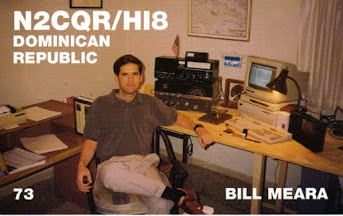
Bill’s Dominican Mighty Mite (1993)
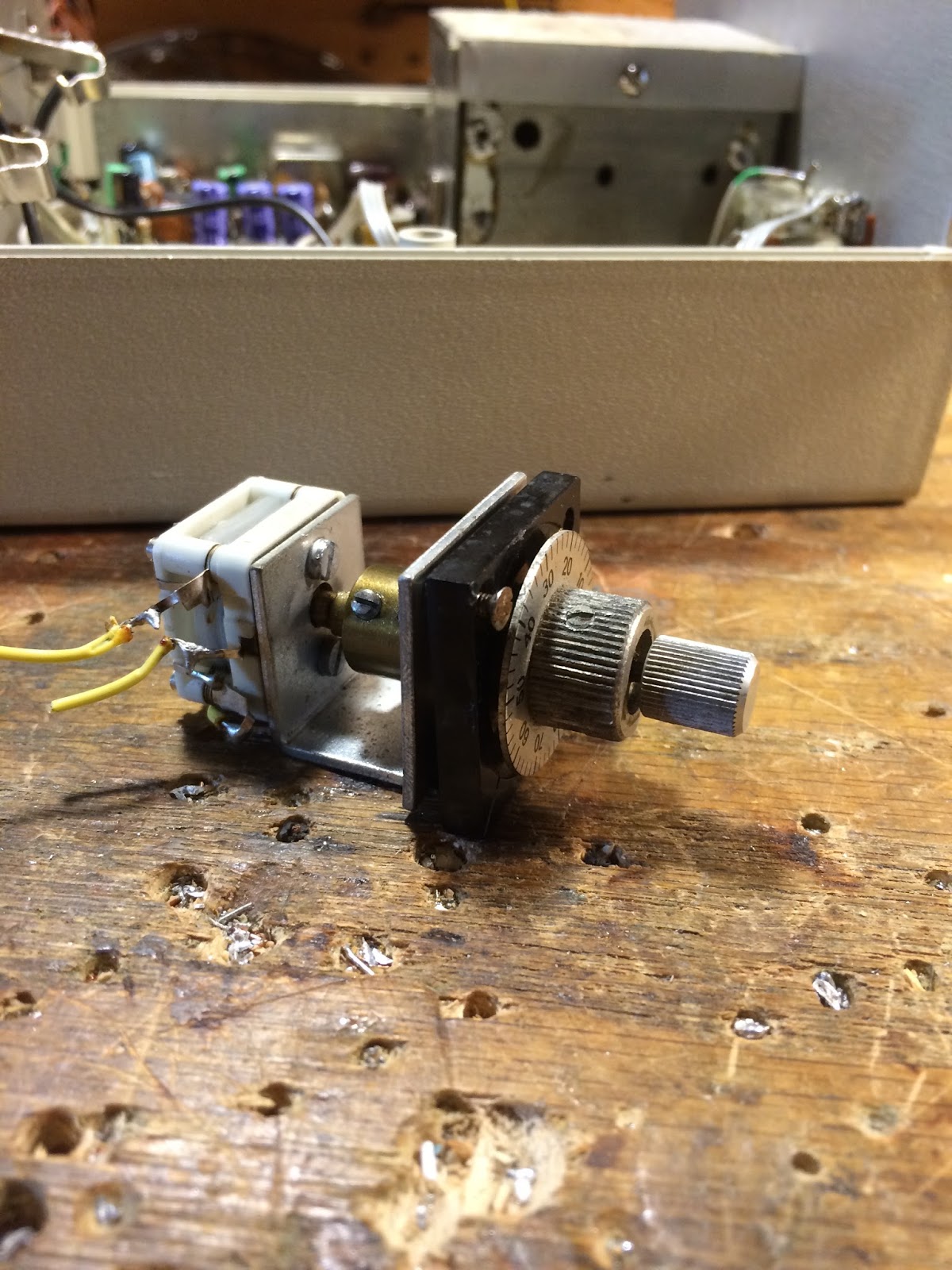
If you look closely, just in front of my keyboard you can see the Michigan Mighty Mite that I rebuilt this morning (scroll down to see the previous post). Looks like I was using a polivaricon as the capacitor. Other than the cap, all the parts used in this 2014 version were from the 1993 effort. Here is how it is described in “SolderSmoke — Global Adventures in Wirless Electronics”:
Our book: “SolderSmoke — Global Adventures in Wireless Electronics” http://soldersmoke.com/book.htm Our coffee mugs, T-Shirts, bumper stickers: http://www.cafepress.com/SolderSmoke Our Book Store: http://astore.amazon.com/contracross-20
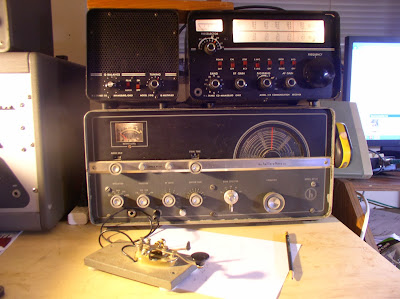
Happy New Year! Straight Key Night
Our book: “SolderSmoke — Global Adventures in Wireless Electronics” http://soldersmoke.com/book.htm Our coffee mugs, T-Shirts, bumper stickers: http://www.cafepress.com/SolderSmoke Our Book Store: http://astore.amazon.com/contracross-20
Richard’s Rip-Van-Winkle Barbados Rig
Dear Bill,
Thank you for taking a few minutes to read my email. I recently found your blog and enjoyed reading the entries. However, the most interesting and exciting article I discovered was your “Homebrew Radios in the Age of the Internet.” The article reminded me of a project started 30 years ago this month and placed in a box in the attic to wait until I could return to it.
Thirty years of health care management work filled the interim.
The project is the 8P6 Hamcation rig by W1FB from QST of June and November 1982!
I searched through the cob webs in the attic and found that all the boards are completed and I even fabricated a case. The original QST’s were there too! In response to a (somewhat strong) suggestion from my wife to “get a winter project going”, the rig is back on my retirement work bench. Wahoo.
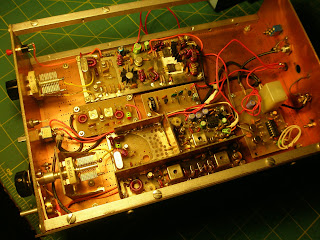
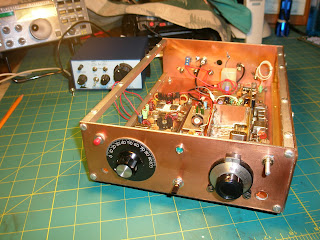
Progress to date has been instructive and fun. The boards are all cleaned, checked, and 95% wired together in the case and working. I attached 2 photo for your pleasure because you wrote specifically about the receiver in some blog posts.
This is where I am scratching my head. As you say in the article, “receivers are tough”. I am confused and a bit frustrated about the correct procedure and sequence to correctly align the Barebones superhet. I can already hear stations and the noise level is acceptable. But I am not quite sure how to proceed in peaking up the receiver (hit a plateau?) Any suggestions for a newly retired ham now with the time to get back to the bench?
Thank you very much for your kind comments and interest in my project.
73’s
Richard
WB2PEF
Cherry Valley NY
Wow, what a cool resurrection project! I recognize both the receiver and transmitter boards. The RX is clearly DeMaw’s Barebones Superhet on a FAR Circuit board. I am listening to one of those AS I TYPE. Mine was put together by Dale, W4OP, and currently inhales on 17 meters. The TX board is what became known as the VXO 6 Watter. It was (I think) designed by W1VD, and appears in the ARRL book “QRP Classics.” This was my first really successful homebrew rig — I built that transmitter in the Dominican Republic in 1993. I still have most of the board, and the 20 meter Barebones RX that I used with it. Richard’s message makes me want to put this old gear back on the air.
I hope Richard will send us an update on his Barbados revival project.
I’m sure Doug DeMaw would be very pleased to know that his projects are still providing radio amateurs with a lot of fun and inspiration.
Our book: “SolderSmoke — Global Adventures in Wireless Electronics” http://soldersmoke.com/book.htm Our coffee mugs, T-Shirts, bumper stickers: http://www.cafepress.com/SolderSmoke Our Book Store: http://astore.amazon.com/contracross-20
SolderSmoke Podcast #146
September 23, 2012
Trip to the Dominican Republic: Puerto Plata and Samana
Evading Hurricane Isaac
Honda Accord as an emergency generator
On the air on 75 and 40 AM
17 Meter Azores rig works…THE AZORES!
Working (STILL!) on 20 meter DSB rig. Soon to be JBOTed
Building model rocket with Billy
Book review: “Martian Summer”
Einstein on staying young
Primo Levi on QRP
HOT IRON: G3ROO’s Regen wins West Country prize
Commodity Investment Opportunity: SILVER MICA!
MAILBAG:
SolderSmoke is on 478 THz in Salt Lake City
WA3EIB’s HT-37
Radio-Erotica in Hallicrafters Ad
Our book: “SolderSmoke — Global Adventures in Wireless Electronics” http://soldersmoke.com/book.htm Our coffee mugs, T-Shirts, bumper stickers: http://www.cafepress.com/SolderSmoke Our Book Store: http://astore.amazon.com/contracross-20

JBOT Installed in Azores 17 Meter SSB Rig
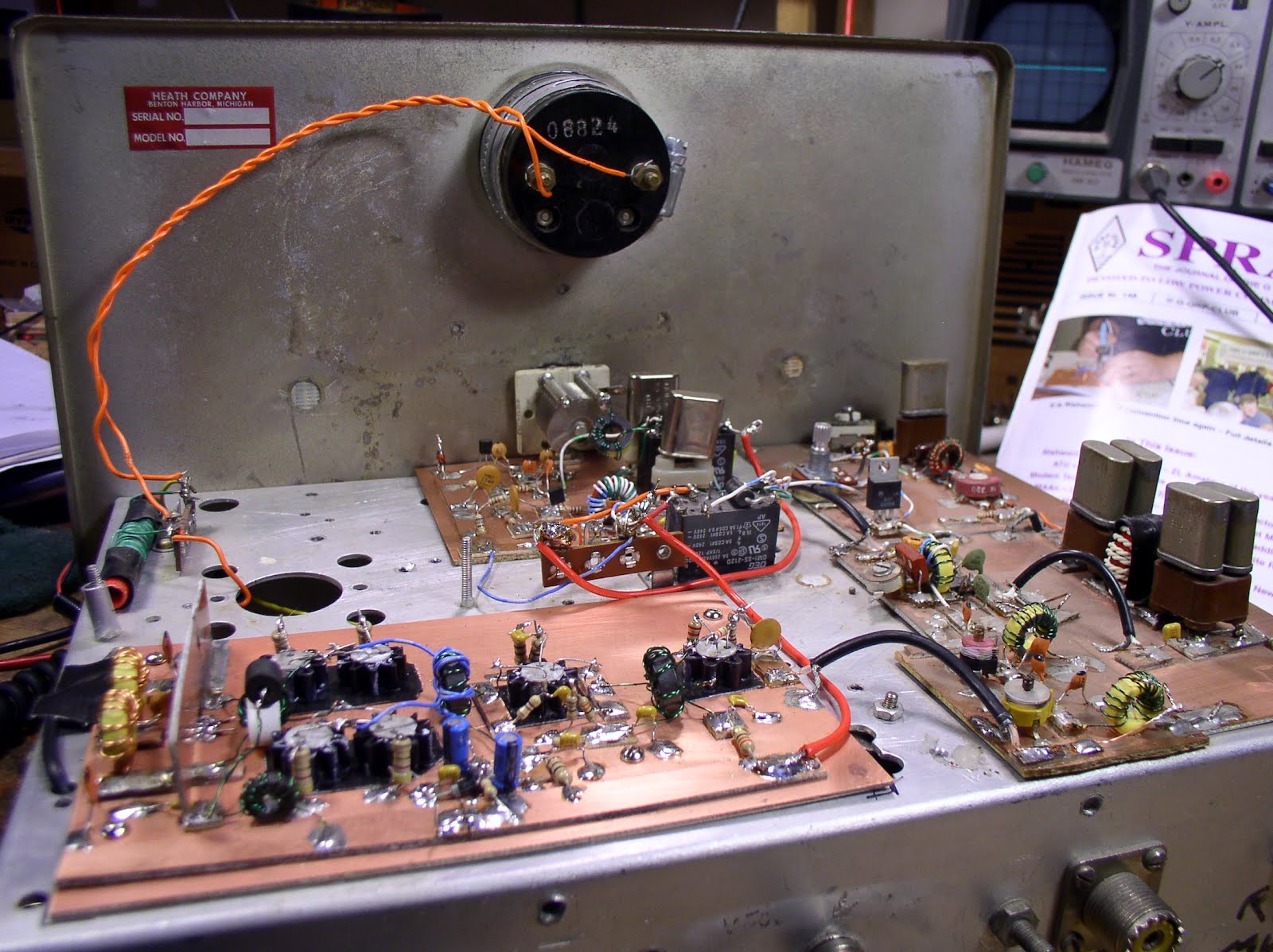
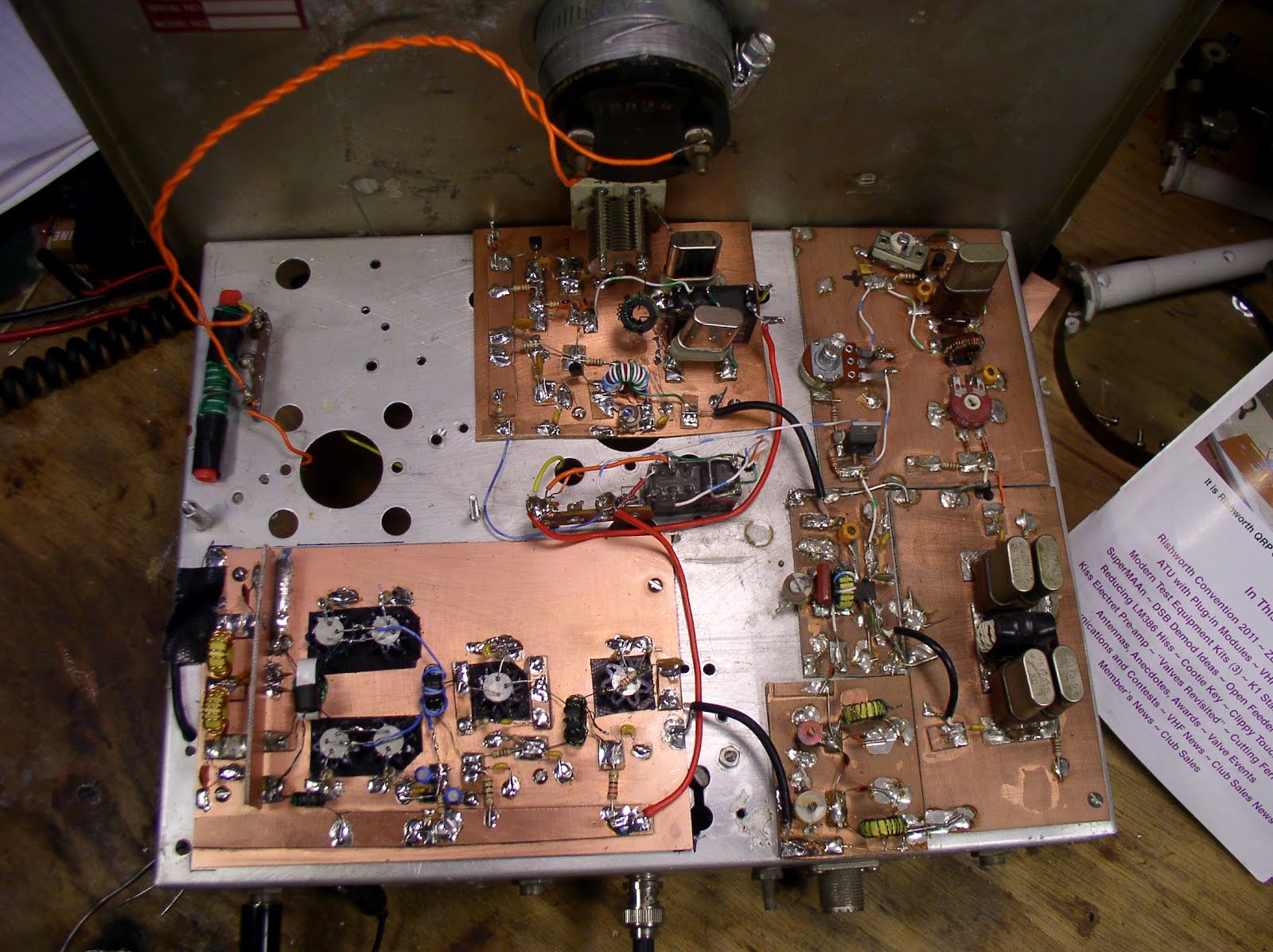
Even though one of their Coronal Mass Ejections is due to hit us soon, the radio gods have been quite kind to me this morning. I installed the JBOT amplifier board in the 17 meter SSB transmitter that I had built out in the Azores during the last solar cycle. The board went in without any trouble. And I was a very surprised when it DIDN’T break into oscillation and instability! Holy Cow! This one was stable from the start! Even when connected to my antenna! Eureka!
The rig still needs some peaking and tweaking. I’m only getting about 2-3 watts out and I should be getting 4-5. I did a quick and dirty “by ear” alignment — I just listened to my own signal with my trusty Drake 2-B and moved the carrier oscillator freq around a bit until the SSB audio sounded good (you never have to do that with DSB!).
For those of you not familiar with this rig, here is some background:
— Built on the chassis of an old Heath DX-40
— Crystal filter at 5.174 MHz. Filter rocks and carrier oscillator rocks from an old Swan 240 I picked up in the Dominican Republic from Pericles Perdomo HI8P (SK).
— Based on a design published in SPRAT by Frank Lee, G3YCC (SK).
–Heterodyne oscillator is a G3RJV Universal VXO circuit running at around 23.3 MHz.
— That orange cord to the big meter that you are no doubt wondering about is just a little circuit that monitors total current drawn by the rig. It bounces up and down as I talk. I put it in there mostly because I wanted to make use of a beautiful old Simpson meter that I picked up in 1973 at the Crystal Radio Club (W2DMC) in Valley Cottage, New York.
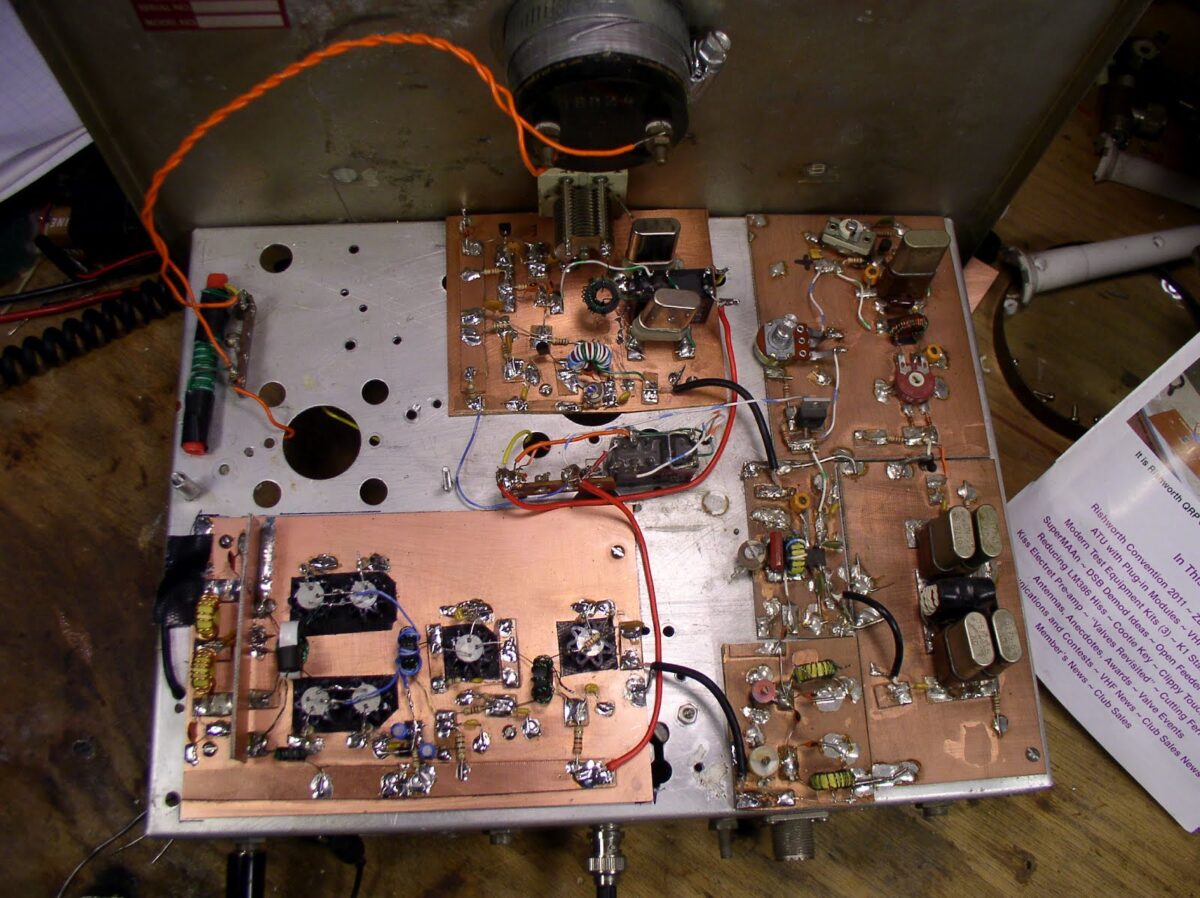
Going around, clockwise from below the meter: G3RJV VXO, carrier oscillator and two diode balanced modulator board, crystal filter (with NE602 mixer and post-filter bandpass filter to the left), JBOT PA. Audio amp (using op amp) below the chassis. T/R relay in the center (antenna changeover relay below the chassis).
Our book: “SolderSmoke — Global Adventures in Wireless Electronics”http://soldersmoke.com/book.htmOur coffee mugs, T-Shirts, bumper stickers: http://www.cafepress.com/SolderSmokeOur Book Store: http://astore.amazon.com/contracross-20
A Blast from the Past: THE HAMMARLUND HQ-100
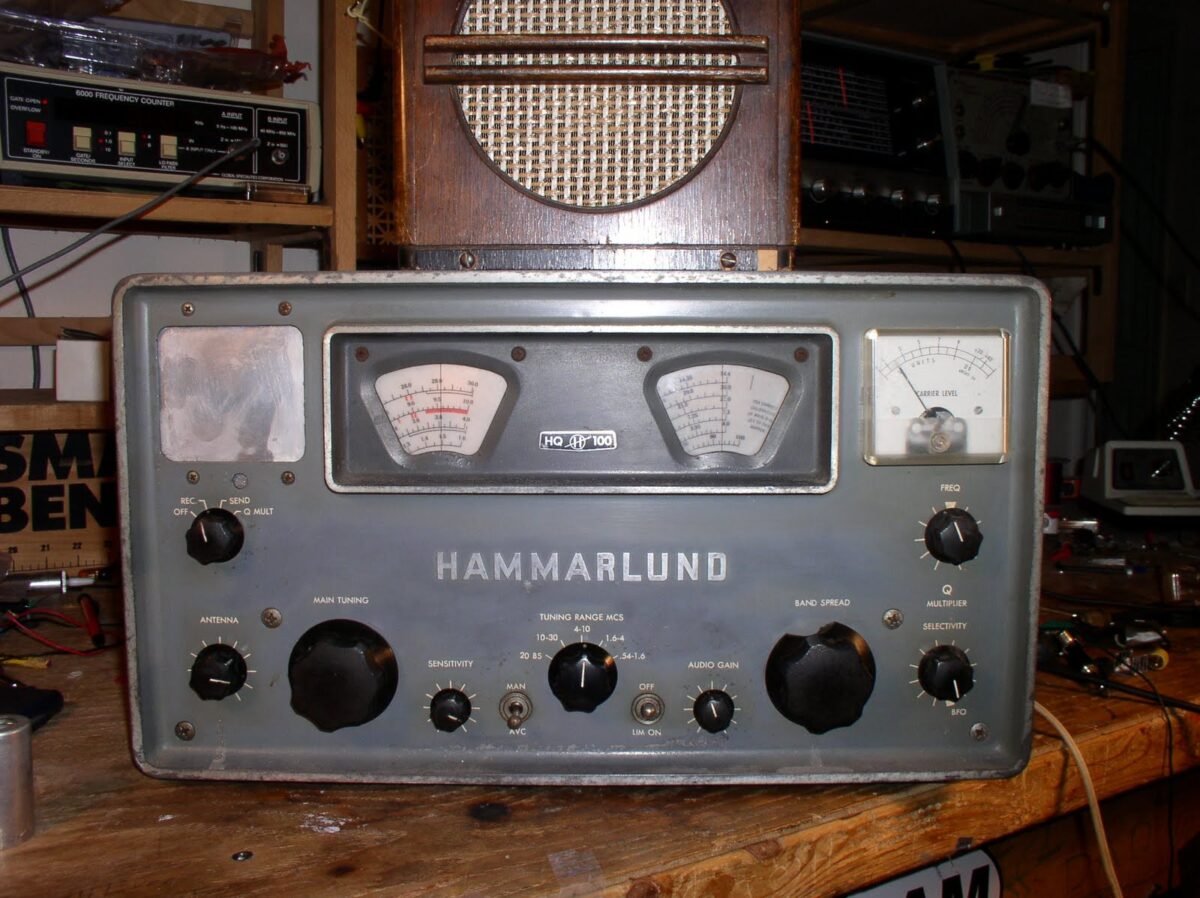
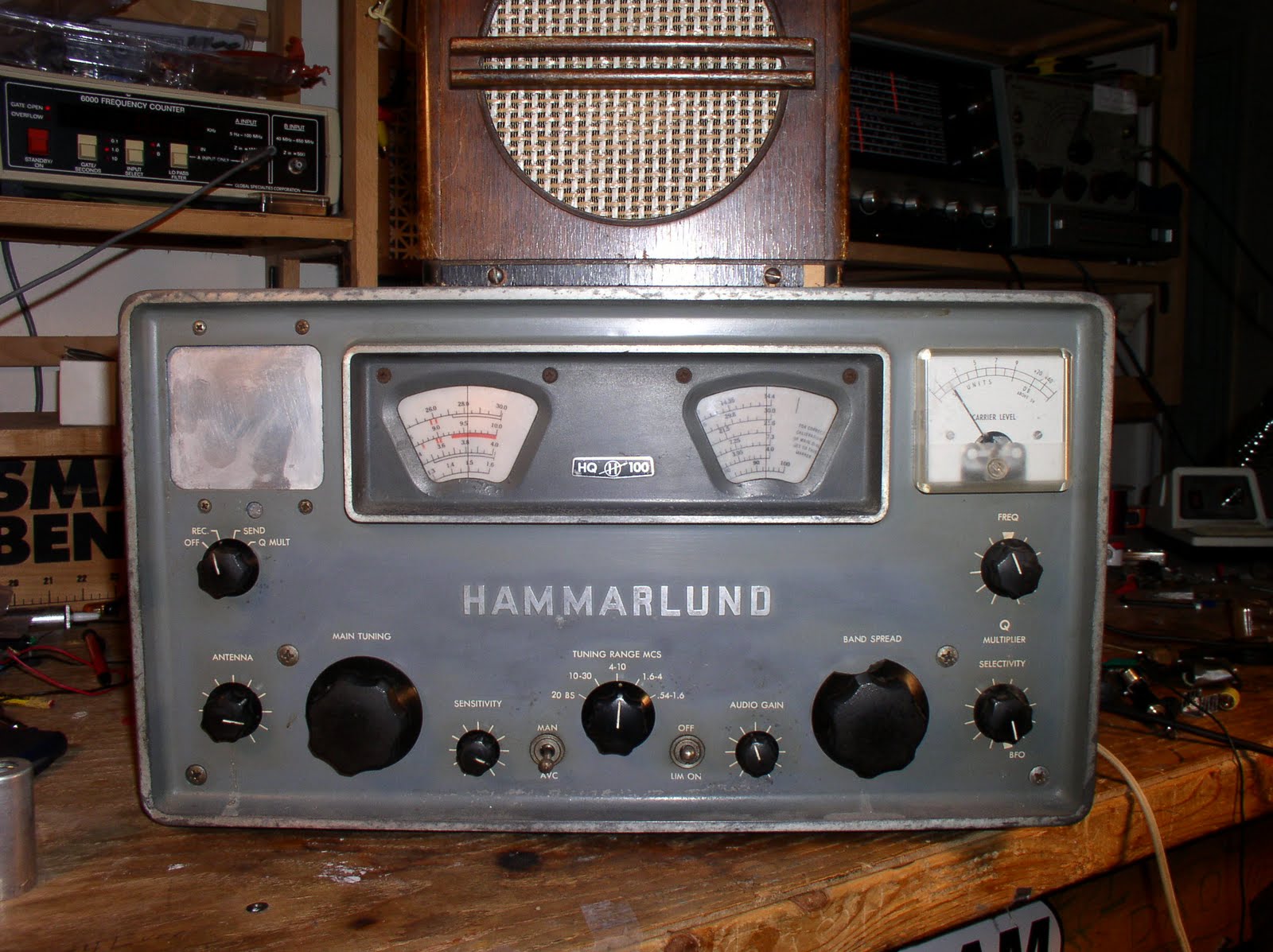
I’m sitting here in the shack at 0645 EST on the first Sunday morning in 2011. Coffee is on. And so is my OLD Hammarlund HQ-100. I have it tuned to a friendly AM roundtable on 75 meters. And it sounds GREAT. Nothing like a receiver that is as broad as a barn door to let you appreciate that great AM sound.
This receiver and I have some history. I bought it in the Dominican Republic, probably in 1993, probably from my friend (now SK) Pericles Perdomo. It had suffered the ravages of the Dominican radio environment from both ends: I think I found signs of a lightning surge at the front end, and of a power surge at the AC input. The audio output transformer was bad also. This was one of my first tube-type renovation project. I had a lot of fun with it.
There are no crystal filters in this receiver. If you want to narrow it down, there is a Q-multiplier (so –yikes!– this receiver is at least in part a regen). In its original configuration the Q multiplier doubled at the BFO, but I guess my anti-regen feelings were at work even then: I took the 100 kc crystal calibrator and put a 453.5 kc crystal in there — so that calibrator now serves as the BFO. This seems much more civilized.
You can see in the picture that the clock is gone. Mine was in pretty sad shape when I got it. Plus I thought it looked kind of goofy in that otherwise very beautiful front panel. So I took the clock out, patched the hole, and gave the clock to a very grateful Hammarlund collector.
The AM really sounds great. I can see that I’m going to need a 75 meter dipole so I can match this receiver up with my DX-60 VF-1 combo.
The Future of SolderSmoke
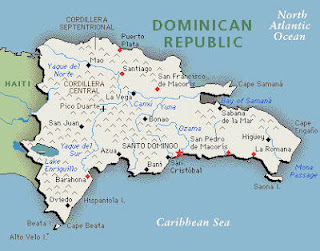
We’re now in Santo Domingo, Dominican Republic, visiting my wife’s family.
I’ve had some time to think about the future of the podcast. There will have to be a summer pause — my shack is now in a bunch of boxes, out in the Atlantic ocean somewhere (hopefully above the surface!).
I want to use the move to improve the podcast and the associated blog and websites. Here are some initial ideas:
— Reaching out to a broader community of Knack victims. It would be good thing could use the podcast to pull in guys who are solder melters, but who are not (yet) hardcore QRP homebrewers.
— Better audio. I need a real microphone. Maybe a simple equalizer. I need to REALLY get rid of the SSSSSS problem.
— Easier-to-use software. I’m still using the collection of software that Mike, KL7R, and I threw together five years ago. It all starts with Audacity (which works very well). But then for updating the website I’m using an OLD version of Mozilla composer. Updating the .rss feed is even more rickety — I manually go in and change the text using Microsoft’s notepad. There has to be an easier way of doing all this.
— Self-hosted blog. I’m currently using Google’s Blogspot to host the blog. But I see some advantages in moving to a self-hosted blog. I’d like to have a better comment/dialog feature, something more like the discussion board on the “AM Window” and other similar blogs.
— More video. Don’t worry. I’ll stick with the audio podcast. But video is fun and useful, so I want to try to do more videos.
— More guests on the show. I often say this, but in practice doing this makes it a lot harder to do a podcast. But maybe this will get easier now that I’m in the East Coast time zone.
Let me know what you think. 73 from Santo Domingo
Haiti: Dominican Hams Help
The video (from a phone patch the day after the quake) gives you a real sense of how bad it is. It was good to see that hams from the Dominican Republic were going over to help out. See below.
From: http://spectrum.ieee.org/telecom/wireless/hams-in-haiti/1
BY Anne-Marie Corley // January 2010
… Which leads to the other difference in Haiti: The country is home to very few amateur operators in the first place. Though there are around 100 to 120 ham licenses active for Haiti, according to Pitts, only about seven or eight operators were actually in Haiti as far as the ARRL can determine. According to Bill Pasternak, the president and cofounder of the Amateur Radio Newsline, which broadcast audio from one ham operator outside Port-au-Prince soon after the earthquake hit, most of the operators who have Haitian licenses aren’t even Haitian but rather missionaries and aid workers who travel in and out of the country.
Pitts says that the ARRL has heard from only a few operators, most from outside Port-au-Prince, though one operator did radio in from the city just to let the organization know he was alive. ”The ones that were there did all they could,” Pitts says, ”but we haven’t heard from all of them.” It is likely that some were killed, Pitts speculates. Others may have been concerned with safety, McPherson suggests, so hams in Haiti have been ”on and off the air,” he says.
To help out, hams from the neighboring Dominican Republic have traveled into Haiti several times to set up equipment, despite being attacked by looters last week. They set up a 2-meter analog repeater high on a mountain close to the Haiti–Dominican Republic border. The repeater takes in weak signals—even one from a clip-on radio putting out just 5 watts—and rebroadcasts those signals on a different frequency and at a higher power.
Dominican operators installed a second repeater near the airport in Port-au-Prince and were expecting a third to arrive from ARRL Tuesday, which they will likely put in the region southeast of the capital.
”They’re doing really good work,” Pitts says of the Dominican helpers, ”getting things where they need to be and coordinating with other teams.”
Pitts adds that the international nature of ham radio is well suited to emergency missions like this one. Hams in Argentina, Brazil, Cuba, Florida, and Puerto Rico, among others, were on the air and listening for any signals soon after the earthquake. ”Nobody was going to hiccup without being noticed,” Pitts says. And because they talk in radio code, language barriers don’t matter as much. ”We all have the same language,” Pitts says. ”We’re used to talking with each other.”
The embedded hams in Salvation Army recovery teams work, too, McPherson says, because they can tap into the entire amateur radio community. Nonofficial operators, for example, who may hear an embed trying to reach Haiti or to call out, may help relay a signal. ”It’s like [all the] amateur community is listening, standing by to help,” McPherson says.
The lesson to be learned, according to Pitts, is that ”in a situation or population where amateur radio is encouraged and present,” hams can provide better and faster information during a major disaster, which allows a faster response. ”That golden 48 hours is where the hams really can shine, if they’re there.”
So while cellular and Internet communication return ever so slowly to normal (or better than normal), what Haiti might also want to invest in is a few more homegrown radio operators.