Join the discussion – SolderSmoke Discord Server:
Documentation on Hackaday:
https://hackaday.io/project/
SolderSmoke YouTube channel:
SolderSmoke Daily News — Ham Radio Blog
Serving the worldwide community of radio-electronic homebrewers. Providing blog support to the SolderSmoke podcast: http://soldersmoke.com
Join the discussion – SolderSmoke Discord Server:
Documentation on Hackaday:
https://hackaday.io/project/
SolderSmoke YouTube channel:
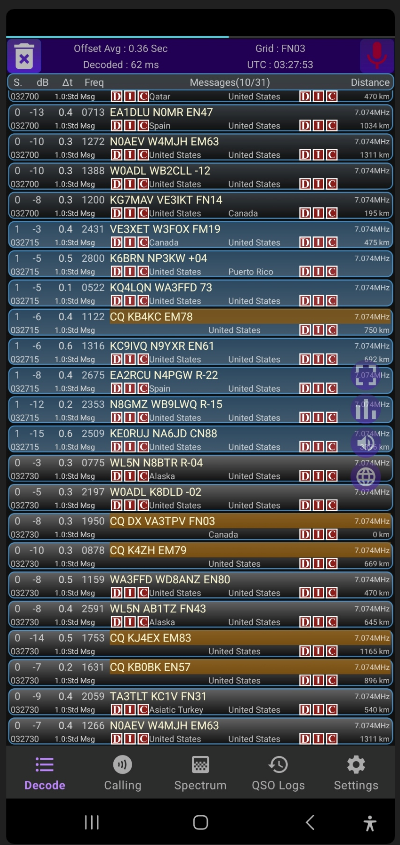
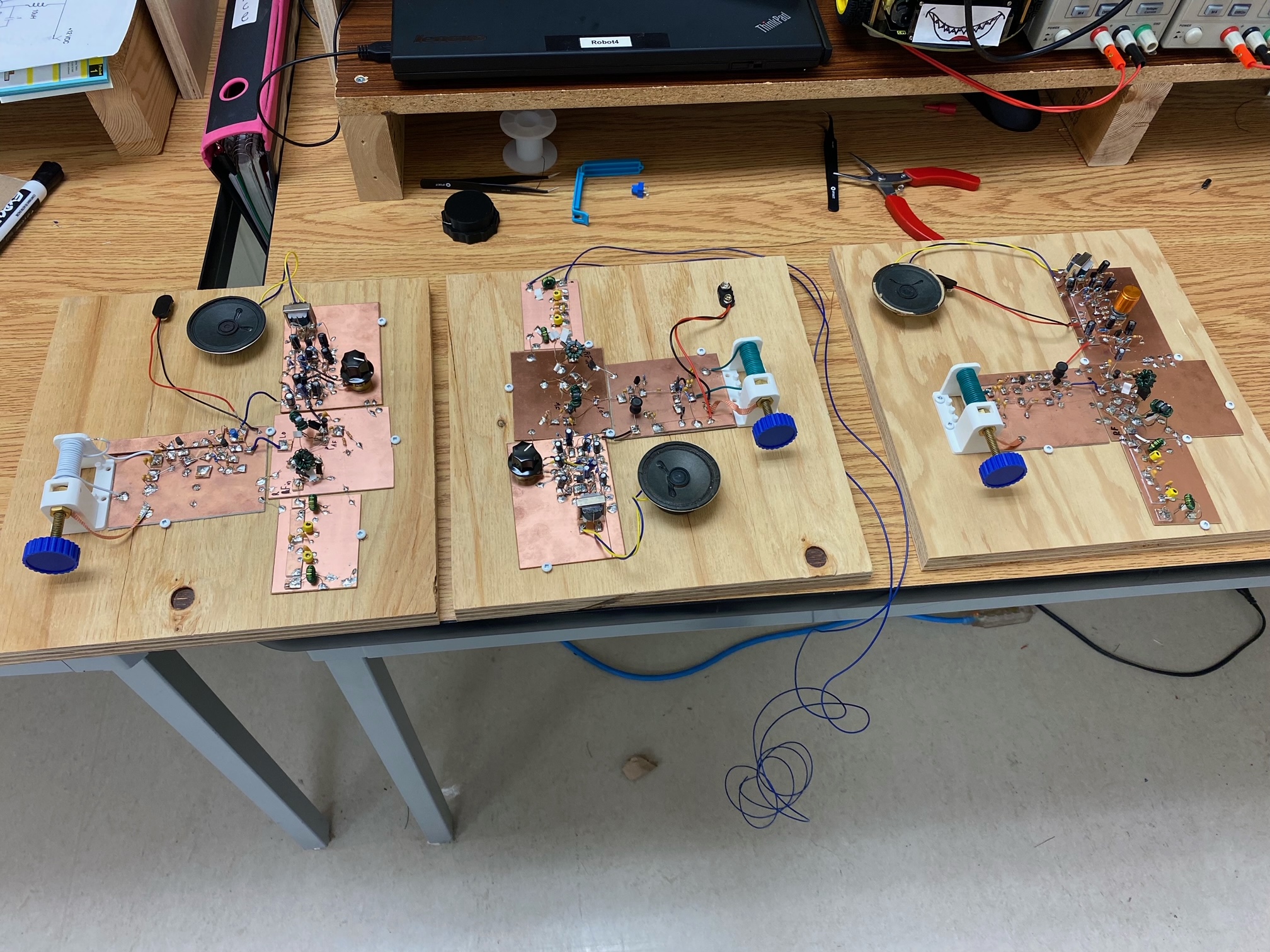
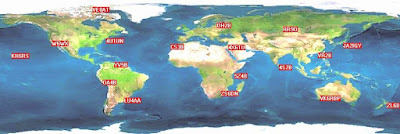
It was highly appropriate that Wayde’s first reception report should be of CHU Canada, the Canadian time signal on 7.850 MHz, a bit above the 40 meter band, but clearly in tuning range for an unmodified SolderSmoke direct conversion receiver. CHU is probably unique in the world in that it is transmitting the carrier and JUST ONE SIDEBAND. It transmits only the upper sideband. This makes it clearly detectable by our receiver. As Dean pointed out to Wayde, all he had to do was “zero beat” the carrier with the PTO signal (tune to the point where they are on the same frequency and the audio tone disappears). Because there is only one sideband, the direct conversion receiver can demodulate it very well. If there had been two sidebands, this would have been a standard AM signal, and our little receiver — which does very well with SSB and CW — would have been unable to demodulate the signal without distortion. (For an explanation of why this is, see: https://soldersmoke.blogspot.com/2022/12/but-why-why-cant-i-listen-to-dsb-or-am.html Warning — this is kind of in the “advanced course” category.)
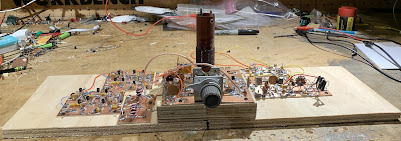
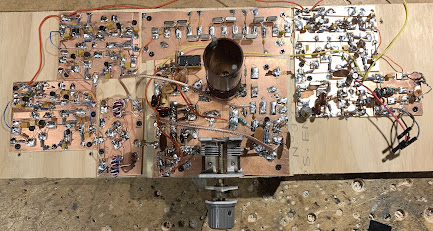
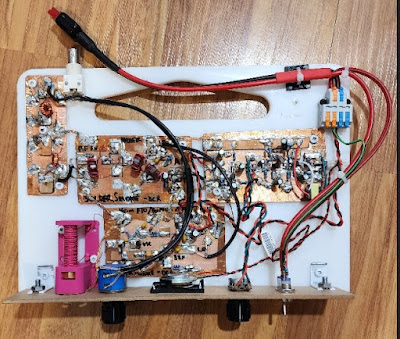
Here is an overhead shot of Wayde’s receiver:
Join the discussion – SolderSmoke Discord Server:
Documentation on Hackaday:
https://hackaday.io/project/
SolderSmoke YouTube channel:
Click on the image for a better view
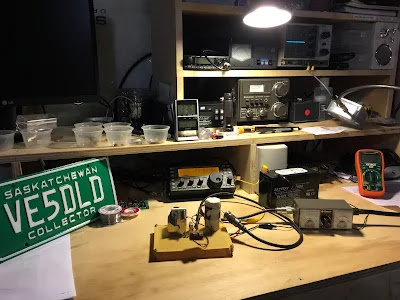
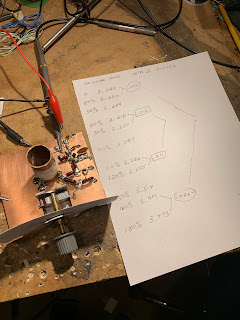
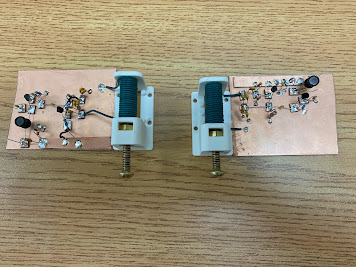
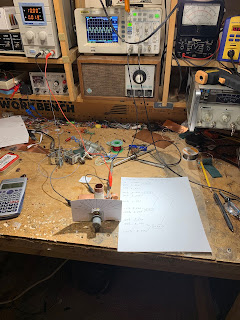
The 15-10 Rig has been performing very well, pulling in a lot of DX contacts on both bands. But there is one thing that has bothered me: The way the transceiver tunes. It can be a bit difficult getting an SSB station tuned in properly. At first I thought this was caused by a lack of lubrication on the variable cap that I’ve been using (out of an old QF-1), but it turned out that this was not the cause. The problem is something that Pete Juliano has lamented several times: LC style analog VFOs have a tendency to have the frequencies “bunched up” at one end of the tuning range. In other words, the tuning range is far from linear. I was having trouble tuning stations on on the portion of the band where the frequencies were bunched up. I did some quick measurement and found that on this side of the capacitor’s tuning range, one turn of the dial would move the frequency about 100 kHz — that is far too much. On the other end of the capacitor moved only 22 kHz with one turn of the dial (as I recall this is close to the recommended 20 kHz per dial rotation). Clearly I had a lot of the dreaded bunching up. This was what was making tuning difficult.
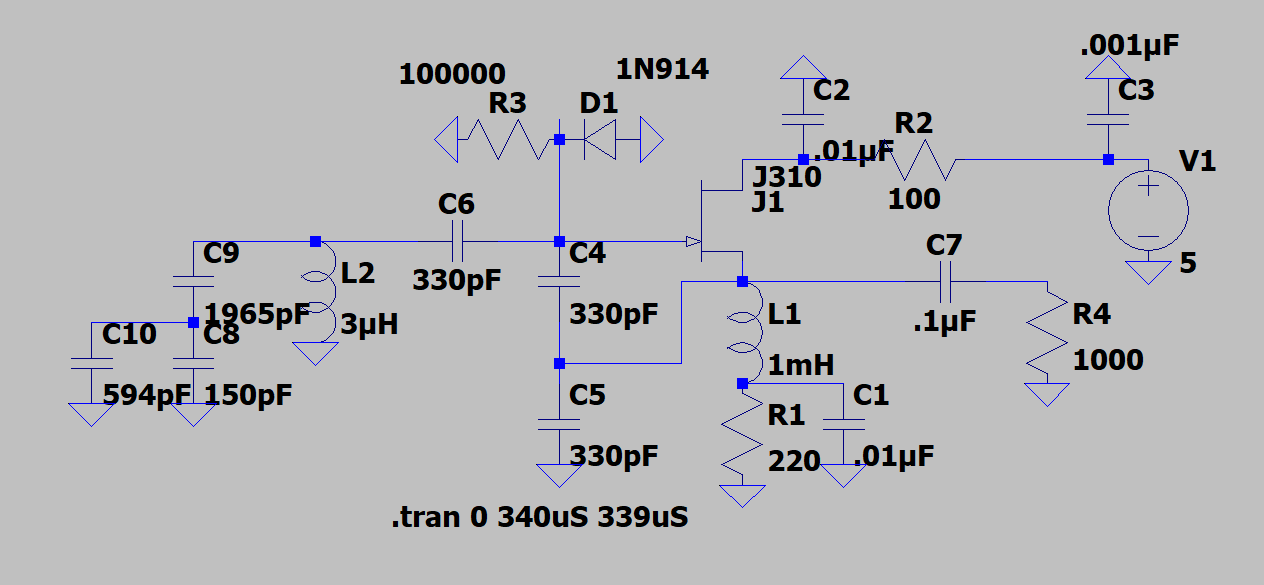
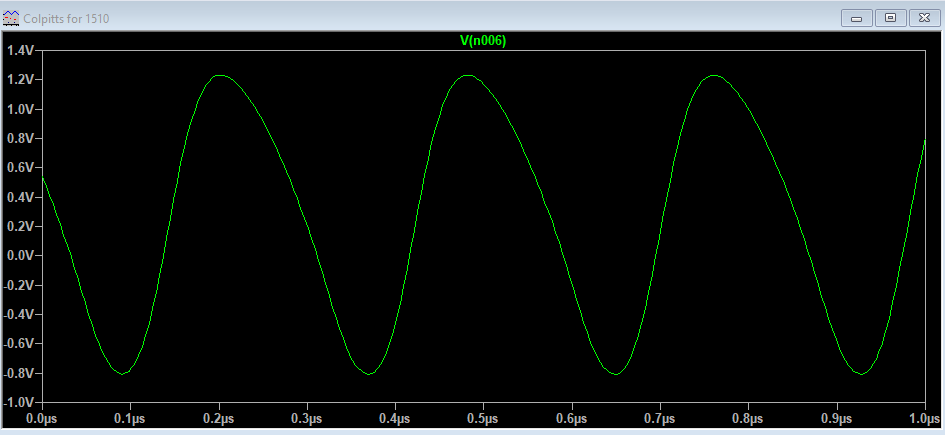
I had built a pretty standard Colpitts FET VFO. I had a 6.6uH coil, and a 9-135 pF variable cap in series with a 68 pF fixed cap. I was pleased that the VFO worked, and I put it in the circuit. Only later did the bunching up shortcomings become apparent.
I decided to build another VFO, this time paying attention to DIAL SCALE LINEARITY.
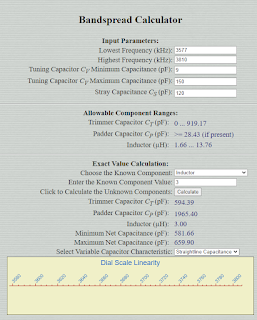
I turned to the excellent Bandspread Calculator on Bob Weaver’s Electronic Bunker web site: http://electronbunker.ca/eb/BandspreadCalc.html
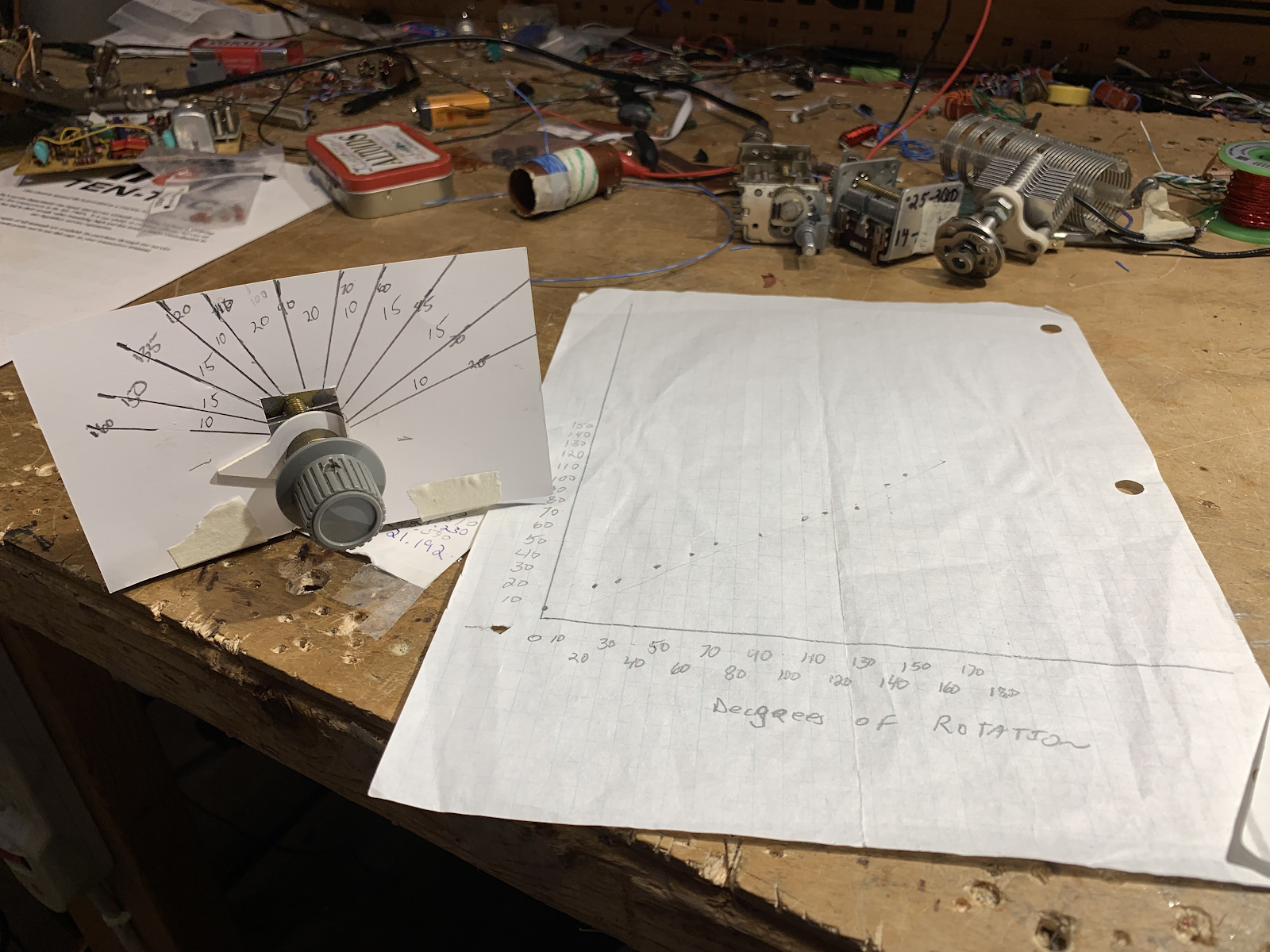
I plugged in the frequency range that I needed and the values for my variable capacitor. I calculated Cs which was the combined capacitance of the feedback and coupling capacitors. Finally, I had to make a decision about the nature of my variable cap: was it a Midline-Center Cap or was it a Straightline Capacitance cap. I consulted with Bob and he suggested that it might be somewhere between the two. I got out some graph paper and measured it — it looks to me like a Straight Line Capacitance cap, with the capacitance varying linearly with changes in in the rotation of the shaft.
SolderSmoke Podcast #247 is available:
Audio Podcast: http://soldersmoke.com/soldersmoke247.mp3
Bill’s Bench:
The 15-10 Dual Bander.
n 10 pole crystal filter at 25 MHz.
n G3UUR, Dishal, AADE and all that..
n Testing woes. Looked bad. But it was a bad test cable. Duh.
n VFO (Colpitts) at around 3.5 MHz.
n Buffer blues: Bad J-310s. Beware!
n Variable cap from a Heath Q Multiplier
n A bit of a black art – competing goals. Freq coverage, etc.
n BFO needed an amp to turn on the diodes in the balanced modulator
n TIA amps. SIX dual direction TIAs. 18 transistors.
n On a pine board (like Frank Jones)
n Will use the N6QW all discrete AF amp.
n Maybe an RD16 in the final?
n Will build a second one for the DR.
Shameless Commerce: Mostly DIY RF and the PSSST kit. Todd K7TFC reports: “The P3ST is on track for Lee Deforest’s birthday release (August 26th). I’m going to send out another newsletter on July 4th, and I’ll give some details on P3ST development.” Results of Todd’s Survey.
Pete’s Bench
n FT-8 on the KWM-1!
n Presentation to the ham club.
n Why the Icom 7300 is the anti-thesis of homebrew.
MMAILBAG:
— SPRAT 195 Summer 2023, in the mailbox. A happy day at N2CQR
— Armand WA1UQO sent a wonderful book about Faraday and Maxwell… And told me Jim K8OI was heading to our area. I met Jim at the VWS Field Day event. FB. Thanks Armand.
— Tony G4WIF sent Father’s Day greetings.
— Alvin N5VZH asking about electrolytics for his 2-B. Hayseed Hamfest!
— John AC2RL replacements for the IBEW. We need to start over!
— Steve “Snort Rosin” Smith WB6TNL was in the area. Sorry I missed him.
— Joh DL6ID helping us to track down origins of a homebrew receiver Grayson saw in Berlin.
— Grayson KJ7UM was in Europe visiting his wife’s relatives. But I think he is back in the USA.
— Walter KA4KXX sent a QRP HB family portrait.
— Wouter ZS1KE sent info on surface mount soldering.
— George Zaff KJ6VU Ham Radio Workbench – re-runs! Recommended audio processor. Let me know how it sounds.
— Michael AA1TJ Great to hear from him.
— Alan Wolke W2AEW on the toroids he used in Diode Ring video. Thanks Alan!
— Dean KK4DAS, AI and SWR meter project And new lexicon word: Hamsplaining.
— Bob N7SUR — Let me know we are semifinalists in the Hack-A-Day prize!
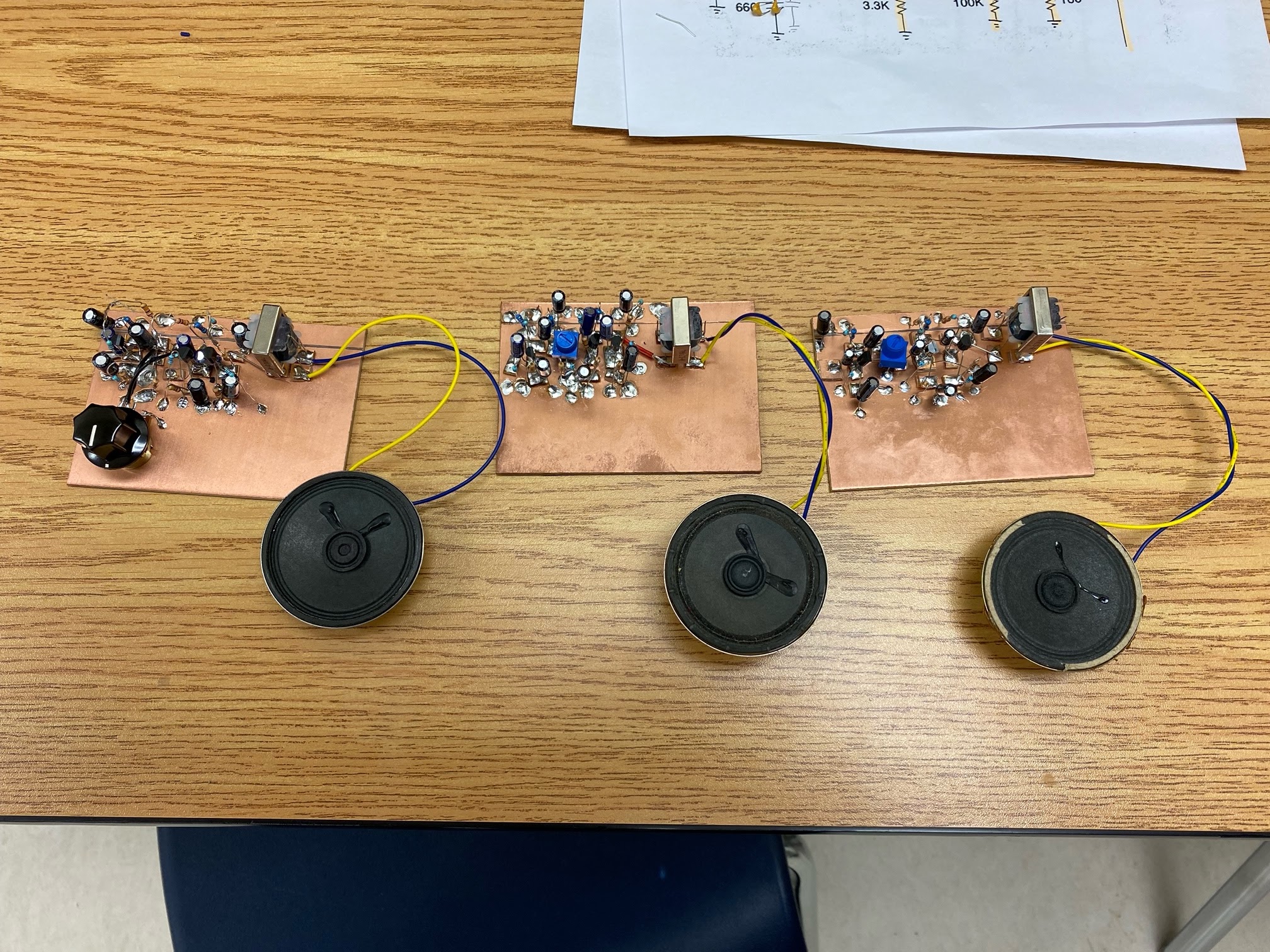
We strongly encourage others around the world to find ways to use this project to teach analog electronics. We think the circuit strikes the right balance between simplicity and usefulness — when they are done, the students will have a useful receiver capable of worldwide reception.
My chum, Peter/DL3PB, recently told me that Brian/WA1ZMS would broadcast a commemoration of Reginald Fessenden’s mythical (operative word) 1906 Christmas Eve AM transmission. Doesn’t that sound like fun?
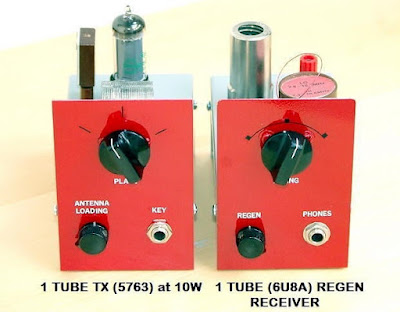
Just stunning, in their simplicity and beauty. Really amazing work. Kind of reminiscent of my ET-2, but with tubes, and much nicer construction. More details here:
RECEIVER: https://qsl.net/ve7sl/neophyte.html
TRANSMITTER: https://qsl.net/ve7sl/neotx.html?fbclid=IwAR3cM6tSRjyTsNouHWVz_buuzz4C9O-IwQbdZM5dekkle69ZW7-JBQcHTVI
Three cheers for Steve VE7SL! I’ve been linking to his blog for several years, but somehow I missed this magnificent red rig.
Steve’s online notebook: https://www.qsl.net/ve7sl/
Steve’s blog: http://ve7sl.blogspot.com/
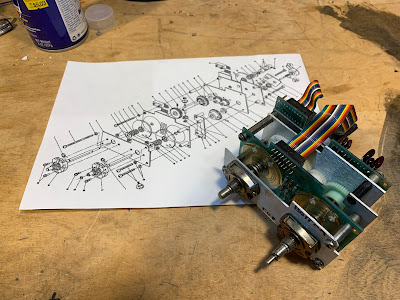
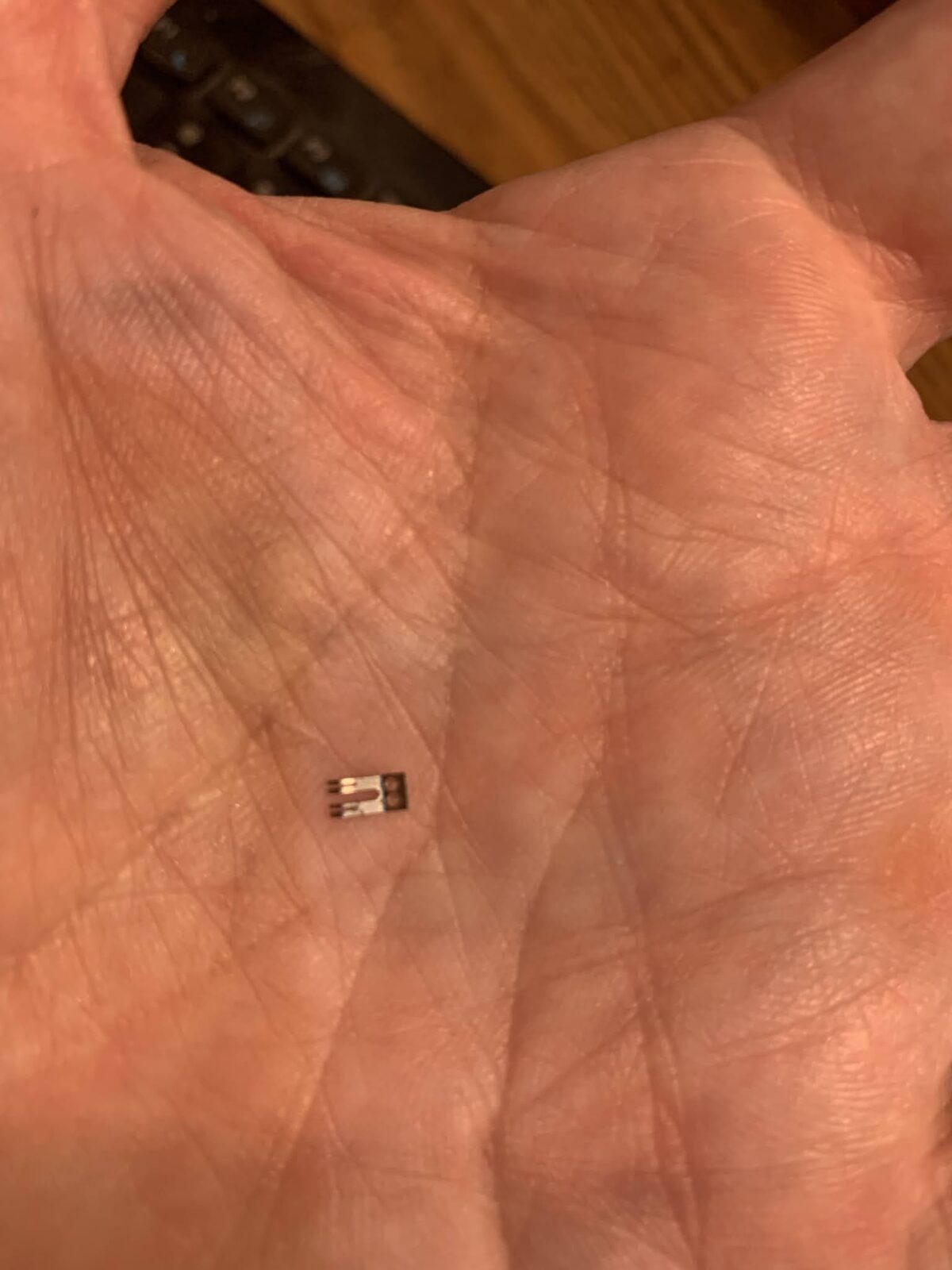
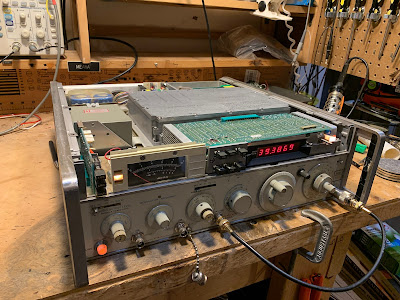
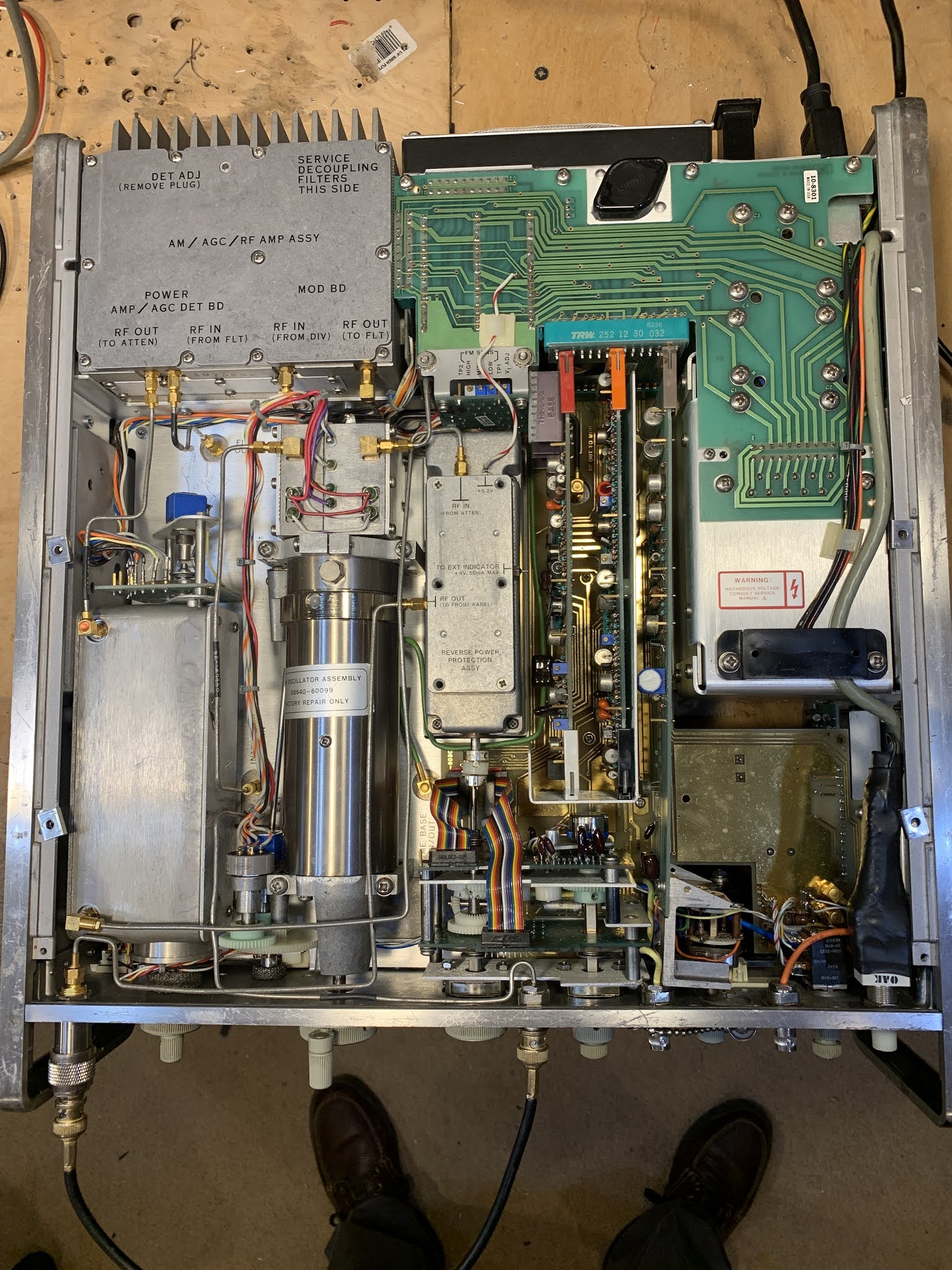
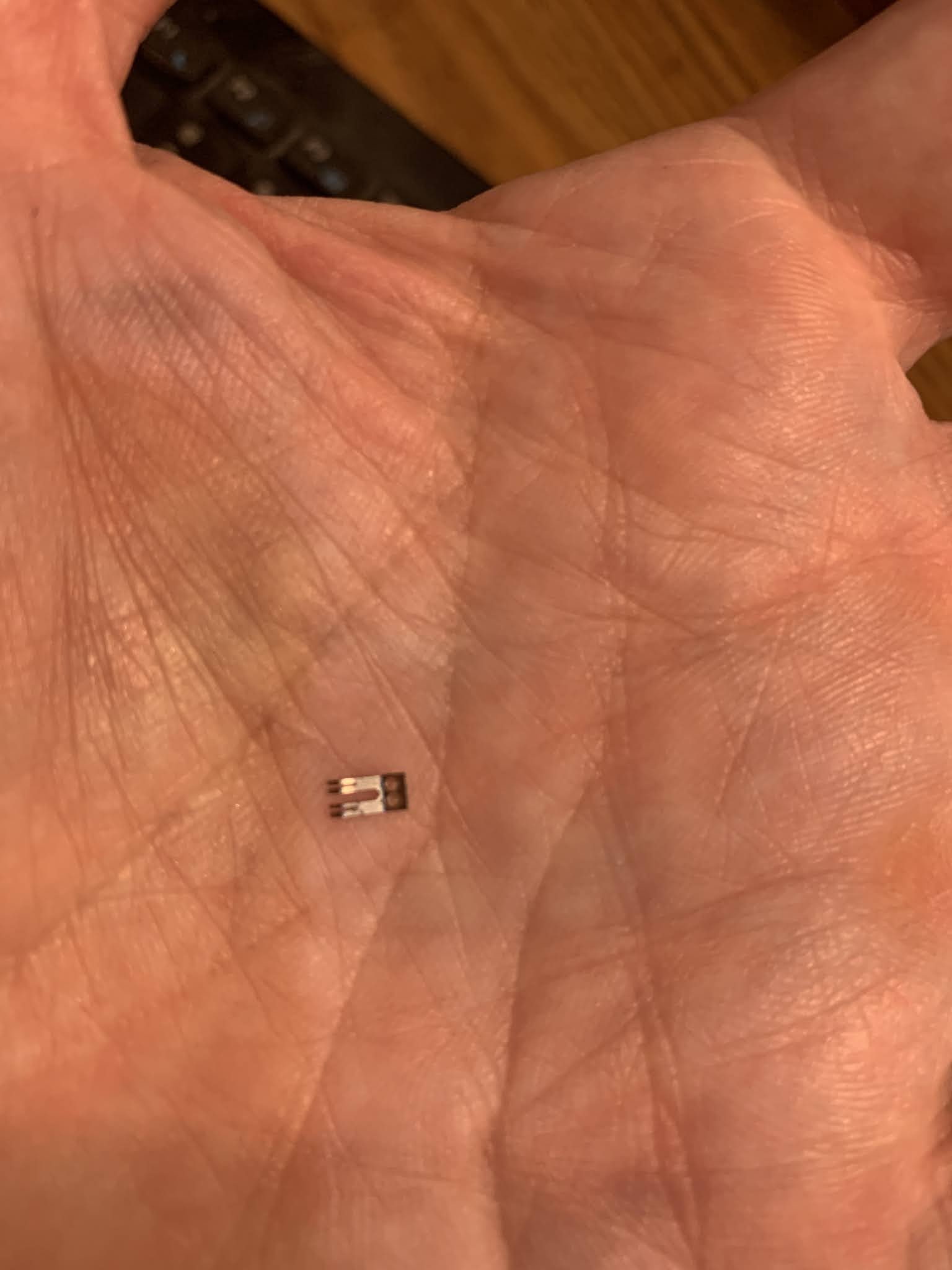
The switches that VE3EAC wrote about are just below the ribbon cable near the center front. I could see the little springs that he was discussing on the switches. They appear MUCH more delicate than the rotator on a standard rotary switch. And I didn’t see any of them lying around below the switch. But when I tried to flip the HP8640B over, something in there moved and caught my eye. I pulled out some tweezers and pulled this out:
Even when describing something as simple and basic as snow, Mr. Carlson is electronically awesome. This video made me realize that in the event of an EMP, his will probably be the only lab to survive.
The SolderSmoke Daily News took up the topic of snow static back in 2011. Be sure to read the comments, especially the one from KC7IT about the QUARTER INCH ARCS that woke him up in the dorm at MIT. Check it out:
https://soldersmoke.blogspot.com/2011/10/snow-static.html#comment-form
I’ve got to get one of Mr. Carlson’s 2020 calendars!
Even when describing something as simple and basic as snow, Mr. Carlson is electronically awesome. This video made me realize that in the event of an EMP, his will probably be the only lab to survive.
The SolderSmoke Daily News took up the topic of snow static back in 2011. Be sure to read the comments, especially the one from KC7IT about the QUARTER INCH ARCS that woke him up in the dorm at MIT. Check it out:
https://soldersmoke.blogspot.com/2011/10/snow-static.html#comment-form
I’ve got to get one of Mr. Carlson’s 2020 calendars!