A Step Closer to the Elser-Mathes Cup? Ham Receives Signals from Mars

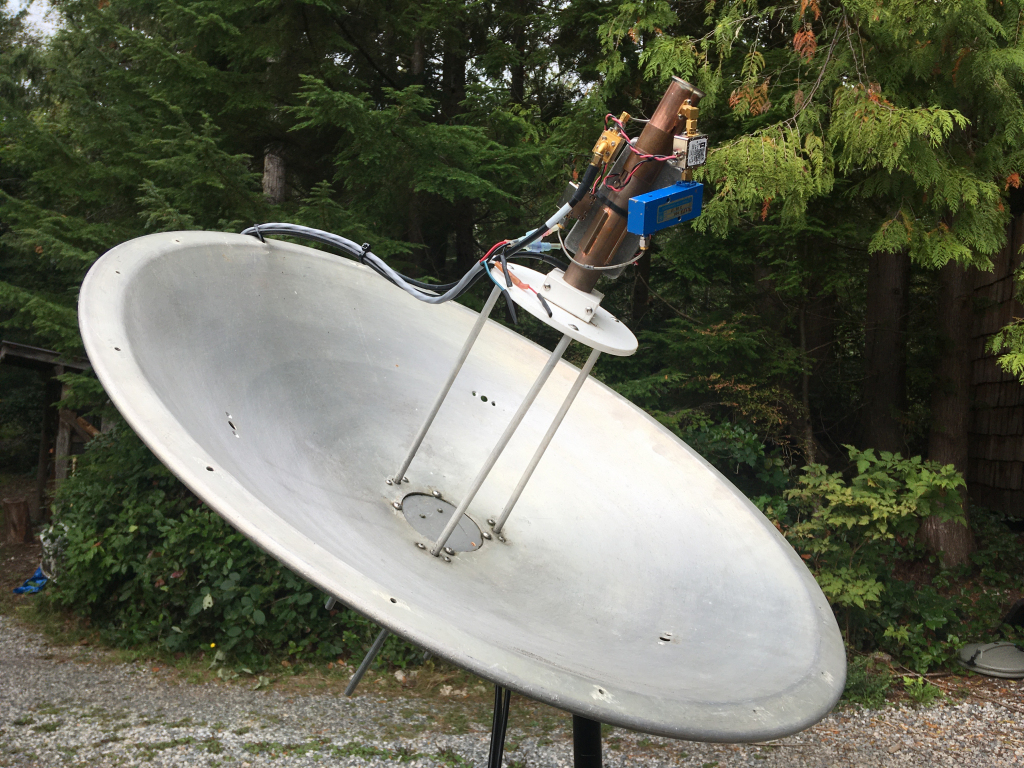
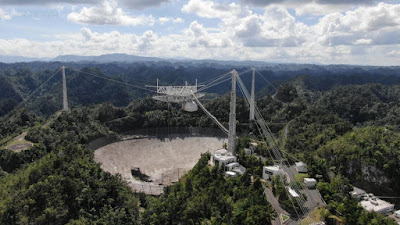
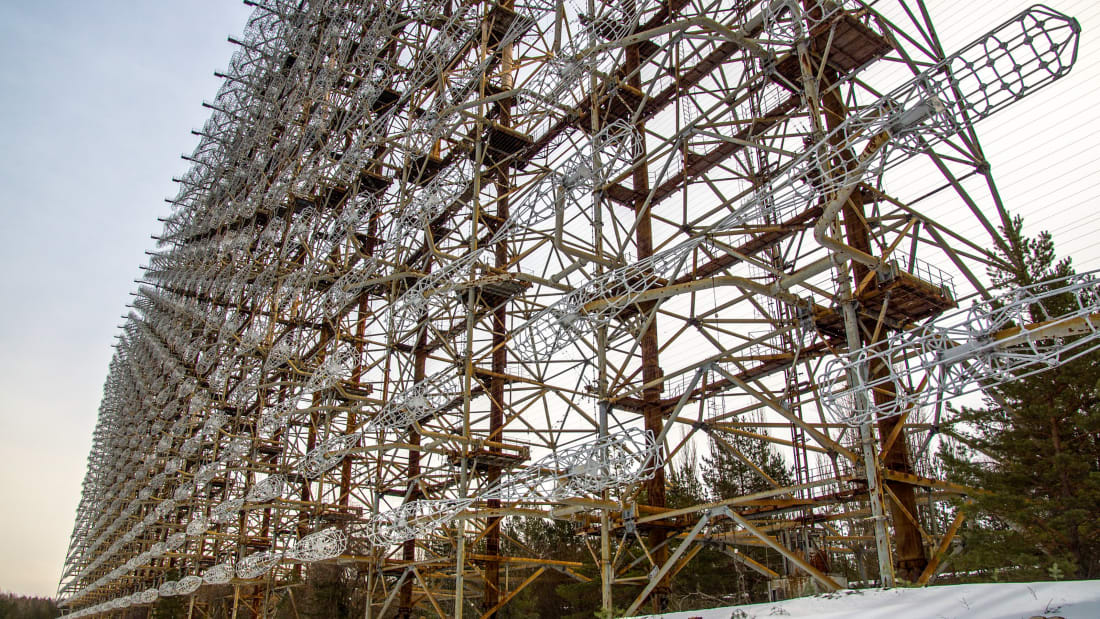
That is the antenna that Scott Tilley VE7TIL used to receive signals from the Chinese spacecraft Tianwen-1 in orbit of Mars. In a recent SpaceWeather article, Scott comments on the importance of SDR receivers in these deep space reception efforts.


I’ve been watching the Elser-Mathes cup for a long time. I dedicated my book “SolderSmoke — Global Adventures in Wireless Electronics” to my kids, Billy and Maria, noting that they were both possible future winners of this most prestigious award. Scott Tilley’s work has put us a step closer to an award ceremony for some intrepid radio amateur.

Here is a good article on the Elser-Mathes Cup:

Scott was in the news last year for finding a zombie satellite:

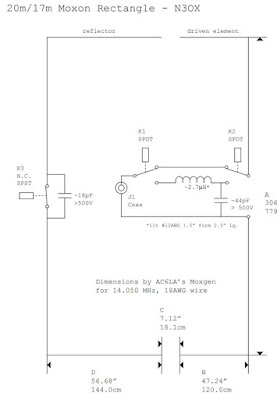
A Very Clever Way to Build a Moxon for 17 and 20 meters

Jim AB9CN sent us Dan Zimmerman N3OX’s page in response to my plea for help in SolderSmoke #227. I think this is a very clever and attractive way to cover both bands with a single Moxon.

http://www.n3ox.net/projects/2017moxon/

Of course there are other ways to do this — other listeners wrote in with confirmation that it is indeed possible to nest a 17 meter element inside a 20 meter Moxon (as is done routinely with Hex beams), but this requires a lot of cut-and-try tuning of both antennas. More in this in future posts. Thanks Jim, and thanks to all who wrote in.

I kind of like the N3OX approach. I think his design makes it more of a workbench electronic project, as opposed to a mere wire and coax antenna project. But hey, that’s just me.

Adding 10 kHz of Coverage to My BITX 17

Solar Cycle 25 is underway. The Solar Flux Index and Sunspot numbers are up considerably. I have dusted off my old BITX17 transceiver. This time around I am using it in conjunction with a waterfall display provided online by NA5B’s KiwiSDR receiver, which is located about 9 miles east of me. This SDR receiver allows me to see the entire 17 meter band. It was this panoramic display that made me pay more attention to the fact that the Variable Crystal Oscillator (VXO) that I am using in this rig prevented me from tuning the lower 10 kHz of the 17 meter phone band (18.110 — 18.120 MHz).

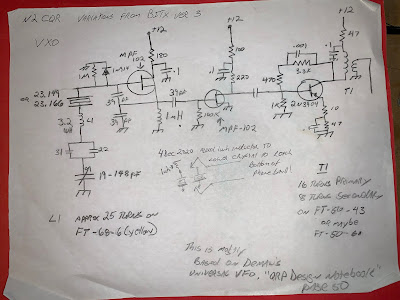
I use two crystals switched by a relay to cover the band. One is at 23.149 MHz, the other at 23.166 MHz. The crystal filter is at 5MHz. With a coil and some caps I could move the frequencies of the oscillator enough to cover 18.120 to 18.168 MHz (top of the band).

When I first built this thing, I kind of wrote off the lower 10 kHz of the phone band. I couldn’t get the oscillator to work that low, and I was already satisfied with the top 48 kHz. But the NA5B waterfall often showed SSB stations in that lower part of the band. I wanted to talk to them. So I started thinking about how to do this.
Looking at my schematic (above) I remembered that most of the frequency lowering was done by L1, a 3.2uH toroid. I figured that to go a bit lower, I would just have to add inductance. But I didn’t want to lower the frequency provided by BOTH crystals — I just wanted to bring the frequency with the lower crystal down a bit.

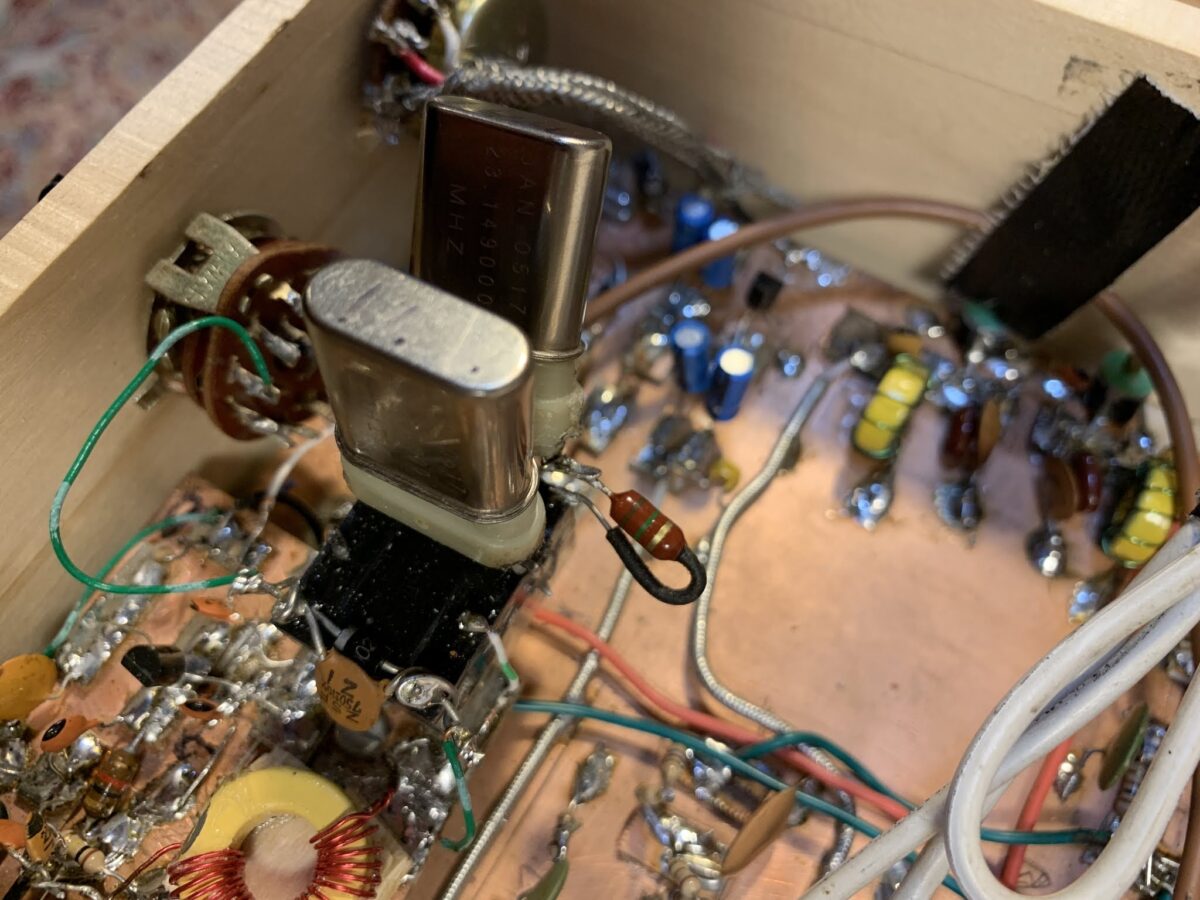
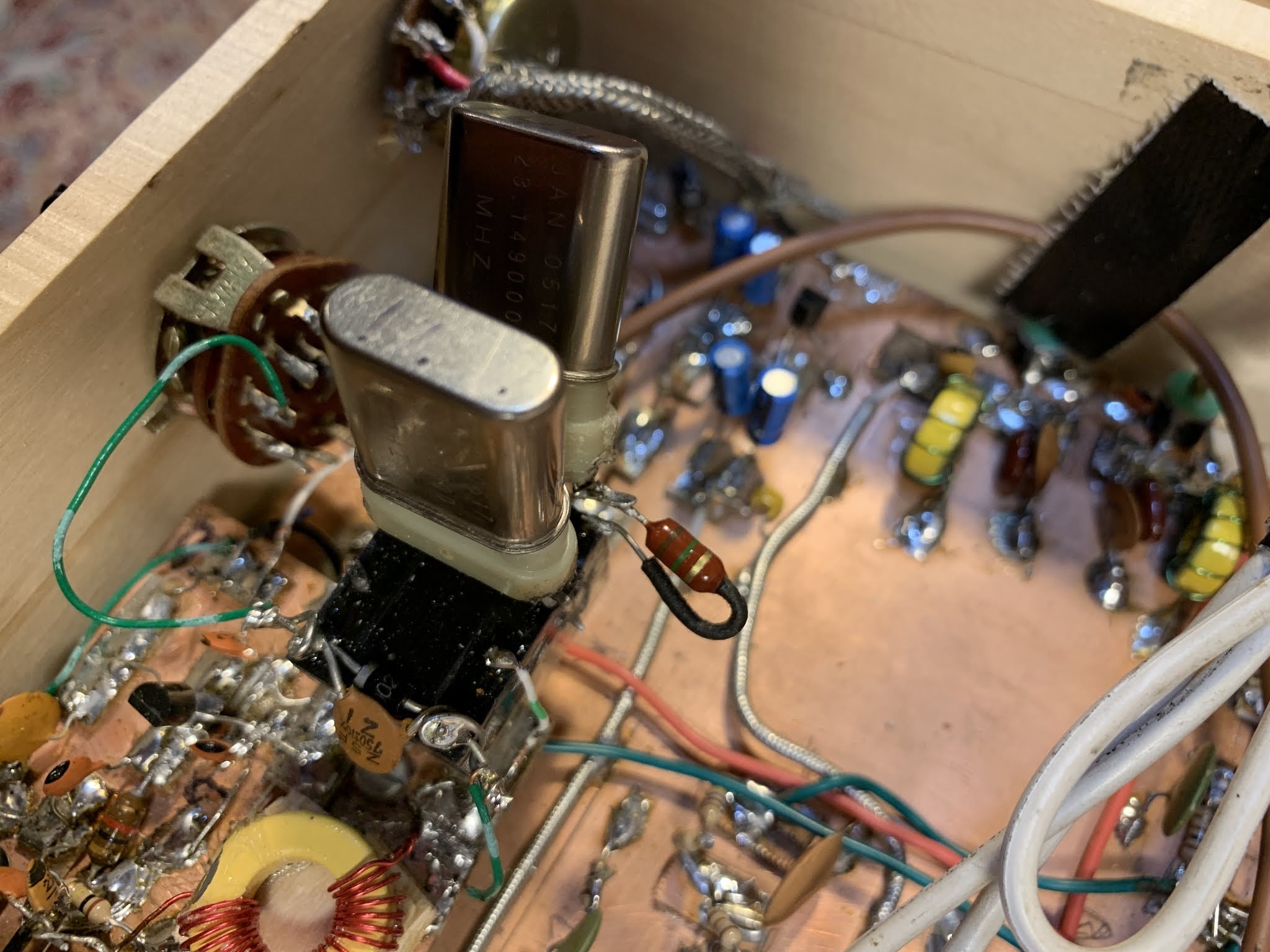
In my junkbox I found a 1 uH coil. I disconnected the lower lead of the 23.149 MHz crystal from its connection to the relay. I soldered the 1 uH coil between the crystal and the relay (see picture above). This moved the lower limit down to 18.087 MHz.

Now crystal one provides 18.087 – 18.144 MHz
crystal two provides 18.137 – 18.167 MHz

So now I have the whole phone band. Bob is my uncle. TRGHS.

This was a very quick and satisfying little fix. As Pete says WYKSYCDS: when you know stuff you can do stuff. Indeed. And as I re-build and repair gear that I built years ago, I am often reminded that as time goes by, we learn more. We end up knowing more and being able to do more.

I am also planning on rebuilding my 17 meter Moxon; this time I will make it better and stronger.

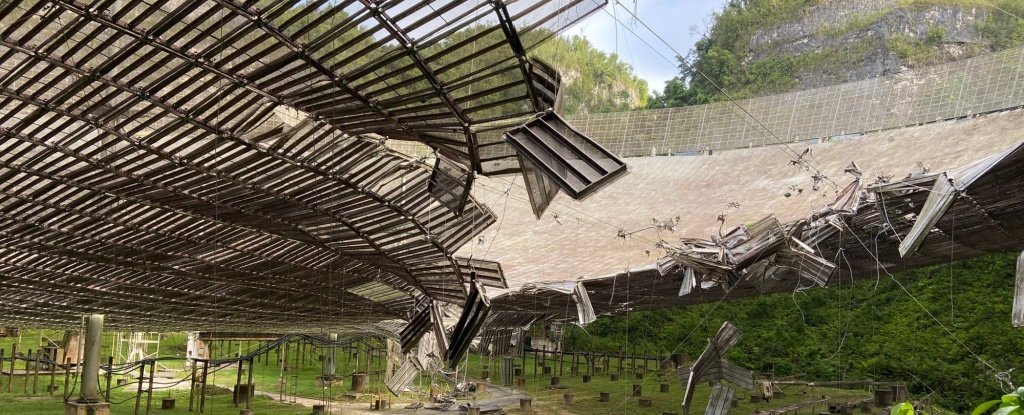
The Terrible Collapse of the Arecibo Dish: Climate Change, Hurricane Maria, and Funding Cuts. Also: China’s New Dish

From https://www.thewrap.com/watch-crazy-footage-of-the-arecibo-observatory-collapse-goldeneye-video/ :

“Alas, over the 2010s it was battered by a series of severe, climate change-linked tropical storms and hurricanes, culminating in terrible damage inflicted by Hurricane Maria in 2017. Unfortunately the 2016 election led to a government unwilling to fund repairs. Though new sources of funding were cobbled together late in 2018, in late Nov. 2020 it was determined there was no way to safely repair the telescope and the National Science Foundation announced it would be decommissioned.

The decommissioning was supposed to proceed after NSF determined the safest possible method, but physics had other plans. So it is that on Dec. 4, the whole thing up and collapsed with almost no warning.”

More info (from NSF):

https://www.nsf.gov/news/special_reports/arecibo/index.jsp

Here is a good 2017 article that discusses the electronic and mechanical arrangements at Arecibo, and the budget cuts it was facing. The article seems to almost predict the collapse:

https://www.imeche.org/news/news-article/arecibo-funding-cuts-threaten-future-of-giant-radio-telescope

Here is a comment from someone who worked there and heard the collapse:

Jonathan Friedman, who worked for 26 years as a senior research associate at the observatory and still lives near it, told the Associated Press news agency of the moment the telescope collapsed on Tuesday.

“It sounded like a rumble. I knew exactly what it was,” he said. “I was screaming. Personally, I was out of control… I don’t have words to express it. It’s a very deep, terrible feeling.” https://www.bbc.com/news/world-us-canada-55147973?fbclid=IwAR3RuwzTfJmqInrOOFB-nctknDzyB_VSr_qdNrjg9LbbxUnAbynKBv9stPQ

Here is an interesting WIKIpedia article on China’s FAST dish, with comparisons to Arecibo:

https://en.wikipedia.org/wiki/Five-hundred-meter_Aperture_Spherical_Telescope#:~:text=The%20Five%2Dhundred%2Dmeter%20Aperture,County%2C%20Guizhou%2C%20southwest%20China.

Comparison of the Arecibo Telescope (top) and FAST (bottom) dishes at the same scale
Adios Arecibo

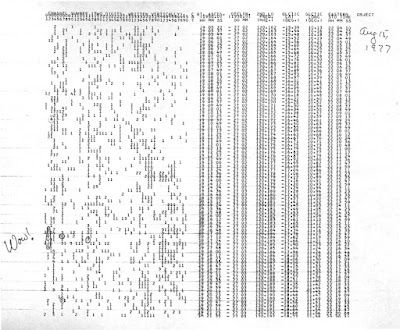
6EQUJ5 — SNR, the Big Ear Radio Telescope, and the “Wow” Signal

https://hackaday.com/2020/11/25/the-wow-signal-and-the-search-for-extraterrestrial-intelligence/#more-448808

This Hack-A-Day article explains the significance of 6EQUJ5 on the paper readout of the Big Ear radio telescope. It is a signal-to-noise readout.

The article also has interesting information about the radio telescope that was used.

I have on my shelf John Kraus W8JK’s wonderful book “Big Ear Two — Listening for Other Worlds.” John Kraus is the guy who built the Big Ear. In a reminder of how new radio technology really is, Kraus got his start in radio as a ten year-old boy in 1920. He ripped the wire out of the ignition coil of a Model T Ford to make a tuning coil for a crystal radio. He took the earpiece out of the family telephone. His father gave him a chunk of Galena. He used the crystal radio to listen to the early broadcasts of WWJ in Detroit.


The Dish — Virtual Tour — New Indigenous Name

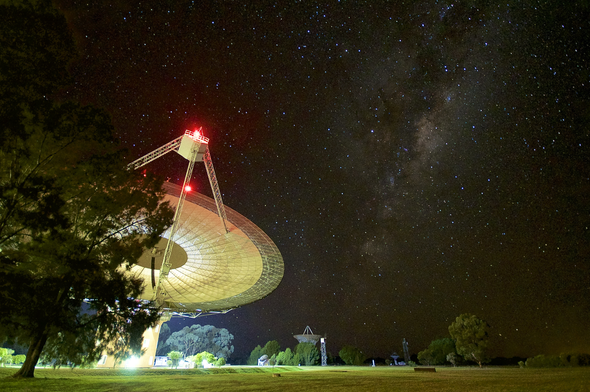
Thanks to Peter VK2EMU for this update on the Parkes radio telescope. Parkes is the subject of our favorite movie about an antenna: ‘The Dish.” If you haven’t seen it, well, you are just wrong.

The video update is very nice, with an interesting juxtaposition of old and new test gear.

But the coolest thing that Peter sent us is the story of the Parkes Radio Telescope’s new indigenous name: Murriyang in the Wiradjuri language:

Thanks Peter.

Listening in on the Deep Space Network

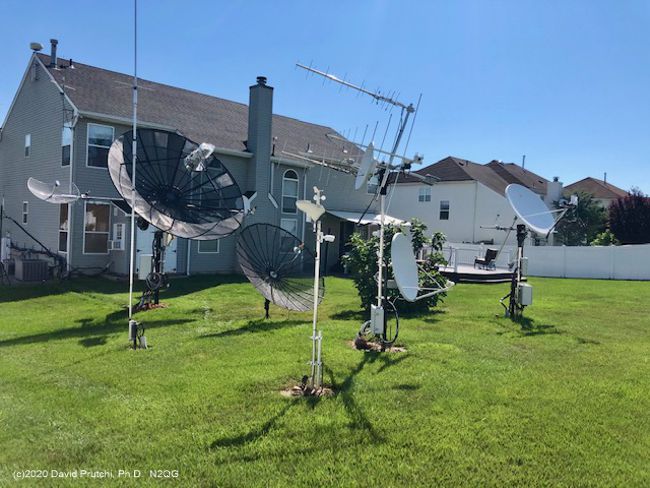
Not long ago we took the DISH satellite antenna off our roof. For a while I resisted pleas to put the big thing on the curb for pickup. I fantasized about using it for radio astronomy. In the end, I threw it away. I do have VHF/UHF aspirations, but being able to use that dish just seemed to be something in my distant future (if ever!).

But check out what David N2QG is doing with his dishes: He is listening to very distant spacecraft normally picked up only by NASA’s Deep space network. Very cool. Truly inspirational.

Here are the links:

http://www.prutchi.com/2020/10/15/recap-of-x-band-dsn-activities-and-plans-for-the-future/

http://www.prutchi.com/wp-content/uploads/2020/10/DSN_Lessons-_Learned_N2QG.pdf

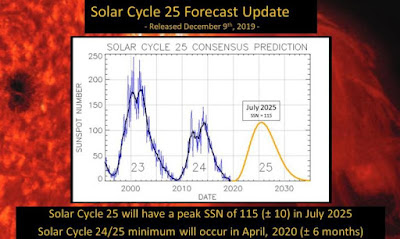
Solar Cycle 25 – The Gleissberg Cycle Dashes Hopes for a Big Solar Max

In our last podcast Pete N6QW expressed pessimism about Solar Cycle 25. I pushed back, asking Pete to stop with the negative vibes. Well, as always, it turns out that Pete was right.

Hack-A-Day today has a nice post about solar activity. They note that cycle 25 is likely to be much like cycle 24 — not great, certainly not as great as cycle 19. Pete operated during that magnificent event — I was born during cycle 19 — TRGHS.

While Pete was right about the poor prospects for cycle 25, I doubt that he knew WHY it will be so tepid. Well friends, here is something else for us to worry about: THE GLEISSBERG CYCLE. This one is not 11 years long. It is 87 years long and we are in the declining phase right now. So apparently it will be future generations of ham radio operators who will experience sunspots like those of 1959. Curse you Gleissberg cycle!

But I suppose it is better to light one candle than to curse the darkness. Cycle 25 maximum is only about five years away. So I’m thinking of rebuilding my Moxon. Or maybe getting a Hex beam…

Very Cool Vosworx AZ-EL Satellite Tracker

When I was in the Dominican Republic working the RS satellites, MIR and the Space Shuttle, I didn’t have an elevation rotator. I could only move the antenna in the azimuth plane. So I just aimed it about 45 degrees above the horizon, spun it around, and hoped for the best. I also had no computer control of the azimuth heading — I’d just watch the location of the satellite on my computer screen and operate the rotator control manually.

This device is a big improvement.

SolderSmoke Podcast #223 Field Day, Club Talks, Patreon, NanoVNA, Farhan Video, SPRAT, BIG MAILBAG

SolderSmoke Podcast 223 is available:


27 June 2020

Quarantine Field Day!
Ironically, THIS YEAR we are both participating
Pete’s FD Plan, Bill’s FD plan
Talking to Clubs:
Pete’s talk to the Cedar Valley Iowa Club
Bill’s talk to the Vienna Wireless Society
Pete’s Bench
DDC SDR
Ideas from the Summer SPRAT
Mean Well Voltage Regulator
SHAMELESS COMMERCE DIVISION: PATREON. SS is an SV DELOS WANA-BE!
We got our very first Patreon Patron! Jonathan Magee from the UK! Upper Left on the blog.
Continue to use our site for your Amazon purchases.

Bill’s Bench
NanoVNA
Understanding L Networks
+/- 6kHz Ceramic filter for Q-31
Lobes, Nulls and WSPR
Miscellaneous:
Farhan’s feedback Amplifier Video
British Antarctic Broadcast heard (sort of)
MAILBAG:
Mauro VA6BRO liked the SolderSmoke book. Thanks Mauro
Tryg in Galway Ireland is listening. Hope to get you the signed books Tryg.
Michael N4MJR suggested that I use N2 Corona Quarantine Radio as my phonetics. I dunno…
Ed DD5LP has been helping us get SS rebroadcast on a German SW broadcast station. Stay tuned!
Rogier PA1ZZ in California sent an e-mail about the Don Lee Broadcast System. Thanks Rogier!
Rick KE3IJ Silver Skirt on his 2B also. W3GOO did it. Rick traded his Commodore 64 for the 2B. Yea!
Walter KA4KXX has a simplified circuit for the MMM! From UK
Peter VE1BZI thank us for the tribal knowledge. Dipolo Crilolo
Peter VK2EMU Wee need someone to make the Constructor Crusader badge.
Scott KA9P sent us the Amateur Wireless cover from 1934 with the Constructor Crusader thing.
John GM4OOU Built lockdown rig. we want pictures!
Jerry KI4IO His version of the Sproutie by AA7EE FB
Adam N0ZIB built a MMM
Wouter ZS1KE in South Africa — comparing notes on Drake 2-Bs
Randall KD5RC wants to get started in HB.

Lobes, Nulls, and “Gain Dipoles” — Testing the Theory with WSPR

In the last podcast Pete and I were discussing dipole antennas. We mentioned dipoles that were multiples of 1/2 wavelength and said the result could be a “gain dipole.” This provoked some head scratching. Listener Riley asked for more info. See the comments section under this post: http://soldersmoke.blogspot.com/2020/05/soldersmoke-podcast-222-antennas.html.

A short time later Pete was corresponding with Brad WA8WDQ who had questions about his antenna pattern. Pete recommended using WSPR to test his antenna’s effectiveness.

These two exchanges got me thinking about the radiation pattern of my 135 foot doublet antenna, especially on 20 meters. Where are my lobes, where are my nulls? Following Pete’ advice I turned to WSPR. But first, a quick look at the PREDICTED patterns.

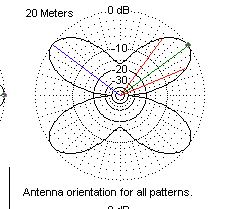
ON5AU has on his site a great article by antenna guru L.B. Cebik W4RNL with exactly the info I needed. Above is W4RNL’s chart of predicted radiation pattern for 20 meters on a 135 foot doublet. Note the orientation of the wire.

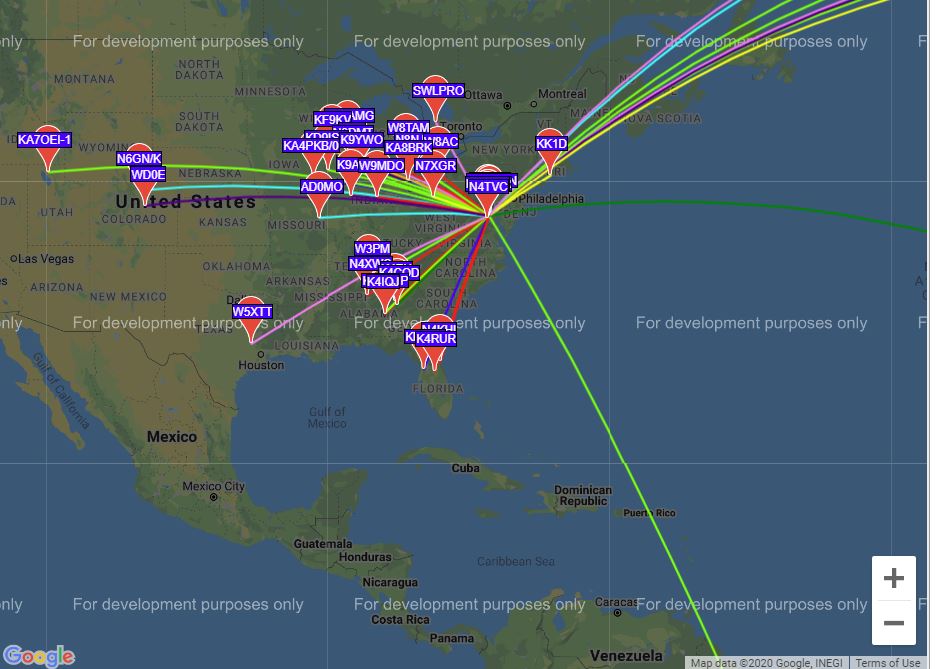
My antenna is oriented almost exactly north-south (broadsides to the east and west). So with a standard north at top map, my pattern on 20 should look like that of W4RNL’s chart. What did I get from WSPR? Here is the pattern for an hour or so of 250 milliwatt transmissions from my station using the 135 foot doublet on 20 meters (using homebrew balanced tuner):
You can clearly see at least three of the four predicted lobes (NE, NW, SW).

Now, part of this WSPR pattern could, I suppose, be the result of the geographic distribution of WSPR stations. If there are just more of them in the areas where I am seeing lobes, the pattern could just be the result of geographic distribution. I don’t think that is the case, but to test this idea (a bit) I decided to look at the 40 meter pattern.

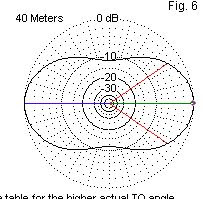
Here is what W4RNL predicted (same north-south antenna orientation):
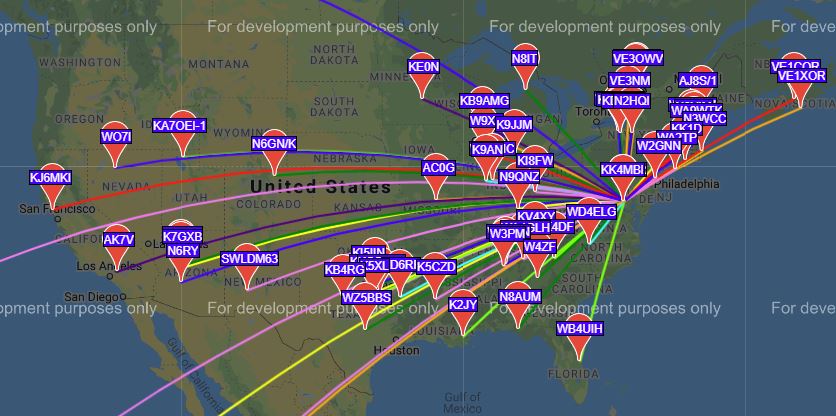
And here is the WSPR map that I got, again using about 250 milliwatts for about an hour):
I think this pattern matches nicely with the prediction. You don’t see the nulls that you see in the 20 meter pattern. You do see some stations directly north of me (as predicted). There does not seem to be a big disparity in the geographic distribution of WSPR stations.

One note on the use of WSPR: I started out using WSPR in receive mode, thinking that the pattern I’d see would be similar on receive or transmit due to the antenna reciprocity principle. But I worried that the results could be easily skewed by higher power WSPR stations. So I shifted to the transmit mode and limited my output to 250 milliwatts.

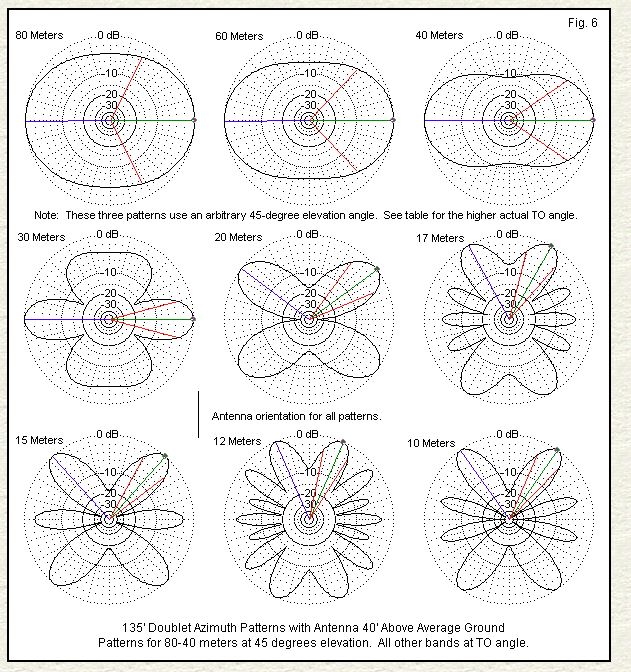
Here is the W4RNL chart showing the patterns for all the bands:
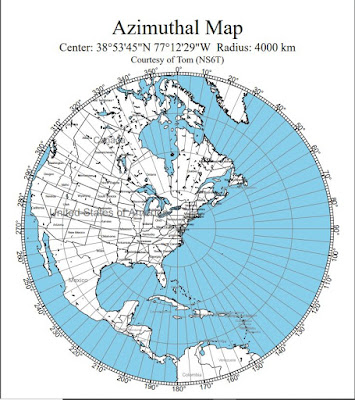
Here is the azimuth chart for my location:

Jerry’s Sproutie: A Short Wave Receiver (and a Limerick) by Jerry KI4IO

Jerry KI4IO is a really talented homebrewer; I’ve called him the Wizard of Warrenton:
and

Warrenton Va. is not far from me (and is the birthplace of Cappucio the Wonder Dog). Once we are done with the pandemic I hope that Jerry and I can get together to talk about homebrew radio.

Like me, Jerry recently turned his attention to the shortwave broadcast bands. He too went the homebrew route, but his receiver is a regen. It is based on the Sproutie by Dave AA7EE.

Here is Jerry’s article detailing the project and the results:

Jerry had been scheduled to talk about antenna tuners at FDIM this year, but the pandemic caused the event to be canceled. He shared with me a Limerick that he was going to include in the presentation. Obviously we have similar feelings about automatic antenna tuners.

In days of old
when hams we bold
and BALUNs weren’t invented
We adjusted our C
and fiddled with L
and reflected power was prevented

KI4IO in his shack Feb 2020

Antennas, Money, and Ham Psychology

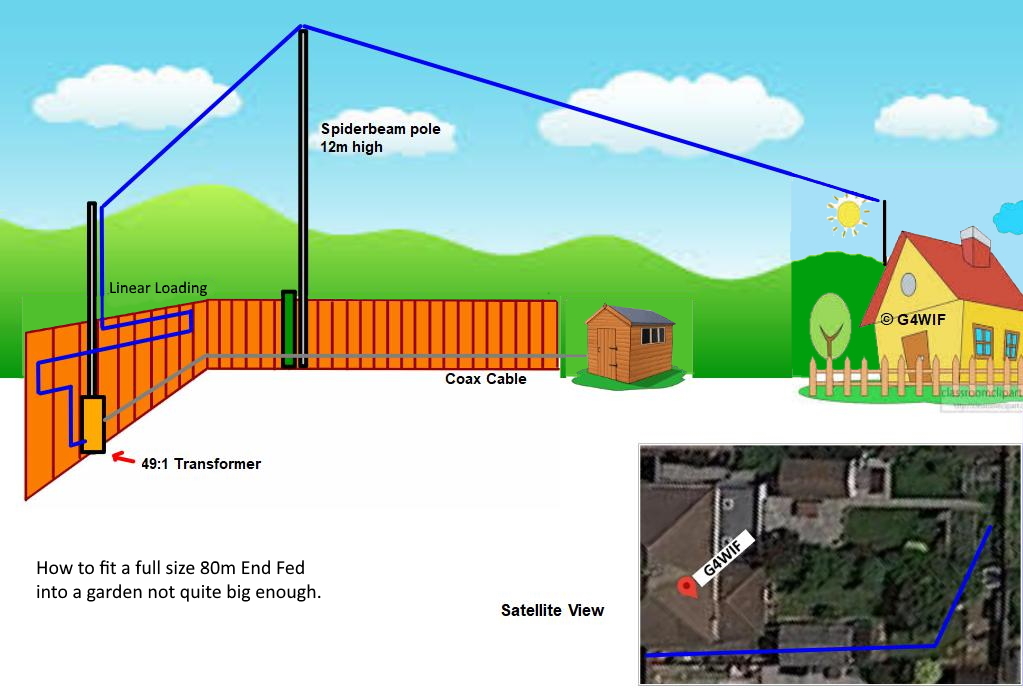
During SolderSmoke Podcast #222, Pete lamented the fact that many hams are willing to spend significant amounts of money on “manufactured” dipole antennas that are little more than pieces of wire. Tony Fishpool G4WIF sent a graphic on the wire antenna he uses (see above). He also shared an anecdote about G5RV antennas and G-QRP Club founder George Dobbs:

From Tony:

The aerial that I’ve had so much fun with, an End Fed Half Wave, cost me £8 ($9.80) for the toroid and the rest came from the junk box. The reel of wire was probably a £1 ($1.25) from a radio rally. You never pay big money for wire at a rally. People take it there to get rid of
it!


It covers 80m and all harmonically related bands.
My garden is too small so I cheated by using some linear loading to
make it fit. (on the back fence).

WIth 5 watts CW on 40m I can hit the USA reverse beacons most mornings.

It was about £9 ($11) to make – but if you count the Spiderbeam

12m pole, it was another £98 ($120).

I have a little George Dobbs story relating to aerials. Probably around

15-20 years ago. He was speaking at a radio club near to me so I went along to support
him and have a beer with afterward.

He gave his usual entertaining (and always funny) talk during which he
paused – and said, as if in confidence to the audience:

“Do you know, I’ve heard, and I don’t know if it is true, that there are
people who actually pay real money for a pre-made G5RV”

I swear that it went very quiet and there may even have been the odd foot
shuffled. Tony
———————————————————

Coincidentally Mike, WU2D put out a VERY ILLUMINATING YouTube video on the psychological aspects of ham radio operators and their antennas. Here it is:

SolderSmoke Podcast #222 Antennas, Phasing, VFOs, 2-Bs, 6 years of N6QW, MAILBAG

After 46 years, finally a dial skirt
SolderSmoke Podcast #222 is available:

No travelogue but… SolderSmoke Almanac!
Memorial Day in U.S.

End of Ramadan so Eid Mubarak!
#222 marks SIX YEARS of Julian-ismo. He started on SS 161. Thanks Pete.
Thanks to all who sent good wishes on Billy’s graduation. He heads to Boston and the lab in a week or so. Very proud.
——————————————
Bill was on Ham Radio WorkBench Podcast
—————————————–

PETE’S WORKBENCH
— Antenna Ideas — Don’t Buy that $165 dollar dipole! It is just wire!
— THE PHASING RIG. Does this point to a need for meditation? Or at least some temporary disengagement? Tribal wisdom from Pete.
— DEAN KK4DAS’s rig. The Furlough 40. Troubleshoot. Tribal knowledge.
——————————————-
— SHAMELESS COMMERCE DIVISION: AMAZON BOX — SEARCH FOR ANYTHING OU WANT THERE.
— PLEASE PUT COMMENTS ON THE SOLDERSMOKE BLOG POSTS.
PLEASE CHECK OUT THE SolderSmoke YOUTUBE VIDEOS.
——————————————

BILL’s WORKBENCH
n Shortwave dials and exotic locations. Java!
n Galaxy V VFO Project. Series-tuned Colpitts.
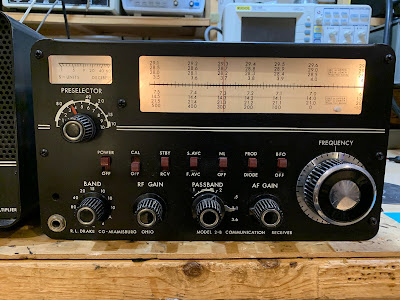
n DRAKE 2-B. Hayseed Recap. Put the skirt back on the old rig. Reduction drives?
SHOPPING BAG:
I got a replacement for the Xtronics 4000 soldering station. Yaogong worked!
Ordered screws and stuff from McMaster — Came very fast!
Working on a resistor kit from Mouser.
MAILBAG:
VK2BLQ’s Phasing RX with an HRO dial. Cool Retro.
Adam N0ZIB — Cool station. TFT screen Aluminum welded box. FB.
Karl G7AFT BITX 40 doing USB and LSB by changing the VFO freq. Pete’s trick!
Jerry KI4IO out in nearby Warrenton. Hope to be able to meet up soon.
Keith N6ORS’s Hot Mustard Phasing Board.
Mike N5GTF’d FULLY INDOOR Quarantine Receiver. Need a slogan for the antenna!
Nick M0NTV’s Bread Bin 80 Quarantine rig
Bruce KC1FSZ Quarantine 10 — Brave man in solar minimum. But I hear 10 is opening.
Talking to Grayson Evans KJ7UM TA2ZGE about Collins 9.9 MHz transformers.
Talking to Alan Wolke W2AEW about Drake 2-B stuff Was there a reduction drive?
Paul VK3HN about Ceramic filter spurs.

Peter VK2EMU notes no animals were harmed in the making of my videos. But many electrons were agitated.
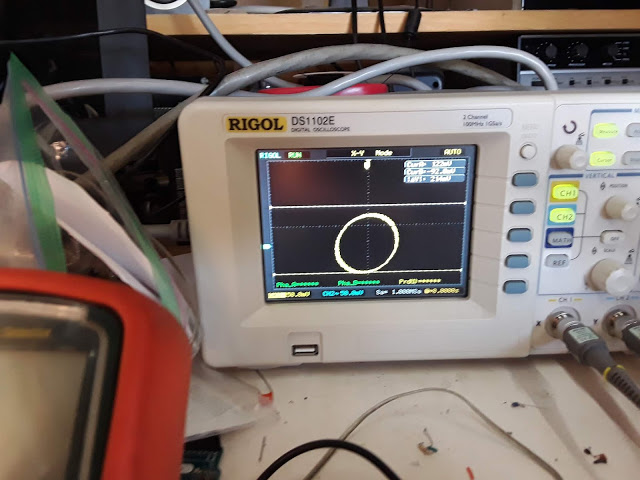
N6QW Phase Shift Success — It aint over ’till the fat lady sings


Homebrew Az-El Satellite Antennas from the Philippines and Australia

https://nightskyinfocus.com/2020/05/18/diy-satellite-tracker/

DU1AU is way ahead of where I was when I was working with Low Earth Orbit satellites. I just aimed the antenna about 45 degrees up from the horizon, and spun it around with a TV rotator with me –not the computer — as the controllers of the rotator. In essence I did the AZ manually and completely ignored the EL. This design moves the antenna in Azimuth and Elevation, and has the computer control the movements via an Arduino. FB.

DU1AU points to the work of VK3FOWL and VK3YSP. Their site has very detailed info on how to build several versions of this kind of Az-El rotator:

https://www.sarcnet.org/rotator-mk1.html

This Az-El project represents a great opportunity to move beyond hand-held satellite antennas, and beyond my Az-only manual approach. It also give us a way to bring some real homebrewing into a part of ham radio that has come to be dominated by commercial equipment. There are some Arduinos and some lines of code, some motors and some metal work. Great stuff!


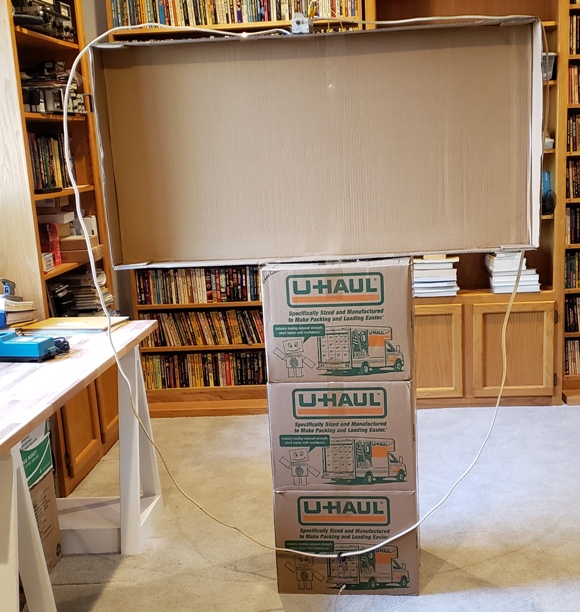
N5GTF’s FULLY INDOOR Quarantine Receiver and Antenna

Mike N5GTF deserves special recognition for his truly remarkable SITS (Stay In The Shack) quarantine project. It is not hard to build receivers and transmitters that stay in the shack; Mike went the extra mile by keeping even his antenna inside during lockdown. Well done Mike! But that cardboard frame for the antenna seems to be crying out for some sort of inspirational slogan. Can we get a big “SITS!” in there? 73 Bill

Hi Bill,

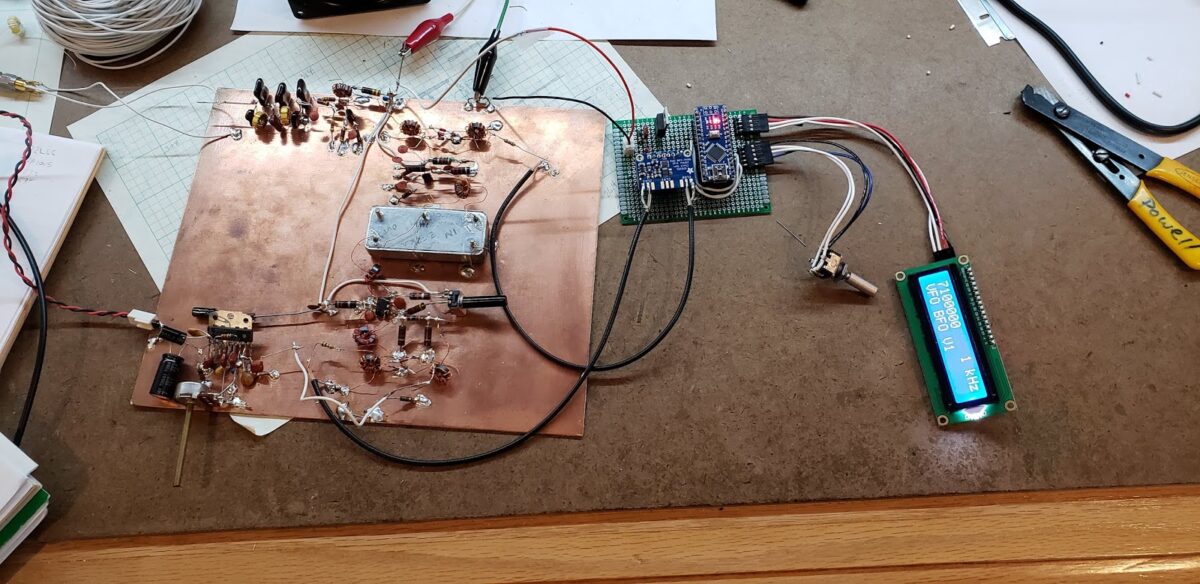
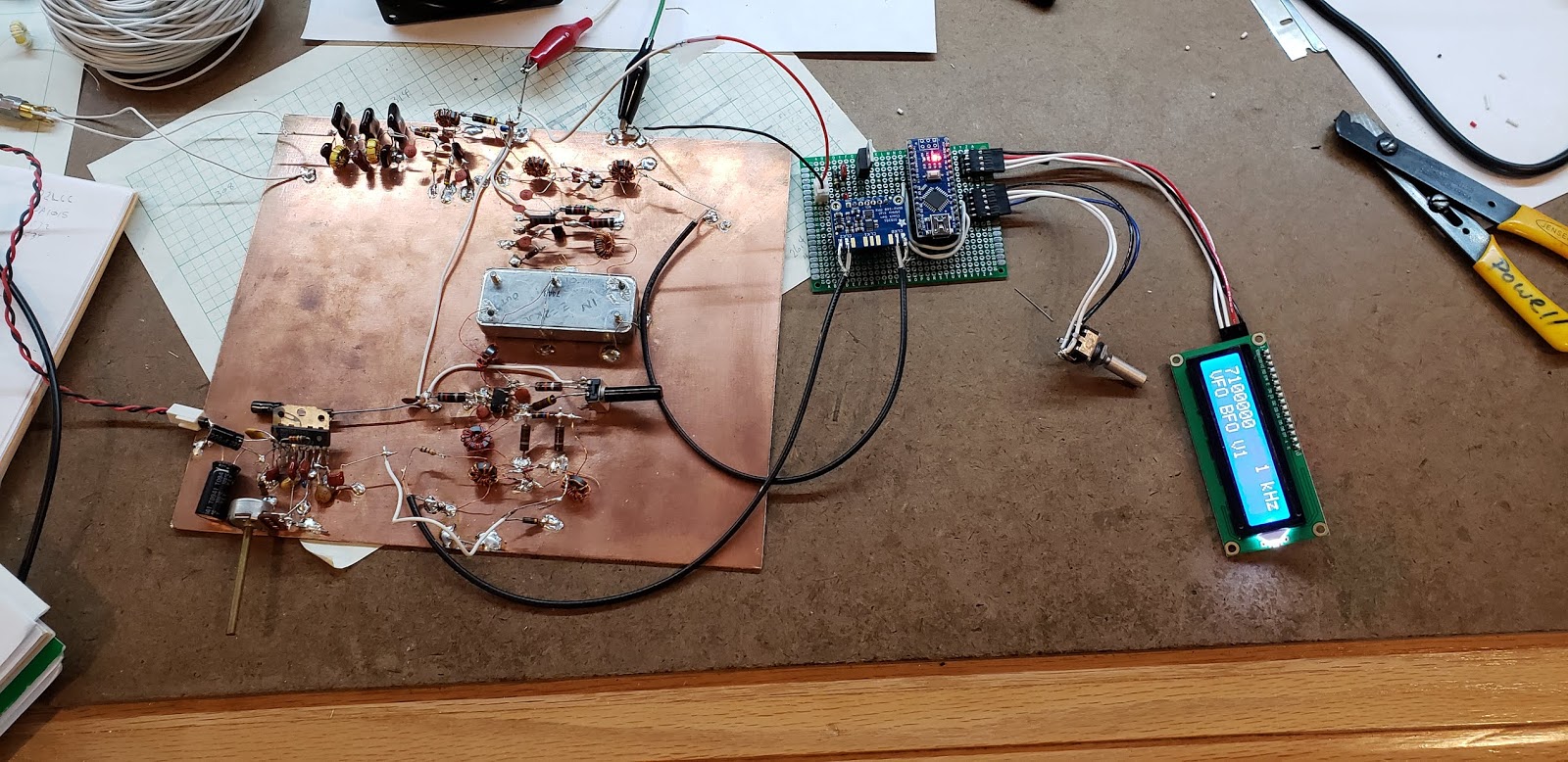
Thought I would share a few photos of what happens when one randomly selects things from the junk box after being inspired by Pete’s recent posts about phasing SSB. It starts with a 10.7MHz crystal filter because it was large and shiny. This will prove to be somewhat inauspicious, but I’d had a pair of them for longer than I can remember… Then there were several ferrite toroids and a handful of swap meet diodes. Instant mixers, (just add enameled wire). A few 2N3904s and an MC1350P, plus a few more toroids (and wire). I’d picked up some TDA1015s awhile back. They have both a power amp and a preamp, so one of those as well. Also, an Arduino and Si5351, because Charlie Morris, ZL2CTM, has been so generous in sharing his knowledge on how to use them. Finally, about 12 feet of 14/2 w/G and a 365pF variable cap for an indoor mag loop.

Not the best reception though not bad considering the antenna’s in the basement with house wiring and metal duct work in the ceiling. The biggest issue is the IF and my choice of LO frequency. I’ve got the LO below the IF and the LO second harmonic falls inside the 40 meter band. Definitely need to fix that and move on to the transmit side.

Visits to both SolderSmoke and Pete’s blog are on my daily agenda. Thanks to you both for the frequent updates of interesting content and for providing a way to get out without going out.

Mike, N5GTF
www.mikesflightdeck.com

AM Rally Report — Great Contacts on 40 AM

The AM Rally this past weekend was a lot of fun. I was reminded of how the guys that you talk to on AM are just so much more likely to be running interesting homebrew or vintage gear.

First contact was with Howard VE2AED who has one of the most amazing antenna farms I have ever seen. Take a look:
https://www.qrz.com/db/VE2AED
He also has an R-390 and a KWM2 in his shack.

Next I spoke to Robert W0VMC (Voice Modulated Carrier) out in Wisconsin. Robert is a homebrewer of AM gear with a Knack story that is very familiar: http://w0vmc.com/

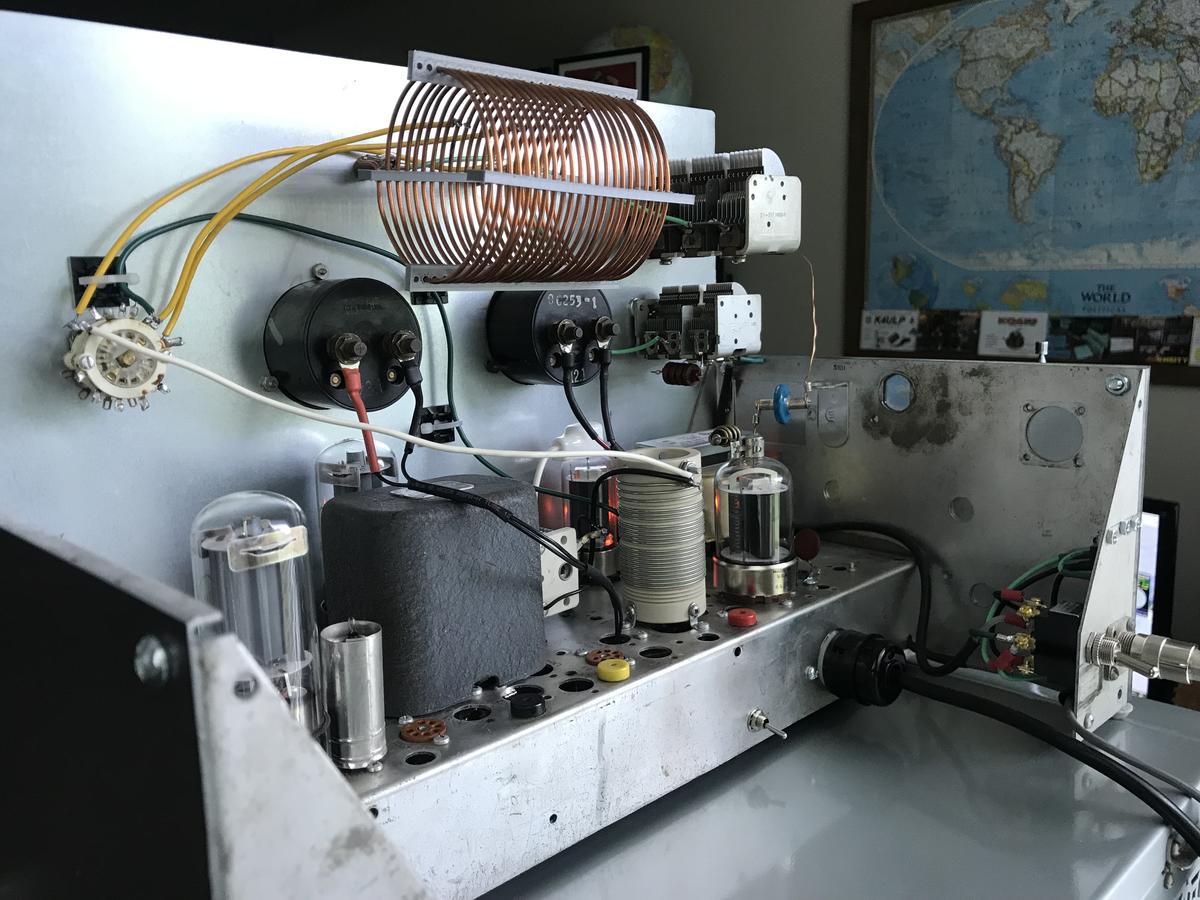
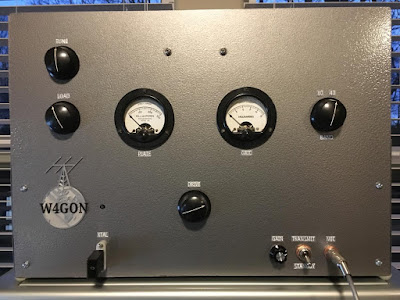
Next up was W4GON. Joel was on the homebrew AM transmitter that we reported on back in 2017:
https://soldersmoke.blogspot.com/2017/08/thermatrons-al-fresco-w4gons-fb-hb-am.html

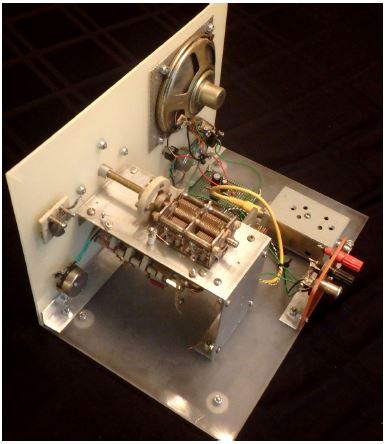
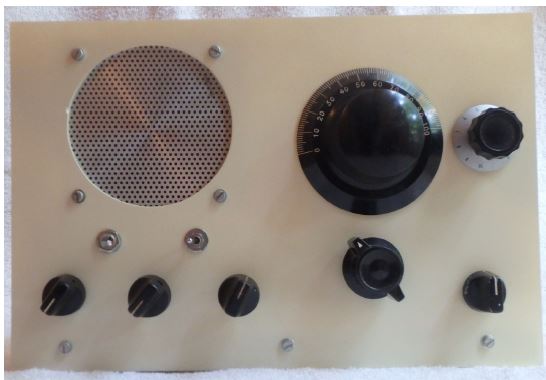
Joel has completed his rig, adding a FB front panel. Here it is:

Then came the W1AW contact. See the video above.

Finally, I talked to Jack W9GT who was running a rig that must be unique on the amateur bands: A Federal 167 B Maritime transmitter. You can see this magnificent transmitter here: