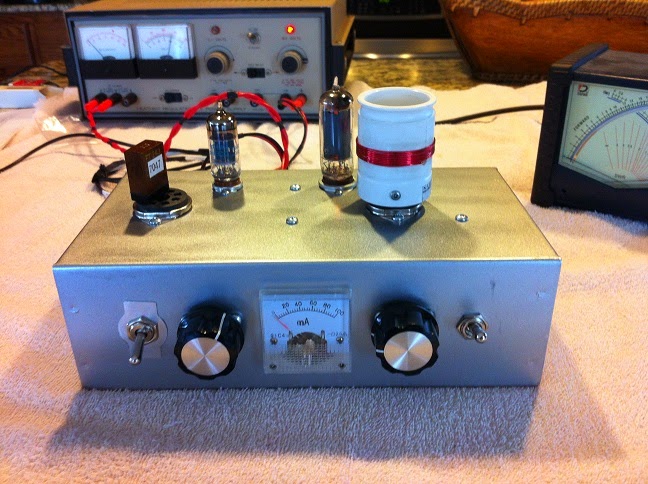
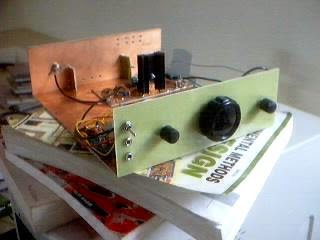
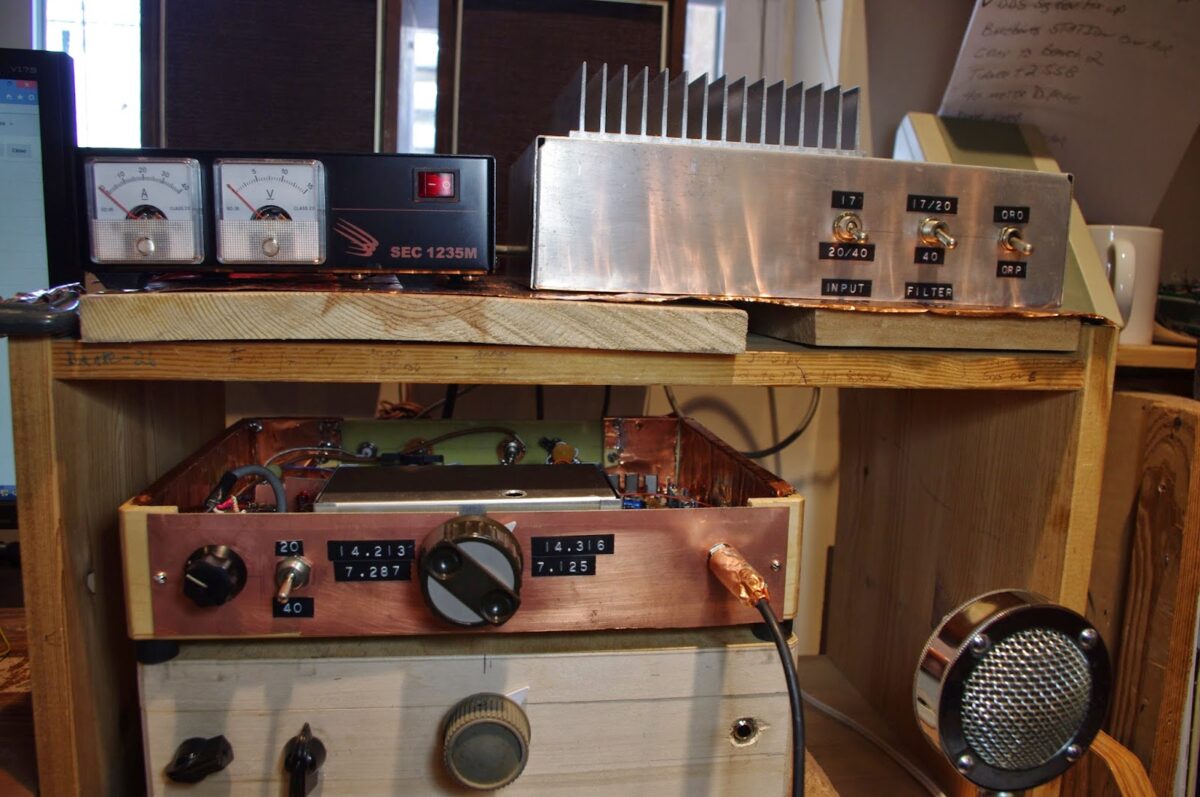
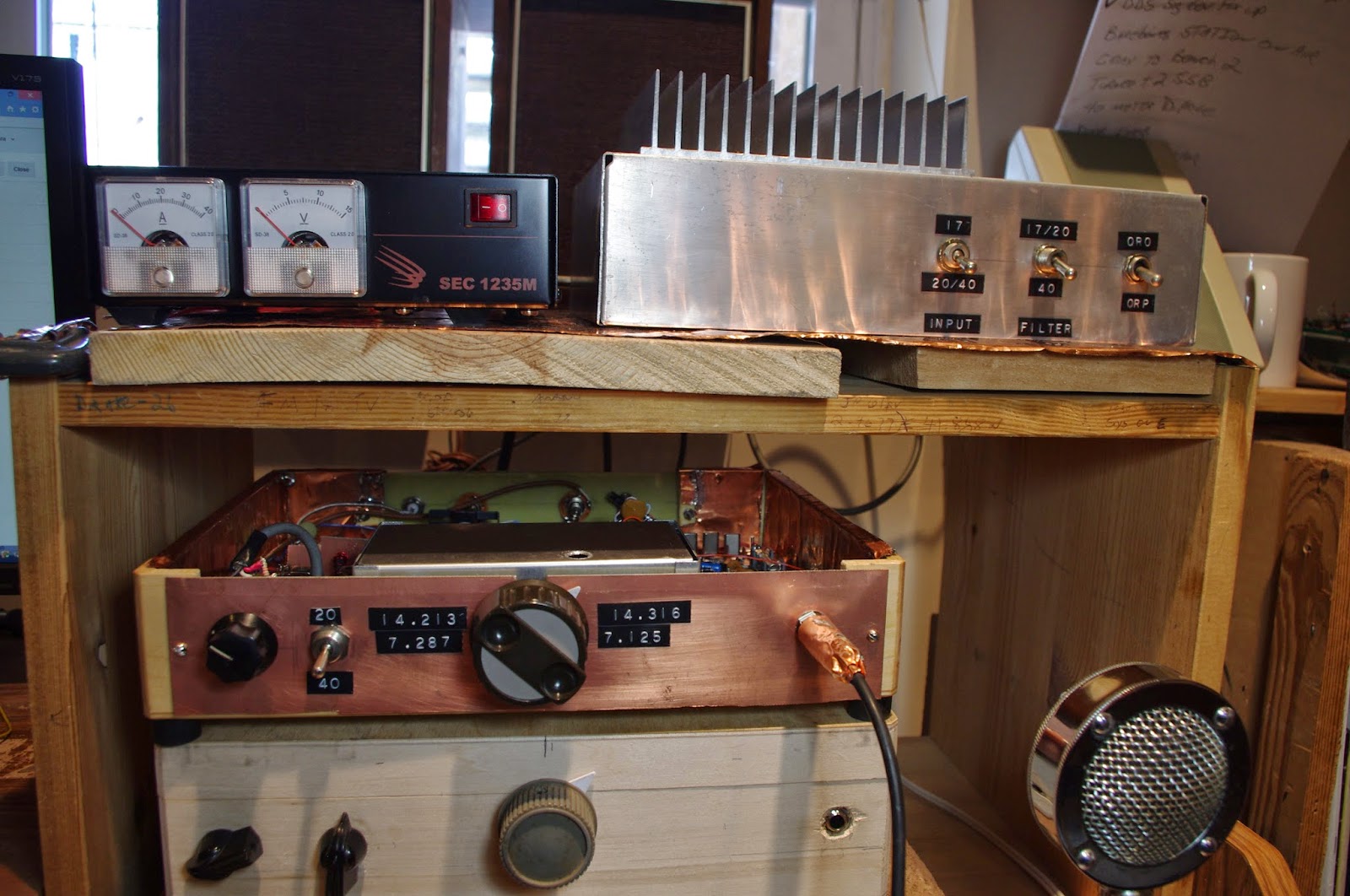
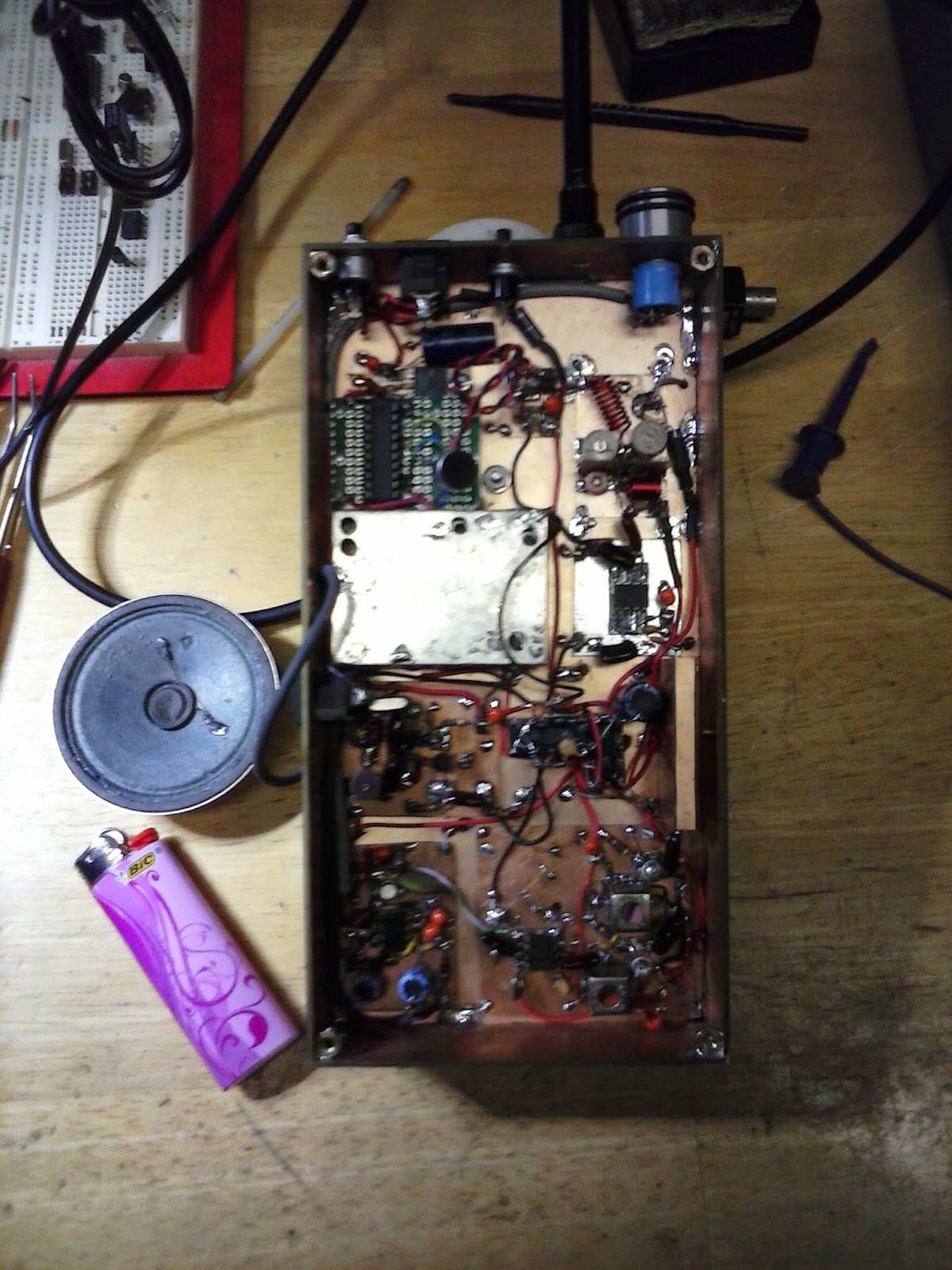
Pete, Bill: Applied power to the 6C4 / 5763 transmitter for the first time today. I made RF. No smoke was released to the wild. Only issue is the load air variable cap is fully meshed at full capacitance and still not getting the dip on it. Need to root in the junque box for a 220 or 330pF silver mica and wire that in across the load cap.
As it is its putting out 2w. Listening on a general coverage receiver I’m not hearing any chirp or drift. Will build a low pass filter and have to interface in the power supply. Still have a few details to do such as labeling the controls but for the most part I just built a transmitter from scratch. Happy day at the workbench.
Another fix is to redo the coax from the RX / TX switch. Didn’t have any RG174 so I just grabbed a clipping of RG8X had laying around. Ugly but got the job done.
Somehow this seems appropriate for Pi Day (3-14). I guess it is because the antenna is circular. Thanks to David GM4JJJ for sending this to us. There is no audio. Kind of fun to watch the lads struggle with the big antenna while wearing coats and ties! David writes:
Hi Bill,
Just watched the video of the progressive receiver and immediately noticed the old Eddystone drive and dial.
My first general coverage receiver was an Eddystone 840C in about 1969 I guess, so it brought back fond memories.
I also had (much later) an Eddystone 770R VHF receiver, which I used to listen to transatlantic 50MHz on during the sunspot peak a couple of cycles ago now. That was before we were allowed to transmit on 6m over here.
Incidentally if you saw the recent film “The Imitation Game” about Alan Turing, you might have spotted the 770R in it, which was actually a mistake as the receiver was not produced until after the war.
Now something to break your heart, and mine actually:
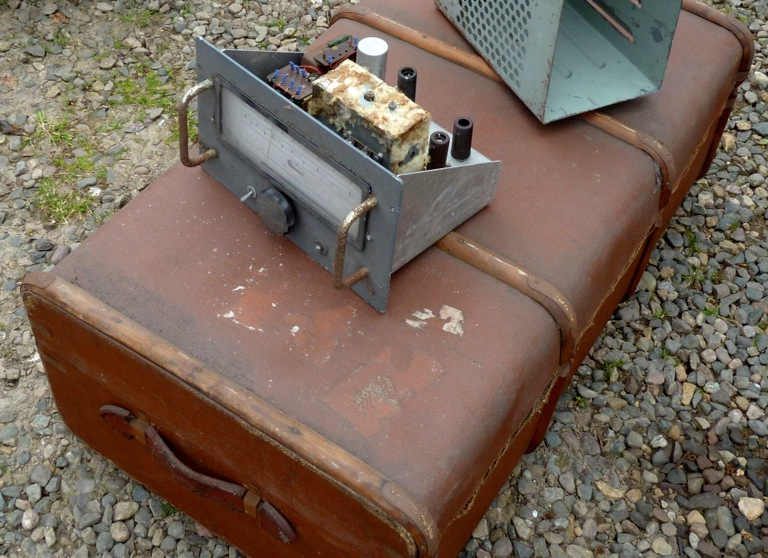
This old rig which was given to me sometime in the 70’s by another ham, was stored the attic of my previous house now used by my brother, and a couple of years ago I had to clear the attic of the “junk” that I had left when I moved out. I didn’t have any more room to store quite a lot of things and I made the decision to take a few things that I never thought I, or anyone else, would need. They went to landfill. 🙁
As you can probably see there is an Eddystone drive and dial driving a VFO which originally had insulation material around it for thermal stability. I think it may have been mixed or multiplied up to 144MHz judging by the scale on the dial. Looking back now I should have tried to save it, but I just felt at the time it would just probably lie in my new attic until I departed and then someone else would have to throw it out.
I don’t know exactly who made it, I was given it by Andy GM3IQL(SK), but I vaguely recall him telling me that it was made by Fraser Shepherd GM3EGW(SK) who I did not know as he died tragically young, but was a brilliant constructor. It could equally possibly have been made by Jimmy Priddy GM3CIG, and I could contact him as he is still around in his 80’s now. At least I had the sense to take some photos. Now a couple of semi related video material that I put up on YouTube.
This is a (silent 8mm) film made in the 1965s about the first moonbounce attempts from Scotland and Jimmy CIG made the film. My Elmer Harry GM3FYB(SK) is in it.
Bill, I really enjoy SolderSmoke podcasts etc, I am returning to ham radio after about a decade, got the bug again….
The KX3 is in the shack, and I have the parts here now to build a QRP WSPR beacon by Hans Summers also.
I like QRP, having previously worked with George GM3OXX back in the 70’s when we went out portable with wideband FM QRP 10GHz (3cm) gear using Gunn diode oscillators. Just a few mW and we could work several hundred miles with small 2 foot dish antennas in the right conditions over water by super refraction. The receivers were just mixers, no active RF amplifiers in those days.
I think the best I did was 322km with my 10mW from Scotland to Wales on 10GHz. A couple of decades I built up a real SSB transverter with surplus MOSFETs for 10GHz and with greater power (250mW) and SSB bandwidths I could work non line of sight paths on that band from home.
I also like QRO for such things as 2m EME (moonbounce) and am in the course of replacing my old 8877 W6PO design 1500W amp for 144MHz with an Italian manufactured LDMOS 1kW amp that is a fraction of the size and weight, who would have imagined a single solid state device would be able to do that at a price amateurs could afford?
Anyway enough of my ramblings.
Hope you don’t mind me taking up so much of your time, I will let you get back to whatever you have on your workbench!
Very nice. A beautiful and educational project from Pete and Ben. I have to start putting “tune switches” in my rigs and ammeters in the bias circuits of my finals.
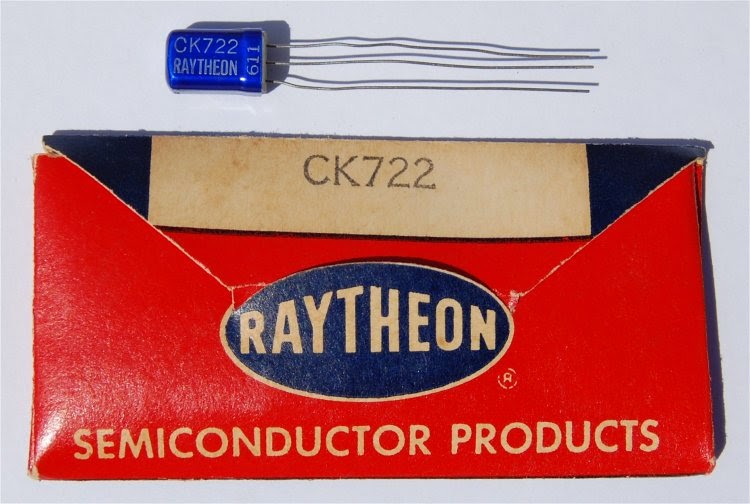
I knew Pete had a lot of experience with transistors, but I didn’t realize just how far back this experience reaches. Pete writes, “The March 2015 issue of QST had an article about a 1953 transistor transmitter project which was really advanced technology since the transistor was only invented about 5 years before that time… About 1953 at the age of 11, I built my first solid state audio amplifier using the venerable CK722 from Raytheon. The transistor did look a bit strange in that cool blue cube shape with a red dot on the side to identify the collector. What a joy and surprise to me that it worked the first time power was applied… It was the CK722 that in large measure started me on a life’s work and engagement in a wonderful hobby. That CK722 path also led me to designing and building a QRP solid state version of the Collins KWM2 which I call the KWM-4.” I asked Pete why an 11 year-old kid in 1953 felt compelled to build a solid state audio amp. The answer is very cool: Pete’s father had introduced him to crystal radios at age 8. Pete wanted an amplifier for his crystal set, but his dad was worried about him building high voltage tube gear. So that’s how Pete got his VERY early start with transistors.
We are really lucky to have Pete Juliano sharing his vast tribal knowledge with us.
Not even the U.S. Postal Service’s Anti-Crystal Steam Roller can stop an intrepid homebrewer. OM N9IZ got his Mighty Mite working and produced a really nice video and blog post on the project. You can just feel the enthusiasm: On the blog he writes: “Everything was assembled on a bread board for trial. I must admit to being overjoyed when I saw the visual waveform on the PowerSDR panafall display of my Flex-5000A main shack radio. So much so, that I ran through the house calling for my YL, KC9TAH. She was in the shower and thought I’d cut off a finger or something while in the mad scientist lair. Much to her dismay, it was only a nasty CW signal emanating from the Flex speaker. She did humor me by going out to see the marvelous project before asking me what I was going to fix for lunch.” FB OM! Bill I thought you might like to hear that another MMM has been brought into the fold. You might remember that the crystal you sent me was steamrolled by the USPS. Believe it or not, it works! Not sure the frequency is exactly spot-on, but who cares…it works! I enjoyed it very much and made a youtube video of the testing process. I also took pictures and posted it all to my webpage. Most of my other projects have been more QRO in nature so I’m treading in uncharted territory. We’ll see how far that goes, but right now I’m loving it. I have my issue of QRP Quarterly and plan to follow along in constructing the LBS project. All for now from Hoosierland. Hope you enjoy the blog post on my webpage. 73 OM.
You guys really have to listen to this. This is culturally important. And it is a great follow-up to SolderSmoke 173.
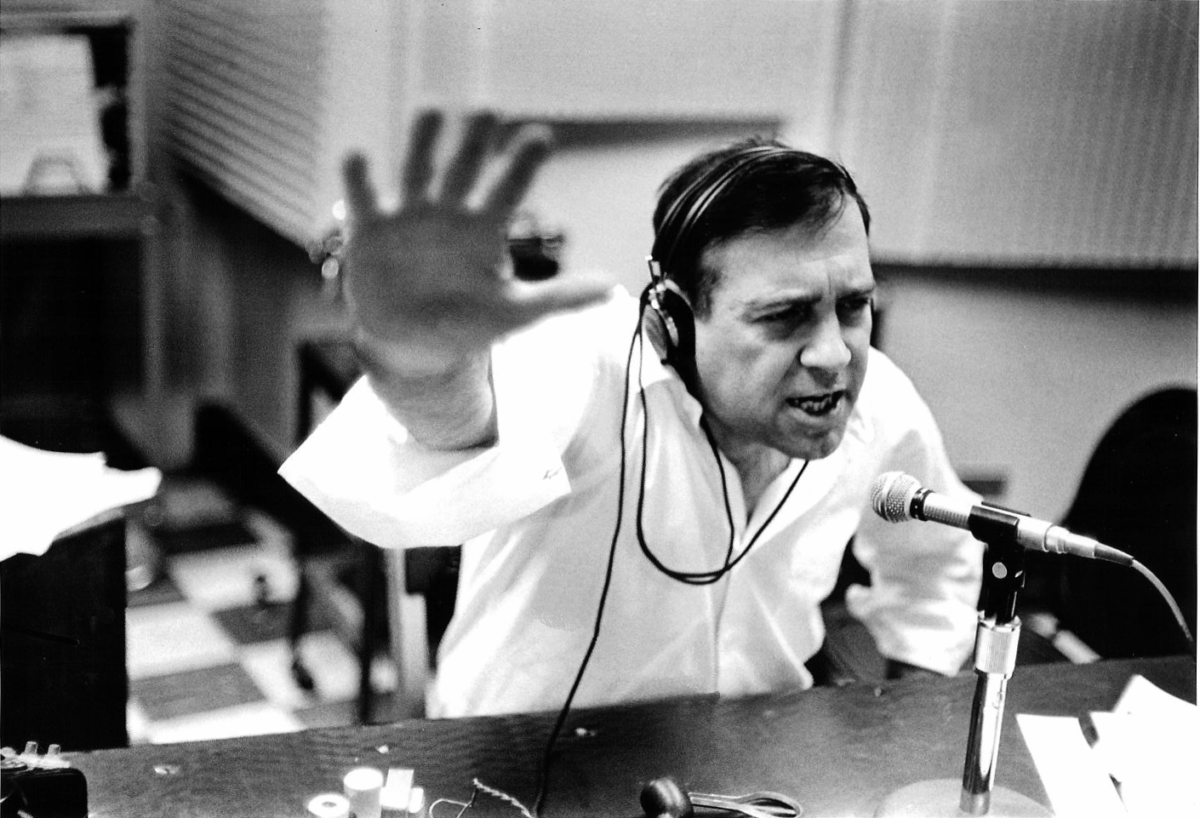
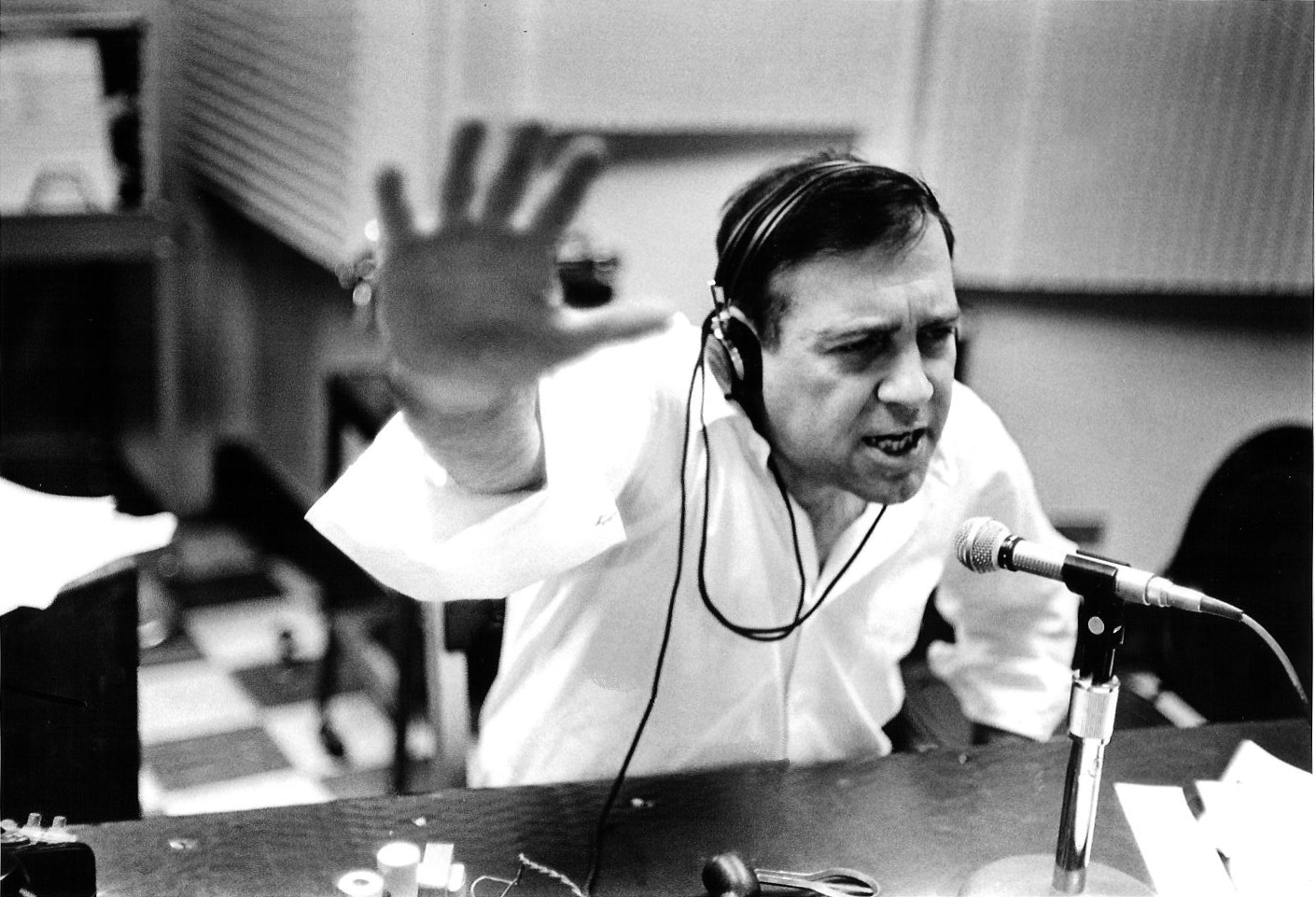
In this 1965 radio broadcast, Jean Shepherd describes his teenage struggles with parasitics and other technical problems in his homebrew 160 meter transmitter.
He describes the sound of parasitics on a signal, saying that they sound as if the signal is being attacked by “debauched erotic locusts.”
He really nails it in describing the scornful, dismissive tone that many hams use in telling their fellow radio amateur that there are problems with his signal. ( I have recently been on the receiving end of this kind of treatment.)
He observes that no one is more worried, “than a man who has built something and can’t get it to work.” Indeed.
During a date with a girl from his high school, he is so obviously pre-occupied with his transmitter trouble that she tells him that something is wrong with him and that his mother “should take him to a doctor.”
And he describes the joy that comes when you figure out the problem and get the thing to work.
The REALLY good stuff begins at about the 25 minute point.
Shep was quoting from King Lear: “O, that way madness lies; let me shun that; No more of that.” In other words: “BASTA!” That is what I have said about my 40 meter troubles. My BITX 20/40 is now a BITX 20.
I came across what appears to be an early version of Farhan’s description of the design and initial construction of the BITX 20 (see below); this version has some interesting information on the origins of this important rig. The picture below shows the designer himself working on that first BITX20. It is from a CNN video. I know Farhan is sick of seeing this old video, so I present here only the shot of the designer’s hands at work on the original transceiver.
Some thoughts from the designer, Ashhar Farhan, VU2ESE:
This transceiver was designed during a six hour flight from Europe with paper, pencil and the basic calculator built into my cell phone. It was soldered in three sittings over three days. Very little went wrong during the construction. It was one of those easy designs. The only mistake that I made during construction was that I soldered one of transistors in reverse. The design worked as ‘advertised’. I guess that extensively using feed back amplifiers provides designers with greater repeatability. Also, I realized, a little late in life though, that detailed forethought and ‘mental’ home-brewing is important for a clean design. The linear chain was initially unstable. It tended to oscillate in the 14MHz band as well as around 500 KHz. I traced the 14MHz oscillations to a choke that I was using at the output of the balanced modulator. It has been removed. The 500 KHz oscillations were because of excessive gain in the driver and pre-driver stages. From 5 ohms, the emitter degeneration has been increased to 10 ohms and better bypassing on the power rail has eliminated the oscillations.The receiver is as hot as I need it to be on 20 meters. Signals from USA, Europe, South Africa and of course India were heard with clarity reminiscent of a clean Direct-conversion receiver on the first evening. The transmitter is powerful enough for local rag chew and it is a modest challenge for DX. VU2PEP has an excellent two element beam at 20 meters at about 40 feet height. DX is easy for OM Paddy who uses the rig regularly. We netted LA2FKA within the first 20 minutes of firing up the rig. No, I don’t offer PCBs. I don’t repair rigs. I don’t offer kits. I might do a PCB for this rig (I hate PCBs, they hamper experimentation). This transceiver is dedicated to the memory of OM Juggie, SK (VU2JH) who was a great organizer of India hams, he wrote technical articles in Electronics For You magazine about amateur radio, spurring many to take on ham radio as a hobby. He organized the Millennium Ham Meet in the year 2000. He was always searching for a good and simple homebrew SSB transceiver. He died young. He gave me my first morse key.
Bench Report: Pete’s Progress on the Let’s Build Something Rig: http://www.jessystems.com/LBS_Detail.html Ben’s cool case for his LBS rig Bill’s Tale of Woe: QRO troubles with the BITX 40 — QRO amplifier taking off on 40 (but not 17) — Criticism and public humiliation on 40 — Troubleshooting — Suggestions from Allison — A sad realization about my VFO frequency selection — Exorcism needed — Pete suggests a digital solution — Wow, my ‘scope has an FFT! Almost a spectrum analyzer! — Some thoughts on trouble shooting — On the meaning of “BASTA!” The Spring 2015 Issue of Hot Iron http://www.walfords.net More on Pete’s KX3 Encouraging other hams to build
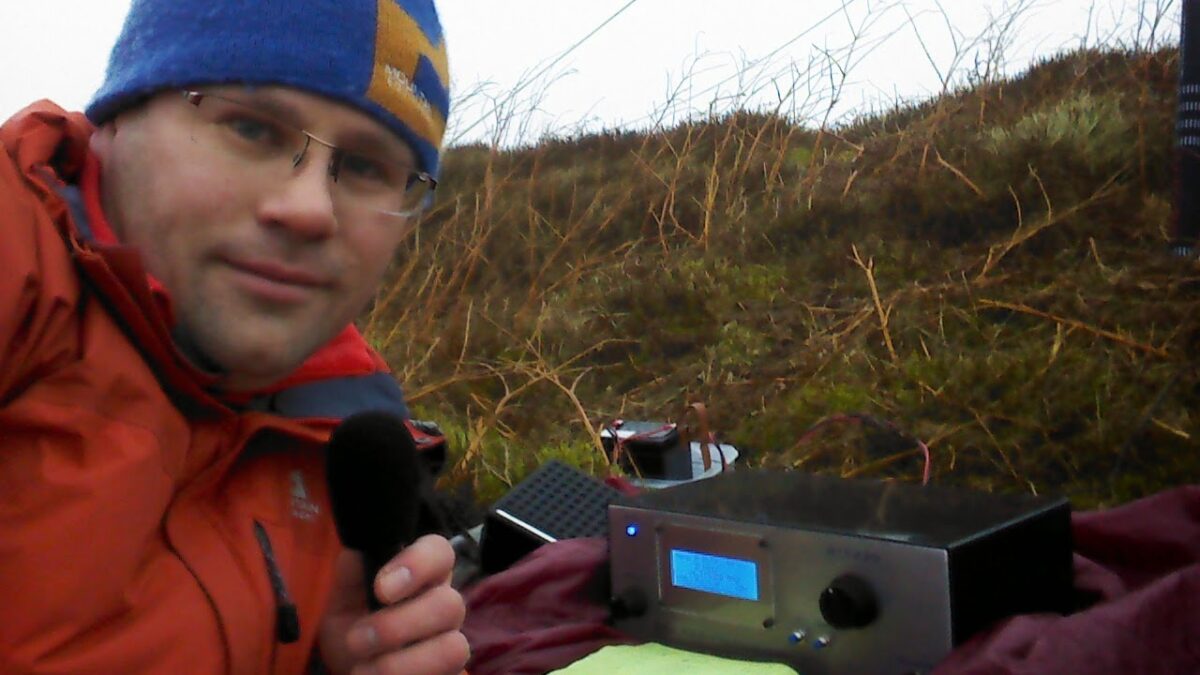
Our British cousins are not a wildly emotional people. The word “phlegmatic” is sometimes used when describing them. Stiff upper lip and all that. But as you can see at the 51 second mark in this short video, contacting Australia whilst using a new scratch-built homebrew BITX20 on battery power from a windy English hilltop WILL get those English fists pumping and those thumbs up. The wind drowns out Colin’s voice, but his gestures say it all. Well done Colin! Brilliant!
That has to be one of the best-looking scratch-built homebrew BITX20s. Pete and I agreed that it looks almost too good to take out into the field. But that is where Colin took it. His BITX was designed for Summits on the Air, and the radio gods rewarded him for his efforts with VK DX. Well done Colin!
Hi Bill and Pete.
Well it just worked out that weather was going to be bearable this morning but getting worse through the weekend. I’m really want to ramp up my SOTA score so I’m trying to get out as much as I can. I switched my plans to an early morning activation on one of the local hills. The hill, called Sharp Haw, is a little lump on the edge of the Yorkshire Dales, it’s not very high at all, but it is worth 1pt for SOTA.
The early morning time window brought the possibility of VK QSOs via long path on 20m. I looked at the VOACAP prediction for propagation and it suggested a peak at 0800utc.
I was actually late getting up, my alarm clock batteries have decided they’ve had enough. Despite the late start, I still managed to get on the air by 0725, hearing a strong Australian accent on the power up frequency of the BITX, 14.200, was a good sign.
At 0737, I was called by VK1DI. I had to turn the AF gain up, but sure enough, the signal was workable and we exchanged reports, 55 for him, 33 for me. Within the space of less than 20 minutes, I had 4 VKs logged, the strongest being VK3DET, giving me a 56. The other two stations were VK3CAT and VK2IO. I also worked an Asiatic Russian station amongst others.
I’m over the moon, I might even apply for my SSB thousand miles per watt wallpaper!
I still find it magical that 25 volts into a bit of 7/0.2 wire can transport your voice across 15,000 miles! Amazing!
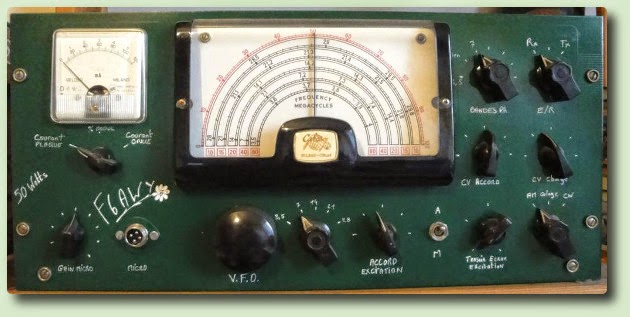
There he is: Patrick, F6AWY, the builder of the beautiful wooden-case SSB transceiver featured here two days ago. Born in 1945, Patrick has been melting solder since age 15. This picture made me think that there must be some connection between string instruments and homebrew genius: Farhan plays guitar. So does Pete Juliano. I think it was Rick Campbell who was strumming the banjo at FDIM… More about Patrick here: http://www.araccma.com/f6awy-p821004
Here is another of Patrick’s projects. He completely rebuilt an old Geloso AM transmitter. Note the markings on the front panel. Signed with a dash of F6AWY panache! More about this project here: http://www.araccma.com/emetteur-am-pas-a-pas-avec-f6awy-p820986
Translation tip: Open these pages in Google Chrome. Then, simply RIGHT CLICK on the page and select TRANSLATE TO ENGLISH.
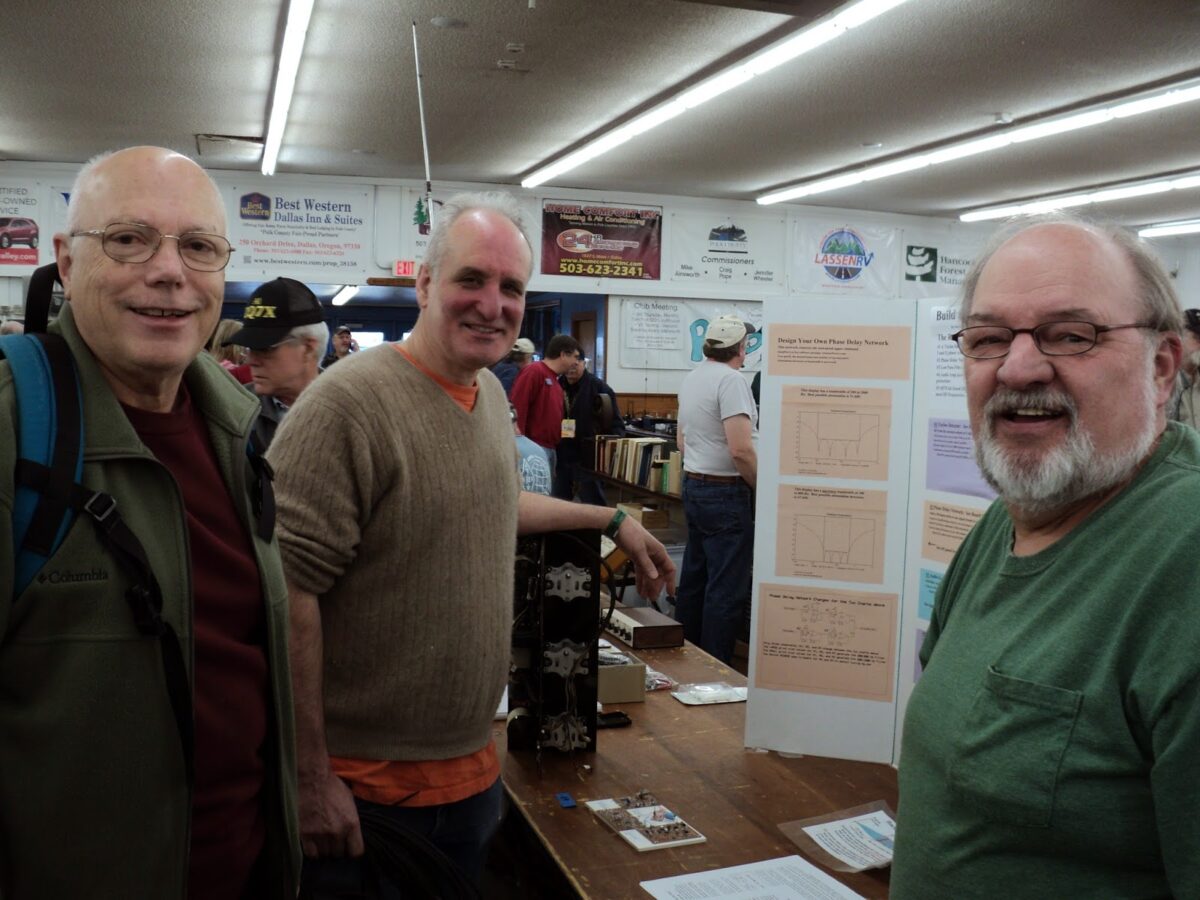
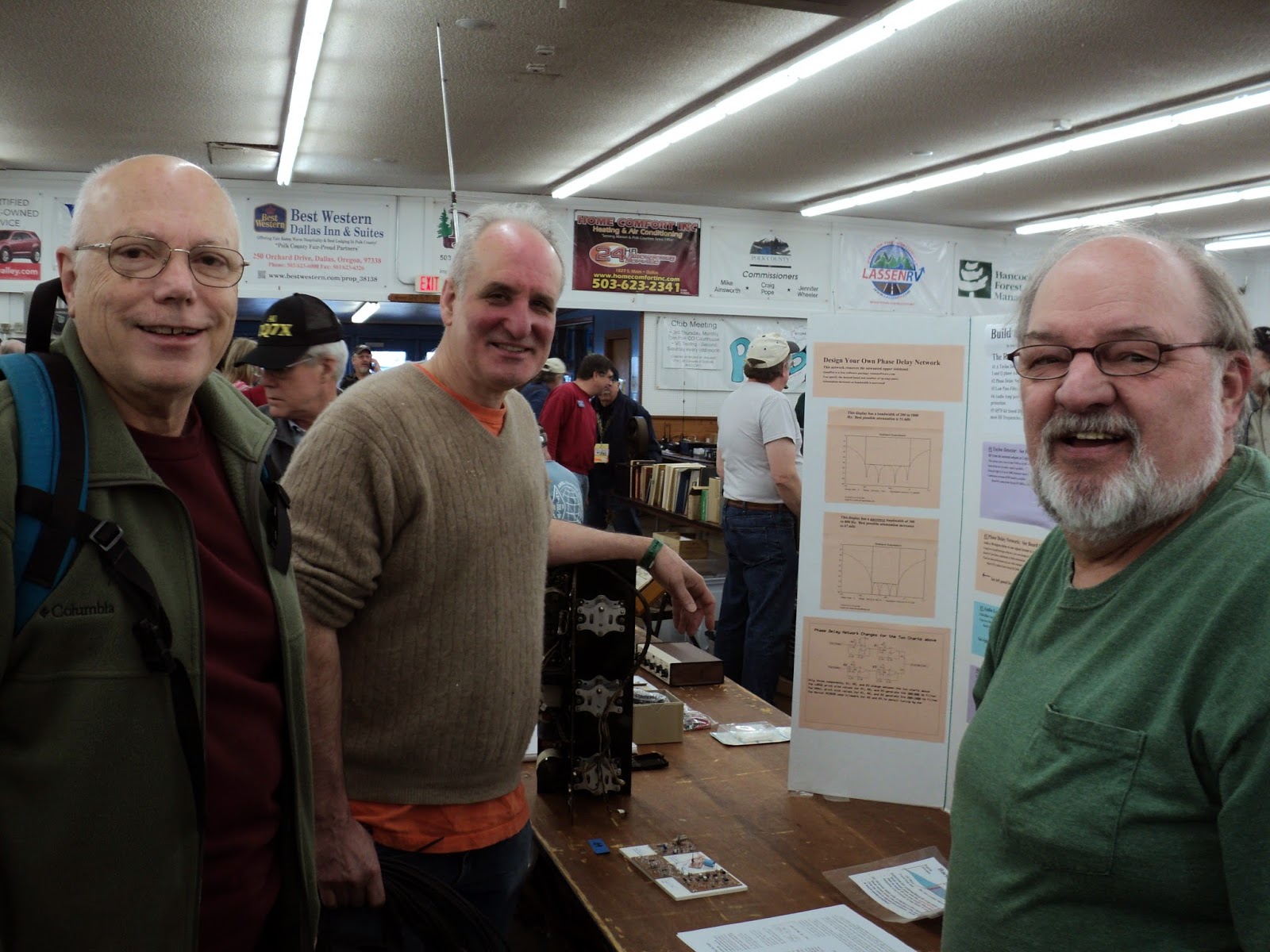
Bob N7SUR was getting discouraged. The hams at the Rickreal Hamfest didn’t seem really interested in his display about homebrewing. Then THE RADIO GODS INTERVENED! (thunder). Two TITANS of homebrew appeared at Bob’s table. Keep up the good work Bob, Thanks for the e-mail and the great picture of you with Wes and Jeff.
To N2CQR, N6QW
Feb 15 2015
The Salem, Oregon, Repeater Association puts on two hamfests each year at Rickreal. This event was mentioned in SolderSmoke #78. During the last two events I’ve taken a “science project” display and circuit boards to encourage more hams to experiment. The boards encourage experimenters to use software packages to design and build their own receiver modules. It is uncommon to see this type of material at the event.
Audience interest has been underwhelming. Perhaps a dozen participants have shown interest in my displays. In fact, I almost left the displays home last Saturday.
In the course of the morning, two guys approached. The older guy had a look of familiarity. He looked like a guy in the SolderSmoke blog. Bill, N2CQR, was pictured sitting with him in California over coffee.
I blurted out, “are you ZOI?” He replied “yes” and I told Wes Hayward, W7ZOI, it was nice to meet him. (That was a bit of understatement). With Wes was Jeff Damm, WA7MLH, who built many of the circuits included in the book “Solid State Design.” I suggested to Jeff he no longer looked like a hippie, which is the style conveyed by his webpage. Jeff said he had recently cut his hair.
We spent more than an hour sharing ideas and discussing various topics. My focus was on encouraging experimentation. Kit building may be a nice first step. I want to see builders pursuing more advanced investigations. Wes noted the software and simulation tools available for free it’s never been a better time to try out ideas. Wes commented on the contribution of amateurs and how we often have fewer restrictions to pursuing our interests. He emphasized measurement tools. I should look more at noise figure in my receiver experiments. He was very supportive, which contrasts with my recent experiences on various internet groups.
Wes and Jeff were looking for Rick Campbell, KK7B, and Bob Larkin, W7PUA. Imagine, the three authors of Experimental Methods in RF Design (EMRFD) frequenting a little hamfest in rural Oregon. Yet, few people knew they were there.
The experience reinforced my interest in continued experimentation. I’ll take my updated displays back next time. Perhaps our efforts reach a larger audience than we first realize.
I was beginning to fear that I might be the only radio amateur in the world operating a wooden-box SSB transceiver. But no! Patrick F6AWY built this MAGNIFICENT rig. Wow, I really like this one. Note the Heathkit S-meter and main tuning knob (I suspect an HW-?? carcass lies somewhere nearby). Note the colorful analog dial and speaker cover, and the classy lime-colored Dymo tape knob labels. This is really an amazing and inspirational piece of work. The construction details are all here: http://www.araccma.com/le-tranceiver-en-bois-de-f6awy-p820968 Yes, it is in French, but even if you can’t get Google or Google Chrome to translate it (and that should be possible) you can see what he did through the great pictures and schematic diagrams.
This is so great. I saw pictures of Dale’s receiver a few years ago, but somehow missed the video. I am the proud owner of a W4OP-built Barebones Superhet. And, of course, of a Drake 2B (mine has tubes!)
We’ve heard of a few of these “long-delayed” projects. My own 38 year pause in the Herring Aid Five receiver project comes to mind. I like Keith’s idea of a “homebrewers home frequency” but I strongly suspect it would be a very lonely place! Thanks for sending us the pictures of your rig Keith.
Bill:
This project started out about 20 years ago as a 2 meter FM handheld, then sat in boxes for decades. Thanks to you and Pete and your podcasts keeping me company, it morphed into a homebrew 2 meter SSB rig. It saw ‘firstlight’ last weekend. Of course I had to operate it without the covers but I made a short QSO, about 1 mile across town with the wife (kg6oeo). Homebrewers should pick a “Homebrew home frequency” on various bands to facilitate homebrew to homebrew contacts.
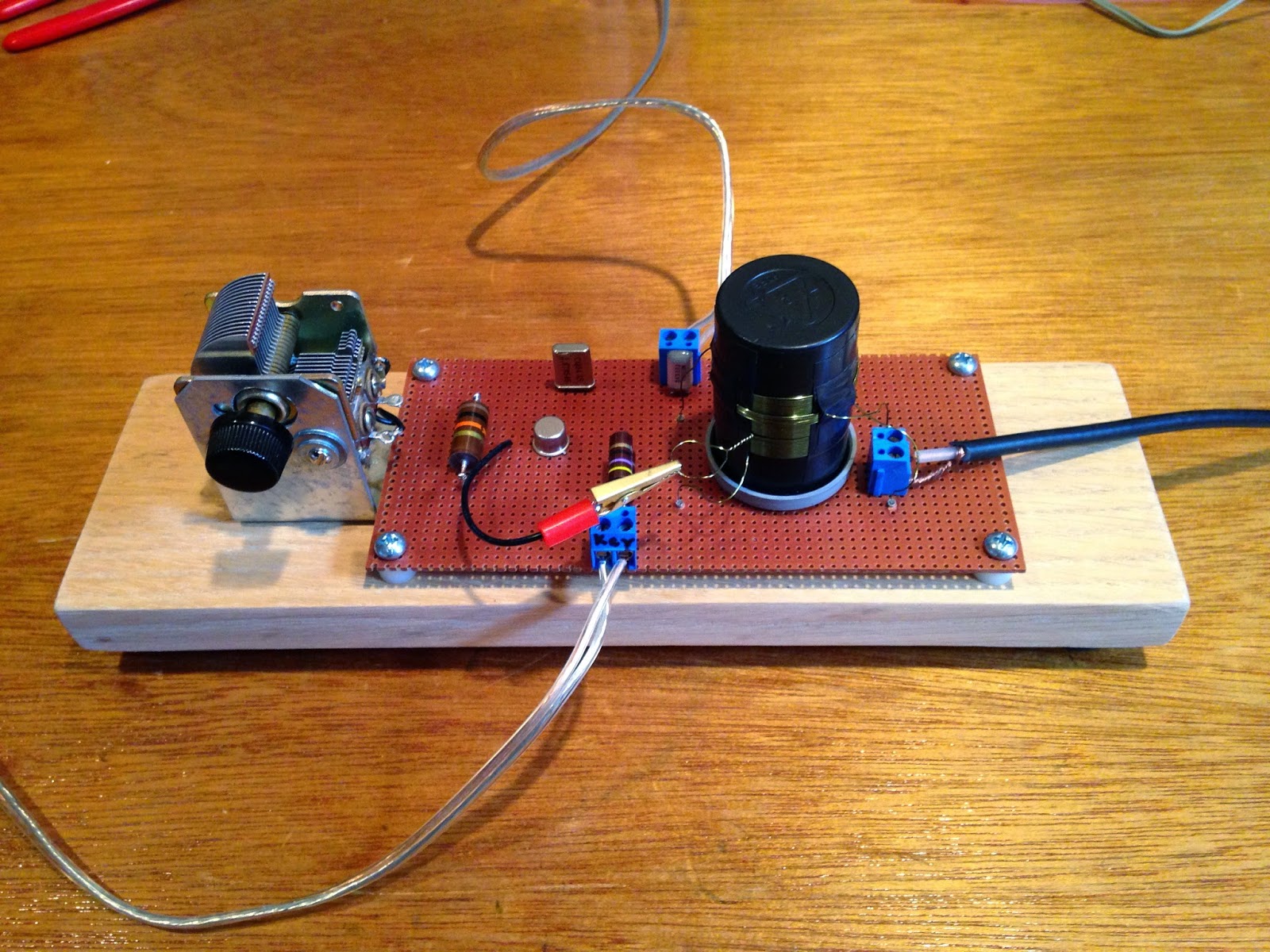
Bill N0YUD built this really nice Michigan Mighty Mite. I like the wood base (with little feet!). And the classic black 35 mm film container. And the Vero board. Fancy connectors too! Nicely done Bill.
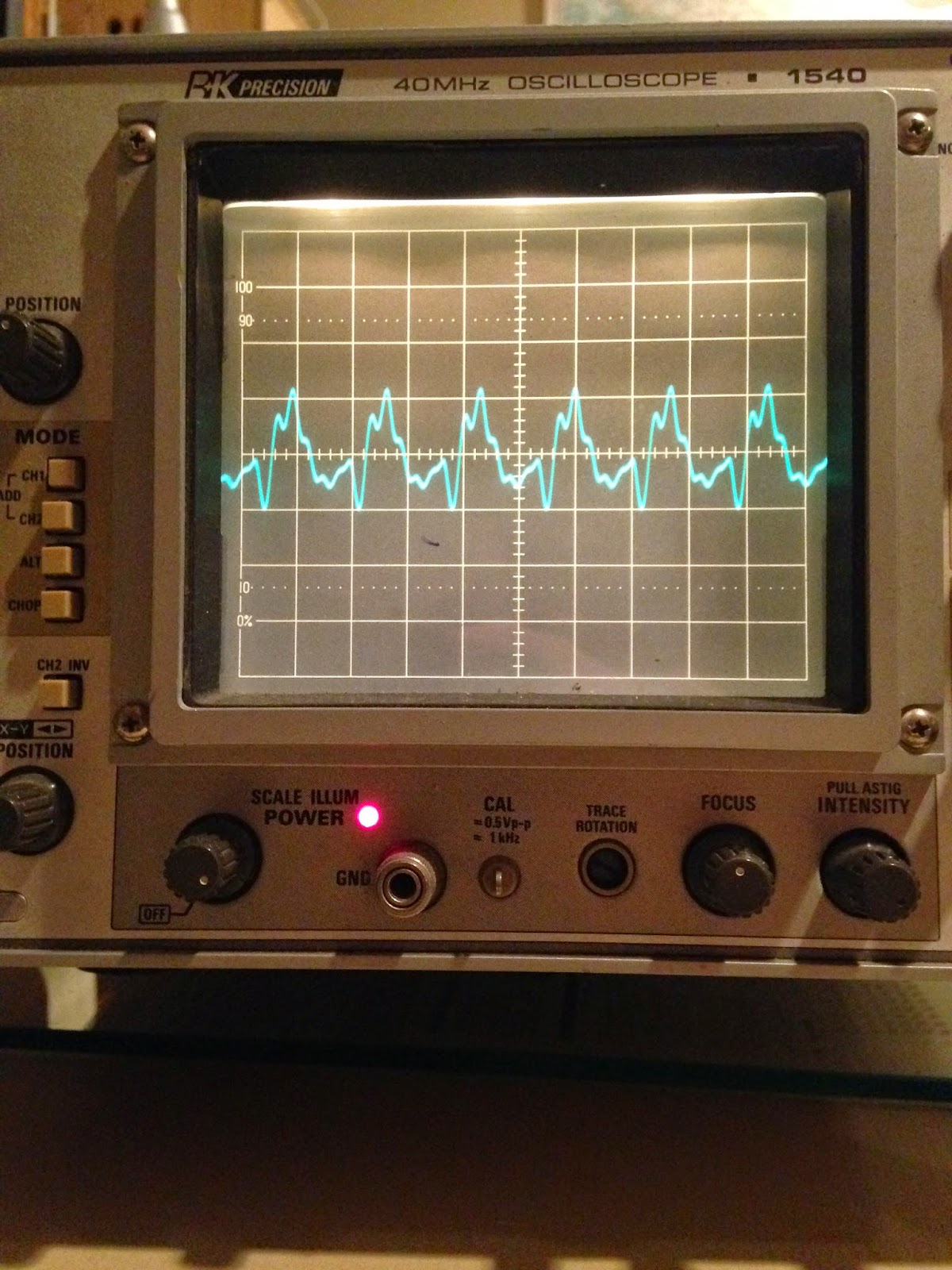
Bill has also wisely left space for a low pass filter. As you can see in his ‘scope picture below, the MMM produces a lot of harmonics. With a low pass filter, that mess will turn into a beautiful sine wave. We’ll be talking about harmonics and low pass filters in the next podcast.
Feb 20 at 3:31 PM
Hi Bill and Pete,
I just completed my Michigan Mighty Mite and am proud to announce it seems to be generating about 1 watt of what appears to be extremely harmonically challenged RF. I was worried about the ugly signal on my scope until I saw another screen shot on the blog page that looked almost exactly the same as mine.
What a fun project and lots to learn with just 7, or in my case 8, parts (I had to stack a couple of 56ohm resistors). I utilized those small pc board sockets for the coil and crystal so I can easily change bands and also left room for a low pass filter….
I am still struggling with the tank coil theory and impedance… Impedance matching is a very murky area for me!
I am looking forward to building the low pass filter. By the way, I checked for third and fifth harmonics and could not hear anything on my receiver. There’s another question, why does this circuit generate odd harmonics? Fun stuff, this learning game!
I love the Podcast! Thank you for your efforts and keep them coming.
“It is not the critic who counts; not the ham who points out how the homebrewer stumbles, or where the builder of rigs could have built them better. The credit belongs to the ham who is actually at the workbench, whose hands are scarred by solder and metal and glue; who strives valiantly; who errs, whose amp oscillates again and again, because there is no effort without error and shortcoming; but who does actually strive to build his rigs; who knows great enthusiasms, the great devotions; who spends himself in a worthy cause; who at the best knows in the end the triumph of high achievement, and who at the worst, if he fails, at least fails while daring greatly, so that his place shall never be with those cold and timid operators who neither know victory nor defeat.”
Oh man, I was struggling yesterday. I guess I had been lulled into a false sense of security by the phenomenal ease with which I had put my BITX 17 on the air, then added a 120 watt amplifier, all without any sign of the dreaded feedback and parasitic oscillations that had plagued almost all of my previous projects. So when I decided to add the low pass filter and the switching/relay arrangements needed to use the amplifier with my BITX 20/40 rig, I kind of expected a similar trouble-free experience. WRONG! And you know what? I think guys on 40 and 20 are a bit less forgiving and collegial than the folks on 17. As I struggled to exorcise the transceiver, I’d make some changes then hopefully go out onto the airwaves and call CQ, looking for a signal report. Well, I got them. Many were not accompanied by call signs. I’d be in contact with someone who was trying to help, and — as we were trying to figure out what it might be — we’d be bombarded with harsh, sometimes angry, anonymous commentary: “YOU’RE 20 kcs WIDE!” “Are you on AM?” “You have a CARRIER!” One fellow scornfully told me “That little QRP rig of yours is not ready for prime time.” Ouch. (I didn’t realize we were on prime time. Isn’t this AMATEUR radio?) Others would answer my CQ by announcing that I was “on the wrong frequency.” Others would respond (off frequency) and tell me I was distorted — I’d ask them to tune me in, then they would say, “Oh yea, you are OK — you were just on the wrong frequency.” Some of these guys seemed to be under the impression that there are “channels” on 40 meters. It was a real disheartening mess. Then came the saving grace. I got the e-mails that appear below. WOW! My faith in ham radio was renewed! In the 18 months that I’ve been running the BITX rigs, I’ve never once worked another station using a homebrew rig. But Rick and I were 3/4 of the way there yesterday. And he was using a direct conversion receiver of his own design, with a PTO in an enclosure made from “flattened out tin-plated food tins.” Fantastic! It was as if the radio gods had arranged all this to pull me out of the depths of parasitic despair! Thanks Rick! A video of his receiver picking up my BITX 20/40 appears above. Pete and I will talk about the actual troubleshooting in the next podcast. I am HOPING to have it fixed by then. I may have to sacrifice some chickens to Papa Legba.” ……………. Bill,
I’m a long-time SolderSmoke podcast listener, and today one of my ham radio dreams came true.
I was listening to 40 meters today on my homebrew direct conversion receiver, and I heard your call. At first I didn’t believe it was you, but there you were.
At first I just sat there dumbfounded, just listening, but soon realized that I should make a video of this “rare DX” (rare DX for me hi hi), and post it on YouTube for you to review.
My apologies for the low audio in the video. I was using my iPhone and its inboard mic leaves a lot to be desired, but the best audio of you is at 0:13, 0:50, and again at 2:12 into the video.
Heard you on 7.16 MHz, Sunday 2-22-2015 at 10:15 a.m. local east-coast time (15:15 UTC).
I’m located in Manchester Maryland (North – Central Maryland). My homebrew 40 meter rig is a PTO tuned direct conversion receiver with all discrete components. My antenna is a simple wire dipole about 6 feet above the ground just outside by workroom window.
Below are links to the YouTube video of your QSO , and the schematic the DSB transceiver that you were received on. The rig is one that I designed, based on the published works of many home-brewers from the web. I call it the Lakeside 40 (in homage to Peter Parker’s Beach 40 transceiver).
So far I only completed the receiver section, and hope to complete the transmitter sometime this summer so I can use the rig at Lake Marburg (at Codorus State Park in PA), thus the “Lakeside” in the rig’s name. http://youtu.be/emsKg5n5-0c
Yes, what a coincidence with the PTO! That’s the same WA6OTP PTO design I based my PTO on.
I created a webpage tonight(very much a work in progress) so you can see the details of how I constructed my PTO in the Lakeside 40, as well as my rendition of a BITX 20. Click the [Permeability Tuned Oscillator], or [My rendition of a Bitx 20] links on the left of the page.
The ground plane for the Manhattan construction (and RF tight enclosure for the PTO) are made from flattened out tin plated food cans, and the coil-form for the PTO is cut from Masonite wall panel material with my scroll saw.
Don’t get discouraged from the less than enthusiastic response from the others about your signal, pay them no mind; I’m sure they simply didn’t realize the significance of what it represented. To me, your signal was the most perfect signal I have ever heard. It was perfect because I know (from your pod-casts, and my attempts at homebrew) what it took for it to be produced. Its existence, and the fact that I successfully received it on my little homebrew rig too, represents the fundamental core foundation of Amateur radio; experimentation, building equipment with your own hands from scratch, expanding ones knowledge in the radio art, and most important, having fun and enjoying the excitement that comes from using gear that *you* built.
I cannot put into words how significant hearing your signal was for me today – thank you! My biggest regret is that I didn’t have a means of transmitting yet on 40 meters, and my Bitx 20 is not ready yet, perhaps in the future we can have homebrew to homebrew QSO’s where we can fine-tune our designs and tweak things (however we’ll have go above 7.175 MHz, or 14.225 MHz since I only hold a General ticket at the moment).
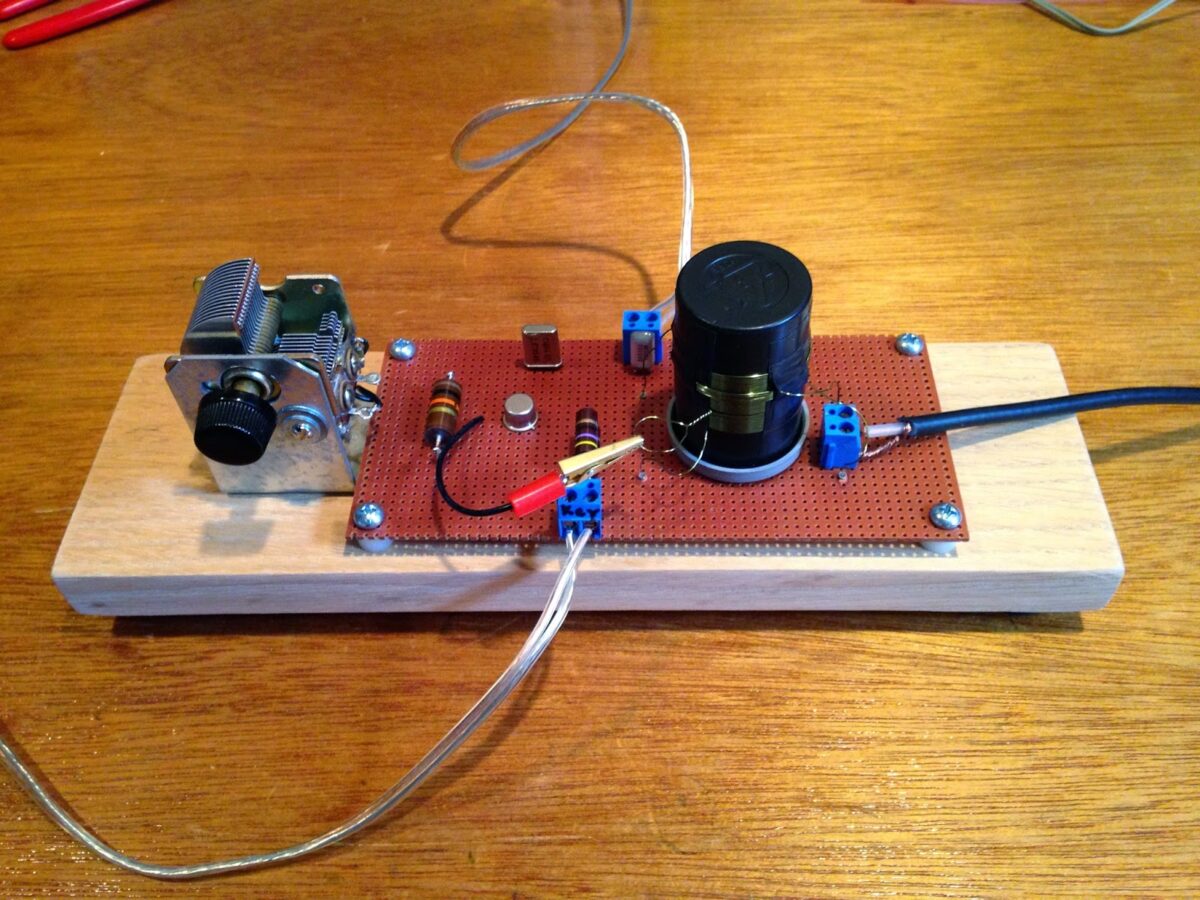
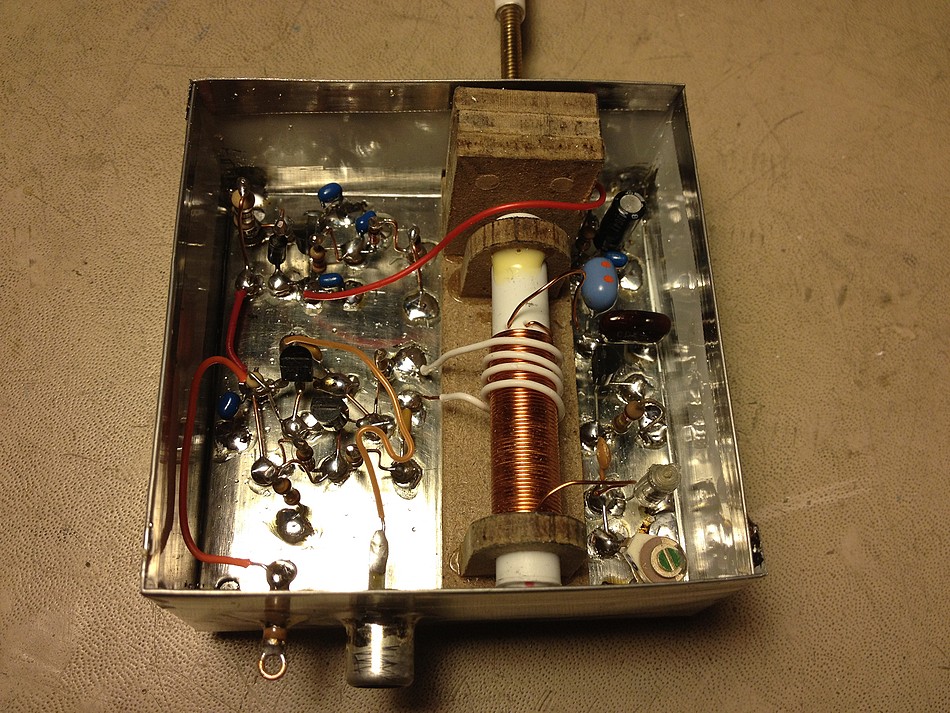
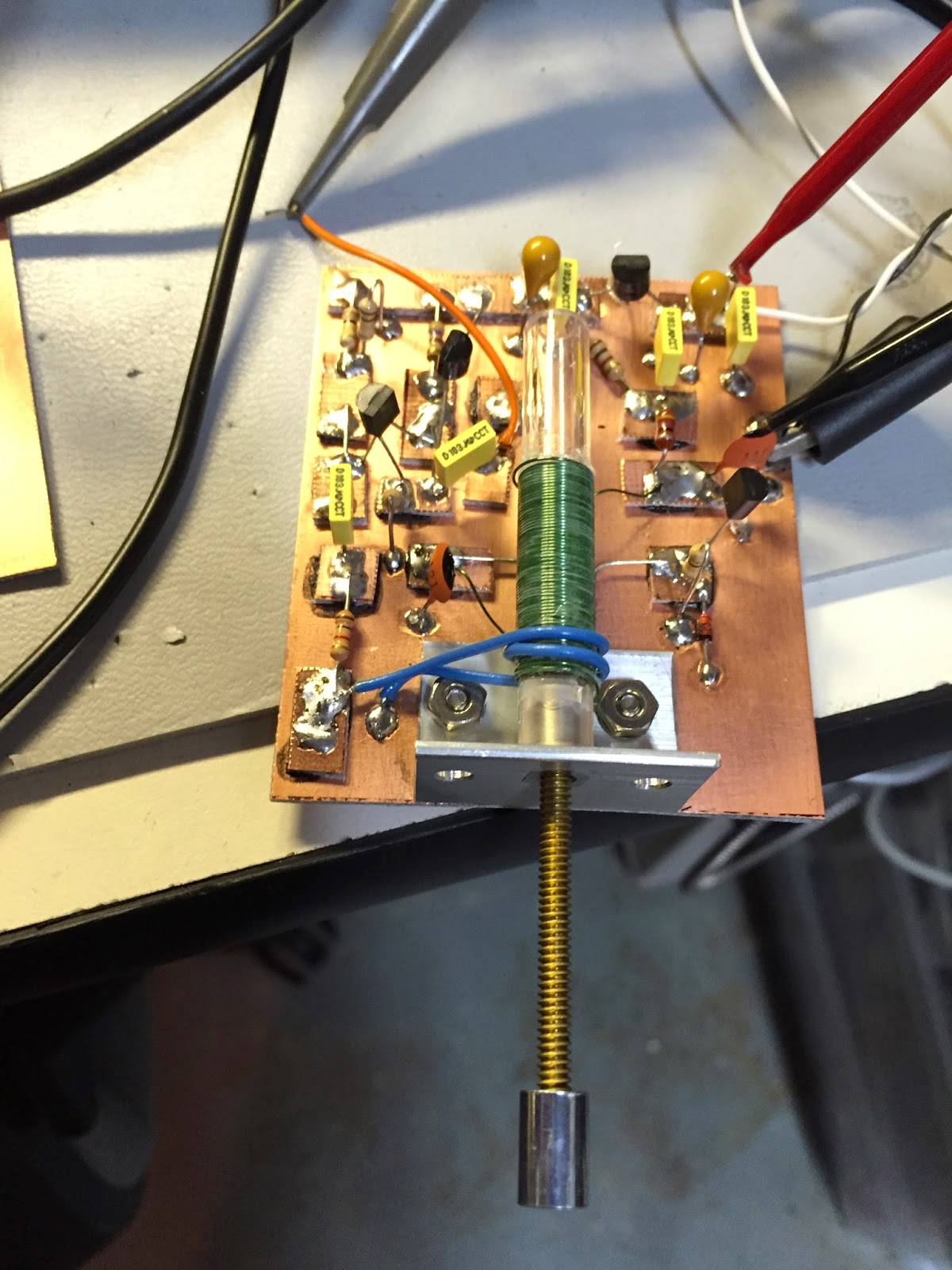
Beautiful! A Permeability Tuned Oscillator. No need for a fancy variable capacitor — that brass screw moving into and out of the coil varies the inductance and the frequency. Collins style.
Feb 20 at 6:58 PM
I also wanted to send you a shot of what today’s project has been. It’s WA6OTP’s PTO. I bought the plastic tube/screw/bracket from Jim and I provided the rest. This is a 40 meter PTO that covers the entire 40 meter band. A little Q dope secured the windings. Chris KD4PBJ