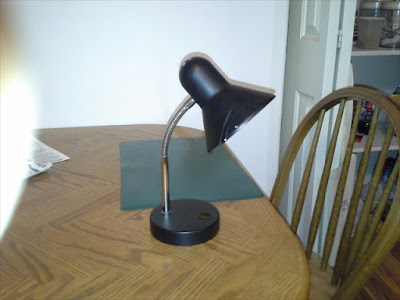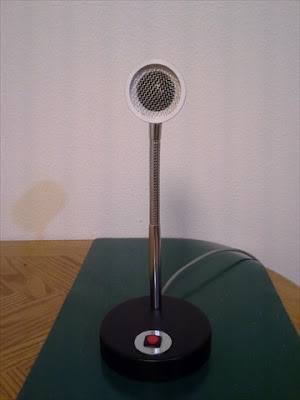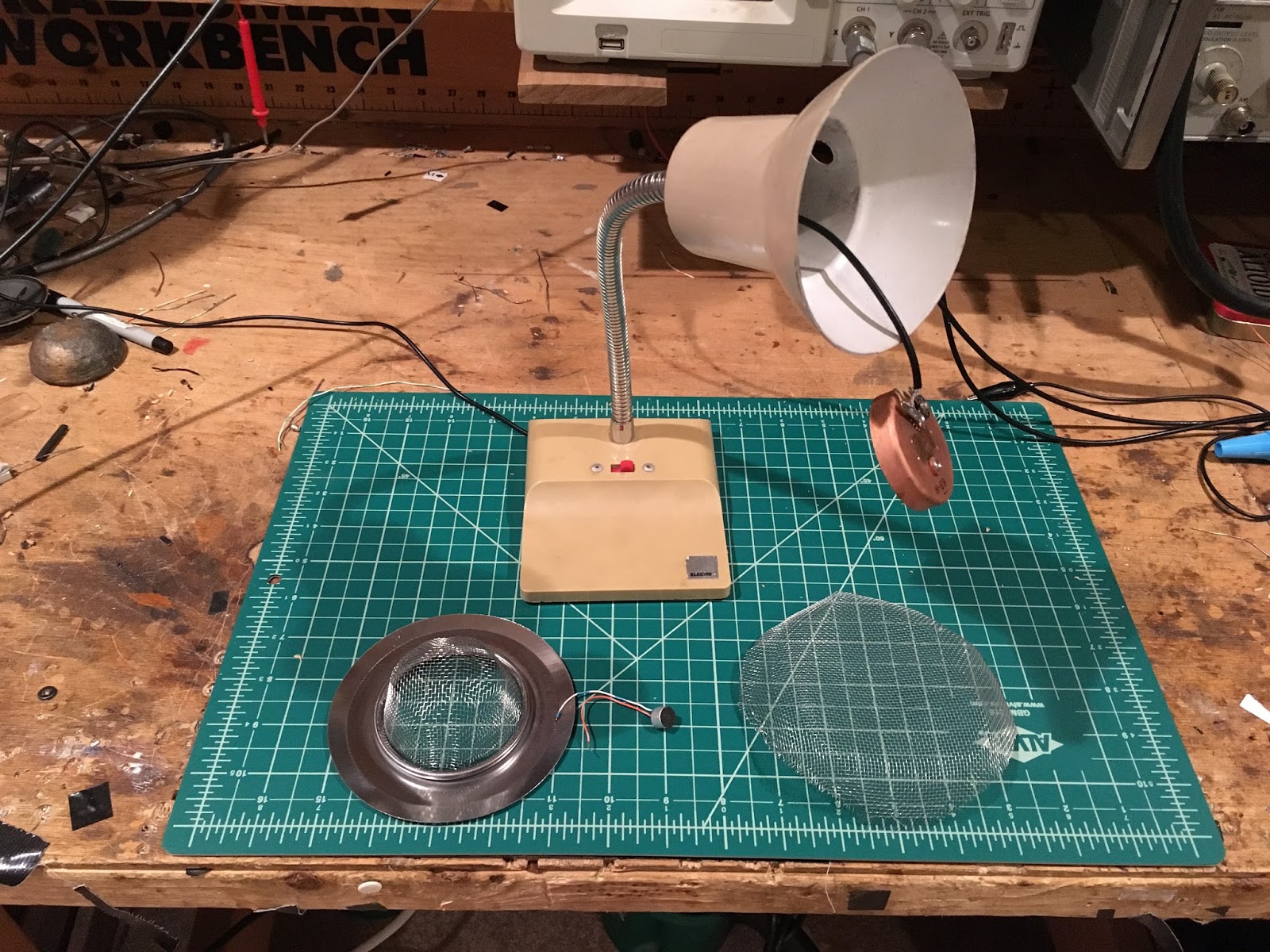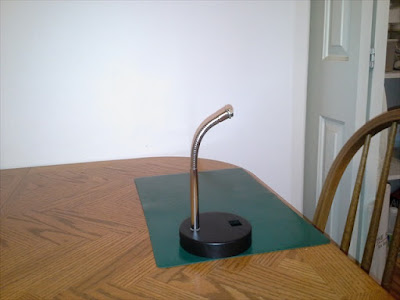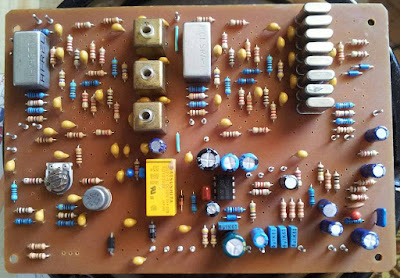
I worked AD0RW, AC9PD, VE3ZBM and WB5YYM on 7277 kHz around 2345 Z Sunday 10 Sept 2017. BITX ops gather on that frequency on Sunday nights at around 7 pm local time.
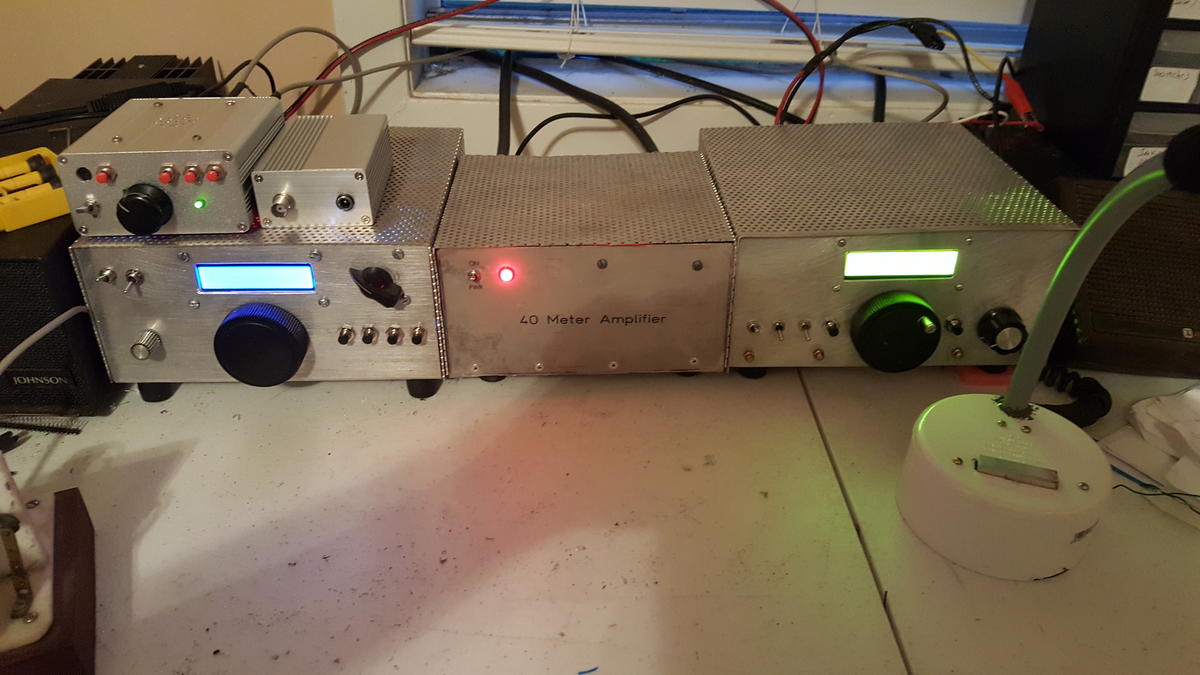
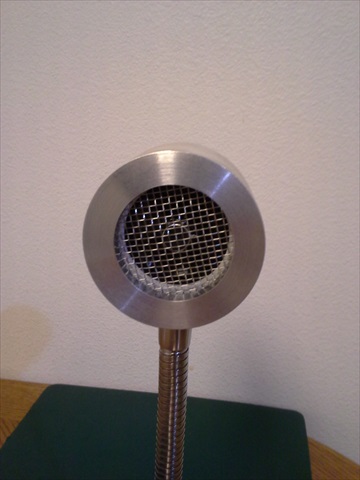
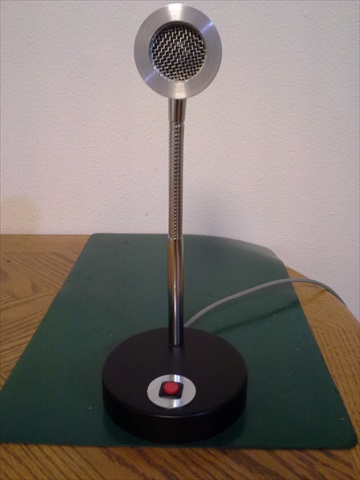
The station above is the impressive all HB 40 meter station of WB5YYM. That’s a 49er on the left, and a BITX40 on the right. The amp in the middle has 2 IRF510s. HB mic too. FB
Author: Peter Marks
Amazing $49 Rig from QRP Labs
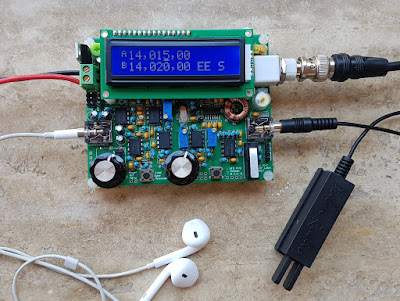
Hans Summers’ QRP Labs has an amazing new rig — The QCX — that is chock-full of features and FB technology. Hans has long been one of the most innovative guys in ham radio, and this latest rig is one of his most amazing creations. Like Farhan’s BITX40 Module, this new rig is priced in the 50 dollar range. Hams who are paying many thousands of dollars for their “radios” should be asking themselves a question: Could I be having much more fun for far less money? This rig is in big demand and there is already a waiting list, so place your order now if you want to work on this during the winter. Here is the link:
http://qrp-labs.com/qcx.html
QCX Features:
- Easy to build, single-board design, 10 x 8cm, all controls are board-mounted
- Professional quality double-sided, through-hole plated, silk-screen printed PCB
- Choice of single band, 80, 60, 40, 30, 20 or 17m
- Approximately 3-5W CW output (depending on supply voltage)
- 7-16V recommended supply voltage
- Class E power amplifier, transistors run cool… even with no heatsinks
- 7-element Low Pass Filter ensures regulatory compliance
- CW envelope shaping to remove key clicks
- High performance receiver with at least 50dB of unwanted sideband cancellation
- 200Hz CW filter with no ringing
- Si5351A Synthesized VFO with rotary encoder tuning
- 16 x 2 blue backlight LCD screen
- Iambic keyer or straight key option included in the firmware
- Simple Digital Signal Processing assisted CW decoder, displayed real-time on-screen
- On-screen S-meter
- Full or semi QSK operation using fast solid-state transmit/receive switching
- Frequency presets, VFO A/B Split operation, RIT, configurable CW Offset
- Configurable sidetone frequency and volume
- Connectors: Power, 3.5mm keyer jack, 3.5mm stereo earphone jack, BNC RF output
- Onboard microswitch can be used as a simple straight Morse key
- Built-in test signal generator and alignment tools to complete simple set-up adjustments
- Built-in test equipment: voltmeter, RF power meter, frequency counter, signal generator
- Beacon mode, supporting automatic CW or WSPR operation
- GPS interface for reference frequency calibration and time-keeping (for WSPR beacon)
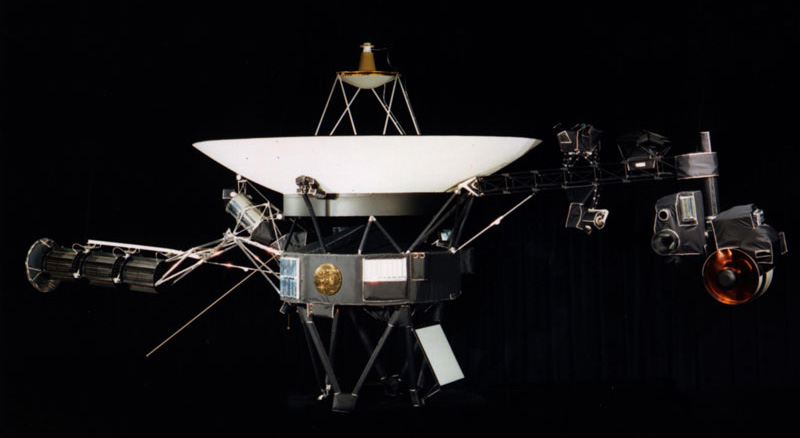
Today: 40th Anniversary of the Launch of Voyager 1
Nuclear Powered QRPp? Tritium Nuclear Batteries and Plutonium Pacemakers
OK QRPers, it is time to explore another power source. Enough of the nails in lemons and all that mess. It is time to go NUCLEAR! Check out the motor in the video above, then look at the video below for more info on how the nuclear battery was made. Who will be the first to QSO with homebrew nuclear power? Or has it happened already?
Mike Rainey — this seems like the perfect project for you OM.
Oh and by the way, in the course of reading up on this, I learned that we once used PLUTONIUM to power pacemakers. Check it out:
https://www.mdtmag.com/blog/2016/01/medtech-memoirs-plutonium-powered-pacemaker
And no, today is not April 1.
SolderSmoke Podcast 199 Eclipse, Regen, BITX, DC RX, 3D OLEDS, Iphone Boxes, Mailbag
SolderSmoke Podcast #199 is available.
http://soldersmoke.com/soldersmoke199.mp3
2 September 2017
The Eclipse. The Floods.
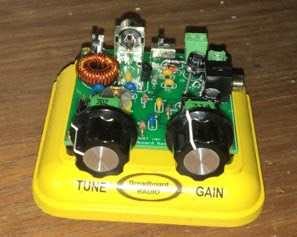
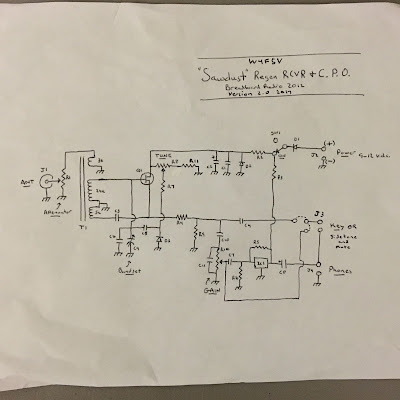
Sawdust Regen gets John Henry off to a good start.
Voltage regulators as audio amplifiers
The return of the Simple-ceiver (Direct Conversion)
Ceramic Resonators
3D OLEDS
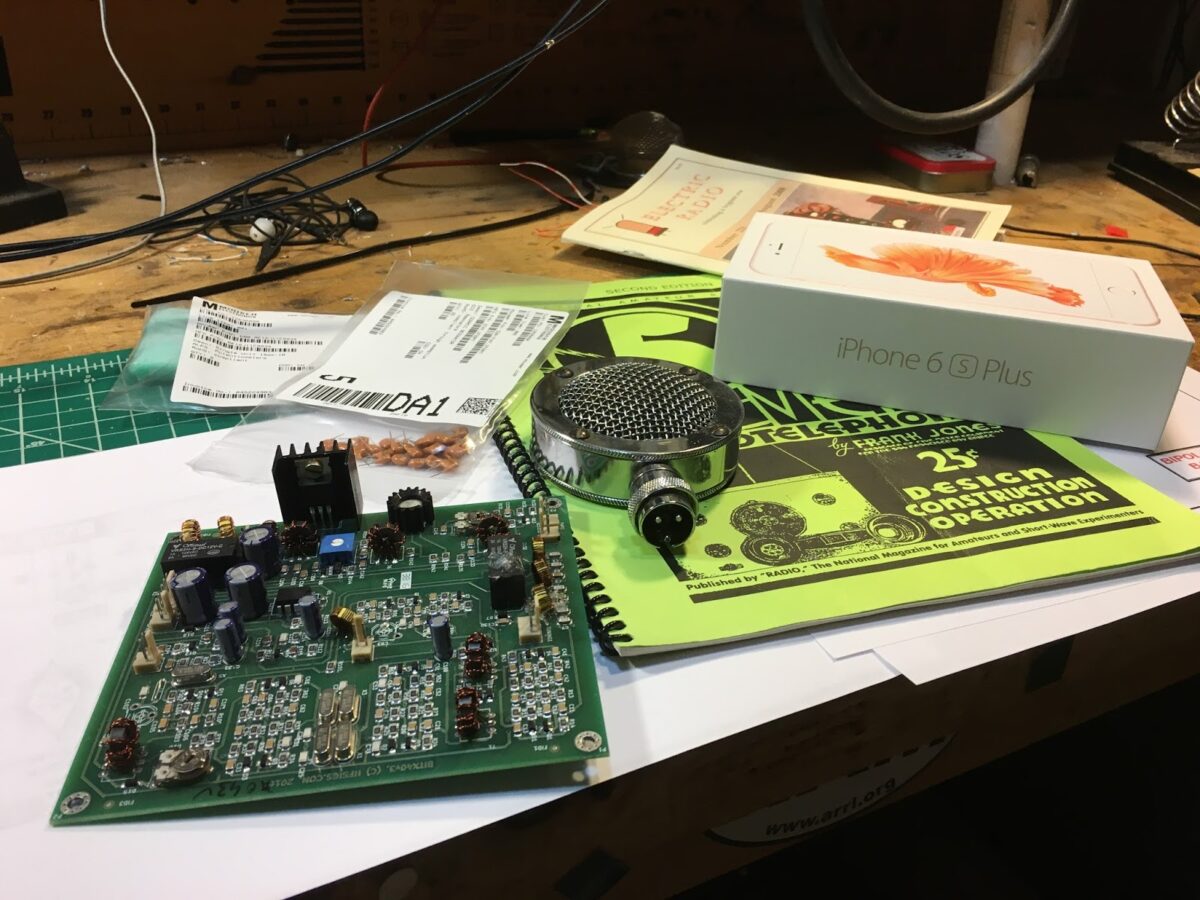
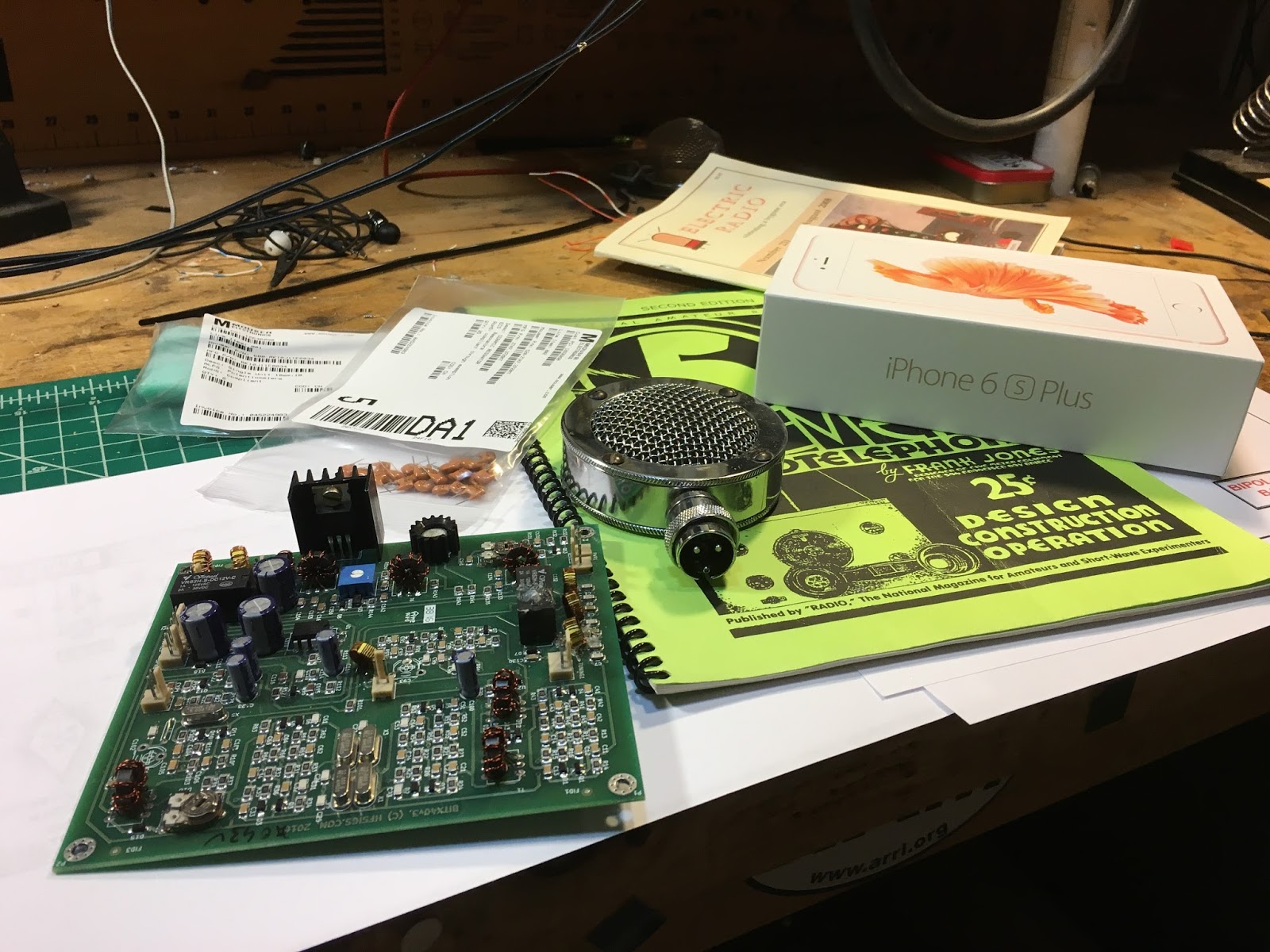
iPhone Boxes as rig enclosures
Electric Radio on Frank Jones
17 Meter Contacts
MAILBAG
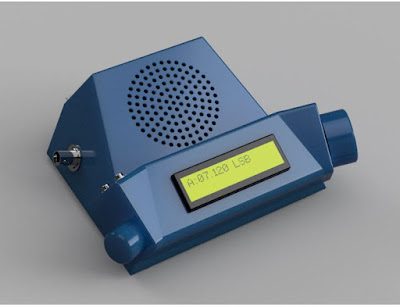
VE1LEB’s Ergonomic BITX Enclosure (in Juliano Blue)
Wow, Michael’s amazingly cool BITX enclosure looks like you could use it to ask Scottie to beam you up.
Put an end to those freakish contortions — 3D print yourself an Ergonomic BITX box! Very FB Michael. Thanks.
Hi Bill and Pete:
Something else “Completely Different”: Meteor Pings
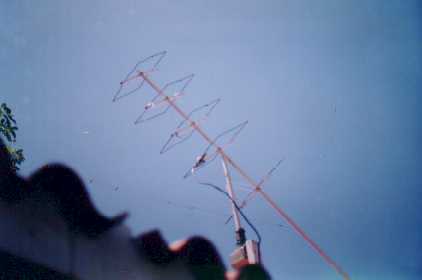
Very cool. I want to try this. I have the RTL-SDR and the software, so all I need is the antenna. I may try to resurrect the 5 element 2 Meter Quad from my 90’s adventures in the Dominican Republic (I still have the copper tube elements!). I know the Graves radar is out of range, but there must be a suitable North American signal for this kind of thing. Any ideas?
For more info:
http://hackaday.com/2017/08/27/sorry-us-europeans-listen-to-space-with-graves/#more-270298
https://dk8ok.org/2017/08/23/graves-reflections-out-of-the-blue/
Knack Victim Makes Good! Alan Yates in Seattle
Jean Shepherd used to say that in life, many of us come to a fork in the road: down one path lies success. Down the other, ham radio flea markets. Alan Yates is proving Shep to be WRONG.
I have fond memories of Billy and I building many versions of Alan’s trivial electric motor. We look forward to his virtual reality.
K.P.S. Kang’s Speech Processor and Antenna Tuner for the BITX (and other rigs)
Check out the blog of homebrew wizard K.P.S. Kang. OM has a nice speech processor based on the LM386. He also has a very simple antenna tuner and SWR bridge. FB OM.
http://smallwonderqrp.blogspot.com/2017/08/two-essential-add-ons-for-bitx-and.html
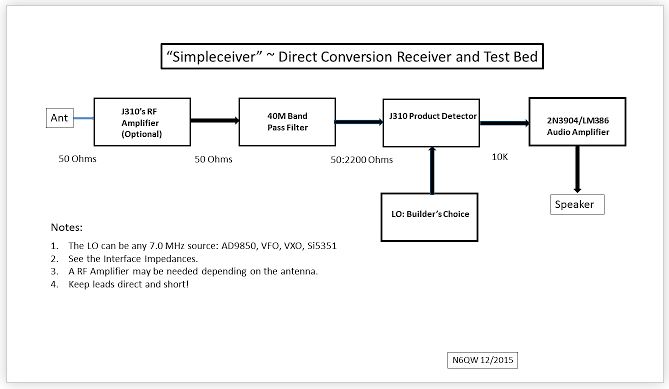
The Return of Pete’s Simple-ceiver Plus (and a possible analog option)
Winter is approaching ladies and gentlemen, and it is time to think about radio projects. Bob N7SUR suggested a direct conversion receiver project. I think this is a great idea. As a kid, I had fallen victim to the idea that building receivers was “too hard” for radio amateurs. Not true! DC receivers to the rescue! Carry on with the DC revolution first launched by Wes W7ZOI in 1968.
Pete N6QW is providing guidance and tribal knowledge via his blog. For those of you who want to join the ranks of those who have defied the conventional wisdom and have broken through the “receivers are too hard” barrier. I say build yourself a DC receiver. Build it from scratch. Many of you already got your feet wet in homebrewing with the Michigan Mighty Mite project. Now it is time to jump into a DC receiver project.
You folks already know what kind of VFO Pete will prefer: It will be an Si5351. That’s fine. But I will try to keep the banner of discrete component analog ludite-ism flying high. This morning I ordered a batch of 7.37 MHz ceramic resonators. I hope to pull them down into a significant portion of the 40 meter phone band. If this works, I will share the batch with anyone who wants to joining my Analog Army (remember the CBLA?). Note (above) that Pete has magnanimously left open the possibility of using a non-digital VFO. What a guy!
Check out Pete’s project here:
http://n6qw.blogspot.com/2017/08/a-new-line-of-transceivers-difx_19.html
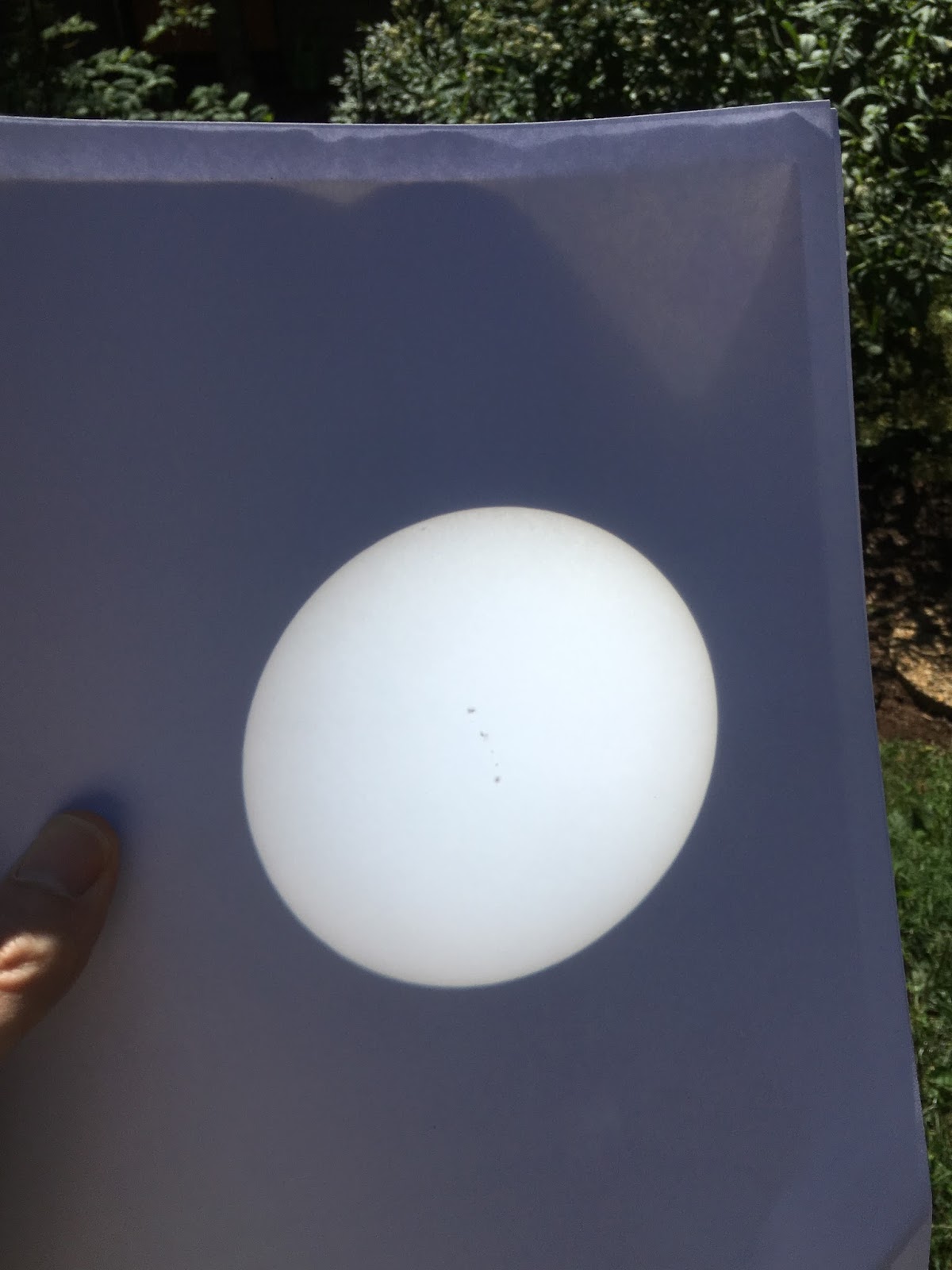
Pre-eclipse Solar Observation
Building an Airplane in the Basement with Insulation Foam, Tape, Glue, Poplar…
But this one is not a model RC plane. This kid intends to pilot this plane while actually sitting in it.
As a parent, I must say this is really nuts. Stick to the models Peter! Or maybe put some goggles on the big dog and let him fly it!
Nevertheless, this is an inspriational look at what can be built in a basement using stuff from Home Depot or Lowes.
For more info see:
http://hackaday.com/2017/08/14/building-an-ultralight-out-of-foam-in-a-basement/#more-268614
Here’s Peter’s earlier Cargo Plane project:
Voltage Regulators as Audio Amplifiers – Who Knew!?
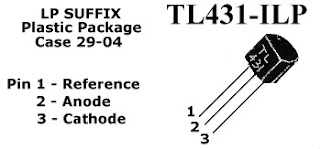
Mike KC7IT pointed out that the AF amplifier chip in my Sawdust regen receiver is actually a TL431 voltage regulator. Mike writes: “It’s using the voltage reference input as audio in, and the voltage being regulated as the audio out.” It works great as an audio amplifier, and with just three terminals it is a lot easier to use than our normal LM386 or 741 chips. I’d never seen a regulator used this way.
Here’s the data sheet: http://www.ti.com/lit/gpn/tl431
And here are a couple of sites that discuss this very interesting repurposing:
http://theradioboard.com/rb/viewtopic.php?t=6733
http://techlib.com/electronics/audioamps.html#TL431
A Regen that is NOT Evil
International Brotherhood and the BITX Rigs
![]() |
| Bore and Heriberto’s uBITX board |
Nowhere is the International Brotherhood of Electronic Wizards more evident than in the work on the rigs designed by Farhan. With the BITXs we see rigs designed in India that are now being built and modified all over the planet. Here are just a few examples of the global collaboration currently underway:
In Italy, Giuseppe is putting a BTX40 on 20 meters and making it a dual bander:
Here the issues registered:
1) the 20 RX sensitivity was a bit weak compared to 40 meters. I need to increase volume. ( To receive the 20 meters the vfo run to 26 MHZ, mybe some stage suffers of poor performance in this High frequency?)
I also tryed to increase the vfo over maximum allowed by raduino, using external buffer, but no results.
Please read the issues as: work but could work better!
The firmware to make the test was a modified version of 1.17.1, few temporary mods to preset the vfo b to 14 MHz USB and correct the freq. Display.
Giuseppe Callipo IK8YFW.

Hi to all.
- Upgraded the operations instructions
- More user friendly version with embedded images.
- Add instructions for the S-meter, AGC and TX-power mods details and tricks.
- Moved all images to its own folder “images”.
As usual tips/bugs/comments/suggestions are welcomed, you can reach the code here: https://github.com/pavelmc/bitx40/
- Bug removal in the calibrate function.
- Finish the upgrade of the Si5351mcu lib with some improvements.
- Adding CAT support via ft857d lib (https://github.com/pavelmc/ft857d):
- Full compliance needs get rid of all the blocking delay() sentences and that need a structural/paradigm code change and a lot of testing (I have Fldigi/MixW/Hamlib to test, I think if that 3 works the rest will do it)
- Moving to a library (yatuli: https://github.com/pavelmc/yatuli) for the pot usage, that will ease the process of implementing the CAT as almost all delay() calls are related to pot/clicks, so I’m on it.
- Maybe implement a multiclick lib to optimize the code and make it more easy to understand.
I plan to make the CAT operation optional via a #define declaration as not all of us will/want-to use that.
73 Pavel CO7WT
Here we see Bore in Montenegro working on a uBITX designed in Cuba by OM Heriberto
Qrv’s
73’s Jc
![]() |
| Bore and Heriberto’s Board |
Hidehiko in Japan was struggling with some LCD noise in his experimental BITX40. I passed along the active filter circuit that I’d first seen in Roy Lewallen’s Optimized QRP rig.
ja9mat Hidehiko
Look in the lower right, near the LM386 AF amplifier. Click on the schematic to enlarge. 73 Bill N2CQR
Well I added “3-parts”(2N3904+47kohm+100uF) between the D18(1N4148) and the junction of R111(100ohm) and R1113(220ohm). The noise has absolutely gone!
ja9mat Hidehiko.
ZL2CTM’s Homebrew Transceiver Project
Wow, Charlie has a lot of very cool ideas in this initial video. Some suggestions:
— With the IRF-510 in the final, beef up the heatsink, and follow Farhan’s lead by including an option for 24 volts on the drain. That would take you up to 20 watts or so (for those who are so inclined).
— Could that Teensy SDR board work at the IF frequency? If so, consider putting it ahead of the crystal filter. This would enable us all to join the Waterfall Signal Purity Police Force.
— I love the OLEDs too, but I found them to be noisy. I minimized the noise with shielding around the OLED and active decoupling on the power line to the AF amplifiers.
More of Charlie’s work here:
https://plus.google.com/107506245856154702088
Audio Clips from N2CQR/HI8 Contacts with MIR Space Station (now in mp3)
Back in 1995 I was in the Dominican Republic. I used an old 2 meter rig and a homebrew 5 element quad (see below) to talk to U.S. Astronaut Norm Thagard on the MIR space station. (You may have heard me bragging about this before.) I made a bunch of audio clips from the contacts. They’d been in the now defunct RealAudio format, but I have been able to convert them to mp3. You can listen here:
http://www.gadgeteer.us/CLIPS.HTM
Real-Time 3D on an OLED Display
Oh man, I thought I was so cool when I got the OLED to display 7215 kHz and other frequencies. Then I see this. What next? Real-time 3D SDR Waterfalls? On an OLED? Holograms?
From:
http://hackaday.com/2017/08/08/atmega328-3d/#more-267887
Alaskan Road-Kill Microphone
![]() |
| N2CQR Lamp Mic |
Please Help This Guy

From time to time we use the SolderSmoke blog and podcast to try to help those in need. We have close ties to the Dominican Republic and often become aware of people who are in real trouble in that country. Here is case of a man who really needs some assistance. Please take a look and consider helping him out.
https://www.gofundme.com/ramons-medical-treatment