Author: Peter Marks
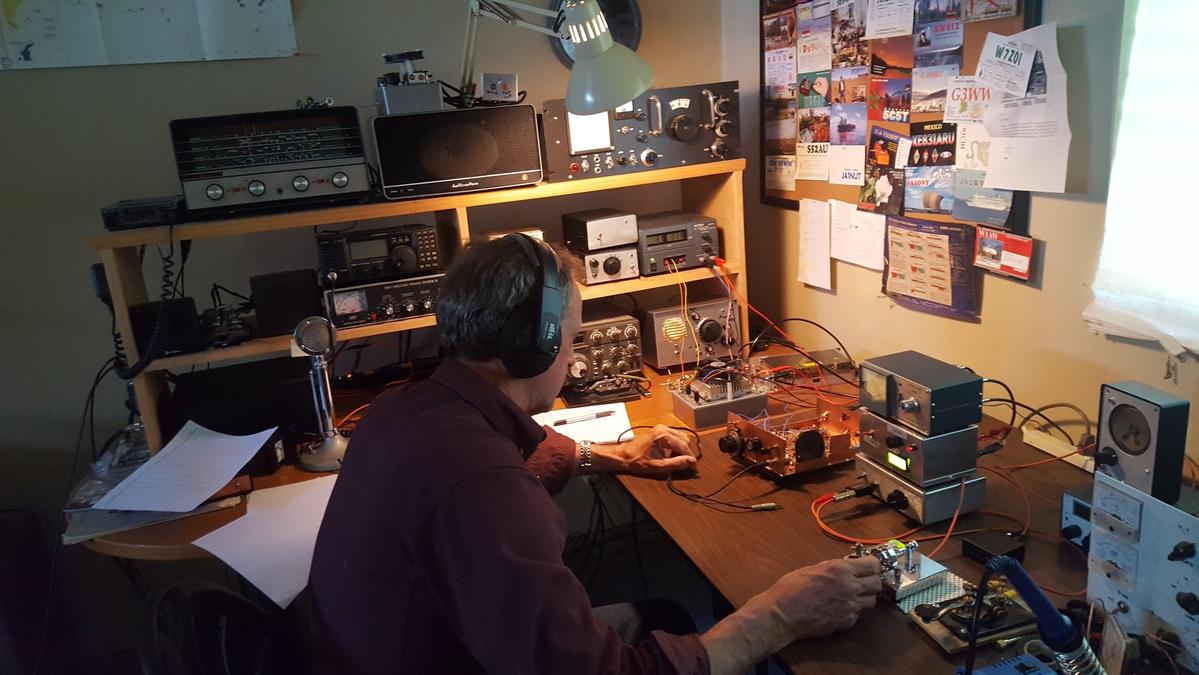
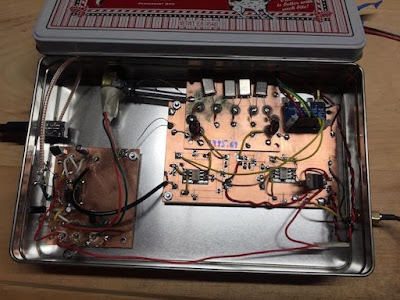
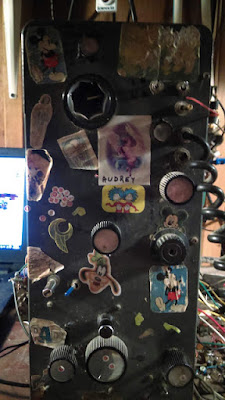
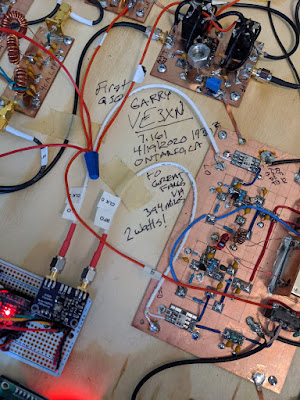
Idaho Homebrew — Brian KE7LOY
Brian wrote (on Facebook):
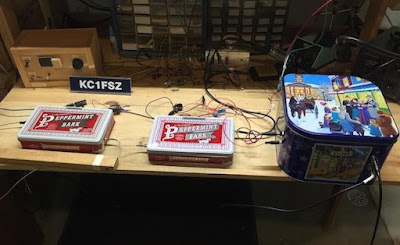
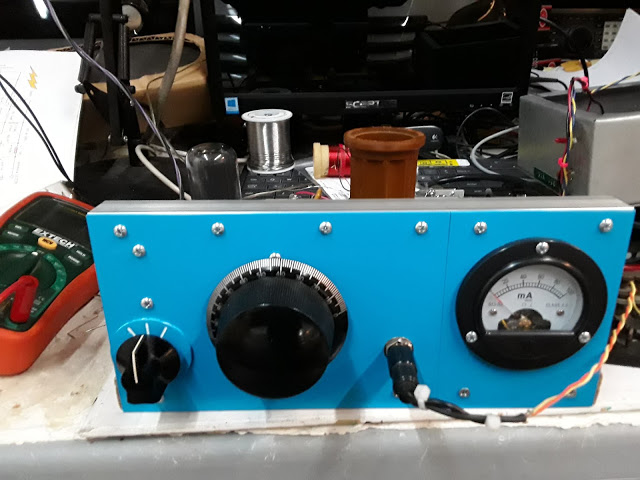
10 Meter Quarantine QSOs near Boston — KC1FSZ’s Peppermint 10
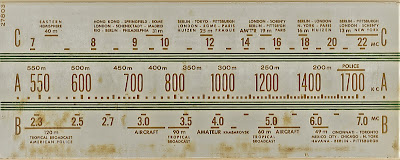
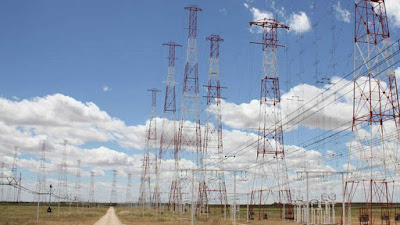
Shortwave Dials — Exotic Locations — Hong Kong! Berlin! Springfield? Schenectady?
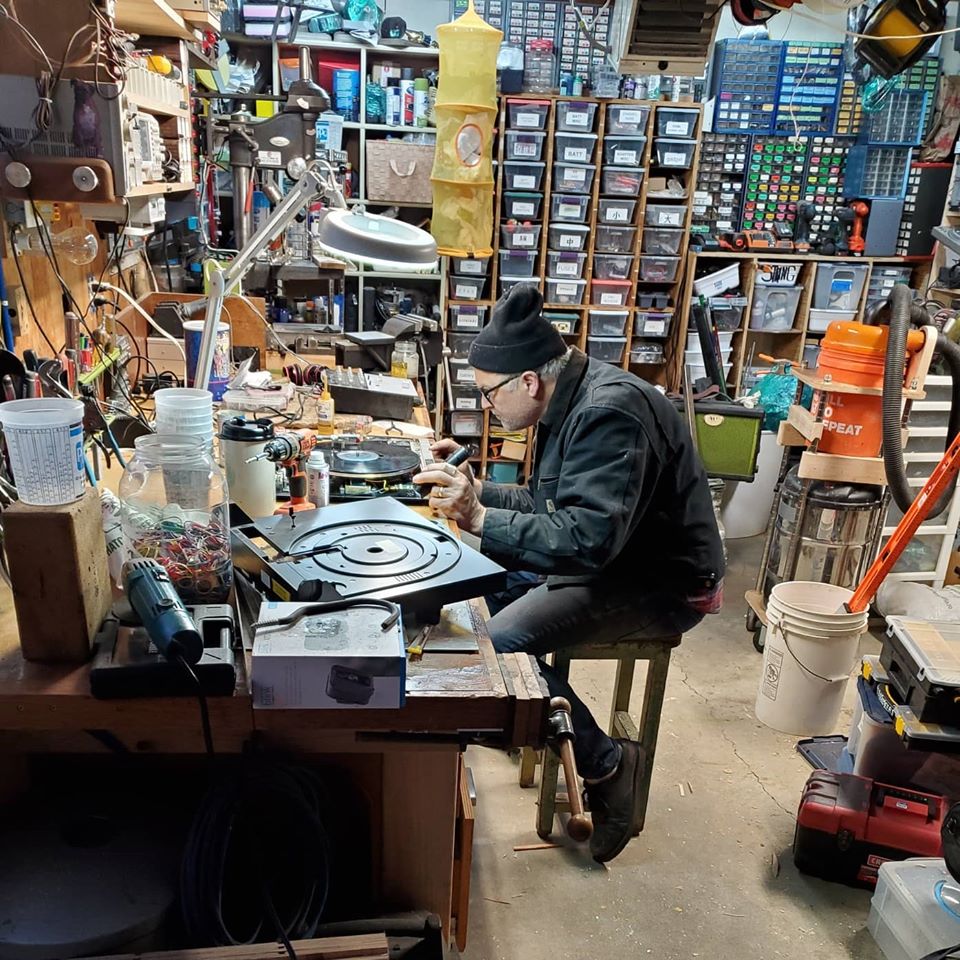
Applied Sciences Workshop Tour
Applied Science — Electrical Impedance Tutorials
Part 1 appears above, Part 2 is below.
Ben Krasnow has a KNACK for explaining technical things. I liked his videos on impedance. At the end of the second video, he said he’d do a third one that would focus on impedance in coaxial cables. But I couldn’t find it on his channel. I hope it was made — this is very interesting and useful.
Ben’s YouTube channel is here: https://www.youtube.com/user/bkraz333
Listen to Homebrew-to-Homebrew Quarantine Contact with Glenn KU4NO on his 37 year-old Homebrew SSB Transceiver
This was really amazing. I had been feeling guilty about not getting on the air much during quarantine. I mean, we have these airwaves and we have the gear, right? Shouldn’t we be more social, more friendly and get on the air more? I tried yesterday with marginal results (conditions were poor). I called CQ on 40 SSB this morning — nil, except for one grumpy guy who said I was splattering on his morning coffee clatch. Then I heard KU4NO calling CQ. I did not recognize the call. But when I told him I was on a homebrew transceiver, he matter-of-factly sad that he too was on a homebrew rig. When he started to describe it (see below), it all came back me. His is one of the most soulful of homebrew SSB rigs. And I realized that it may also be THE OLDEST HOMEBREW SSB RIG STILL IN USE IN THE WORLD. (If anyone knows of a homebrew SSB transceiver older than 37 years and still on the air, please let me know.) This was exactly the kind of contact that I needed. TRGHS.
Glenn put out a lot of homebrew wisdom. He said a lot of inspiring things. (He did also at one point talked about wanting to shoot his plasma TV, but that’s understandable.) So I recorded most of our contact. (I have his permission to put it on the web).
You can listen to our contact via the YouTube video above.
For my report on an earlier contact with Glenn click here:
https://soldersmoke.blogspot.com/2018/07/a-rig-with-maximum-soul-5-band.html
So, it is worth it to get on the air. They are rare, but people like Glenn are out there, running very interesting rigs. And when you find them, you feel like you’ve hit the jackpot.
Thanks Glenn!
SolderSmoke Podcast #221 is available — Quarantine Rigs, Phasing, SWL, Parts Suppliers, Mailbag
![]() |
| Q-31. “Roll-bar” on cap. Note RGS316 coax between stages. Country markings on tuning dial |
SolderSmoke Podcast #221 is available:
25 April 2020
http://soldersmoke.com/soldersmoke221.mp3
![]() |
| Pete’s Quarantine 6V6 Rig |
Quarantine Search for Zombie Satellite in Geo-Synchronous Orbit
Nice two minute audio report:
Scott Tilley is VE7TIL
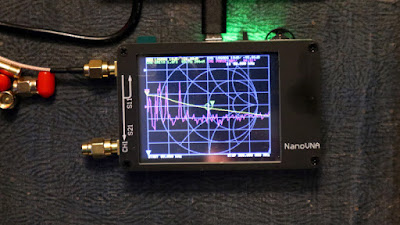
The NanoVNA
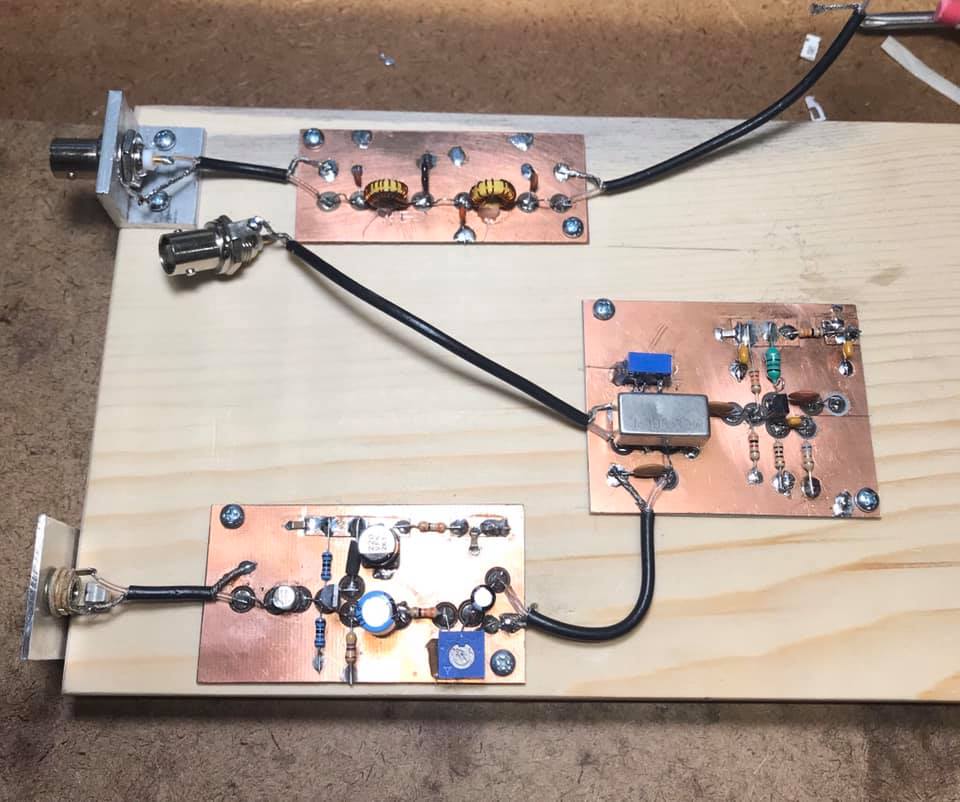
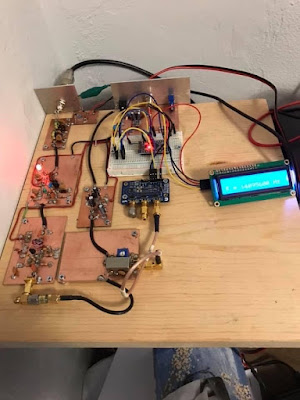
WA7SKT’s Al Fresco DSB Rigs
![]() |
| Loren’s First DSB Rig |
Jonathan-san (Our Man in Japan) Now Melting Solder in Seattle
Please Listen: Something Wrong with Spanish National Radio Signal?
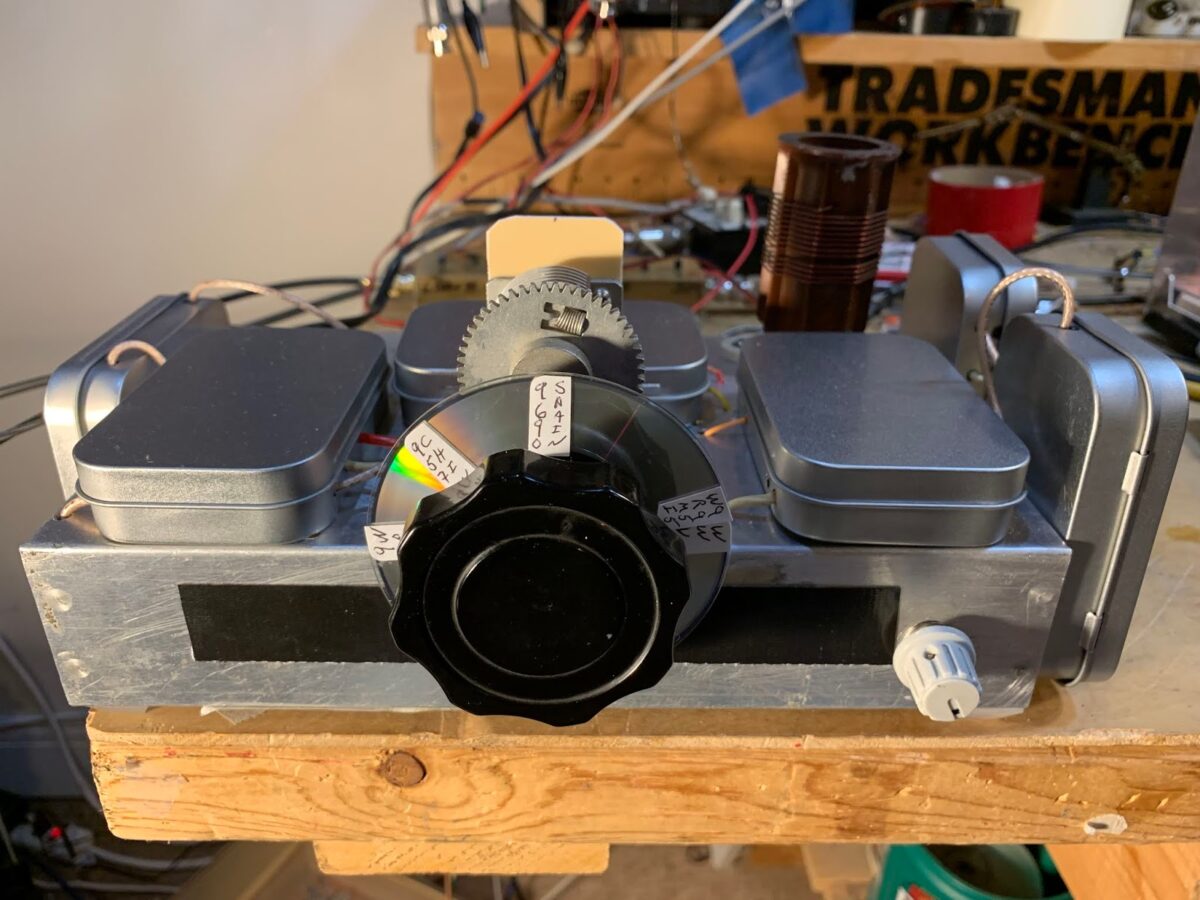
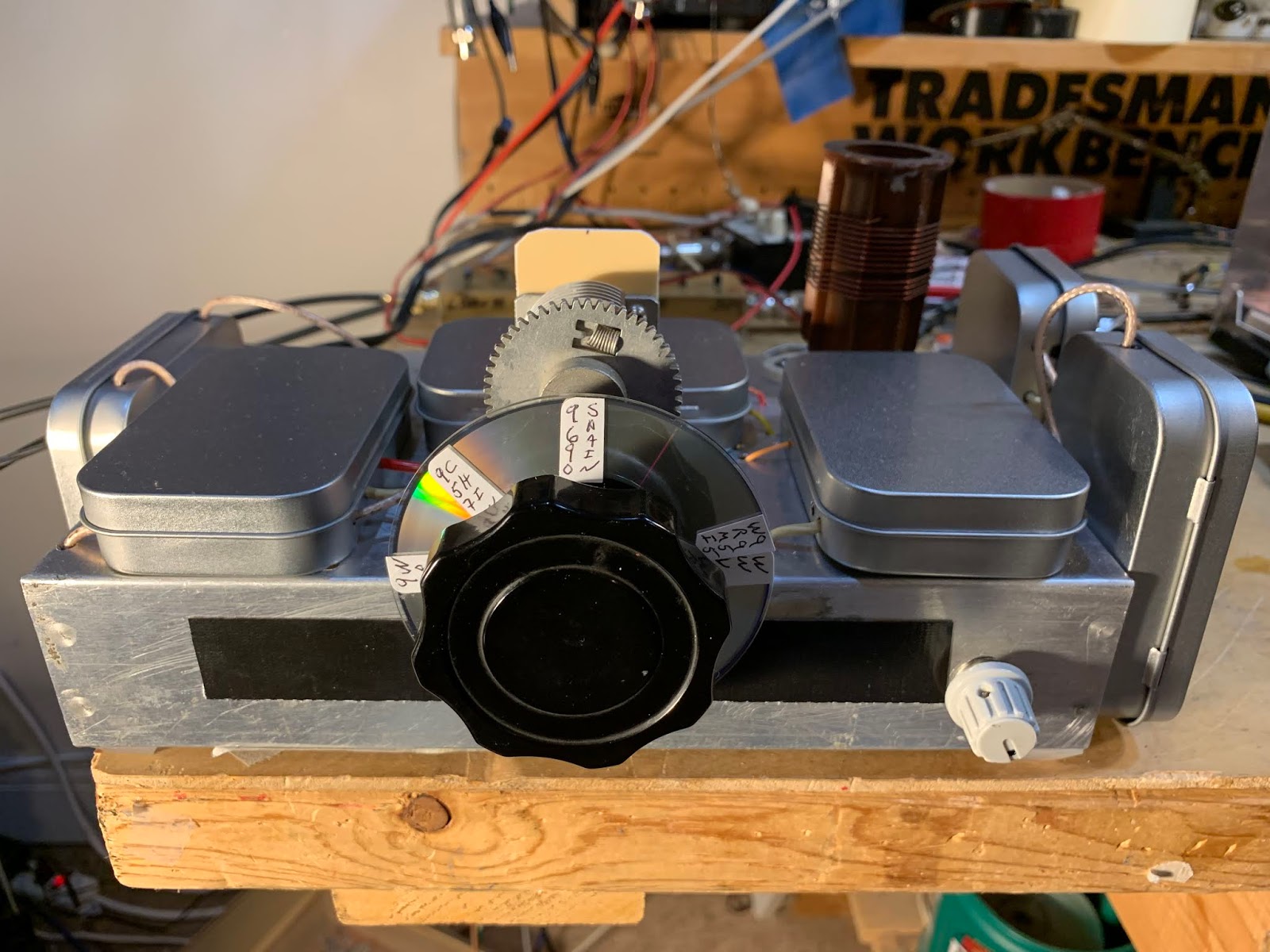
I’ve been getting back into shortwave listening. One of my favorite stations is Radio Nacional de Espana (Spanish National Radio) from Madrid. It is very strong here on 9690 kHz starting around 1645 Eastern Time, 2145 UTC.
If you can, please listen to this station and let me know if you hear any technical problems with the signal. Please let me know what you hear. Does the signal sound OK. Any problems?
Dean KK4DAS Builds SSB rig, Makes First Contact.
DX WaveScan
I heard this program this morning on my Q-31 receiver. It was on WRMI 9955 kHz at around 1330 UTC.
It reminded me a lot of the DX listening program of HCJB. Good stuff.
You can listen to the programs on-line at: https://awr.org/program/engmi_wav/
Q-31 Quarantine Receiver — All Boxed Up, Almost Done
Almost done. A few odds and ends remain, but now I have all the circuitry in their boxes.
As I was taking my walk the other day I was thinking of how I didn’t have to build a BFO for this superhet. That’s because the signals coming in on this rig bring with them their own BFO signal (the carrier).
Q-31 Quarantine Receiver — +30 db and a Germanium Diode Help a Lot (video)
Today I added two additional stages of IF amplification. This added 30 db to the receiver’s total gain. That helped a lot. I also discovered that Germanium (1N34A) diodes work a LOT better as AM detectors than do silicon diodes. This receiver is starting to sound decent. Currently listening to the VORW program on WRMI Miami.
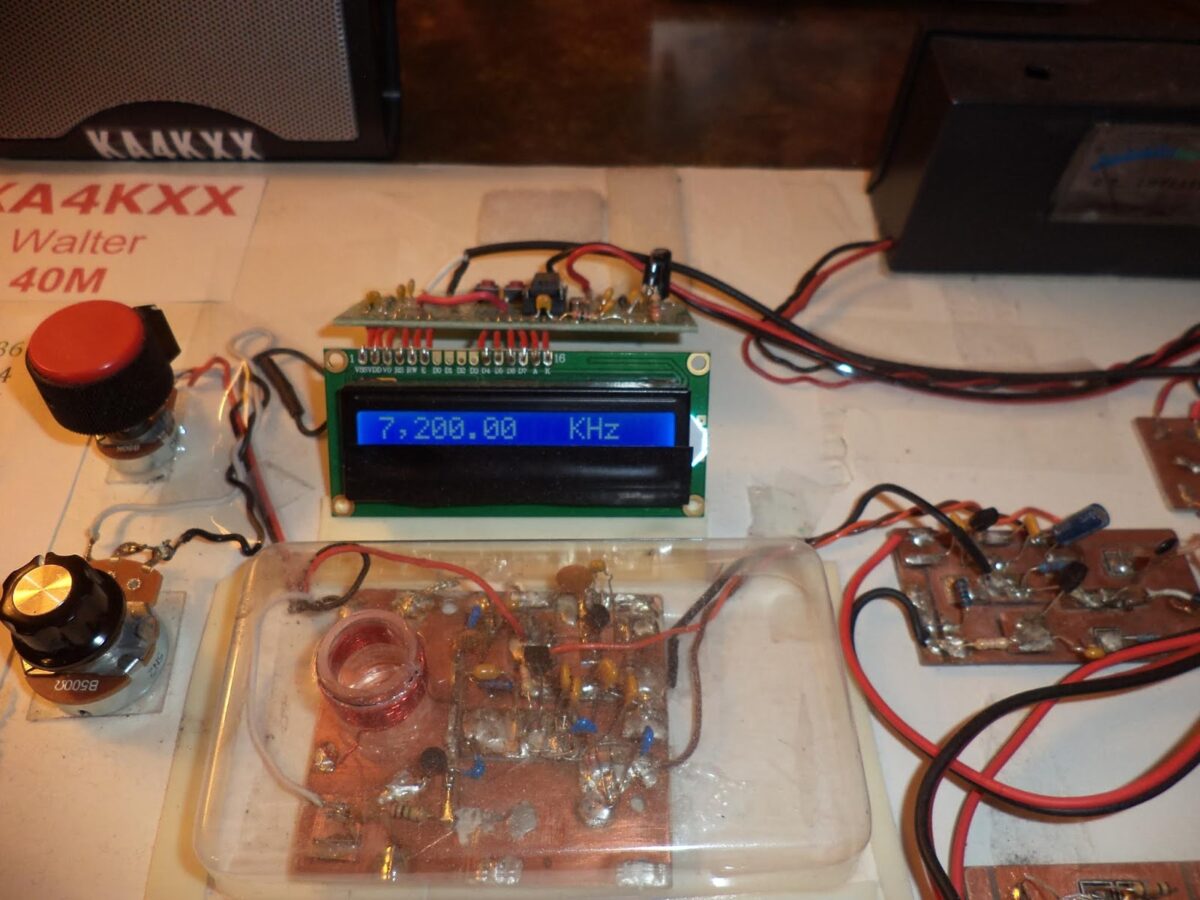
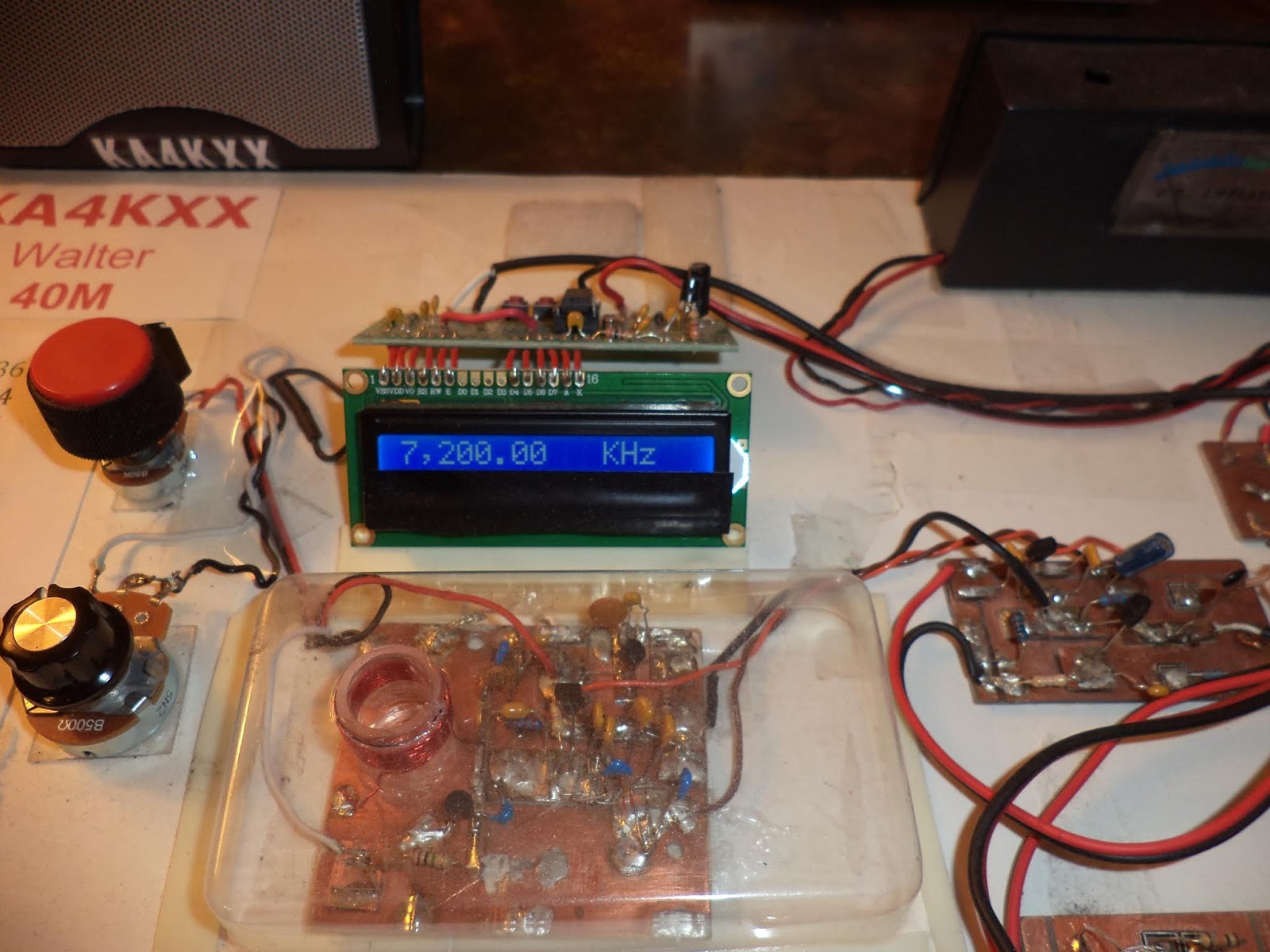
Walter’s VFO
![]() |
| Main VFO board under plastic — buffer board off to the right |
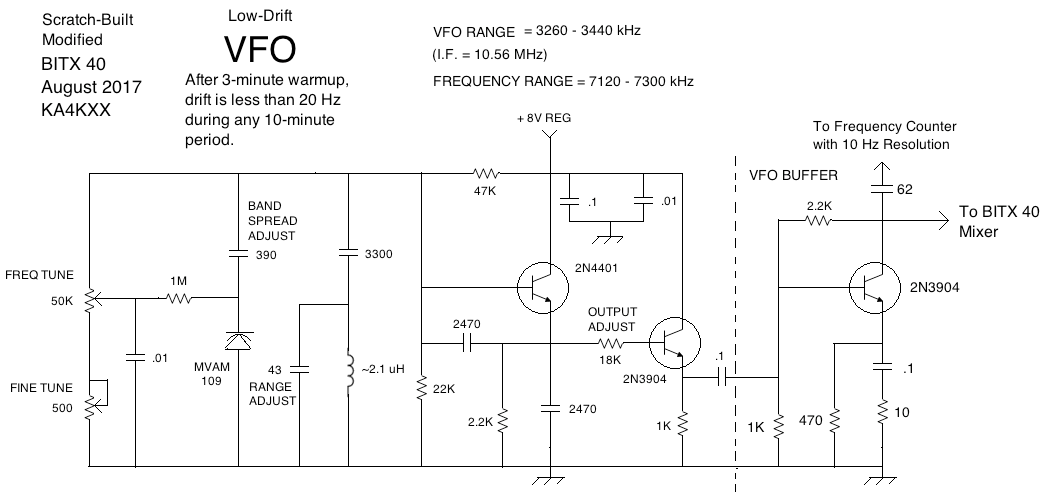
There is a lot of tribal knowledge in this short article by Walter KA4KXX. (The most recent issue of SPRAT has a picture of a SPRAT cover from more than 30 years ago, announcing an article by Walter. OM has been at this for quite a while.) Walter’s advice is similar to that of Doug DeMaw, especially on the air-core coil. FB Walter, thanks for sharing.
Regarding the last line in Walter’s article, please direct any complaints about drifting analog VFOs to Peter Juliano. He will be delighted to receive these complaints, and will promptly provide all correspondents with very succinct advice on how to overcome the instability.
I recently built a digital VFO (from a QRP Labs Kit) to see what everybody is talking about, and it has been quite handy for my first two-band homebrew transceiver, but by the time one adds the low pass filter, a low-level RF amplifier to boost the weak output, a 5 VDC regulator, and a hefty +12VDC power line filter to the beast to keep the digital noise out of the rest of the radio, for a single band project I still prefer a low-drift analog VFO.
My approach to minimizing drift is very simple and works well for a VFO range of 3 – 7.3 MHz, which is all that is needed for the 20 to 80 Meter bands, either direct conversion (adding a doubler for 20M) or single conversion with approximately a 10 MHz IF.
First, see my schematic (adapted from Small Wonder Labs 40+ transceiver, original BITX40 Analog VFO, and other sources) and wind an air core inductor with stout magnet wire such as 24 or 22 AWG. Use a thick, rigid plastic form of a diameter so that you need about 12 turns, and single coat with water-based sanding sealer, Q-dope, or similar. Use hot glue to mount the coil firmly to the single-sided circuit board, and build a cover of some type, especially if the radio is to ever be used outdoors.
Second, all the VFO capacitors (except power supply bypass) should initially be the modern C0G type, which can be obtained from Mouser (such as TDK FG28C0G1H681JNT06 or the like), which I trust more than those labeled NP0.
Then, power up the VFO and tweak the coil, tuning arrangement, and range capacitor to get the frequency range you desire.
Next, monitor the drift from a cold start to see how fast it is moving as it warms up, and whether it stabilizes nicely (my goal for SSB Phone use is less than 20 Hz drift during any 10 minute period) after 10 – 15 minutes maximum. If it does not stabilize to your satisfaction, then start substituting polystyrene caps for the C0G units one at a time until you are happy with the performance.
[Also remember that a stable BFO is important as well, and if you use the BITX 40 crystal oscillator design, I recommend installing a dedicated 78L09 power line regulator.]
If you build this VFO at the higher (7 MHz) frequency end, just change the inductor value to about 0.5 uH, with everything else about the same, but expect to do more tweaking to get stability, and the warm-up time may be closer to 15 minutes. After years of experimenting, this is what has worked for me. If it works for you, please send me an email (see my QRZ page) of thanks. If not, file a complaint with Soldersmoke.
Q-31 Quarantine Receiver — First Signals (Video)
It still needs a lot of work, but today it pulled in its first shortwave signals. See video.
Quarantine Rig Q-31 — Putting the Stages Together (Most of Them)
I’ve been recording short videos on my progress with the Q-31 Shortwave AM Quarantine Receiver.
Yesterday was a bit of a milestone — I put five of the six sub-assemblies together and did some testing. You can see the video above.
All the other videos are on my YouTube site:
https://www.youtube.com/user/M0HBR
Please subscribe and give me a “thumbs up.”
SITS! Stay in the shack! Flatten the curve. Hang in there. 73 Bill