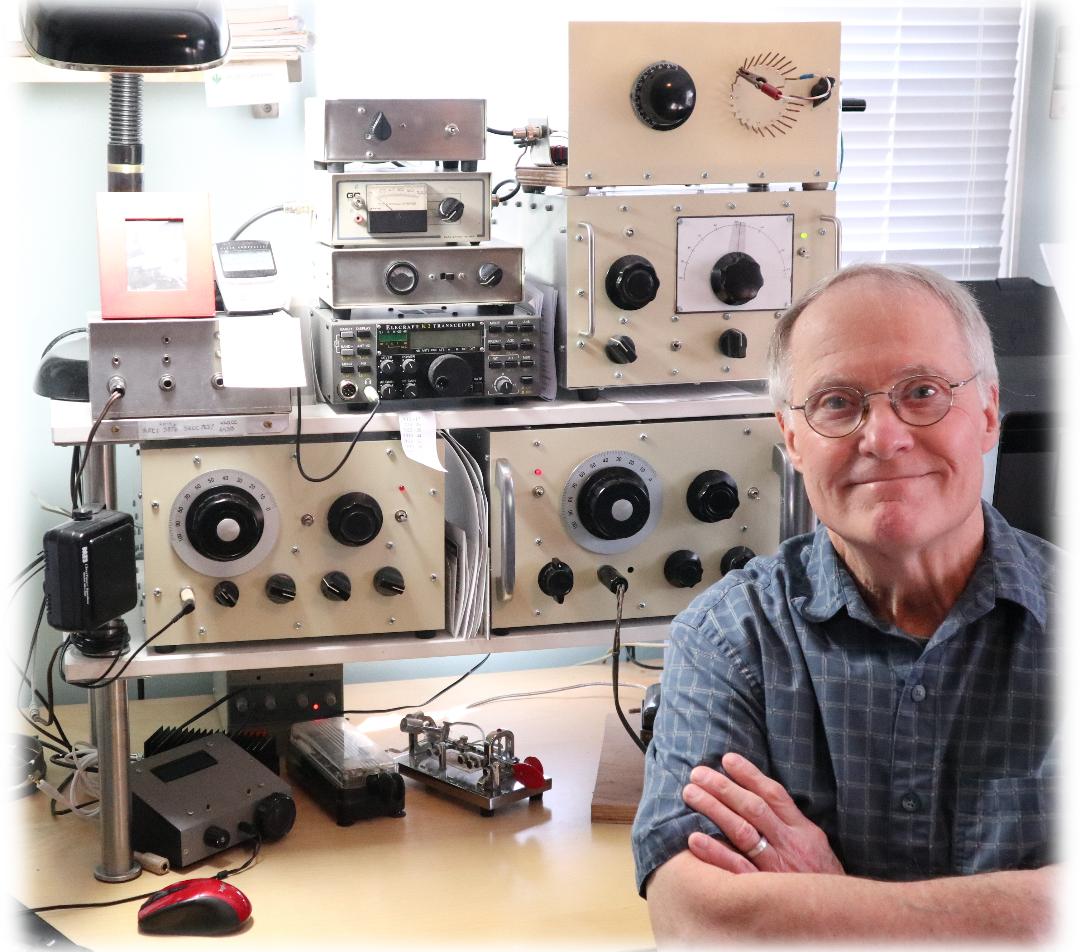
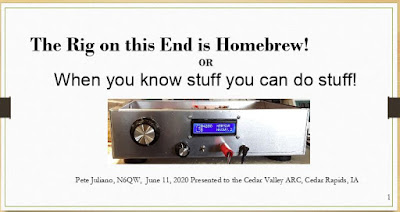
Earlier this month Pete N6QW spoke via Zoom to the Cedar Valley, Iowa Amateur Radio Club. This was an especially appropriate venue for Pete, the creator of the KWM-4; Cedar Rapids was the long-time home of Collins Radio. Many of those in the club used to work for Collins.
Here is Pete’s PowerPoint presentation: http://soldersmoke.com/N6QWslides.pptx
Some notes on the event:
For the Zoom connection, Peter used his Linux Mint computer.
Pete mentioned that Gene Senti, while tinkering in his basement, developed the KWM-1. One of the guys in the audience confirmed Pete’s account, but added something: Collins employees could buy ham gear at a discount. Senti bought a brand new 75A4 receiver (commercial price in late 50s was about $900) and he modified it from being just a receiver into a transceiver. Imagine taking a new radio and doing that! But when he got it working, Art Collins came over to his home to see the invention. The rest is history.
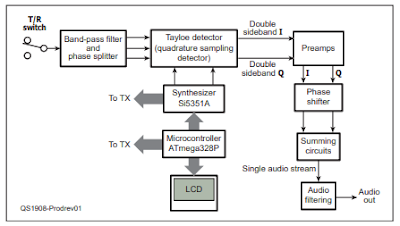
Pete got grilled a bit on why he was still using “analog’ front ends on his several SDR builds — why not Direct Digital Conversion? Pete says he may now try to build a DDC rig.
There was also a lot of very nice feedback on the SS Podcasts – there were many regular listener’s in that group.
You can see Pete’s slides here:
http://soldersmoke.com/N6QWslides.pptx