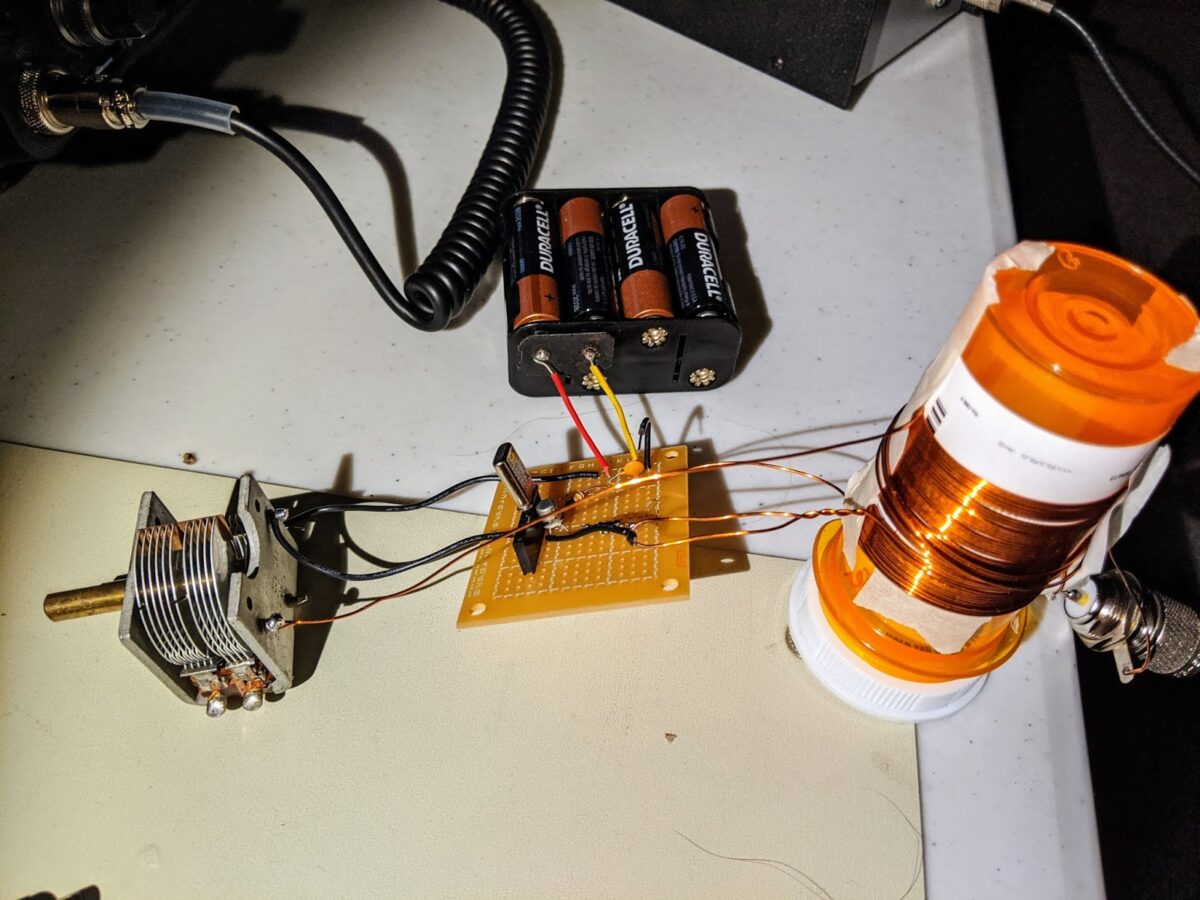
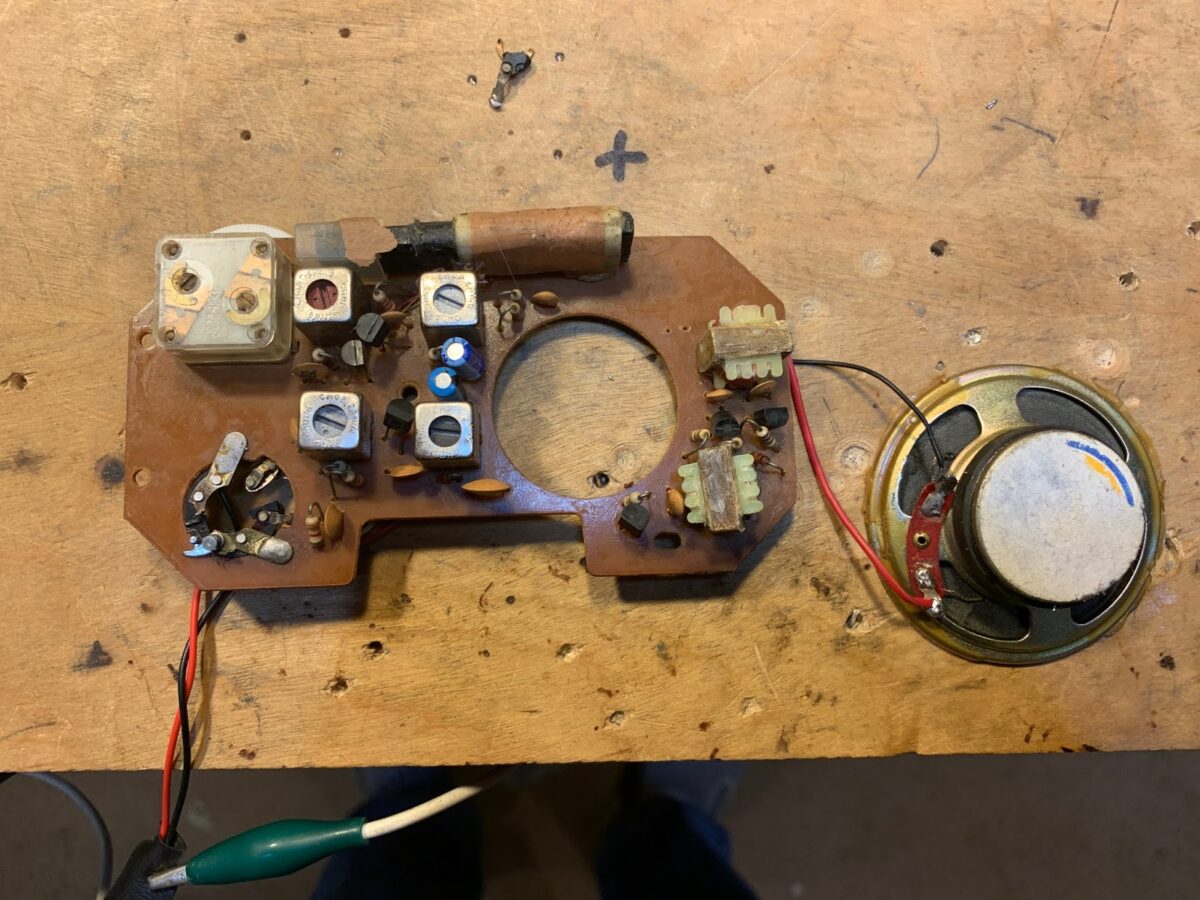
A bit ugly, but it gets you there! I like it.
Thanks to John KE5ETX for alerting us to this video.
SolderSmoke Daily News — Ham Radio Blog
Serving the worldwide community of radio-electronic homebrewers. Providing blog support to the SolderSmoke podcast: http://soldersmoke.com
Thanks to John KE5ETX for alerting us to this video.
A while back Fred KC5RT sent me a nice collection of parts, including some 6 MHz crystals. I had been thinking of making a converter to put ahead of my Q-31 receiver. When Fred’s 6 MHz rocks arrived, I knew that The Radio Gods Had Spoken (TRGHS).
I found some NE602 chips in the junk box. I used an Altoid-sized box for the case. The toroids are from W8DIZ. I use trimmer caps from KC5RT to resonate the input and output circuits.
Hooray! Now I can listen to 75 Meter AM on the Q-31. I may have to build a transmitter to go with this contraption.
Thanks again Fred.
Paul Taylor VK3HN has really outdone himself in this video (above) and blog post. He describes coming across a somewhat mysterious homebrew SSB exciter with some cryptic markings on it. Paul eventually figures them out. We still don’t know who the builder VK3WAC was — can anyone find him in their logbooks?
As Paul goes through the description of the transceiver he built around the mystery exciter, he mentions a number of hombew heroes including Farhan VU2ESE, Peter DK7IH, Eamon EI9GQ (I have to get his book!), and Don W6JL. Also, our beloved SSDRA book plays a prominent role in the story.
Paul’s video is really beautiful — at one point the camera pans the landscape and we see kangaroos in the field. It is also refreshing — as we suffer in the heat of the northern hemisphere summer — to see Paul and his friends out on the summits in their winter coats and hats.
It looks to me as if Paul built this rig during the current emergency, so I will list it as a Quarantine rig. Every dark cloud has a silver lining, and Paul’s rig has added a bit of silver to the dark COVID cloud. Thanks Paul.
https://vk3hn.wordpress.com/2020/07/26/something-old-something-new-a-four-band-5w-50w-ssb-cw-transceiver-summit-prowler-7/
This video is another reminder of how lucky we are to have Alan Wolke W2AEW as a fellow radio amateur, and as a teacher and mentor.
In this video, Alan is talking to the Denby Dale Amateur Radio Society in Yorkshire, UK.
The first part of his talk is about IMD products, the importance of 3rd order products, and the benefits of attenuation.
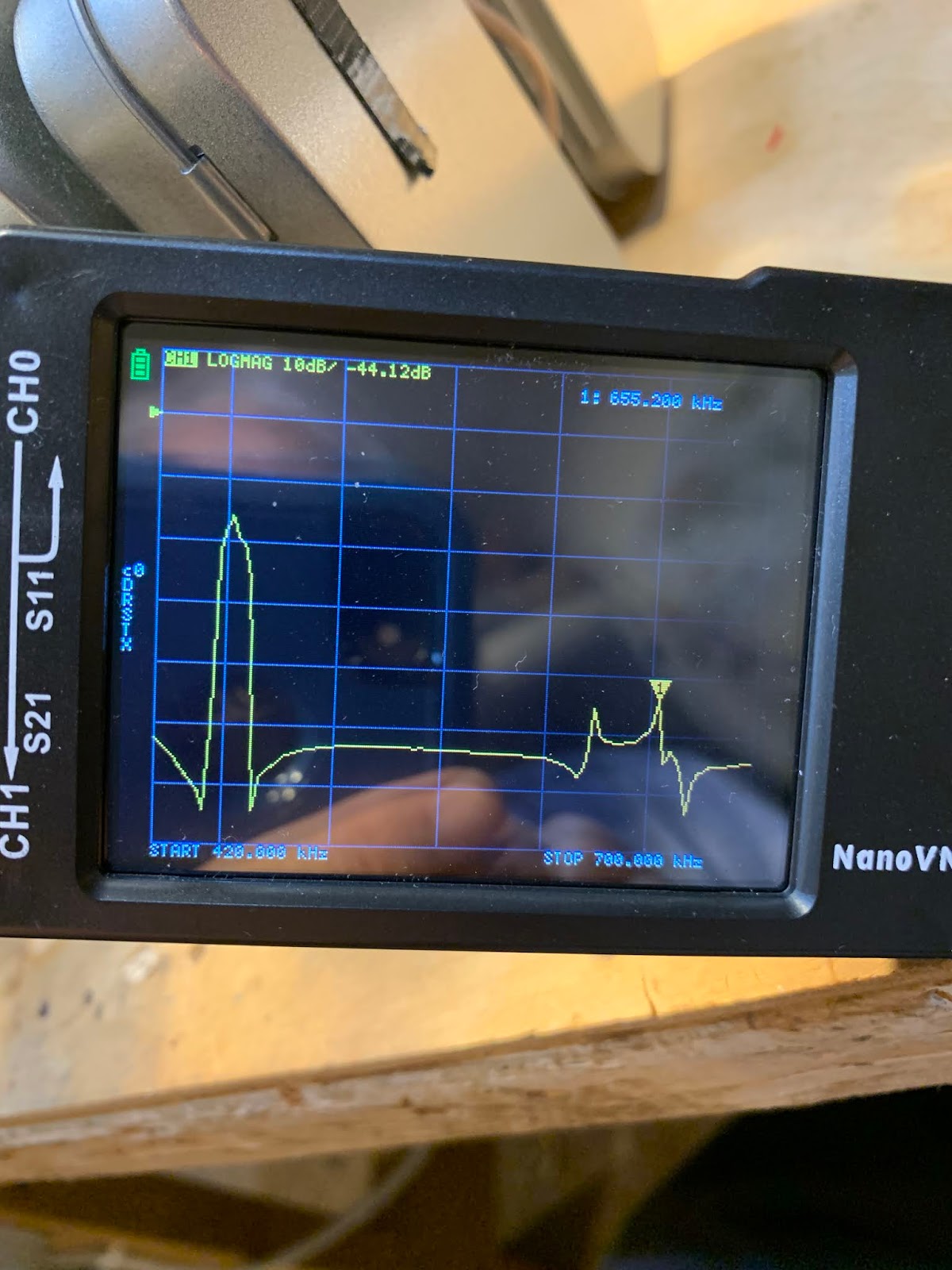
The second part of the talk (after a few questions) is a look at the NanoVNA, which Alan cites as the “Toy or Tool of the Year.”
I learned a lot from both portions of the presentation. I now find myself wanting an H4 model of the NanoVNA (bigger screen). Or maybe even an F model. Thanks to Alan, I now know what S21 and S11 means.
Thank you Alan, and thanks to the Denby Dale ARS.
73 Bill
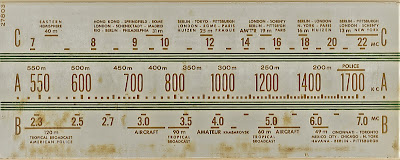
A while back I posted a picture (see below) of the shortwave dial of an old receiver used by my wife’s grandfather. I noted the odd presence of ‘Schenectady” among the exotic foreign locations on the dial. Pete immediately connected the dots by noting that Schenectady was the home of General Electric. This week Chris Waldrup KD4PBJ sent us a great web site describing the shortwave stations in Schenectady. Check out the tube that runs 100 kw AM (Big Bertha).
https://www.radioworld.com/news-and-business/schenectady-shortwave-transmitters-1941
Chris also sent information about BIG AM broadcast band stations:
In addition to Schenectady being home to GE it is the city of license to clear channel AM 50 kW WGY 810. WGY was started by GE so if the radio was GE it was probably a way to promote their station at the time. I heard mention of Rochester too and that would be for 1180 WHAM another 50 kW clear. Both WGY and WHAM are still there going strong banging out their 50 kW.
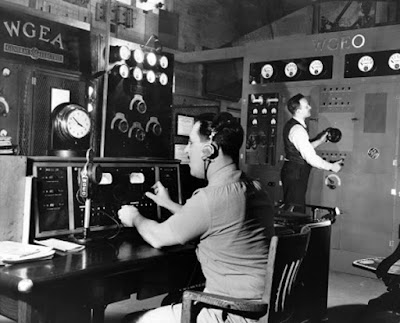
And Pete reminded us of KDKA, describing its long-lasting impact on one of his ears:
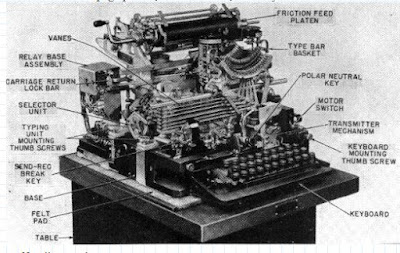 |
| RTTY Model 15 |
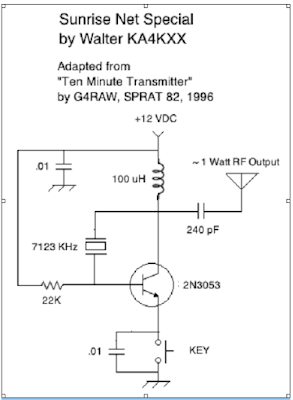
From Walter KA4KXX
June 21, 2020
Michigan Mighty-Mite: Why So Complicated?
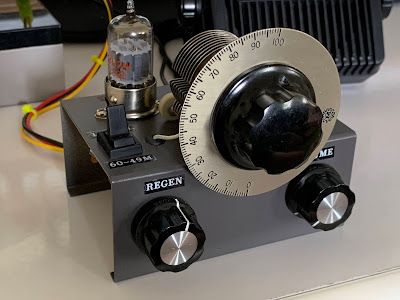
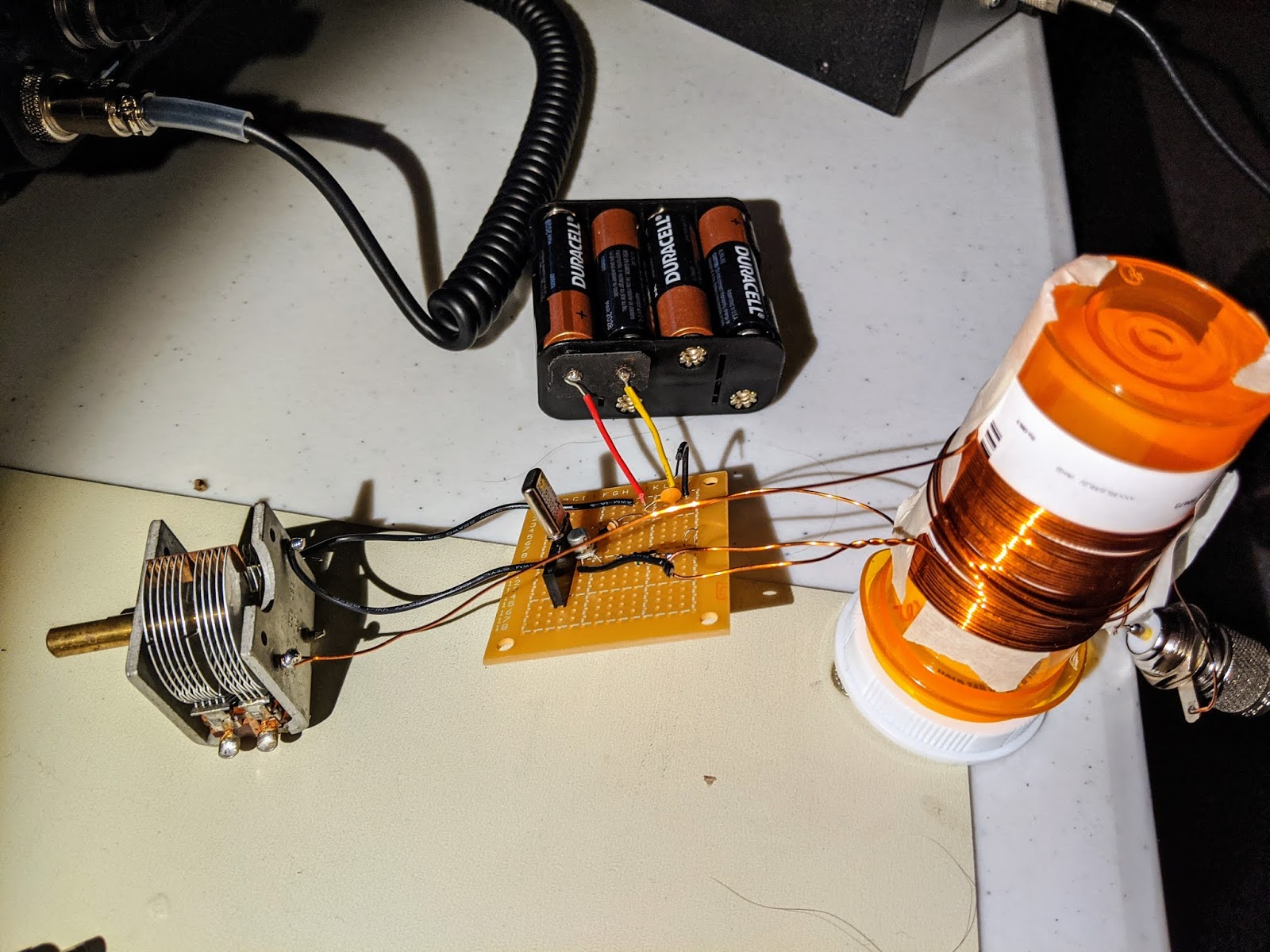
The April 2020 issue of QRP Quarterly magazine featured an article by Bob Rosier K4OCE which included a schematic for a “Ten Minute Transmitter” by G4RAW (SK), which apparently first appeared in SPRAT 82 in 1996.
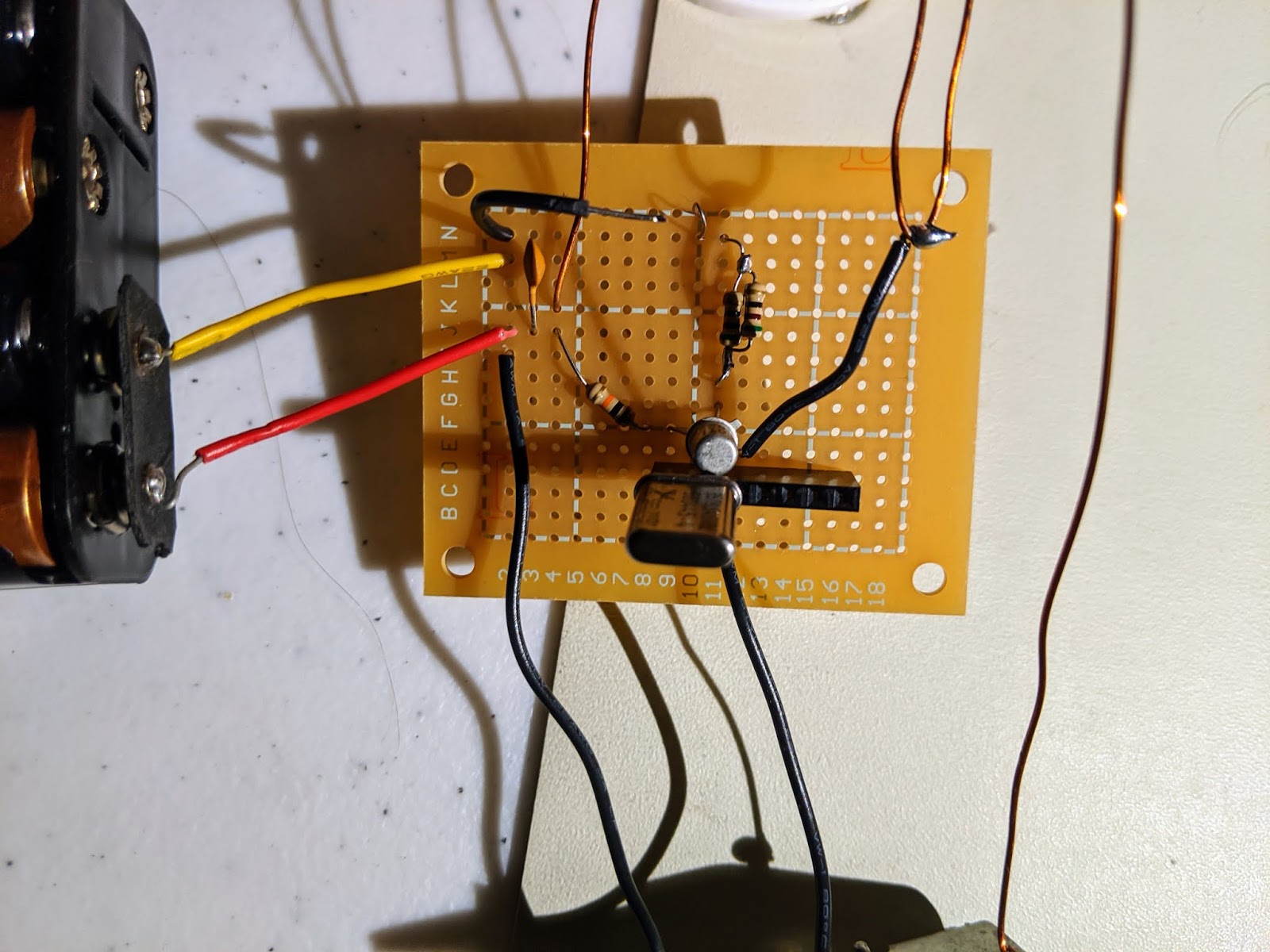
It is even simpler than the Michigan Mighty Mite, so this transmitter can truly be built on a solderless breadboard in about 15 minutes, because a complex coil is not required.
The only tuning needed was for me to establish the correct value of the output series capacitor.
This rig allowed me to check-in to the Sunrise Net (see details in blue text on my QRZ page) today on my very first attempt, and landed me a 549 signal report from 250 miles away.
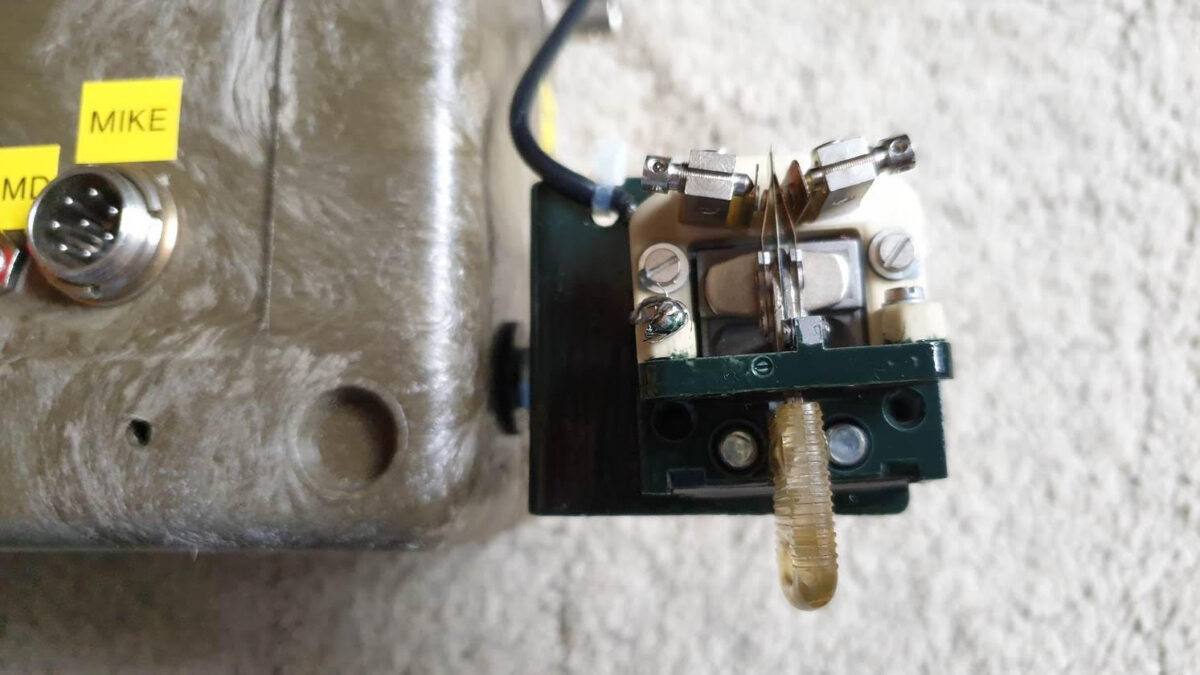
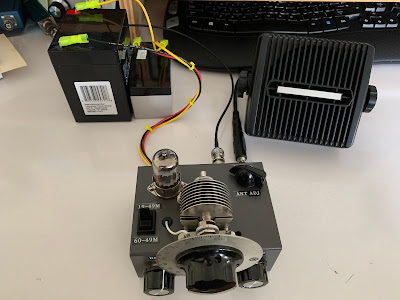
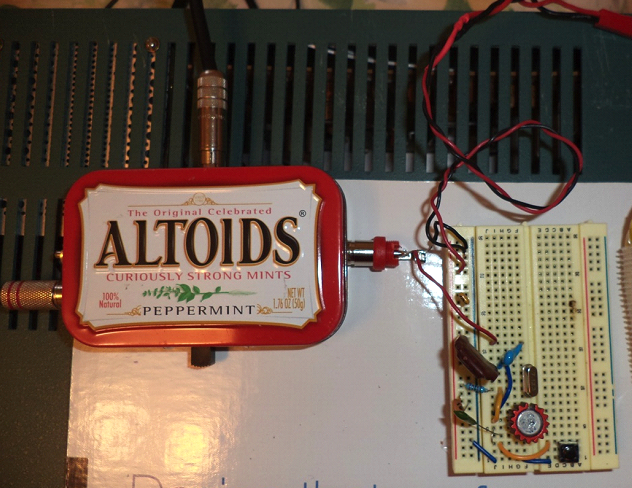
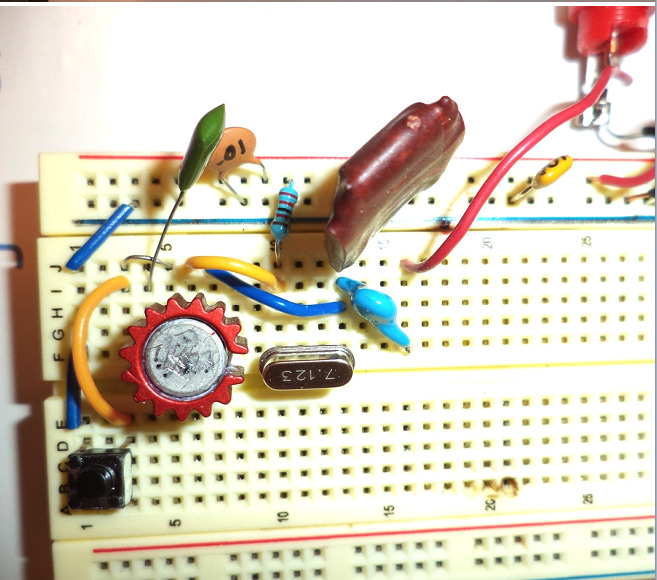
The first photo shows the transmitter connected to a Transmit/Receive Switch mounted in an Altoids box. In the Transmit position the antenna is disconnected from my 1979 Heathkit HR-1680 receiver, which then coincidentally supplies a sidetone at an ideal volume level. That little black pushbutton which can be seen in the second photo serves as my key, and works just fine for a five-minute daily QNI on the Sunrise Net.
Of course, part of the secret is having a crystal exactly on the Net frequency, and I have a few left, free to whomever in the Eastern U.S. is interested in building one of these simple Sunrise Net Special Transmitters and participating in our Net.
I liked both these videos. Mike WU2D really does a great job. He covers a LOT of technology and theory in two videos. Thanks Mike!
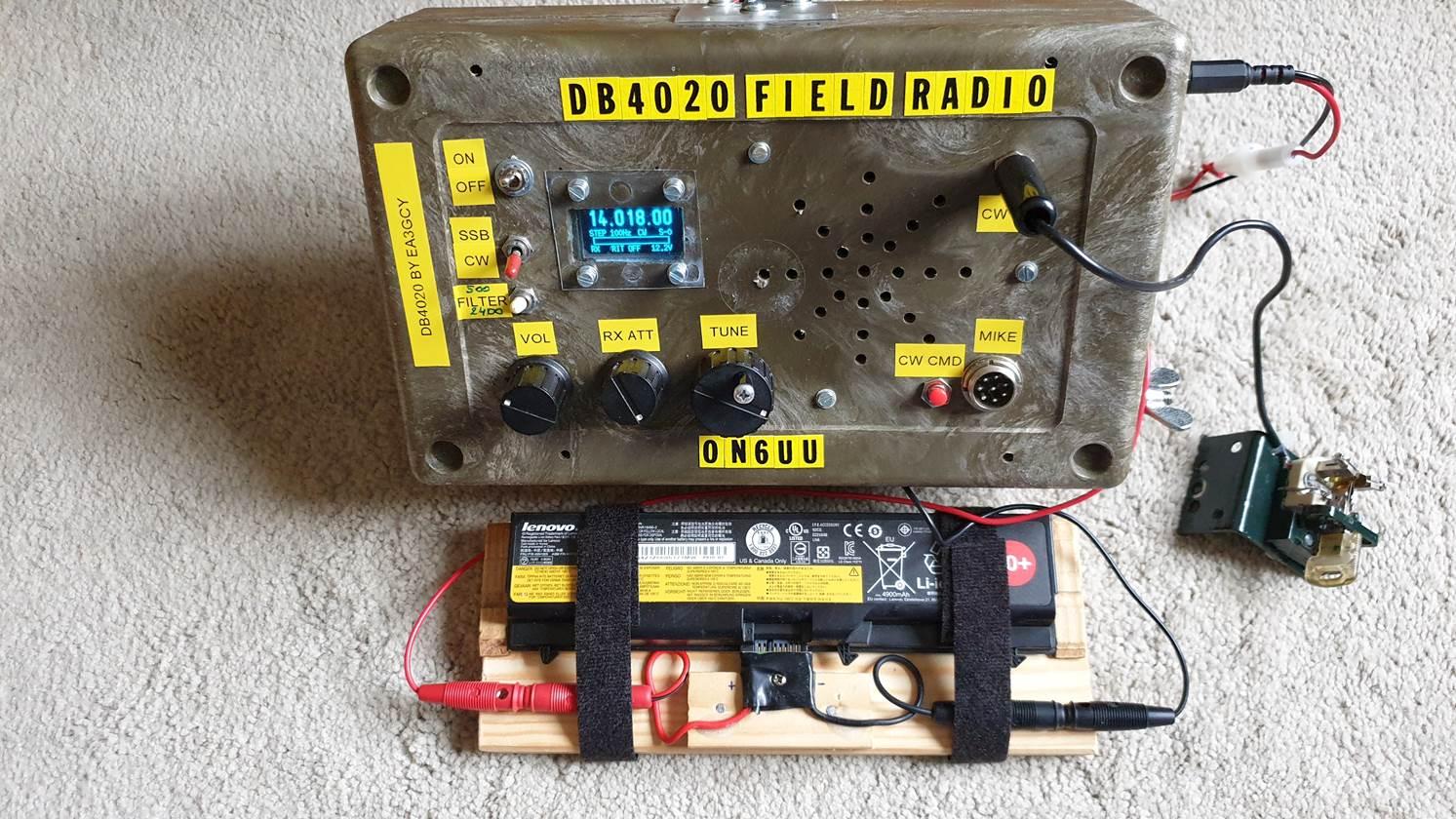
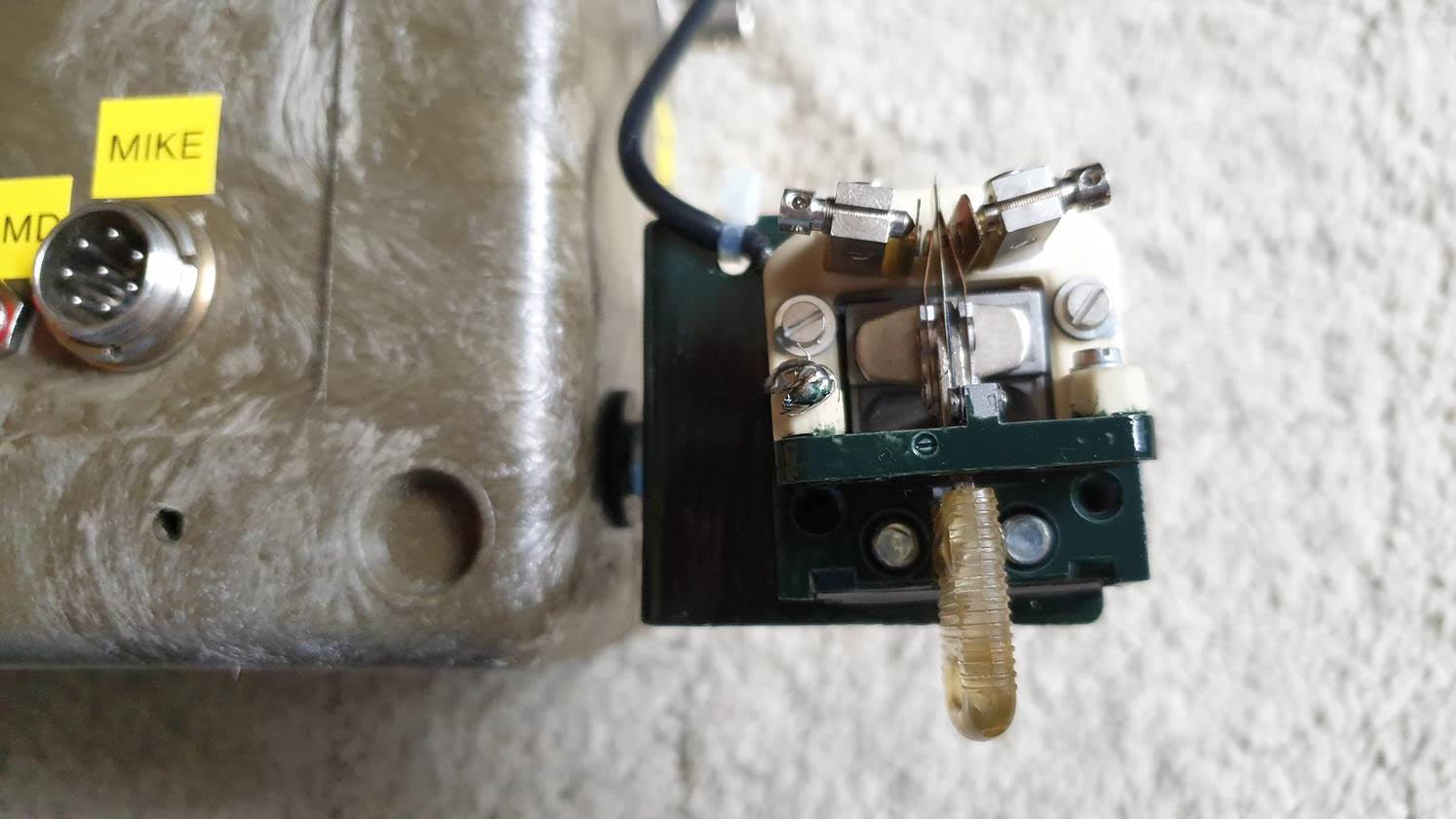
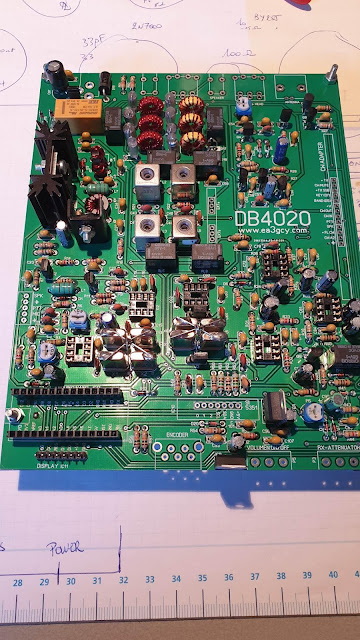
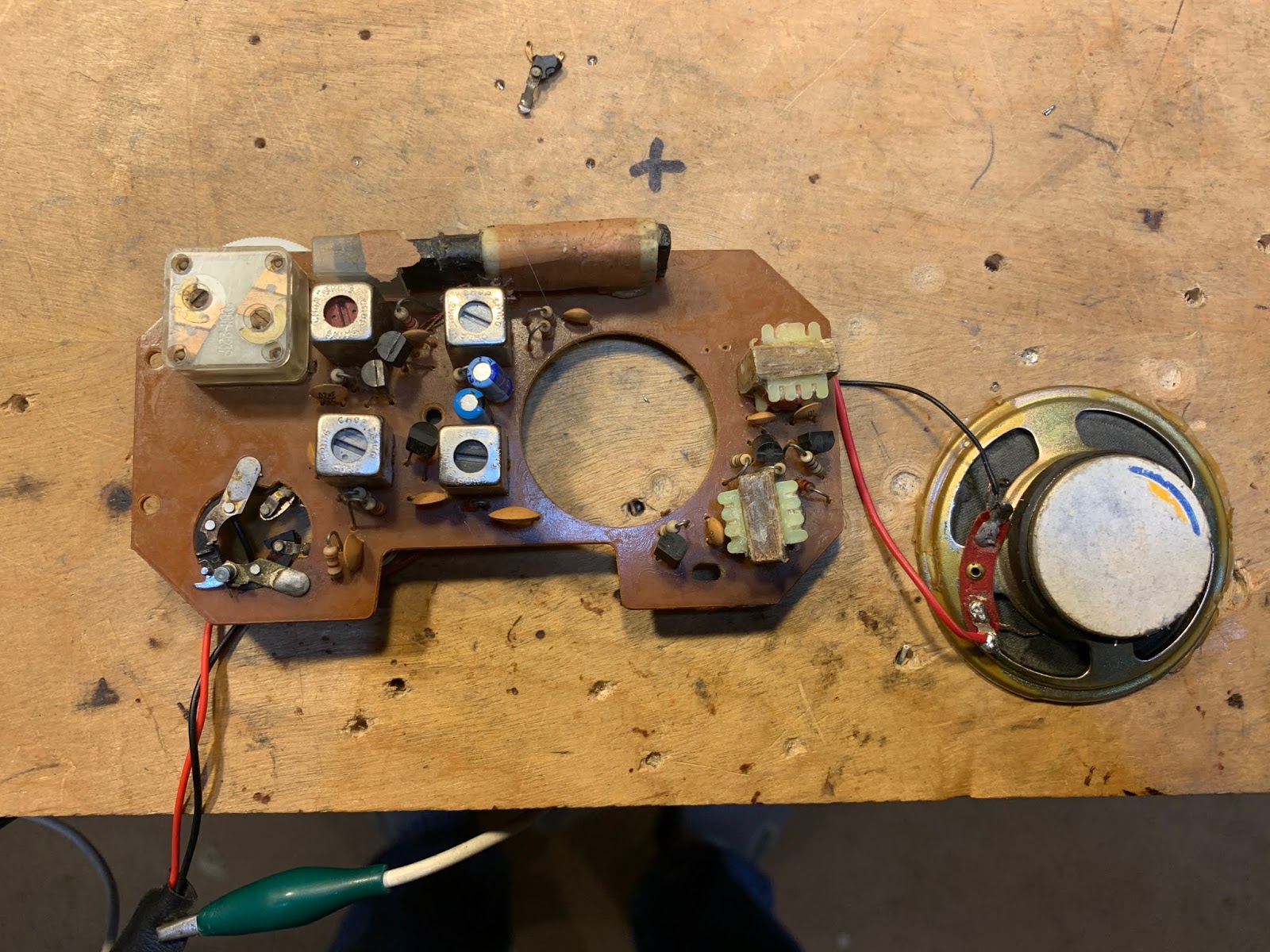
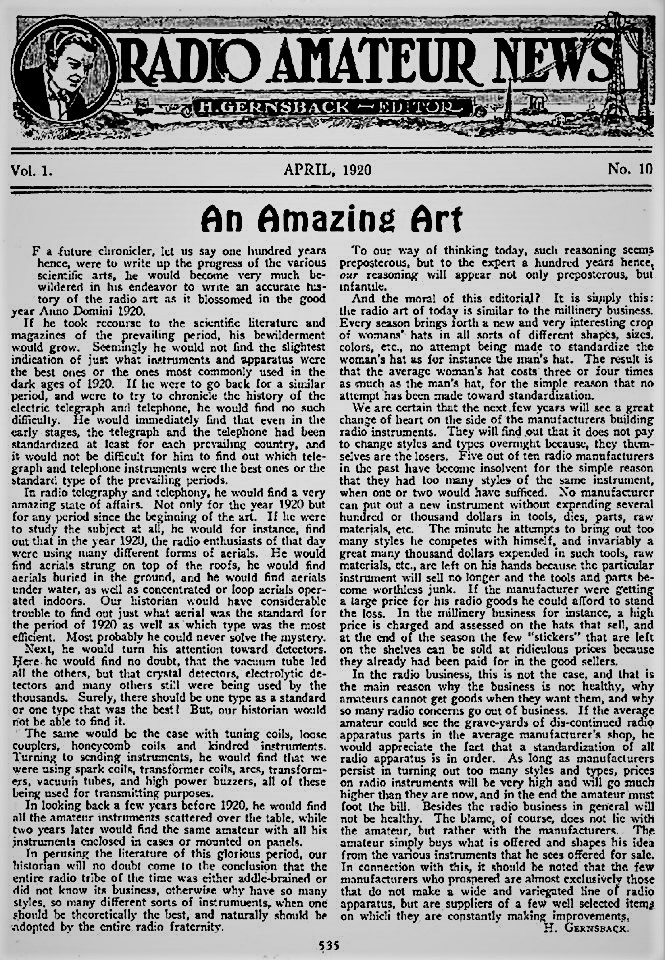
I like the art work in the header. I like the reference to “the radio art.” I like that he refers in the first half of the piece to “the radio tribe” — that would be us! And this reminds me of “tribal knowledge.” He also talks about rigs “scattered across the table” — Al Fresco!
In the second half of the piece he veers off into a kind of weird call for standardization and ladies hats. But the first half is good, and it is interesting to take a look at the hobby 100 years ago. Click on the image for an easier read.
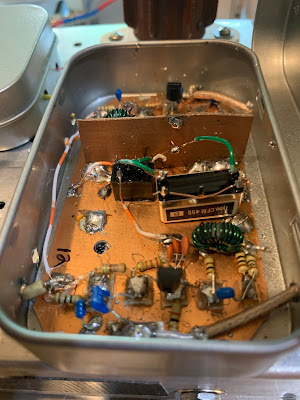 |
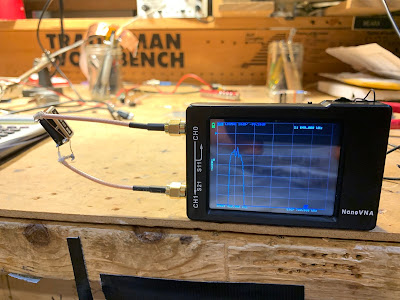
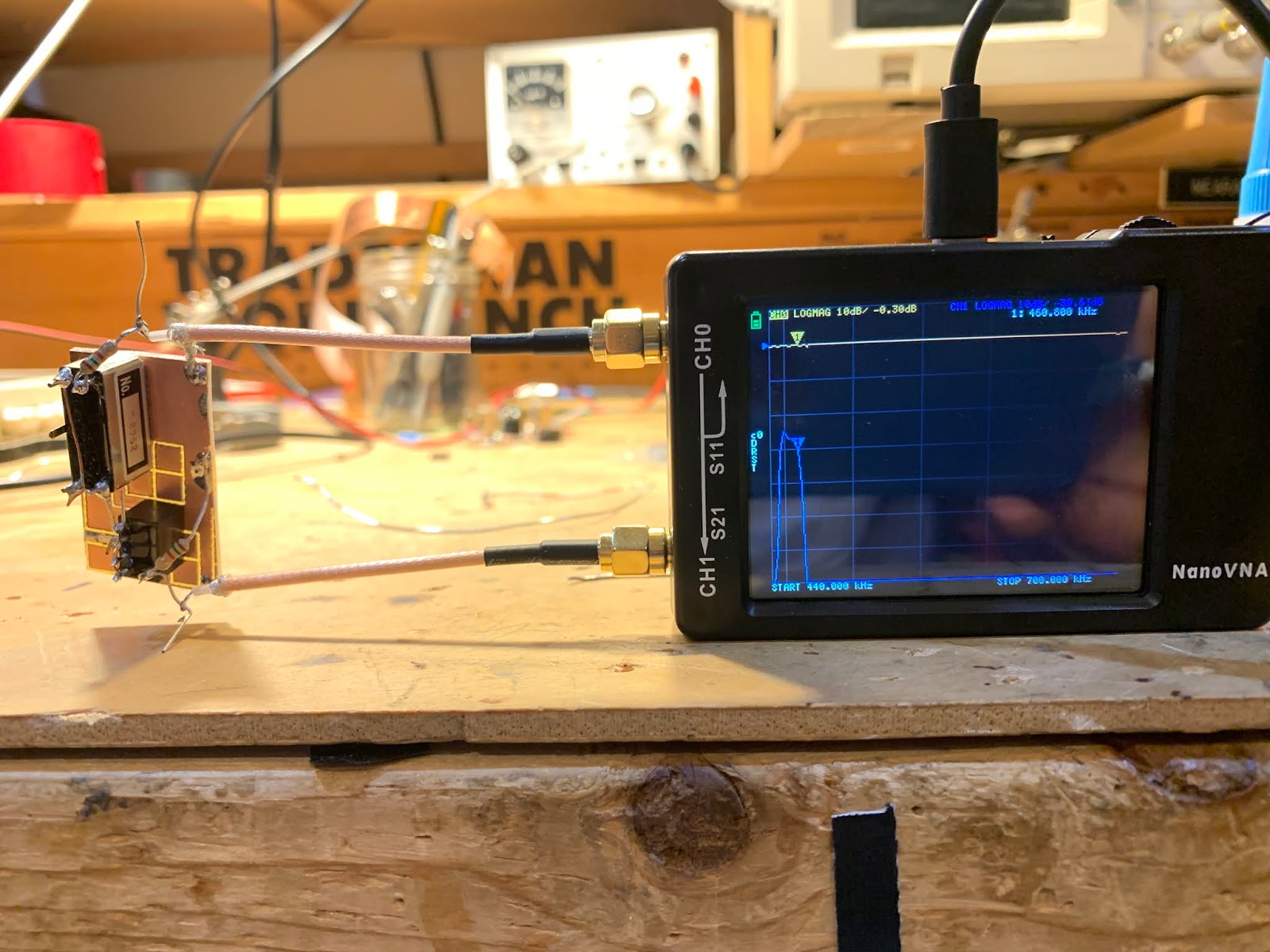
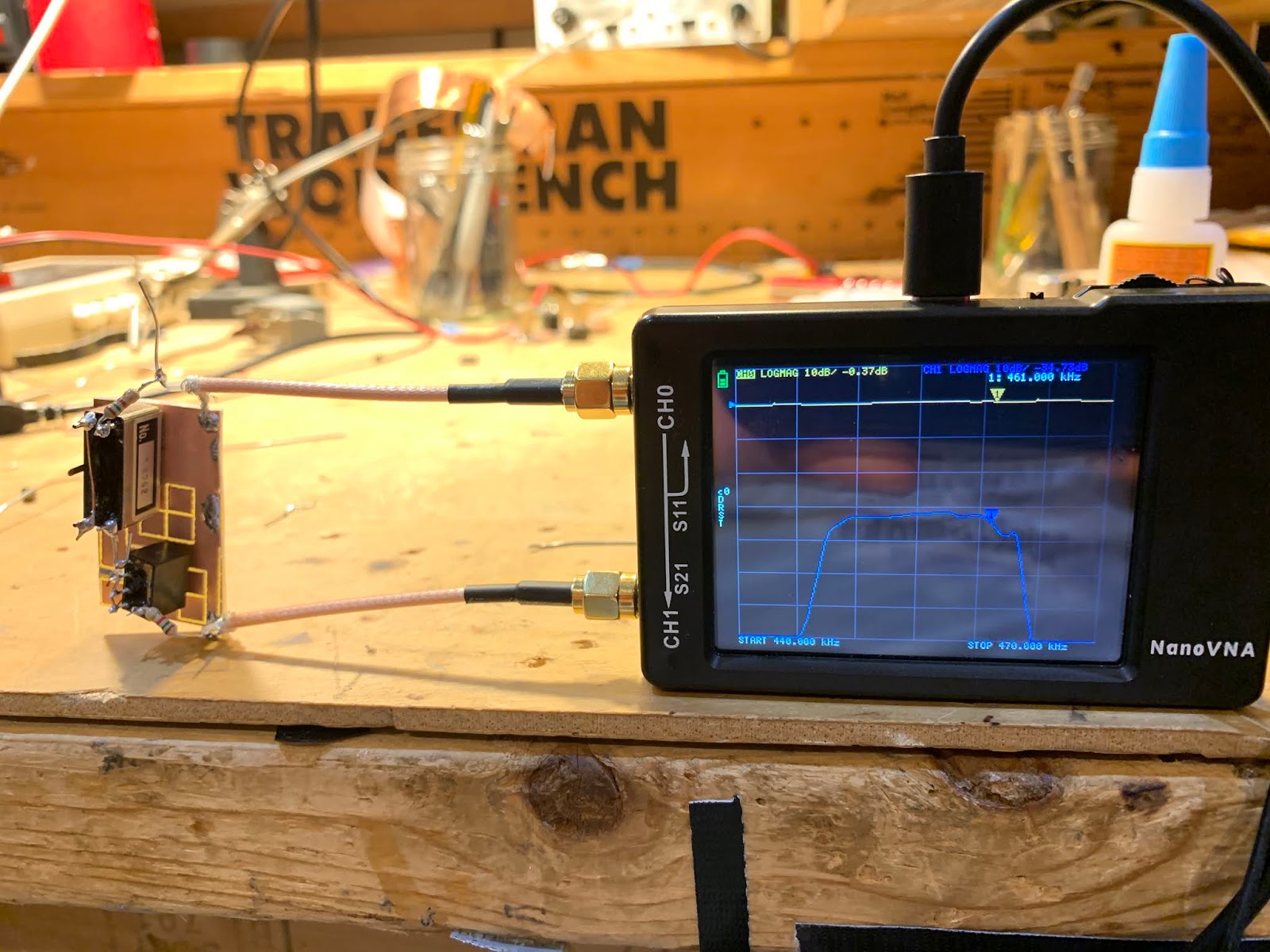
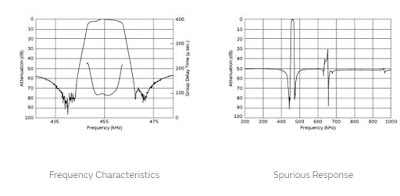
| +/-6kc filter upper left, 455B wide filter to the lover right. |
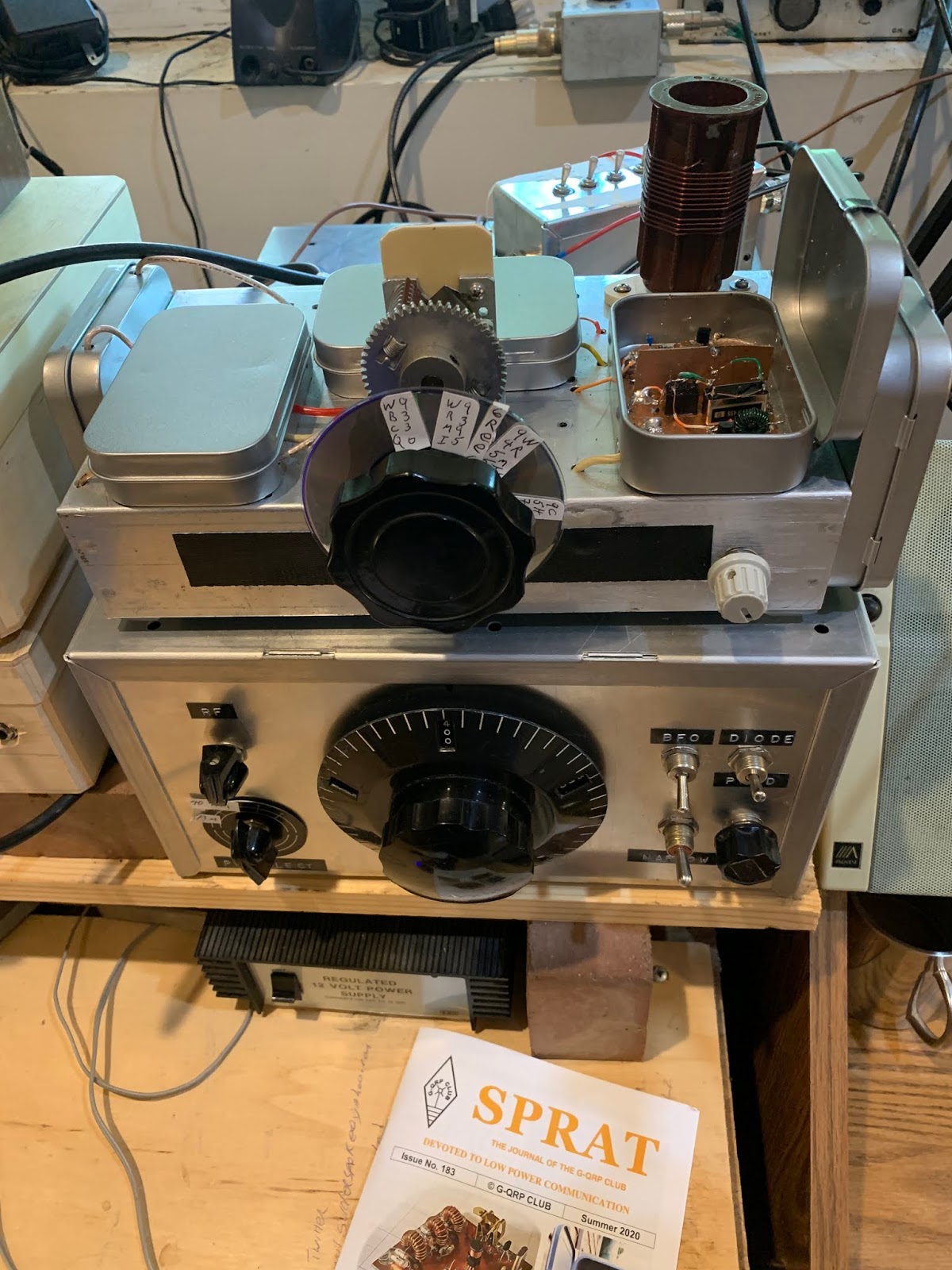 |
| Q-31 with can for first IF amps and filters open |