Month: June 2020
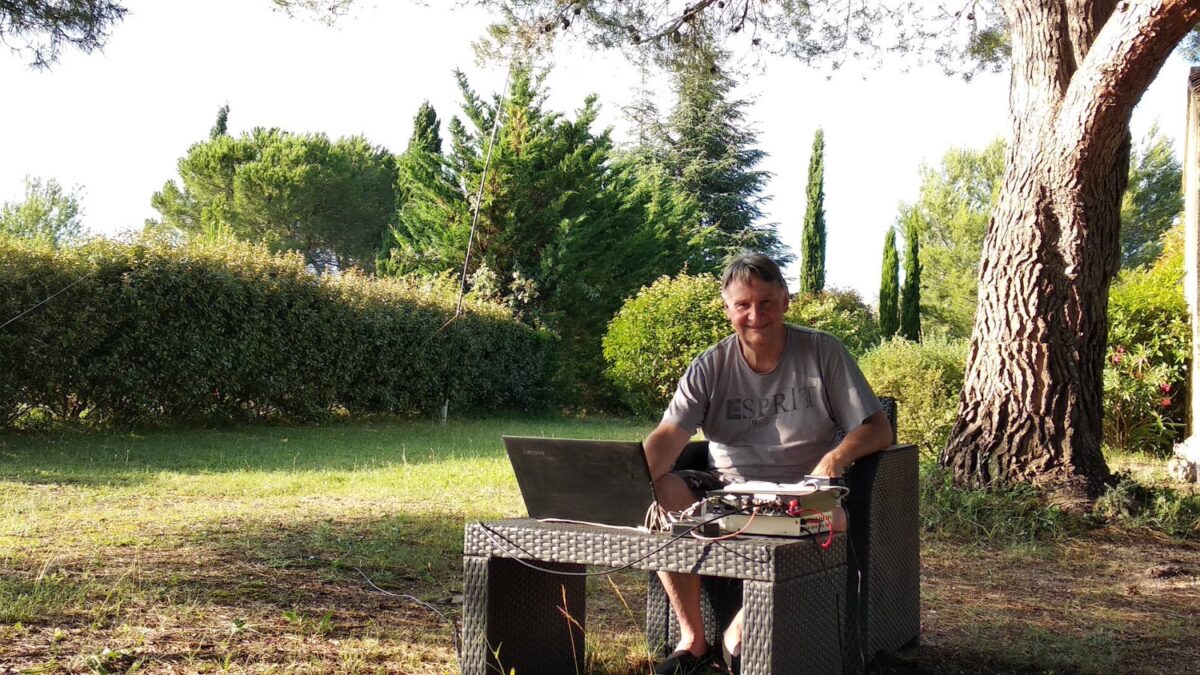
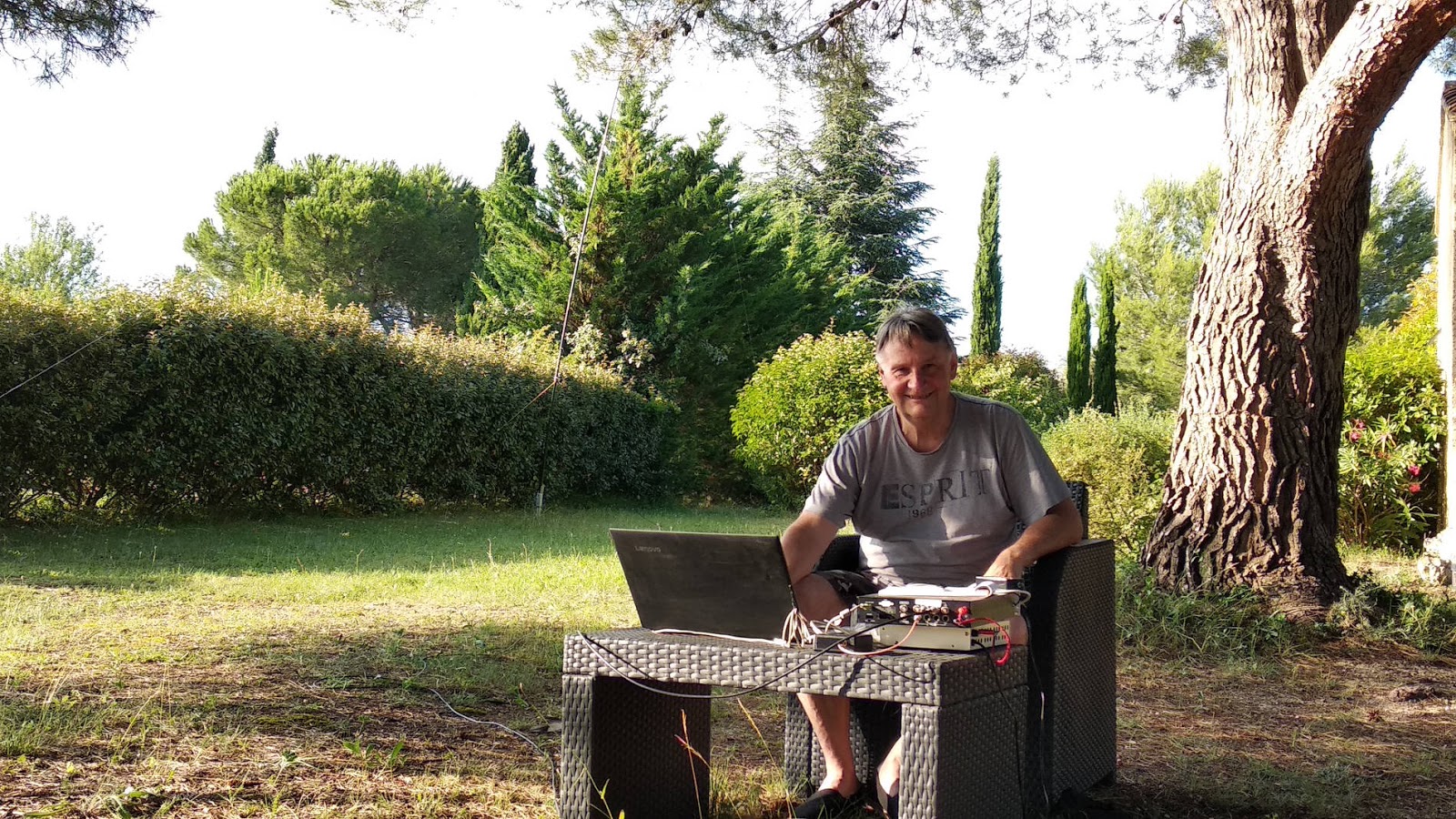
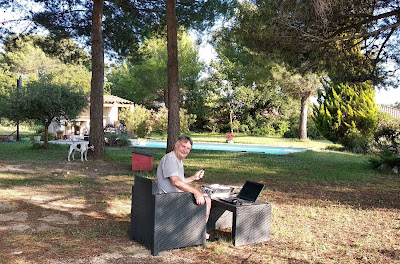
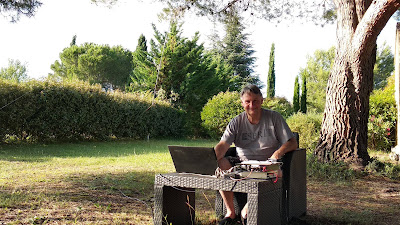
A Backyard Pandemic Field Day in France (Smoke Released!)
SolderSmoke Patreon — What We Will Do with the Money
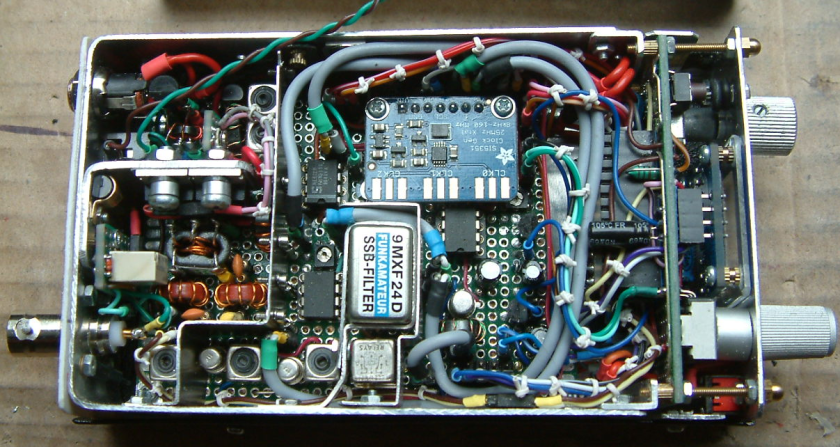
DK7IH Improves his Shirt-Pocket Transceiver
Thanks Peter!
SolderSmoke Podcast #223 Field Day, Club Talks, Patreon, NanoVNA, Farhan Video, SPRAT, BIG MAILBAG
Pete Juliano’s Presentation to the Cedar Valley, Iowa Amateur Radio Club (Slides)
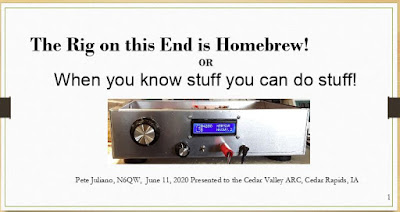
Earlier this month Pete N6QW spoke via Zoom to the Cedar Valley, Iowa Amateur Radio Club. This was an especially appropriate venue for Pete, the creator of the KWM-4; Cedar Rapids was the long-time home of Collins Radio. Many of those in the club used to work for Collins.
Here is Pete’s PowerPoint presentation: http://soldersmoke.com/N6QWslides.pptx
Some notes on the event:
There was also a lot of very nice feedback on the SS Podcasts – there were many regular listener’s in that group.
You can see Pete’s slides here:
http://soldersmoke.com/N6QWslides.pptx
Arduino, Si5351, GPS linked atomic clock, GPS disciplined frequency counter and more…
I’ve made great progress on my Arduino Mega 2560 based rig controller I call the ZX-Front-Panel. I just finished a feature I always wanted which is a built-in *GPS disciplined frequency counter*. It uses the 1-pulse-per-second timing output from the GPS module to create a frequency counter with atomic-clock accuracy. It’s on the solderless breadboard with the rest of the ZX-Front-Panel right now, and even so, it can count up to 30MHz with no trouble! and it should be able to count up to 100MHz or more if built on a ground plane with a little shielding. The best part about it is that it only required one additional chip (a 74LV8154 32-bit counter $1 from Mouser) in addition to the existing parts already on the ZX-Front-Panel; i.e. the Arduino Mega 2560 ($10), the Ublox NEO-6N GPS module ($15), the display ($25), and the Si5351 PLL RF Oscillator ($8).
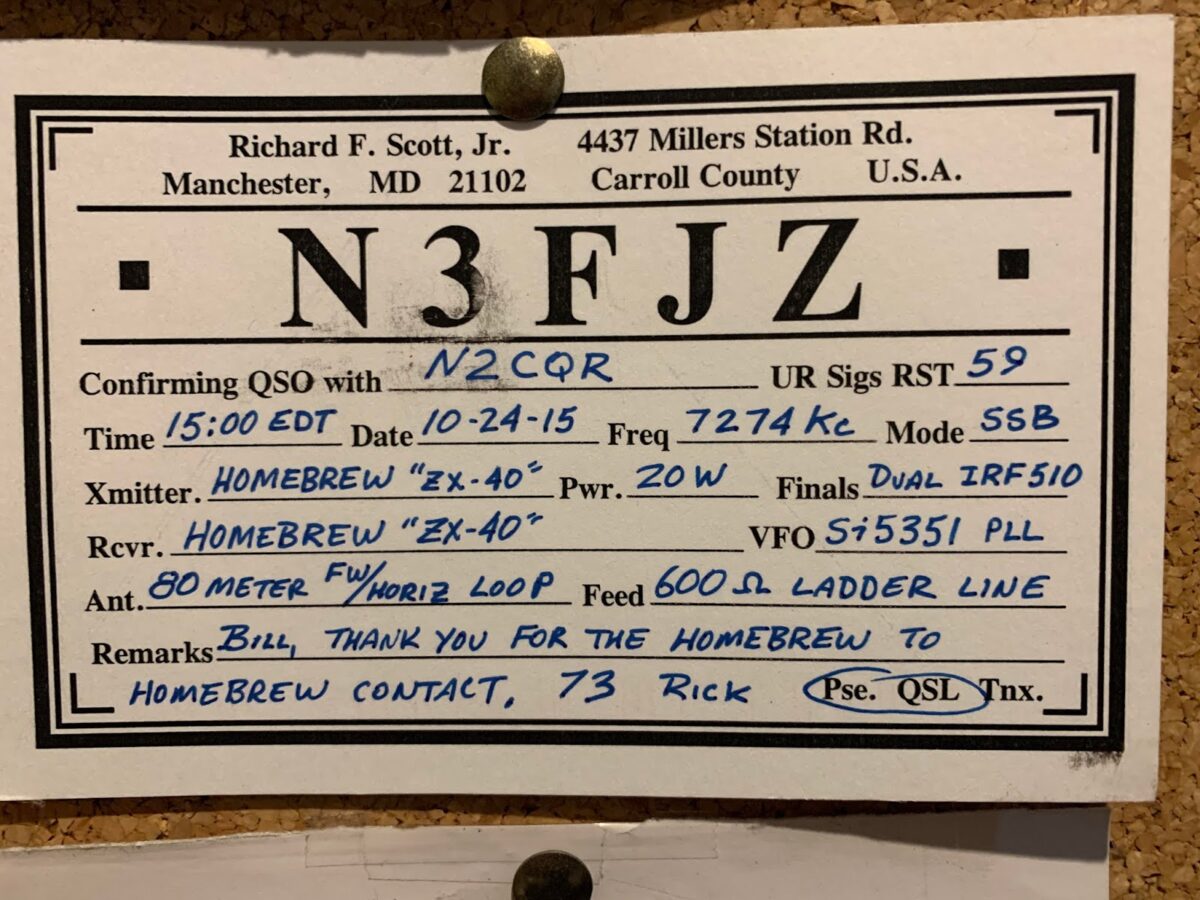
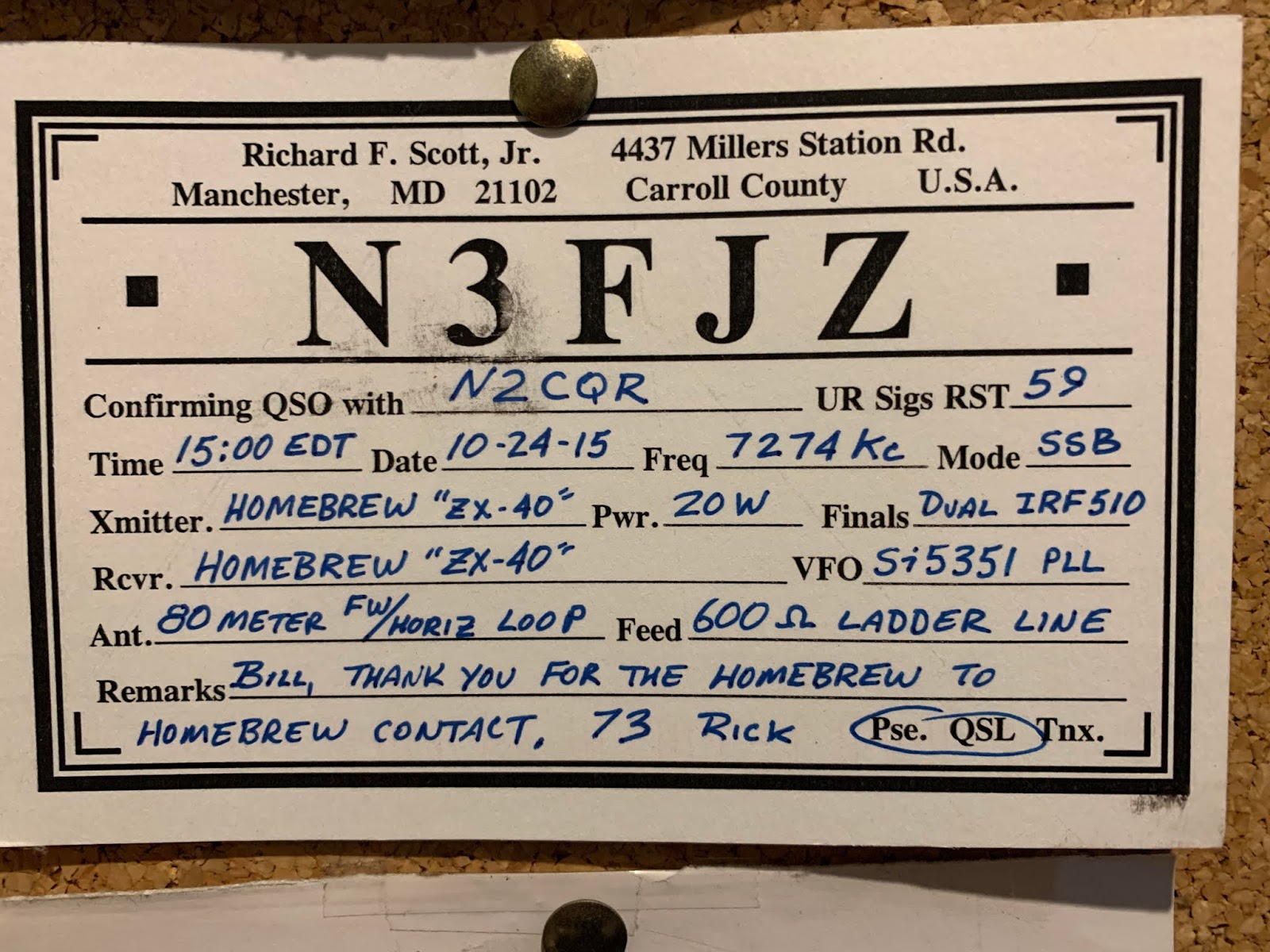
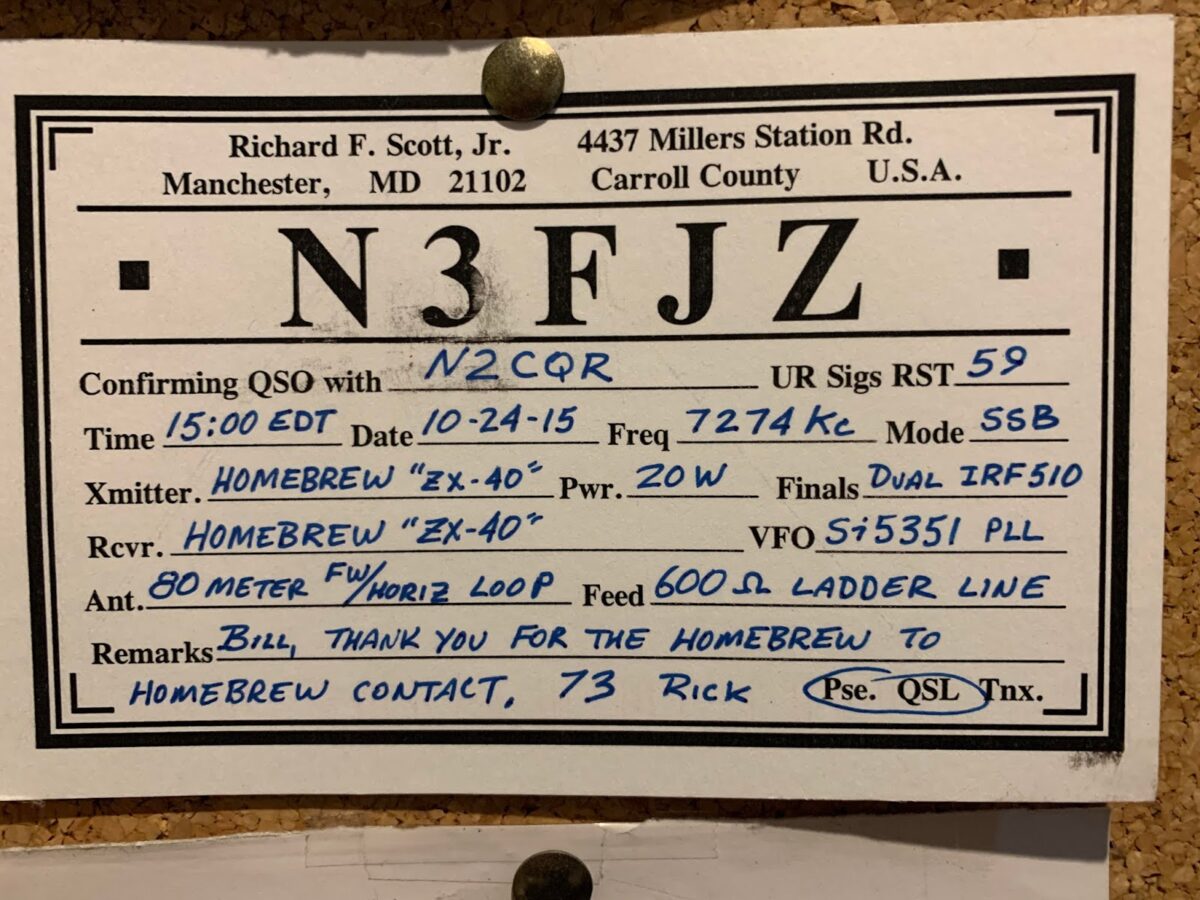
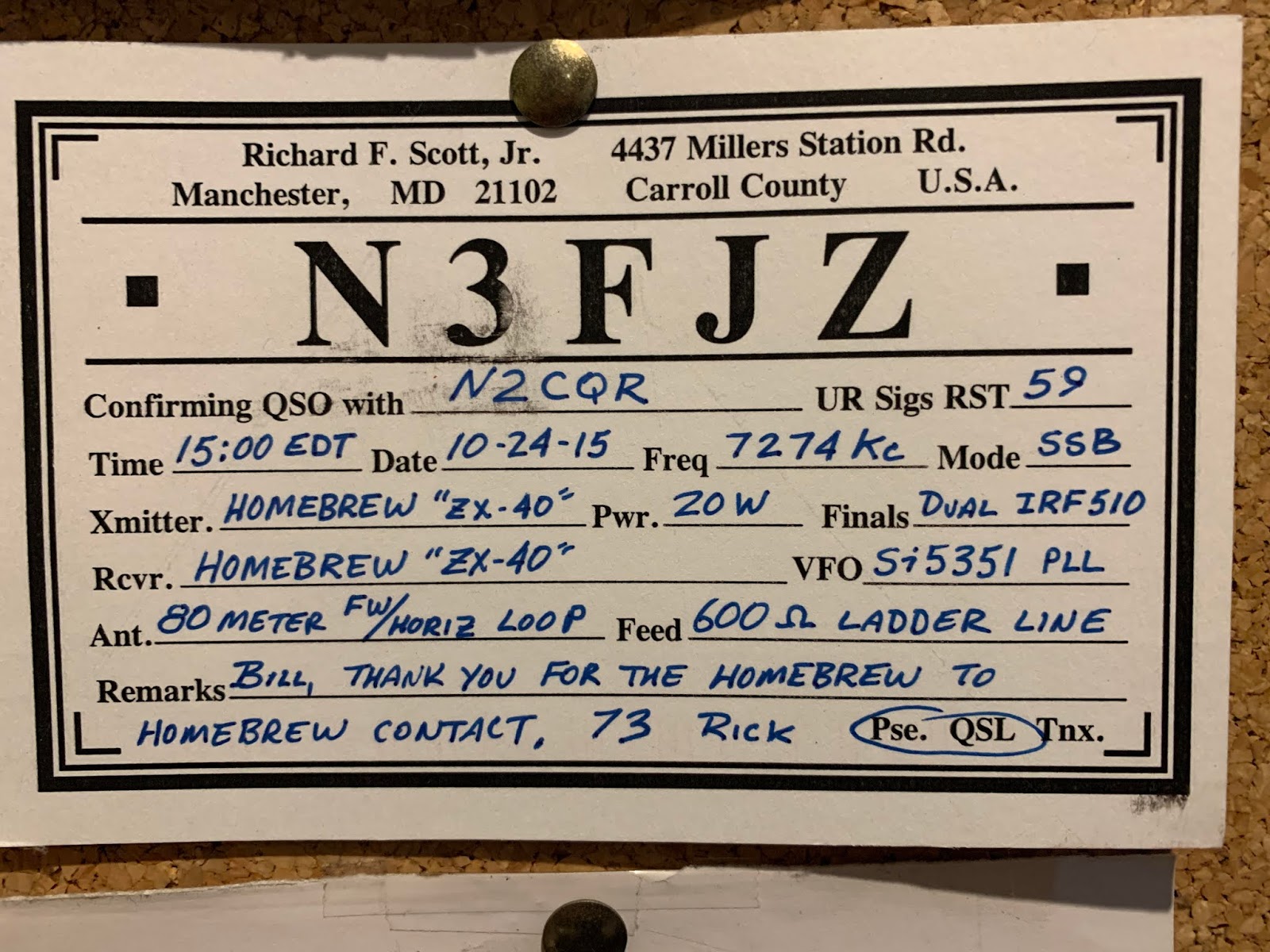
Check out my video series covering the ZX-Front-Panel development progress. The first link below will bring up the video page on my website with the latest video at the top, so you’ll have to scroll down a bit to get to the earlier development stages. Check out the rest of the website too for the schematics of my Bitx / TIA inspired rig design (which I call the ZX-SSB-II) that I used an early version of to make my first HF HB2HB contact with Bill (N2CQR) back in 2014 or so (Bill and Pete, via the Soldersmoke podcast, were my inspiration to build my first SSB homebrew rig).
YouTube videos: http://www.remmepark.com/circuit6040/ZX-SSB-II-Front-Panel/ZX-SSB-II-Front-Panel.html#video
Homepage: http://www.remmepark.com/circuit6040/index.html
Dean AC9JQ and I have been communicating via emailing about his progress in building his own copy of the ZX-Front-Panel, and I’m very excited to learn that he might be thinking about producing a future homebrew rig featuring the ZX-Front-Panel as its controller/VFO. The best thing about the ZX_Front-Panel is that ounce you install the sketch into the Arduino Mega, you don’t need to modify the Arduino sketch itself when you build your rig; i.e. the SSB crystal filter’s center frequency (the I.F. frequency), the Si5351’s clock output drive level, the display brightness and contrast, and the Si5351 crystal correction factor (crystal trim) are all configurable, real-time, right from the ZX-Front-Panel’s user interface, and once set, can be saved to the Arduino’s non-volatile EEPROM to be automatically loaded on the next power-up. Also, since it has a GPS module, it features a UTC/Local real-time clock with atomic clock accuracy too.
Anyway that’s all for now, take care Leif.
73 Rick.
Arduino, Si5351, GPS linked atomic clock, GPS disciplined frequency counter and more…
I’ve made great progress on my Arduino Mega 2560 based rig controller I call the ZX-Front-Panel. I just finished a feature I always wanted which is a built-in *GPS disciplined frequency counter*. It uses the 1-pulse-per-second timing output from the GPS module to create a frequency counter with atomic-clock accuracy. It’s on the solderless breadboard with the rest of the ZX-Front-Panel right now, and even so, it can count up to 30MHz with no trouble! and it should be able to count up to 100MHz or more if built on a ground plane with a little shielding. The best part about it is that it only required one additional chip (a 74LV8154 32-bit counter $1 from Mouser) in addition to the existing parts already on the ZX-Front-Panel; i.e. the Arduino Mega 2560 ($10), the Ublox NEO-6N GPS module ($15), the display ($25), and the Si5351 PLL RF Oscillator ($8).
Check out my video series covering the ZX-Front-Panel development progress. The first link below will bring up the video page on my website with the latest video at the top, so you’ll have to scroll down a bit to get to the earlier development stages. Check out the rest of the website too for the schematics of my Bitx / TIA inspired rig design (which I call the ZX-SSB-II) that I used an early version of to make my first HF HB2HB contact with Bill (N2CQR) back in 2014 or so (Bill and Pete, via the Soldersmoke podcast, were my inspiration to build my first SSB homebrew rig).
YouTube videos: http://www.remmepark.com/circuit6040/ZX-SSB-II-Front-Panel/ZX-SSB-II-Front-Panel.html#video
Homepage: http://www.remmepark.com/circuit6040/index.html
Dean AC9JQ and I have been communicating via emailing about his progress in building his own copy of the ZX-Front-Panel, and I’m very excited to learn that he might be thinking about producing a future homebrew rig featuring the ZX-Front-Panel as its controller/VFO. The best thing about the ZX_Front-Panel is that ounce you install the sketch into the Arduino Mega, you don’t need to modify the Arduino sketch itself when you build your rig; i.e. the SSB crystal filter’s center frequency (the I.F. frequency), the Si5351’s clock output drive level, the display brightness and contrast, and the Si5351 crystal correction factor (crystal trim) are all configurable, real-time, right from the ZX-Front-Panel’s user interface, and once set, can be saved to the Arduino’s non-volatile EEPROM to be automatically loaded on the next power-up. Also, since it has a GPS module, it features a UTC/Local real-time clock with atomic clock accuracy too.
Anyway that’s all for now, take care Leif.
73 Rick.
Feedback on Farhan’s FB Feedback Amp Video
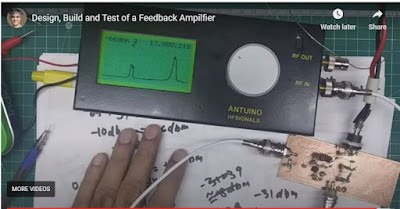
As I said a couple of days ago, Farhan has put out a very informative video on amplifier design. During the video we can see him determine bias, feedback and load levels, then select component values. We then see him actually build the amplifier “ugly style” and use his Antuino to test it. Fantastic.
Watch Farhan’s video here: https://www.vu2ese.com/index.php/2020/06/18/feedback-amplifier/
I sent Farhan some of my reactions to the video. In the hope of stimulating some discussion, I repeat them here:
___________________
Wow Farhan, I really enjoyed your video and learned a lot. You definitely have the Knack for explaining this stuff.
Join up NOW!
Excellent Video from Farhan on Amplifier Design
Farhan has produced a really excellent video explaining the theory behind the feedback amplifiers that we use in so many of our circuits. He takes us through the design and construction of these amplifiers, then uses his Antuino network analyzer to test an amplifier and to measure input and output impedances.
There is a lot of tribal knowledge and wisdom in this video!
Check it out here:
https://www.vu2ese.com/index.php/2020/06/18/feedback-amplifier/
Thanks Farhan!
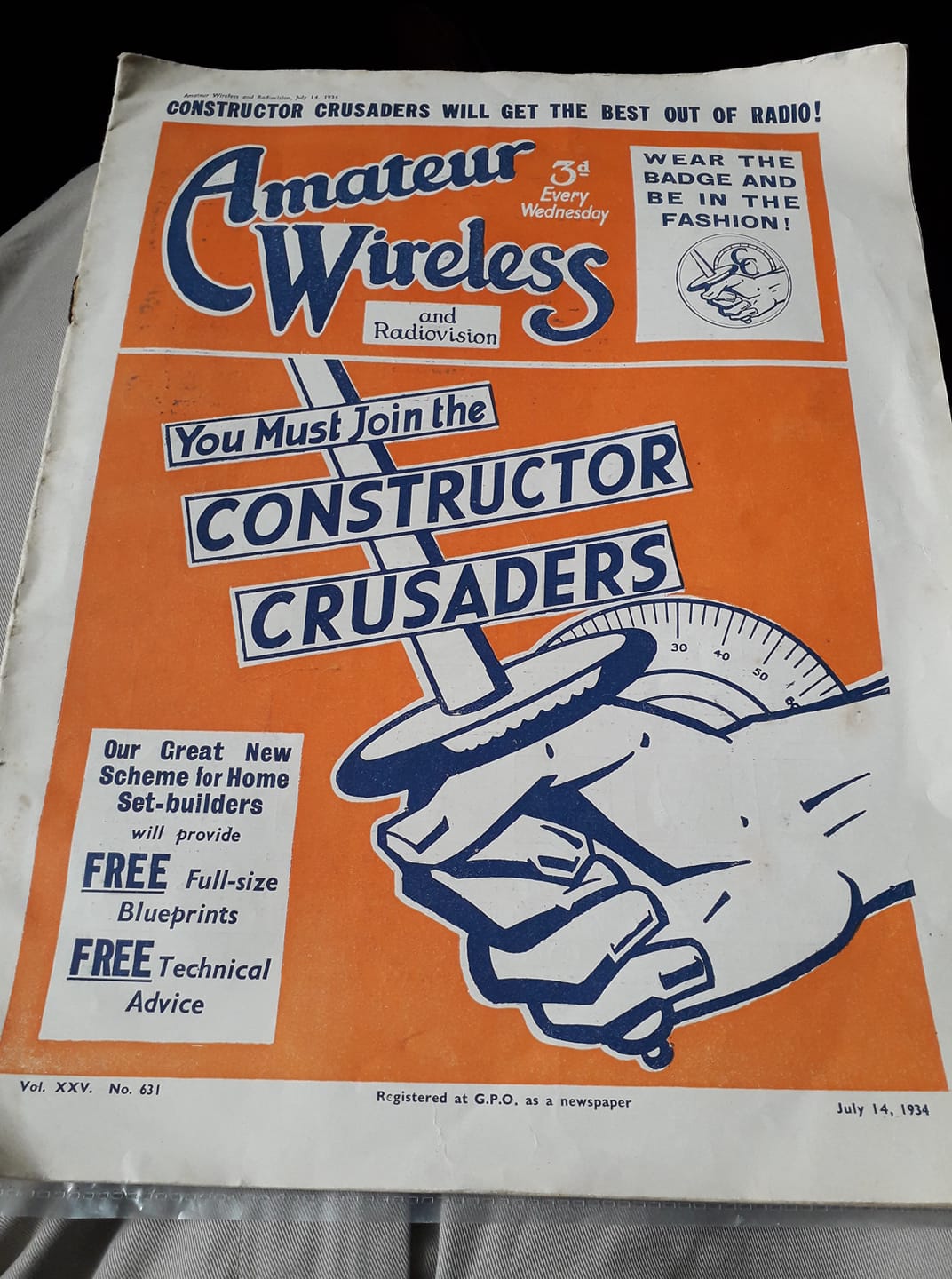
You must join the CONSTRUCTOR CRUSADERS
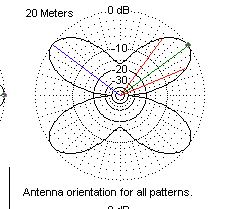
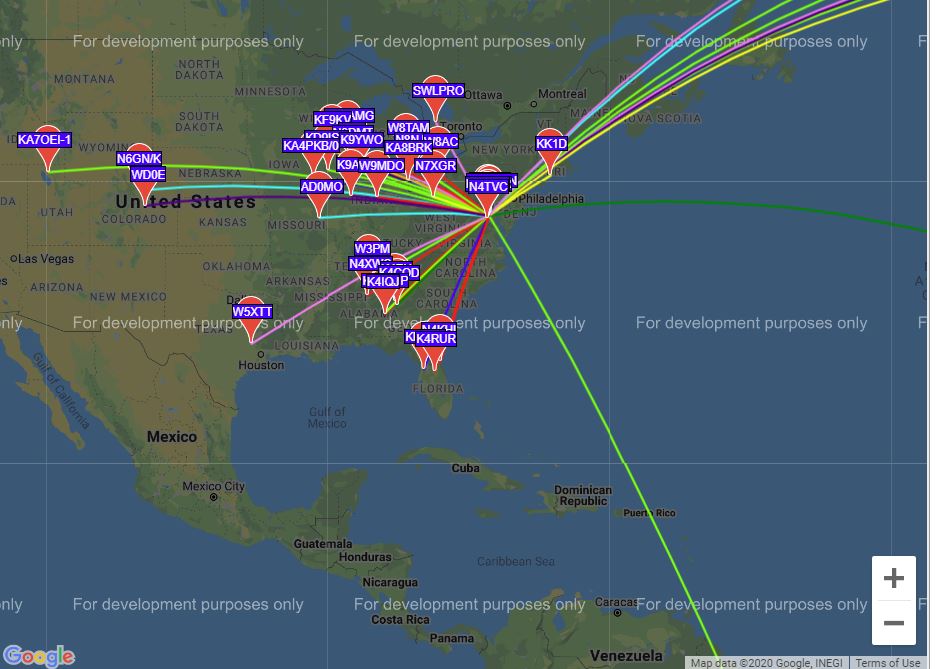
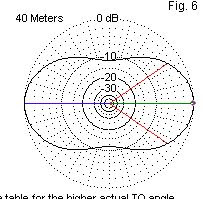
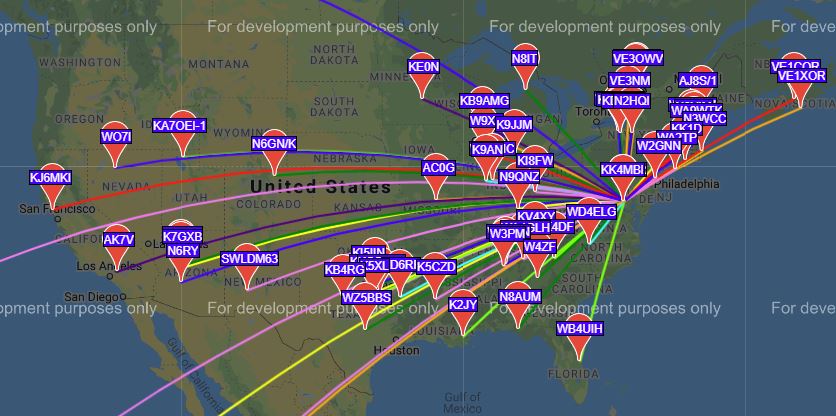
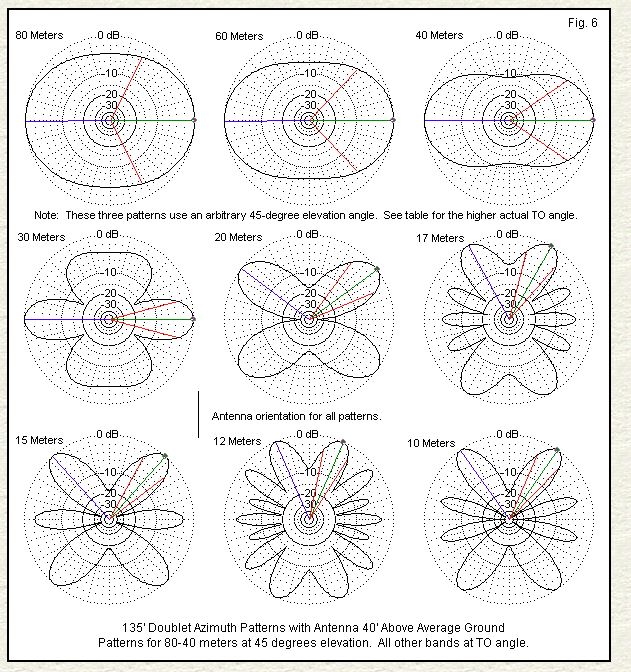
Lobes, Nulls, and “Gain Dipoles” — Testing the Theory with WSPR
Dilbert, Shep, Dex, Pete, Farhan, and Wes! N2CQR Presentation on Homebrewing to Local Radio Club
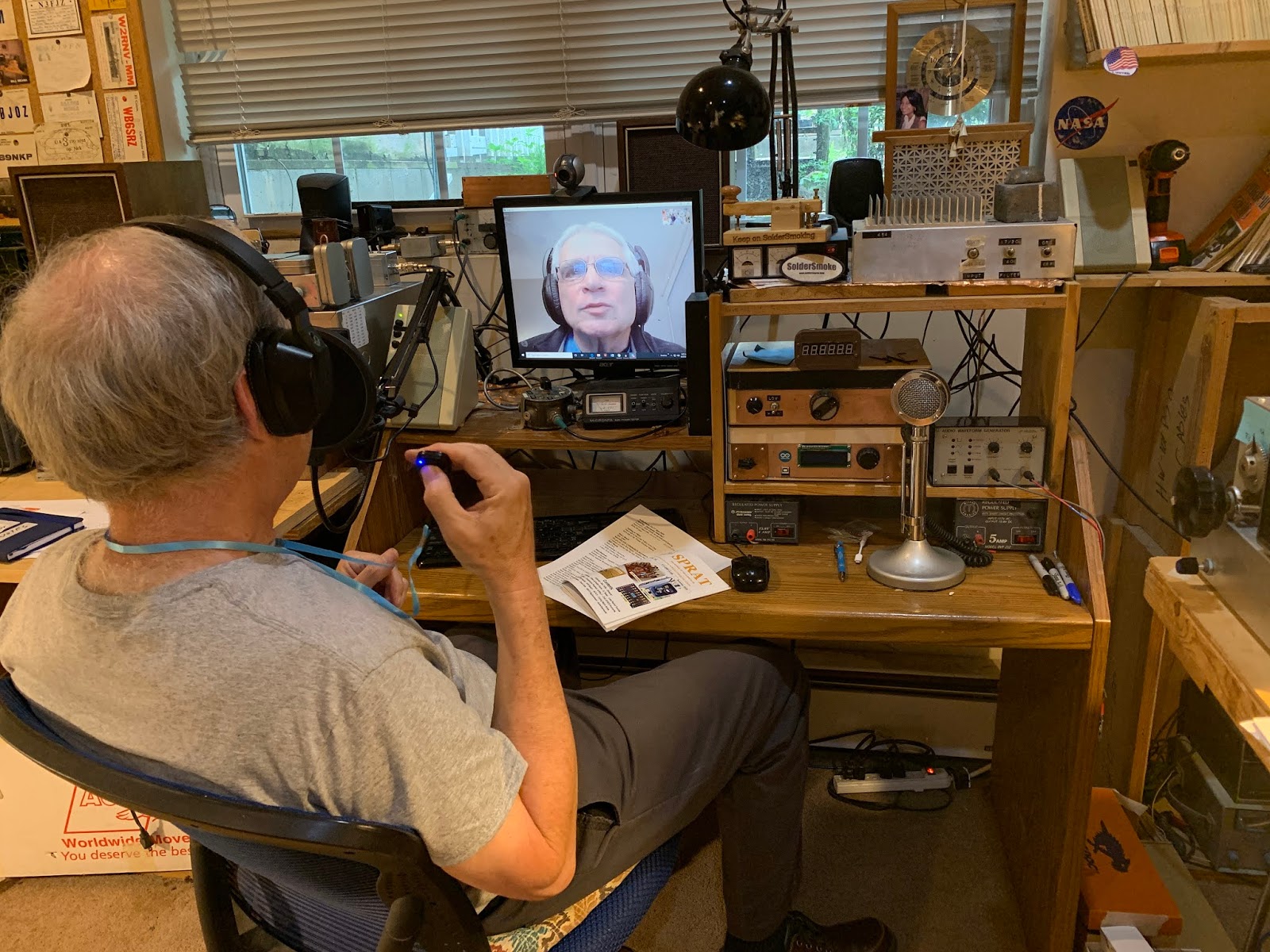
Dean KK4DAS asked me to speak to our local radio club, the Vienna Wireless Society. It was a lot of fun. I talked about my evolution as a homebrewer, some of the rigs I made, the moments of joy, and the tales of woe. You can watch the presentation in the video above.
I was really glad to be able to explain in the presentation the importance of people like Pete, Dex, Farhan, Wes, Shep and even Dilbert.
I was also pleased to get into the presentation the N2CQR sign that Peter VK2EMU made for me. Thanks Peter!
Here is the URL to the YouTube video (also above):
https://www.youtube.com/watch?time_continue=3414&v=VHSr-v4QO7Q&feature=emb_logo
And here are the PowerPoint slides I used:
https://viennawireless.net/wp/wp-content/uploads/2020/06/VWS-presentation-Rig-here-is-homebrew.pdf
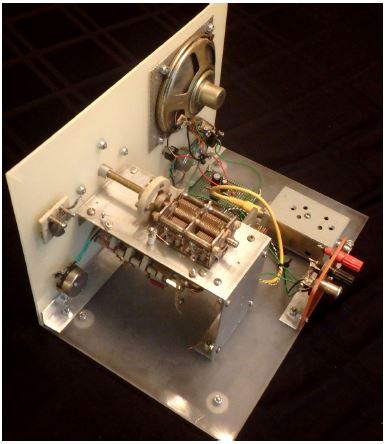
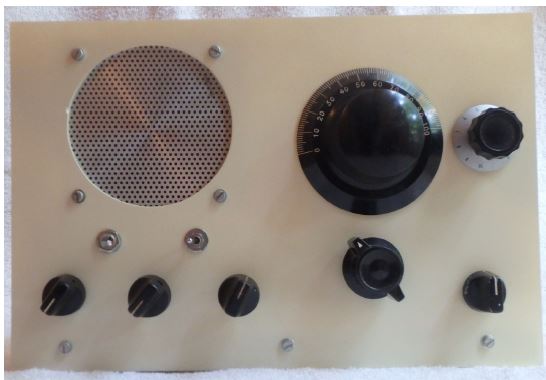
Jerry’s Sproutie: A Short Wave Receiver (and a Limerick) by Jerry KI4IO
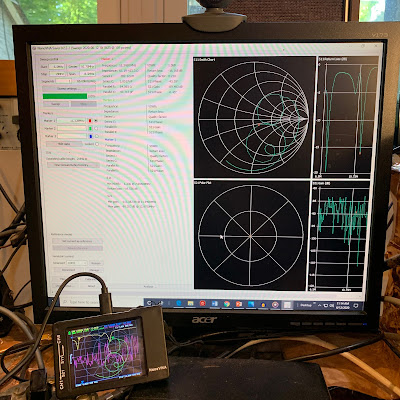
Software for Computer Interface with NanoVNA: NanoVNASaver
Origins of the NanoVNA
https://groups.io/g/nanovna-users/topic/history/68003005?p=,,,20,0,0,0::recentpostdate%2Fsticky,,,20,2,0,68003005
edy555 is a Ham located in Japan and essentially took an existing idea from a couple of Texas Hams and developed sophisticated software and created a kit for the original NanoVNA and opensourced all of it. https://groups.io/g/nanovna-users/topic/51382131#6796
Look at the files section on the forum where I’ve placed his original (translated) design notes: https://groups.io/g/nanovna-users/files/Miscellaneous/NanoVNA%20design%20notes%20by%20edy555
Gen Hu (hugen), a Ham in China then took edy555’s design and improved on the software and hardware and began selling them as assembled devices on the TaoBao website.
Soon, a pile of copies/clones appeared of hugen’s design.Now, version 1 of the NanoVNA hardware which tops out at 1.5GHz is mature and edy555 & hugen are working with others to design NanoVNA V2 that will go up to 3GHz. In the meantime, another developer created the NanoVNA-F with a larger screen but tops out at 1.2GHz
I think the Texas hams Larry is referring to are Milt Cram (W8NUE) and Kees Talen (K5BCQ) who once offered the AQRP Vector Impedance Analyzer kit. The last time I looked that kit was no longer available.
Which had portions derived from a Project STM32-SDR which was developed by
Charlee Hill W5BAA, John Fisher K5JHF, Milt Cram W8NUE and Dave Miller
VE7PKE/VE7HR. The software was released as open source.
The STM32/SDR project has morphed to the IQ32 which is still in production.
Charlie and Milt over the years have created some wonderful things.
Alan Wolke W2AEW Explains the Vector Network Analyzer (VNA) (Video)
I told Alan that his video on VNAs was — for me — very timely. The video popped up on YouTube on the day than my NanoVNA was being delivered. TRGHS.
Alan does a great job in explaining what the VNA does. Particularly useful for me was his explanation of the VNA’s ability to measure phase differences (through the use of directional couplers).
I am having fun with my NanoVNA, happily measuring SWR and the bandpass characteristics of various filters. Mine came with what looks like a guitar pick — this is used as a stylus to hit the small boxes on the touch-screen. A nice touch…
I wish there was some good software for use with this VNA. Apparently the nice software described by Joe Smith (yesterday’s blog post) is quite expensive. Is there a free alternative out there?
NanoVNA, Millen Dip Meter, Kilo-Megacycles, and Measuring the Speed of Light (Video)
Yesterday my NanoVNA arrived. This morning I was looking for info on how to use it and I found this really wonderful video from Joe Smith.
Wow. Joe gives a really useful intro to the capabilities of this amazing little device. He even reaches back in time and compares NanoVNA results with those obtained by a Millen Grid Dip Meter. He pulls out of his junk box an attenuator that is so old that it is marked in “Kilo-Megacycles.” (Shouldn’t we revive terms like that?)
Joe also gives us a taste of what it is like to live and work in the GHz range. He warns us never to touch the SMA connectors on our NanoVNAs (too late Joe). And — get this — he uses a torque wrench to connect the little SMA coax connectors to the NanoVNA. I’m not kidding. A torque wrench. Joe connects surface mount capacitors and inductors that have their values specified not only in picofarads and microhenries, but also at the specific frequency at which they were measured.
My understanding of the Smith Chart was greatly improved by watching Joe’s video.
Icing on the cake: Joe wraps up the video by using the NanoVNA to MEASURE THE SPEED OF LIGHT. Great stuff. Thanks Joe.
Here is Joe Smith’s YouTube channel:
https://www.youtube.com/channel/UCsK99WXk9VhcghnAauTBsbg
Now I have to get the software to use the NanoVNA with my computer.
Lightning Strike on the Washington Monument
Here in the DC area, the monument is very frequently in view. I have been up to the observation deck. We were here for the earthquake that damaged the structure. On Thursday night someone made a good video of lightning hitting the monument.
This particular storm was flashing through my window, and was visible during a Zoom class through the windows of persons elsewhere in the area.
This lightning storm took out one of NA5B’s amazing Web SDR receivers. I think it was only the LF receiver. I am sure Mehmet will have it back on-line soon.
Here is an article on the topic:
https://www.popularmechanics.com/science/a32781804/watch-lightning-strike-washington-monument/