Skip to content
SolderSmoke Daily News — Ham Radio Blog

SolderSmoke Daily News — Ham Radio Blog

Serving the worldwide community of radio-electronic homebrewers. Providing blog support to the SolderSmoke podcast: http://soldersmoke.com

Month: November 2014

Graham G4UEK has THE KNACK

Thanks to Stephen for alerting me to the homebrew page of Graham G4UEK:

http://www.sandrock.org.uk/radiostuff/Rigs.htm

I really liked the description of his progress as a homebrewer, and the way he was helped by G-QRP, SPRAT and Ian G3ROO. FB.

Graham has a nice personal ham radio story:

http://www.sandrock.org.uk/radiostuff/Radio.htm

Thanks Stephen! Thanks Graham!

Our book: “SolderSmoke — Global Adventures in Wireless Electronics” http://soldersmoke.com/book.htm Our coffee mugs, T-Shirts, bumper stickers: http://www.cafepress.com/SolderSmoke Our Book Store: http://astore.amazon.com/contracross-20
Author Peter MarksPosted on 30 November 2014Categories Knack Stories, SPRAT, UKLeave a comment on Graham G4UEK has THE KNACK

Ben’s Mighty Mite — IT IS ALIVE!

Ben’s Mighty Mite — IT IS ALIVE!

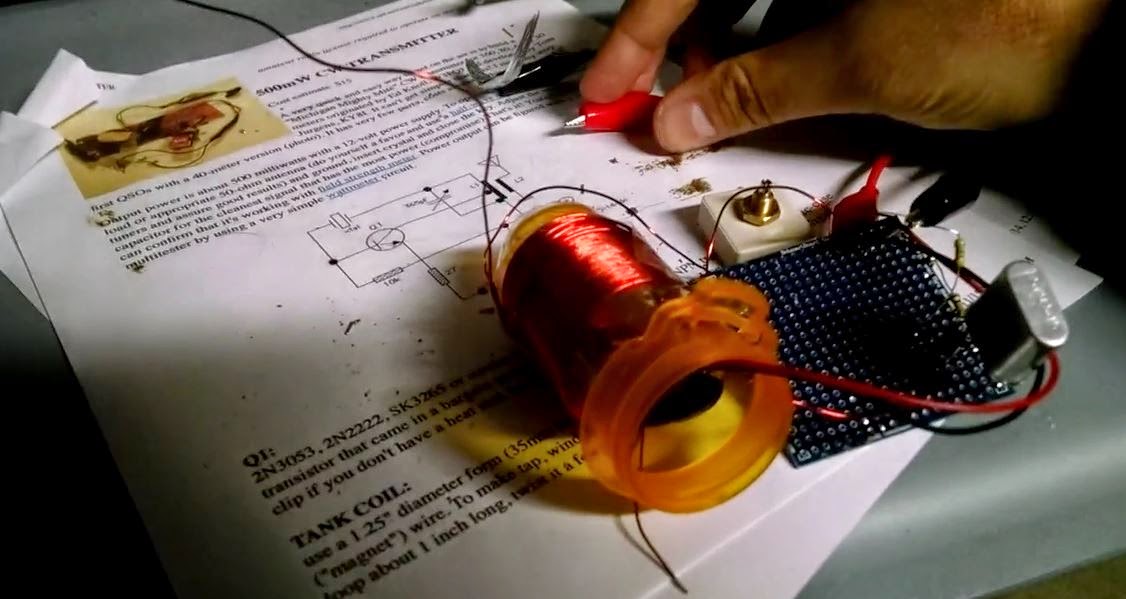
Ben KD9JNQ is the first of the Colorburst Liberation Army (CLA) recruits to get his Michigan Mighty Mite to oscillate. So he has been promoted to Colonel.

Ben writes:

Bill and Pete, thanks again for the encouragement!

EL CLA UNIDO JAMAS SERA VENCIDO

Ben
KD9JNQ

Our book: “SolderSmoke — Global Adventures in Wireless Electronics” http://soldersmoke.com/book.htm Our coffee mugs, T-Shirts, bumper stickers: http://www.cafepress.com/SolderSmoke Our Book Store: http://astore.amazon.com/contracross-20
Author Peter MarksPosted on 29 November 201422 July 2025Categories Juliano -- Pete, Michigan Mighty Mite, minimalist radioLeave a comment on Ben’s Mighty Mite — IT IS ALIVE!

Colorburst Explained

Colorburst Explained

http://en.wikipedia.org/wiki/Colorburst

Our book: “SolderSmoke — Global Adventures in Wireless Electronics” http://soldersmoke.com/book.htm Our coffee mugs, T-Shirts, bumper stickers: http://www.cafepress.com/SolderSmoke Our Book Store: http://astore.amazon.com/contracross-20

Author Peter MarksPosted on 29 November 201421 July 2025Categories Michigan Mighty Mite, minimalist radioLeave a comment on Colorburst Explained

Bill’s Dominican Mighty Mite (1993)

Bill’s Dominican Mighty Mite (1993)

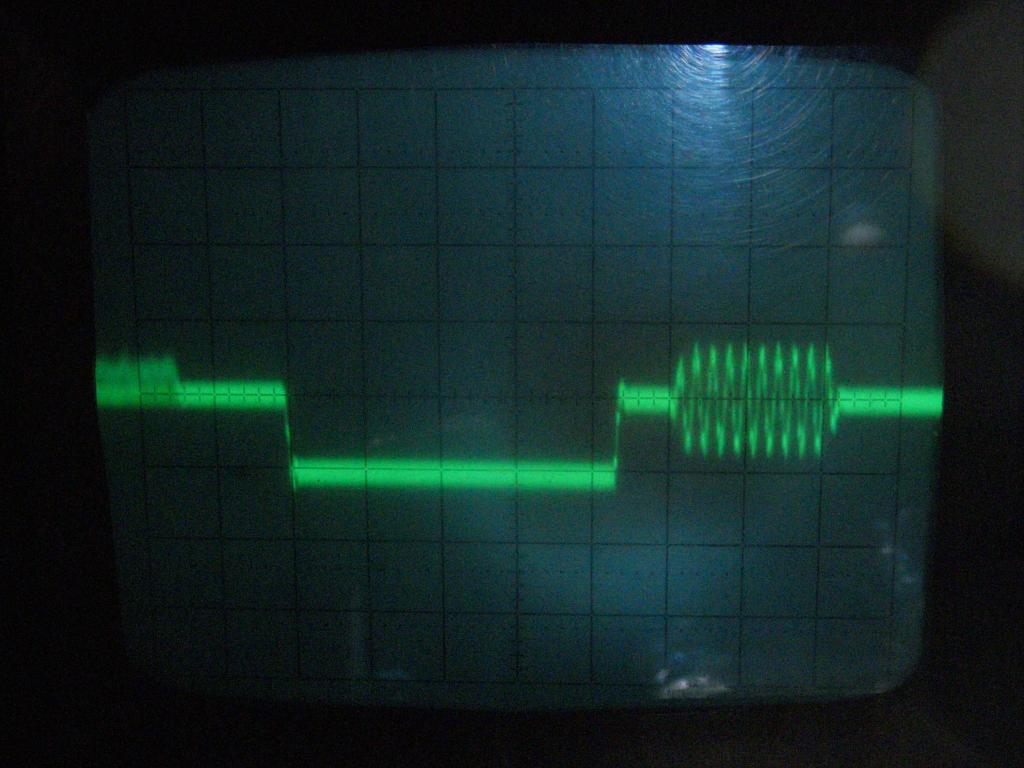
If you look closely, just in front of my keyboard you can see the Michigan Mighty Mite that I rebuilt this morning (scroll down to see the previous post). Looks like I was using a polivaricon as the capacitor. Other than the cap, all the parts used in this 2014 version were from the 1993 effort. Here is how it is described in “SolderSmoke — Global Adventures in Wirless Electronics”:

I decided to start off slow, with small projects that seemed likely to succeed. The secretary in our office in the Embassy, Mady Bullen, had an interest in ham radio that had been sparked by service in far-off places where short-wave was the only way to talk to home. She would pass me old issues of CQ magazine. It was in the March 1992 issue that I found the Michigan Mighty Mite.
It was originated by Ed Knoll, W3FQJ and developed by Tom Jurgens, KY8I. It is about as simple as you can get in a radio transmitter: just one stage, a crystal controlled oscillator.
An oscillator is basically an amplifier in which some of the output signal is fed back into the input. If you provide enough feedback in the right way, the amplifier will “take off” and begin generating a signal. The howl you hear when the microphone of public address system gets too close to the speaker is this kind of signal. The speaker (the output) is sending energy back to the input (the microphone) and what was an amplifier turns (annoyingly) into an oscillator. In this case it is an audio frequency oscillator because all the filters and tuned circuits in the PA system are built for the audible frequencies. But the same thing will happen at radio frequencies. That’s what the Michigan Mighty Mite is all about.
I put the thing together using parts obtained from the Santo Domingo Radio Shack store. The resonant circuit used a coil that was just some wire wound around a discarded plastic 35mm film container. Homebrew radio projects rarely work the first time you power them up. I had to fidget with this thing quite a bit—obviously there wasn’t enough feedback. I had my Drake 2-B on and tuned to the crystal’s frequency. As I poked around on the little circuit board, I suddenly heard a little chirp from the 2-B. There it was! The little device that I had put together was producing radio frequency energy on the 40 meter band. Hooray! The joy of oscillation! Now I felt like I was truly in league with Faraday and Marconi, with Shep, Stan and Bollis, and with Serge! Hilmar would have been proud of me (but he still would have been horrified by my sloppy wiring).

I never was able to talk to anyone with that little device—the power output was very low, and my antenna for the 40 meter band was very poor. But it didn’t really matter. I had had my first real success at homebrewing a piece of ham radio gear.

Our book: “SolderSmoke — Global Adventures in Wireless Electronics” http://soldersmoke.com/book.htm Our coffee mugs, T-Shirts, bumper stickers: http://www.cafepress.com/SolderSmoke Our Book Store: http://astore.amazon.com/contracross-20
Author Peter MarksPosted on 28 November 201421 July 2025Categories Dominican Republic, Knack Stories, Michigan Mighty Mite, minimalist radioLeave a comment on Bill’s Dominican Mighty Mite (1993)

Bill’s Re-Born 1993 ColorBurst Michigan Mighty Mite

Bill’s Re-Born 1993 ColorBurst Michigan Mighty Mite
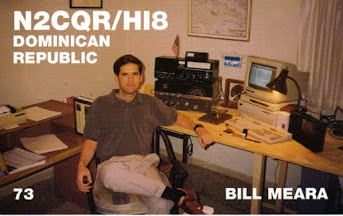
So far we’ve sent out 9 of these color burst 3.579 MHz crystals. It occurred to me that I should make sure these particular rocks work with the Michigan Mighty Mite design we’ve been advocating. So today — still in something of a turkey-induced haze — I pulled out the surviving remnants of the MMM that I built back in 1993. That one had been for 40, so I rewound the coil for 80 using the data from this MMM site: http://www.qsl.net/wb5ude/kc6wdk/transmitter.html

I was hoping that this rig might oscillate even without the variable capacitor, but mine did not. Once the cap was placed in the circuit, the oscillations began. It sounds pretty good on my Drake 2B.

I have not yet wound the secondary (antenna) coil but (as I suspected) the oscillator works fine without it.

So, no excuses folks. These cheap junk box crystals work. Time to build one of these things and join the ranks of hams who have homebrewed a transmitter (and, of course, The ColorBurst Liberation Army).

Our book: “SolderSmoke — Global Adventures in Wireless Electronics” http://soldersmoke.com/book.htm Our coffee mugs, T-Shirts, bumper stickers: http://www.cafepress.com/SolderSmoke Our Book Store: http://astore.amazon.com/contracross-20
Author Peter MarksPosted on 28 November 201421 July 2025Categories Michigan Mighty Mite, minimalist radio2 Comments on Bill’s Re-Born 1993 ColorBurst Michigan Mighty Mite

Colin’s BITX is Receiving!

Colin’s BITX is Receiving!
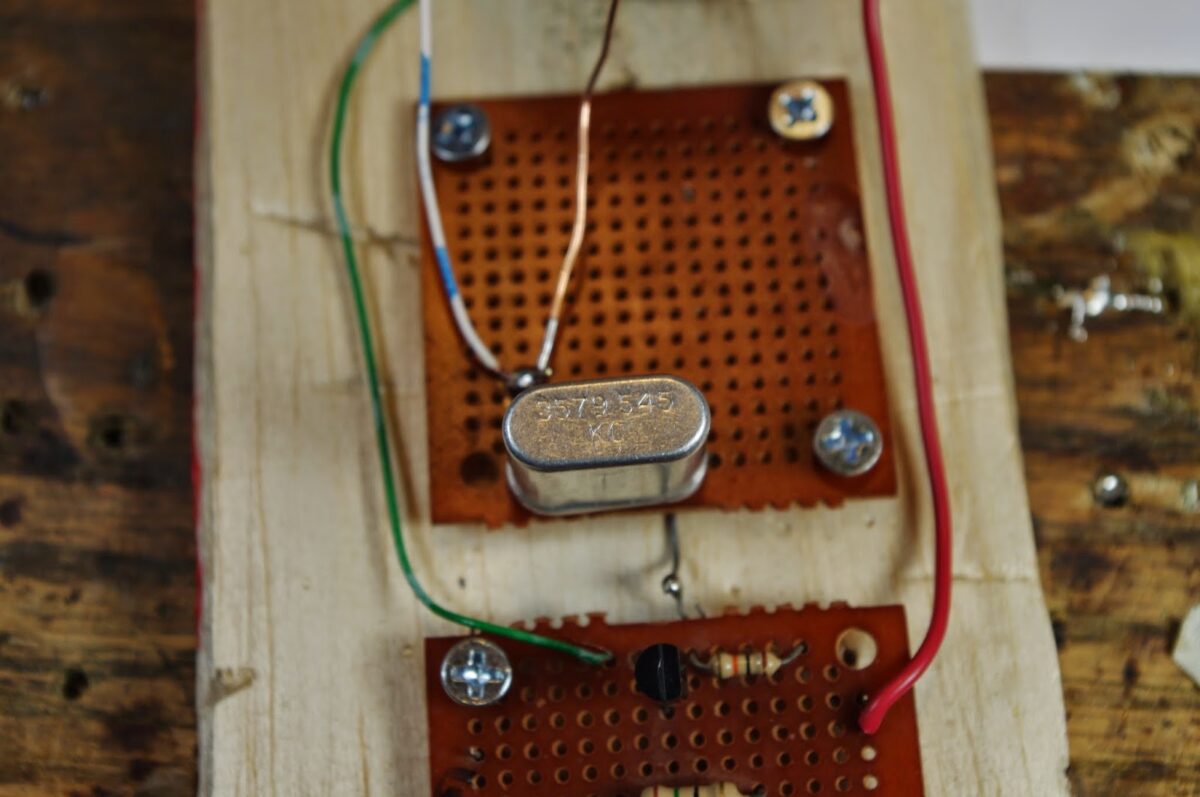
Wow, quite a bit of progress at M1BUU since our last look (see below). I must admit, that Arduino DDS board looks quite nice sitting there in the VFO territory. In his original BITX20 article Farhan recommends a pause before the construction of the final portions of the transmitter — the builder is advised to sit back and enjoy the receiver that has just been created. Colin is at that point! Congratulations Colin. He has noted that his board is a bit(x) smaller than mine. Maybe he should stick with Farhan’s recommendation and build the PA and driver on a separate board. This will also help prevent the dreaded oscillations — no need to tempt fate or anger the radio gods!
Hi Pete,

Another great SolderSmoke episode this weekend, I really like the humour between you and Bill! I listened to SS whilst melting solder on my BITX project.

I had really wanted to get my BITX working as a receiver before the end of the weekend, but Lewis Hamilton and his (successful) bid to become Formula 1 World Champion, put an end to that idea! I also decided that I wanted to buy some better quality capacitors for the band pass filter, so I’ve ordered them today.

I fired up the receiver chain for the first time this evening from where the BPF should be, right through to the AF amp, I’m pleased to report that I seem to have created a working superhet receiver! I heard some BC breakthrough at certain points of the tuning range and the rig receives the second harmonic of my Rishworth Buildathon 40m transmitter beautifully (on right part of dial too!). I hadn’t tested the RX IF amps or AF amp before, but they seem to be doing just fine.

I’m so pleased to have got so far, and I’m very pleased with the build. That big copper clad board doesn’t look so big now, but I think I have room for the TX/RX switch, BPF, RF driver, RF PA and LPF which I still need to add.
Thanks for the encouragement and advice so far, I doubt I’d be feeling so elated at this point without it!
This is going to be a really cool rig!
73, Colin M1BUU

Hi Colin,
Two words come to mind: Absolutely Superb! Wow that is such a work of art. I may never show another one of my projects as you have set the standard and benchmark.
You also have demonstrated building from the back end which we discussed in SS168. Now what you have built is a part of the test system.
Really outstanding. Be sure and video your 1st qso and share on You Tube.
Bravo!
73’s
Pete

Our book: “SolderSmoke — Global Adventures in Wireless Electronics” http://soldersmoke.com/book.htm Our coffee mugs, T-Shirts, bumper stickers: http://www.cafepress.com/SolderSmoke Our Book Store: http://astore.amazon.com/contracross-20
Author Peter MarksPosted on 26 November 201421 July 2025Categories Arduino, BITX20, Farhan, Juliano -- Pete, UKLeave a comment on Colin’s BITX is Receiving!

Pete Builds a Michigan Mighty Mite

Pete Builds a Michigan Mighty Mite
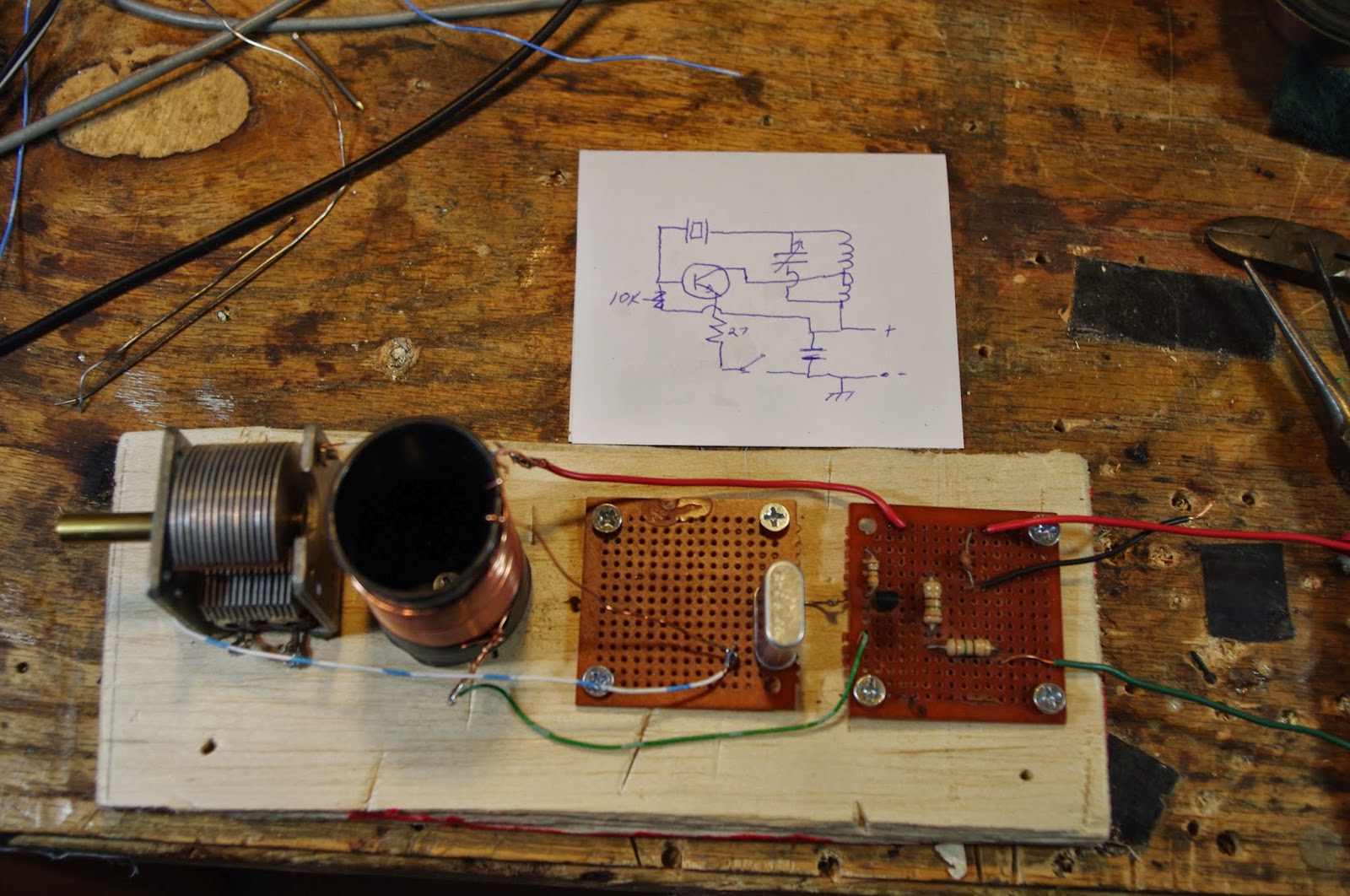
We have been distributing quite a few 3.579 MHz crystals, but until today we hadn’t seen a single new Michigan Mighty Mite. I commented on this in the last podcast. Pete came to the rescue and built one:

Hi Bill,
The MMM was built – took me a long time (about 30 Minutes so it was kind of slapped together). The most time was consumed drawing squares on the sheet metal. I used a pill bottle cut down for the coil.
Used a piece of Home Depot sheet metal for the based. I highly recommend a .01 Ufd from the 27 Ohm to ground –key clicks are awful.
BTW the circuit can be modified so that the tuning cap is soldered to one side of the coil and the other side to ground –essentially the tank tuning cap is in series with the 0.05 bypass cap and is effectively across the coil. Tribal Knowledge
The CLA lives on!
Pete
VIVA EL EJERCITO DE LA LIBERACION DEL COLORBURST! VIVA EL CLA!

Our book: “SolderSmoke — Global Adventures in Wireless Electronics” http://soldersmoke.com/book.htm Our coffee mugs, T-Shirts, bumper stickers: http://www.cafepress.com/SolderSmoke Our Book Store: http://astore.amazon.com/contracross-20
Author Peter MarksPosted on 26 November 201421 July 2025Categories Juliano -- Pete, Michigan Mighty Mite, minimalist radioLeave a comment on Pete Builds a Michigan Mighty Mite

Pete’s Michigan Mighty Mite Manhattan MePad Noodle

Pete’s Michigan Mighty Mite Manhattan MePad Noodle

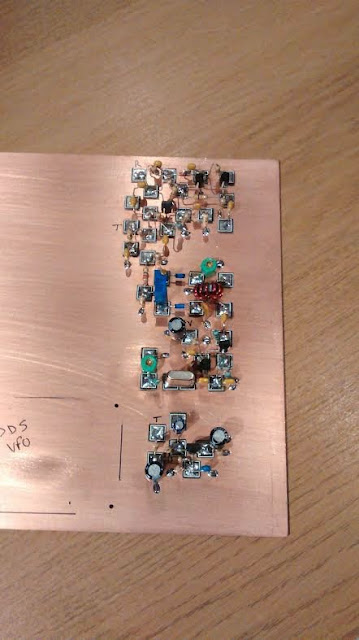
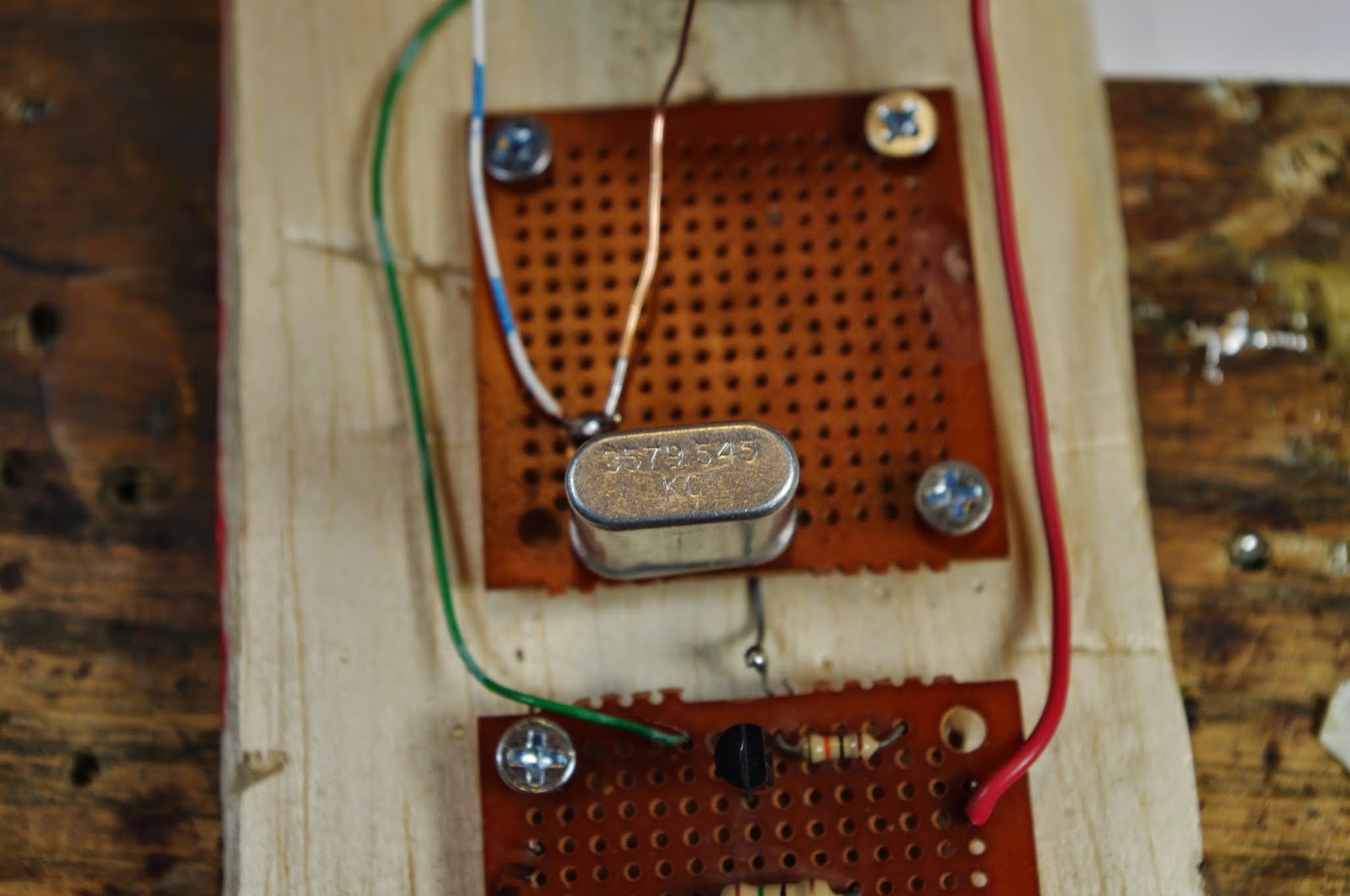
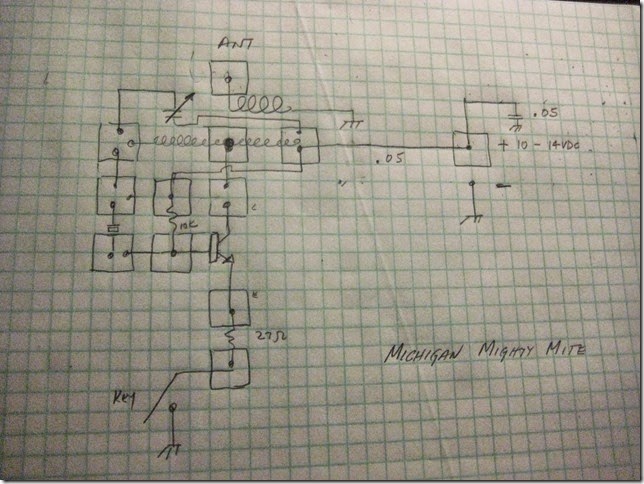
New recruits have been signing up for the Color Burst Liberation Army. We have been sending out many more 3.579 MHz crystals. Pete Juliano was doing some noodling and came up with this plan for Manhattan pads or Me(Maine)Pads. All you need is some copper clad board, a pair of Home Depot tin shears and some super glue. Cut out the pads, glue them down, add components and get the Mighty Mite percolating.

Our book: “SolderSmoke — Global Adventures in Wireless Electronics” http://soldersmoke.com/book.htm Our coffee mugs, T-Shirts, bumper stickers: http://www.cafepress.com/SolderSmoke Our Book Store: http://astore.amazon.com/contracross-20
Author Peter MarksPosted on 25 November 201421 July 2025Categories Juliano -- Pete, Michigan Mighty Mite, minimalist radio, Smith--Steve1 Comment on Pete’s Michigan Mighty Mite Manhattan MePad Noodle

FINALLY! A Computer Made with Discrete Transistors!

FINALLY!  A Computer Made with Discrete Transistors!

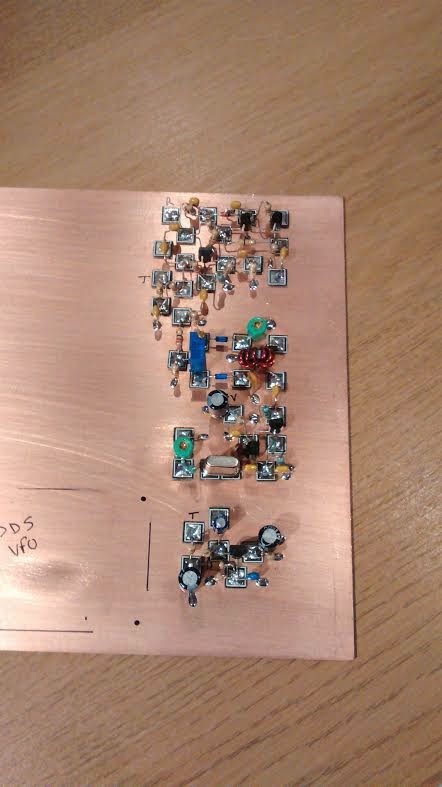
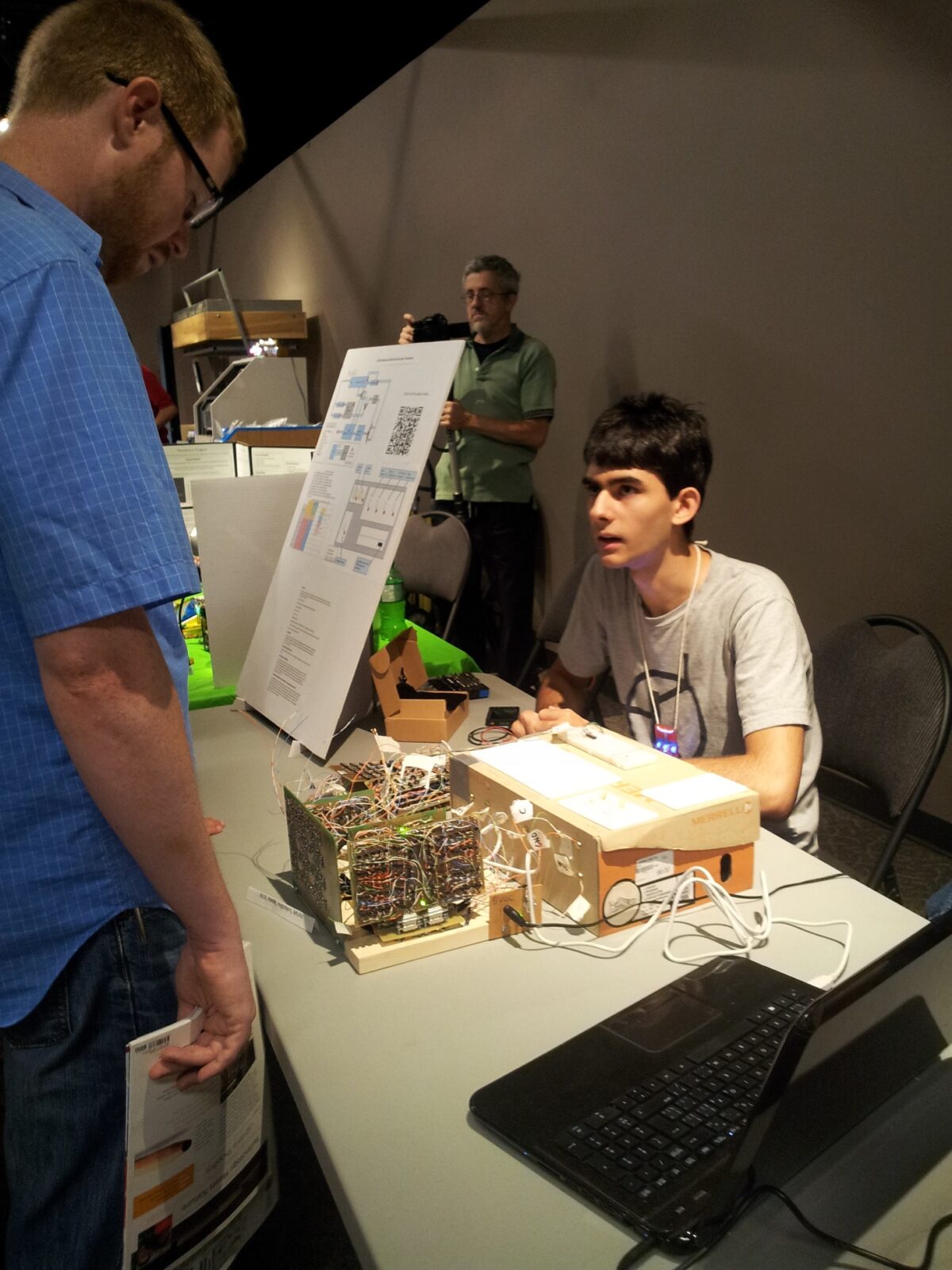
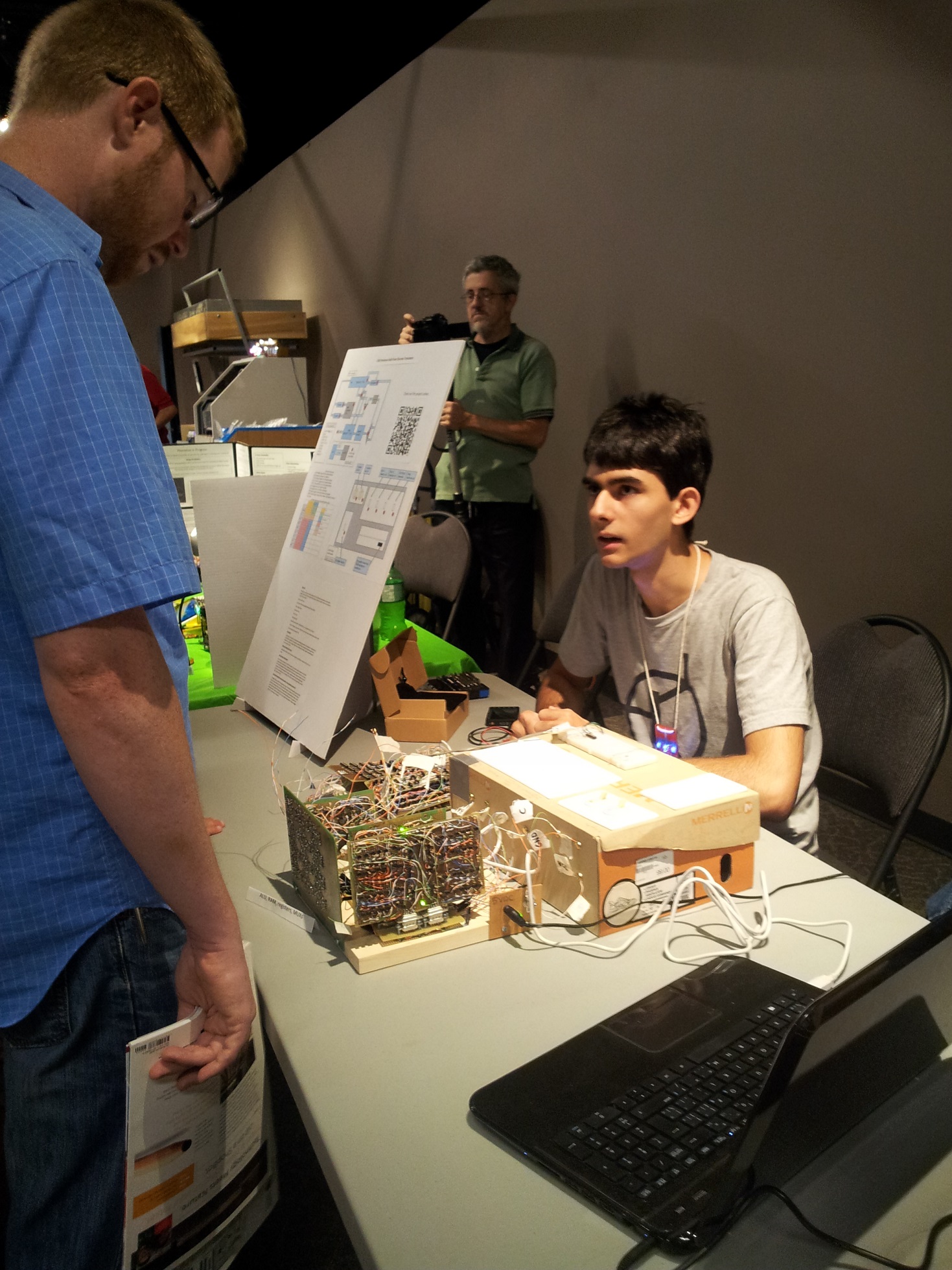
Note the discrete BJT transistor T-shirt. Note the haunted, obsessed look in his eyes. This fellow is building a computer out of discrete transistors. He clearly has The Knack.
http://hackaday.com/2014/11/22/a-4-bit-computer-from-discrete-transistors/

Our book: “SolderSmoke — Global Adventures in Wireless Electronics” http://soldersmoke.com/book.htm Our coffee mugs, T-Shirts, bumper stickers: http://www.cafepress.com/SolderSmoke Our Book Store: http://astore.amazon.com/contracross-20
Author Peter MarksPosted on 25 November 201422 July 2025Categories computer history, Knack Stories, minimalist computingLeave a comment on FINALLY! A Computer Made with Discrete Transistors!

SolderSmoke Podcast #168 Software Inefficiencies! DSB Blues! Schematic Errors! QRO Confessions!

SolderSmoke Podcast #168 Software Inefficiencies! DSB Blues! Schematic Errors! QRO Confessions!

SolderSmoke Podcast #168 is available.
22 November 2014

http://soldersmoke.com/soldersmoke168.mp3
The benefits of software inefficiency.
Don’t throw a wet blanket on computer baby steps.
DDS-ing Pete’s old boatanchors and Bill’s BITX.
Bill’s DSB amplifier woes: a JBOT unfairly scorned.
Getting ready for solar-powered beach DSB.
Michigan Mighty Mite Crystal Offer — FREE ROCKS!
Tribal knowledge: Beware of mistakes in published schematics!
QRO update: Working Japan on 17 meters.
Happy Thanksgiving!

Our book: “SolderSmoke — Global Adventures in Wireless Electronics” http://soldersmoke.com/book.htm Our coffee mugs, T-Shirts, bumper stickers: http://www.cafepress.com/SolderSmoke Our Book Store: http://astore.amazon.com/contracross-20

Author Peter MarksPosted on 22 November 201421 July 2025Categories DSB, JBOT, Juliano -- Pete, SolderSmoke Podcast4 Comments on SolderSmoke Podcast #168 Software Inefficiencies! DSB Blues! Schematic Errors! QRO Confessions!

Tube Transmitter in a Cuban Cigar Box

Tube Transmitter in a Cuban Cigar Box

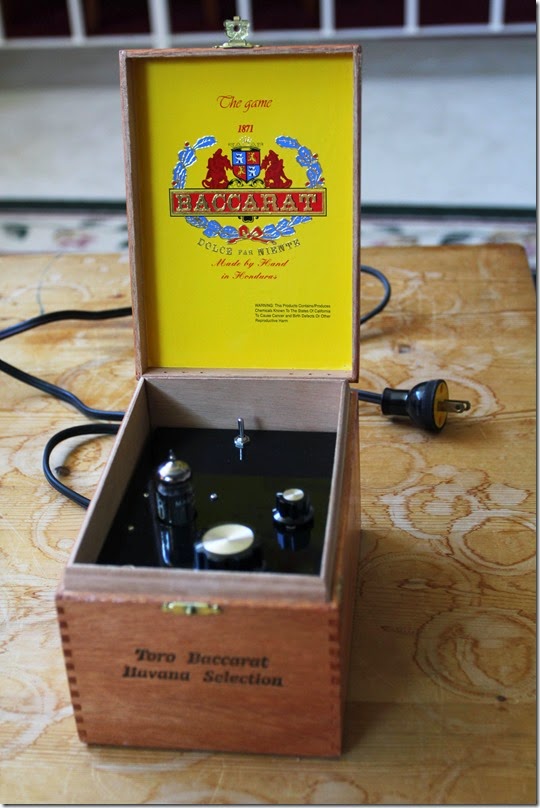
Beautiful use of a cigar box by Ben, KK6FUT. Ben is working in close proximity to Pete N6QW and has obviously fallen under the influence of Pete’s “Build Something With Tubes” field.
Watch out for the high voltage Ben. You aren’t in Arduino-land anymore! One hand behind the back OM!

Our book: “SolderSmoke — Global Adventures in Wireless Electronics” http://soldersmoke.com/book.htm Our coffee mugs, T-Shirts, bumper stickers: http://www.cafepress.com/SolderSmoke Our Book Store: http://astore.amazon.com/contracross-20

Author Peter MarksPosted on 21 November 201421 July 2025Categories Cuba, Juliano -- Pete, TubesLeave a comment on Tube Transmitter in a Cuban Cigar Box

Impedance Matching Transformers — Pete’s Magic Decoder Ring!

We got some questions on this and Pete was kind enough to write up some notes on the topic. We may talk more about this during the next podcast (Saturday):

Broad Band Impedance Matching Transformers.

Broad Band impedance matching transformers are designed to transfer power over a wide frequency range. More basic you have an amplifier that has an output impedance of 200 Ohms and you want to match that to a 50 Ohm load.

So what is the magic decoder ring so that you get a 4:1 match, ie going from 200 Ohms to 50 Ohms. Getting technical for a moment the maximum power transfer theorem says maximum power is developed when the source is matched to the load. The Broad Band Matching transformer enables that to happen over a wide frequency range.
So how do we get from 200 Ohms (the source) to 50 Ohms (the load)? Just as there are many airlines that fly from LA to NY so it is with the matching approach. We will cover several.

First a short discussion about broadband cores themselves. One of the most common cores for HF work is the type 43 core which is good up to about 50 MHz. For transformers up to 200 MHz then the type 61 are a better choice. Typically at HF the FT -37-43 is one of the more common ones see (3/8 inch in diameter), as is the FT-50-43 which is ½ inch in diameter. The iron powder cores are not the 1st choice for broad band matching.

#1 Way:
Build a transformer that has a primary of x number of turns (and since it is large, 200 Ohms will have more turns) and the secondary will have y number of turns ( and since it is smaller, 50 Ohms, will have fewer turns.) The transformer action is based on the ratio of the Primary turns Squared to the Secondary Turns squared. Our transformation is 4:1.
Thus if we divide the primary turns squared and divide it by the secondary turns squared the result is 4. Here are some example: if we had a primary of 8 turns ( 64) and a secondary of 4 turns (16) – 64/16 = 4. So that is our transformer a primary of 8 turns and a secondary of 4 turns. When building these transformers use two different colors of wire as that makes it much easier to identify the windings. Observe the phasing, meaning the end you connect to the collector of your output transistor is the start end. That same start end for the secondary winding is the output “hot” side of the secondary.

#2 Way.
The same ratio holds in going from 200 to 50 Ohms. But this time we will use a single winding of 8 turns and at 4 turns we will have a tap for the 50 Ohm point. Since that tap will very likely have Dc on it connect a 100 NF cap at the 4th turn winding and this is the output. What you have just done is create an auto transformer.

#3 Way.
At time one may have an oddball transformation and you can cascade transformers and multiply their individual turns ratios. At one time I needed a 9:1 transformation. I built a 2.5 transformer and then hooked that to a 4:1 and the result was a 9:1 transformer.
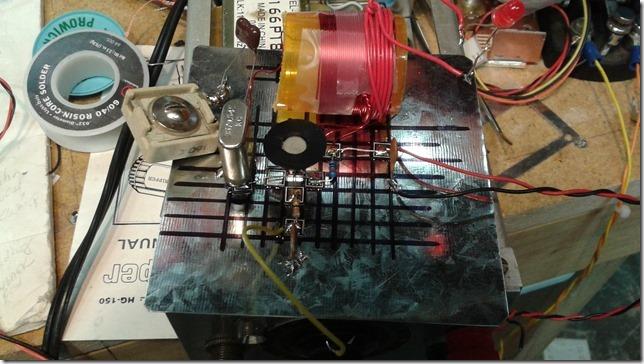
The attached table has “worked out” some common matches that are often needed like matching a 50 Ohm amplifier to a 500 Ohm Crystal Filter which is a 10: 1 match. This is easily done with a 6 turn primary (50 ohms 6^2 = 36) and the secondary has 19 turns ( 500 Oms 19^2 = 361). 361/36 = 10.03:1. Close enough for ham radio! The 1st way is probably more preferable for this application.
Pete N6QW

11/2014

Our book: “SolderSmoke — Global Adventures in Wireless Electronics” http://soldersmoke.com/book.htm Our coffee mugs, T-Shirts, bumper stickers: http://www.cafepress.com/SolderSmoke Our Book Store: http://astore.amazon.com/contracross-20
Author Peter MarksPosted on 20 November 2014Categories Juliano -- Pete1 Comment on Impedance Matching Transformers — Pete’s Magic Decoder Ring!

Electro-mechanical Heaven…. with Hell (Hellschreiber)

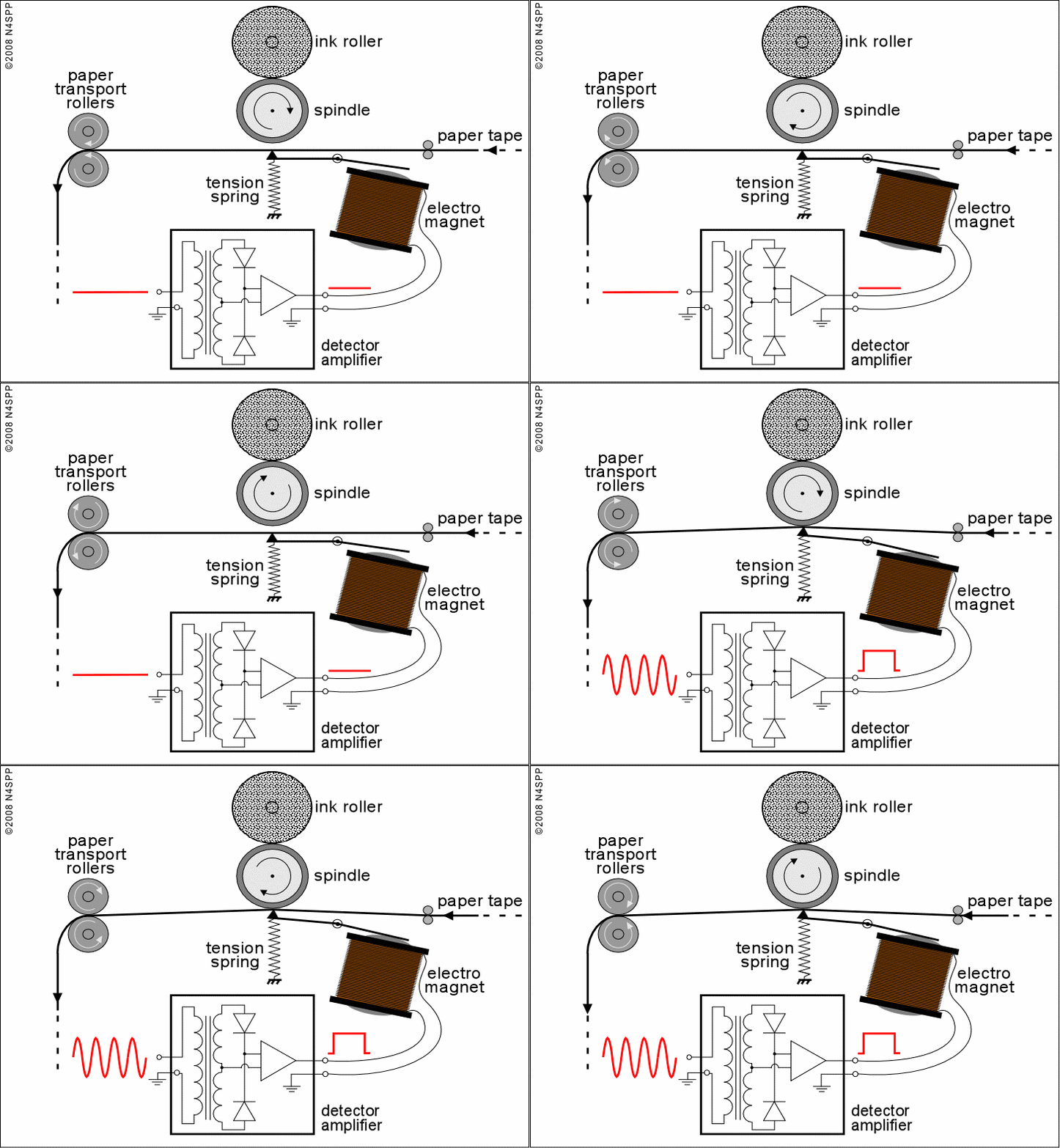
Electro-mechanical Heaven…. with Hell  (Hellschreiber)

Bob LeDoux sent us a link to a really amazing site about the Hellschreiber system. The site is filled with great videos, pictures, and animations like the one above. Lots of radio history too. Check it out:

http://www.nonstopsystems.com/radio/hellschreiber-function-operation.htm
This is all the work of F. Dorenberg, N4SPP. Thanks OM!

Bob writes: I’m working on a microcontroller based reader for
this mode. For old fossils, like us, this mode looks perfect. It can
be sent using simple CW equipment and it appears to be a great
replacement for those who are tiring of Morse code.
Its perfect for Knack victims. We can even build mechanical printers. Thanks Bob!

Our book: “SolderSmoke — Global Adventures in Wireless Electronics” http://soldersmoke.com/book.htm Our coffee mugs, T-Shirts, bumper stickers: http://www.cafepress.com/SolderSmoke Our Book Store: http://astore.amazon.com/contracross-20

Author Peter MarksPosted on 19 November 201421 July 2025Categories digital modes, Germany, Netherlands, radio historyLeave a comment on Electro-mechanical Heaven…. with Hell (Hellschreiber)

Pete’s Video on Connecting Arduinos and DDS chips (video)

After watching all Pete’s work with the smaller Arduinos, that Uno R3 board seems HUGE. That’s what I should stick with. Great idea using those robust terminal strips. Thanks Pete.

Our book: “SolderSmoke — Global Adventures in Wireless Electronics” http://soldersmoke.com/book.htm Our coffee mugs, T-Shirts, bumper stickers: http://www.cafepress.com/SolderSmoke Our Book Store: http://astore.amazon.com/contracross-20
Author Peter MarksPosted on 18 November 2014Categories Arduino, Juliano -- Pete, microcontrollers, videoLeave a comment on Pete’s Video on Connecting Arduinos and DDS chips (video)

Pete and Ben’s “Let’s Build Something” Direct Conversion Receiver

Pete and Ben’s “Let’s Build Something” Direct Conversion Receiver

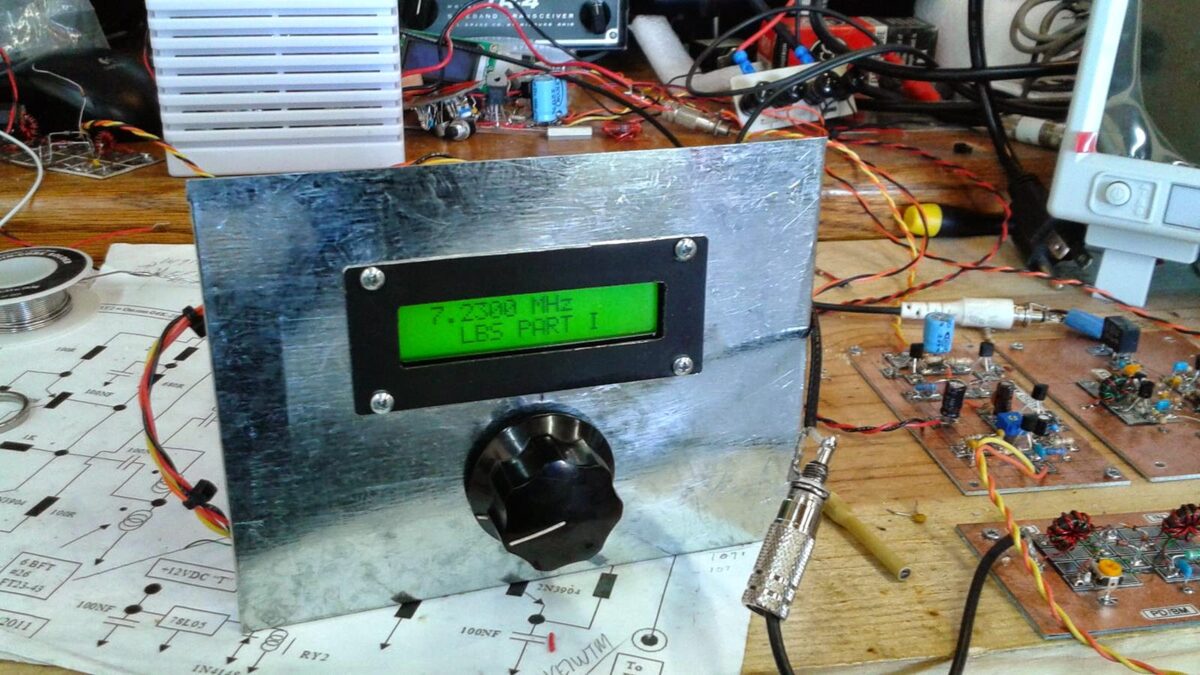
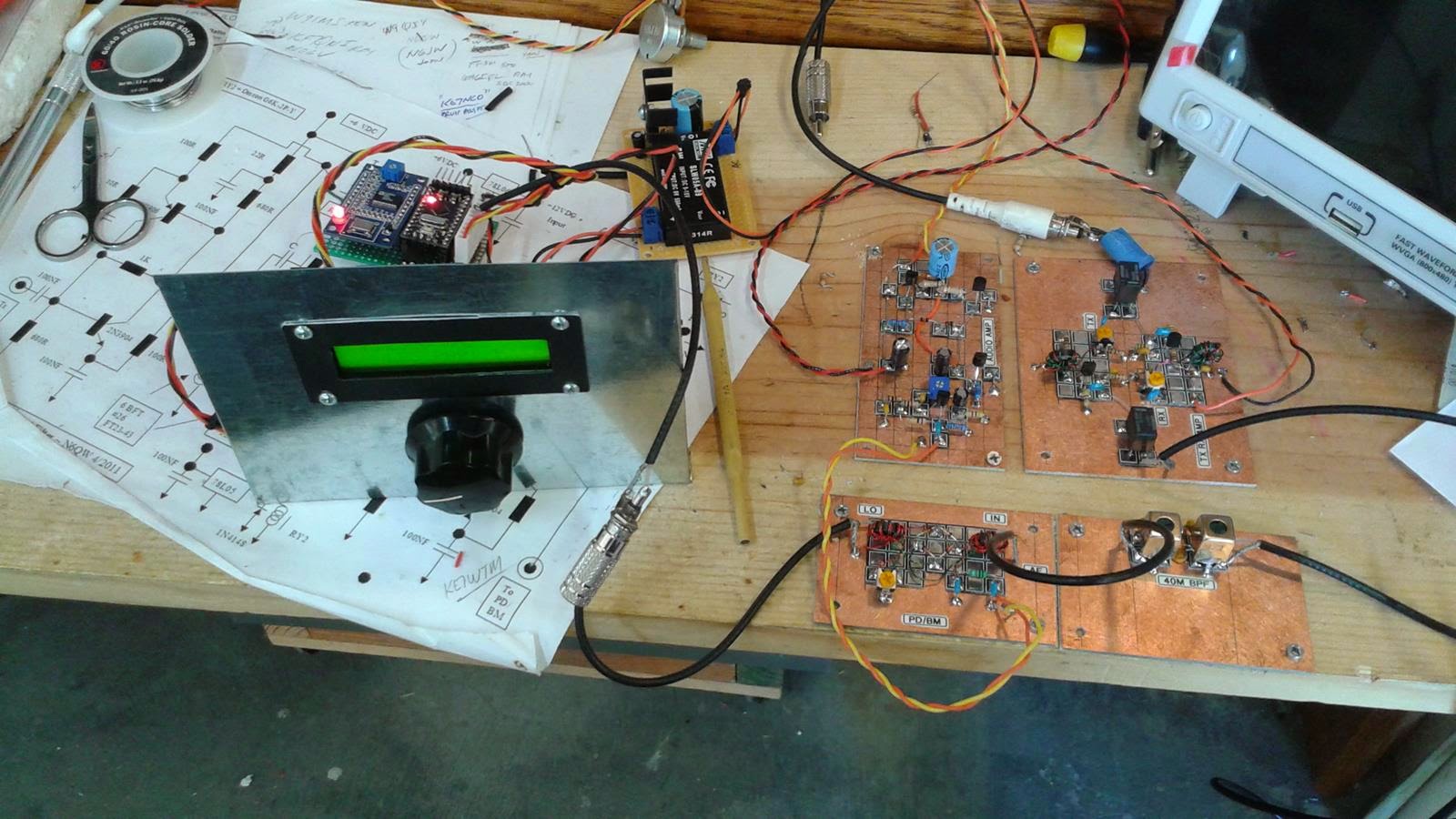
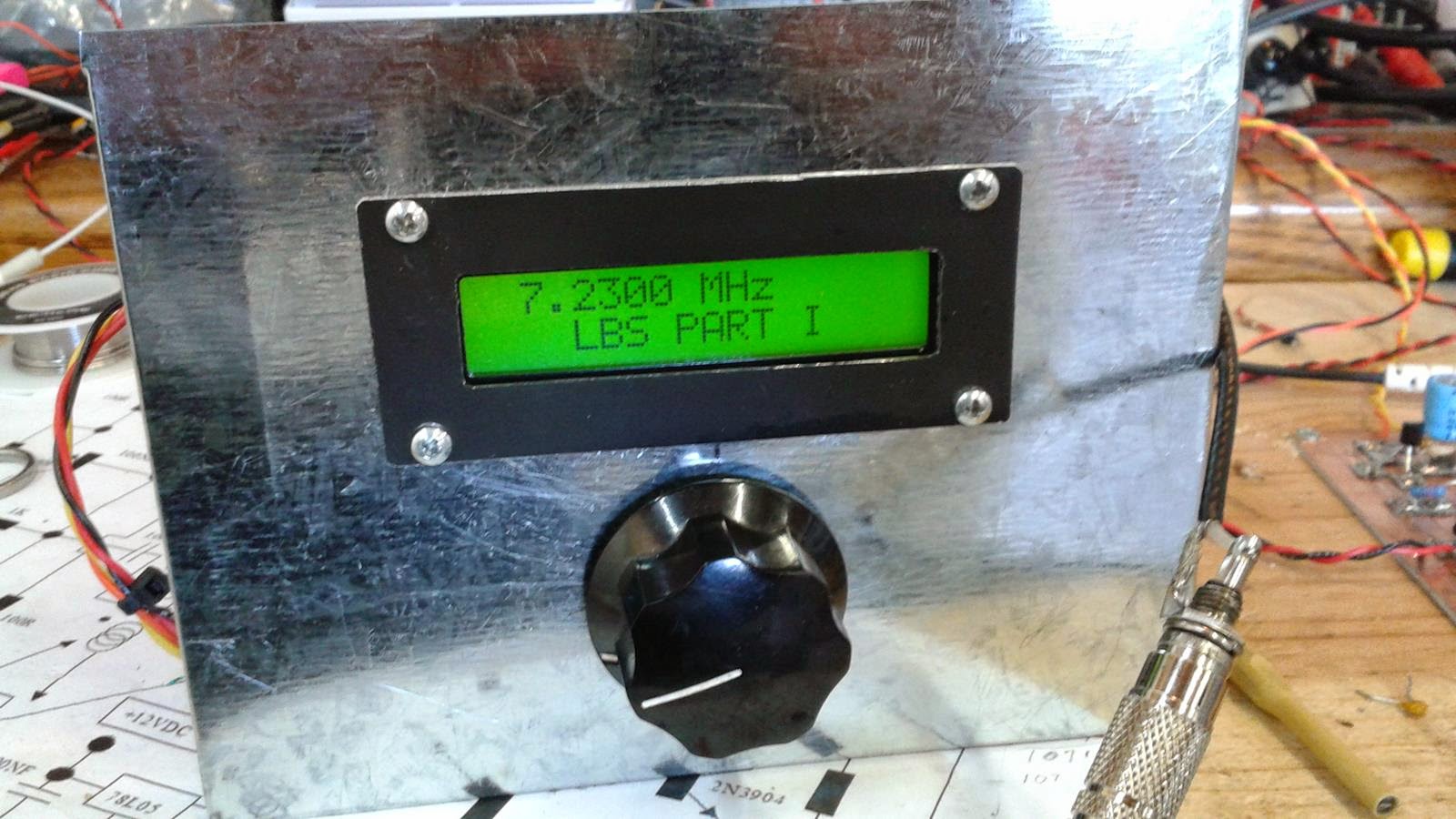
This direct conversion receiver is part of the “Let’s Build Something” project of Pete N6QW and Ben KK6FUT. Publication will be in QRP Quarterly late in January 2015. Pete reports that the front panel is a piece of galvanized sheet metal from Home Depot –total cost 82 cents.

Our book: “SolderSmoke — Global Adventures in Wireless Electronics” http://soldersmoke.com/book.htm Our coffee mugs, T-Shirts, bumper stickers: http://www.cafepress.com/SolderSmoke Our Book Store: http://astore.amazon.com/contracross-20

Author Peter MarksPosted on 17 November 201420 July 2025Categories Arduino, direct conversion, Juliano -- Pete, microcontrollersLeave a comment on Pete and Ben’s “Let’s Build Something” Direct Conversion Receiver

N2CQR WINS ARRL SWEEPSTAKES! AGAIN! (video)

We did it AGAIN! Winners in the Homebrew Double-Sideband QRP Northern Virginia Category! Sweet! I can’t wait to pick up the trophy!

Our book: “SolderSmoke — Global Adventures in Wireless Electronics” http://soldersmoke.com/book.htm Our coffee mugs, T-Shirts, bumper stickers: http://www.cafepress.com/SolderSmoke Our Book Store: http://astore.amazon.com/contracross-20
Author Peter MarksPosted on 16 November 2014Categories BITX20, DSB, JBOT, Parker--Peter1 Comment on N2CQR WINS ARRL SWEEPSTAKES! AGAIN! (video)

The Amazing Rigs of Lee Snook, W1DN

The Amazing Rigs of Lee Snook, W1DN

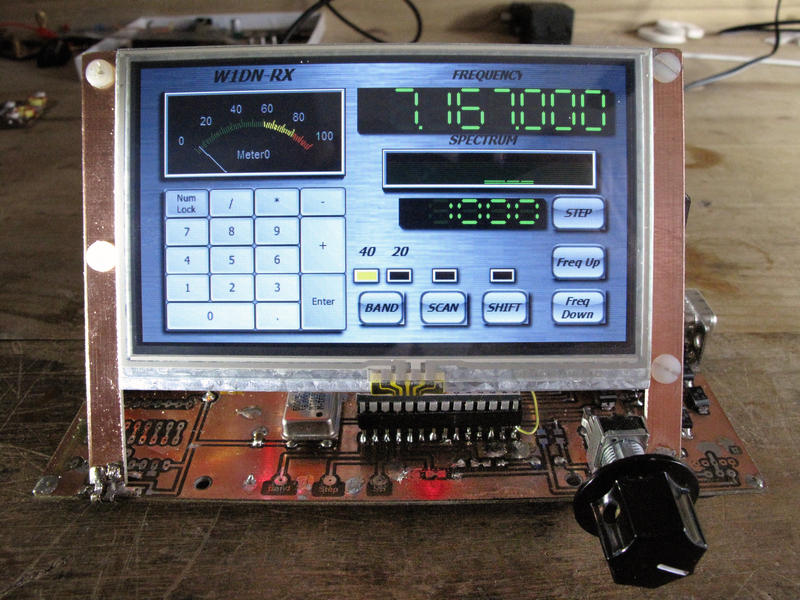
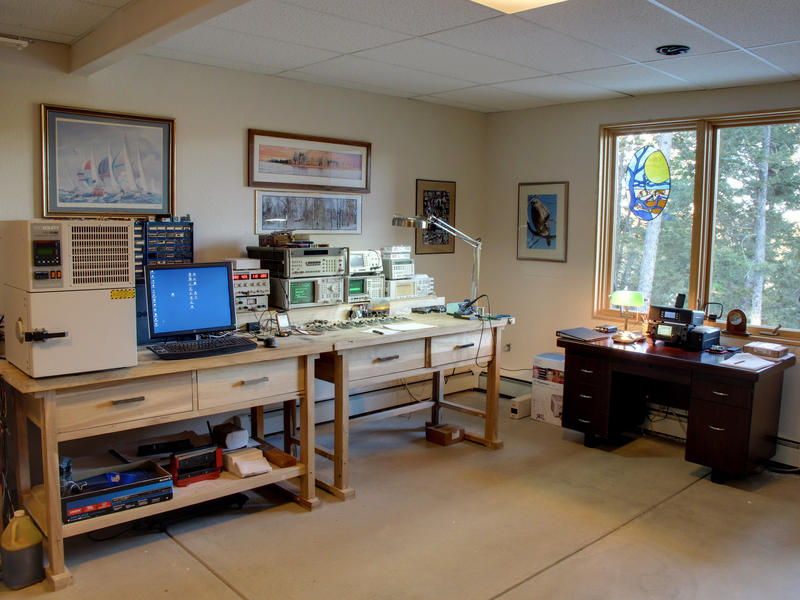
Back in March 2013 we ran a blog post linking to a video of a beautiful superhet receiver built by Lee Snook, W1DN (that’s his shop). Then the video disappeared. Today Peter Parker, VK3YE, alerted us to the reappearance of the video. Some Googling led me to Lee’s YouTube channel and many other videos of some truly amazing homebrew projects.

Here is his YouTube Channel: https://www.youtube.com/user/swradios/featured

And here are all his videos: https://www.youtube.com/user/swradios/videos

Check this out digi fans (from his QRZ page):

Our book: “SolderSmoke — Global Adventures in Wireless Electronics” http://soldersmoke.com/book.htm Our coffee mugs, T-Shirts, bumper stickers: http://www.cafepress.com/SolderSmoke Our Book Store: http://astore.amazon.com/contracross-20
Author Peter MarksPosted on 15 November 201422 July 2025Categories microcontrollers, Parker--Peter, video, workbench1 Comment on The Amazing Rigs of Lee Snook, W1DN

At the Comet

At the Comet

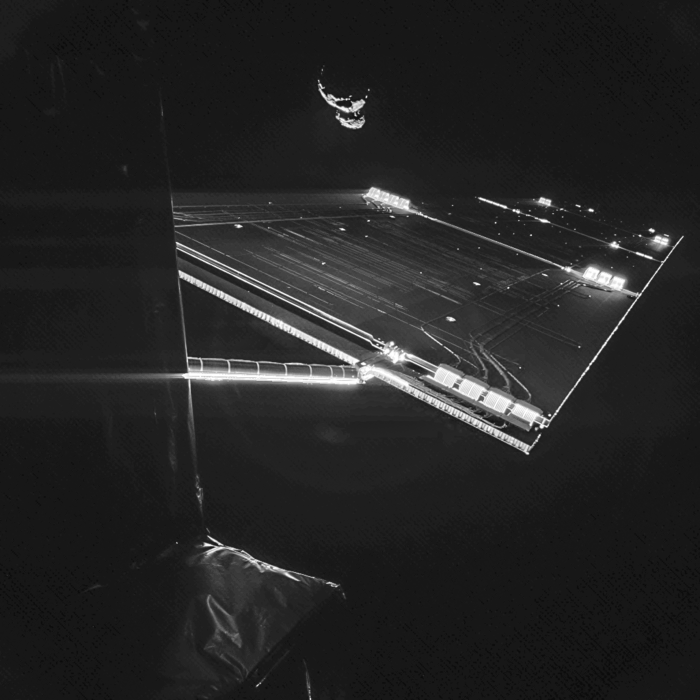
That’s an awe-inspiring “selfie”! This looks like something out of Kubrick’s “2001 — A Space Odyssey.” Congratulations to the European Space Agency!

Using the CIVA camera on Rosetta’s Philae lander, the spacecraft have snapped a ‘selfie’ at comet 67P/Churyumov–Gerasimenko. The image was taken on 7 September from a distance of about 50 km from the comet, and captures the side of the Rosetta spacecraft and one of Rosetta’s 14 m-long solar wings, with 67P/C-G in the background. Two images with different exposure times were combined to bring out the faint details in this very high contrast situation.

Our book: “SolderSmoke — Global Adventures in Wireless Electronics” http://soldersmoke.com/book.htm Our coffee mugs, T-Shirts, bumper stickers: http://www.cafepress.com/SolderSmoke Our Book Store: http://astore.amazon.com/contracross-20
Author Peter MarksPosted on 14 November 201422 July 2025Categories astronomy, space program1 Comment on At the Comet

Colin’s BITX

Colin’s BITX

With advice and tribal knowledge from N6QW and MeSquares from W1REX, Colin M1BUU, is making excellent progress on his BITX. I see that he has some territory on the board reserved for a DDS VFO. That’s fine, but here’s and idea for Colin and other builders: Why not build it with the standard VFO first and then add the DDS or Si570 VFO later, perhaps as an external accessory? That way you get the experience of building an LC VFO — the full BITX experience.

Yea, it is hard to imagine Paul M0XPD as a newcomer to the hobby such a short time ago — he is definitely now in the ranks of the esteemed digital Elmers.

And yes Colin, we do hope you avoid unwanted oscillations. Because of Farhan’s great design you have a good shot at avoiding this plague. But be prepared OM. It happens to the best of us. A lot. Stiff upper lip! Never give in!
*************
Hi Bill,
I enjoyed your video about your Arduino experiment. You bet me to it! I’m really looking forward to getting my version of an Arduino powered BITX up and running.
Steady progress is being made, yesterday I added my first bidirectional amplifier to the build. I now have the mic amp, BFO, balanced modulator and first amp completed. I tested the BFO on it’s own and got a respectable looking signal out of it and with a good swing below 10MHz.
Next I need to add the crystal filter, second IF amp and mixer. Pete’s video will help for the mixer! BTW, I’m using the ver3 schematic but I intend to use the ver1 band pass filter.
I set out building the circuit following the N2CQR layout diagram but I’ve already run short on space! I do have a good excuse though, my board is smaller than yours (10″x6″).
Despite my best intentions, I’m falling back towards old habits of making my circuits physically small. I’m using MeSquares in order to try and force myself to space things out a bit. I do hope that I don’t end up with any unwanted coupling!
I must try hard to leave lots of space between the next bits of circuit.
I was listening to SolderSmoke 104 today and Paul M0XPD was introduced as a new ham. Little did we know that Paul would become such a big player!
73, Colin M1BUU

Our book: “SolderSmoke — Global Adventures in Wireless Electronics” http://soldersmoke.com/book.htm Our coffee mugs, T-Shirts, bumper stickers: http://www.cafepress.com/SolderSmoke Our Book Store: http://astore.amazon.com/contracross-20
Author Peter MarksPosted on 13 November 201421 July 2025Categories Arduino, BITX20, Farhan, Harper -- Rex, Juliano -- Pete, UKLeave a comment on Colin’s BITX

Tricycle Mobile Contact

Tricycle Mobile Contact

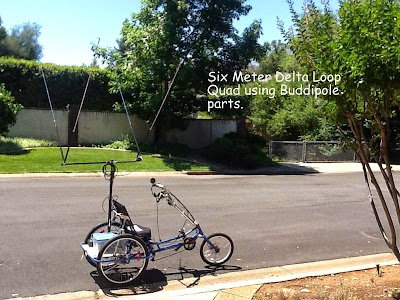
I couldn’t resist posting this picture of the vehicle used by Budd, W3FF. I talked to him yesterday on 17 meters — transcontinental — as he pedaled home in California on his magnificent trike. He wasn’t using the quad in the picture (he was on a vertical). The six meter quad is fantastic. He worked Japan with this rig on six. He has a trike trailer that carries his linear amplifier.

More on Budd and his trike mobile operations here:
https://sites.google.com/site/w3ffhomepage/

Our book: “SolderSmoke — Global Adventures in Wireless Electronics” http://soldersmoke.com/book.htm Our coffee mugs, T-Shirts, bumper stickers: http://www.cafepress.com/SolderSmoke Our Book Store: http://astore.amazon.com/contracross-20
Author Peter MarksPosted on 12 November 201422 July 2025Categories bicycle1 Comment on Tricycle Mobile Contact

Posts pagination

Page 1 Page 2 Next page

Recent Posts

  • One (of several) SolderSmoke Blog Backups: This one in .pdf form
  • Britain’s EF-50 Valve (Tube, Thermatron) in WWII
  • A USB-powered Homebrew X-ray machine. And who is Project 326?
  • How many of you guys have changed the clutch on a Heathkit HW-101 (or similar rig)?
  • Oscillation! Negative Resistance! Barkhausen Explained Very Well!

Recent Comments

  1. Peter Marks on Britain’s EF-50 Valve (Tube, Thermatron) in WWII
  2. WN2A on Oscillation! Negative Resistance! Barkhausen Explained Very Well!
  3. Anonymous on Oscillation! Negative Resistance! Barkhausen Explained Very Well!
  4. WN2A on Oscillation! Negative Resistance! Barkhausen Explained Very Well!
  5. Anonymous on Homebrew Hero: Sir Douglas Hall
  • "The Art of Electronics"
  • 10 meters
  • 12 meters
  • 15 Meters
  • 15-10 Transceiver
  • 160 meters
  • 17 meters
  • 1712 Rig
  • 2 meters
  • 20 meters
  • 20meters
  • 2200 and 630 meters
  • 30 meters
  • 40 meters
  • 6 meters
  • 60 meters
  • 75 meters
  • AA1TJ
  • AA7EE
  • Adams — Chuck
  • aeronautical mobile
  • Africa
  • AGC
  • AI
  • aircraft
  • Alaska
  • All American Five
  • AM
  • Amateur Television
  • amplifier theory
  • analog
  • Anguilla
  • Antarctica
  • antennas
  • Antuino
  • April 1
  • Arduino
  • arduinos
  • Argentina
  • Armstrong — Neil
  • Armstrong -E. Howard
  • ARRL
  • astronomy
  • audio amplifiers
  • Aurora
  • Australia
  • Austria
  • Azores
  • balloon
  • Bamford –Dave
  • Bangladesh
  • Barbados
  • beacon
  • Belgium
  • Beverage–Harold
  • bicycle
  • Billy
  • biology
  • bitx
  • BITX DIGI-TIA
  • BITX20
  • BITX40Module
  • BITX60
  • boatanchors
  • boats
  • book
  • books
  • Bose-JC
  • Botswana
  • Brazil
  • Brazil. Australia
  • Brazil. Belgium
  • broadcast radio
  • Budlong — Merrill
  • Burdick — Wayne
  • California
  • Campbell-Rick
  • Canada
  • Canary Islands
  • Carlson — Mr.
  • Carney-Todd
  • Carr — Joseph
  • cartoons
  • CB
  • CBLA
  • Cebik-L.B.
  • Central America
  • ceramic resonators
  • Chile
  • China
  • Cicadas
  • climate change
  • clocks
  • Cloud Chamber
  • Clubs
  • Collins — A. Frederick
  • Collins — Art
  • Colombia
  • computer history
  • construction techniques
  • Costa Rica
  • COVID
  • Crane-Bob
  • Croatia
  • crystal radio
  • Cuba
  • CW
  • CW.
  • Cyprus
  • Czech Republic
  • Darlington–Paul
  • DC Receiver Build
  • DC RX Hall of Fame
  • DDS
  • DeMaw–Doug
  • Denmark
  • DiFX
  • digital
  • digital logic
  • digital modes
  • Dilbert
  • direct conversion
  • Direct Conversion Challenge
  • Disaster Relief
  • Dobbs-George
  • Dominican Republic
  • Drake 2B
  • Drake TR-3
  • Drones
  • DSB
  • Dubai
  • DX-100
  • DX-390
  • DX-40
  • earthquake
  • Echolink
  • Ecuador
  • Edison — Thomas
  • Einstein — Albert
  • El Salvador
  • Elecraft
  • election
  • Electric Radio magazine
  • electrolytic capacitors
  • Ellsworth — Jeri
  • Elser-Mathes Cup
  • EM Waves
  • EME
  • Emergency Power
  • EMRFD
  • enclosures
  • ET-2
  • Europa
  • Evans– Grayson
  • Faraday — Michael
  • Farhan
  • Farnsworth–Philo
  • Faroe islands
  • FCC
  • FDIM
  • feedback
  • Fessenden — Reginald
  • Feynman — Richard
  • Field Day
  • Filters
  • Finland
  • Finnland
  • Fish Soup 10
  • Fishpool — Tony
  • Florida
  • FM
  • France
  • Franklin Oscillator
  • frequency counter
  • Fried–Limor
  • Friedrichs — HP
  • FT-8
  • Fusion
  • Gale — Todd
  • Germany
  • Gilbert Cell
  • Glue Sticks
  • Google
  • GQRP
  • greece
  • Green — Wayne
  • Guapo
  • Guatemala
  • Guth — Eric
  • h
  • Haiti
  • Hall-Douglas
  • Hallicrafters
  • Ham Radio Workbench
  • Hamel–Armand
  • hamfest
  • Hamfests and Flea Markets
  • Hammarlund
  • Harden-Paul
  • Harper — Rex
  • Harris — Frank
  • Hawaii
  • Hayward–Wes
  • HB2HB
  • Heathkit
  • heathkits
  • heatsinks
  • Heaviside — Oliver
  • Heil — Bob
  • Herring Aid 5
  • Hex Beam
  • Hodgepodge rig
  • homebrew
  • homebrew hero
  • homebrew transistors
  • Honduras
  • Hong Kong
  • HP8640B
  • HQ-100
  • Hungary
  • Hunkin — Tim
  • HW-101
  • HW-7
  • HW-8
  • IBEW
  • Iceland
  • ICs
  • Idaho
  • IGY
  • impedance matching
  • India
  • Indonesia
  • integrated circuits
  • Interference
  • Iraq
  • Ireland
  • IRF510
  • Israel
  • Italy
  • Jaguey
  • Jamaica
  • Japan
  • JBOT
  • Jean Shepherd
  • Jim Williams
  • Job Opportunities
  • John Edwards
  • Jones — Frank
  • Jordan
  • JT65
  • Judica Cordiglia
  • Juliano — Pete
  • Jupiter
  • K1JT
  • K5WDW
  • Kang- KPS
  • Karl and Jerry
  • keyers
  • Keyser — Ian
  • Kits
  • KL7R
  • kludge
  • Knack Stories
  • Kraus — John
  • Lady Ada
  • Lafayette HA-600A
  • Large Hadron Collider
  • Laser
  • Lebanon
  • LED
  • LEDs
  • Lewallan — Roy
  • Lewallen — Rick
  • lexicon
  • Light Beam Telephony
  • Light Bulbs
  • Lightning
  • Linux
  • Lithuania
  • LM373
  • Long Delayed Echo
  • LtSpice
  • M0NTV
  • Macdonald — Copthorne
  • Madagascar
  • Mafalda
  • magazines
  • MAKE
  • Malaysia
  • Marconi
  • Marconi-Guglielmo
  • Mars
  • Mate for the Mighty Midget
  • math
  • mathematics
  • Maxwell — James Clerk
  • McCoy — Lew
  • Mercury
  • metal work
  • meteors
  • Mexico
  • MFJ Cub
  • Michigan Mighty Mite
  • microcontrollers
  • Microphone
  • military radios
  • Mims — Forrest
  • Minima
  • minimalist computing
  • minimalist radio
  • mixer theory
  • Mixers
  • mongolia
  • Montana
  • Montenegro
  • moonbounce
  • Morris — Charlie
  • movie review
  • Moxon
  • Muppet Boards
  • Murphy — Mike WU2D
  • Murphy — Steve
  • museum
  • music
  • Mythbuster
  • Namibia
  • nano UK. New Zealand
  • NanoVNA
  • NE602
  • Nepal
  • Netherlands
  • Netherlands.
  • New York City
  • New Zealand
  • noise
  • Norway
  • Novice Station
  • nuclear power
  • Numbers stations
  • Old radio
  • Old Smoke
  • OLED
  • oscilloscope
  • Other homebrews
  • Pakistan
  • Panama
  • parachute
  • Paraguay
  • Parasets
  • Parent — Allison
  • Parfitt– Dale
  • Parker–Peter
  • Parts suppliers
  • Penson-Chuck
  • Pete
  • Phase Locked Loop
  • Phase Noise
  • phasing
  • Phasing Rigs
  • Philippines
  • photography
  • Physics
  • poetry
  • Poland
  • Polyakov–Vladimir
  • Portugal
  • Project Gutenberg
  • propagation
  • PTO
  • Puerto Rico
  • PY2OHH
  • Qatar
  • QCX
  • QRP
  • QRP. Germany
  • QRSS
  • QST
  • Quarantine
  • R-390
  • R/C plane
  • radio astronomy
  • radio history
  • Rainey — Michael
  • Raspberry Pi
  • Reber–Grote
  • regen
  • Regens
  • reggie
  • repair
  • resonance calculations
  • Reunion Island
  • Reverse Beacon Network
  • Rider — John
  • ro
  • Roberts–Steven
  • robot
  • rockets
  • Rockey — C.F.
  • Romania
  • RTTY
  • Rudy Severns
  • Russia
  • S-38E
  • San Francisco
  • Sardinia
  • satellites
  • Saturn
  • sBITX
  • Schwartz-Eric
  • science fiction
  • Scotland
  • Scott– Richard N3FJZ
  • SDR
  • SETI
  • Shannon — Claude
  • Shenandoah
  • Short Wave Listening
  • Si5351
  • Sicily
  • sideband inversion
  • Sierra Leone
  • Silver — McMurdo
  • Silverman — Steve
  • simulators
  • Singapore
  • Slovakia
  • Smith–Steve
  • software
  • solar cycle
  • Solar power
  • solder
  • SolderSmoke Podcast
  • SolderSmoke Shack South
  • SolderSmoke store
  • SolderSmoke Videos
  • SOTA
  • Souleles — Dean
  • South Africa
  • South Korea
  • Soviet Union
  • space program
  • Spain
  • Sparks — Ron
  • sponsor
  • SPRAT
  • SSB
  • SSDRA
  • SST
  • SSTV
  • static electricity
  • stickers
  • Stoll — Cliff
  • Sub-Harmonic mixer
  • Summers-Hans
  • Sun
  • Superhet receivers
  • surface mount
  • Swan 240
  • Sweden
  • Switzerland
  • SWL
  • Tape recorder
  • Tasmania
  • Taylor — Joe
  • Taylor — Paul
  • telescope
  • telescopes
  • teletype
  • Television
  • Temperature Compensation
  • Terman — Frederick
  • Tesla — Nikola
  • test gear
  • Thailand
  • The Knack
  • Tibet
  • Time
  • TinySA
  • TJ DC RX
  • tools
  • Toroids
  • Trastevere
  • TRGHS
  • Trivial Electric Motor
  • troubleshooting
  • tube
  • Tubes
  • Tubes. tube
  • Tuna Tin 2
  • Turkey
  • Twain — Mark
  • UAE
  • uBITX
  • UHF
  • UK
  • Ukraine
  • Uncategorised
  • uSDX
  • Van Vark — Tatjana
  • Vatican Radio
  • Venezuela
  • venus
  • VFO
  • VHF
  • vide
  • video
  • Vienna Wireless Society
  • Vietnam
  • Virginia
  • VK4KA
  • W1PID
  • W7ZOI
  • WA6ARA
  • WA7MLH
  • Walford Electronics
  • Washington D.C.
  • WD-40
  • weather
  • web sites
  • Weber-Steve
  • Weiss–Ade
  • Williams — Jim
  • wind power
  • WN2A
  • wolke — Alan
  • Woodpecker
  • woodworking
  • workbench
  • workshop
  • Wozniak — Steve
  • WSPR
  • Yates–Alan
SolderSmoke Daily News — Ham Radio Blog Proudly powered by WordPress