Renaissance Man Illustrator for Scientific American

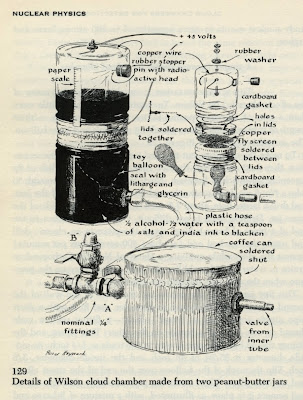
C.L. Stong wrote the “Amateur Scientist” column for Scientific American for many years. When I was a boy, my mom saved up to buy me the anthology of Strong’s columns. It had a big impression on me — I still have a copy on my shelf. I never gave much thought to the illustrations, but I now realize that they were responsible for much of the impact that that book had on me. The cloud chamber drawing was one of my favorites. Note the use of peanut-butter jars. Yea!

This morning an article on the Maker blog focused on the genius who did all those wonderful drawings: Roger Hayward (I wonder if there is any relation to Wes and Roger — all three are from Oregon and all three are technical geniuses.)

I found this very nice web site about Roger Hayward: http://scarc.library.oregonstate.edu/omeka/exhibits/show/hayward/introduction/introduction/
There are great illustrations in many places. For the Scientific American drawings go to the 1960s section.

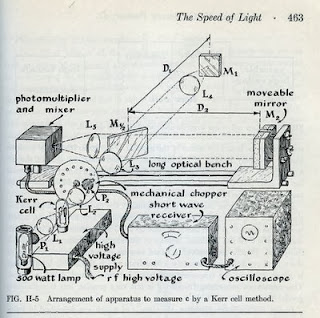
And check out this one:
From: http://scarc.library.oregonstate.edu/omeka/items/show/4456

Our book: “SolderSmoke — Global Adventures in Wireless Electronics” http://soldersmoke.com/book.htm Our coffee mugs, T-Shirts, bumper stickers: http://www.cafepress.com/SolderSmoke Our Book Store: http://astore.amazon.com/contracross-20
W4OP — Earth-Moon-Earth and Another Barebones Superhet

Years ago I bought a Barebones Superhet from Dale Parfitt on E-bay. Several years after that, having forgotten who I bought it from, I was asking questions about how to get it working on 17 meters. Dale jumped in with some very helpful e-mails. It took us both a while to realize that I was working on the receiver that he had built. Dale is active in a really wide range of ham radio activities, everything from QRP to EME. Check out his homebrew projects here (I really like his Solid State Drake 2-B!) http://www.parelectronics.com/par-homebrew-projects.php
And his vintage projects here: http://www.parelectronics.com/vintage-radio-restoration.php
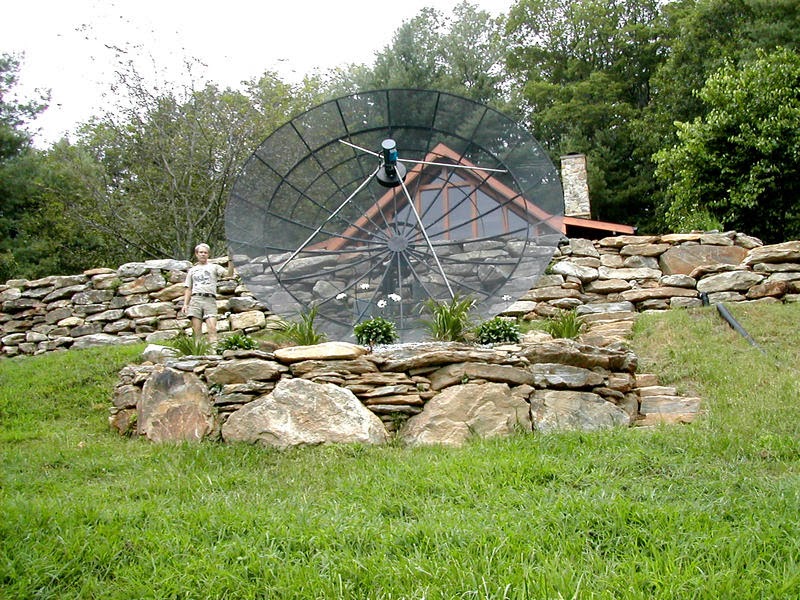
And here’s what Dale has been doing with the Moon (that’s his 15 foot dish in the picture):

Hi Bill,

I thought of you today when I won a Bare Bones Barbados RX on eBay for $5. I am going to team it with a DDS VFO and a matching TX.Some parts are apparently missing, but i have a huge junk box and also know how to order from Mouser should the junk box fail me.

Right now I am putting my solid state 650W 1296MHz EME amp , Power Supply, meters etc. in its waterproof cabinet so I can mount it right at the dish and not incur any feedline losses.

1296 is probably the best EME band. Power is getting easier and easier to acquire (although solid state is around $5/watt), dishes are fairly easy to acquire or build and perhaps most importantly, we all use circular polarity feeds with no relays/hybrids. Activity weekend can sound like 20M, with a number of stations just ragchewing on CW and SSB.
73,

Dale W4OP
for PAR Electronics, Inc.
http://www.parelectronics.com

Our book: “SolderSmoke — Global Adventures in Wireless Electronics” http://soldersmoke.com/book.htm Our coffee mugs, T-Shirts, bumper stickers: http://www.cafepress.com/SolderSmoke Our Book Store: http://astore.amazon.com/contracross-20
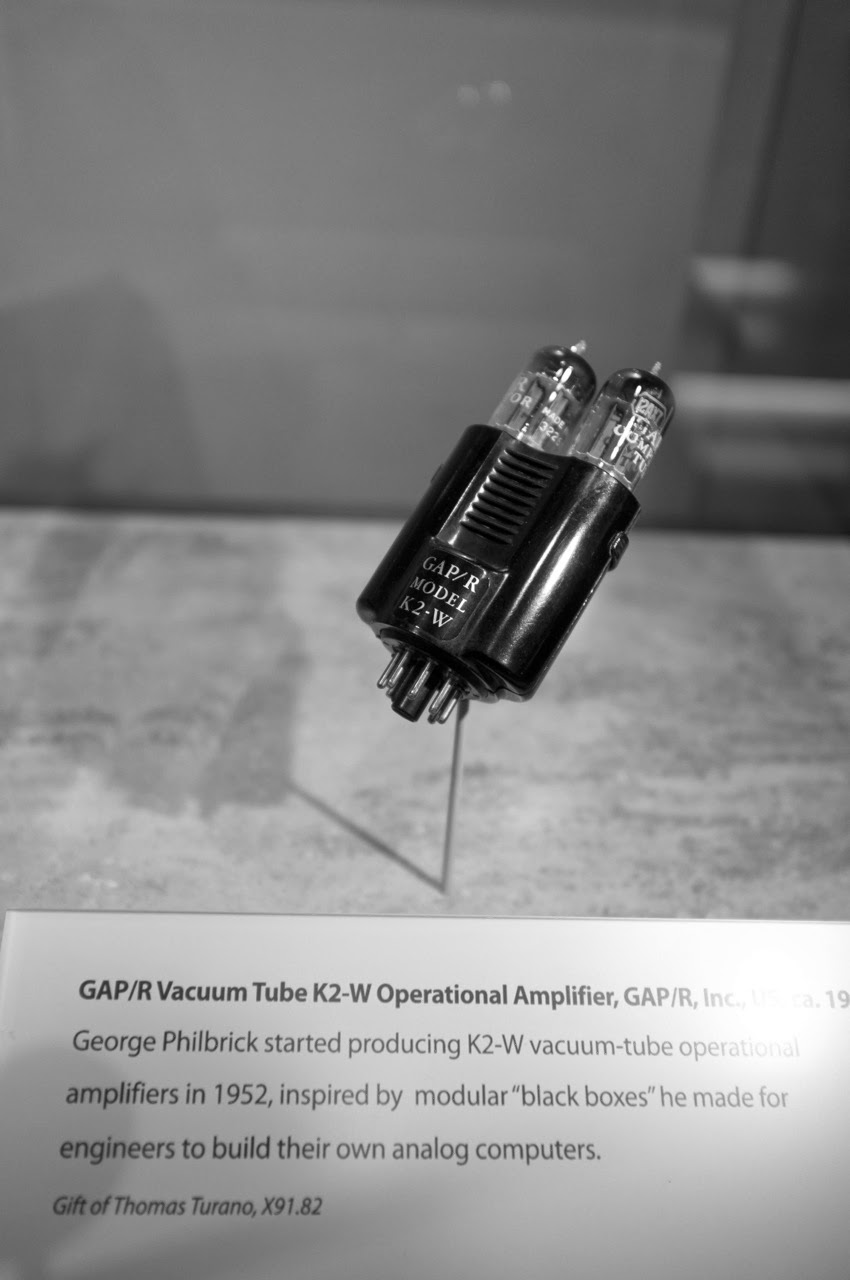
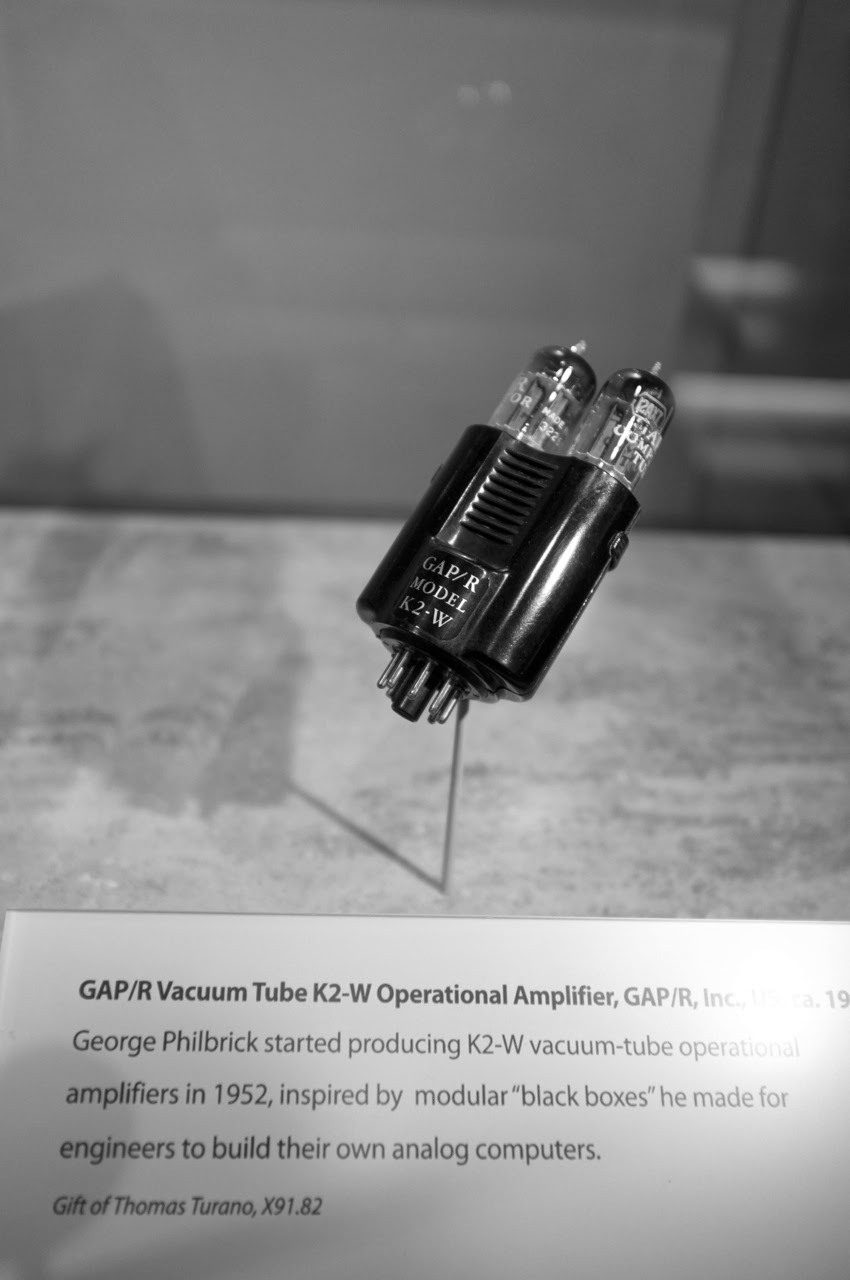
Thermitron (Tube, Valve) Op-Amps

It is kind of appealing. I like it better than the 741. This one you can take apart and see how it works. Thanks Rogier!

Our book: “SolderSmoke — Global Adventures in Wireless Electronics” http://soldersmoke.com/book.htm Our coffee mugs, T-Shirts, bumper stickers: http://www.cafepress.com/SolderSmoke Our Book Store: http://astore.amazon.com/contracross-20

Thermitron (Tube, Valve) Op-Amps

It is kind of appealing. I like it better than the 741. This one you can take apart and see how it works. Thanks Rogier!

Our book: “SolderSmoke — Global Adventures in Wireless Electronics” http://soldersmoke.com/book.htm Our coffee mugs, T-Shirts, bumper stickers: http://www.cafepress.com/SolderSmoke Our Book Store: http://astore.amazon.com/contracross-20

11 MHz IF for new BITX 20/40 Dual Bander? Also: Cabinetry and Socketry

I am gathering parts and ideas for a BITX dual bander (20 and 40 meters). I know Farhan used a 10 MHz filter for his “Simple SSB Transceiver.” But I was thinking of going a bit higher, to 11 MHz. This would allow me to run the VFO from 3.175 to 3.355 for 20 meters, and 3.695 to 3.875 for 40 meters. I’m hoping that I can do this with one single VFO (Farhan used two VFOs), perhaps with a reed relay switching in some additional capacitance for the other band. I’ll also follow Farhan’s lead and switch the Low-Pass and Band-Pass filters with DPDT relays.

I set up a simple spread sheet and looked at the VFO harmonics to see if any fell within the desired tuning ranges. That looks OK. I have not looked at mixing products between VFO and BFO. What do you folks think? Would the 11 MHz IF for these bands work? Or are there evil birdies lurking in my future?

I’ve gone ahead and bought another wood box for the new rig (I didn’t even have to suffer through a second visit to the crafts store — they are available on Amazon). I also got a roll of copper sheeting at Home Depot. This time I will prepare the box first, lining the inside with copper and preparing all the “socketry” (George Dobbs’ word) before putting the PC board in.

Our book: “SolderSmoke — Global Adventures in Wireless Electronics” http://soldersmoke.com/book.htm Our coffee mugs, T-Shirts, bumper stickers: http://www.cafepress.com/SolderSmoke Our Book Store: http://astore.amazon.com/contracross-20